
Terrier group
Cesky Terrier
The Cesky Terrier (pronounced 'CHESS-key') is the national dog of the Czech Republic and one of the rarest terriers in the world — only a few hundred live in the United States.
Size
14-22 lb
Lifespan
12-15 years
Exercise
30-60 minutes
Shedding
Moderate
Experience
Match to owner routine
Decision first
Is a Cesky Terrier right for you?
Start with fit before history or trivia. These are ownership signals, not guarantees about any individual dog.
Best suited for
- Households with children.
- Homes with other compatible pets.
- Apartment homes with a consistent routine.
- Owners seeking a manageable daily exercise routine.
Think carefully if
- You need a dog with almost no daily routine.
- You cannot keep up with grooming and preventive care.
- The dog will spend most days alone without support.
Conditional fit
Apartment fit depends on exercise, enrichment, noise management, and outdoor access.
Daily reality
Cesky Terrier commitment snapshot
Daily exercise
30-60 minutes
Match activity to age, health, weather, and training goals.
Coat care
Moderate
Grooming needs vary by coat, shedding, and lifestyle.
Time alone
Needs planning
Most dogs need gradual alone-time conditioning and support.
Structured facts
Cesky Terrier at a glance
The measurements and traits that most affect day-to-day life with this breed.
Group
Terrier
Weight
14-22 lb
Height
10-13 in
Lifespan
12-15 years
Temperament
Clever | Adventurous | Family-Oriented
View all characteristics and methodology
Lifestyle fit
- Apartment suitability
- Likely fit
- Child friendliness
- Often good, with socialisation and supervision
- Other-pet fit
- Often compatible with careful introductions
Owner commitment
- Exercise
- 30-60 minutes
- Grooming
- Moderate
- Shedding
- Moderate
- Training
- Moderate
Environment and health
- Health risk
- Needs planning
Ratings combine structured breed data, visible breed fields, and editorial context. They are planning aids, not predictions for an individual dog.
Daily life
Cesky Terrier temperament and behavior
The Cesky Terrier (pronounced 'CHESS-key') is the national dog of the Czech Republic and one of the rarest terriers in the world — only a few hundred live in the United States. It is a short-legged, muscular earthdog standing no taller than 13 inches and weighing roughly 14-24 lbs, with a distinctive fine, silky, wavy coat in shades of grey, including a striking platinum. It was purpose-built in the 1940s as a calmer, more biddable burrow-hunting terrier than the British breeds it descends from. That 'calmer terrier' design is the whole pitch and the key decision point. Compared with most terriers, the Cesky is mellower, less yappy, more trainable, and more inclined to please its people — a genuinely good family companion and reasonable apartment dog if exercised. But 'calmer than a terrier' is not 'not a terrier.' It still has real prey drive, will dig, can be tenacious, and is wary of strangers and protective of family (a quiet, effective watchdog). It also has a non-negotiable coat: the Cesky is clipped, not stripped, every 6-8 weeks for life. Temperament is clever, adventurous, family-oriented, and people-focused; Ceskys do not do well left alone for long stretches and can develop separation-related behaviors. They are good with children they are raised with and tolerant of other dogs, but small pets are a prey-drive risk. Who the Cesky is right for: an owner who wants a small, sturdy, affectionate, lower-drive terrier, will commit to a clipping schedule and grooming cost, and can give it company and 30-60 minutes of daily activity. Who it is wrong for: anyone wanting a coat-free or grooming-free dog, owners away from home all day, households with free-roaming rabbits or rodents, or anyone who will be on a multi-year waitlist and give up. Decide on the grooming commitment and the scarcity before the temperament sells you.
Clever | Adventurous | Family-Oriented
Clever
A common Cesky Terrier temperament descriptor that should be interpreted alongside training, exercise, and household fit.
Adventurous
A common Cesky Terrier temperament descriptor that should be interpreted alongside training, exercise, and household fit.
Family-Oriented
A common Cesky Terrier temperament descriptor that should be interpreted alongside training, exercise, and household fit.
Owner note
Temperament labels are starting points, not guarantees. Meet the individual dog and ask about behavior history whenever possible.
Care essentials
How to care for a Cesky Terrier
What looking after one actually involves: exercise, grooming, food, training, and routine health.
ExerciseAs needed
- Moderately active breed needing 30-60 minutes of daily exercise through walks, play, and mental stimulation.
GroomingAs needed
- Regular grooming needed — brush 2-3 times per week and bathe monthly.
TrainingAs needed
- Moderately trainable — consistent, patient training with positive methods works best.
NutritionAs needed
- Feed a high-quality dog food appropriate for their age, size, and activity level. Monitor portions to prevent obesity.
Veterinary CareAs needed
- Annual wellness exams, core vaccinations, dental care, and parasite prevention. Breed-specific health screenings as recommended by your vet.
Health planning
Cesky Terrier health risks and screening
Every breed has individual health variation. Use this profile for planning and discuss medical decisions with a veterinarian.
Responsible ownership
Finding a Cesky Terrier responsibly
What to ask a breeder or rescue is the same conversation for every breed, so we keep it in one place and keep it current.
Health documentation, meeting the parents or foster, contracts and return support, and the warning signs worth walking away from.
Original purpose
Cesky Terrier history
History is useful when it explains today's behavior, coat, exercise needs, and training style.
Read the breed history
The Cesky Terrier is a deliberately created modern breed, developed in the 1940s and 1950s by František Horák, a Czech geneticist and dog breeder, by crossing the Sealyham Terrier with the Scottish Terrier (with some accounts noting additional terrier input). Horák's goal was practical: he wanted a narrower-bodied, more tractable hunting terrier that could work foxes and other quarry in burrows and packs in the Bohemian forests, with a calmer, more biddable temperament than the often headstrong British terriers of the day. The breed was recognized by the FCI in 1963 and named the national dog of the (then) Czechoslovakia, later the Czech Republic. Because it was built from a small foundation in a small country and only reached wider international recognition recently — AKC full recognition came in 2011 — the global gene pool remains limited and the breed is genuinely scarce, with only a few hundred in the United States. Its Sealyham and Scottish Terrier ancestry directly explains several of its inherited health risks today.
Gallery
Cesky Terrier photos
Images are cropped consistently and loaded progressively to keep the page responsive.
Lower-page context
Cesky Terriers in culture
Where the breed shows up in film, sport, work and folklore — the enjoyable part, once the practical questions are answered.
Fun facts
- The Cesky Terrier belongs to the Terrier Group.
- With proper care, Cesky Terrier dogs can live up to 15 years or more.
- Cesky Terrier dogs are valued for their clever, adventurous, family-oriented nature.
Cesky Terrier FAQs
How is the Cesky Terrier different from other terriers?
It was deliberately bred in the 1940s to be a calmer, more biddable, less yappy burrow-hunting terrier than its Sealyham and Scottish Terrier ancestors. In practice that means it is more trainable, more people-pleasing, and quieter than a typical terrier, while still keeping real prey drive, a digging habit, and watchdog wariness. If you want terrier loyalty and toughness without the full terrier intensity, that trade-off is exactly what the breed was designed to deliver — but it is still a terrier, not a lapdog.
How much does grooming a Cesky Terrier cost over time?
This is the hidden cost most buyers miss. Unlike most terriers, the Cesky is clipped — not hand-stripped — every 6-8 weeks for life, plus brushing 2-3 times a week between clips. Professional grooming typically runs $50-90 per session, roughly every two months, which is around $400-700 a year for the dog's entire 12-15 year life, unless you invest in clippers and learn to do it yourself. Budget for it before you commit.
What is Scottie Cramp and should it worry me?
Scottie Cramp is an inherited neuromuscular condition the Cesky carries from its Scottish Terrier ancestry. During excitement or hard exercise the dog may briefly stiffen, arch its back, or 'goose-step', then return to normal with rest. It is not painful, not progressive, and does not shorten life. It is managed by limiting triggers and occasionally with medication. Film an episode and show your vet so it is correctly identified rather than mistaken for a seizure or orthopedic problem.
How long do Cesky Terriers live, and what health tests matter?
They typically live 12-15 years and are reasonably sound, but their Sealyham and Scottish Terrier roots bring specific inherited risks. The tests that matter most are a primary lens luxation (PLL) DNA test, annual eye exams for PRA and cataracts, patella evaluation, and a cardiac clearance — the AKC parent club's CHIC program defines the required panel. Ask for the parents' results in writing; in such a small gene pool, screening discipline is the main protection.
Are Cesky Terriers good for apartments and families?
Yes, on both counts, with caveats. They are quieter and lower-energy than most terriers, so they adapt well to apartments given 30-60 minutes of daily exercise, and they are affectionate and good with children they are raised with. The two caveats: they dislike being left alone all day and can develop separation behaviors, and their prey drive makes free-roaming small pets like rabbits and rodents a poor match without permanent separation.
Why are Cesky Terriers so hard to find?
The breed was created in the 1940s in a small country from a small foundation, only reached AKC recognition in 2011, and remains genuinely rare — only a few hundred in the United States. Expect a waitlist, limited choice of litters, and possibly travel. Use the wait to vet the breeding: a responsible source in such a tiny gene pool will readily share PLL DNA results, eye exams, patella, and cardiac clearances on both parents. 'Available immediately, no paperwork' is a warning sign in this breed.
Sources
These are the published sources this page draws on. Each opens in a new tab so you can check it yourself.
American Kennel Club
Cesky Terrier — breed standard and profile(opens in a new tab)Supports: Breed standard and recognition details.
Similar breeds to consider
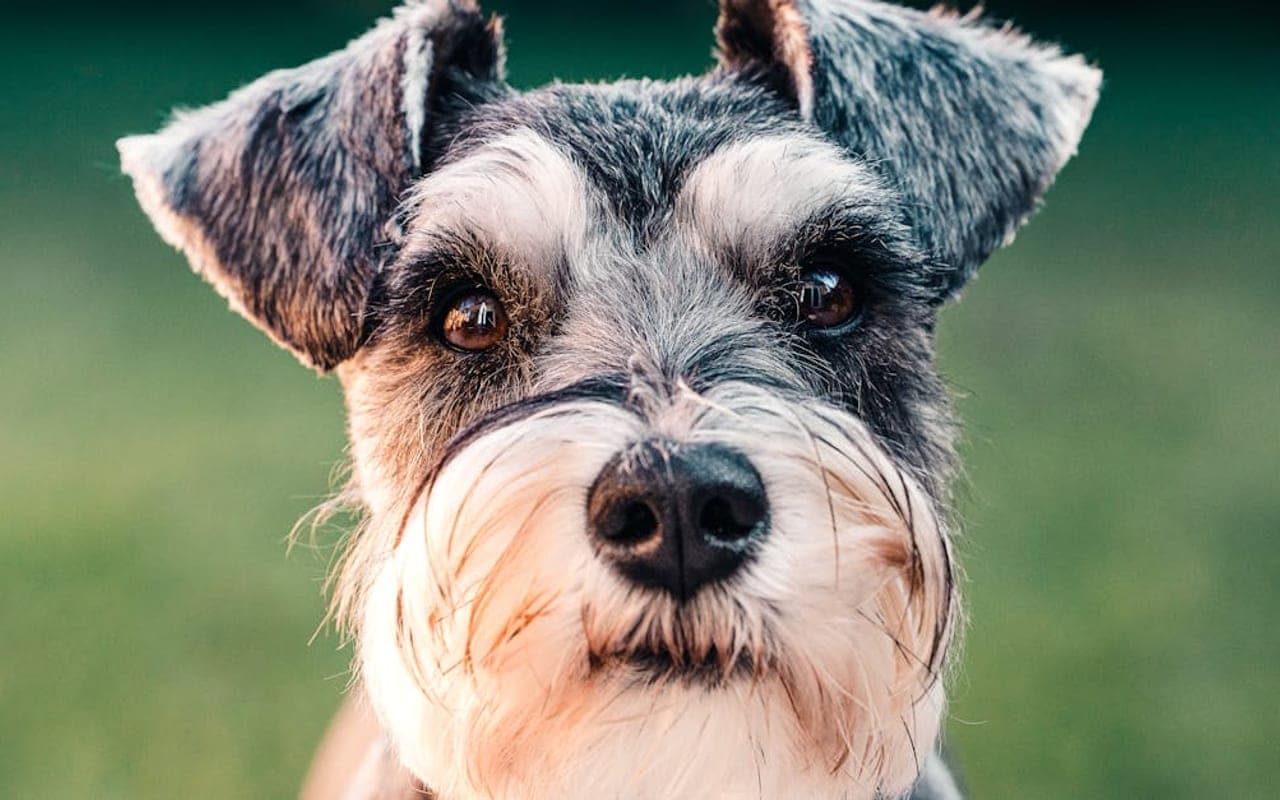
Miniature Schnauzer
Also in the Terrier group, with different care and temperament tradeoffs.
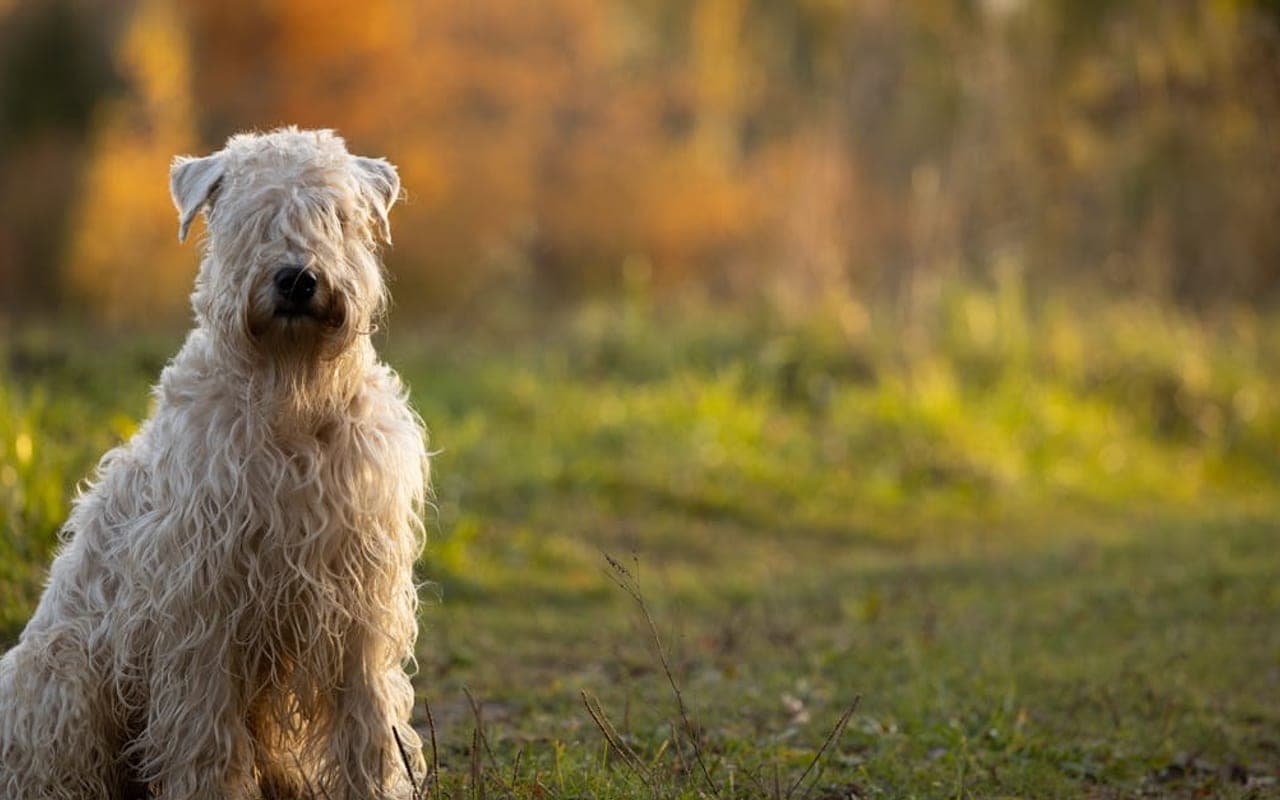
Soft Coated Wheaten Terrier
Also in the Terrier group, with different care and temperament tradeoffs.
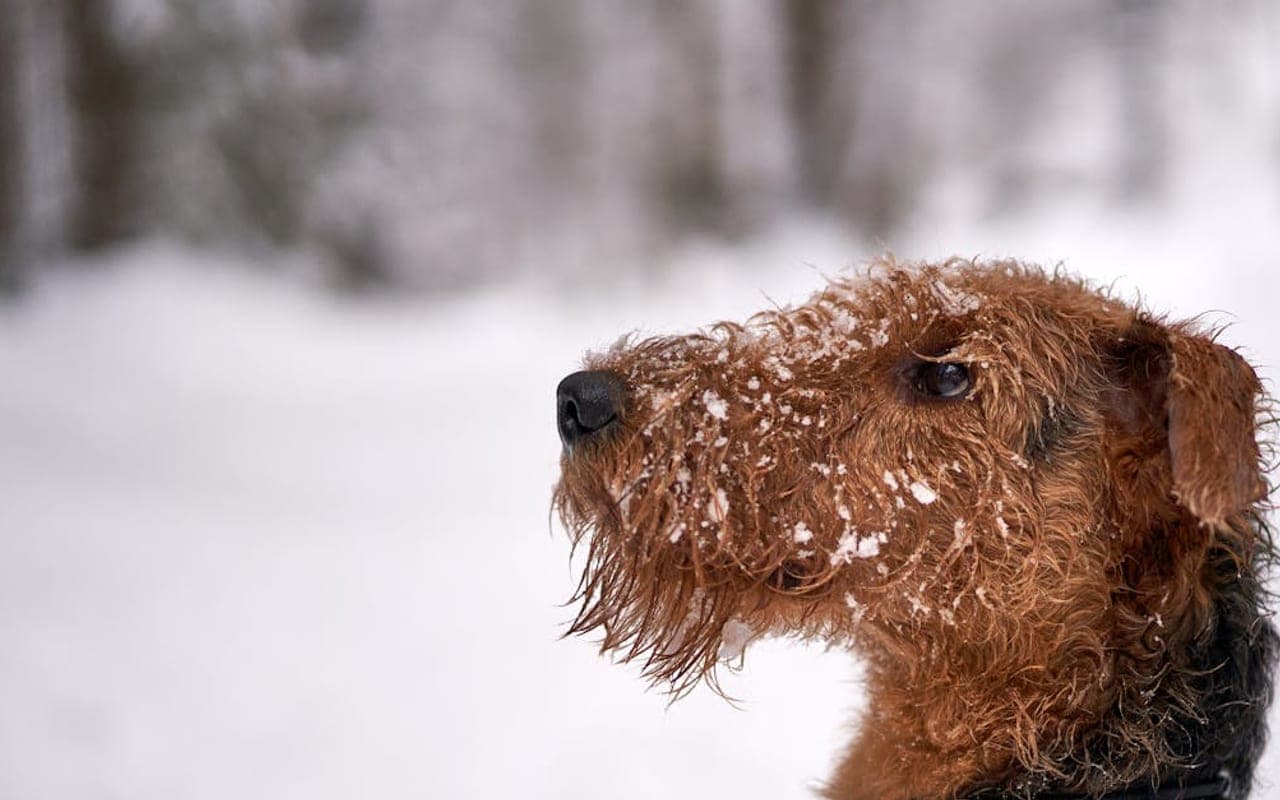
Airedale Terrier
Also in the Terrier group, with different care and temperament tradeoffs.
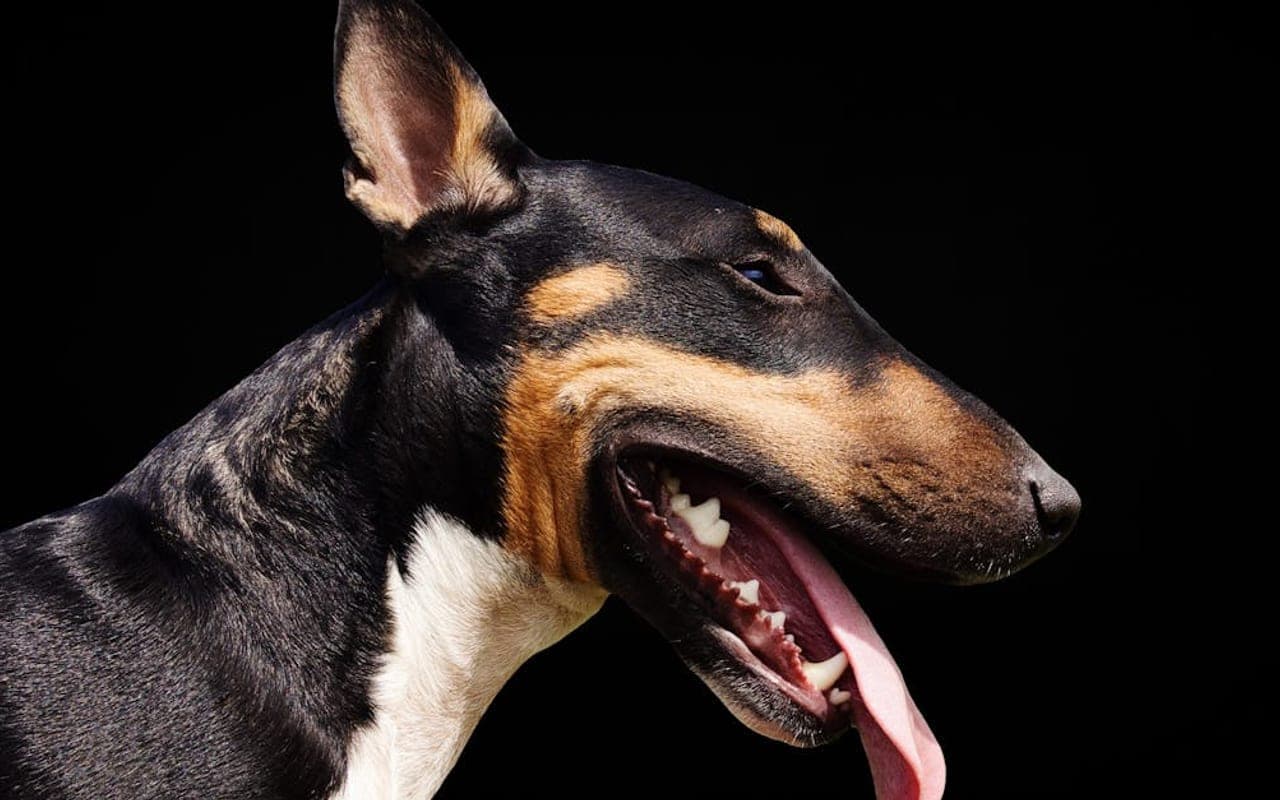
Bull Terrier
Also in the Terrier group, with different care and temperament tradeoffs.
Explore More About Cesky Terrier
Dive deeper into everything Cesky Terrier — costs, care, and expert insights.
Considering a cat instead?
Browse Cats