
Sporting group
Chesapeake Bay Retriever
The Chesapeake Bay Retriever is a 55-to-80-pound American gundog bred to retrieve waterfowl from the icy, rough Chesapeake Bay — and the gap between what people expect from a 'retriever' and what a Chessie actually is causes most of the breed's rehoming.

Size
55-80 lb
Lifespan
10-13 years
Exercise
30-60 minutes
Shedding
Moderate
Experience
Match to owner routine
Decision first
Is a Chesapeake Bay Retriever right for you?
Start with fit before history or trivia. These are ownership signals, not guarantees about any individual dog.
Best suited for
- Households with children.
- Homes with other compatible pets.
- Apartment homes with a consistent routine.
- Owners seeking a manageable daily exercise routine.
Think carefully if
- You need a dog with almost no daily routine.
- You cannot keep up with grooming and preventive care.
- The dog will spend most days alone without support.
Conditional fit
Apartment fit depends on exercise, enrichment, noise management, and outdoor access.
Daily reality
Chesapeake Bay Retriever commitment snapshot
Daily exercise
30-60 minutes
Match activity to age, health, weather, and training goals.
Coat care
Moderate
Grooming needs vary by coat, shedding, and lifestyle.
Time alone
Needs planning
Most dogs need gradual alone-time conditioning and support.
Structured facts
Chesapeake Bay Retriever at a glance
The measurements and traits that most affect day-to-day life with this breed.
Group
Sporting
Weight
55-80 lb
Height
21-26 in
Lifespan
10-13 years
Temperament
Affectionate | Bright | Sensitive
View all characteristics and methodology
Lifestyle fit
- Apartment suitability
- Likely fit
- Child friendliness
- Often good, with socialisation and supervision
- Other-pet fit
- Often compatible with careful introductions
Owner commitment
- Exercise
- 30-60 minutes
- Grooming
- Moderate
- Shedding
- Moderate
- Training
- Moderate
Environment and health
- Health risk
- Needs planning
Ratings combine structured breed data, visible breed fields, and editorial context. They are planning aids, not predictions for an individual dog.
Daily life
Chesapeake Bay Retriever temperament and behavior
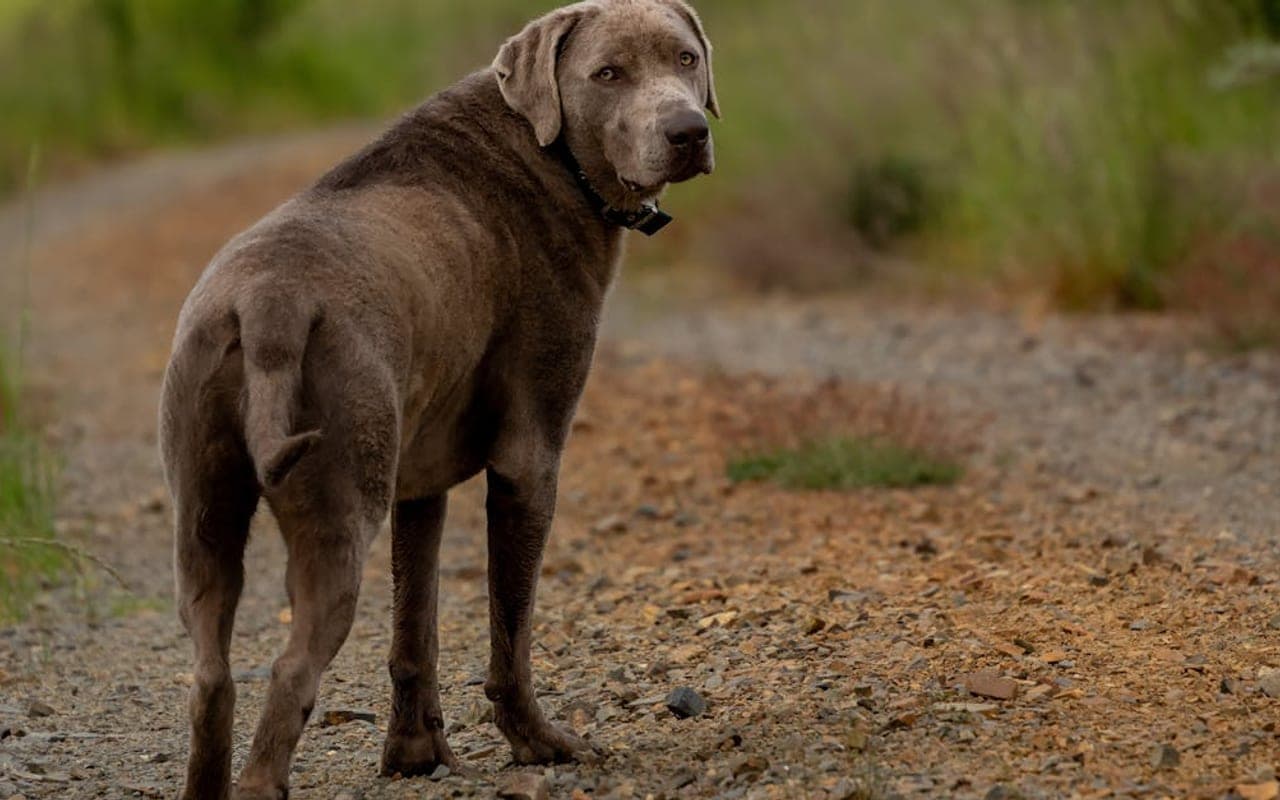
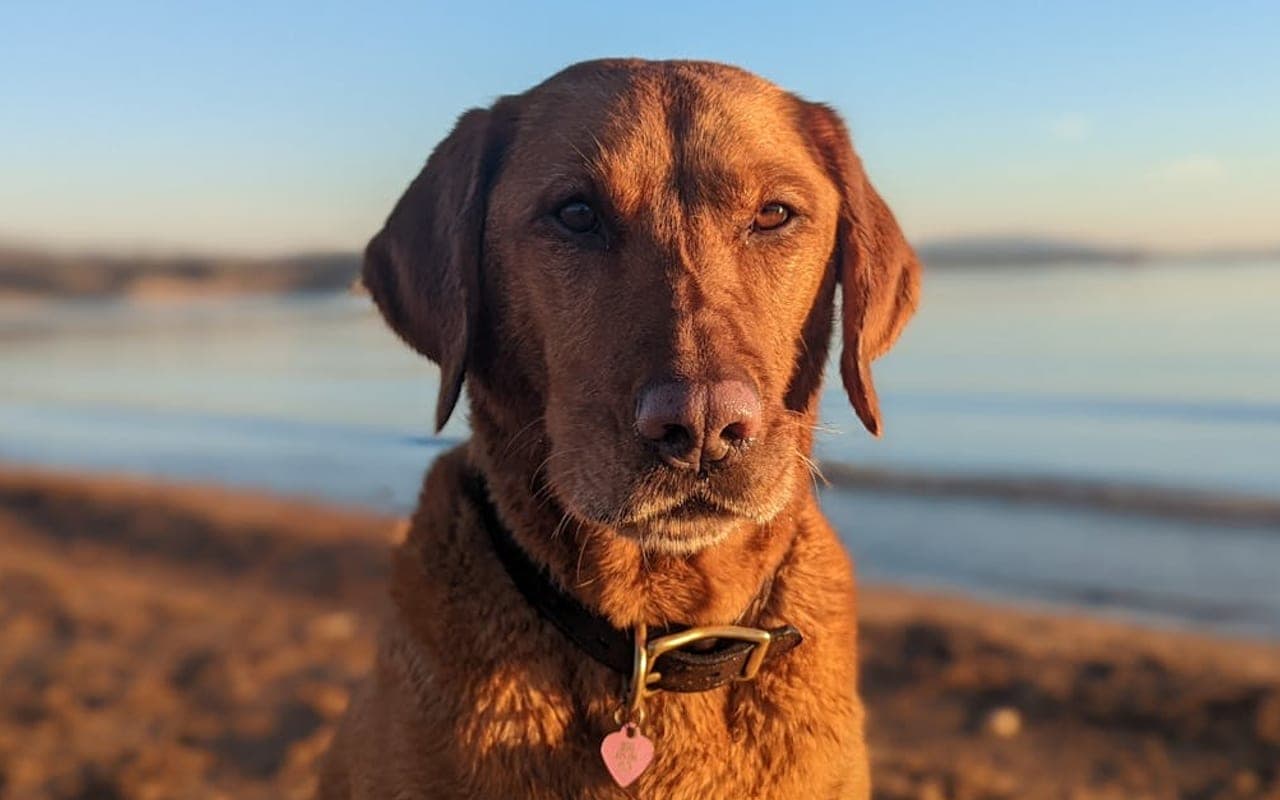
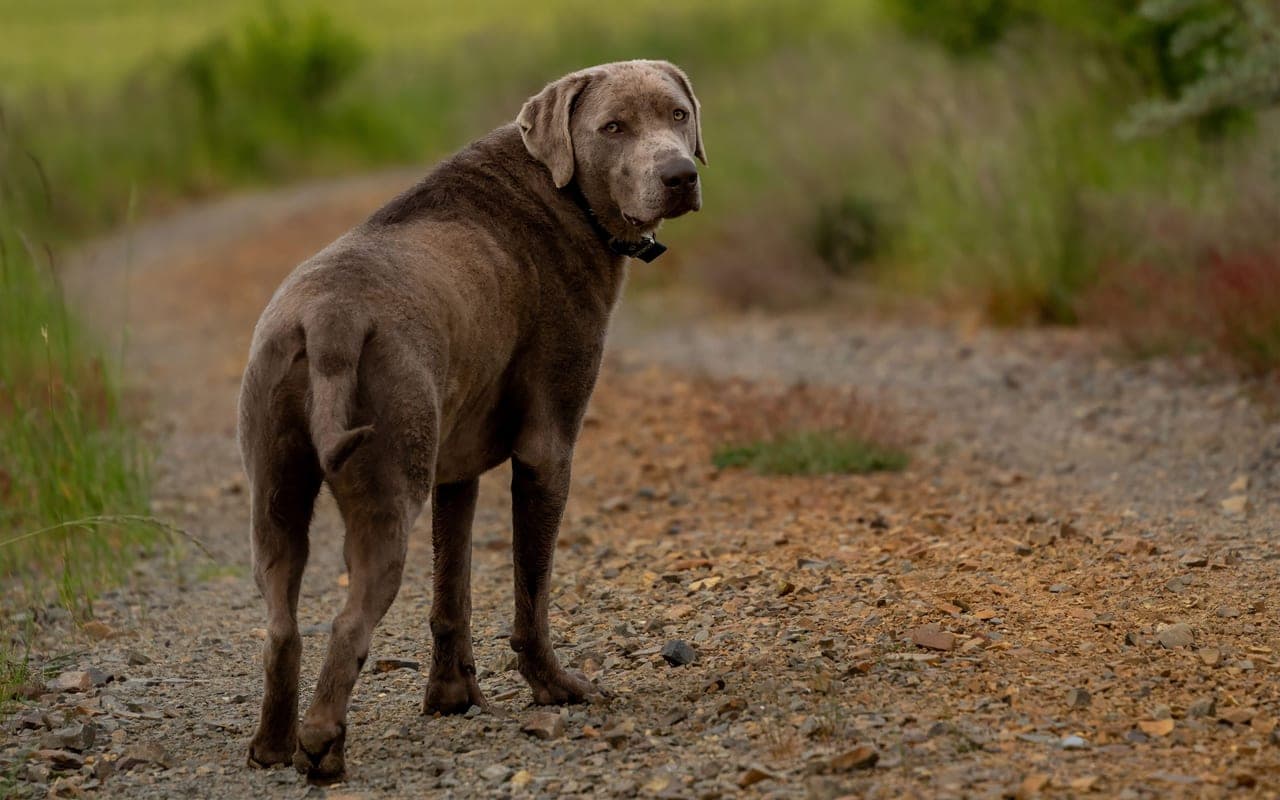
The Chesapeake Bay Retriever is a 55-to-80-pound American gundog bred to retrieve waterfowl from the icy, rough Chesapeake Bay — and the gap between what people expect from a 'retriever' and what a Chessie actually is causes most of the breed's rehoming. If your mental model of a retriever is the universally friendly, soft, eager-to-please Labrador or Golden, the Chessie will surprise you. It is more independent, more protective, more reserved with strangers, and more willing to argue with you. It is a wonderful dog for the right owner and a frustrating one for someone who wanted a Lab. Physically the Chessie is powerfully built with a distinctive wavy, oily double coat that is genuinely water-repellent and has a pronounced, somewhat oily 'doggy' odor that bathing does not fully remove and over-bathing makes worse. Colors are solid brown, sedge, and deadgrass, selected to blend with marsh cover, with amber-yellow eyes. Temperament is the deciding factor. Chessies are affectionate and devoted to their family, bright, and tireless workers — but emotionally sensitive, slow to warm to strangers, naturally protective and territorial, and stubborn in training. They take direction but think for themselves and resent harsh handling, shutting down rather than complying. They make genuine watchdogs, which most retrievers do not. They need a confident owner who trains with consistency and fairness, not force. Who the Chessie is right for: an active, experienced owner who wants a devoted, protective, hard-working water dog and will provide serious daily exercise plus consistent training. Who it is wrong for: anyone wanting a soft, instantly-friendly family Lab substitute, a low-exercise companion, or a low-odor housedog. Choose this breed for what it is, not for the word 'retriever.'
Affectionate | Bright | Sensitive
Affectionate
A common Chesapeake Bay Retriever temperament descriptor that should be interpreted alongside training, exercise, and household fit.
Bright
A common Chesapeake Bay Retriever temperament descriptor that should be interpreted alongside training, exercise, and household fit.
Sensitive
A common Chesapeake Bay Retriever temperament descriptor that should be interpreted alongside training, exercise, and household fit.
Owner note
Temperament labels are starting points, not guarantees. Meet the individual dog and ask about behavior history whenever possible.
Care essentials
How to care for a Chesapeake Bay Retriever
What looking after one actually involves: exercise, grooming, food, training, and routine health.
ExerciseAs needed
- Moderately active breed needing 30-60 minutes of daily exercise through walks, play, and mental stimulation.
GroomingAs needed
- Regular grooming needed — brush 2-3 times per week and bathe monthly.
TrainingAs needed
- Moderately trainable — consistent, patient training with positive methods works best.
NutritionAs needed
- Feed a high-quality dog food appropriate for their age, size, and activity level. Monitor portions to prevent obesity.
Veterinary CareAs needed
- Annual wellness exams, core vaccinations, dental care, and parasite prevention. Breed-specific health screenings as recommended by your vet.
Health planning
Chesapeake Bay Retriever health risks and screening
Every breed has individual health variation. Use this profile for planning and discuss medical decisions with a veterinarian.
Responsible ownership
Finding a Chesapeake Bay Retriever responsibly
What to ask a breeder or rescue is the same conversation for every breed, so we keep it in one place and keep it current.
Health documentation, meeting the parents or foster, contracts and return support, and the warning signs worth walking away from.
Original purpose
Chesapeake Bay Retriever history
History is useful when it explains today's behavior, coat, exercise needs, and training style.
Read the breed history
The Chesapeake Bay Retriever is one of the few breeds developed in the United States. Its origins trace to the early 19th century when two dogs rescued from a foundering ship off Maryland were bred to local retrieving dogs around the Chesapeake Bay. The goal was a tough, weatherproof market-hunting dog that could retrieve hundreds of ducks a day from frigid, choppy water, push through ice, and guard the day's hunt and the boat. Selection prioritized a dense oily coat, power, endurance, and an independent, protective working mind over biddability or sociability — a Chessie often worked with minimal handler direction in brutal conditions. It became the official dog of Maryland and remains primarily a working and hunting breed. That heritage explains everything owners notice today: the waterproof odorous coat, the deep stamina, the territorial guarding instinct, and the stubborn self-reliance that distinguishes it sharply from the more tractable Labrador and Golden Retrievers.
Gallery
Chesapeake Bay Retriever photos
Images are cropped consistently and loaded progressively to keep the page responsive.
Lower-page context
Chesapeake Bay Retrievers in culture
Where the breed shows up in film, sport, work and folklore — the enjoyable part, once the practical questions are answered.
Fun facts
- The Chesapeake Bay Retriever belongs to the Sporting Group.
- The average lifespan of a Chesapeake Bay Retriever is 10 to 13 years.
- Chesapeake Bay Retriever dogs are valued for their affectionate, bright, sensitive nature.
Chesapeake Bay Retriever FAQs
How is a Chesapeake Bay Retriever different from a Labrador or Golden?
Chessies are more independent, more protective and territorial, more reserved with strangers, and more stubborn in training than Labs or Goldens. They bond intensely to their family but do not hand out friendliness to everyone, and they make genuine watchdogs — which Labs and Goldens generally do not. If you want an instantly social, soft, eager-to-please retriever, the Chessie is not it; choose it for its toughness and devotion, not for being a Lab.
Do Chesapeake Bay Retrievers smell?
Yes, more than most breeds. The oily, water-repellent coat carries a distinct doggy odor that is part of the breed's waterproofing. The critical mistake owners make is over-bathing to fix it — stripping the oils worsens the smell and causes skin problems, then the coat over-produces oil to compensate. Bathe only when genuinely dirty (every couple of months at most), brush weekly, and dry the ears after swimming. The baseline odor is a trade-off of the working coat.
How much exercise does a Chessie need?
60-90 minutes of vigorous daily activity, ideally including swimming or water retrieval — this is a dog built to work hard in cold water for hours. Walks alone are not enough; it needs real physical output plus mental work like structured retrieving and training. An under-exercised Chessie becomes restless, harder to handle, and more stubborn. The exception is dogs with exercise-induced collapse, who must avoid intense bursts and be DNA-tested.
Are Chesapeake Bay Retrievers good family dogs?
Yes for the right family — they are devoted and protective of their people, including children they are raised with. The caveats: they are reserved and watchful with strangers, can be territorial, and need early broad socialization, plus an experienced owner who trains with consistency rather than force. They suit an active household that wants a loyal working companion, not a family wanting a soft, universally friendly dog or a low-exercise pet.
Are Chessies easy to train?
They are intelligent and very capable but independent and sensitive, which makes them harder than a Lab. They think for themselves and decide whether a request is worth doing, and they shut down or resist under harsh corrections. Successful training is early, consistent, reward-based, and uses short engaging sessions. Set realistic expectations: a well-trained Chessie is reliable and brilliant in the field, but it will never be a robotically biddable obedience machine.
How long do Chesapeake Bay Retrievers live?
Typically 10-13 years. The biggest preventable lifespan risks are gastric bloat (feed two measured meals, avoid hard exercise around feeding, no gulping) and joint disease from hip and elbow dysplasia accelerated by excess weight. Buy from OFA/CHIC-screened lines with DNA clearances for PRA, EIC, and degenerative myelopathy, keep the dog lean, and treat bloat signs as an immediate emergency to protect the full span.
Sources
These are the published sources this page draws on. Each opens in a new tab so you can check it yourself.
American Kennel Club
Chesapeake Bay Retriever — breed standard and profile(opens in a new tab)Supports: Breed standard and recognition details.
Similar breeds to consider
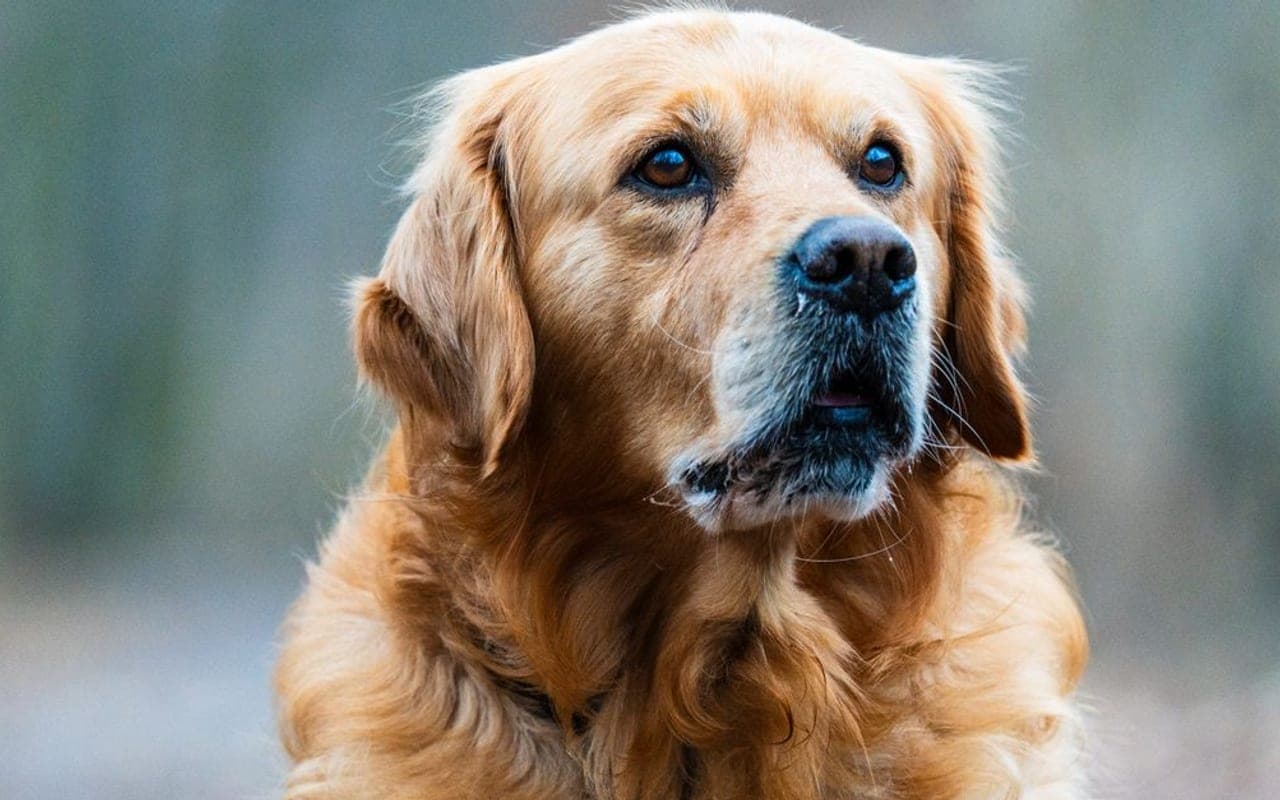
Golden Retriever
Also in the Sporting group, with different care and temperament tradeoffs.
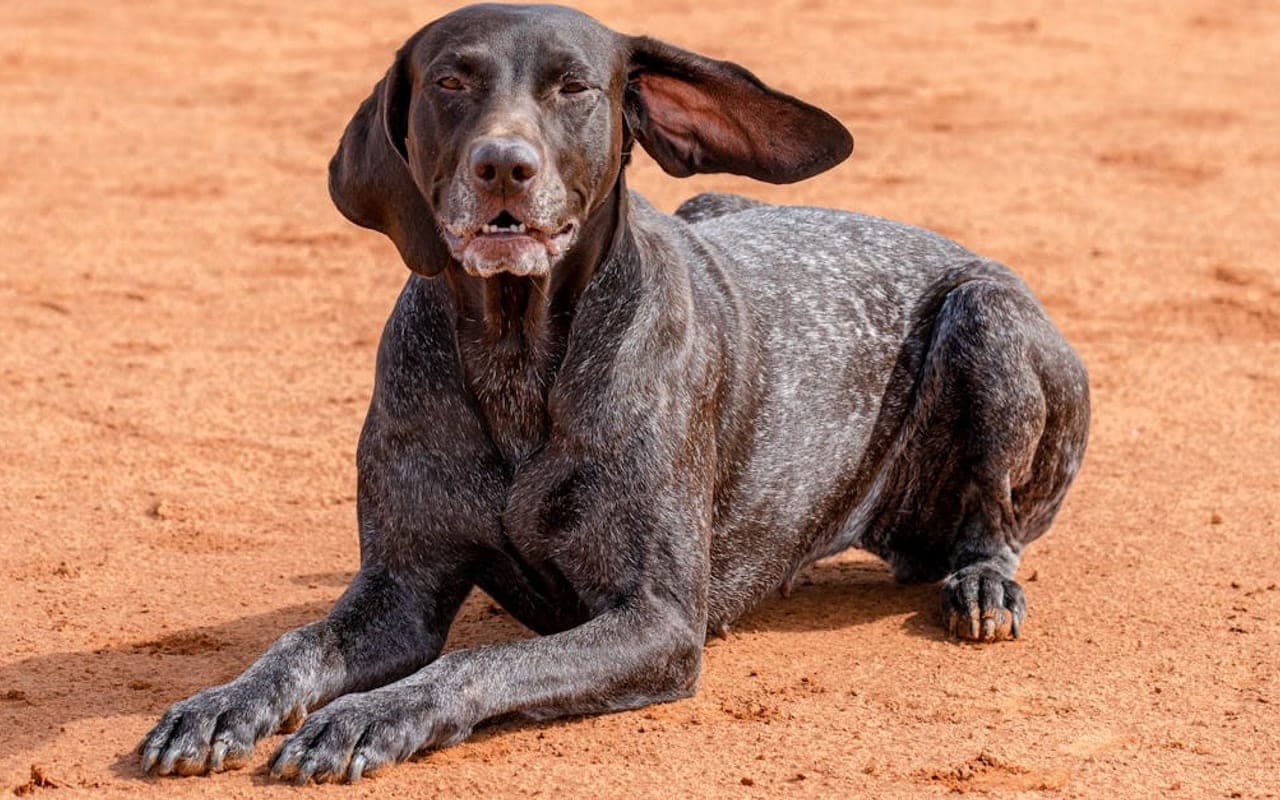
German Shorthaired Pointer
Also in the Sporting group, with different care and temperament tradeoffs.
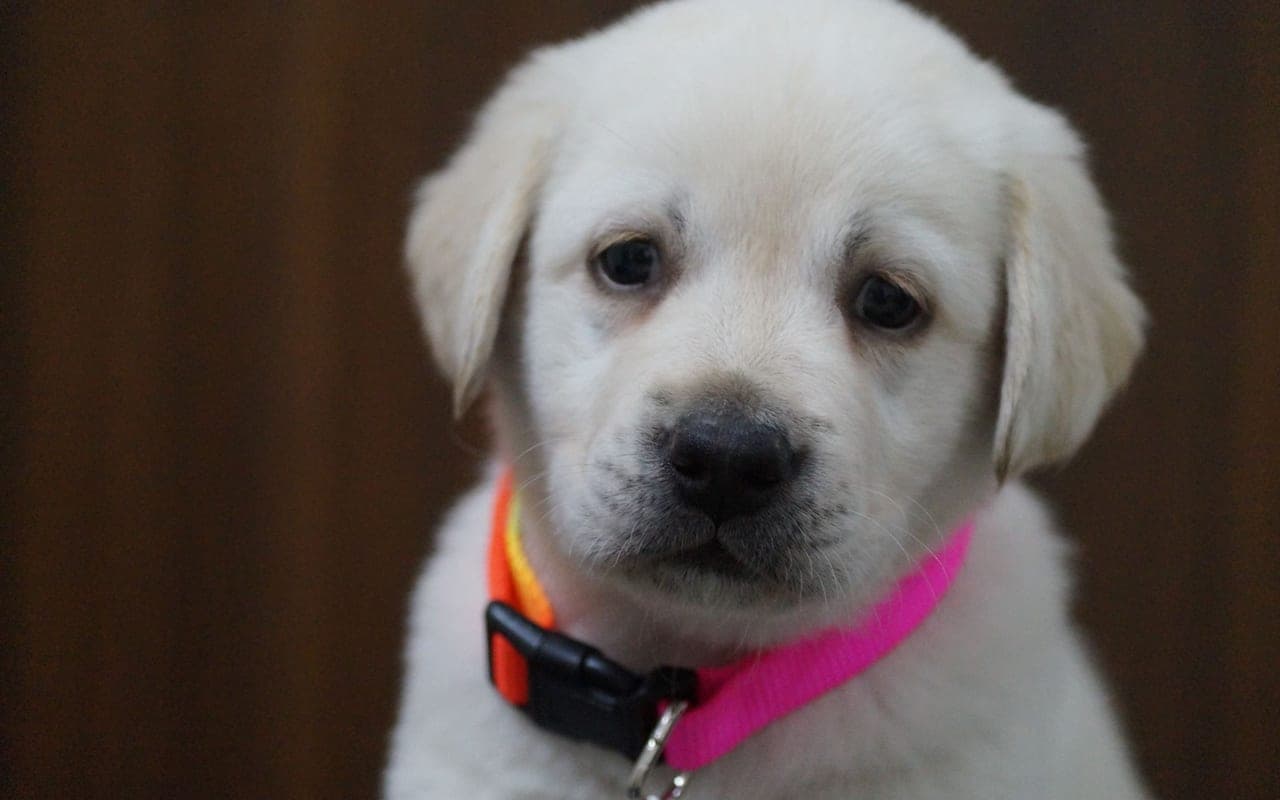
Labrador Retriever
Also in the Sporting group, with different care and temperament tradeoffs.
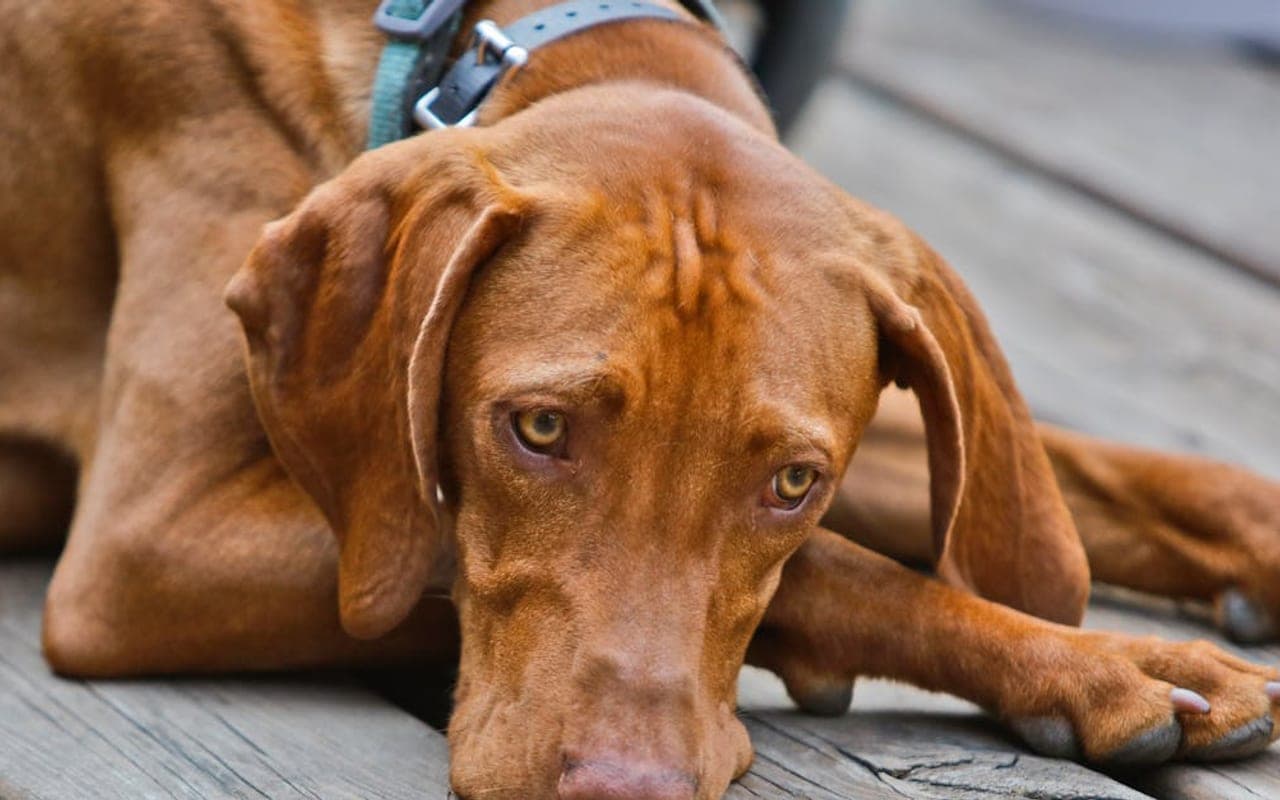
Vizsla
Also in the Sporting group, with different care and temperament tradeoffs.
Explore More About Chesapeake Bay Retriever
Dive deeper into everything Chesapeake Bay Retriever — costs, care, and expert insights.
Considering a cat instead?
Browse Cats