
Non-Sporting group
Chinese Shar-Pei
The Chinese Shar-Pei is the wrinkled, blue-tongued guardian dog — and those famous folds are not a charming quirk, they are the source of the breed's biggest health and cost burdens.
Size
35-55 lb
Lifespan
8-12 years
Exercise
30-60 minutes
Shedding
Moderate
Experience
Match to owner routine
Decision first
Is a Chinese Shar-Pei right for you?
Start with fit before history or trivia. These are ownership signals, not guarantees about any individual dog.
Best suited for
- Households with children.
- Homes with other compatible pets.
- Apartment homes with a consistent routine.
- Owners seeking a manageable daily exercise routine.
Think carefully if
- You need a dog with almost no daily routine.
- You cannot keep up with grooming and preventive care.
- The dog will spend most days alone without support.
Conditional fit
Apartment fit depends on exercise, enrichment, noise management, and outdoor access.
Daily reality
Chinese Shar-Pei commitment snapshot
Daily exercise
30-60 minutes
Match activity to age, health, weather, and training goals.
Coat care
Moderate
Grooming needs vary by coat, shedding, and lifestyle.
Time alone
Needs planning
Most dogs need gradual alone-time conditioning and support.
Structured facts
Chinese Shar-Pei at a glance
The measurements and traits that most affect day-to-day life with this breed.
Group
Non-Sporting
Weight
35-55 lb
Height
18-20 in
Lifespan
8-12 years
Temperament
Loyal | Independent | Calm
View all characteristics and methodology
Lifestyle fit
- Apartment suitability
- Likely fit
- Child friendliness
- Often good, with socialisation and supervision
- Other-pet fit
- Often compatible with careful introductions
Owner commitment
- Exercise
- 30-60 minutes
- Grooming
- Moderate
- Shedding
- Moderate
- Training
- Moderate
Environment and health
- Health risk
- Needs planning
Ratings combine structured breed data, visible breed fields, and editorial context. They are planning aids, not predictions for an individual dog.
Daily life
Chinese Shar-Pei temperament and behavior
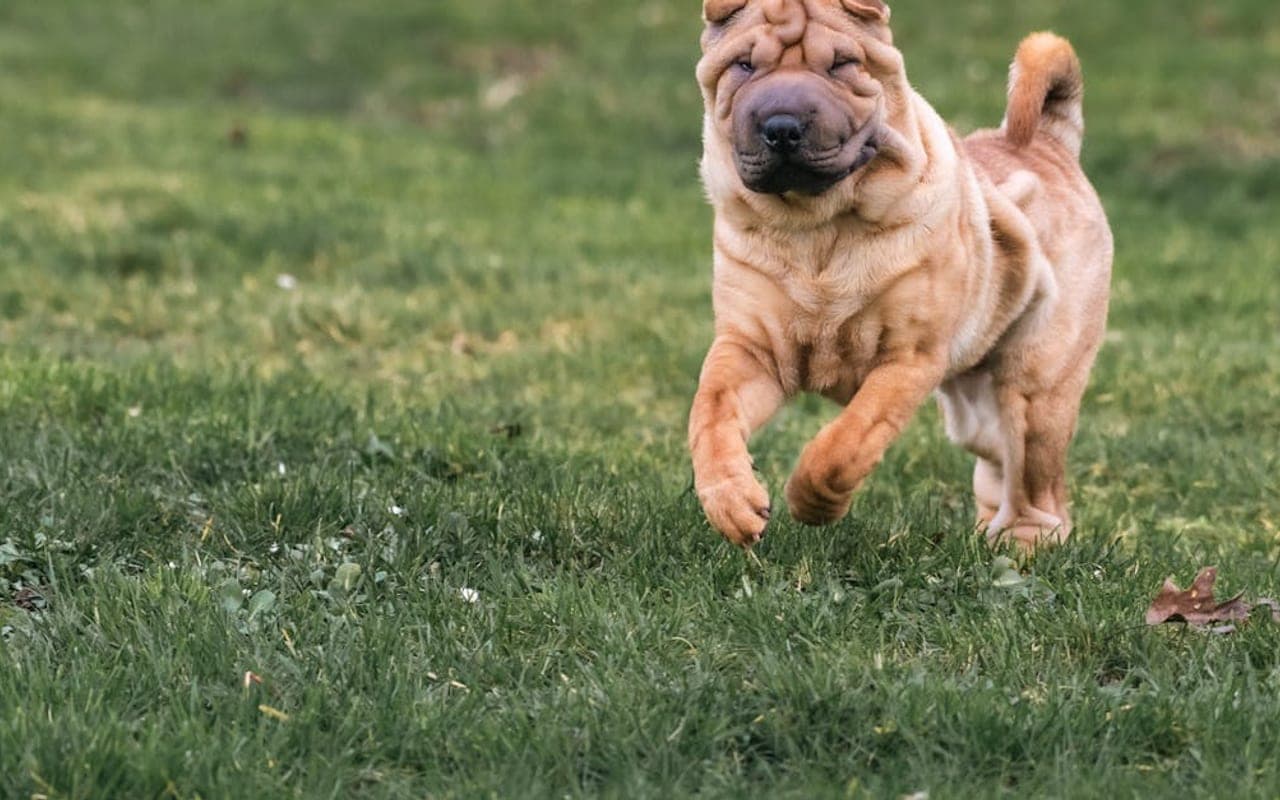
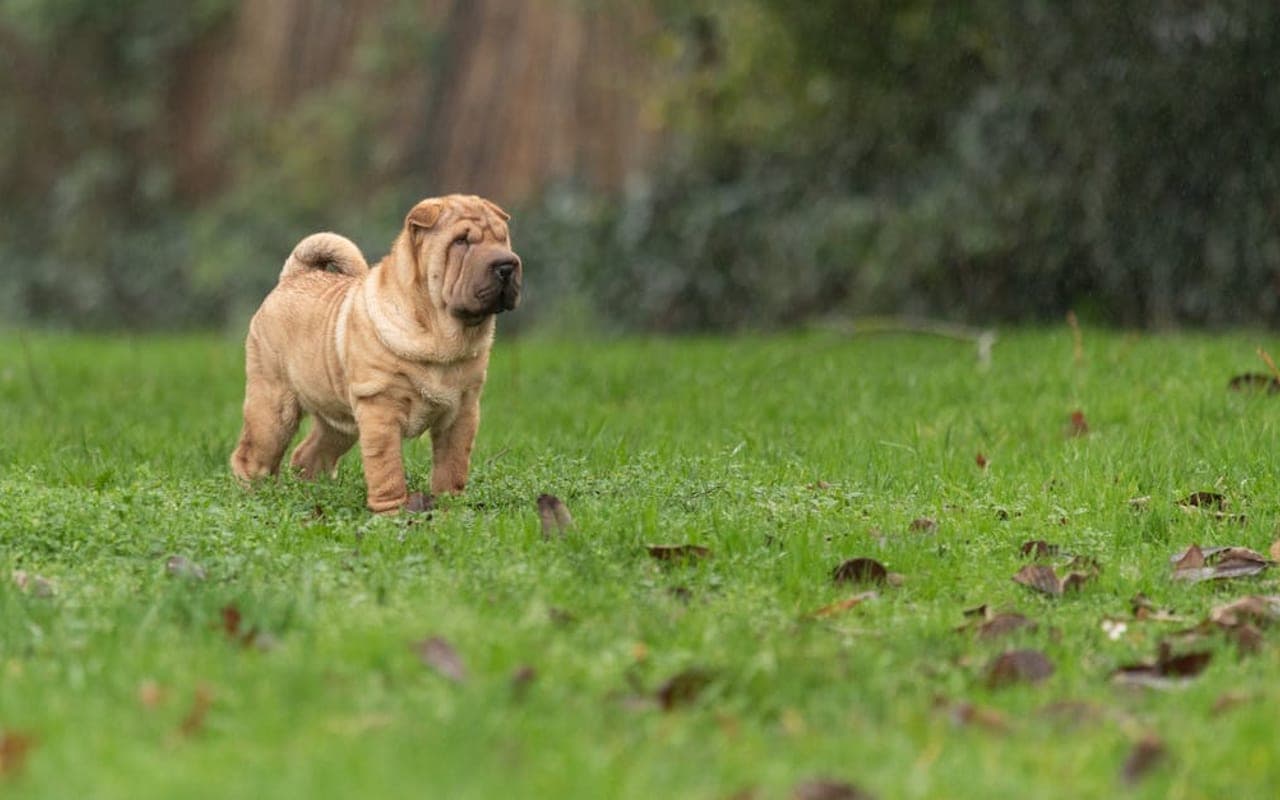
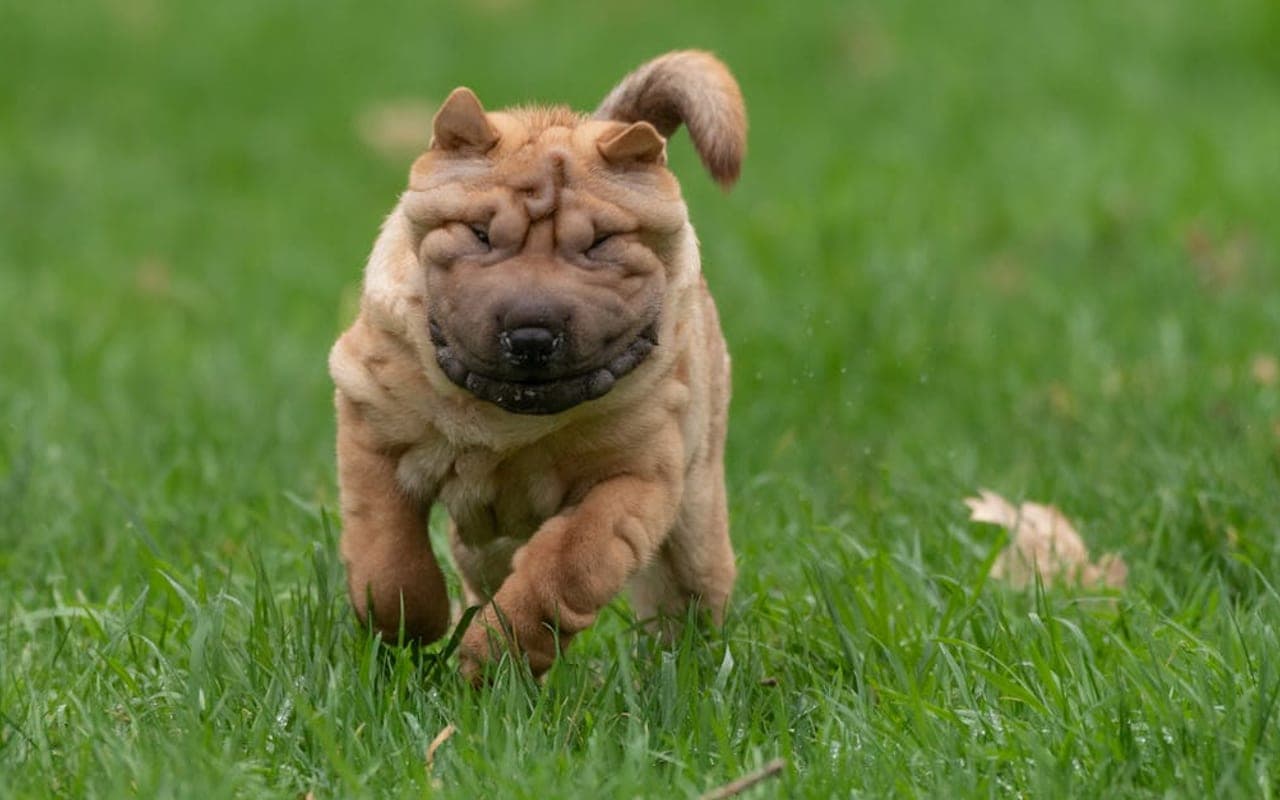
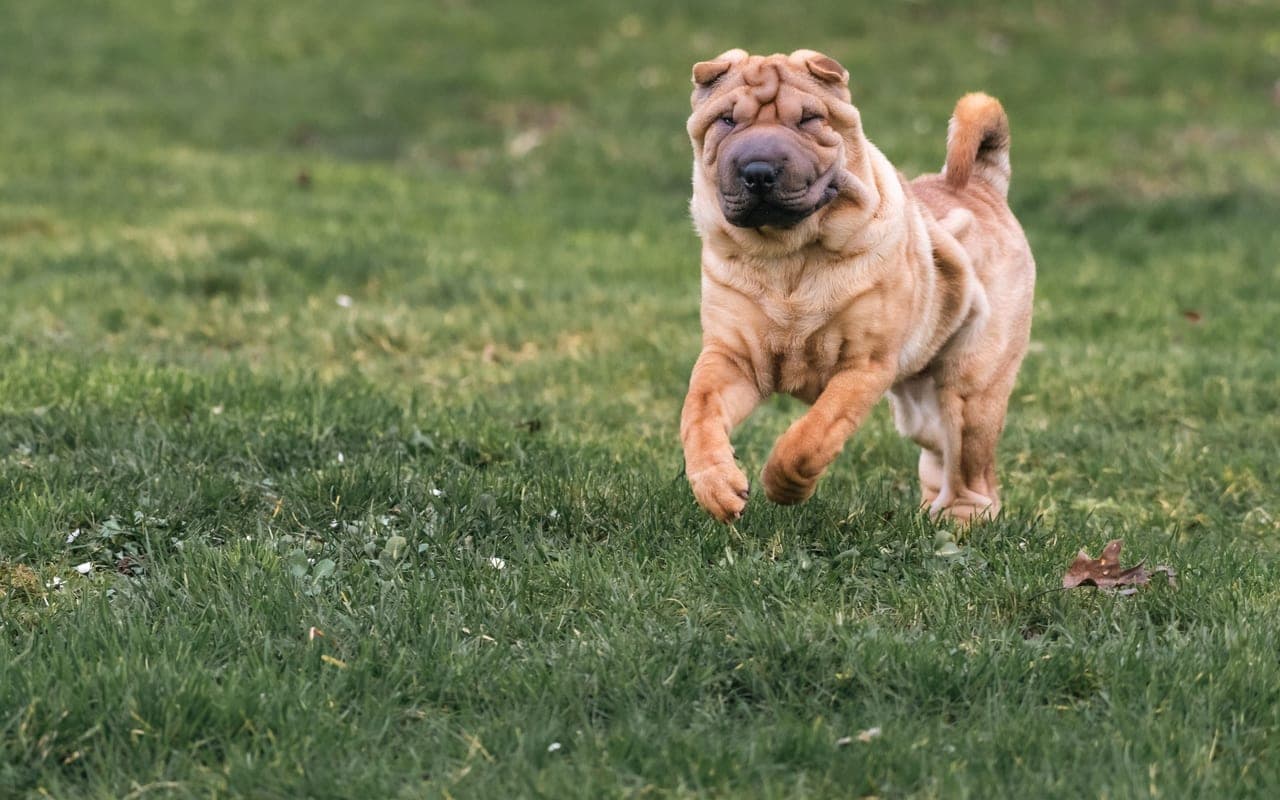
The Chinese Shar-Pei is the wrinkled, blue-tongued guardian dog — and those famous folds are not a charming quirk, they are the source of the breed's biggest health and cost burdens. This is a compact, powerful 45-60 pound dog with a 'hippopotamus' muzzle, deep-set scowling eyes, tiny triangular ears, and a harsh sandpaper coat (the name means 'sand skin'). The heavily wrinkled, padded-face Western type that most people picture is a relatively modern exaggeration; the original Chinese 'bone-mouth' type was less wrinkled and harder-bodied. Temperament is the part buyers most often underestimate. The Shar-Pei is intensely loyal, calm, and clean indoors, but it is also independent, territorial, and naturally aloof-to-suspicious of strangers and other dogs. This is a guardian breed, not a social butterfly. Without committed early socialization and firm, fair training, a dominant adult Shar-Pei is a serious liability, not a stubborn cute dog. They do not forgive harsh handling and they do not hand out trust. Who the Shar-Pei is right for: an experienced owner who wants a devoted, dignified, low-exercise guardian, will socialize hard from puppyhood, and is financially and emotionally prepared for skin, eye, and fever problems that are common, not rare, in this breed. Who it is wrong for: first-time owners, busy dog parks, multi-dog homes without careful management, and anyone choosing the breed for the wrinkles alone. The wrinkles that sell the puppy are the same wrinkles that bring entropion surgery and chronic skin infections. Buy this breed with full knowledge of both halves of the bargain.
Loyal | Independent | Calm
Loyal
A common Chinese Shar-Pei temperament descriptor that should be interpreted alongside training, exercise, and household fit.
Independent
A common Chinese Shar-Pei temperament descriptor that should be interpreted alongside training, exercise, and household fit.
Calm
A common Chinese Shar-Pei temperament descriptor that should be interpreted alongside training, exercise, and household fit.
Owner note
Temperament labels are starting points, not guarantees. Meet the individual dog and ask about behavior history whenever possible.
Care essentials
How to care for a Chinese Shar-Pei
What looking after one actually involves: exercise, grooming, food, training, and routine health.
ExerciseAs needed
- Moderately active breed needing 30-60 minutes of daily exercise through walks, play, and mental stimulation.
GroomingAs needed
- Regular grooming needed — brush 2-3 times per week and bathe monthly.
TrainingAs needed
- Moderately trainable — consistent, patient training with positive methods works best.
NutritionAs needed
- Feed a high-quality dog food appropriate for their age, size, and activity level. Monitor portions to prevent obesity.
Veterinary CareAs needed
- Annual wellness exams, core vaccinations, dental care, and parasite prevention. Breed-specific health screenings as recommended by your vet.
Health planning
Chinese Shar-Pei health risks and screening
Every breed has individual health variation. Use this profile for planning and discuss medical decisions with a veterinarian.
Responsible ownership
Finding a Chinese Shar-Pei responsibly
What to ask a breeder or rescue is the same conversation for every breed, so we keep it in one place and keep it current.
Health documentation, meeting the parents or foster, contracts and return support, and the warning signs worth walking away from.
Original purpose
Chinese Shar-Pei history
History is useful when it explains today's behavior, coat, exercise needs, and training style.
Read the breed history
The Chinese Shar-Pei is an ancient breed from the southern Chinese province of Guangdong, where statues resembling the dog date to the Han Dynasty (around 200 B.C.). It served rural Chinese households as a versatile farm dog, hunter, herder, and guardian, and the loose skin and prickly coat are often said to have been functional in fighting and farm defense. Under the People's Republic, taxation and a campaign against pet ownership nearly eliminated the breed; by the 1970s it was reported to be among the rarest dogs in the world. A 1973 appeal by Hong Kong breeder Matgo Law to American dog fanciers triggered a rescue-and-revival effort in the United States. Western breeders subsequently selected for heavier wrinkling and the padded 'meat-mouth' head, diverging from the original lighter-wrinkled Chinese 'bone-mouth' type. That deliberate exaggeration of skin and face folds is the direct origin of the entropion and skin-fold disease that define the modern Western Shar-Pei's veterinary profile.
Gallery
Chinese Shar-Pei photos
Images are cropped consistently and loaded progressively to keep the page responsive.
Lower-page context
Chinese Shar-Peis in culture
Where the breed shows up in film, sport, work and folklore — the enjoyable part, once the practical questions are answered.
Fun facts
- The Chinese Shar-Pei belongs to the Non-Sporting Group.
- The average lifespan of a Chinese Shar-Pei is 8 to 12 years.
- Chinese Shar-Pei dogs are valued for their loyal, independent, calm nature.
Chinese Shar-Pei FAQs
How long do Chinese Shar-Pei live?
A Shar-Pei typically lives 8-12 years. Lifespan is strongly capped by Familial Shar-Pei Fever and the amyloidosis it causes: dogs with frequent untreated fever episodes can die young of kidney or liver failure, while dogs whose fevers are managed early and aggressively often reach the upper end. This is one of the few breeds where prompt veterinary response to every fever directly buys years of life.
Why does my Shar-Pei keep getting skin and eye infections?
Because the modern breed was selected for exaggerated wrinkling and a padded face. Folds trap moisture and debris, causing recurrent skin-fold dermatitis, and the tight facial skin rolls eyelids inward (entropion), abrading the cornea. These are predictable structural problems, not bad luck. Daily fold drying, weekly ear cleaning, and surgical entropion correction when needed are part of normal Shar-Pei ownership, not signs you are doing something wrong.
Are Chinese Shar-Pei good with children and other dogs?
With family children they are raised with, a well-socialized Shar-Pei is calm and devoted. But this is a territorial guardian breed that is naturally aloof with strangers and frequently dog-aggressive, especially toward same-sex dogs, without early and ongoing socialization. They are generally a poor fit for multi-dog homes, busy dog parks, or households with frequent unfamiliar visitors and young children unless the owner is experienced and proactive about management.
How much exercise and grooming does a Shar-Pei need?
Exercise needs are modest: two 20-30 minute walks plus play, with care to avoid heat (the breed is heat-intolerant due to coat and short muzzle). Grooming the harsh coat is just a weekly brush, but the real work is non-coat: drying every skin fold several times weekly, weekly narrow-ear-canal cleaning, and daily eye checks. Budget time for skin and ear maintenance, not for long runs.
What does a Chinese Shar-Pei cost to own?
Puppies from health-focused breeders typically run $1,500-$3,000. The defining hidden costs are medical: entropion surgery commonly $500-$1,500 per procedure, chronic skin and ear management $300-$1,000+ per year, and Familial Shar-Pei Fever / amyloidosis workups and care that can run into thousands over a lifetime. Pet insurance taken out before any condition is documented is strongly worth pricing for this breed specifically.
What is Familial Shar-Pei Fever and how do I handle it?
It is an inherited inflammatory disorder unique to the breed: episodes of unexplained high fever (often 105-107 F) with swollen, hot, painful hocks or muzzle, lasting roughly 24-36 hours. Each untreated episode deposits amyloid in the kidneys and liver, progressively damaging them. Treat any such episode as a same-day veterinary emergency for fever control and anti-inflammatory care; long-term colchicine and kidney monitoring are commonly used. Early, consistent management is what prevents fatal organ failure.
Bone-mouth vs meat-mouth Shar-Pei — does it matter for health?
Yes, it can. The original Chinese 'bone-mouth' type is leaner, lighter-wrinkled, and harder-bodied; the Western 'meat-mouth' type was selected for the heavy padded face and exaggerated folds most buyers picture. The meat-mouth's added skin and tighter face directly increase entropion and skin-fold dermatitis risk. Neither type is immune to Familial Shar-Pei Fever, but if you want to reduce fold-related surgery and chronic skin care, a less exaggerated, more moderately wrinkled dog from health-screened lines is the lower-maintenance choice.
Sources
These are the published sources this page draws on. Each opens in a new tab so you can check it yourself.
American Kennel Club
Chinese Shar-Pei — breed standard and profile(opens in a new tab)Supports: Breed standard and recognition details.
Similar breeds to consider
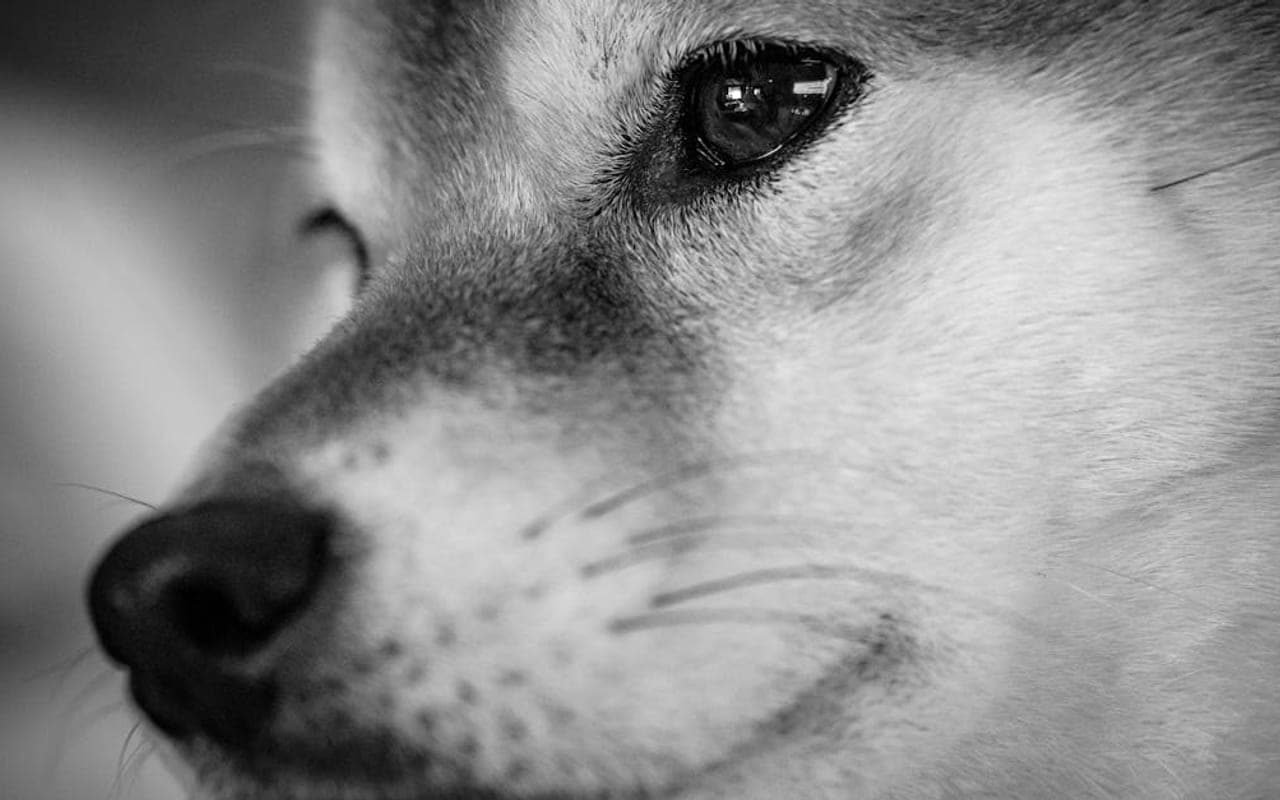
Shiba Inu
Also in the Non-Sporting group, with different care and temperament tradeoffs.
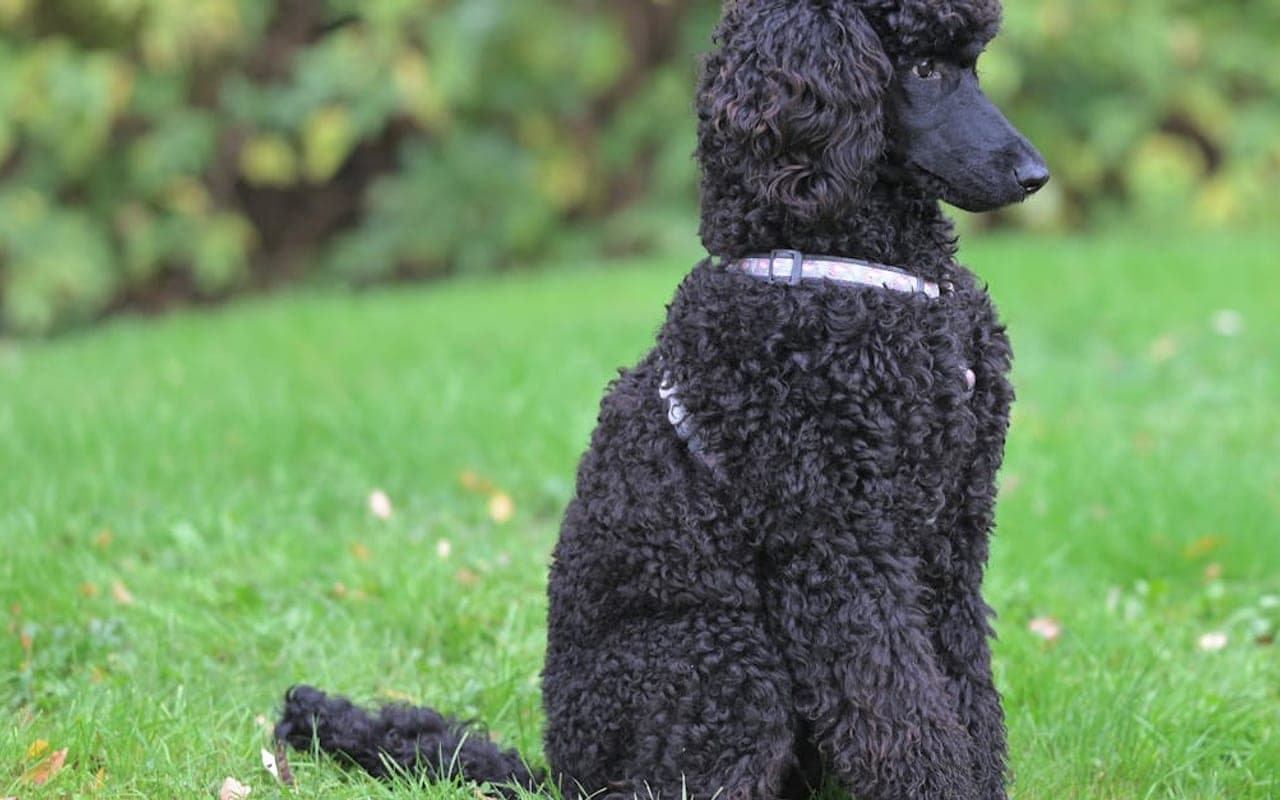
Poodle
Also in the Non-Sporting group, with different care and temperament tradeoffs.
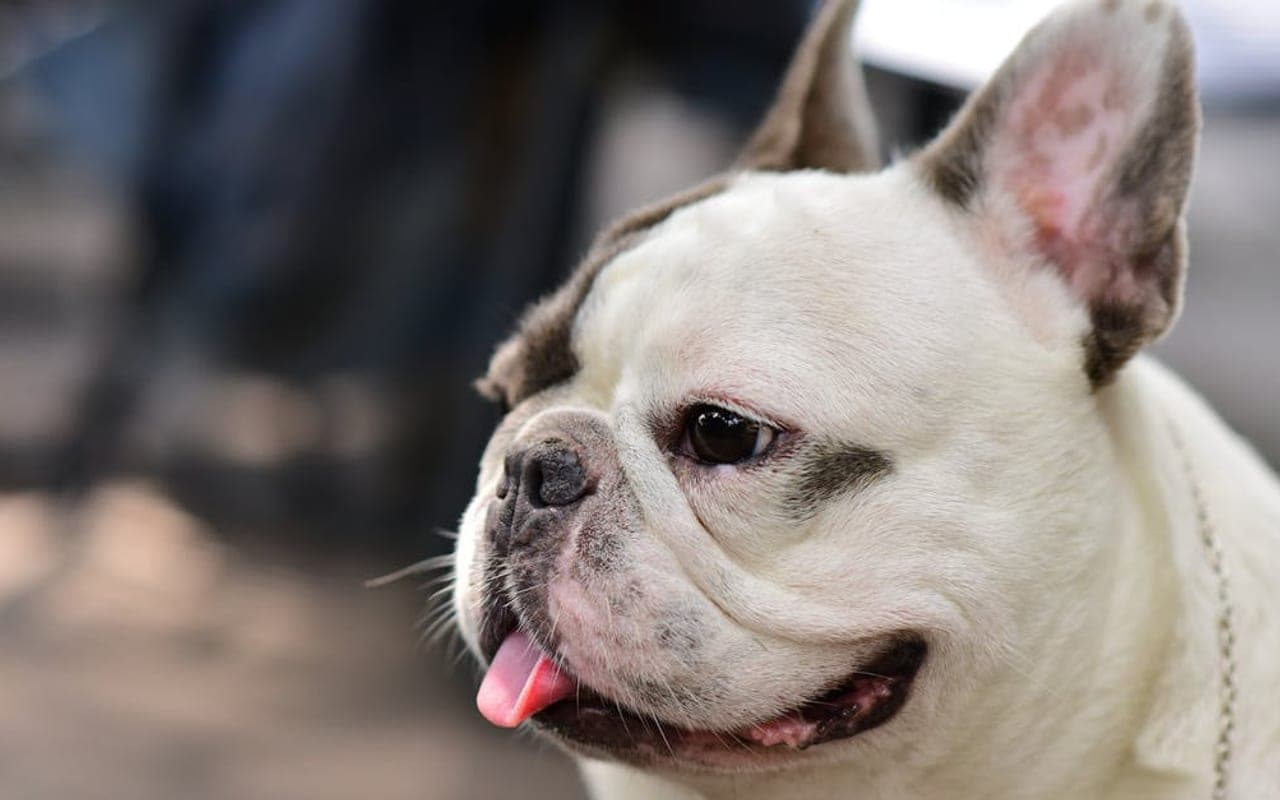
Bulldog
Also in the Non-Sporting group, with different care and temperament tradeoffs.
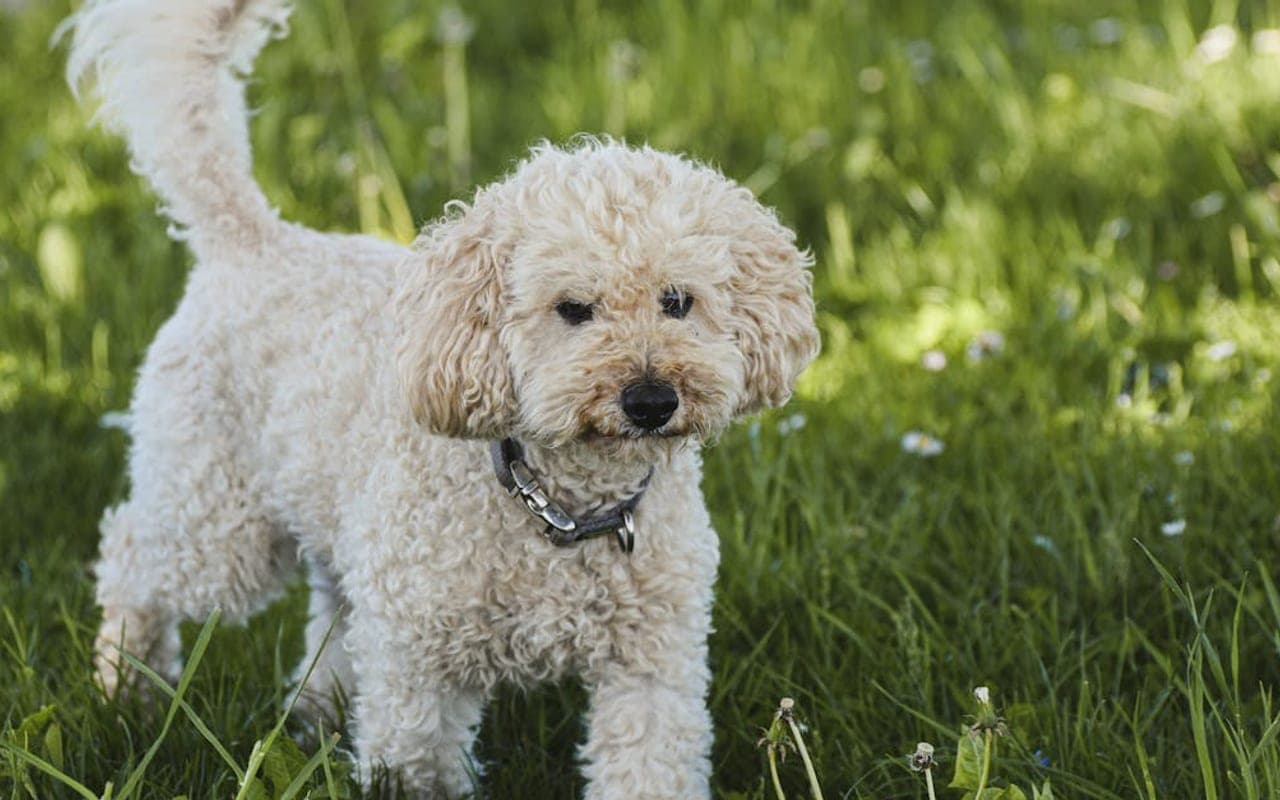
Poodle (Miniature)
Also in the Non-Sporting group, with different care and temperament tradeoffs.
Explore More About Chinese Shar-Pei
Dive deeper into everything Chinese Shar-Pei — costs, care, and expert insights.
Considering a cat instead?
Browse Cats