Working group
Chinook
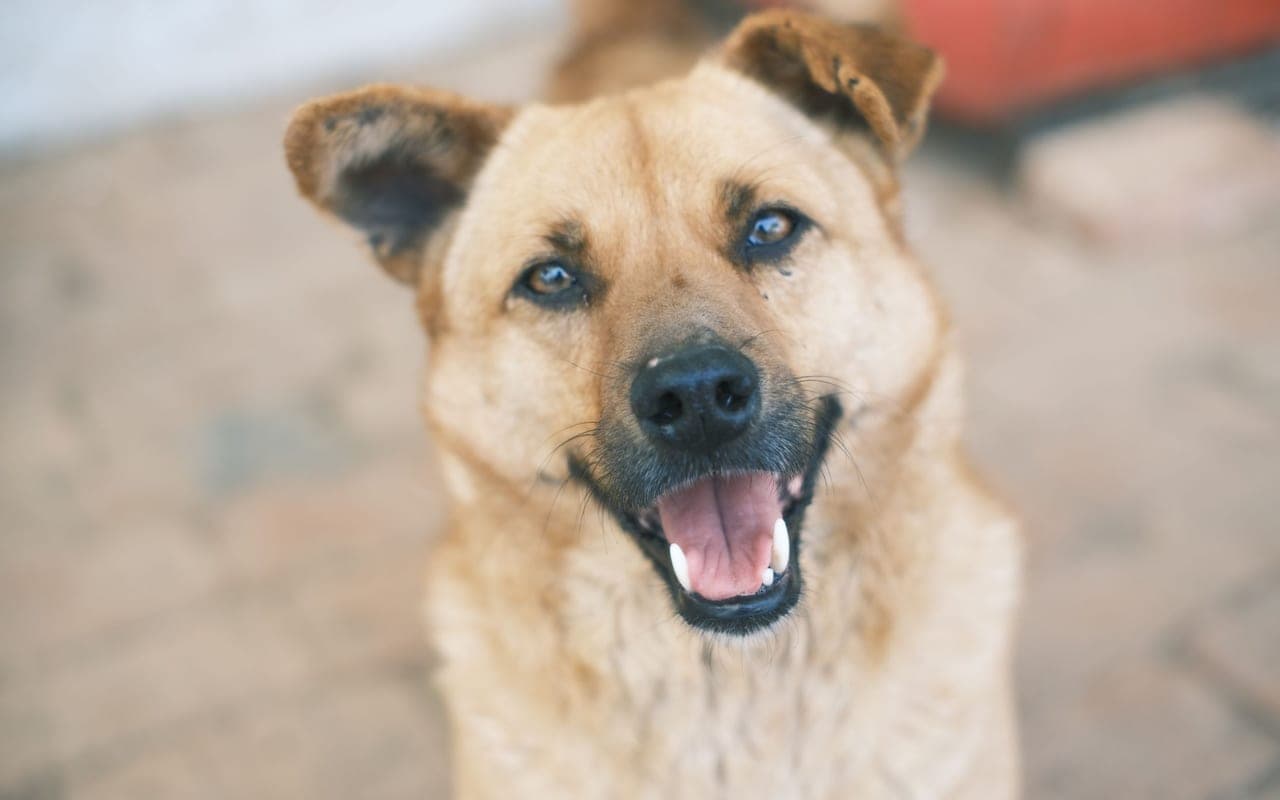
The Chinook is America's rare sled dog — a New Hampshire-bred draft and racing dog designed to combine the pulling power of a freighting dog with the speed of a racing team, and it is one of the scarcest breeds the AKC recognizes.
Size
50-90 lb
Lifespan
12-15 years
Exercise
30-60 minutes
Shedding
Moderate
Experience
Match to owner routine
Decision first
Is a Chinook right for you?
Start with fit before history or trivia. These are ownership signals, not guarantees about any individual dog.
Best suited for
- Households with children.
- Homes with other compatible pets.
- Apartment homes with a consistent routine.
- Owners seeking a manageable daily exercise routine.
Think carefully if
- You need a dog with almost no daily routine.
- You cannot keep up with grooming and preventive care.
- The dog will spend most days alone without support.
Conditional fit
Apartment fit depends on exercise, enrichment, noise management, and outdoor access.
Daily reality
Chinook commitment snapshot
Daily exercise
30-60 minutes
Match activity to age, health, weather, and training goals.
Coat care
Moderate
Grooming needs vary by coat, shedding, and lifestyle.
Time alone
Needs planning
Most dogs need gradual alone-time conditioning and support.
Structured facts
Chinook at a glance
The measurements and traits that most affect day-to-day life with this breed.
Group
Working
Weight
50-90 lb
Height
22-27 in
Lifespan
12-15 years
Temperament
Smart | Patient | Devoted
View all characteristics and methodology
Lifestyle fit
- Apartment suitability
- Likely fit
- Child friendliness
- Often good, with socialisation and supervision
- Other-pet fit
- Often compatible with careful introductions
Owner commitment
- Exercise
- 30-60 minutes
- Grooming
- Moderate
- Shedding
- Moderate
- Training
- Low
Environment and health
- Health risk
- Needs planning
Ratings combine structured breed data, visible breed fields, and editorial context. They are planning aids, not predictions for an individual dog.
Daily life
Chinook temperament and behavior
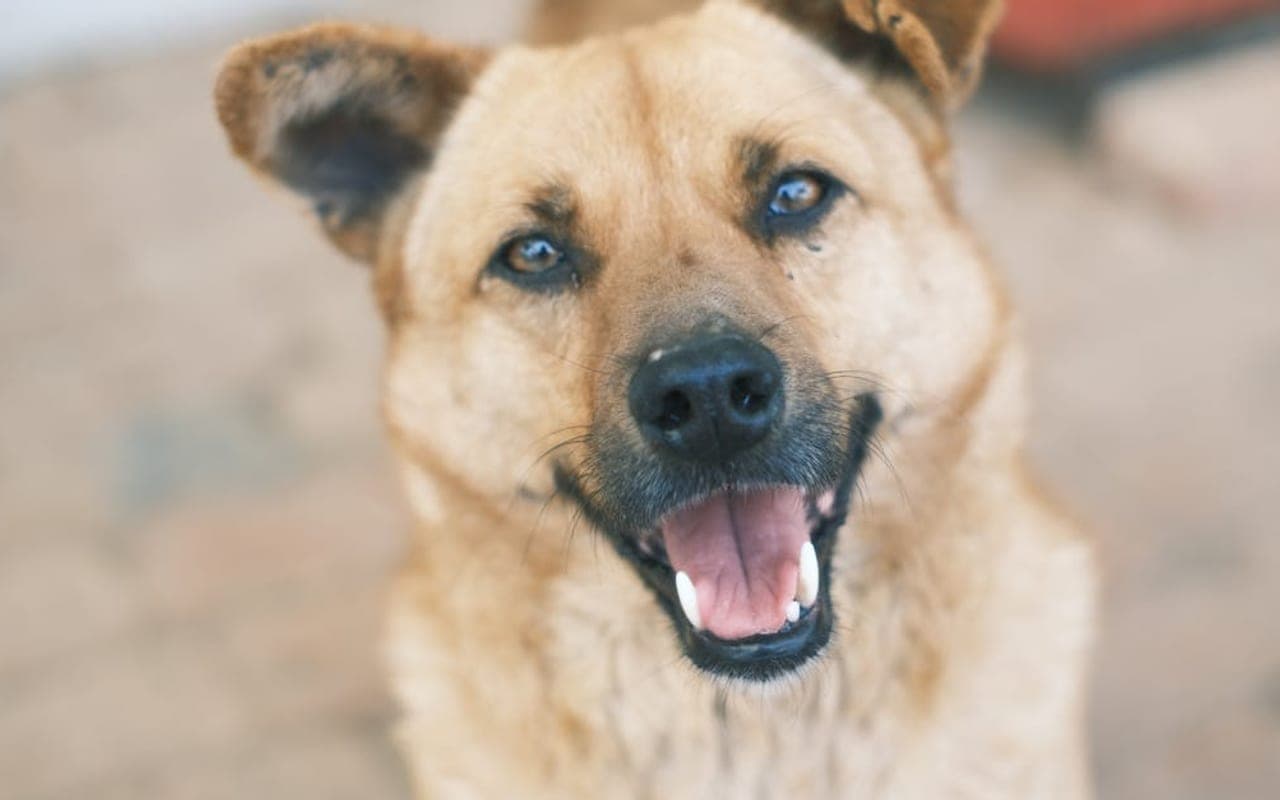
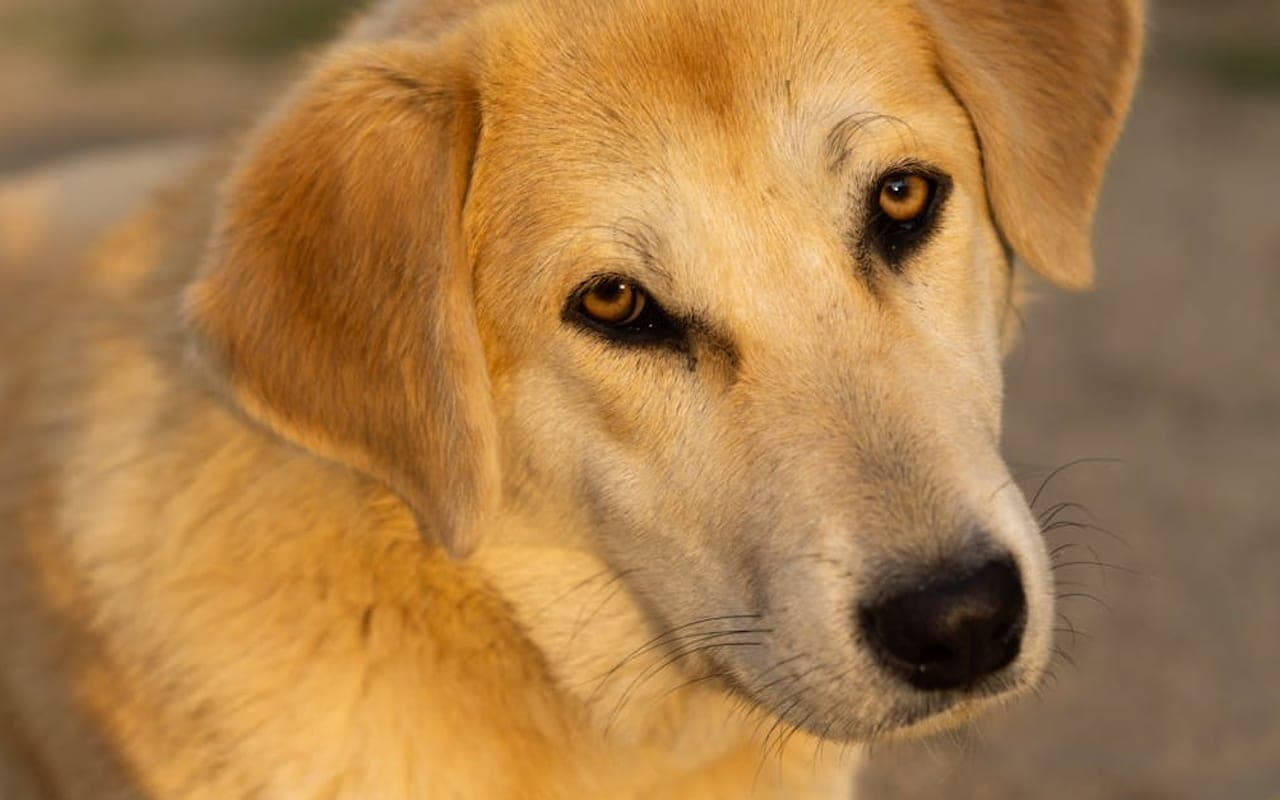
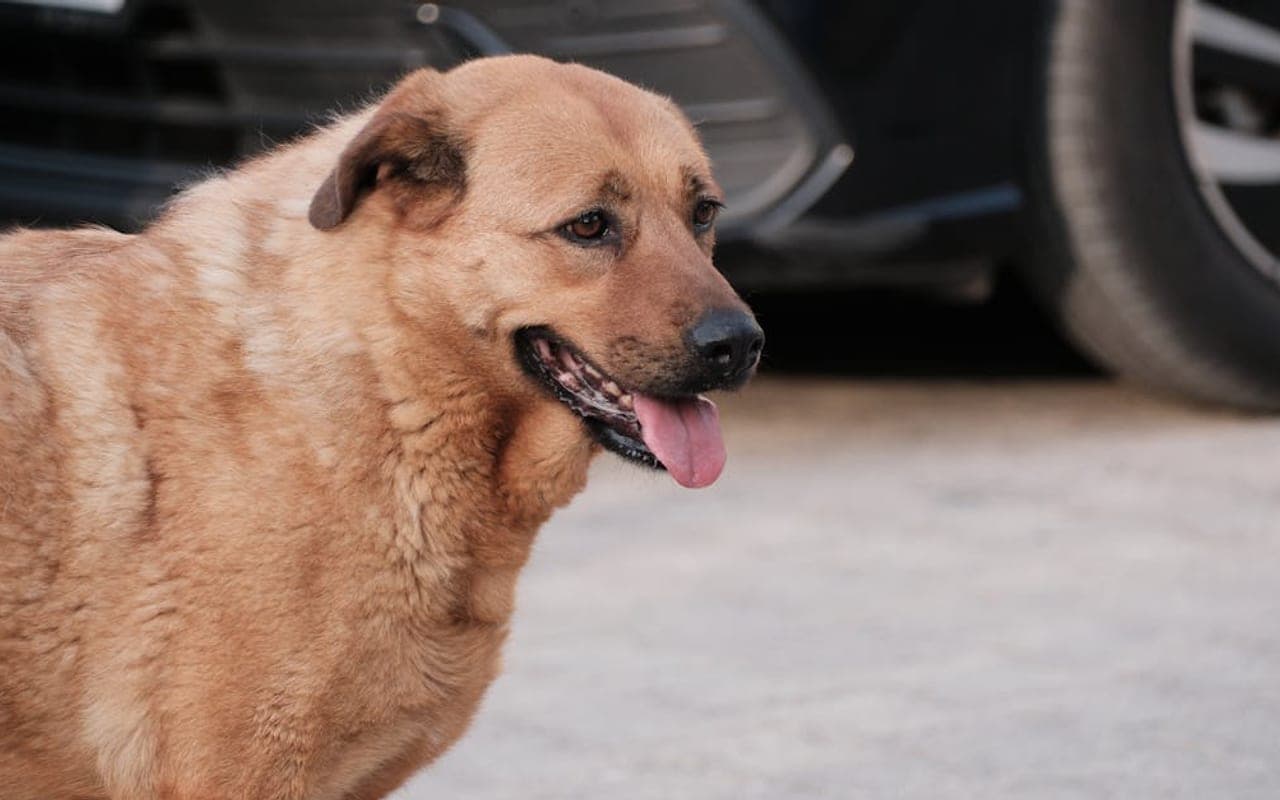
The Chinook is America's rare sled dog — a New Hampshire-bred draft and racing dog designed to combine the pulling power of a freighting dog with the speed of a racing team, and it is one of the scarcest breeds the AKC recognizes. A male stands up to 26 inches and runs 55-90 pounds; females are noticeably smaller. The coat is a tawny, weather-tough double coat over a calm, dignified frame with kind, dark almond eyes. It is the official state dog of New Hampshire and was once down to a handful of breeding animals, so the gene pool is small and breeder choice matters more than for almost any common breed. The Chinook's defining trait is temperament. This is an unusually people-oriented, patient, gentle working dog — exceptional with children, soft in handling, and notably non-aggressive. It is not a guard dog and is not meant to be. The flip side is sensitivity: a meaningful number of Chinooks are shy or reserved with strangers, and harsh training methods backfire badly. Early, ongoing socialization is not optional polish — it is the core of raising a sound Chinook. Energy is moderate, not low. Chinooks are not hyperactive, but they are athletic working dogs that need consistent daily exercise to stay in hard condition and avoid weight gain. They excel at sledding, carting, hiking, agility, and obedience, but want to do it with their people, not alone in a yard. Who the Chinook is right for: an active family that wants a gentle, trainable, child-safe companion, will socialize diligently, and accepts the realities of a rare breed — waitlists, travel, and breed-specific health screening. Who it is wrong for: anyone wanting a watchdog, a low-effort dog, an off-the-shelf purchase, or a guarantee against shyness without socialization work. Choose a Chinook for its temperament; go in with eyes open about its health profile.
Smart | Patient | Devoted
Smart
A common Chinook temperament descriptor that should be interpreted alongside training, exercise, and household fit.
Patient
A common Chinook temperament descriptor that should be interpreted alongside training, exercise, and household fit.
Devoted
A common Chinook temperament descriptor that should be interpreted alongside training, exercise, and household fit.
Owner note
Temperament labels are starting points, not guarantees. Meet the individual dog and ask about behavior history whenever possible.
Care essentials
How to care for a Chinook
What looking after one actually involves: exercise, grooming, food, training, and routine health.
ExerciseAs needed
- Moderately active breed needing 30-60 minutes of daily exercise through walks, play, and mental stimulation.
GroomingAs needed
- Regular grooming needed — brush 2-3 times per week and bathe monthly.
TrainingAs needed
- Independent-minded breed that may require extra patience in training. Short, engaging sessions recommended.
NutritionAs needed
- Feed a high-quality dog food appropriate for their age, size, and activity level. Monitor portions to prevent obesity.
Veterinary CareAs needed
- Annual wellness exams, core vaccinations, dental care, and parasite prevention. Breed-specific health screenings as recommended by your vet.
Health planning
Chinook health risks and screening
Every breed has individual health variation. Use this profile for planning and discuss medical decisions with a veterinarian.
Responsible ownership
Finding a Chinook responsibly
What to ask a breeder or rescue is the same conversation for every breed, so we keep it in one place and keep it current.
Health documentation, meeting the parents or foster, contracts and return support, and the warning signs worth walking away from.
Original purpose
Chinook history
History is useful when it explains today's behavior, coat, exercise needs, and training style.
Read the breed history
The Chinook was created by one man: polar explorer and dog driver Arthur Treadwell Walden in Wonalancet, New Hampshire, in the early 20th century. The breed traces to a single foundation dog named Chinook, born in 1917, a crossbred sled dog (with Greenland husky and mastiff-type ancestry) renowned for power, speed, and a gentle disposition; his descendants, line-bred and refined, became the breed. Walden's Chinooks hauled freight and ran sled teams, and the breed served on Admiral Byrd's 1928 Antarctic expedition. After Walden's era the breed nearly vanished — by the mid-1960s the Chinook was listed as one of the rarest dog breeds in the world, reduced to a tiny number of breeding dogs and saved only by a deliberate recovery effort among a handful of dedicated owners. The AKC fully recognized the Chinook in 2013, and it was named the official state dog of New Hampshire in 2009. Its small founding population is why responsible breeding and health screening remain central to the breed today.
Gallery
Chinook photos
Images are cropped consistently and loaded progressively to keep the page responsive.
Lower-page context
Chinooks in culture
Where the breed shows up in film, sport, work and folklore — the enjoyable part, once the practical questions are answered.
Fun facts
- The Chinook belongs to the Working Group.
- With proper care, Chinook dogs can live up to 15 years or more.
- Chinook dogs are valued for their smart, patient, devoted nature.
Chinook FAQs
How long do Chinooks live?
A healthy Chinook typically lives 12 to 15 years, solid longevity for a 55-90 pound working dog. The breed is generally robust; lifespan is most affected by hip arthritis (worsened by excess weight) and, in untested dogs, a preventable fatal drug reaction in MDR1 carriers. Keep the dog lean, do the one-time MDR1 DNA test, and stay current on the breed club's hip and eye screening, and 13-plus years is a reasonable expectation.
Are Chinooks good with children?
Exceptionally so — child-friendliness is the breed's signature trait. Chinooks were bred for a gentle, patient temperament and are notably soft-mouthed, tolerant, and non-aggressive, which is why they are often cited among the best large breeds for families. The only real caveat is the breed's sensitivity: a poorly socialized or fearful Chinook may be shy rather than dangerous. Socialize early and the Chinook is one of the safest large dogs around children you can choose.
Are Chinooks easy to train?
Yes, with one condition: methods matter more than for tougher breeds. Chinooks are intelligent and eager to please but emotionally sensitive — they thrive on reward-based training and shut down or grow fearful under harsh correction. They can be a touch independent and slow to mature, so consistency and patience beat repetition drilling. Pair gentle training with heavy early socialization (to counter the breed's shyness tendency) and the Chinook is a willing, capable working partner.
Do Chinooks make good guard dogs?
No, and you should not expect or train them to be. The Chinook was bred as a draft and sled dog with a deliberately gentle, people-friendly temperament; it is typically friendly or reserved with strangers, not protective or territorial. Some Chinooks are actively shy. If you want a watchdog, this is the wrong breed. Its value is companionship, working ability, and safety around people and children — pushing it toward guarding works against its nature.
Why are Chinooks so rare and what should I check before buying?
The Chinook nearly went extinct in the 1960s and was rebuilt from a tiny founding population, so litters are scarce and the gene pool is small — expect a waitlist and travel. Because the population is small, breed-specific screening is essential: confirm the parents have CHIC clearances (OFA hips, elbows, eyes, thyroid), ask about family history of seizures and shyness, and ensure the puppy's line has been MDR1 tested. Skipping these checks in a rare breed is the costliest mistake you can make.
How much exercise does a Chinook need?
Moderate but consistent — about 45 to 60 minutes of real daily activity such as hiking, jogging, or carting. Chinooks are not hyperactive, but they are athletic working dogs that lose condition and gain weight without it, and weight directly worsens the breed's hip risk. They want to work alongside their people rather than exercise alone in a yard. A securely contained dog with a daily job stays calm and settled indoors; an idle one gets restless.
Sources
These are the published sources this page draws on. Each opens in a new tab so you can check it yourself.
American Kennel Club
Chinook — breed standard and profile(opens in a new tab)Supports: Breed standard and recognition details.
Similar breeds to consider
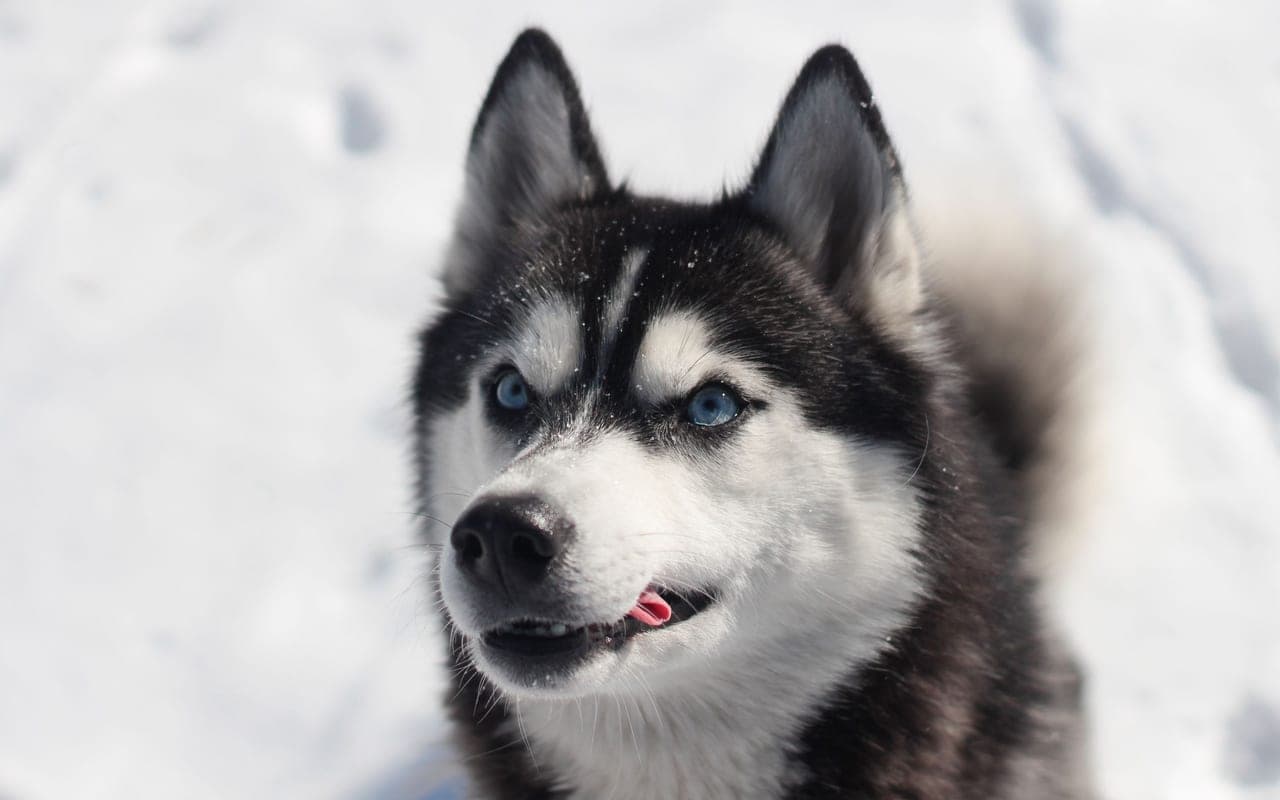
Siberian Husky
Also in the Working group, with different care and temperament tradeoffs.
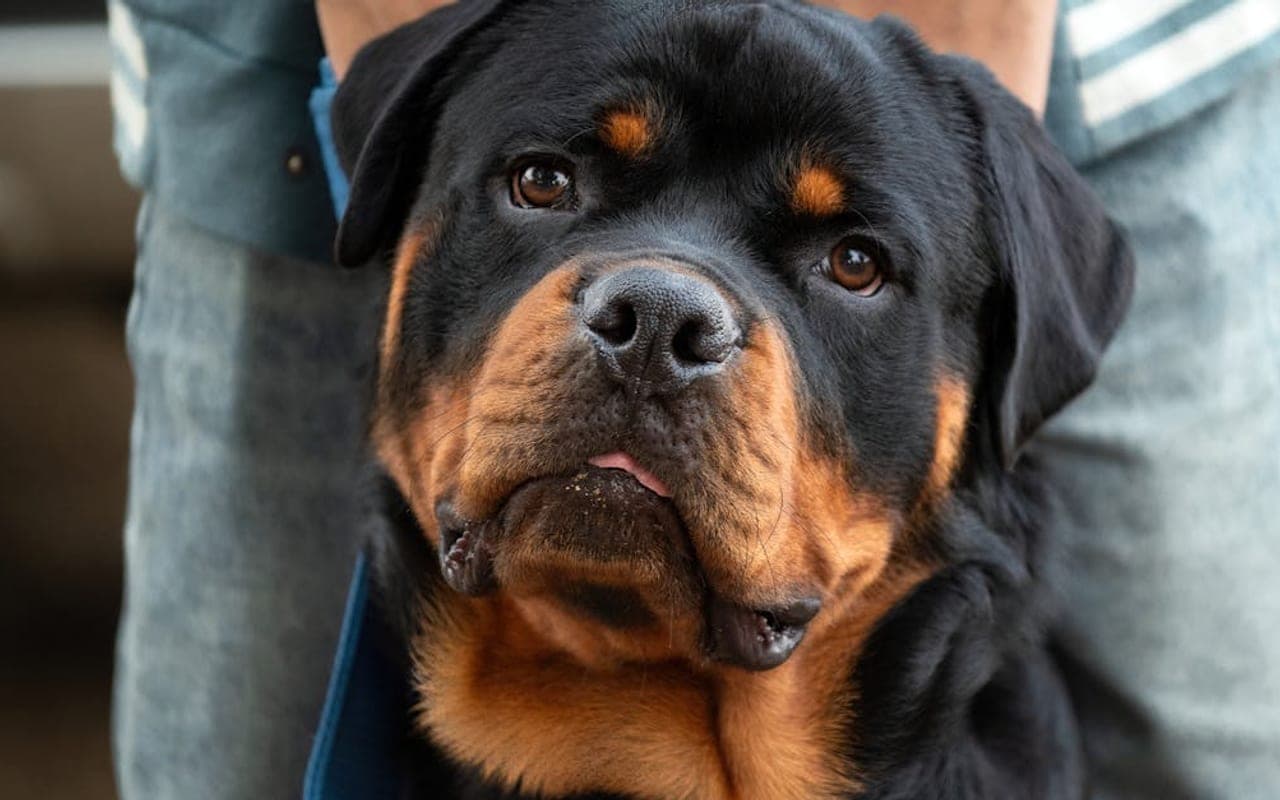
Rottweiler
Also in the Working group, with different care and temperament tradeoffs.

Boxer
Also in the Working group, with different care and temperament tradeoffs.
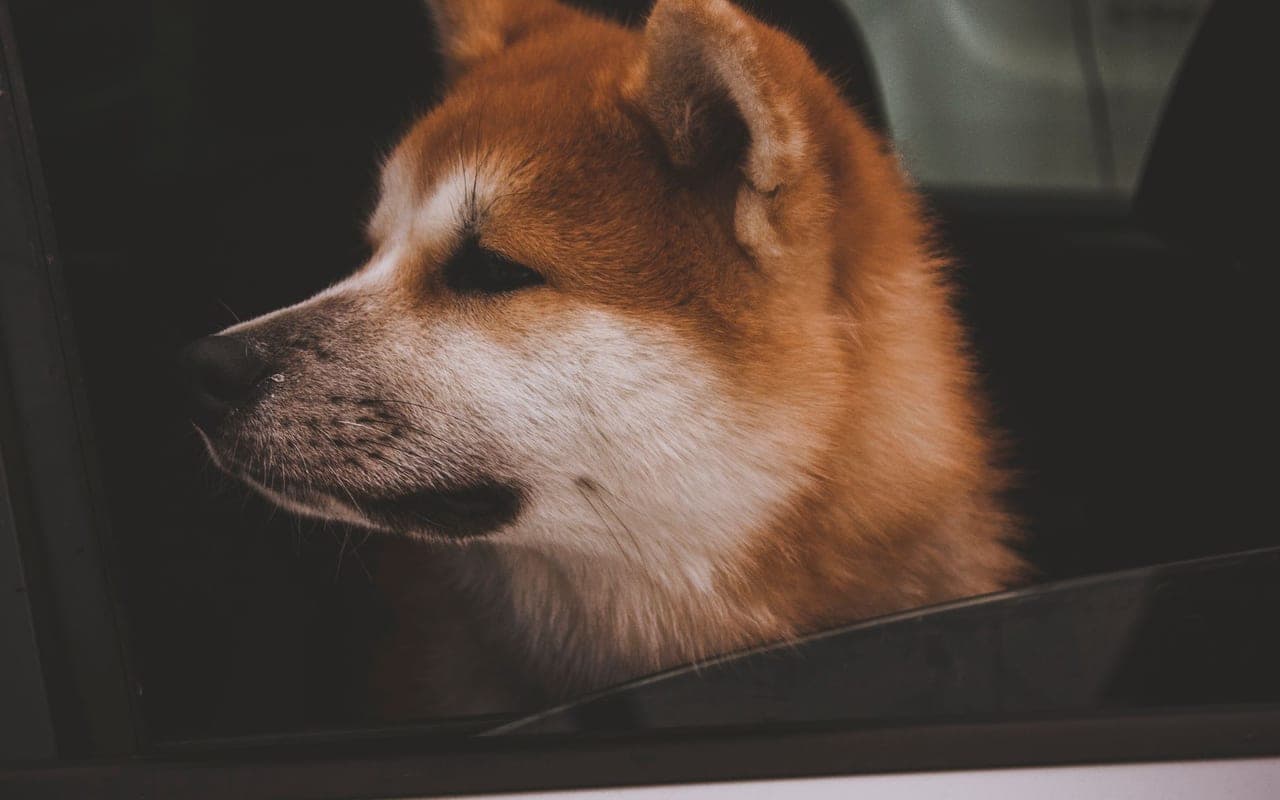
Akita
Also in the Working group, with different care and temperament tradeoffs.
Explore More About Chinook
Dive deeper into everything Chinook — costs, care, and expert insights.
Considering a cat instead?
Browse Cats