
Sporting group
Clumber Spaniel
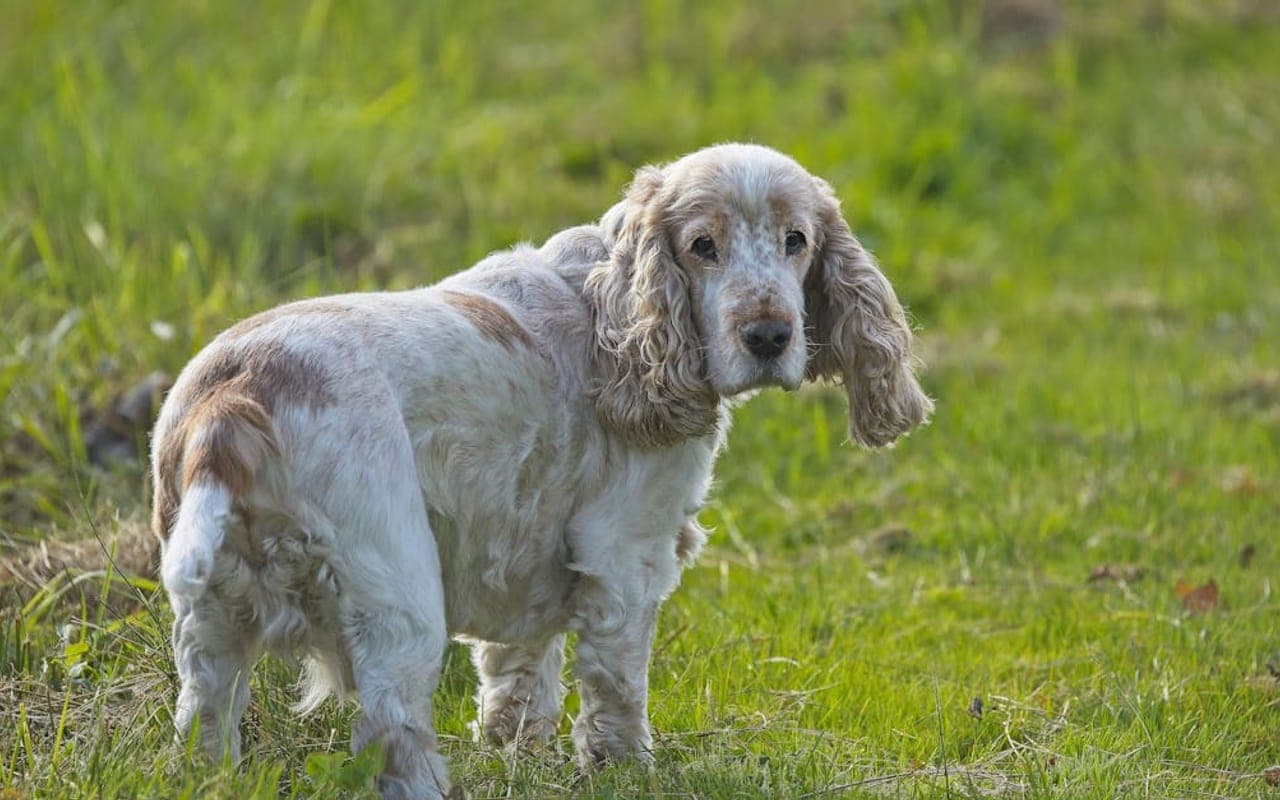
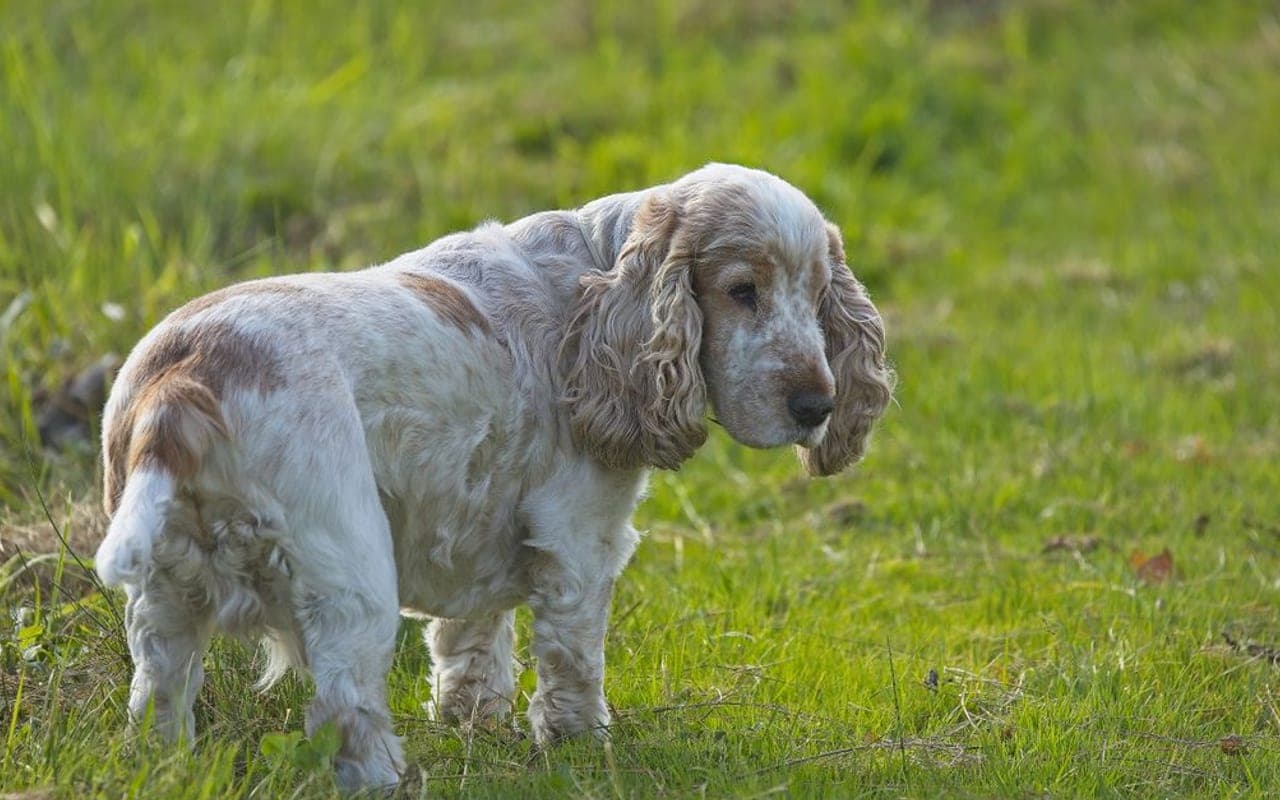
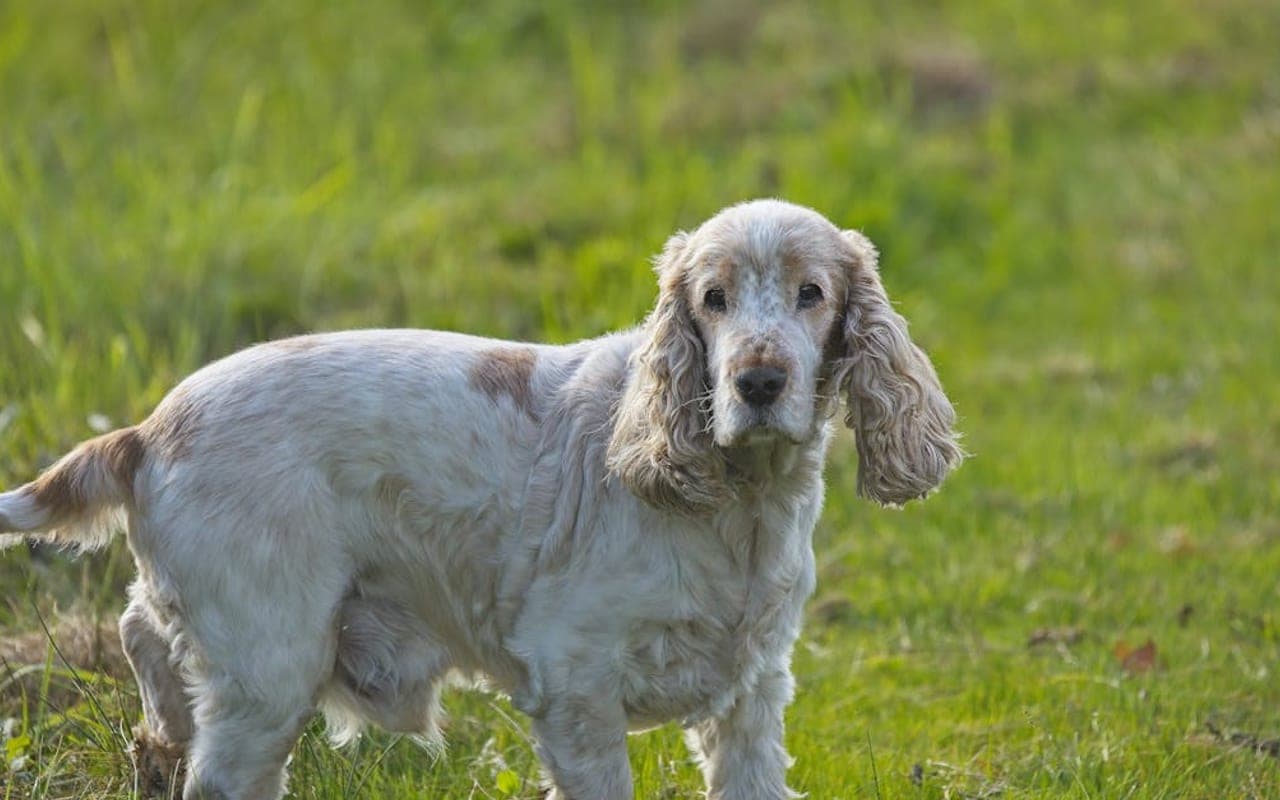
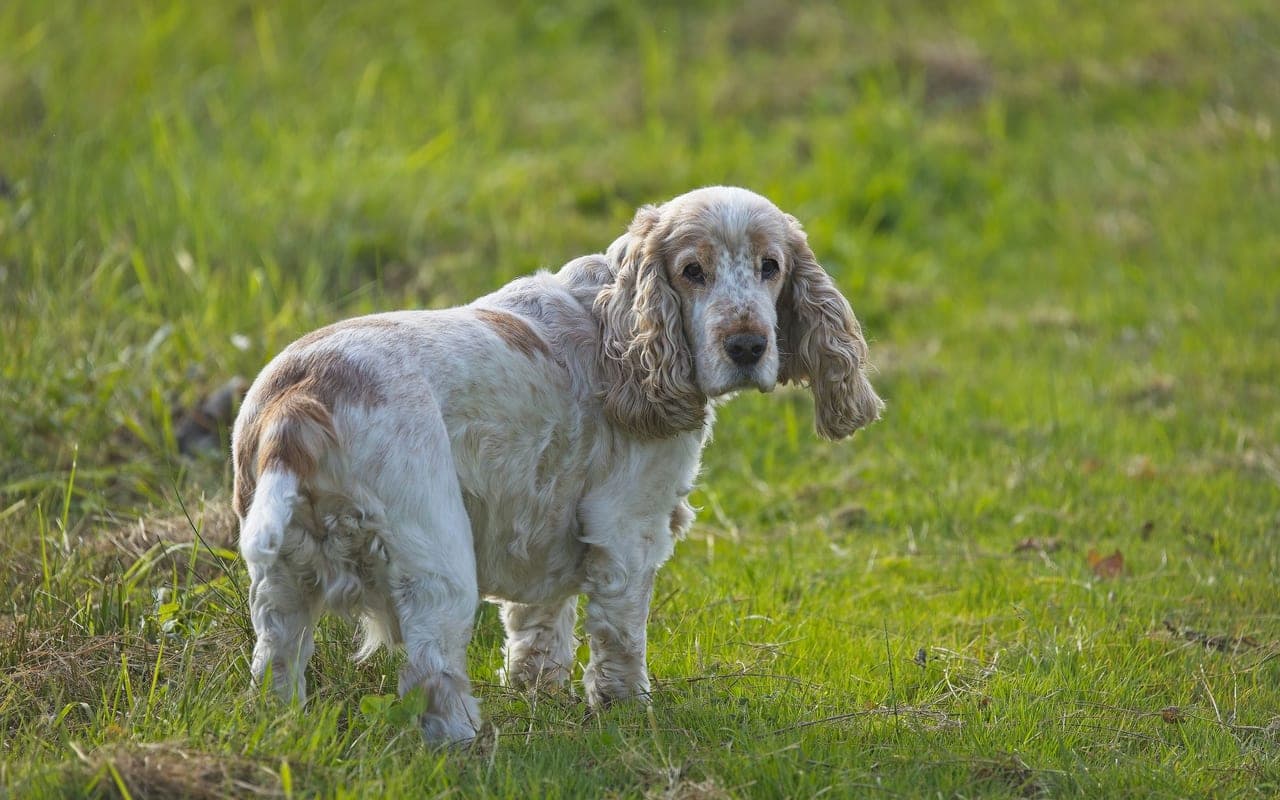
The Clumber Spaniel is the largest of the flushing spaniels — a heavy-boned, long-and-low bird dog of roughly 25 to 39 kg standing only 43 to 51 cm at the shoulder, with a massive head, deep-set eyes, and a dense predominantly white coat marked with lemon or orange.
Size
55-85 lb
Lifespan
10-12 years
Exercise
30-60 minutes
Shedding
Moderate
Experience
Match to owner routine
Decision first
Is a Clumber Spaniel right for you?
Start with fit before history or trivia. These are ownership signals, not guarantees about any individual dog.
Best suited for
- Households with children.
- Homes with other compatible pets.
- Apartment homes with a consistent routine.
- Owners seeking a manageable daily exercise routine.
Think carefully if
- You need a dog with almost no daily routine.
- You cannot keep up with grooming and preventive care.
- The dog will spend most days alone without support.
Conditional fit
Apartment fit depends on exercise, enrichment, noise management, and outdoor access.
Daily reality
Clumber Spaniel commitment snapshot
Daily exercise
30-60 minutes
Match activity to age, health, weather, and training goals.
Coat care
Moderate
Grooming needs vary by coat, shedding, and lifestyle.
Time alone
Needs planning
Most dogs need gradual alone-time conditioning and support.
Structured facts
Clumber Spaniel at a glance
The measurements and traits that most affect day-to-day life with this breed.
Group
Sporting
Weight
55-85 lb
Height
17-20 in
Lifespan
10-12 years
Temperament
Mellow | Amusing | Gentlemanly
View all characteristics and methodology
Lifestyle fit
- Apartment suitability
- Likely fit
- Child friendliness
- Often good, with socialisation and supervision
- Other-pet fit
- Often compatible with careful introductions
Owner commitment
- Exercise
- 30-60 minutes
- Grooming
- Moderate
- Shedding
- Moderate
- Training
- Moderate
Environment and health
- Health risk
- Needs planning
Ratings combine structured breed data, visible breed fields, and editorial context. They are planning aids, not predictions for an individual dog.
Daily life
Clumber Spaniel temperament and behavior
The Clumber Spaniel is the largest of the flushing spaniels — a heavy-boned, long-and-low bird dog of roughly 25 to 39 kg standing only 43 to 51 cm at the shoulder, with a massive head, deep-set eyes, and a dense predominantly white coat marked with lemon or orange. It was built to push slowly and methodically through thick cover, not to range fast and wide, and that deliberate, low-slung, powerful build defines both its working style and its health profile. This is a big dog on short legs, and the conformation has consequences any honest profile must spell out. Temperament is the breed's selling point: Clumbers are mellow, dignified, affectionate, and notably easy-going in the house — calmer than most sporting breeds and often described as gentlemanly. They are smart and eager to please, which makes them trainable, but they can be quietly stubborn and are typically a bit reserved with strangers without being nervous. They bark sparingly, which makes them poor watchdogs but pleasant housemates. Two practical realities come with the package: Clumbers shed a heavy white coat and many of them drool. The Clumber is right for an owner who wants a calm, devoted, moderate-energy companion or a methodical close-working gun dog, who can tolerate shedding and drool, who will keep the dog rigorously lean to protect its joints and back, and who buys from health-tested parents given the breed's significant orthopedic and eye burden. It is the wrong dog for someone wanting a tidy, low-shedding, high-octane sporting dog, or a bargain puppy from untested parents — hip dysplasia and disc disease are common and expensive in this breed. Decide on the shedding, drool, and health-testing realities first; the wonderful temperament is genuine but it does not cancel the maintenance.
Mellow | Amusing | Gentlemanly
Mellow
A common Clumber Spaniel temperament descriptor that should be interpreted alongside training, exercise, and household fit.
Amusing
A common Clumber Spaniel temperament descriptor that should be interpreted alongside training, exercise, and household fit.
Gentlemanly
A common Clumber Spaniel temperament descriptor that should be interpreted alongside training, exercise, and household fit.
Owner note
Temperament labels are starting points, not guarantees. Meet the individual dog and ask about behavior history whenever possible.
Care essentials
How to care for a Clumber Spaniel
What looking after one actually involves: exercise, grooming, food, training, and routine health.
ExerciseAs needed
- Moderately active breed needing 30-60 minutes of daily exercise through walks, play, and mental stimulation.
GroomingAs needed
- Regular grooming needed — brush 2-3 times per week and bathe monthly.
TrainingAs needed
- Moderately trainable — consistent, patient training with positive methods works best.
NutritionAs needed
- Feed a high-quality dog food appropriate for their age, size, and activity level. Monitor portions to prevent obesity.
Veterinary CareAs needed
- Annual wellness exams, core vaccinations, dental care, and parasite prevention. Breed-specific health screenings as recommended by your vet.
Health planning
Clumber Spaniel health risks and screening
Every breed has individual health variation. Use this profile for planning and discuss medical decisions with a veterinarian.
Responsible ownership
Finding a Clumber Spaniel responsibly
What to ask a breeder or rescue is the same conversation for every breed, so we keep it in one place and keep it current.
Health documentation, meeting the parents or foster, contracts and return support, and the warning signs worth walking away from.
Original purpose
Clumber Spaniel history
History is useful when it explains today's behavior, coat, exercise needs, and training style.
Read the breed history
The Clumber Spaniel takes its name from Clumber Park, the Nottinghamshire estate of the Dukes of Newcastle, where the breed was developed and refined in England in the 18th and 19th centuries. By tradition the early stock has French origins, possibly involving Alpine Spaniel and Basset-type dogs, brought to England and bred up by the British aristocracy as a slow, powerful, methodical gun dog for pushing game out of dense cover on large shooting estates. For much of its history the Clumber was a dog of the gentry and royalty — it was kept and worked by several British monarchs — which kept the gene pool small and tied to estate shooting traditions. It was among the first breeds recognized by the American Kennel Club in 1884. Its development as a heavy, deliberate, close-working flushing spaniel directly explains the modern dog's calm and unhurried temperament, its moderate energy and love of water, and the long-and-low, heavy-boned conformation that drives its characteristic orthopedic health considerations.
Gallery
Clumber Spaniel photos
Images are cropped consistently and loaded progressively to keep the page responsive.
Lower-page context
Clumber Spaniels in culture
Where the breed shows up in film, sport, work and folklore — the enjoyable part, once the practical questions are answered.
Fun facts
- The Clumber Spaniel belongs to the Sporting Group.
- The average lifespan of a Clumber Spaniel is 10 to 12 years.
- Clumber Spaniel dogs are valued for their mellow, amusing, gentlemanly nature.
Clumber Spaniel FAQs
How long do Clumber Spaniel dogs live?
A healthy Clumber Spaniel typically lives 10 to 12 years, which is modest and reflects the breed's significant orthopedic burden. The single biggest lever an owner controls is body weight: because the long back and heavy build make hip dysplasia and disc disease common, a rigorously lean Clumber from health-tested parents has a meaningfully better quality of life and a better chance at the upper end of that range than an overweight one.
Are Clumber Spaniels good with children?
Yes — temperament is a real strength. Clumbers are mellow, gentle, patient, and affectionate, and sturdy enough to be tolerant childhood companions. The realistic cautions are their size and weight around very small toddlers and the need to protect the dog's own back: teach children never to ride, jump on, or roughly lift the dog, since spinal disc disease is a genuine breed risk. Supervise young children as with any dog.
Do Clumber Spaniels shed and drool a lot?
Yes to both, and prospective owners should plan for it honestly. The dense white double coat sheds heavily, especially seasonally, so expect a constant presence of white hair on furniture and clothing and brush 3 to 4 times a week. Many Clumbers also drool, particularly around food and water. These are not problems to be trained away — they are inherent breed traits and a genuine consideration for tidy households.
How much exercise does a Clumber Spaniel need?
Plan on about 45 to 60 minutes a day of moderate activity — steady walks and especially swimming, which they love and which spares the joints. The Clumber is a methodical worker, not an endurance athlete, and forced high-impact exercise, repetitive jumping, and stairs should be limited to protect its hips and back. Mental engagement and scent games suit the breed's calm, deliberate working style well.
Are Clumber Spaniels easy to train?
Reasonably — they are intelligent and eager to please, which makes them responsive to consistent, reward-based training and capable in the field and in obedience. The trade-off is a quiet stubborn streak and a deliberate, unhurried working tempo, so they are not fast, flashy performers. Patient, positive, repetition-light sessions and early socialization to offset their natural reserve with strangers produce the best results.
What health tests should a Clumber Spaniel breeder have done?
At minimum, hip and elbow evaluations (OFA or BVA scheme) and a recent ophthalmologist eye examination, because hip dysplasia, elbow dysplasia, and eyelid conditions such as entropion and ectropion are well-documented breed concerns. Buying from parents with documented, current results is the most cost-effective insurance you can buy in this breed — the orthopedic conditions it screens against are common, painful, and expensive to manage if they appear.
Sources
These are the published sources this page draws on. Each opens in a new tab so you can check it yourself.
American Kennel Club
Clumber Spaniel — breed standard and profile(opens in a new tab)Supports: Breed standard and recognition details.
Similar breeds to consider

Golden Retriever
Also in the Sporting group, with different care and temperament tradeoffs.

German Shorthaired Pointer
Also in the Sporting group, with different care and temperament tradeoffs.

Labrador Retriever
Also in the Sporting group, with different care and temperament tradeoffs.

Vizsla
Also in the Sporting group, with different care and temperament tradeoffs.
Explore More About Clumber Spaniel
Dive deeper into everything Clumber Spaniel — costs, care, and expert insights.
Considering a cat instead?
Browse Cats