
Herding group
Collie
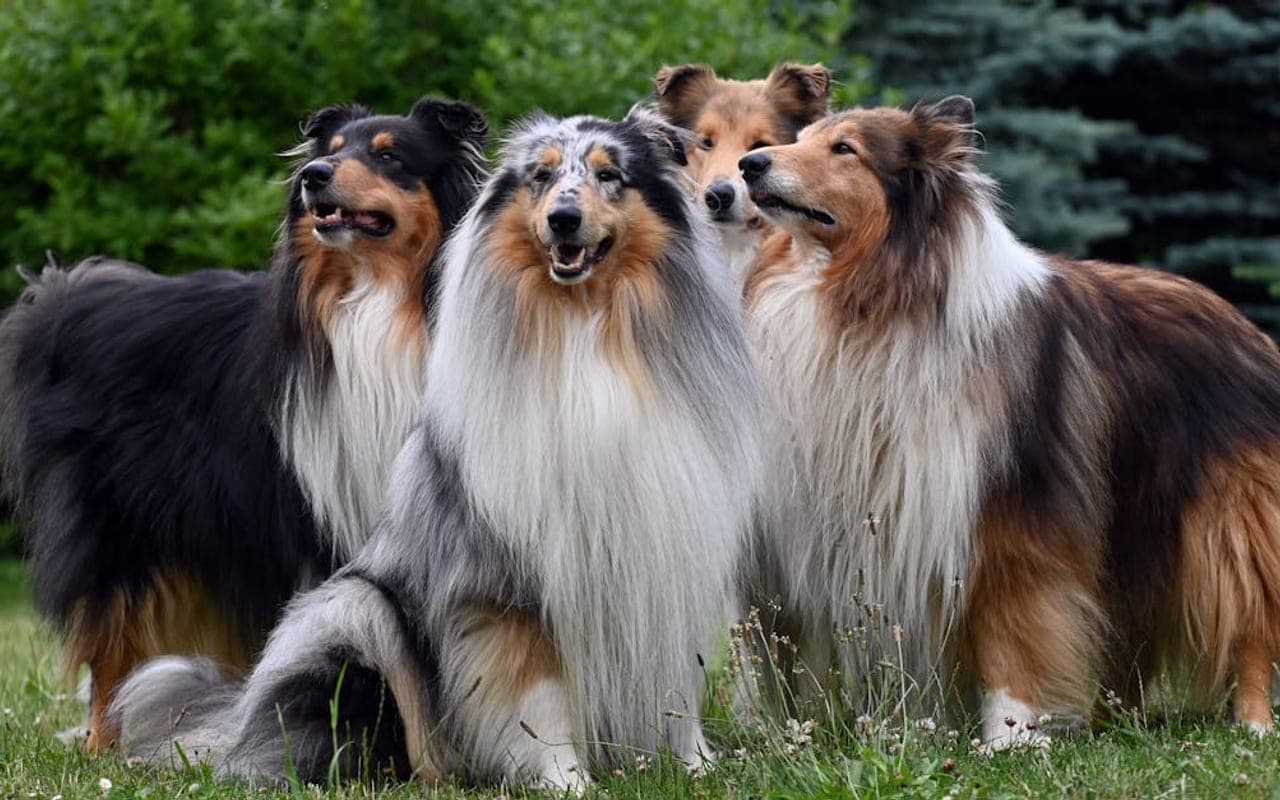
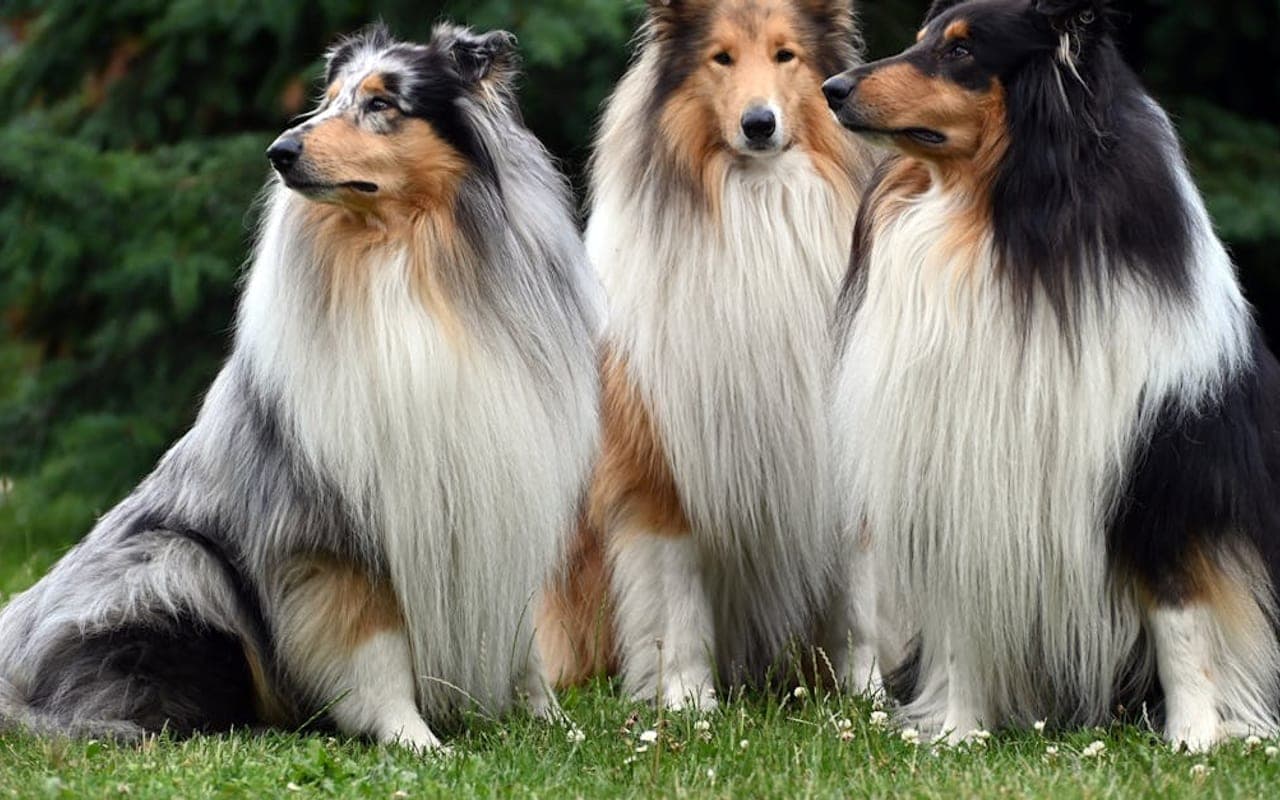
The Collie is the Lassie dog — a 22-to-26-inch herding breed weighing 50-75 pounds, and the single most important fact about owning one is not in any breed standard: roughly three out of four Collies carry the MDR1 gene mutation, which makes common, otherwise-safe drugs neurotoxic.
Size
50-75 lb
Lifespan
12-14 years
Exercise
30-60 minutes
Shedding
Moderate
Experience
Match to owner routine
Decision first
Is a Collie right for you?
Start with fit before history or trivia. These are ownership signals, not guarantees about any individual dog.
Best suited for
- Households with children.
- Homes with other compatible pets.
- Apartment homes with a consistent routine.
- Owners seeking a manageable daily exercise routine.
Think carefully if
- You need a dog with almost no daily routine.
- You cannot keep up with grooming and preventive care.
- The dog will spend most days alone without support.
Conditional fit
Apartment fit depends on exercise, enrichment, noise management, and outdoor access.
Daily reality
Collie commitment snapshot
Daily exercise
30-60 minutes
Match activity to age, health, weather, and training goals.
Coat care
Moderate
Grooming needs vary by coat, shedding, and lifestyle.
Time alone
Needs planning
Most dogs need gradual alone-time conditioning and support.
Structured facts
Collie at a glance
The measurements and traits that most affect day-to-day life with this breed.
Group
Herding
Weight
50-75 lb
Height
22-26 in
Lifespan
12-14 years
Temperament
Devoted | Graceful | Proud
View all characteristics and methodology
Lifestyle fit
- Apartment suitability
- Likely fit
- Child friendliness
- Often good, with socialisation and supervision
- Other-pet fit
- Often compatible with careful introductions
Owner commitment
- Exercise
- 30-60 minutes
- Grooming
- Moderate
- Shedding
- Moderate
- Training
- Moderate
Environment and health
- Health risk
- Needs planning
Ratings combine structured breed data, visible breed fields, and editorial context. They are planning aids, not predictions for an individual dog.
Daily life
Collie temperament and behavior
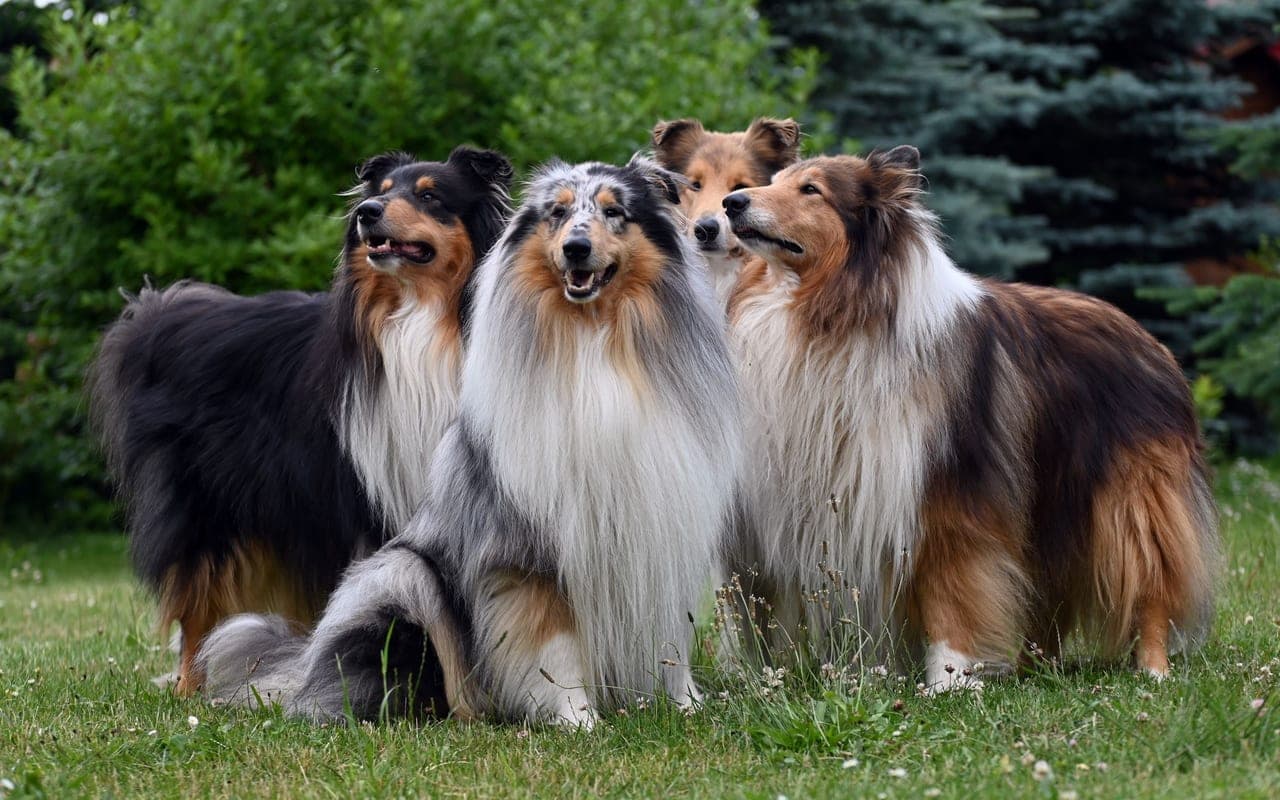
The Collie is the Lassie dog — a 22-to-26-inch herding breed weighing 50-75 pounds, and the single most important fact about owning one is not in any breed standard: roughly three out of four Collies carry the MDR1 gene mutation, which makes common, otherwise-safe drugs neurotoxic. That detail decides who should own this breed and who should not. If you will not spend $60 on a one-time cheek-swab MDR1 test and hand the result to every vet your dog ever sees, the Collie is the wrong dog for you. Collies come in two coat types. The rough Collie carries the famous long, harsh outer coat with a dense undercoat; the smooth Collie has a short, flat coat with the same temperament and health profile but a fraction of the grooming. Colors are sable-and-white, tricolor, blue merle, and white. Both varieties share a fine, wedge-shaped head and almond eyes that read as gentle rather than sharp — and they are gentle. This is a soft, sensitive, people-focused herder, not a hard-edged working dog. Temperament is the breed's strongest selling point. Collies are famously good with children, biddable, sensitive to tone, and quick to learn — they crumble under harsh corrections and bloom under positive, consistent training. They are alert barkers (a herding-watchdog inheritance you will hear) and can be reserved with strangers but rarely aggressive. They need real daily exercise and a job to think about, or the barking and pacing escalate. Who the Collie is right for: an active family that wants a sensitive, trainable, child-safe companion AND will test for MDR1, brush a rough coat weekly, and tolerate a vocal dog. Who it is wrong for: anyone who wants a low-maintenance, silent, low-engagement pet, or who will skip the genetic test that defines safe veterinary care for this breed.
Devoted | Graceful | Proud
Devoted
A common Collie temperament descriptor that should be interpreted alongside training, exercise, and household fit.
Graceful
A common Collie temperament descriptor that should be interpreted alongside training, exercise, and household fit.
Proud
A common Collie temperament descriptor that should be interpreted alongside training, exercise, and household fit.
Owner note
Temperament labels are starting points, not guarantees. Meet the individual dog and ask about behavior history whenever possible.
Care essentials
How to care for a Collie
What looking after one actually involves: exercise, grooming, food, training, and routine health.
ExerciseAs needed
- Moderately active breed needing 30-60 minutes of daily exercise through walks, play, and mental stimulation.
GroomingAs needed
- Regular grooming needed — brush 2-3 times per week and bathe monthly.
TrainingAs needed
- Moderately trainable — consistent, patient training with positive methods works best.
NutritionAs needed
- Feed a high-quality dog food appropriate for their age, size, and activity level. Monitor portions to prevent obesity.
Veterinary CareAs needed
- Annual wellness exams, core vaccinations, dental care, and parasite prevention. Breed-specific health screenings as recommended by your vet.
Health planning
Collie health risks and screening
Every breed has individual health variation. Use this profile for planning and discuss medical decisions with a veterinarian.
Responsible ownership
Finding a Collie responsibly
What to ask a breeder or rescue is the same conversation for every breed, so we keep it in one place and keep it current.
Health documentation, meeting the parents or foster, contracts and return support, and the warning signs worth walking away from.
Original purpose
Collie history
History is useful when it explains today's behavior, coat, exercise needs, and training style.
Read the breed history
The Collie was developed in the rugged uplands of Scotland and northern England as a working sheepdog — agile enough to gather flocks across hill country and biddable enough to take direction at distance. The rough and smooth varieties were historically interbred and selected for stamina, intelligence, and a soft mouth around livestock. The breed was relatively obscure until Queen Victoria took an interest after seeing Collies at Balmoral in the 1860s, which transformed it from a farm tool into a fashionable companion and show dog. Selective breeding then refined the elegant head and flowing coat seen today. Twentieth-century pop culture — the Lassie novels, films, and television series beginning in the 1940s — cemented the rough Collie as one of the most recognized dogs on earth and drove the family-companion role it still fills. The MDR1 mutation, now central to the breed's veterinary care, traces to a common ancestral collie-type dog and is shared with related herding breeds.
Gallery
Collie photos
Images are cropped consistently and loaded progressively to keep the page responsive.
Lower-page context
Collies in culture
Where the breed shows up in film, sport, work and folklore — the enjoyable part, once the practical questions are answered.
Fun facts
- The Collie belongs to the Herding Group.
- The average lifespan of a Collie is 12 to 14 years.
- Collie dogs are valued for their devoted, graceful, proud nature.
Collie FAQs
What is the MDR1 gene and does my Collie need to be tested?
MDR1 is a gene mutation found in about 70% of Collies that makes certain common drugs — including some heartworm/mange ivermectin products, the anti-diarrheal loperamide, and several anesthetics and chemo agents — toxic at normal doses, sometimes fatally. Yes, test your Collie. It is a one-time cheek swab costing roughly $60. Put the result on file at your vet and any emergency clinic. This single test is the most important health decision you make for this breed.
How long do Collies live?
A healthy Collie typically lives 12-14 years, which is good longevity for a dog this size. The main lifespan risks are not age-related decline but preventable events: an adverse drug reaction in an untested MDR1-positive dog, and gastric bloat. Both are largely avoidable with MDR1 testing and feeding two smaller measured meals rather than one large one, with no hard exercise immediately before or after eating.
Are Collies good with children?
Yes — the Collie is one of the more reliably child-friendly breeds, gentle, patient, and protective by herding instinct rather than aggression. The realistic caveats: they are sensitive dogs that dislike rough handling and chaos, and they are vocal, so a busy household of toddlers means a barking dog. Supervise young children, teach them not to corner or grab the dog, and give the Collie a quiet retreat space.
How much grooming does a rough Collie need?
Plan on 2-3 brushing sessions a week, 15-20 minutes each, targeting the mat-prone areas behind the ears, the elbows, and the rear 'pants.' Twice a year the Collie blows its undercoat heavily — increase to every other day for 3-4 weeks during those sheds. If you want the same temperament with a fraction of the work, the smooth Collie needs only a weekly 10-minute brush and is genuinely worth considering.
Do Collies bark a lot?
Yes, more than most breeds. The Collie's herding-watchdog background makes it alert and vocal — it will announce visitors, wildlife, and changes in routine. This is trainable down but not out. If you live in an apartment or close to neighbors, budget for training time and mental enrichment, because a bored or under-exercised Collie barks more, not less. Anyone wanting a quiet dog should choose a different breed.
How much exercise does a Collie need?
About 60-90 minutes a day, and it must include a thinking component — a long walk alone is not enough for this herding brain. Pair physical exercise with training games, fetch, herding balls, or scent work. An under-stimulated Collie becomes anxious and noisy rather than aggressive. They also overheat in the heavy rough coat, so exercise in the cool parts of the day in warm weather and provide shade and water.
Sources
These are the published sources this page draws on. Each opens in a new tab so you can check it yourself.
American Kennel Club
Collie — breed standard and profile(opens in a new tab)Supports: Breed standard and recognition details.
Similar breeds to consider
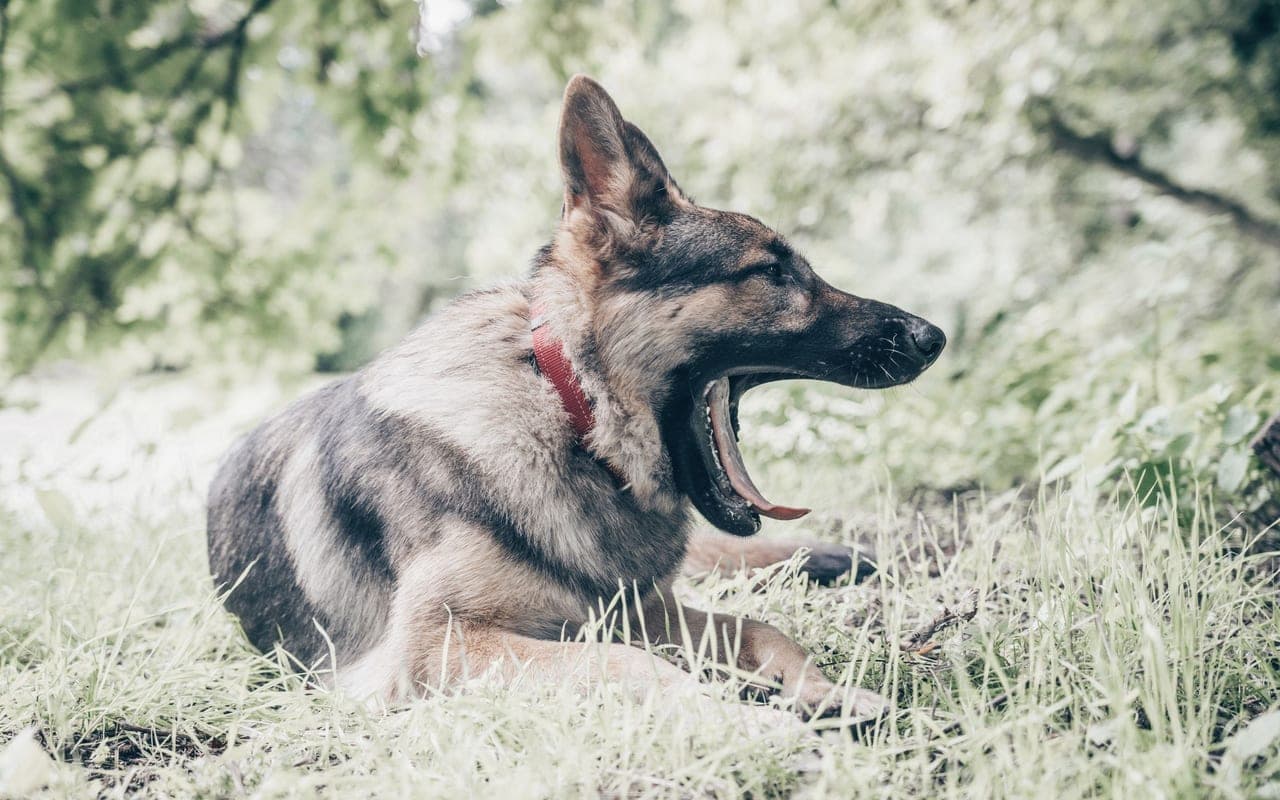
German Shepherd
Also in the Herding group, with different care and temperament tradeoffs.
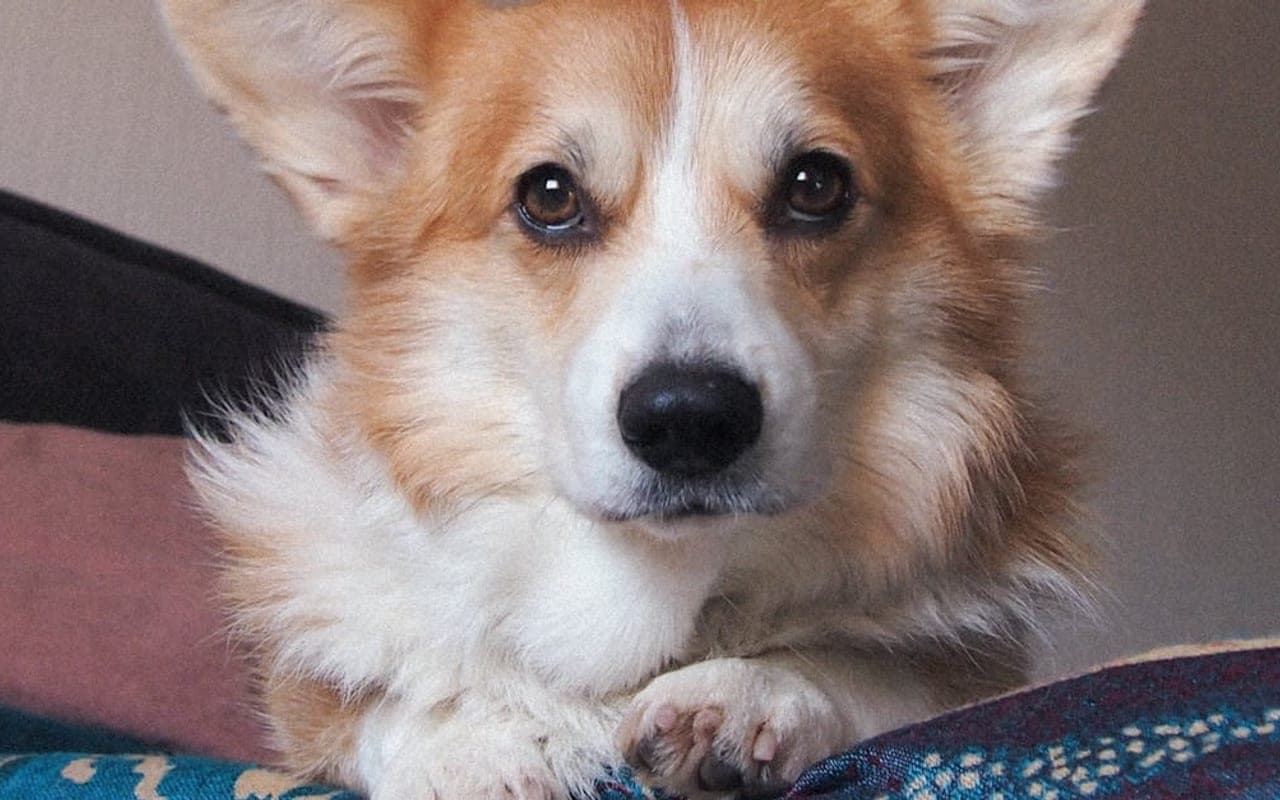
Pembroke Welsh Corgi
Also in the Herding group, with different care and temperament tradeoffs.
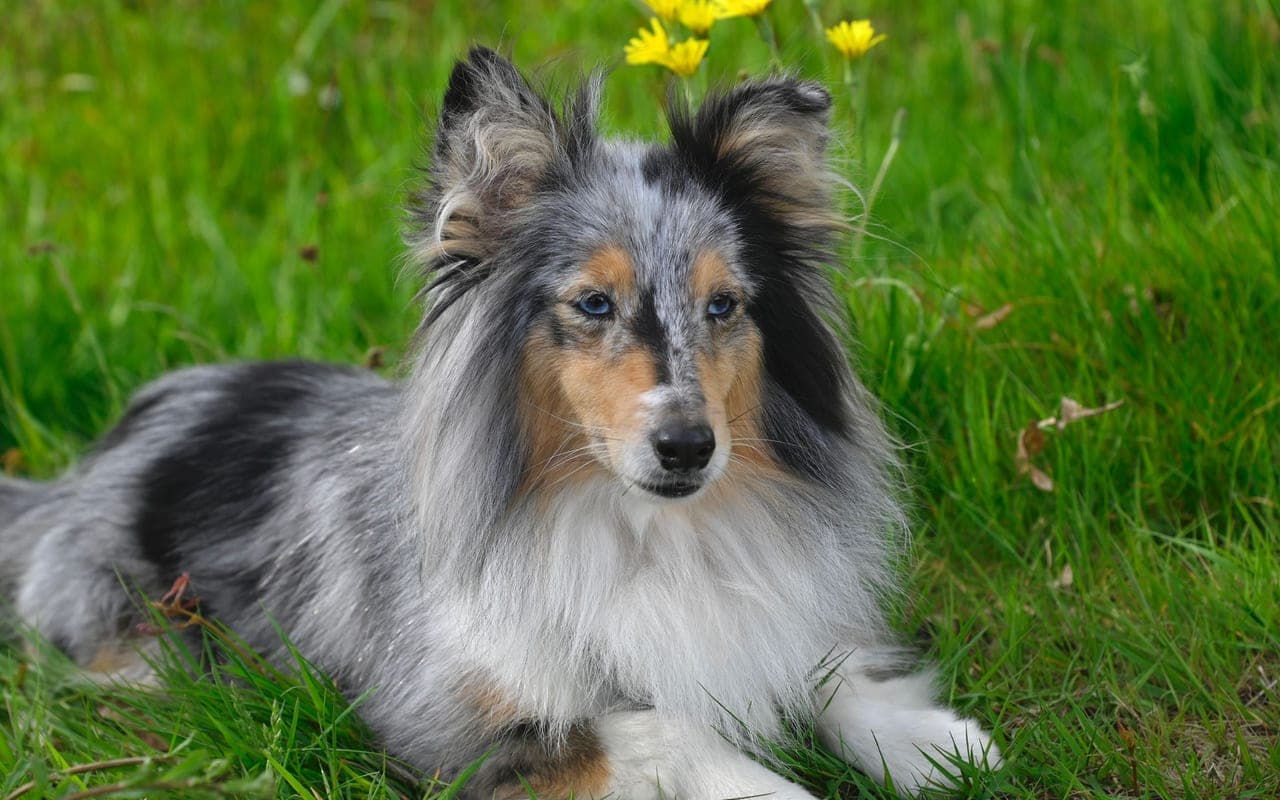
Shetland Sheepdog
Also in the Herding group, with different care and temperament tradeoffs.
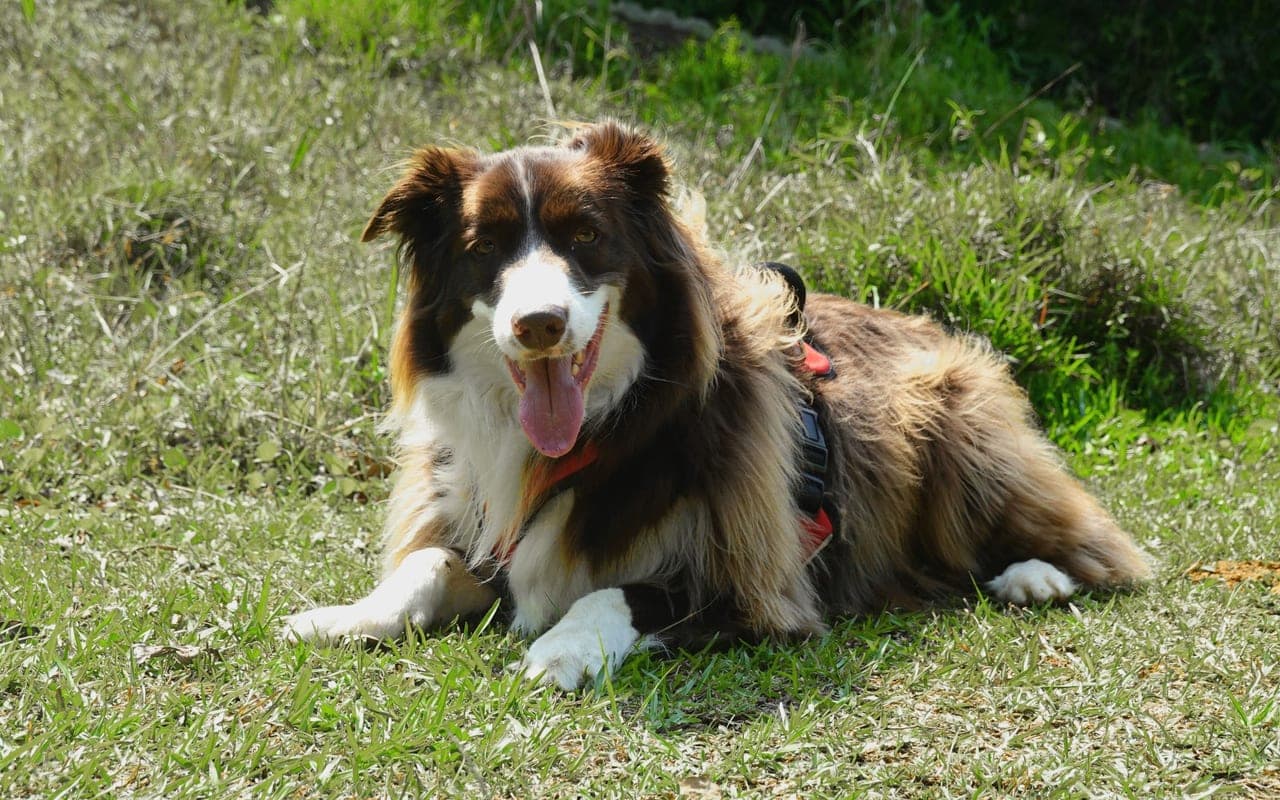
Border Collie
Also in the Herding group, with different care and temperament tradeoffs.
Explore More About Collie
Dive deeper into everything Collie — costs, care, and expert insights.
Considering a cat instead?
Browse Cats