
Non-Sporting group
Coton de Tulear
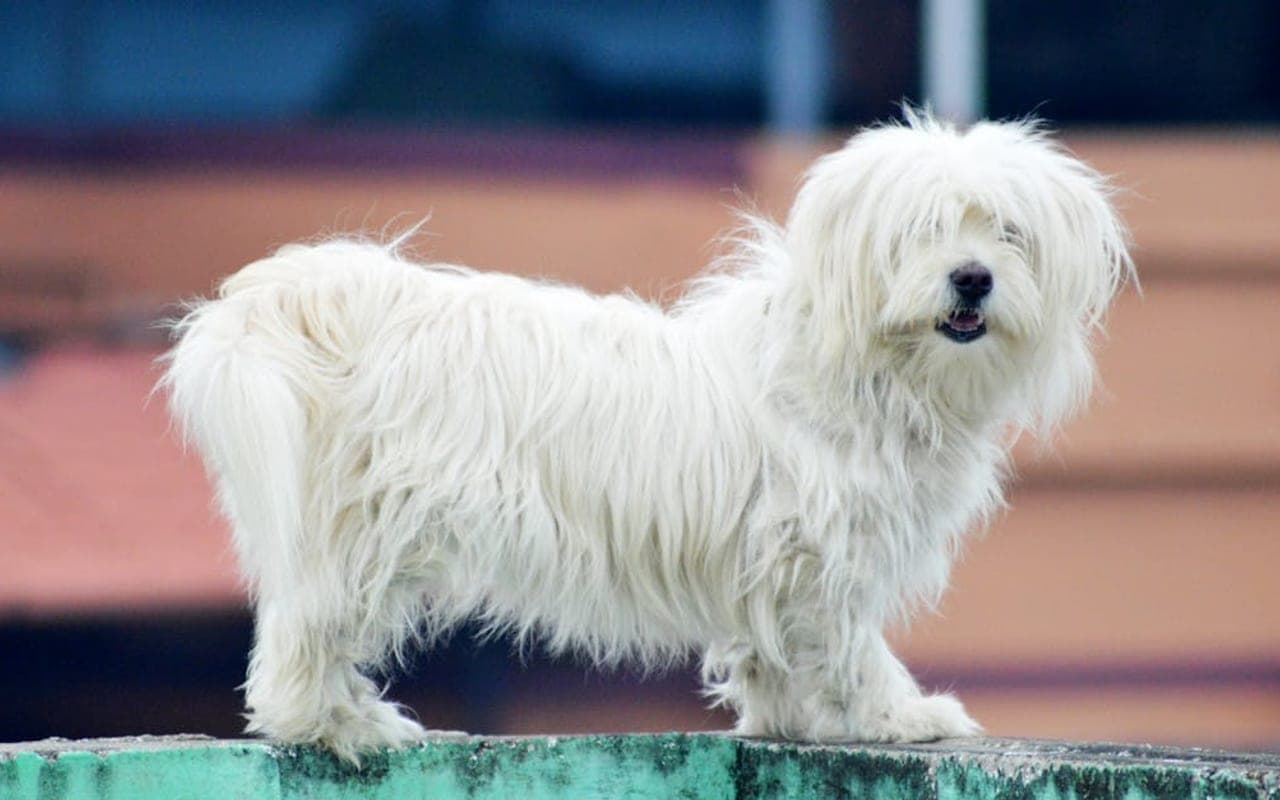
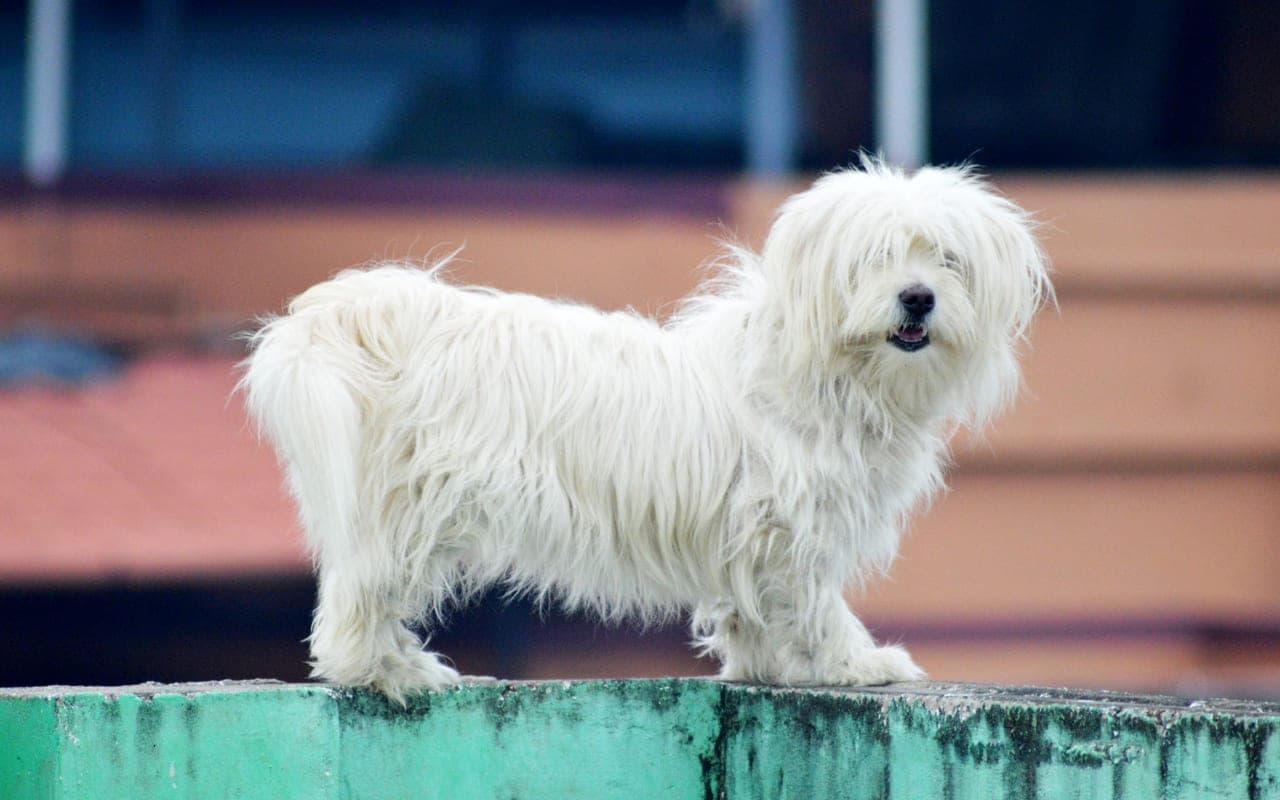
The Coton de Tulear is a small companion dog from Madagascar whose entire reason for existing is to be with its people, and that single trait should drive the buying decision more than the famous cotton-soft coat.


Size
8-15 lb
Lifespan
15-19 years
Exercise
30-60 minutes
Shedding
Moderate
Experience
Match to owner routine
Decision first
Is a Coton de Tulear right for you?
Start with fit before history or trivia. These are ownership signals, not guarantees about any individual dog.
Best suited for
- Households with children.
- Apartment homes with a consistent routine.
- Owners seeking a manageable daily exercise routine.
Think carefully if
- You need a dog with almost no daily routine.
- You cannot keep up with grooming and preventive care.
- The dog will spend most days alone without support.
Conditional fit
Apartment fit depends on exercise, enrichment, noise management, and outdoor access.
Daily reality
Coton de Tulear commitment snapshot
Daily exercise
30-60 minutes
Match activity to age, health, weather, and training goals.
Coat care
Moderate
Grooming needs vary by coat, shedding, and lifestyle.
Time alone
Needs planning
Most dogs need gradual alone-time conditioning and support.
Structured facts
Coton de Tulear at a glance
The measurements and traits that most affect day-to-day life with this breed.
Group
Non-Sporting
Weight
8-15 lb
Height
9-12 in
Lifespan
15-19 years
Temperament
Charming | Bright | Happy-Go-Lucky
View all characteristics and methodology
Lifestyle fit
- Apartment suitability
- Likely fit
- Child friendliness
- Often good, with socialisation and supervision
Owner commitment
- Exercise
- 30-60 minutes
- Grooming
- Moderate
- Shedding
- Moderate
- Training
- Moderate
Environment and health
- Health risk
- Needs planning
Ratings combine structured breed data, visible breed fields, and editorial context. They are planning aids, not predictions for an individual dog.
Daily life
Coton de Tulear temperament and behavior
The Coton de Tulear is a small companion dog from Madagascar whose entire reason for existing is to be with its people, and that single trait should drive the buying decision more than the famous cotton-soft coat. Named for its texture (coton, French for cotton) and the Madagascan port city of Tuléar, it is a member of the bichon family bred for nothing but companionship. Adults stand 9-11 inches and weigh roughly 8-15 pounds — a sturdy little dog, not a fragile teacup. The hallmark coat is long, soft, and cottony rather than silky or wiry, in white (sometimes with lemon or grey markings). Temperament is the breed's whole sell: charming, bright, happy, playful, and almost theatrically attached to its family. Cotons follow their people room to room, are clownish and clever, learn tricks readily, are gentle with children and other animals, and are notably non-yappy for a small dog. The flip side is the cost of that devotion — Cotons are prone to separation anxiety and genuinely struggle when left alone for long workdays. They are soft-natured and train best with patience and rewards. Who the Coton de Tulear is right for: someone who wants a devoted, low-shedding, sociable, long-lived companion and is home often or can arrange company, and who will commit to serious coat maintenance. Who it is wrong for: anyone gone all day, anyone wanting an independent or low-grooming dog, or anyone seduced by the coat without a plan to maintain it. The Coton's love is total; so is the brushing schedule. Decide on both.
Charming | Bright | Happy-Go-Lucky
Charming
A common Coton de Tulear temperament descriptor that should be interpreted alongside training, exercise, and household fit.
Bright
A common Coton de Tulear temperament descriptor that should be interpreted alongside training, exercise, and household fit.
Happy-Go-Lucky
A common Coton de Tulear temperament descriptor that should be interpreted alongside training, exercise, and household fit.
Owner note
Temperament labels are starting points, not guarantees. Meet the individual dog and ask about behavior history whenever possible.
Care essentials
How to care for a Coton de Tulear
What looking after one actually involves: exercise, grooming, food, training, and routine health.
ExerciseAs needed
- Moderately active breed needing 30-60 minutes of daily exercise through walks, play, and mental stimulation.
GroomingAs needed
- Regular grooming needed — brush 2-3 times per week and bathe monthly.
TrainingAs needed
- Moderately trainable — consistent, patient training with positive methods works best.
NutritionAs needed
- Feed a high-quality dog food appropriate for their age, size, and activity level. Monitor portions to prevent obesity.
Veterinary CareAs needed
- Annual wellness exams, core vaccinations, dental care, and parasite prevention. Breed-specific health screenings as recommended by your vet.
Health planning
Coton de Tulear health risks and screening
Every breed has individual health variation. Use this profile for planning and discuss medical decisions with a veterinarian.
Responsible ownership
Finding a Coton de Tulear responsibly
What to ask a breeder or rescue is the same conversation for every breed, so we keep it in one place and keep it current.
Health documentation, meeting the parents or foster, contracts and return support, and the warning signs worth walking away from.
Original purpose
Coton de Tulear history
History is useful when it explains today's behavior, coat, exercise needs, and training style.
Read the breed history
The Coton de Tulear developed on the island of Madagascar, taking its name from the port city of Tuléar (Toliara) and from the French word for cotton, describing its coat. It descends from small bichon-type dogs believed to have arrived with traders and travelers on the trade routes around the Indian Ocean, and over generations on the island it became the prized companion of the Merina nobility — at one point reportedly subject to ownership restrictions that helped keep it rare. The breed remained little known outside Madagascar until the mid-to-late 20th century, when it was introduced to Europe and then North America by a small number of fanciers, and modern Cotons trace to that limited founding population. It was developed for one purpose only — human companionship — and unlike many small breeds it has no working, ratting, or sporting heritage, which is reflected in its uncomplicated, people-focused temperament.
Gallery
Coton de Tulear photos
Images are cropped consistently and loaded progressively to keep the page responsive.
Lower-page context
Coton de Tulears in culture
Where the breed shows up in film, sport, work and folklore — the enjoyable part, once the practical questions are answered.
Fun facts
- The Coton de Tulear belongs to the Non-Sporting Group.
- With proper care, Coton de Tulear dogs can live up to 19 years or more.
- Coton de Tulear dogs are valued for their charming, bright, happy-go-lucky nature.
Coton de Tulear FAQs
Do Coton de Tulears need a lot of grooming?
Yes — this is the breed's main hidden cost. The soft cottony coat mats easily and needs thorough brushing and combing to the skin 4-5 times a week, effectively daily during the coat change at 8-15 months, plus a bath every 3-4 weeks. Surface brushing is not enough; mats form underneath and end in a shave-down. Many pet owners keep a shorter clip to make it manageable, which is a sensible trade-off rather than cutting a corner.
Can a Coton de Tulear be left alone all day?
Not well. The breed was developed purely as a companion and is strongly prone to separation anxiety, which can show as vocalizing, destructiveness, or house-soiling when left alone for long stretches. If the household is out all day, plan for a dog walker, daycare, or a companion, and build alone-time tolerance gradually from puppyhood. This breed suits people who are home often; routinely leaving it alone all day works against its core temperament.
Are Coton de Tulears good with children and other pets?
Yes, generally very good. They are gentle, playful, sturdy enough to handle reasonable family activity, and typically sociable with other dogs and cats. As with any small dog, supervise interactions with toddlers so the dog is not dropped or squeezed and so children learn gentle handling. Their non-aggressive, people-pleasing nature and relatively robust build make them one of the more reliable small companion breeds for a family with respectful children.
How long do Coton de Tulears live?
Typically 15 to 19 years, exceptionally long even among small breeds. That longevity reshapes the cost picture: minor issues like patellar luxation or dental disease, left unmanaged, compound over more than a decade. The practical implication is that early intervention and lifelong preventive care (dental, weight, joints, eyes) pay off more in this breed than in shorter-lived dogs — and buying from a breeder who DNA-tests for Bandera's neonatal ataxia protects that long life from the start.
Do Coton de Tulears bark a lot?
Less than most small breeds. Cotons are alert and will announce visitors, but they are not characteristically yappy or nuisance barkers, and they are often described as one of the quieter small companion dogs. Excessive barking in a Coton is usually a symptom of boredom or separation distress rather than breed character — meeting their exercise, mental stimulation, and companionship needs typically keeps them quiet, which is itself a reason the breed suits apartments.
What is Bandera's neonatal ataxia and how do I avoid it?
Bandera's neonatal ataxia is an inherited cerebellar disease essentially unique to the Coton de Tulear, caused by a recessive GRM1 mutation. Affected puppies cannot stand or walk, fall sideways, and make uncoordinated swimming movements from the first weeks of life; there is no treatment. Because it is recessive and DNA-testable, it is entirely avoidable: ask the breeder for proof that both parents are DNA-tested and the pairing cannot produce an affected puppy. A tested litter takes this risk off the table.
Sources
These are the published sources this page draws on. Each opens in a new tab so you can check it yourself.
American Kennel Club
Coton de Tulear — breed standard and profile(opens in a new tab)Supports: Breed standard and recognition details.
Similar breeds to consider
Shiba Inu
Also in the Non-Sporting group, with different care and temperament tradeoffs.
Poodle
Also in the Non-Sporting group, with different care and temperament tradeoffs.
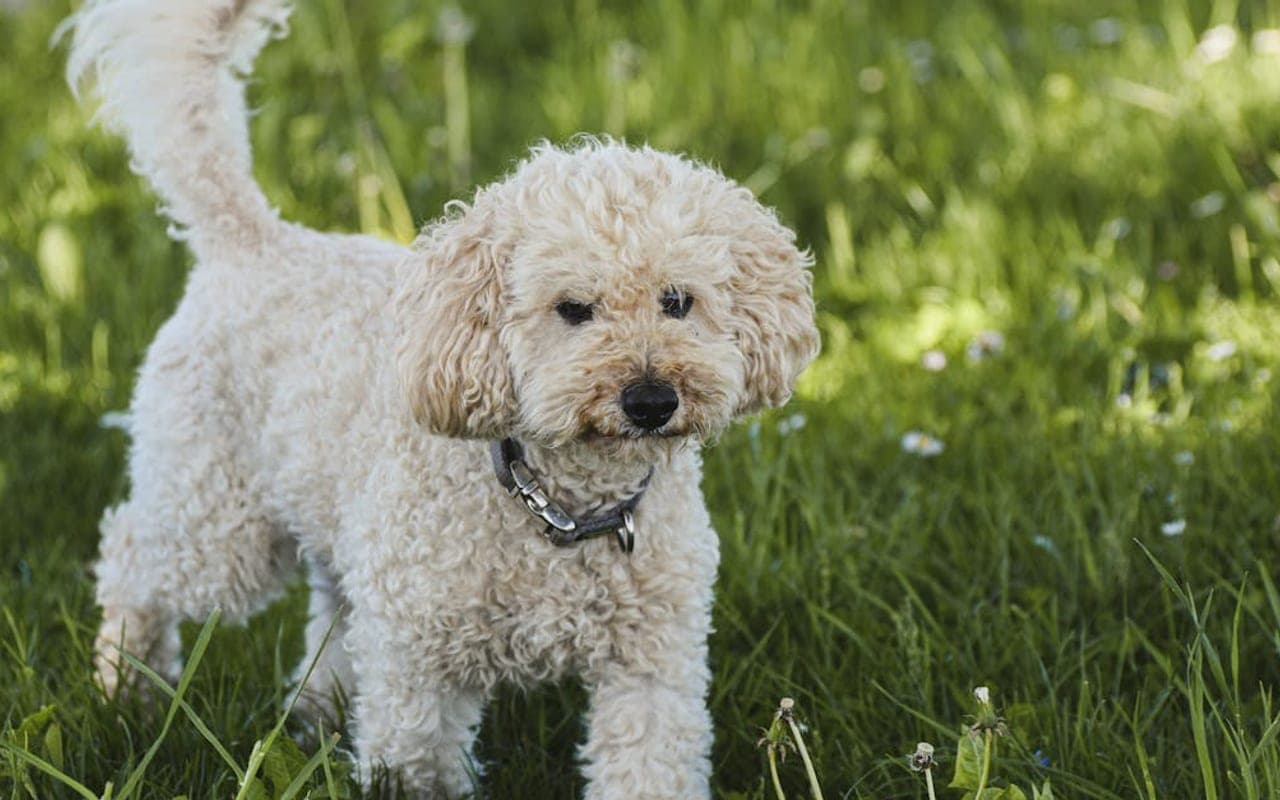
Poodle (Miniature)
Also in the Non-Sporting group, with different care and temperament tradeoffs.
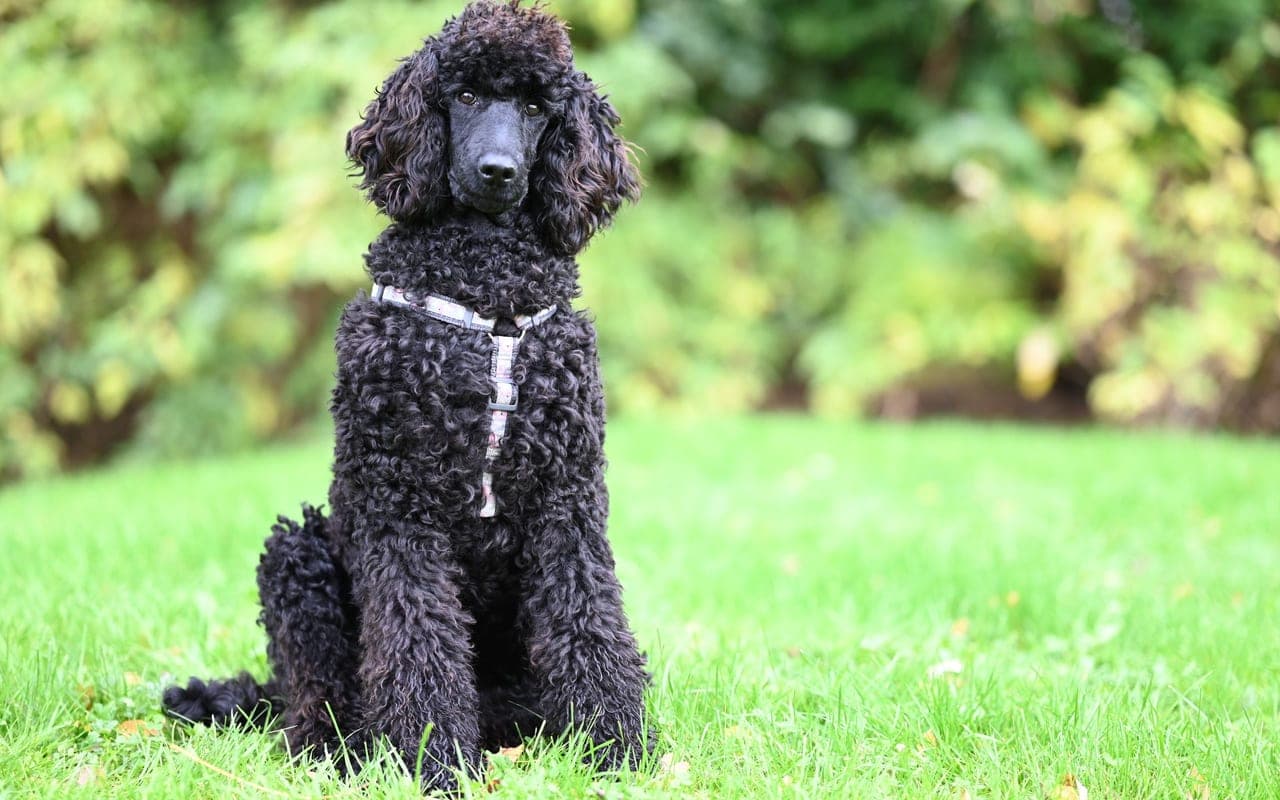
Poodle (Standard)
Also in the Non-Sporting group, with different care and temperament tradeoffs.
Explore More About Coton de Tulear
Dive deeper into everything Coton de Tulear — costs, care, and expert insights.
Considering a cat instead?
Browse Cats