
Miscellaneous Class group
Czechoslovakian Vlcak
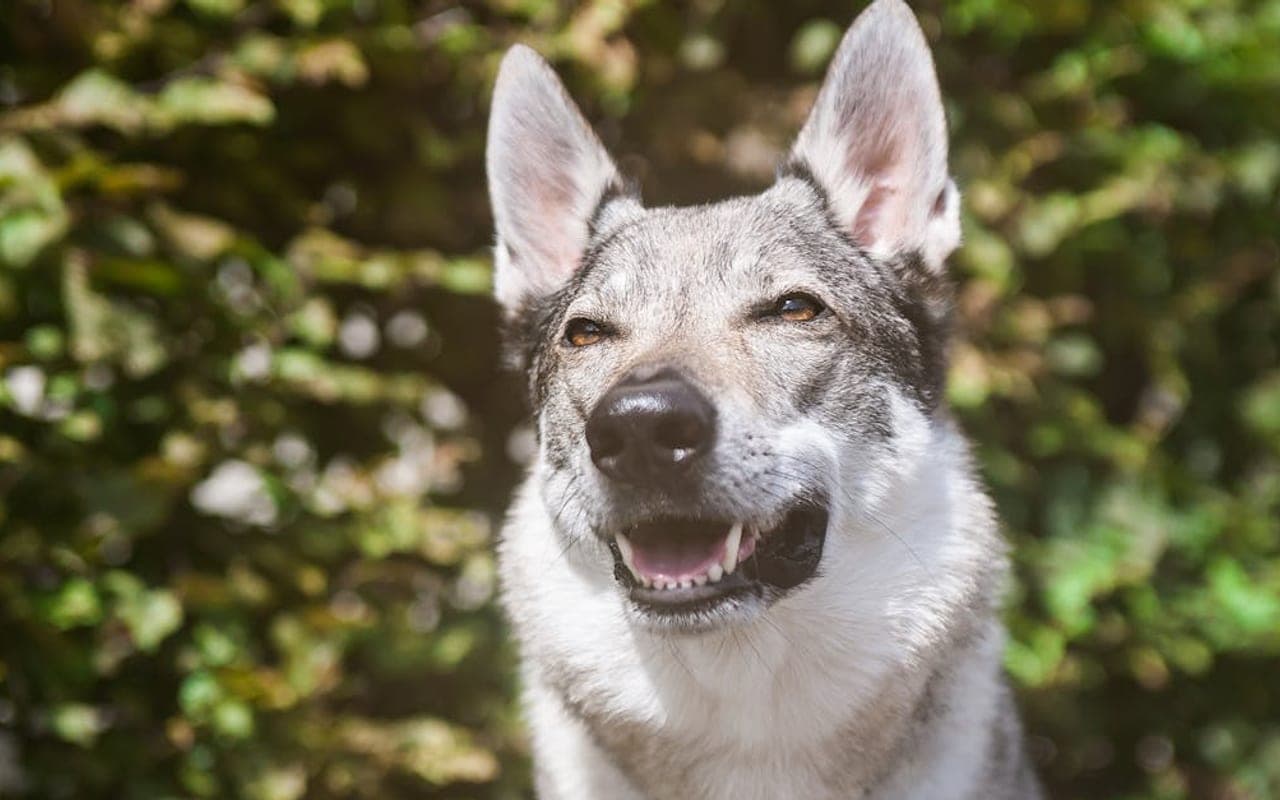
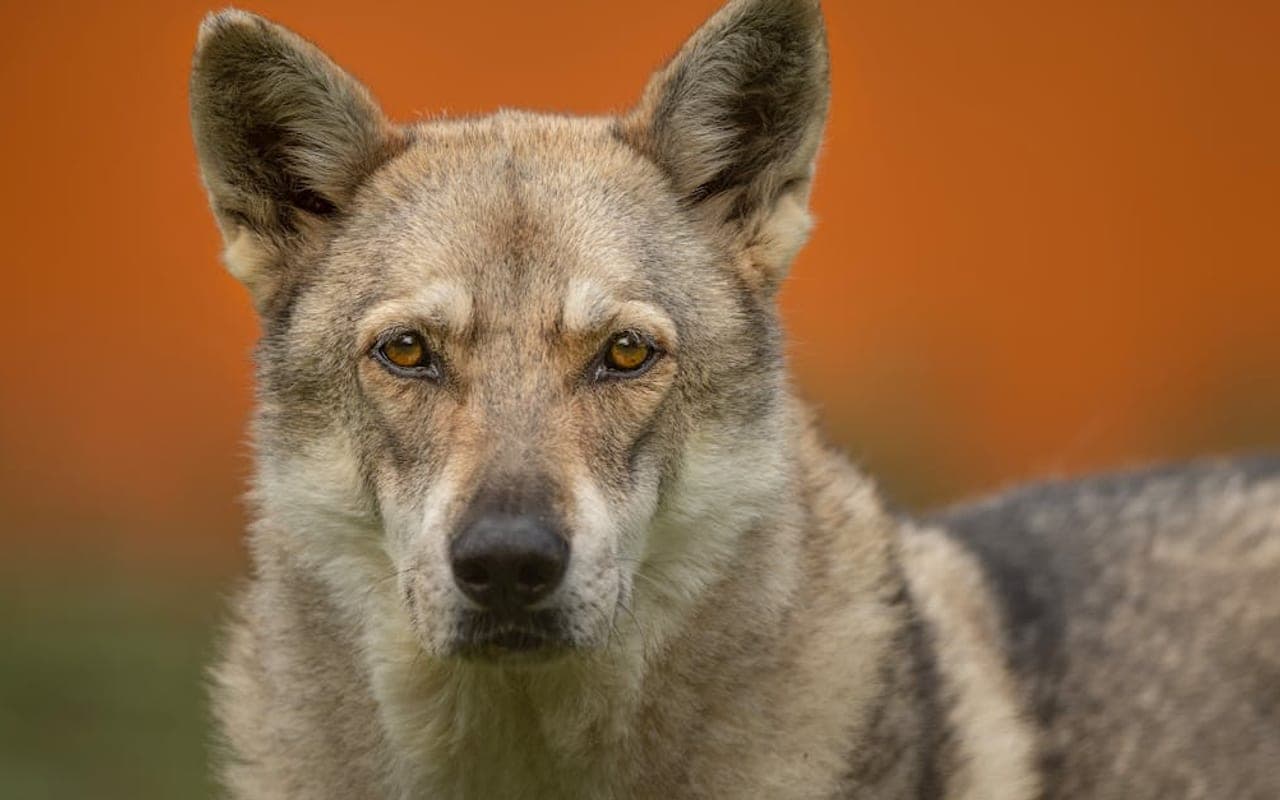
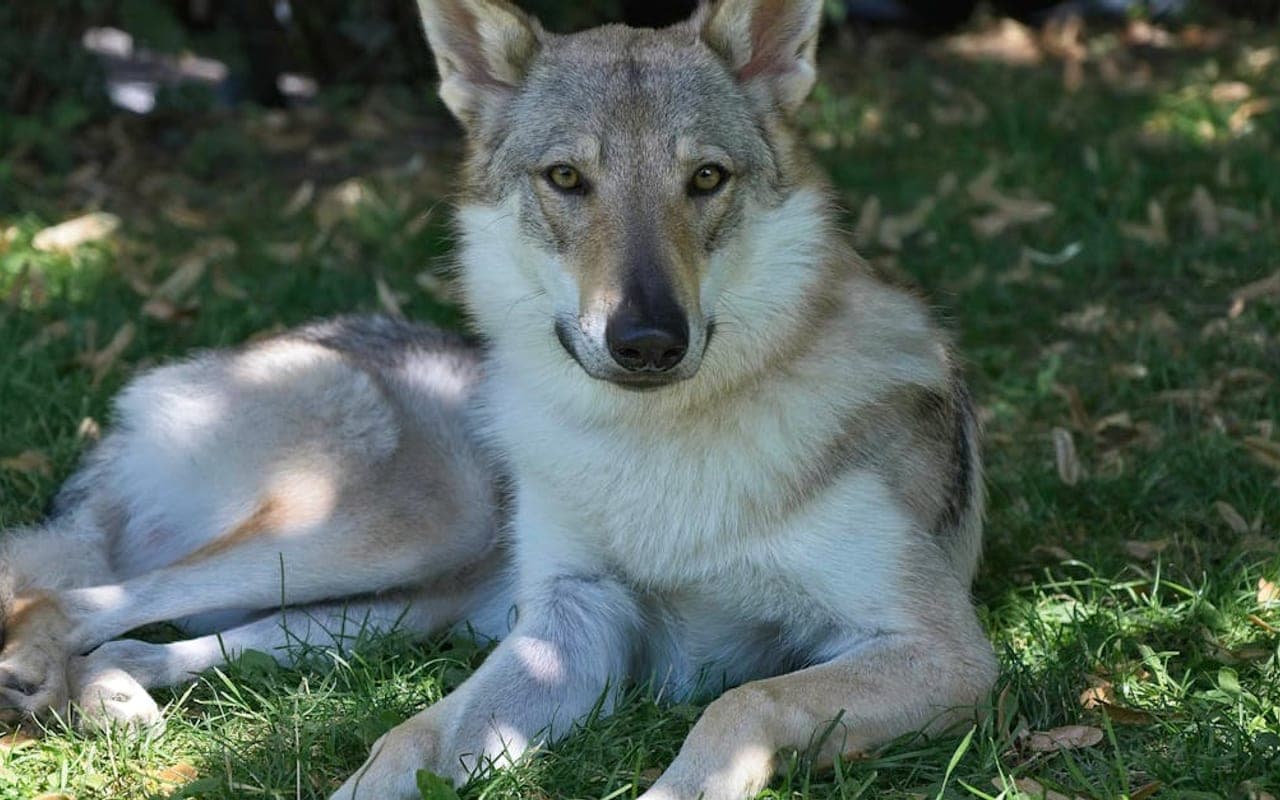
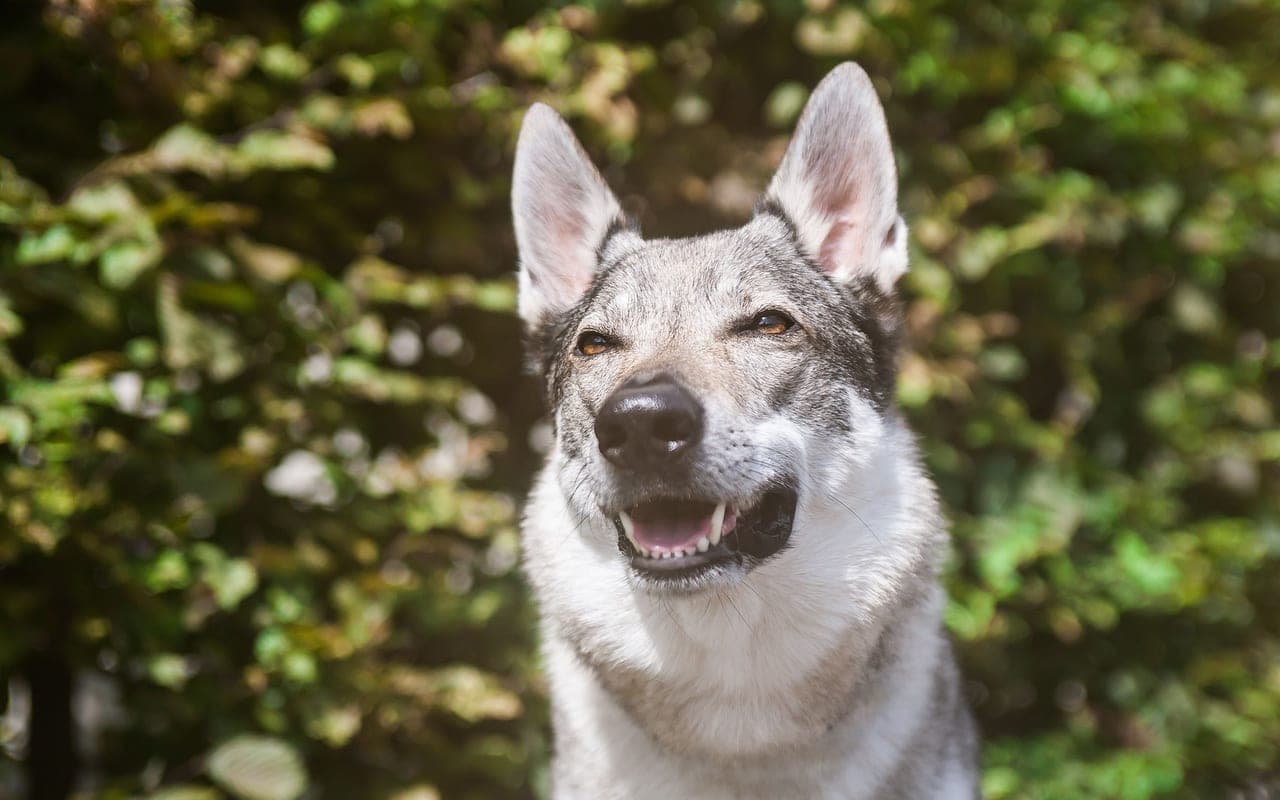
The Czechoslovakian Vlcak (CSV) is not a dog that looks like a wolf — it is a dog with recent, deliberate wolf in its pedigree.
Size
44-77 lb
Lifespan
10-15 years
Exercise
20-40 minutes
Shedding
Low
Experience
Match to owner routine
Decision first
Is a Czechoslovakian Vlcak right for you?
Start with fit before history or trivia. These are ownership signals, not guarantees about any individual dog.
Best suited for
- Households with children.
- Homes with other compatible pets.
- Apartment homes with a consistent routine.
- Owners seeking a manageable daily exercise routine.
Think carefully if
- You need a dog with almost no daily routine.
- You cannot keep up with grooming and preventive care.
- The dog will spend most days alone without support.
Conditional fit
Apartment fit depends on exercise, enrichment, noise management, and outdoor access.
Daily reality
Czechoslovakian Vlcak commitment snapshot
Daily exercise
20-40 minutes
Match activity to age, health, weather, and training goals.
Coat care
Moderate
Grooming needs vary by coat, shedding, and lifestyle.
Time alone
Needs planning
Most dogs need gradual alone-time conditioning and support.
Structured facts
Czechoslovakian Vlcak at a glance
The measurements and traits that most affect day-to-day life with this breed.
Group
Miscellaneous Class
Weight
44-77 lb
Height
24-28 in
Lifespan
10-15 years
Temperament
Loyal | Intelligent | Active
View all characteristics and methodology
Lifestyle fit
- Apartment suitability
- Likely fit
- Child friendliness
- Often good, with socialisation and supervision
- Other-pet fit
- Often compatible with careful introductions
Owner commitment
- Exercise
- 20-40 minutes
- Grooming
- Moderate
- Shedding
- Low
- Training
- Moderate
Environment and health
- Health risk
- Needs planning
Ratings combine structured breed data, visible breed fields, and editorial context. They are planning aids, not predictions for an individual dog.
Daily life
Czechoslovakian Vlcak temperament and behavior
The Czechoslovakian Vlcak (CSV) is not a dog that looks like a wolf — it is a dog with recent, deliberate wolf in its pedigree. It was created in the 1950s by crossing German Shepherd working dogs with Carpathian wolves for military border patrol, and that origin is the single most important thing a prospective owner must understand. The wolf is not cosmetic; it shapes temperament, trainability, and the daily reality of ownership. Physically the CSV is an athletic, lean, wolf-grey dog — males stand at least 65 cm and commonly weigh 26-30 kg, females at least 60 cm and around 20-25 kg (note: any source listing this breed at 9-12 kg is simply wrong; the CSV is a medium-large working dog). It has wolf-like proportions, superior eyesight, hearing, and scenting, and exceptional stamina and endurance — this is a dog bred to cover ground for hours in harsh conditions. Temperament is where the breed filters owners hard. The CSV is intensely loyal and devoted to its family but independent, environmentally reactive, slow to mature, naturally suspicious of strangers, and a poor fit for first-time owners. It does not bark much; it communicates and problem-solves. It bonds to a person or family rather than obeying for obedience's sake, which means training requires relationship, patience, and early heavy socialization rather than repetition and correction. Who the CSV is right for: an experienced, active owner who does dog sports, tracking, biking, or hiking and will commit to structured socialization and lifelong engagement. Who it is wrong for: a first-time owner, an apartment with long absences, a household wanting an easy off-switch dog, or anyone who buys for the wolf look without the wolf-derived workload. Get this match wrong and the breed ends up rehomed or in rescue — which it frequently does.
Loyal | Intelligent | Active
Loyal
A common Czechoslovakian Vlcak temperament descriptor that should be interpreted alongside training, exercise, and household fit.
Intelligent
A common Czechoslovakian Vlcak temperament descriptor that should be interpreted alongside training, exercise, and household fit.
Active
A common Czechoslovakian Vlcak temperament descriptor that should be interpreted alongside training, exercise, and household fit.
Owner note
Temperament labels are starting points, not guarantees. Meet the individual dog and ask about behavior history whenever possible.
Care essentials
How to care for a Czechoslovakian Vlcak
What looking after one actually involves: exercise, grooming, food, training, and routine health.
ExerciseAs needed
- Lower-energy breed that is content with daily walks and moderate play. Avoid over-exercising.
GroomingAs needed
- Regular grooming needed — brush 2-3 times per week and bathe monthly.
TrainingAs needed
- Moderately trainable — consistent, patient training with positive methods works best.
NutritionAs needed
- Feed a high-quality dog food appropriate for their age, size, and activity level. Monitor portions to prevent obesity.
Veterinary CareAs needed
- Annual wellness exams, core vaccinations, dental care, and parasite prevention. Breed-specific health screenings as recommended by your vet.
Health planning
Czechoslovakian Vlcak health risks and screening
Every breed has individual health variation. Use this profile for planning and discuss medical decisions with a veterinarian.
Responsible ownership
Finding a Czechoslovakian Vlcak responsibly
What to ask a breeder or rescue is the same conversation for every breed, so we keep it in one place and keep it current.
Health documentation, meeting the parents or foster, contracts and return support, and the warning signs worth walking away from.
Original purpose
Czechoslovakian Vlcak history
History is useful when it explains today's behavior, coat, exercise needs, and training style.
Read the breed history
The Czechoslovakian Vlcak was engineered, not evolved. In 1955, a biological experiment in Czechoslovakia crossed working German Shepherd Dogs with captive Carpathian wolves to test whether wolf-dog hybrids could serve in military border patrol. The viable offspring were bred back toward a stable working type over decades, the breed was formalized in 1982 as the national breed of Czechoslovakia, and the FCI granted full recognition in 1999. In the United States it is recorded through the AKC Foundation Stock Service and supported by the Czechoslovakian Vlcak Club of America. That documented, recent wolf content is the breed's defining practical fact. It explains the independence, environmental sensitivity, slow maturation, and strong handler-bond that make the CSV a specialist's dog — and it is the direct reason responsible ownership starts with experienced handling and DNA health screening rather than with the wolf-like appearance that draws most people to it.
Gallery
Czechoslovakian Vlcak photos
Images are cropped consistently and loaded progressively to keep the page responsive.
Lower-page context
Czechoslovakian Vlcaks in culture
Where the breed shows up in film, sport, work and folklore — the enjoyable part, once the practical questions are answered.
Fun facts
- The Czechoslovakian Vlcak belongs to the Foundation Stock Service.
- With proper care, Czechoslovakian Vlcak dogs can live up to 15 years or more.
- Czechoslovakian Vlcak dogs are valued for their loyal, intelligent, active nature.
Czechoslovakian Vlcak FAQs
How long do Czechoslovakian Vlcak dogs live?
A healthy CSV typically lives 12-15 years, which is long for a medium-large working breed, partly because it was bred for hardiness rather than exaggerated type. The factors that move that number are inherited disease (degenerative myelopathy, hip dysplasia, pituitary dwarfism) and body condition. A DNA-screened, hip-tested, lean, well-exercised CSV is realistically a long-lived dog; an unscreened, overweight one is not.
Are Czechoslovakian Vlcak dogs good with children?
They can be with their own family's children when raised together and intensively socialized, being loyal and protective — but this is not a default-safe family dog. The breed is environmentally wary, slow to mature, and high-drive, so it requires experienced handling, close supervision around children, and early structured socialization. It is a poor choice for households wanting an easygoing, hands-off family pet, especially with very young children.
How much exercise does a Czechoslovakian Vlcak need?
A lot — far more than most owners expect. This is a stamina-bred working dog that needs 2+ hours of varied daily physical activity (running, biking, hiking, tracking, dog sports) plus mental work. A standard walk is nowhere near enough; under-exercised CSVs become destructive, escape-prone, and reactive. Realistically, if you cannot build serious daily activity into your routine for the dog's whole life, this is the wrong breed.
Are Czechoslovakian Vlcak dogs easy to train?
No — they are trainable but not easy. The breed is highly intelligent but independent, environmentally sensitive, and motivated by relationship rather than obedience drills, so it does poorly with repetitive or correction-based methods and well with experienced, consistent, relationship-based training and heavy early socialization. First-time owners typically underestimate this; the CSV is widely classed as a dog for experienced handlers, not beginners.
How much does a Czechoslovakian Vlcak cost?
Expect roughly $1,500-$3,000+ for a well-bred CSV from a registered breeder who hip-scores and DNA-tests for degenerative myelopathy and pituitary dwarfism. The larger, less obvious cost is lifestyle: this breed demands years of intensive time, training, and exercise, and the financial cost of unmanaged hip dysplasia or a DM-affected dog ($2,000-$5,000+ in care and mobility support) is exactly what breeder screening is designed to prevent.
Is a Czechoslovakian Vlcak a wolfdog, and is it legal to own?
It is a recognized breed with documented, deliberate wolf ancestry from a 1950s German Shepherd x Carpathian wolf program — so legally and practically it sits between a domestic dog and a wolf hybrid. Some jurisdictions regulate or restrict wolf-content dogs, so verify your local and state laws and any insurance implications before buying. Treat it as a specialist working breed with real legal and lifestyle obligations, not an exotic-looking pet.
Sources
These are the published sources this page draws on. Each opens in a new tab so you can check it yourself.
American Kennel Club
Czechoslovakian Vlcak — breed standard and profile(opens in a new tab)Supports: Breed standard and recognition details.
Similar breeds to consider
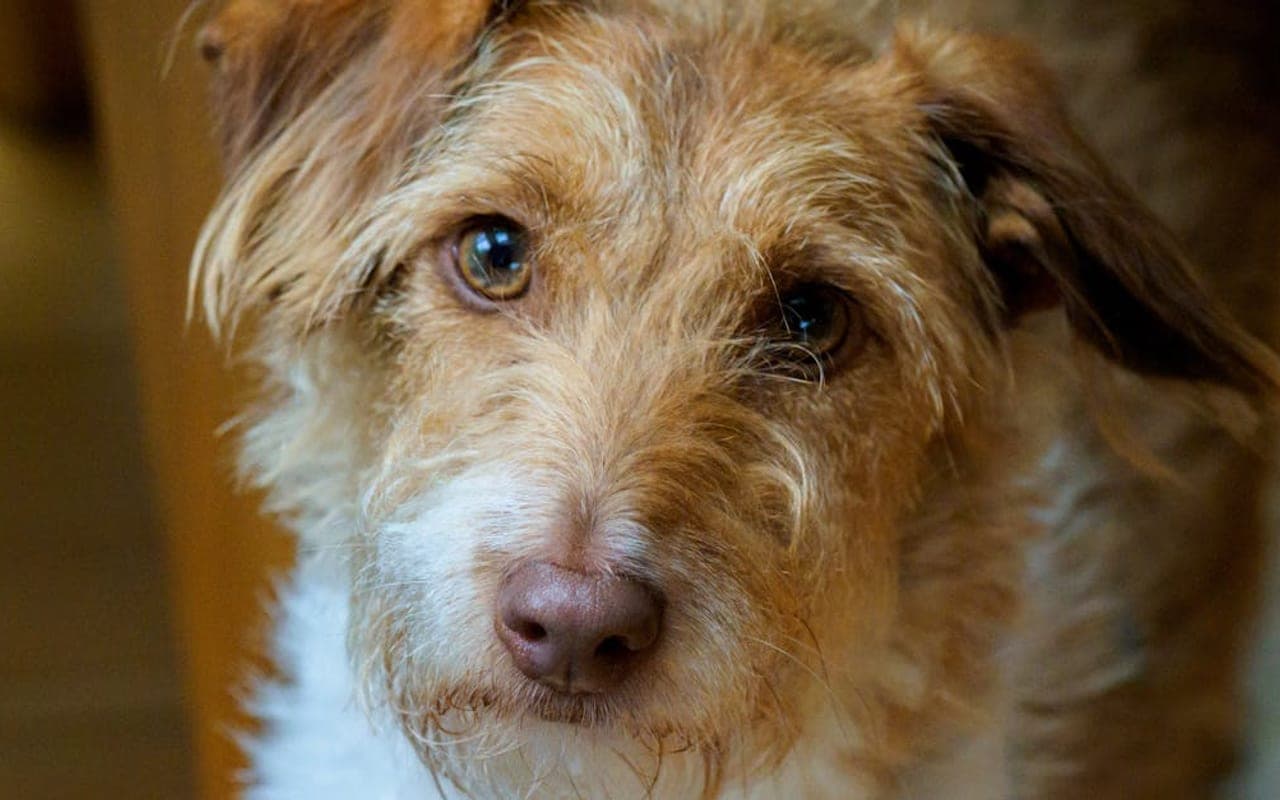
Portuguese Podengo
Also in the Miscellaneous Class group, with different care and temperament tradeoffs.
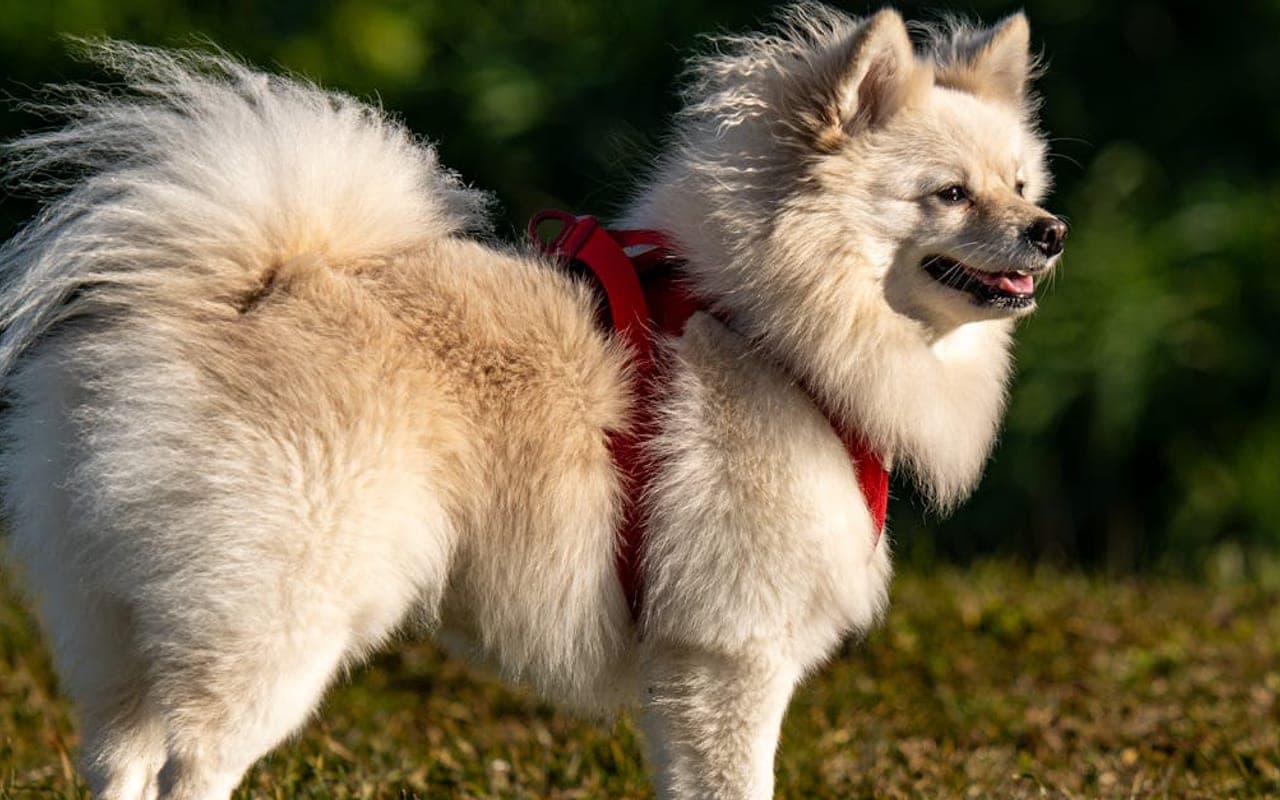
German Spitz
Also in the Miscellaneous Class group, with different care and temperament tradeoffs.
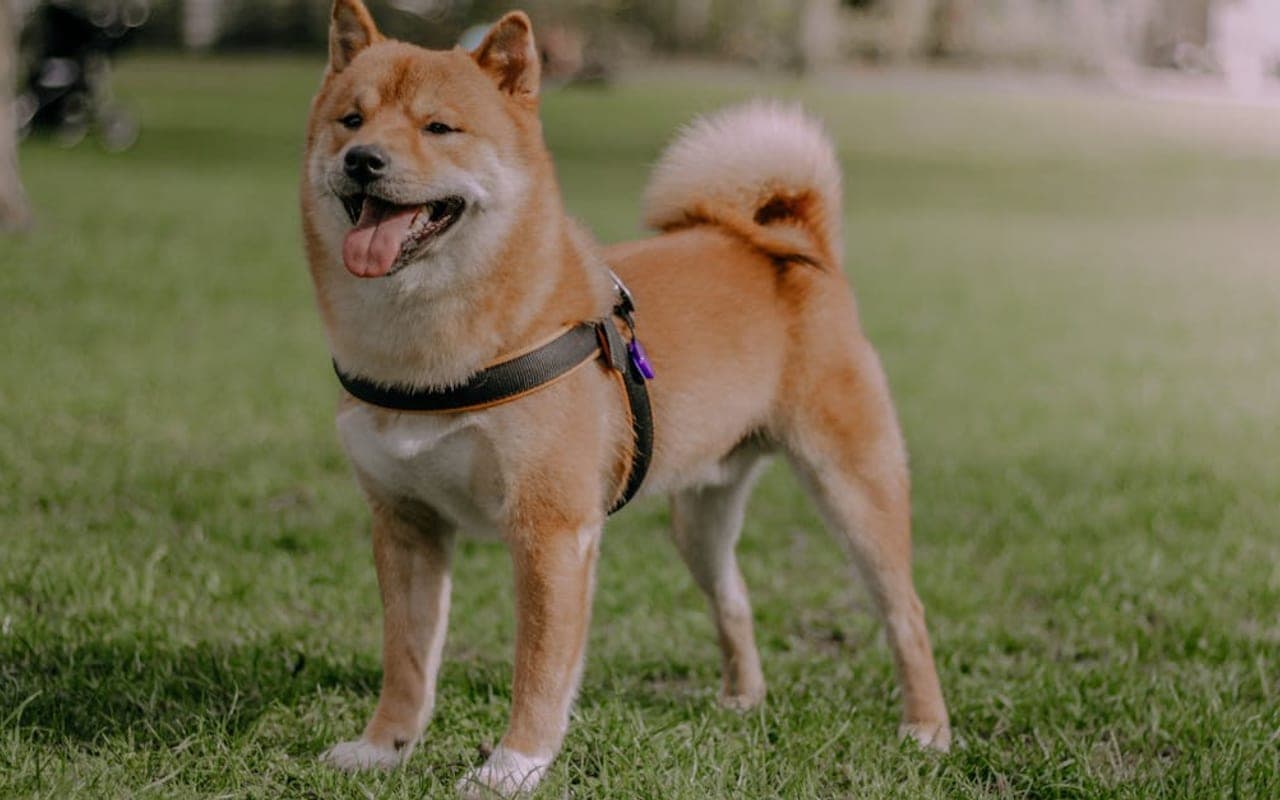
Kai Ken
Also in the Miscellaneous Class group, with different care and temperament tradeoffs.
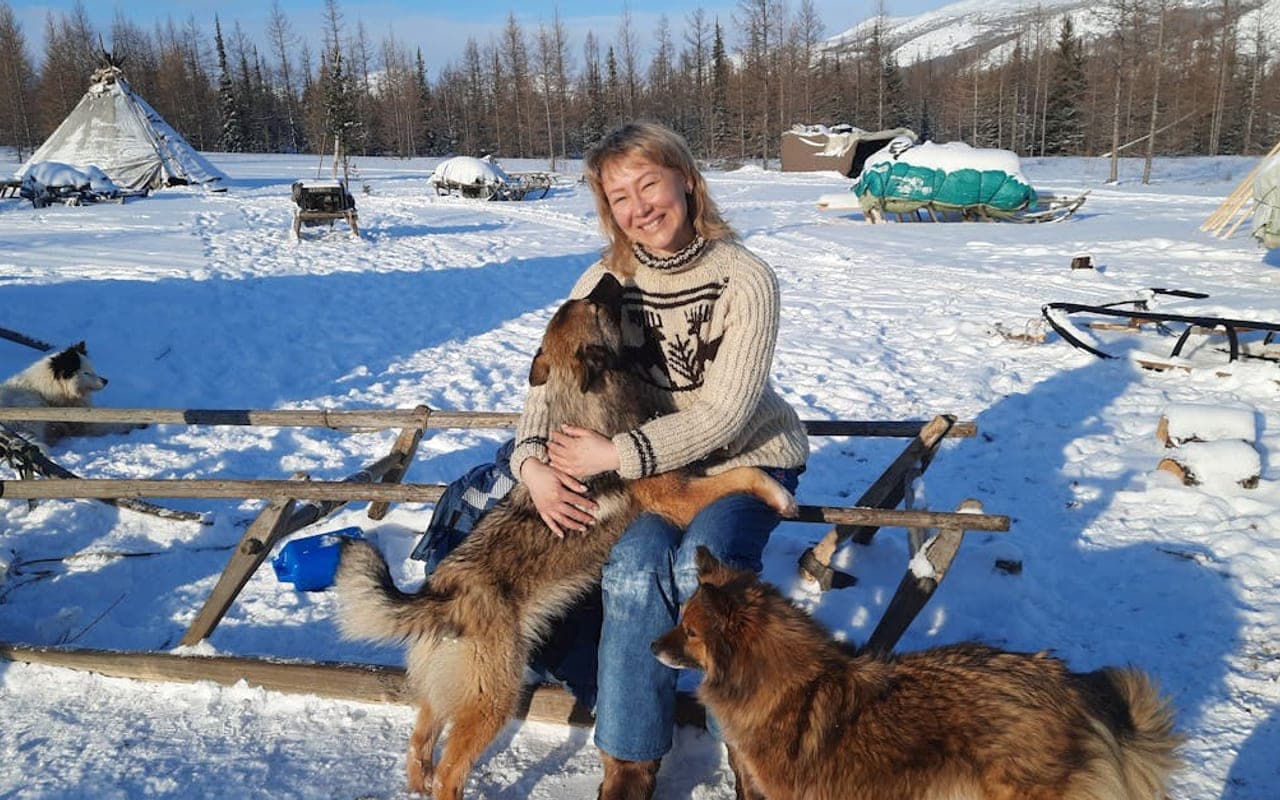
Yakutian Laika
Also in the Miscellaneous Class group, with different care and temperament tradeoffs.
Explore More About Czechoslovakian Vlcak
Dive deeper into everything Czechoslovakian Vlcak — costs, care, and expert insights.
Large Dog Care Guide: Everything Over 50 lbs
Owning a large or giant breed dog means accepting one of biology's...
Puppy Teething & Biting: Timeline and What Actually Works
A puppy has all 28 deciduous ("baby") teeth by roughly eight weeks of age, and...
Considering a cat instead?
Browse Cats