
Non-Sporting group
Dalmatian
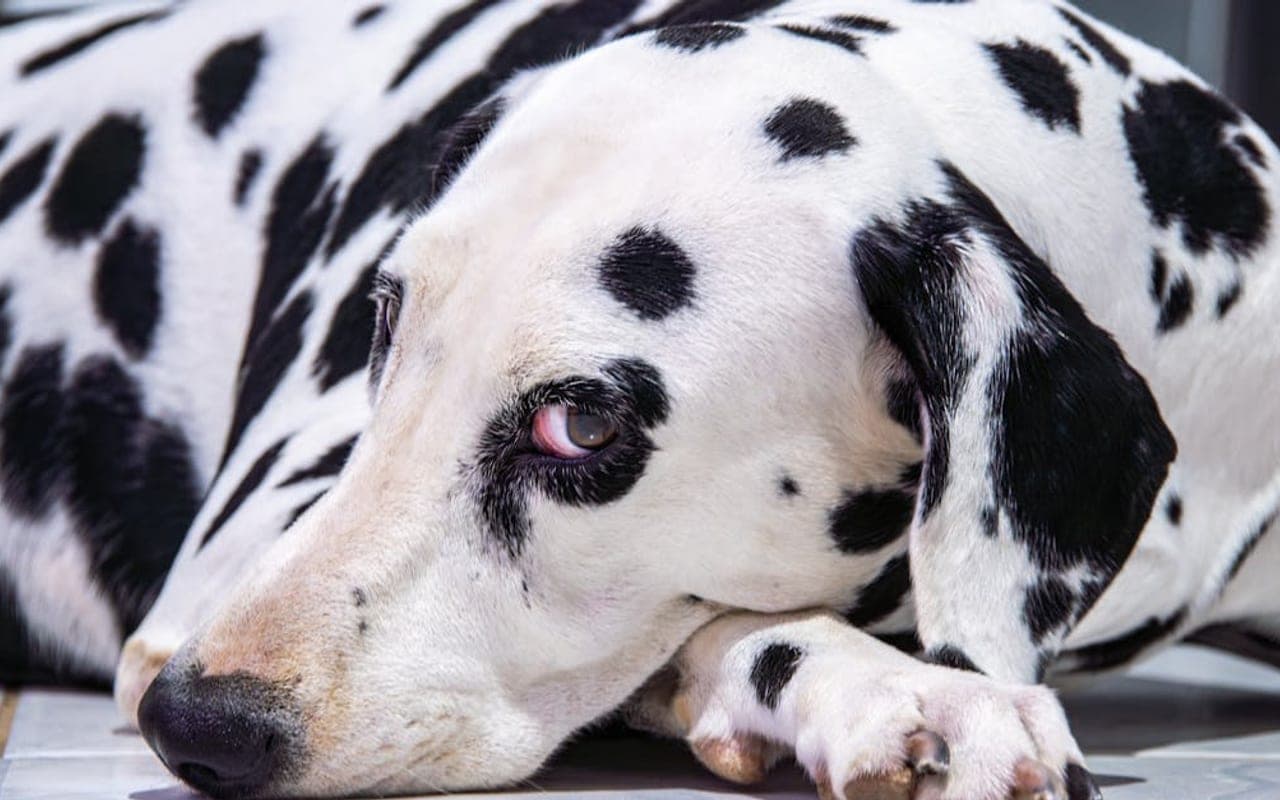
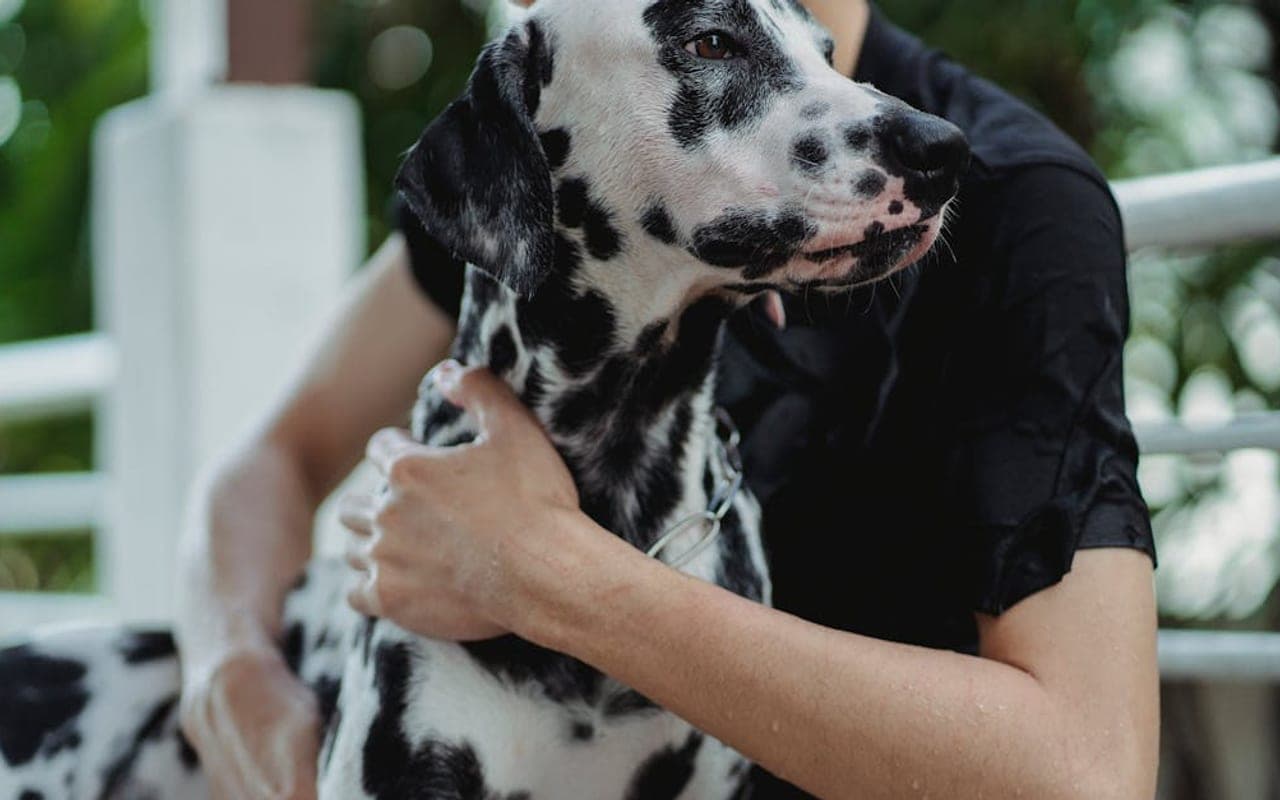
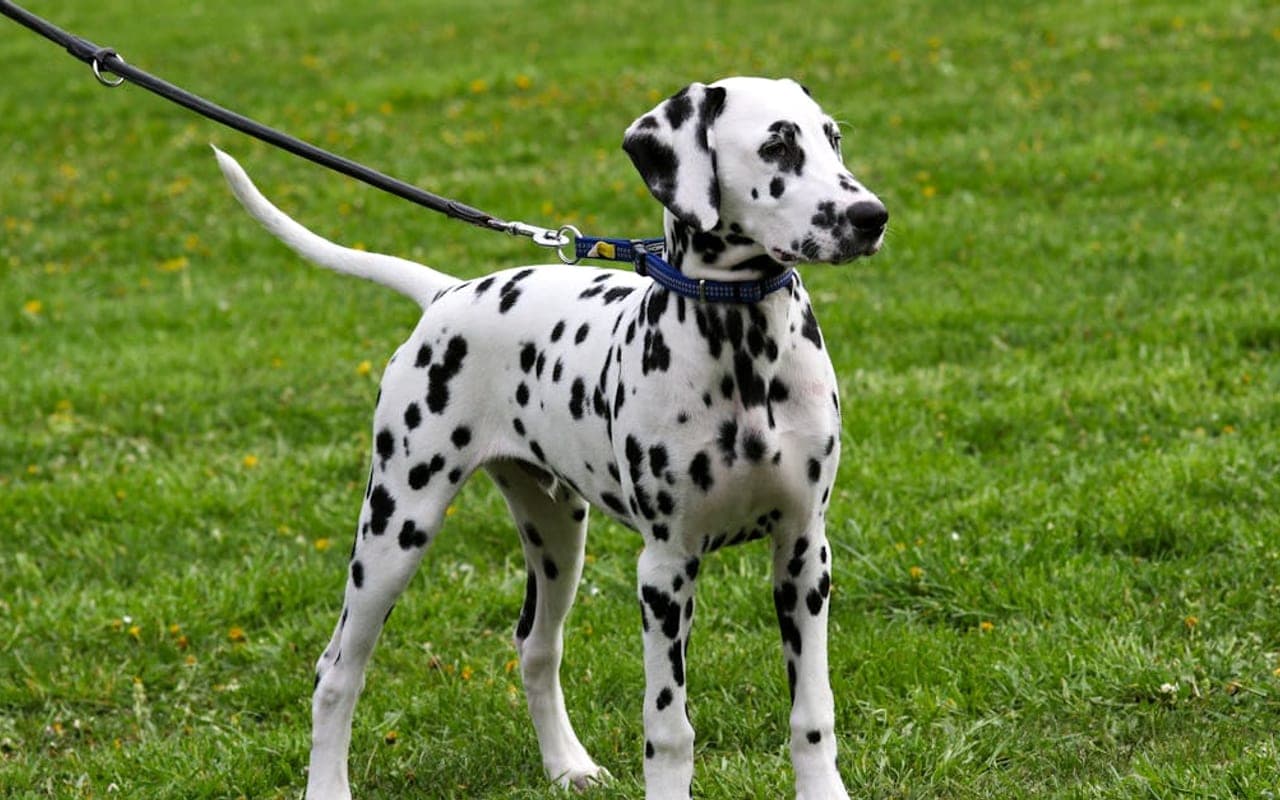
The Dalmatian is a 61-69 cm, 27-39 kg coaching dog from Croatia — and behind the spots are two breed-defining facts that every honest profile must put first: a significant share of Dalmatians are born deaf, and the entire breed has a unique broken purine metabolism that predisposes it to urinary stones.

Size
35-71 lb
Lifespan
10-13 years
Exercise
90+ minutes
Shedding
High
Experience
Match to owner routine
Decision first
Is a Dalmatian right for you?
Start with fit before history or trivia. These are ownership signals, not guarantees about any individual dog.
Best suited for
- Households with children.
- Active owners who enjoy daily outdoor exercise.
Think carefully if
- You cannot provide substantial daily exercise.
- You want a very low-shedding home.
- The dog will spend most days alone without support.
Conditional fit
Apartment living may be difficult unless the owner can meet the breed's exercise, training, and space needs.
Daily reality
Dalmatian commitment snapshot
Daily exercise
90+ minutes
Match activity to age, health, weather, and training goals.
Coat care
Low
Grooming needs vary by coat, shedding, and lifestyle.
Time alone
Needs planning
Most dogs need gradual alone-time conditioning and support.
Structured facts
Dalmatian at a glance
The measurements and traits that most affect day-to-day life with this breed.
Origin
Croatia
Group
Non-Sporting
Weight
35-71 lb
Height
19-24 in
Lifespan
10-13 years
Temperament
Energetic | playful | and loyal
View all characteristics and methodology
Lifestyle fit
- Apartment suitability
- Needs caution
- Child friendliness
- Often good, with socialisation and supervision
- Adaptability
- Moderate
Owner commitment
- Exercise
- 90+ minutes
- Grooming
- Low
- Shedding
- High
- Training
- Moderate
Environment and health
- Health risk
- Needs planning
Ratings combine structured breed data, visible breed fields, and editorial context. They are planning aids, not predictions for an individual dog.
Daily life
Dalmatian temperament and behavior
The Dalmatian is a 61-69 cm, 27-39 kg coaching dog from Croatia — and behind the spots are two breed-defining facts that every honest profile must put first: a significant share of Dalmatians are born deaf, and the entire breed has a unique broken purine metabolism that predisposes it to urinary stones. Neither is a footnote. Roughly 15-30 percent of Dalmatians have hearing loss in one or both ears (unilateral or bilateral), and 100 percent of the breed produces excess uric acid, making diet and water intake a lifelong medical management task, not an optional nicety. If those two realities are not acceptable, the spots are not worth it. With that on the table, the Dalmatian is a striking, athletic, intensely loyal dog. It was bred to trot for miles beside horse-drawn carriages, and that working history defines its core need: this is a high-stamina endurance breed that requires substantial daily exercise. An under-exercised Dalmatian is not a calm Dalmatian — it is a destructive, anxious, and often barky one. People consistently underestimate this and adopt the look without the mileage budget; that mismatch is the single most common Dalmatian mistake. Temperament is loyal, playful, smart, and people-oriented to the point of separation sensitivity — Dalmatians do poorly left alone for long stretches. They can be reserved or 'standoffish' with strangers and benefit from early, thorough socialization, especially deaf individuals, who train very successfully on hand signals but need deliberate management around startle and traffic. Who the Dalmatian is right for: an active owner who will provide 1-2 hours of real exercise daily, manage a purine-aware diet and constant water access for life, and budget for BAER hearing testing and possible deafness. Who it is wrong for: a sedentary household, a frequently-empty home, or anyone unwilling to manage diet and hydration as a medical routine. The Dalmatian rewards the right owner with one of the most devoted, athletic companions in dogdom — on the condition you meet its body where it actually is.
Energetic | playful | and loyal
Energetic
A common Dalmatian temperament descriptor that should be interpreted alongside training, exercise, and household fit.
playful
A common Dalmatian temperament descriptor that should be interpreted alongside training, exercise, and household fit.
and loyal
A common Dalmatian temperament descriptor that should be interpreted alongside training, exercise, and household fit.
Owner note
Temperament labels are starting points, not guarantees. Meet the individual dog and ask about behavior history whenever possible.
Care essentials
How to care for a Dalmatian
What looking after one actually involves: exercise, grooming, food, training, and routine health.
HealthAs needed
- Dalmatians are prone to deafness (about 30% are affected in one or both ears), urinary stones due to their unique uric acid metabolism, hip dysplasia, and skin allergies. BAER hearing testing is recommended for all puppies.
ExerciseAs needed
- Dalmatians need extensive daily exercise — at least 60-90 minutes of vigorous activity. They were bred to run alongside horse-drawn carriages for miles and have tremendous stamina. Running, hiking, cycling, and agility are excellent outlets. Without adequate exercise, they become destructive.
GroomingAs needed
- Dalmatians have a short, dense coat that is surprisingly heavy-shedding. Brush 2-3 times per week to manage shedding — they shed year-round. Bathe as needed. Their white coat shows dirt easily. Check ears weekly and maintain regular dental care.
TrainingAs needed
- Dalmatians are intelligent but can be headstrong and independent. They respond best to consistent, firm, positive reinforcement training. They have high energy and need mental stimulation alongside physical exercise. Early socialization is critical to prevent potential aggression toward other dogs.
NutritionAs needed
- Feed a high-quality large-breed food, about 1.5-2 cups daily divided into two meals. Dalmatians have a unique urinary system that requires a low-purine diet to prevent urate stones. Avoid organ meats, and ensure access to plenty of fresh water at all times.
Health planning
Dalmatian health risks and screening
Every breed has individual health variation. Use this profile for planning and discuss medical decisions with a veterinarian.
Ownership cost
How much does a Dalmatian cost?
Cost figures are structured so first-year and lifetime estimates do not conflict with the underlying line items.
| Acquisition | $800-$2,500 |
|---|---|
| Routine monthly | About $120/month |
| Routine annual | About $1,440/year |
| First-year estimate | $2,240-$3,940 |
| Lifetime routine estimate | $14,400-$18,720 routine costs |
Currency: USD. Region: United States. Typical ranges for this breed. Equipment, insurance, emergency veterinary care, boarding and training are NOT included: we hold no sourced figures for them, and estimating them would be a guess presented as data.
Responsible ownership
Finding a Dalmatian responsibly
What to ask a breeder or rescue is the same conversation for every breed, so we keep it in one place and keep it current.
Health documentation, meeting the parents or foster, contracts and return support, and the warning signs worth walking away from.
Original purpose
Dalmatian history
History is useful when it explains today's behavior, coat, exercise needs, and training style.
Read the breed history
The Dalmatian takes its name from Dalmatia, a historic region on the Croatian Adriatic coast, where the spotted dog was documented for centuries, though its deeper origins are debated. Its defining role emerged in 18th- and 19th-century Britain as a 'coach dog': the Dalmatian trotted beside horse-drawn carriages for miles, guarding the rig and clearing the road, and developed a natural affinity for horses that persists in the breed today. That coaching function later made the Dalmatian the iconic American firehouse dog — it ran ahead of horse-drawn fire engines and guarded the equipment, a tradition that survived into the motorized era as a mascot. The breed's modern temperament — high stamina, territorial alertness, and strong human and equine bonds — is a direct legacy of generations bred to run with and guard moving teams rather than to herd, retrieve, or sit decoratively.
Gallery
Dalmatian photos
Images are cropped consistently and loaded progressively to keep the page responsive.

Lower-page context
Dalmatians in culture
Where the breed shows up in film, sport, work and folklore — the enjoyable part, once the practical questions are answered.
Fun facts
- Dalmatians are born completely white — their distinctive spots develop over the first few weeks of life
- They have been fire station mascots since the 1700s when they ran alongside horse-drawn fire engines to clear the path
- About 30% of Dalmatians are deaf in one or both ears due to a genetic link between their piebald coloring and hearing
- Dalmatians have a unique urinary system that metabolizes uric acid differently from all other dog breeds
- Disney's "101 Dalmatians" (1961) caused a massive surge in breed popularity, but also led to many abandoned dogs when owners were unprepared for their high energy
Dalmatian FAQs
Why are so many Dalmatians deaf?
Deafness in Dalmatians is tied to the same genetics that produce the extreme white coat — the lack of pigment-producing cells in the inner ear disrupts hearing development. Roughly 15-30 percent of the breed has hearing loss in one or both ears. Responsible breeding includes BAER hearing tests on puppies. A deaf Dalmatian can live a completely normal, happy life trained on hand signals, but the owner must commit to that training and to strict leash and traffic safety.
Do Dalmatians really need a special diet?
Yes, and this is non-negotiable for the breed. Every Dalmatian has a genetic defect in purine metabolism that produces excess uric acid, making urate bladder stones a lifelong risk for all individuals. Owners manage this with constant access to fresh water, frequent urination, and a moderate- to low-purine diet (avoiding organ meats and high-purine proteins). Skipping this management can lead to painful, sometimes life-threatening urinary blockages and $1,500-$4,000 surgery.
How much exercise does a Dalmatian need?
A lot — substantially more than most owners expect. Dalmatians were bred to trot beside carriages for miles and are a true endurance breed needing 1-2 hours of vigorous activity daily: running, fetch, hiking, or dog sports. A short neighborhood walk is maintenance, not enough. The single most common Dalmatian ownership failure is adopting the striking look without the mileage budget, which produces an anxious, destructive, often barky dog.
Do Dalmatians shed a lot?
Yes, far more than the short coat suggests. Dalmatians shed stiff white and black hairs persistently year-round, and those bristly hairs weave tightly into upholstery, carpet, and clothing in a way that is hard to remove. Brushing 2-3 times a week with a rubber curry or grooming mitt reduces it meaningfully, but a Dalmatian is not a low-shedding dog and is a poor match for anyone expecting one.
Are Dalmatians good family dogs?
They can be excellent with an active family that meets their exercise and companionship needs. Dalmatians are loyal, playful, and strongly people-bonded, but that bond cuts both ways — they are prone to separation distress and do poorly left alone for long stretches. They can be reserved with strangers and benefit from early, thorough socialization. The right home is busy, active, and rarely empty; the wrong one is sedentary or frequently vacant.
Sources
These are the published sources this page draws on. Each opens in a new tab so you can check it yourself.
American Kennel Club
Dalmatian — breed standard and profile(opens in a new tab)Supports: Breed standard and recognition details.
Similar breeds to consider
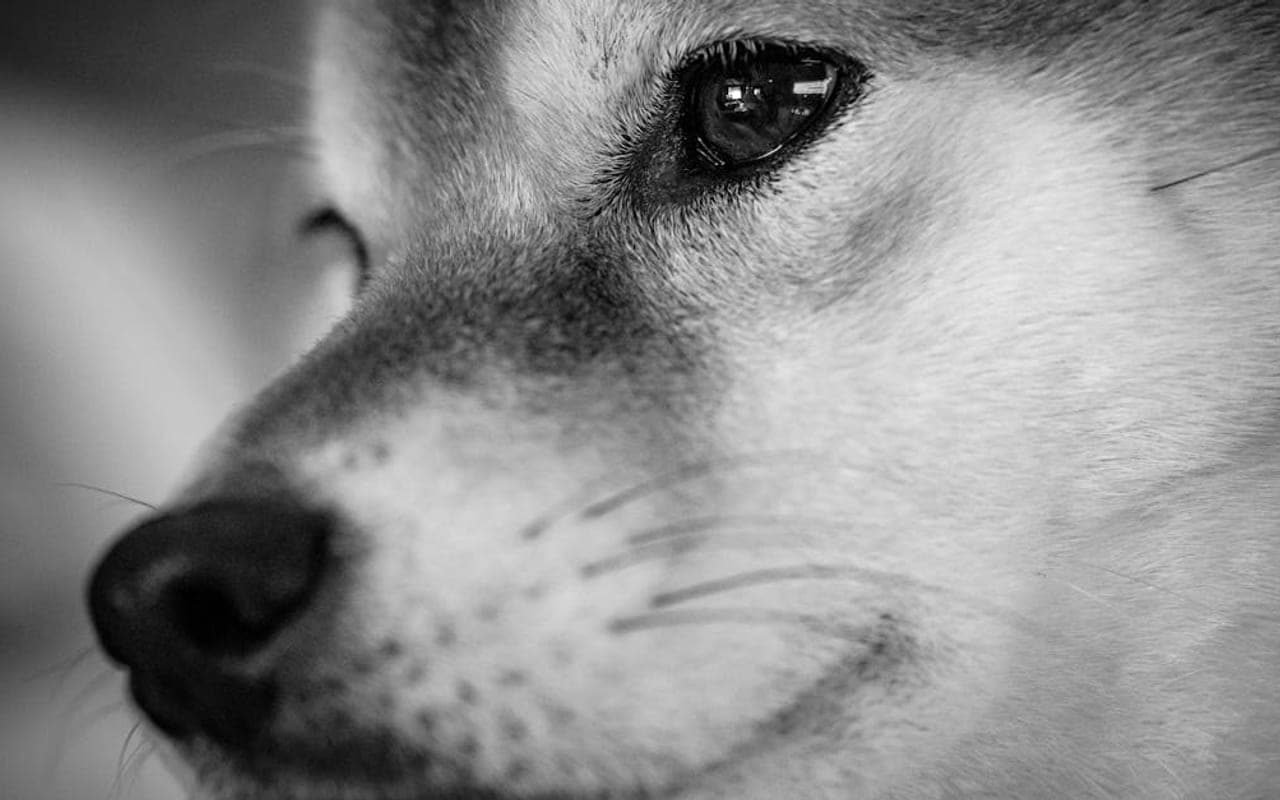
Shiba Inu
Also in the Non-Sporting group, with different care and temperament tradeoffs.
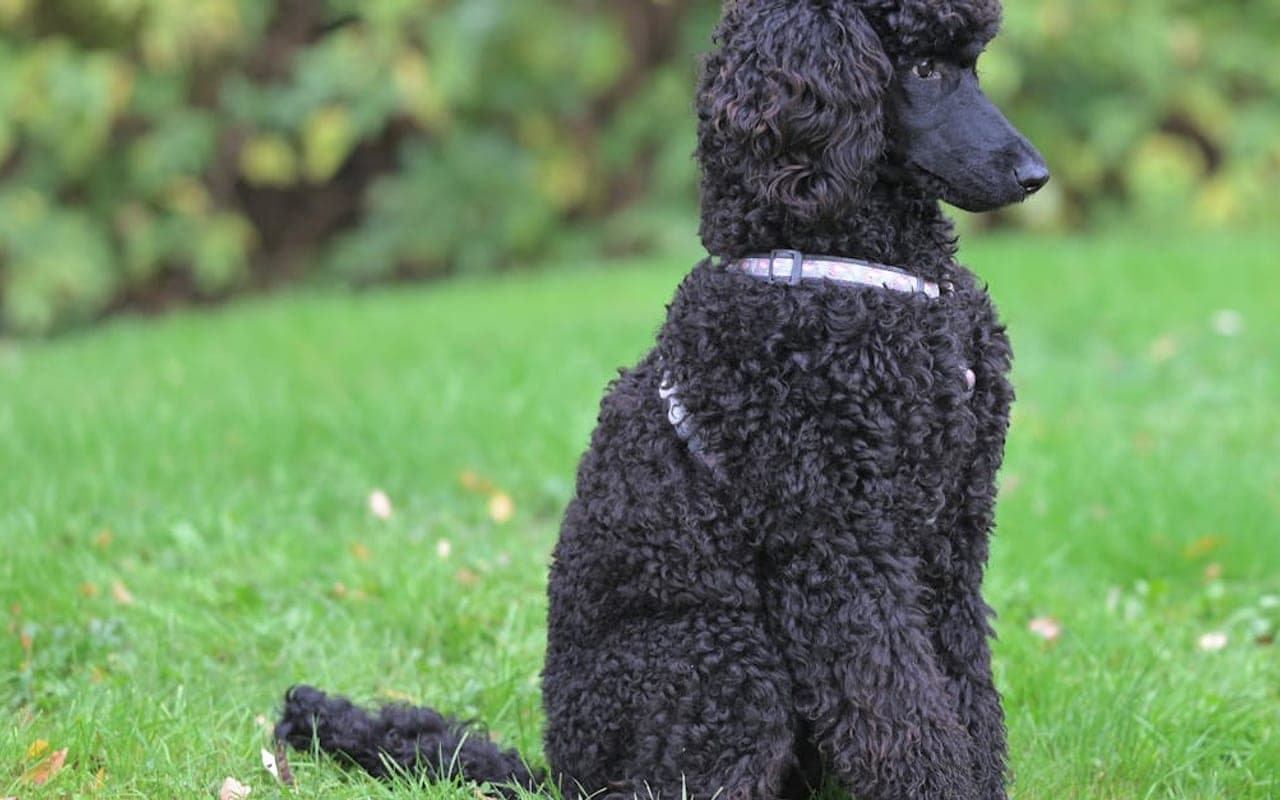
Poodle
Also in the Non-Sporting group, with different care and temperament tradeoffs.
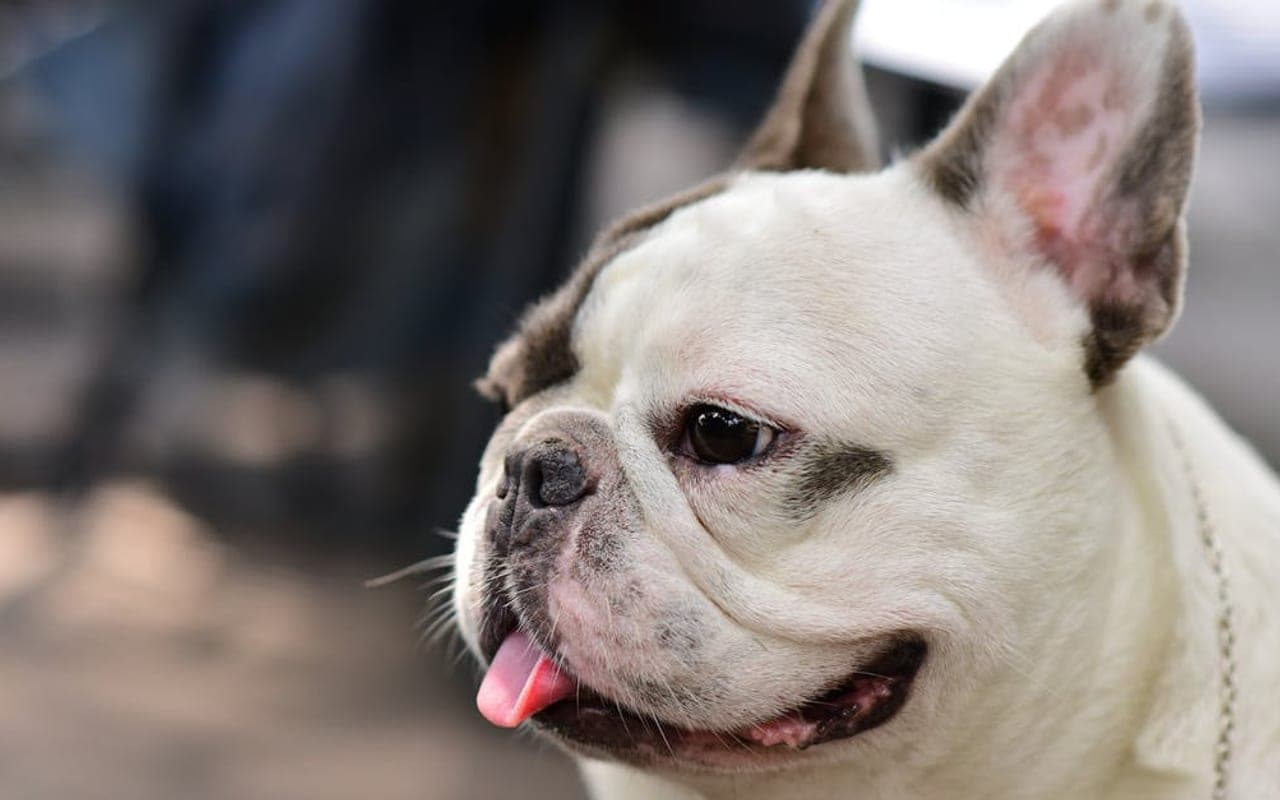
Bulldog
Also in the Non-Sporting group, with different care and temperament tradeoffs.
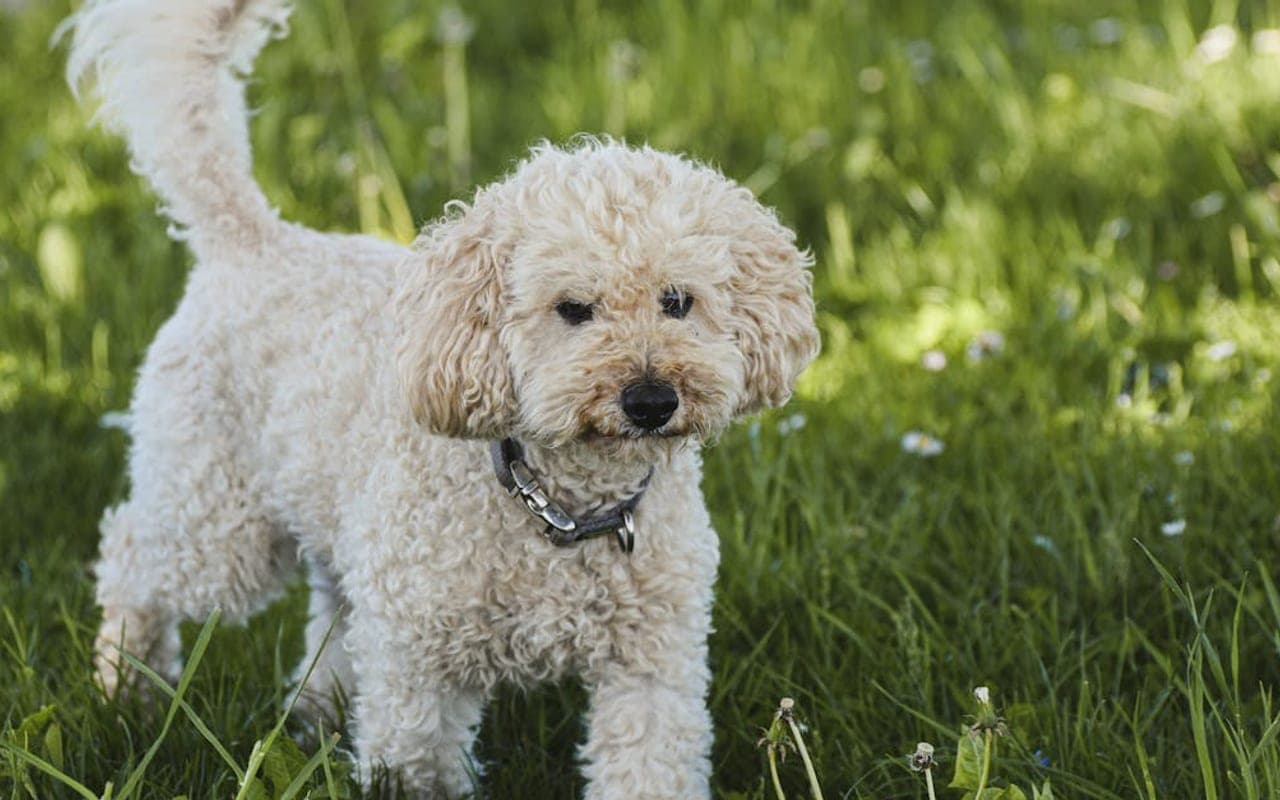
Poodle (Miniature)
Also in the Non-Sporting group, with different care and temperament tradeoffs.
Explore More About Dalmatian
Dive deeper into everything Dalmatian — costs, care, and expert insights.
How Much Does a Dalmatian Cost?
Purchase price, monthly costs, and lifetime expenses
Large Dog Care Guide: Everything Over 50 lbs
Owning a large or giant breed dog means accepting one of biology's...
Puppy Teething & Biting: Timeline and What Actually Works
A puppy has all 28 deciduous ("baby") teeth by roughly eight weeks of age, and...
Considering a cat instead?
Browse Cats