
Foundation Stock Service group
Deutscher Wachtelhund
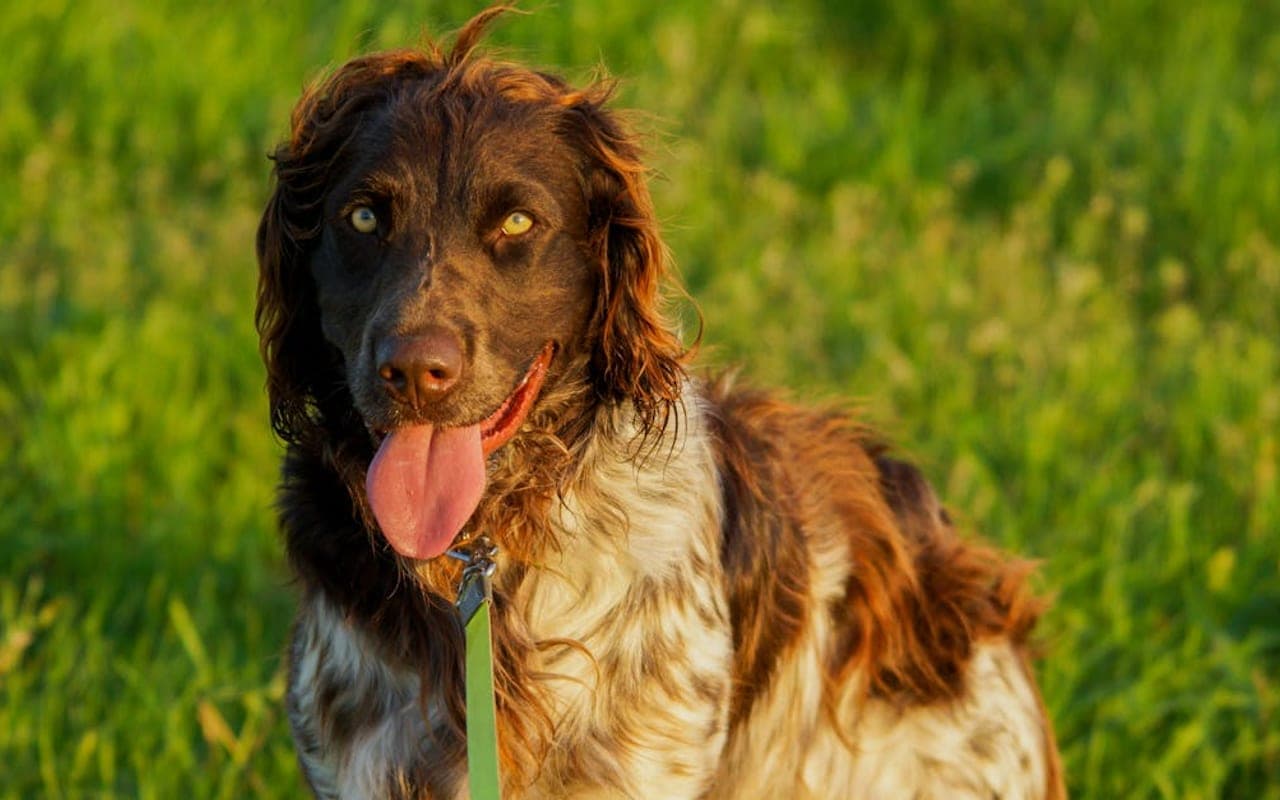
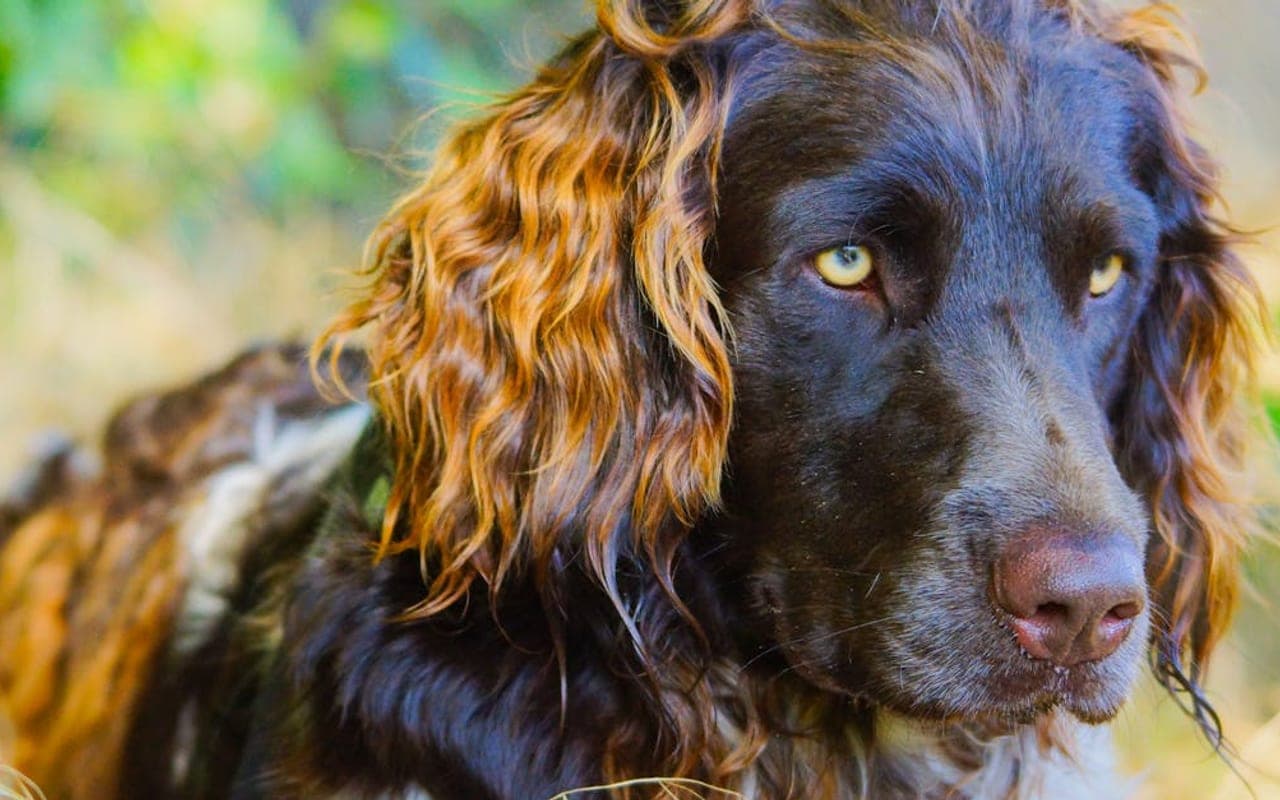
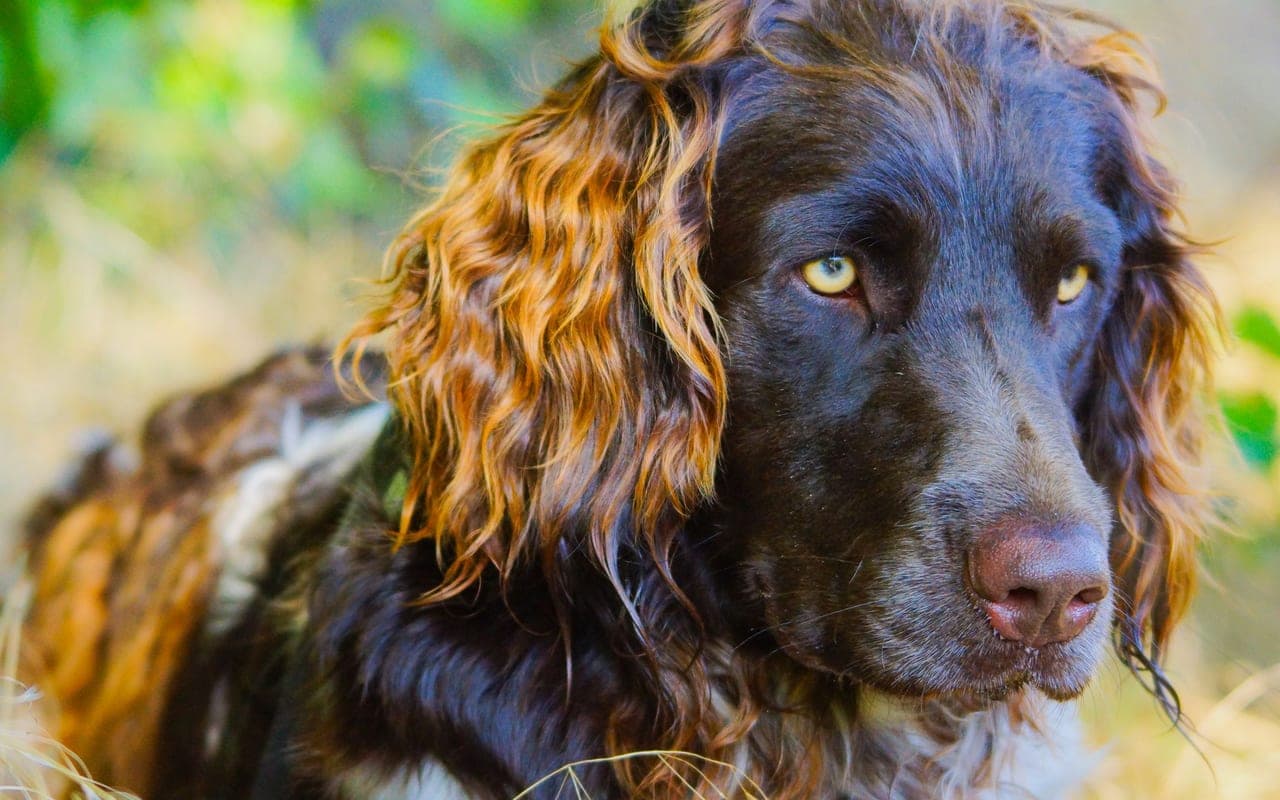
The Deutscher Wachtelhund — German quail dog, often called the German Spaniel — is a medium, powerfully built, longhaired versatile gun dog, roughly 18-25 kg (40-55 lb) and 45-54 cm at the shoulder, with a dense, wavy water-resistant coat and a working temperament that is the entire point of the breed.
Size
40-55 lb
Lifespan
12-14 years
Exercise
30-60 minutes
Shedding
Moderate
Experience
Match to owner routine
Decision first
Is a Deutscher Wachtelhund right for you?
Start with fit before history or trivia. These are ownership signals, not guarantees about any individual dog.
Best suited for
- Households with children.
- Homes with other compatible pets.
- Apartment homes with a consistent routine.
- Owners seeking a manageable daily exercise routine.
Think carefully if
- You need a dog with almost no daily routine.
- You cannot keep up with grooming and preventive care.
- The dog will spend most days alone without support.
Conditional fit
Apartment fit depends on exercise, enrichment, noise management, and outdoor access.
Daily reality
Deutscher Wachtelhund commitment snapshot
Daily exercise
30-60 minutes
Match activity to age, health, weather, and training goals.
Coat care
Moderate
Grooming needs vary by coat, shedding, and lifestyle.
Time alone
Needs planning
Most dogs need gradual alone-time conditioning and support.
Structured facts
Deutscher Wachtelhund at a glance
The measurements and traits that most affect day-to-day life with this breed.
Group
Foundation Stock Service
Weight
40-55 lb
Height
18-21 in
Lifespan
12-14 years
Temperament
Friendly | Versatile | Determined
View all characteristics and methodology
Lifestyle fit
- Apartment suitability
- Likely fit
- Child friendliness
- Often good, with socialisation and supervision
- Other-pet fit
- Often compatible with careful introductions
Owner commitment
- Exercise
- 30-60 minutes
- Grooming
- Moderate
- Shedding
- Moderate
- Training
- Moderate
Environment and health
- Health risk
- Needs planning
Ratings combine structured breed data, visible breed fields, and editorial context. They are planning aids, not predictions for an individual dog.
Daily life
Deutscher Wachtelhund temperament and behavior
The Deutscher Wachtelhund — German quail dog, often called the German Spaniel — is a medium, powerfully built, longhaired versatile gun dog, roughly 18-25 kg (40-55 lb) and 45-54 cm at the shoulder, with a dense, wavy water-resistant coat and a working temperament that is the entire point of the breed. This is not a companion dog with hunting heritage; it is a serious hunting dog that is almost never kept as a pet, even in Germany. Any honest profile has to lead with that, because the most common mistake is acquiring one for its looks and discovering you have a high-drive working animal with no off switch. Functionally the Wachtelhund is a flusher, retriever, and — its standout trait — a blood tracker whose scenting ability is compared to a Bloodhound's, able to follow a 40-hour-old wounded-game trail and bark on the line to mark its position. It loves water and is built for it. Temperament is friendly and biddable with its handler but driven, determined, energetic, and intensely birdy. It needs a job, daily hard physical and scent work, and an owner who can channel that drive. The breed is deliberately kept rare and largely restricted to hunters, gamekeepers, and foresters; in Germany breeding is tightly controlled by the parent club, with mandatory working tests and health certification before a dog may be bred. Who the Deutscher Wachtelhund is right for: an active hunter, tracker, or serious dog-sport home that will give it 1-2 hours of real work a day and weekly ear care. Who it is wrong for: a pet home, a sedentary owner, an apartment with no hunting or tracking outlet, or anyone expecting a calm family spaniel. Choose this breed for the work it was built to do — without that outlet, its drive becomes destructiveness and noise.
Friendly | Versatile | Determined
Friendly
A common Deutscher Wachtelhund temperament descriptor that should be interpreted alongside training, exercise, and household fit.
Versatile
A common Deutscher Wachtelhund temperament descriptor that should be interpreted alongside training, exercise, and household fit.
Determined
A common Deutscher Wachtelhund temperament descriptor that should be interpreted alongside training, exercise, and household fit.
Owner note
Temperament labels are starting points, not guarantees. Meet the individual dog and ask about behavior history whenever possible.
Care essentials
How to care for a Deutscher Wachtelhund
What looking after one actually involves: exercise, grooming, food, training, and routine health.
ExerciseAs needed
- Moderately active breed needing 30-60 minutes of daily exercise through walks, play, and mental stimulation.
GroomingAs needed
- Regular grooming needed — brush 2-3 times per week and bathe monthly.
TrainingAs needed
- Moderately trainable — consistent, patient training with positive methods works best.
NutritionAs needed
- Feed a high-quality dog food appropriate for their age, size, and activity level. Monitor portions to prevent obesity.
Veterinary CareAs needed
- Annual wellness exams, core vaccinations, dental care, and parasite prevention. Breed-specific health screenings as recommended by your vet.
Health planning
Deutscher Wachtelhund health risks and screening
Every breed has individual health variation. Use this profile for planning and discuss medical decisions with a veterinarian.
Responsible ownership
Finding a Deutscher Wachtelhund responsibly
What to ask a breeder or rescue is the same conversation for every breed, so we keep it in one place and keep it current.
Health documentation, meeting the parents or foster, contracts and return support, and the warning signs worth walking away from.
Original purpose
Deutscher Wachtelhund history
History is useful when it explains today's behavior, coat, exercise needs, and training style.
Read the breed history
The Deutscher Wachtelhund was developed in Germany in the late 19th century (around the 1890s) as a deliberate reconstruction of the old German bird- and quail-flushing spaniel type, intended to give common hunters and foresters — not just the aristocracy — a single dog that could do everything: flush upland game, retrieve from land and water, and track wounded big game by blood. Its name, 'quail dog,' reflects the original upland-bird role, but it was bred for true versatility, and the blood-tracking ability comparable to a Bloodhound became its signature. From the outset the breed was managed as a working tool, not a show or pet animal. The German Wachtelhund parent club tightly controls breeding to this day: a dog must pass a battery of specific hunting-performance tests and be certified clear of hip dysplasia on X-ray, with parent-club permission required before any litter. That rigorous, work-and-health-gated breeding regime — rare among breeds — is the direct reason the Wachtelhund has stayed functionally sound and largely free of the inherited problems that plague more popular spaniels, and why it remains virtually unknown to the non-hunting public.
Gallery
Deutscher Wachtelhund photos
Images are cropped consistently and loaded progressively to keep the page responsive.
Lower-page context
Deutscher Wachtelhunds in culture
Where the breed shows up in film, sport, work and folklore — the enjoyable part, once the practical questions are answered.
Fun facts
- The Deutscher Wachtelhund belongs to the Foundation Stock Service.
- The average lifespan of a Deutscher Wachtelhund is 12 to 14 years.
- Deutscher Wachtelhund dogs are valued for their friendly, versatile, determined nature.
Deutscher Wachtelhund FAQs
Is the Deutscher Wachtelhund a good family pet?
Generally no, and that is the most important thing to be honest about. The Wachtelhund is a serious versatile hunting dog kept almost exclusively by hunters, gamekeepers, and foresters — even in Germany it is virtually unknown as a pet. It is friendly with its handler but extremely high-drive, determined, and birdy, and it requires 1-2 hours of real physical and scent work daily. In a typical pet home without a hunting or tracking outlet, that drive turns into destructiveness and noise. It suits a working or serious dog-sport home, not a casual one.
How long do Deutscher Wachtelhunds live?
Typically 12 to 14 years with appropriate care. The breed is unusually sound for its size, largely because the German parent club gates breeding behind mandatory hip X-ray certification and working tests. Lifespan and quality of life in practice hinge less on inherited disease than on management: controlling chronic ear infections, keeping the dog lean to protect the hips, and treating field injuries (grass awns, lacerations) promptly. A well-managed working Wachtelhund reliably reaches the upper end of that range.
Why do Deutscher Wachtelhunds get so many ear infections?
It is structural plus lifestyle. The breed has long, low-hung, heavily haired pendulous ears that restrict airflow, and it works constantly in water and dense cover, so moisture and debris get trapped against a warm, dark canal — the ideal environment for infection. This makes otitis the breed's single most predictable health cost. The fix is routine, not reactive: clean the ears weekly with a vet-approved solution and dry them thoroughly after every swim or wet field session.
How much exercise does a Deutscher Wachtelhund really need?
Far more than most owners expect — 1-2 hours of vigorous physical work plus scent and mental work every day, not a walk. This is a flushing, retrieving, blood-tracking dog bred for all-day fieldwork; a leash stroll does not engage it. Without genuine work (hunting, tracking drills, water retrieves, demanding dog sport) it becomes destructive and vocal. If you cannot reliably provide that level of daily physical and mental output, this is the wrong breed — its needs do not scale down to a pet routine.
What does the German parent club's breeding control actually mean for a buyer?
It is a genuine, practical advantage. In Germany a Wachtelhund cannot be bred until it has passed specific hunting-performance tests and been certified clear of hip dysplasia by X-ray, with parent-club permission required for each litter. That work-and-health-gated regime is why the breed has stayed functionally sound and comparatively free of the hereditary problems common in popular spaniels. The buyer takeaway: source from parent-club-tested working lines, where hip certification and working ability are documented, rather than untested stock.
What does it cost to own a Deutscher Wachtelhund?
Purchase is complicated by deliberate rarity — the breed is tightly held by hunting communities and parent clubs, so puppies are scarce and typically placed with working homes; pricing varies by region and availability. The recurring costs that matter most are not genetic: budget for regular ear care and the realistic chance of treating recurrent otitis, plus field-injury care (grass awns, lacerations) for a hard-working dog. Buying from hip-certified parent-club lines is the cheapest insurance against the one expensive hereditary risk, hip dysplasia.
Sources
These are the published sources this page draws on. Each opens in a new tab so you can check it yourself.
American Kennel Club
Deutscher Wachtelhund — breed standard and profile(opens in a new tab)Supports: Breed standard and recognition details.
Similar breeds to consider
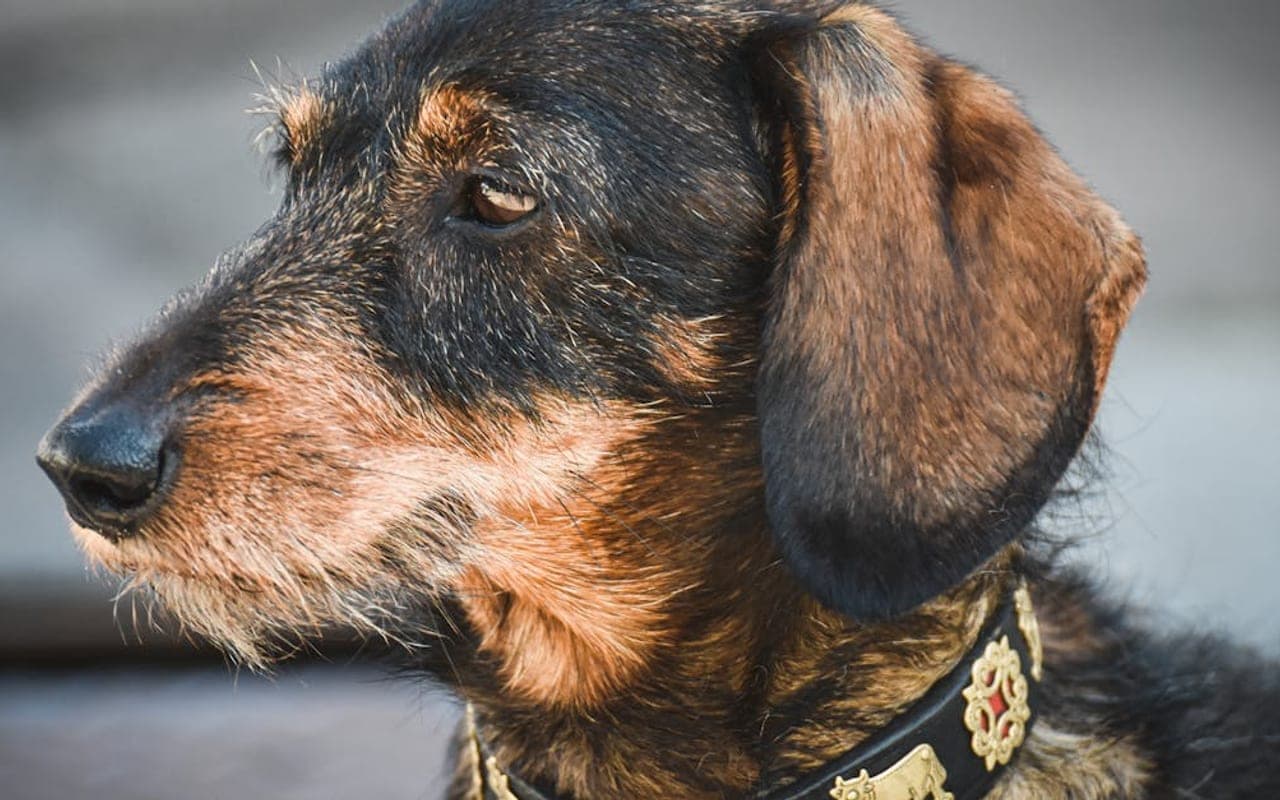
Jagdterrier
Also in the Foundation Stock Service group, with different care and temperament tradeoffs.
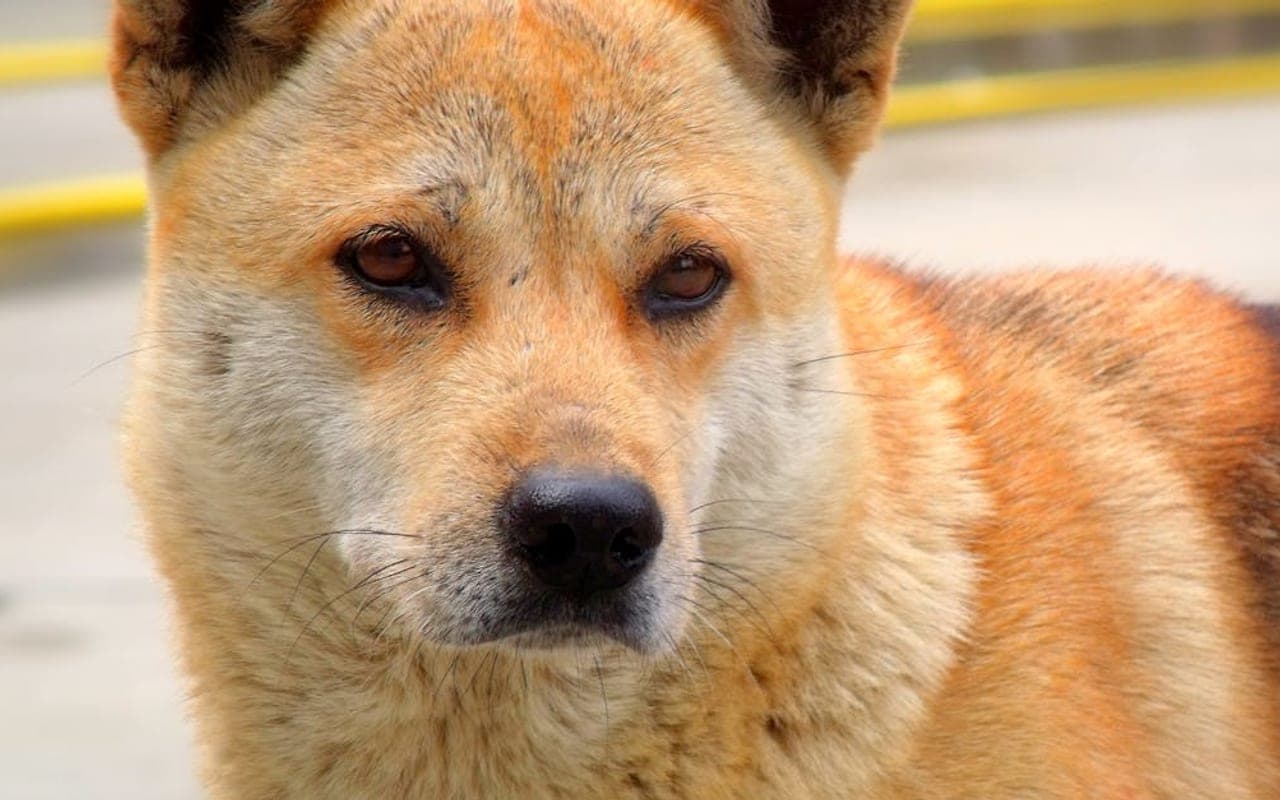
Jindo
Also in the Foundation Stock Service group, with different care and temperament tradeoffs.
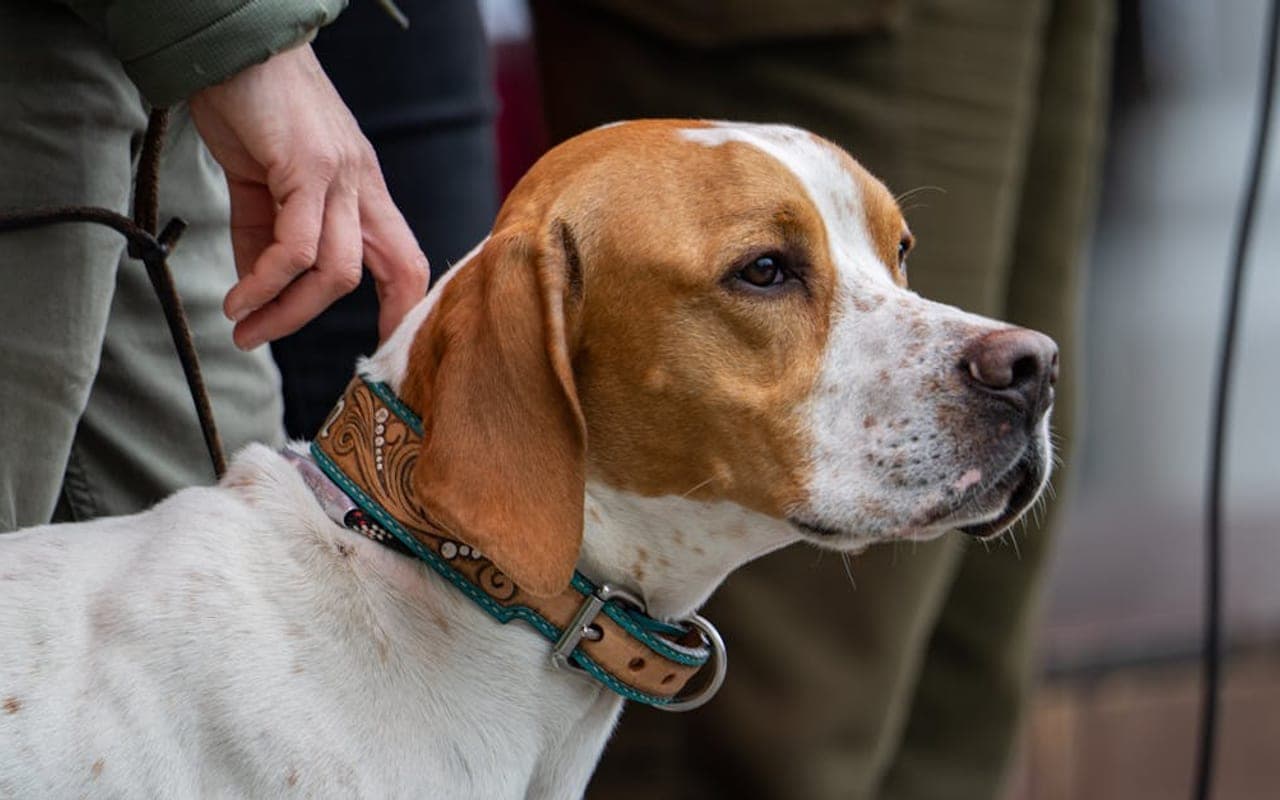
Portuguese Pointer
Also in the Foundation Stock Service group, with different care and temperament tradeoffs.
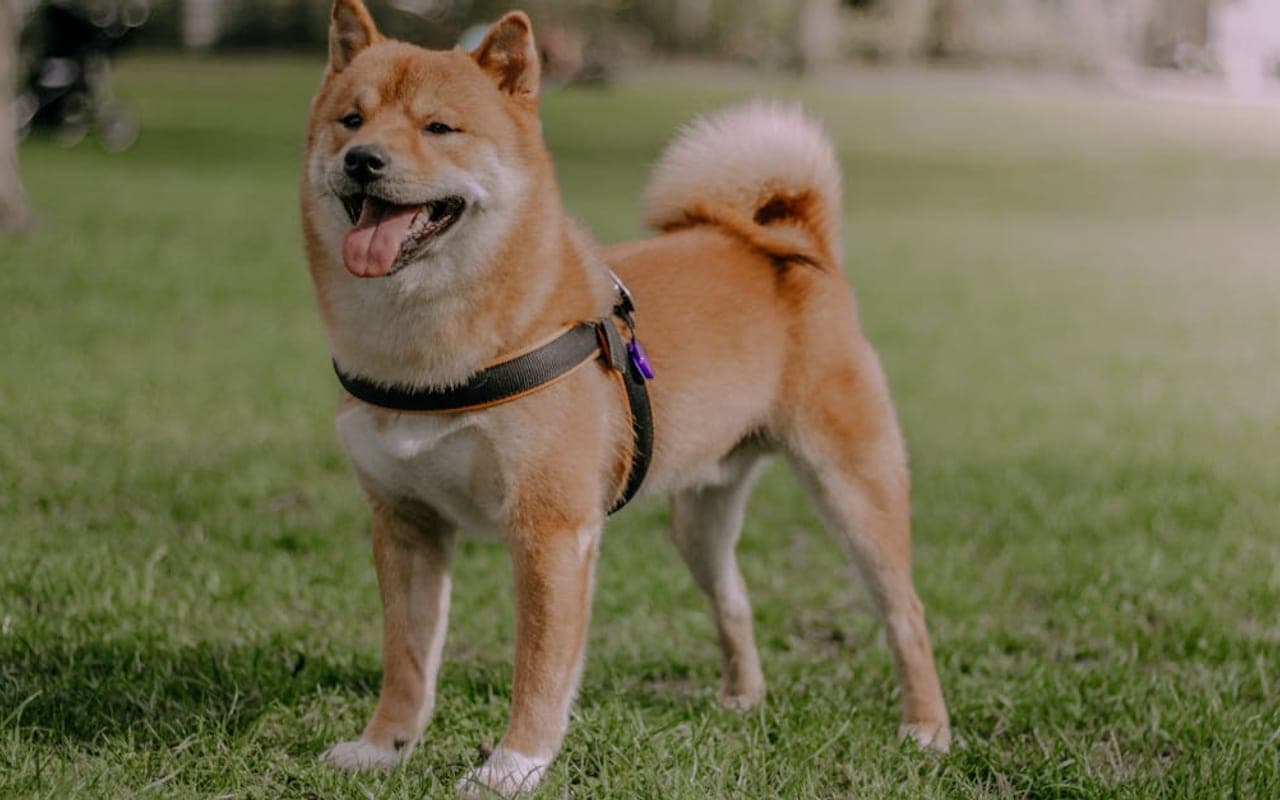
Kishu Ken
Also in the Foundation Stock Service group, with different care and temperament tradeoffs.
Explore More About Deutscher Wachtelhund
Dive deeper into everything Deutscher Wachtelhund — costs, care, and expert insights.
Considering a cat instead?
Browse Cats