Foundation Stock Service group
Drentsche Patrijshond
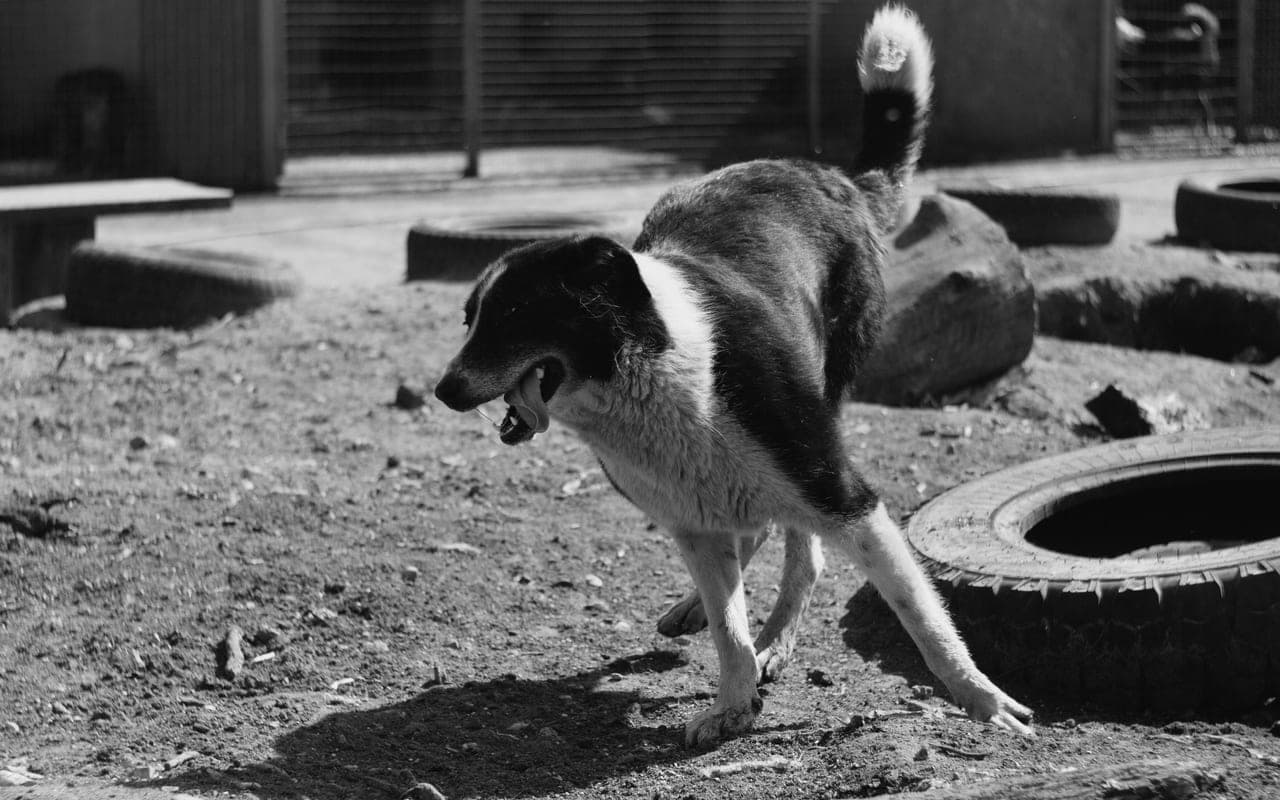
The Drentsche Patrijshond — Drent for short, pronounced roughly 'da-RINSE-ah puh-TRICE-hoon' — is a Dutch farm-and-field dog that is genuinely versatile rather than a single-job specialist, and that is the first thing a prospective owner should weigh.
Size
46-77 lb
Lifespan
11-14 years
Exercise
30-60 minutes
Shedding
Moderate
Experience
Match to owner routine
Decision first
Is a Drentsche Patrijshond right for you?
Start with fit before history or trivia. These are ownership signals, not guarantees about any individual dog.
Best suited for
- Households with children.
- Homes with other compatible pets.
- Apartment homes with a consistent routine.
- Owners seeking a manageable daily exercise routine.
Think carefully if
- You need a dog with almost no daily routine.
- You cannot keep up with grooming and preventive care.
- The dog will spend most days alone without support.
Conditional fit
Apartment fit depends on exercise, enrichment, noise management, and outdoor access.
Daily reality
Drentsche Patrijshond commitment snapshot
Daily exercise
30-60 minutes
Match activity to age, health, weather, and training goals.
Coat care
Moderate
Grooming needs vary by coat, shedding, and lifestyle.
Time alone
Needs planning
Most dogs need gradual alone-time conditioning and support.
Structured facts
Drentsche Patrijshond at a glance
The measurements and traits that most affect day-to-day life with this breed.
Group
Foundation Stock Service
Weight
46-77 lb
Height
22-25 in
Lifespan
11-14 years
Temperament
Loyal | Intelligent | Sensitive
View all characteristics and methodology
Lifestyle fit
- Apartment suitability
- Likely fit
- Child friendliness
- Often good, with socialisation and supervision
- Other-pet fit
- Often compatible with careful introductions
Owner commitment
- Exercise
- 30-60 minutes
- Grooming
- Moderate
- Shedding
- Moderate
- Training
- Moderate
Environment and health
- Health risk
- Needs planning
Ratings combine structured breed data, visible breed fields, and editorial context. They are planning aids, not predictions for an individual dog.
Daily life
Drentsche Patrijshond temperament and behavior
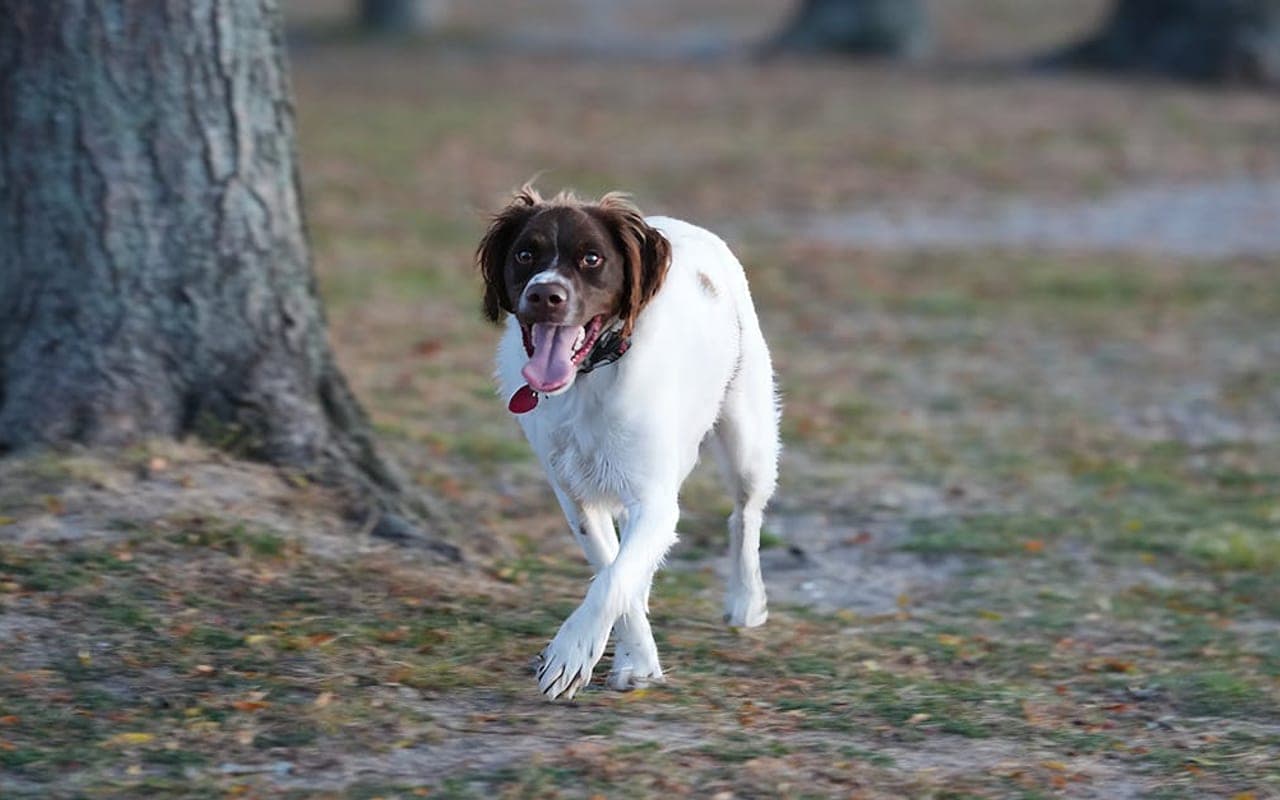
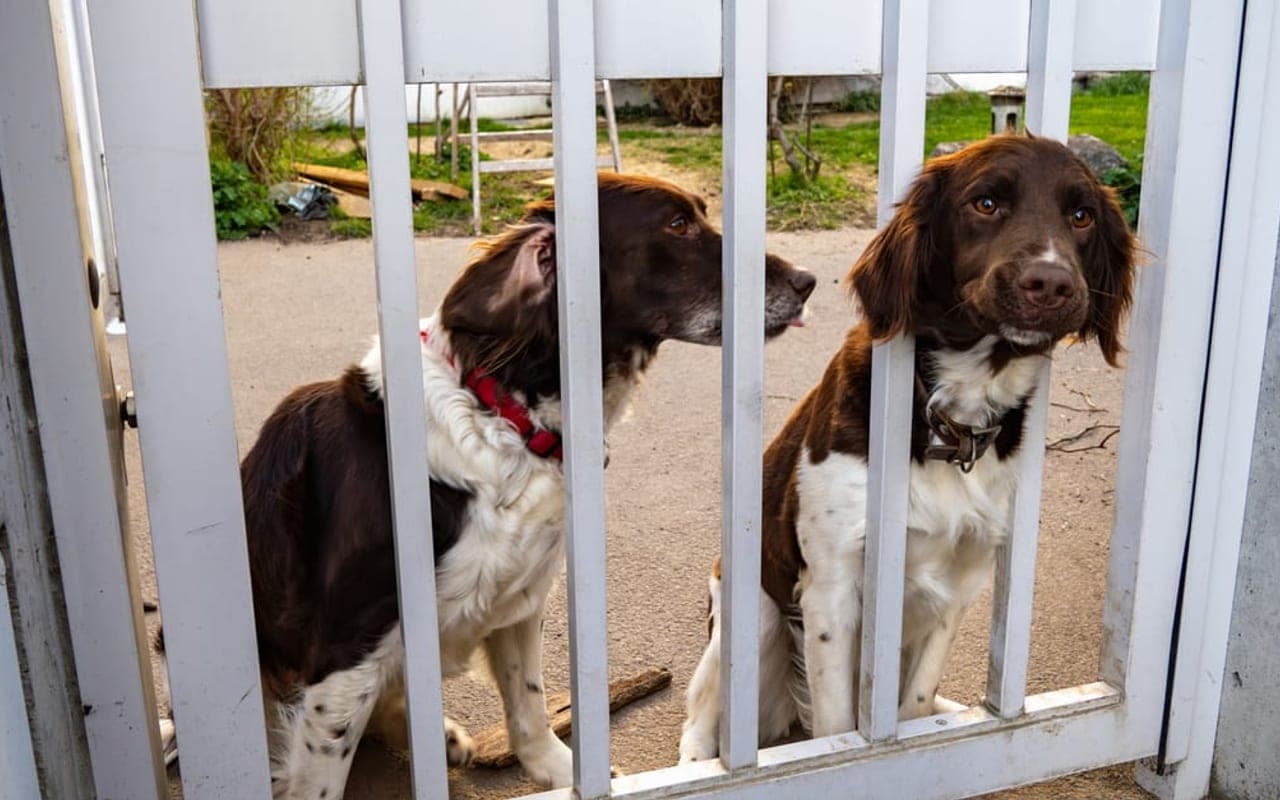
The Drentsche Patrijshond — Drent for short, pronounced roughly 'da-RINSE-ah puh-TRICE-hoon' — is a Dutch farm-and-field dog that is genuinely versatile rather than a single-job specialist, and that is the first thing a prospective owner should weigh. For nearly four hundred years it was built by Dutch farmers to point game, retrieve from land and water, kill vermin, guard the homestead, and even cart goods to market. The practical consequence today: this is a medium-sized (roughly 48-63 cm tall, 20-33 kg), energetic, intelligent gundog that needs a real job or a deliberate substitute for one. It is not a low-demand pet that happens to look handsome. The Drent's defining temperament trait is its soft, sensitive nature paired with strong bonding to its family. It works while keeping visual contact with its handler — a pointing Drent will literally look back to check in — and it does not tolerate harsh or forceful training. Heavy-handed correction shuts this breed down rather than sharpening it. It is loyal, affectionate at home, naturally watchful (it will bark to announce visitors), and typically reserved with strangers until the family signals acceptance. With its own people, including children and other dogs, it is gentle and devoted. This is still a rare breed outside the Netherlands, registered in the AKC Foundation Stock Service rather than the regular stud book, so the buyer pool is small and breeder choice is limited but important. Who the Drent is right for: an active owner or hunting/sport home that will give it 60-plus minutes of real exercise and mental work daily, train with positive methods, and accept its sensitivity as a feature. Who it is wrong for: a sedentary household, a heavy-handed trainer, or anyone wanting an aloof, independent dog content with a short walk and a backyard.
Loyal | Intelligent | Sensitive
Loyal
A common Drentsche Patrijshond temperament descriptor that should be interpreted alongside training, exercise, and household fit.
Intelligent
A common Drentsche Patrijshond temperament descriptor that should be interpreted alongside training, exercise, and household fit.
Sensitive
A common Drentsche Patrijshond temperament descriptor that should be interpreted alongside training, exercise, and household fit.
Owner note
Temperament labels are starting points, not guarantees. Meet the individual dog and ask about behavior history whenever possible.
Care essentials
How to care for a Drentsche Patrijshond
What looking after one actually involves: exercise, grooming, food, training, and routine health.
ExerciseAs needed
- Moderately active breed needing 30-60 minutes of daily exercise through walks, play, and mental stimulation.
GroomingAs needed
- Regular grooming needed — brush 2-3 times per week and bathe monthly.
TrainingAs needed
- Moderately trainable — consistent, patient training with positive methods works best.
NutritionAs needed
- Feed a high-quality dog food appropriate for their age, size, and activity level. Monitor portions to prevent obesity.
Veterinary CareAs needed
- Annual wellness exams, core vaccinations, dental care, and parasite prevention. Breed-specific health screenings as recommended by your vet.
Health planning
Drentsche Patrijshond health risks and screening
Every breed has individual health variation. Use this profile for planning and discuss medical decisions with a veterinarian.
Responsible ownership
Finding a Drentsche Patrijshond responsibly
What to ask a breeder or rescue is the same conversation for every breed, so we keep it in one place and keep it current.
Health documentation, meeting the parents or foster, contracts and return support, and the warning signs worth walking away from.
Original purpose
Drentsche Patrijshond history
History is useful when it explains today's behavior, coat, exercise needs, and training style.
Read the breed history
The Drentsche Patrijshond descends from spaniel-type partridge dogs (the 'patrijshond' means partridge dog) brought into the Netherlands via France and Spain around the 16th century, and it developed in the Drenthe province of the northeastern Netherlands as an all-purpose farm dog. Unlike most continental pointers, the Drent kept its full tail and was never split into specialist field lines — Dutch farmers needed one dog that could point and retrieve game, control vermin, guard the farm, and haul small carts, so versatility was bred in deliberately and preserved. The breed was officially recognized in the Netherlands in 1943, and the Dutch parent organization has long maintained careful records and health-focused breeding because the population is small. It remains uncommon outside the Netherlands and is registered in the American Kennel Club's Foundation Stock Service rather than the full stud book. That small, carefully managed gene pool is directly relevant to health: the breed's known inherited conditions are tracked through parent-club programs, and buying within that screened framework is the practical core of getting a sound Drent.
Gallery
Drentsche Patrijshond photos
Images are cropped consistently and loaded progressively to keep the page responsive.
Lower-page context
Drentsche Patrijshonds in culture
Where the breed shows up in film, sport, work and folklore — the enjoyable part, once the practical questions are answered.
Fun facts
- The Drentsche Patrijshond belongs to the Foundation Stock Service.
- The average lifespan of a Drentsche Patrijshond is 11 to 14 years.
- Drentsche Patrijshond dogs are valued for their loyal, intelligent, sensitive nature.
Drentsche Patrijshond FAQs
How long do Drentsche Patrijshond dogs live?
A healthy Drent typically lives 11-14 years. The conditions most likely to shorten or complicate that span are hip dysplasia, progressive retinal atrophy, and especially hereditary stomatocytosis with its liver involvement. Because this is a small, carefully managed breed, lifespan is strongly influenced by whether the parents were hip- and eye-screened and came from lines without stomatocytosis — breeder diligence matters more here than for a common, genetically buffered breed.
Is the Drentsche Patrijshond a good family dog?
Yes, for an active family. The Drent is loyal, gentle with its own children and dogs, affectionate at home, and a natural soft-natured watchdog that announces visitors without aggression. The caveats are real, though: it is sensitive (harsh handling damages it), reserved with strangers until welcomed, and needs substantial daily exercise and mental work. It thrives in a busy, outdoorsy household and struggles in a sedentary one no matter how loving.
How much exercise does a Drentsche Patrijshond need?
Plan on 60-90 minutes of genuine daily activity — not a stroll, but long walks, free running, retrieving, swimming, hunting, or dog sport, plus mental work like scent games and training. This is a four-hundred-year-old working gundog; under-exercised, it becomes frustrated, noisy, and destructive. If you cannot reliably commit to that level of activity year-round, this is the wrong breed, however appealing its temperament.
Are Drentsche Patrijshonden easy to train?
They are intelligent and willing but require the right approach. The breed's soft, sensitive nature means it responds well to positive, varied, upbeat training and shuts down under forceful or repetitive correction. Keep sessions short, lively, and rewarding, and you get a quick, cooperative worker. Drill it harshly and you get a withdrawn dog. Trainability here is high, but only with a handler who matches the method to the temperament.
What should I ask a Drentsche Patrijshond breeder about health?
Ask for hip scores (and ideally elbow scores) on both parents, recent eye-examination certificates clearing PRA and cataracts, and specifically whether the line has any history of hereditary stomatocytosis. Because the breed is rare and the gene pool small, a responsible breeder will discuss these openly and show documentation. A breeder who waves off screening or cannot speak to the stomatocytosis question is a reason to walk away, given how breed-significant that disorder is.
What is hereditary stomatocytosis and why does it matter for this breed?
It is an inherited red-blood-cell membrane defect that causes chronic hemolytic anemia and progressive liver disease, and the Drentsche Patrijshond is one of the few breeds specifically predisposed to it. It matters because it can be insidious — a dog may show only vague lethargy, exercise intolerance, or pale gums before liver damage advances. That is why routine bloodwork is genuinely diagnostic in this breed rather than a formality, and why buying from screened lines is the single best preventive step.
Sources
These are the published sources this page draws on. Each opens in a new tab so you can check it yourself.
American Kennel Club
Drentsche Patrijshond — breed standard and profile(opens in a new tab)Supports: Breed standard and recognition details.
Similar breeds to consider
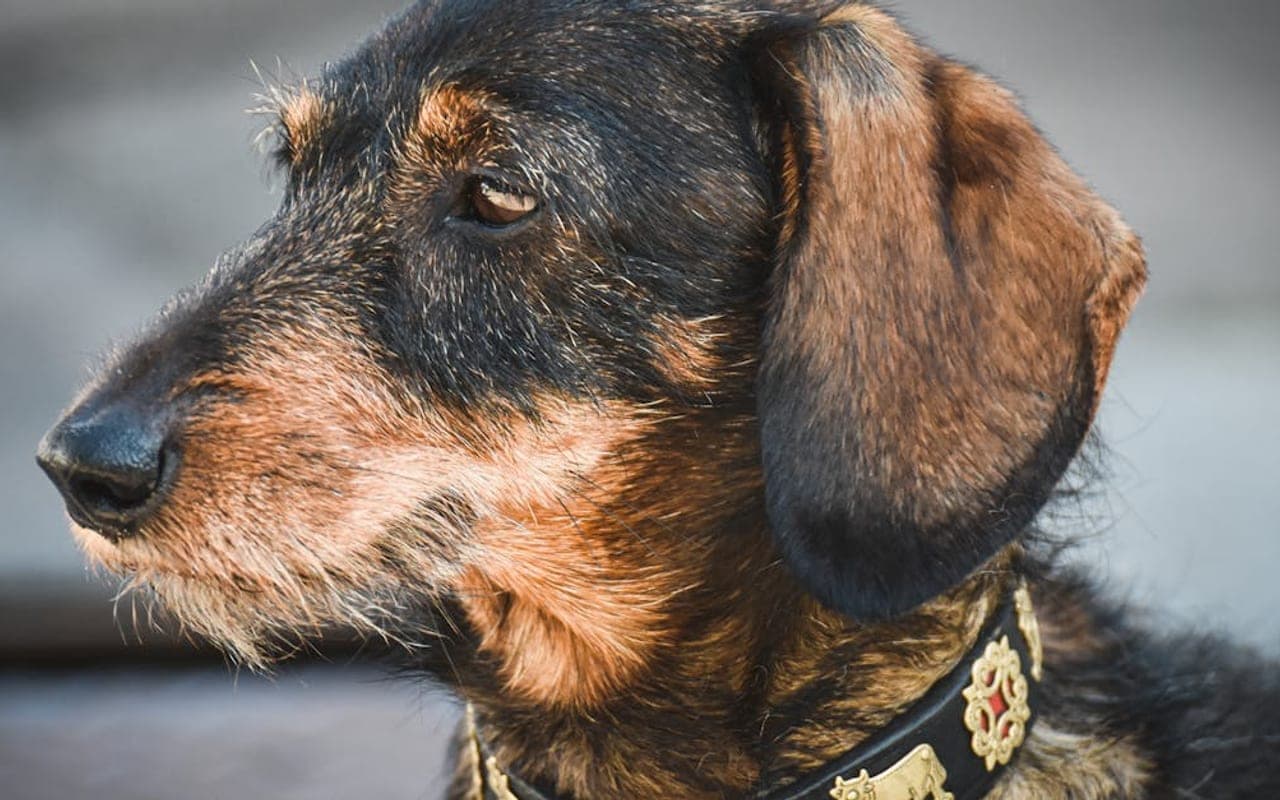
Jagdterrier
Also in the Foundation Stock Service group, with different care and temperament tradeoffs.
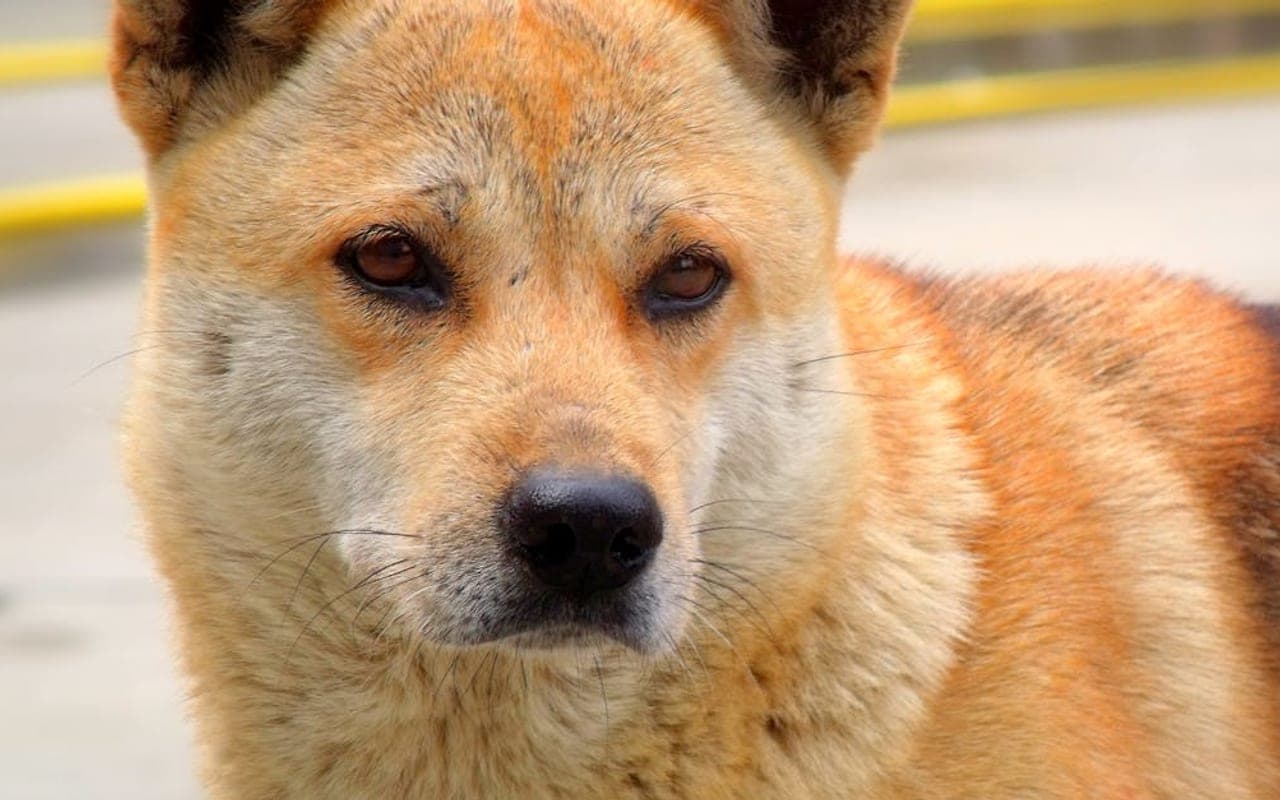
Jindo
Also in the Foundation Stock Service group, with different care and temperament tradeoffs.
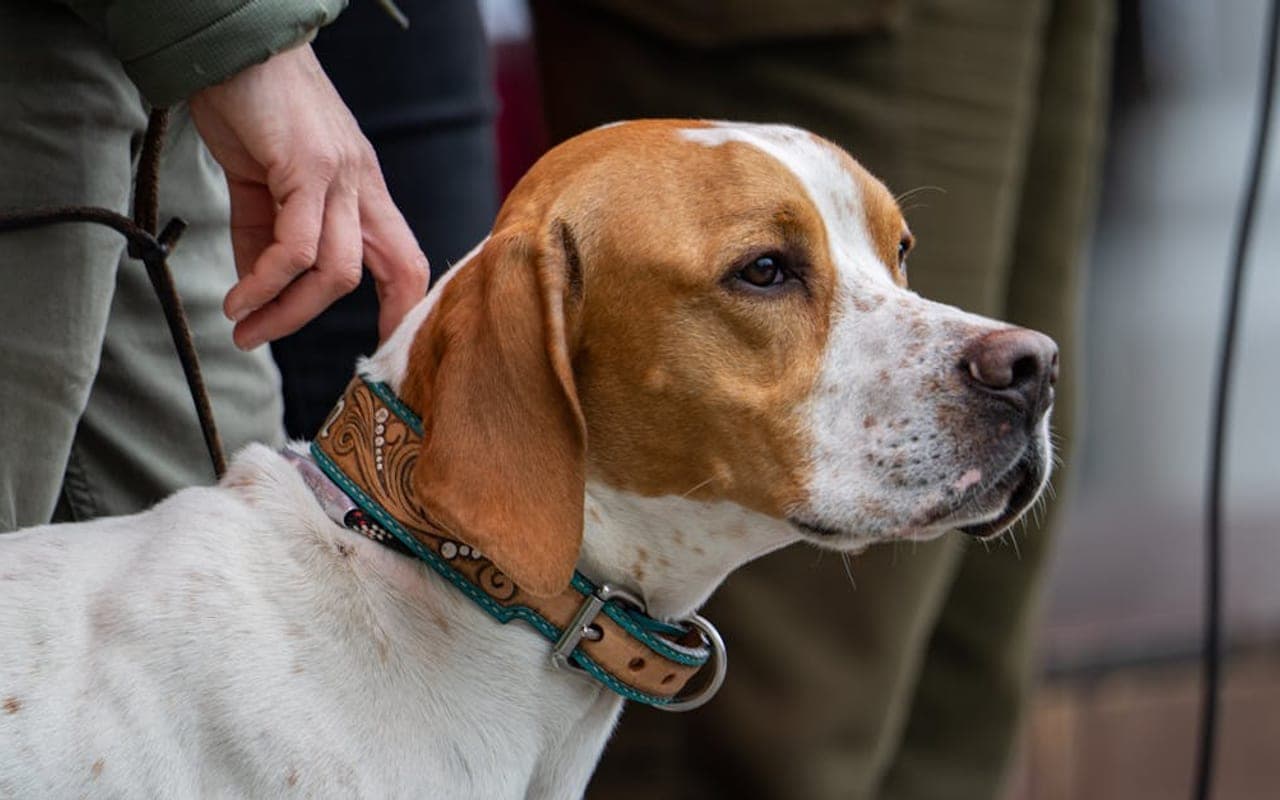
Portuguese Pointer
Also in the Foundation Stock Service group, with different care and temperament tradeoffs.
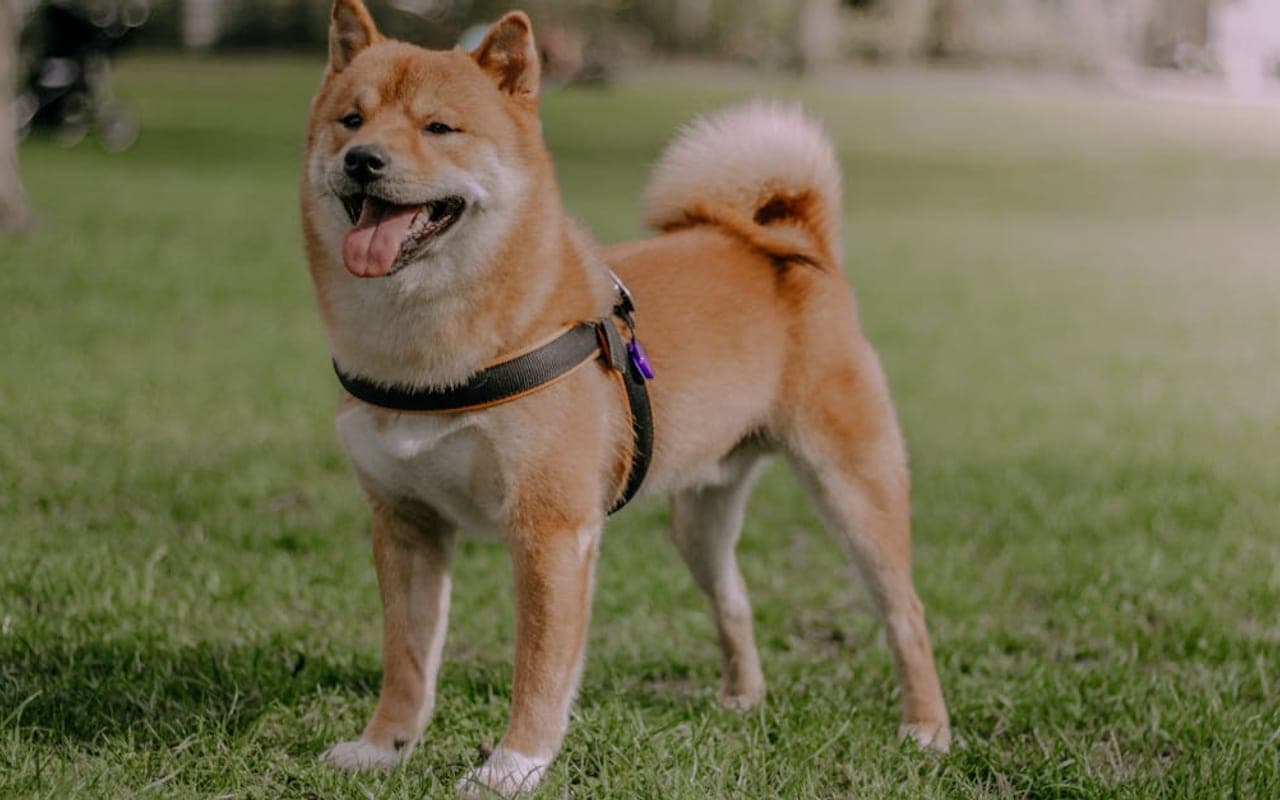
Kishu Ken
Also in the Foundation Stock Service group, with different care and temperament tradeoffs.
Explore More About Drentsche Patrijshond
Dive deeper into everything Drentsche Patrijshond — costs, care, and expert insights.
Considering a cat instead?
Browse Cats