
Foundation Stock Service group
Drever
The Drever is Sweden's short-legged deer hound — a working scenthound built long and low to push deer over rough terrain at a steady, relentless pace rather than to chase them down.
Size
31-35 lb
Lifespan
15 years
Exercise
30-60 minutes
Shedding
Moderate
Experience
Match to owner routine
Decision first
Is a Drever right for you?
Start with fit before history or trivia. These are ownership signals, not guarantees about any individual dog.
Best suited for
- Households with children.
- Homes with other compatible pets.
- Apartment homes with a consistent routine.
- Owners seeking a manageable daily exercise routine.
Think carefully if
- You need a dog with almost no daily routine.
- You cannot keep up with grooming and preventive care.
- The dog will spend most days alone without support.
Conditional fit
Apartment fit depends on exercise, enrichment, noise management, and outdoor access.
Daily reality
Drever commitment snapshot
Daily exercise
30-60 minutes
Match activity to age, health, weather, and training goals.
Coat care
Moderate
Grooming needs vary by coat, shedding, and lifestyle.
Time alone
Needs planning
Most dogs need gradual alone-time conditioning and support.
Structured facts
Drever at a glance
The measurements and traits that most affect day-to-day life with this breed.
Group
Foundation Stock Service
Weight
31-35 lb
Height
12-15 in
Lifespan
15 years
Temperament
Loyal | Even-Tempered | Determined
View all characteristics and methodology
Lifestyle fit
- Apartment suitability
- Likely fit
- Child friendliness
- Often good, with socialisation and supervision
- Other-pet fit
- Often compatible with careful introductions
Owner commitment
- Exercise
- 30-60 minutes
- Grooming
- Moderate
- Shedding
- Moderate
- Training
- Moderate
Environment and health
- Health risk
- Needs planning
Ratings combine structured breed data, visible breed fields, and editorial context. They are planning aids, not predictions for an individual dog.
Daily life
Drever temperament and behavior
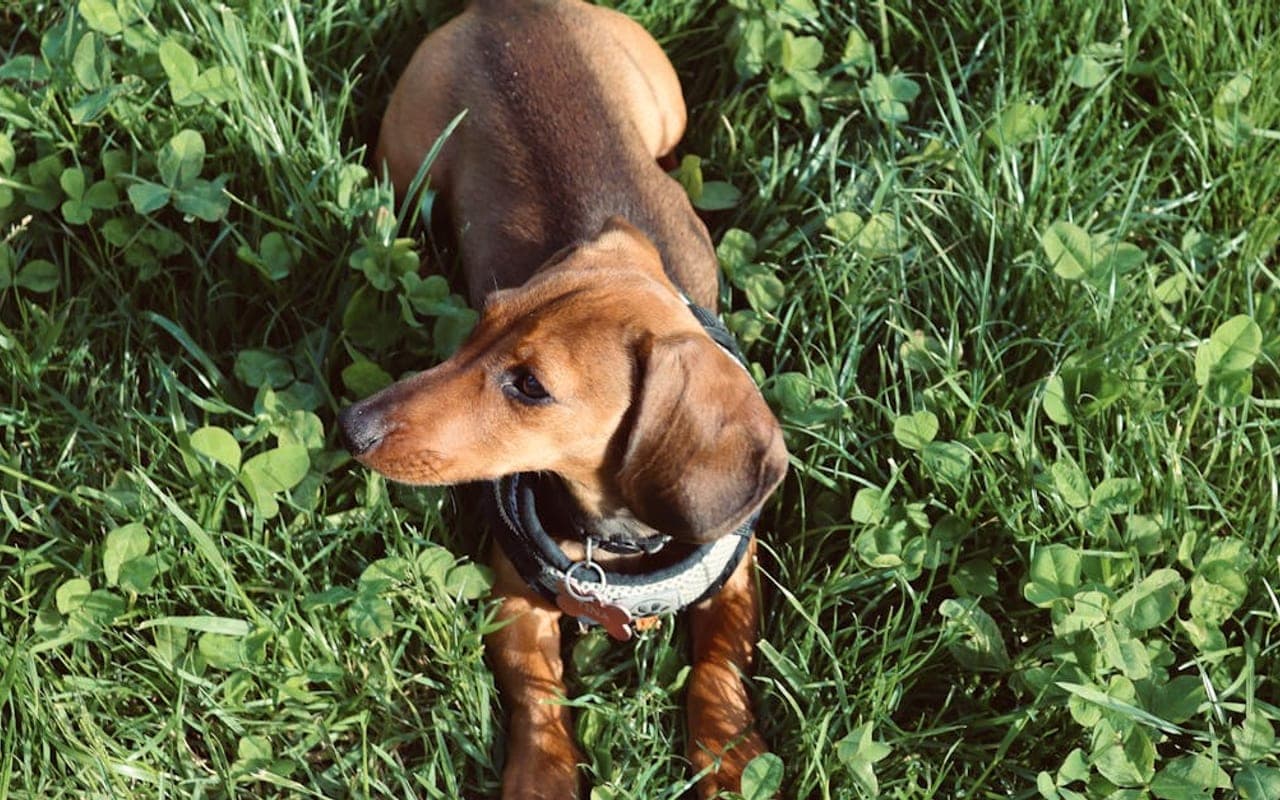
The Drever is Sweden's short-legged deer hound — a working scenthound built long and low to push deer over rough terrain at a steady, relentless pace rather than to chase them down. It is one of the most popular dogs in Sweden, roughly the everyday national favorite the way the Labrador is in the United States, but it is almost unknown elsewhere, which is the first practical thing to know: outside Scandinavia you are choosing a rare working breed with a small gene pool, not a common companion dog. Physically the Drever is a compact, muscular, dwarf-proportioned hound — about 30-38 cm at the shoulder and 14-16 kg, with a long body, short legs, and pendulous hound ears (note: any source listing this breed at 7-8 kg is wrong; the Drever is a sturdy mid-teens-kilogram dog). It is robust and strong rather than elegant or fast, with a proud carriage and the deep chest of an endurance tracker. Temperament is its strongest feature. The Drever is even-tempered, never aggressive, nervous, or shy by standard, affectionate and playful at home, and unusually sociable with other dogs and people — it works in groups and lives well in groups. The trade-off is the working-hound package: a powerful nose that overrides recall once a scent is found, real vocalization (it bays and alerts), and a need for genuine daily activity. This is a calm house dog only if it is a worked or well-exercised dog. Who the Drever is right for: an active owner who wants a friendly, sturdy, longer-lived hound, can secure a yard against a nose-driven escape artist, and tolerates baying. Who it is wrong for: someone wanting an off-leash reliable dog, a quiet apartment with thin walls, or a low-exercise lapdog despite the small size.
Loyal | Even-Tempered | Determined
Loyal
A common Drever temperament descriptor that should be interpreted alongside training, exercise, and household fit.
Even-Tempered
A common Drever temperament descriptor that should be interpreted alongside training, exercise, and household fit.
Determined
A common Drever temperament descriptor that should be interpreted alongside training, exercise, and household fit.
Owner note
Temperament labels are starting points, not guarantees. Meet the individual dog and ask about behavior history whenever possible.
Care essentials
How to care for a Drever
What looking after one actually involves: exercise, grooming, food, training, and routine health.
ExerciseAs needed
- Moderately active breed needing 30-60 minutes of daily exercise through walks, play, and mental stimulation.
GroomingAs needed
- Regular grooming needed — brush 2-3 times per week and bathe monthly.
TrainingAs needed
- Moderately trainable — consistent, patient training with positive methods works best.
NutritionAs needed
- Feed a high-quality dog food appropriate for their age, size, and activity level. Monitor portions to prevent obesity.
Veterinary CareAs needed
- Annual wellness exams, core vaccinations, dental care, and parasite prevention. Breed-specific health screenings as recommended by your vet.
Health planning
Drever health risks and screening
Every breed has individual health variation. Use this profile for planning and discuss medical decisions with a veterinarian.
Responsible ownership
Finding a Drever responsibly
What to ask a breeder or rescue is the same conversation for every breed, so we keep it in one place and keep it current.
Health documentation, meeting the parents or foster, contracts and return support, and the warning signs worth walking away from.
Original purpose
Drever history
History is useful when it explains today's behavior, coat, exercise needs, and training style.
Read the breed history
The Drever was developed in early-twentieth-century Sweden from the German Westphalian Dachsbracke — essentially a Dachsbracke adapted to Swedish terrain and game — and was officially recognized under the name Drever in 1947 after a naming competition. Swedish hunters needed a short-legged, long-bodied hound that could work dense cover and rough ground and drive deer slowly and steadily toward standing guns rather than running them off, and the Drever was bred precisely to that job. That purpose still defines the dog you bring home: the powerful nose and baying voice are job features, not flaws, and the dwarf conformation that made it effective in cover is the same conformation that creates its one real structural health risk, the long spine. Understanding the breed as a purpose-built working hound — not a small companion that happens to look like a hound — is what separates a satisfied Drever owner from a frustrated one.
Gallery
Drever photos
Images are cropped consistently and loaded progressively to keep the page responsive.
Lower-page context
Drevers in culture
Where the breed shows up in film, sport, work and folklore — the enjoyable part, once the practical questions are answered.
Fun facts
- The Drever belongs to the Foundation Stock Service.
- With proper care, Drever dogs can live up to 15 years or more.
- Drever dogs are valued for their loyal, even-tempered, determined nature.
Drever FAQs
How long do Drever dogs live?
The Drever is notably long-lived for its size, commonly reaching about 15 years, because it is a hardy working landrace bred for function rather than exaggerated looks and carries no high-incidence fatal genetic disease. The realistic threats to that lifespan are conformation-driven: an unmanaged IVDD episode, obesity, and chronic ear disease. A lean Drever with protected-spine habits and routine ear care typically lives its full span.
Are Drever dogs good with children?
Yes, generally — the breed standard explicitly calls for an even temperament that is never aggressive, nervous, or shy, and Drevers are affectionate, playful, and sociable with people and other dogs, which suits family life. Supervise young children as with any dog and teach them to respect the dog's long back (no riding, no rough lifting), since spinal protection is this breed's specific vulnerability rather than temperament.
How much exercise does a Drever need?
Moderate to substantial: roughly 45-60 minutes of real daily activity plus scent-based enrichment, reflecting its working-hound stamina. It is not a low-energy dog despite the short legs. Crucially, exercise it on-lead or in securely fenced areas — once a Drever picks up a scent its recall becomes unreliable by design, so off-lead freedom in open ground is a common and avoidable mistake with this breed.
Are Drever dogs easy to train?
Moderately. The Drever is intelligent and even-tempered and responds well to consistent, positive, reward-based training, but it is an independent scenthound with a strong nose and a tendency to bay, so recall and quiet are the genuinely hard parts. Train with patience and scent-appropriate motivation, accept that some baying is breed-normal, and manage rather than expect to eliminate the nose-following instinct.
How much does a Drever cost?
Because the breed is rare outside Scandinavia, expect to pay roughly $800-$1,500 for a well-bred Drever and likely to import or join a waitlist outside Sweden. The cost that matters more is the hidden one: an IVDD episode requiring imaging and possible spinal surgery can run $3,000-$8,000+. Buying from health-aware lines and committing to lifelong weight and spine management is far cheaper than treating the consequences of neglecting them.
Why does my Drever bark and bay so much, and can I stop it?
Because the Drever is a purpose-bred scenthound — vocalization while tracking, alerting, or excited is a working feature deliberately selected into the breed, not a behavior problem. You can reduce nuisance baying with training, enrichment, and adequate exercise that prevents boredom-driven noise, but you cannot fully train it out, and you should not expect to. If a quiet dog is a hard requirement (apartment, thin walls), the Drever is the wrong breed.
Sources
These are the published sources this page draws on. Each opens in a new tab so you can check it yourself.
American Kennel Club
Drever — breed standard and profile(opens in a new tab)Supports: Breed standard and recognition details.
Similar breeds to consider
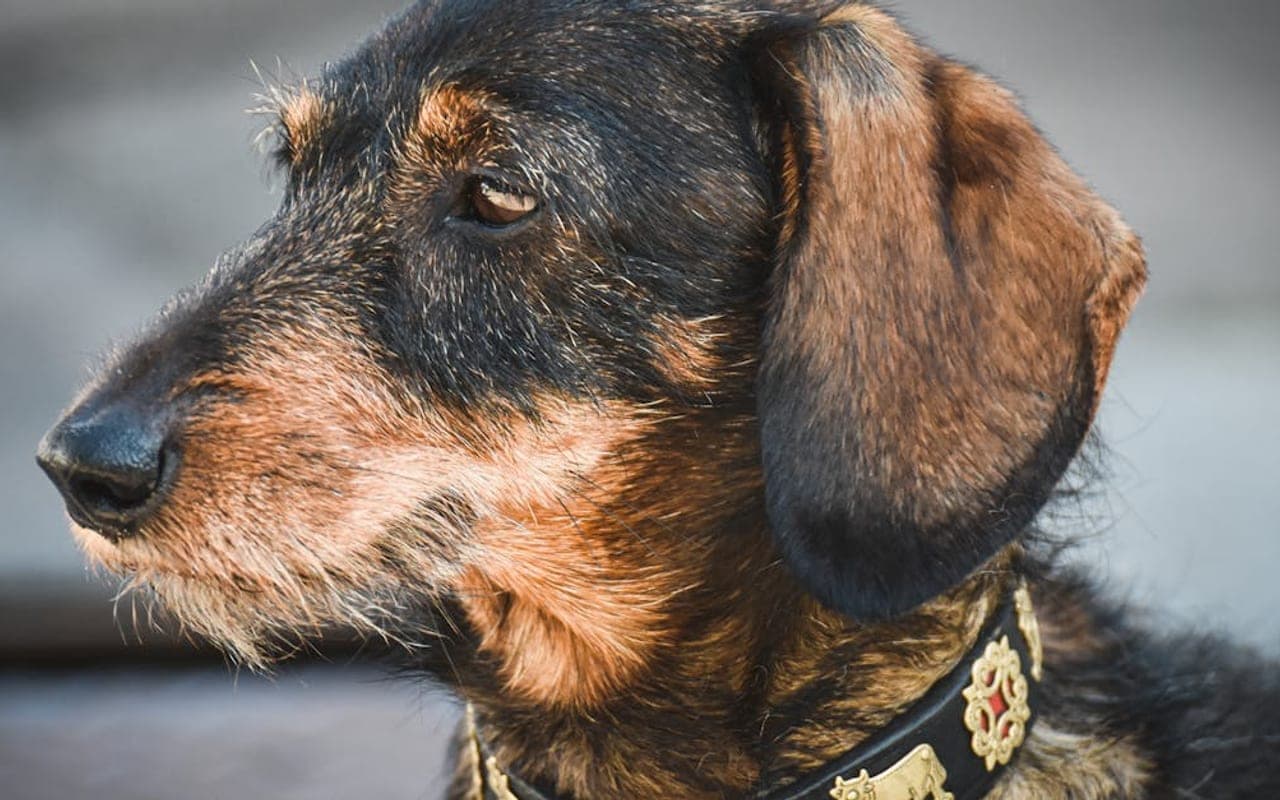
Jagdterrier
Also in the Foundation Stock Service group, with different care and temperament tradeoffs.
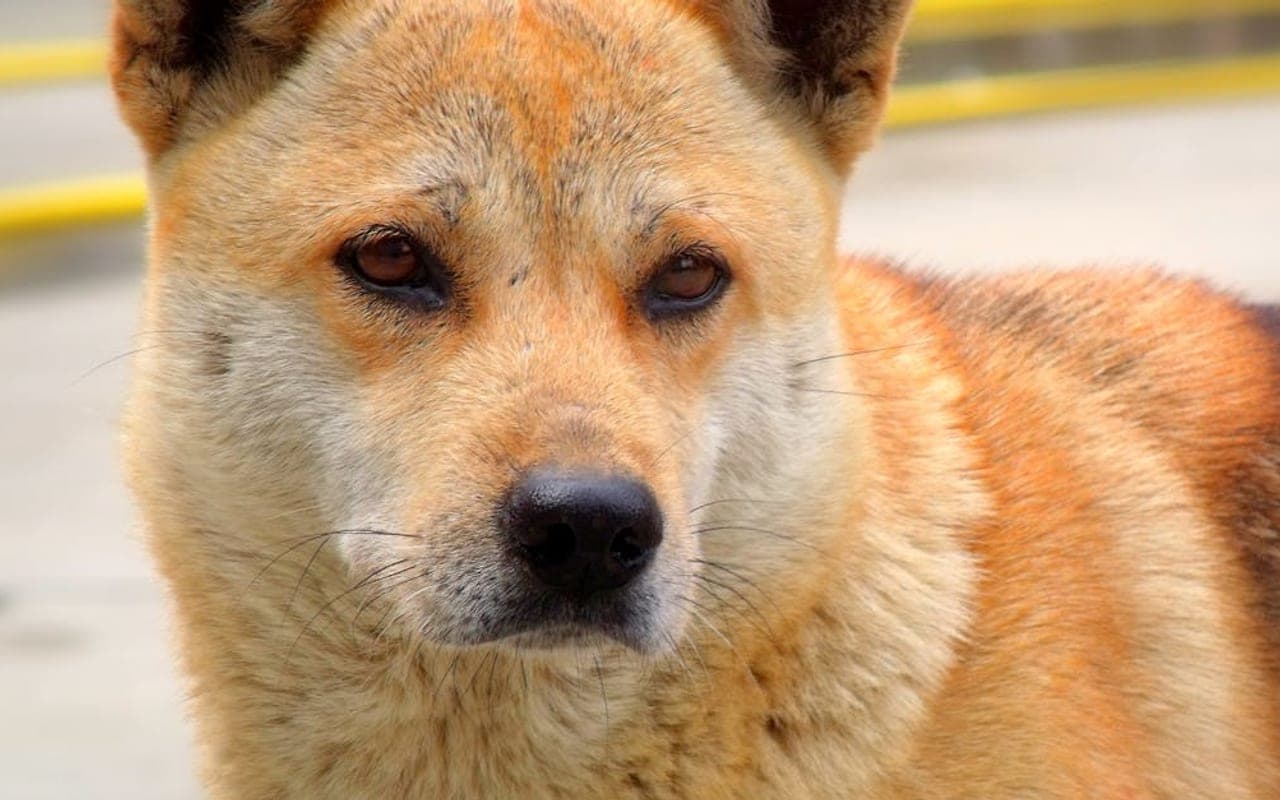
Jindo
Also in the Foundation Stock Service group, with different care and temperament tradeoffs.
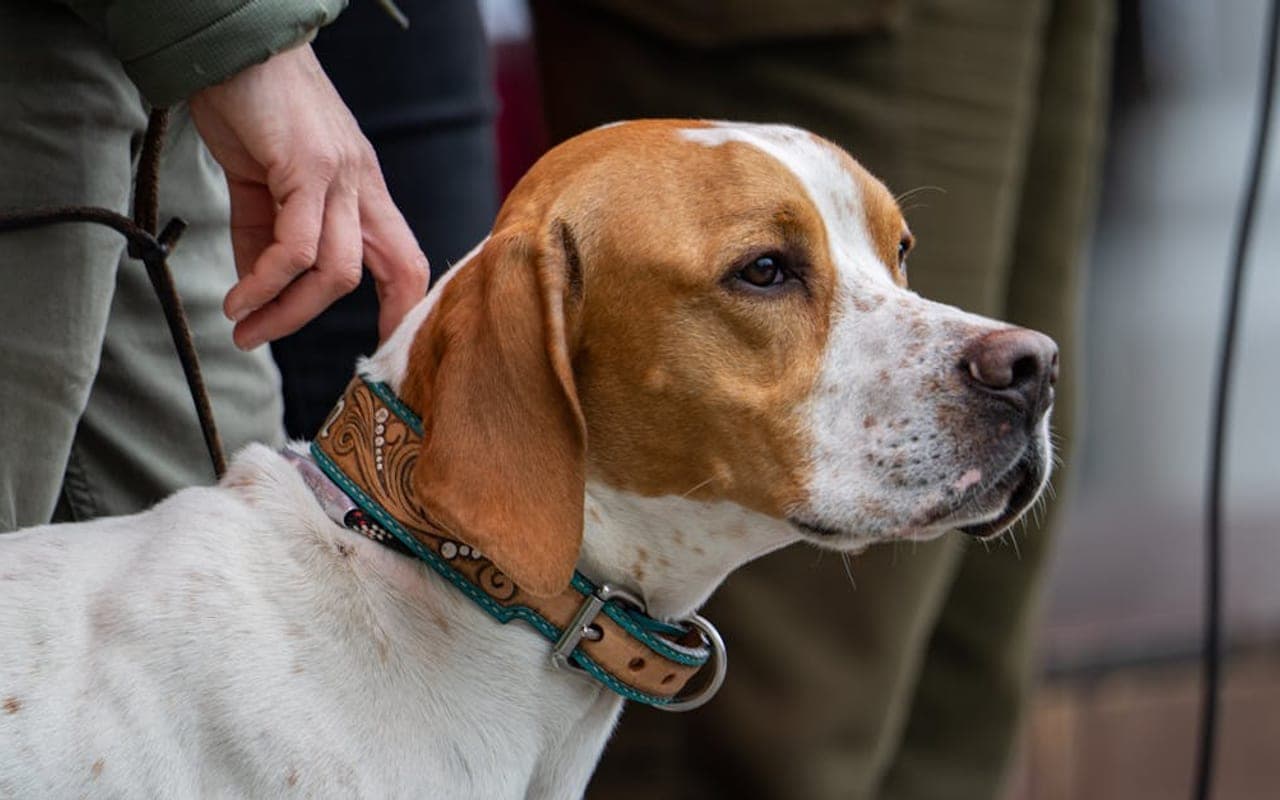
Portuguese Pointer
Also in the Foundation Stock Service group, with different care and temperament tradeoffs.
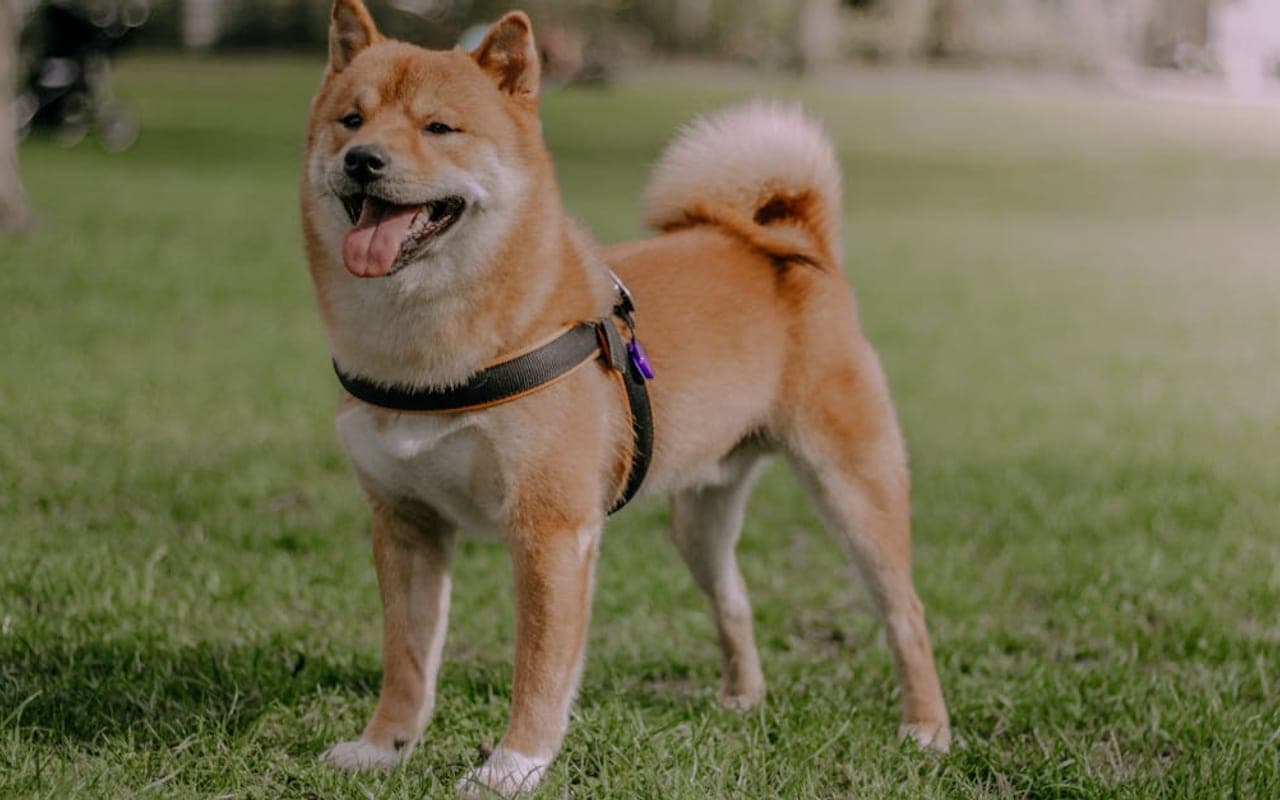
Kishu Ken
Also in the Foundation Stock Service group, with different care and temperament tradeoffs.
Explore More About Drever
Dive deeper into everything Drever — costs, care, and expert insights.
Large Dog Care Guide: Everything Over 50 lbs
Owning a large or giant breed dog means accepting one of biology's...
Puppy Teething & Biting: Timeline and What Actually Works
A puppy has all 28 deciduous ("baby") teeth by roughly eight weeks of age, and...
Considering a cat instead?
Browse Cats