
Sporting group
English Springer Spaniel
The English Springer Spaniel is one of the most versatile gundogs ever bred — a 18-23 kg medium spaniel that flushes and retrieves game all day, then comes home as an affectionate, people-fixated family dog.
Size
40-50 lb
Lifespan
12-14 years
Exercise
60-90 minutes
Shedding
High
Experience
Match to owner routine
Decision first
Is a English Springer Spaniel right for you?
Start with fit before history or trivia. These are ownership signals, not guarantees about any individual dog.
Best suited for
- Households with children.
- Homes with other compatible pets.
- Active owners who enjoy daily outdoor exercise.
Think carefully if
- You cannot provide substantial daily exercise.
- You want a very low-shedding home.
- The dog will spend most days alone without support.
Conditional fit
Apartment living may be difficult unless the owner can meet the breed's exercise, training, and space needs.
Daily reality
English Springer Spaniel commitment snapshot
Daily exercise
60-90 minutes
Match activity to age, health, weather, and training goals.
Coat care
High
Grooming needs vary by coat, shedding, and lifestyle.
Time alone
Needs planning
Most dogs need gradual alone-time conditioning and support.
Structured facts
English Springer Spaniel at a glance
The measurements and traits that most affect day-to-day life with this breed.
Origin
England
Group
Sporting
Weight
40-50 lb
Height
19-20 in
Lifespan
12-14 years
Temperament
Friendly | Playful | Obedient | Intelligent | Energetic | Attentive
View all characteristics and methodology
Lifestyle fit
- Apartment suitability
- Needs caution
- Child friendliness
- Often good, with socialisation and supervision
- Other-pet fit
- Often compatible with careful introductions
- Adaptability
- High
Owner commitment
- Exercise
- 60-90 minutes
- Grooming
- High
- Shedding
- High
- Training
- Very high
Environment and health
- Health risk
- Needs planning
Ratings combine structured breed data, visible breed fields, and editorial context. They are planning aids, not predictions for an individual dog.
Daily life
English Springer Spaniel temperament and behavior
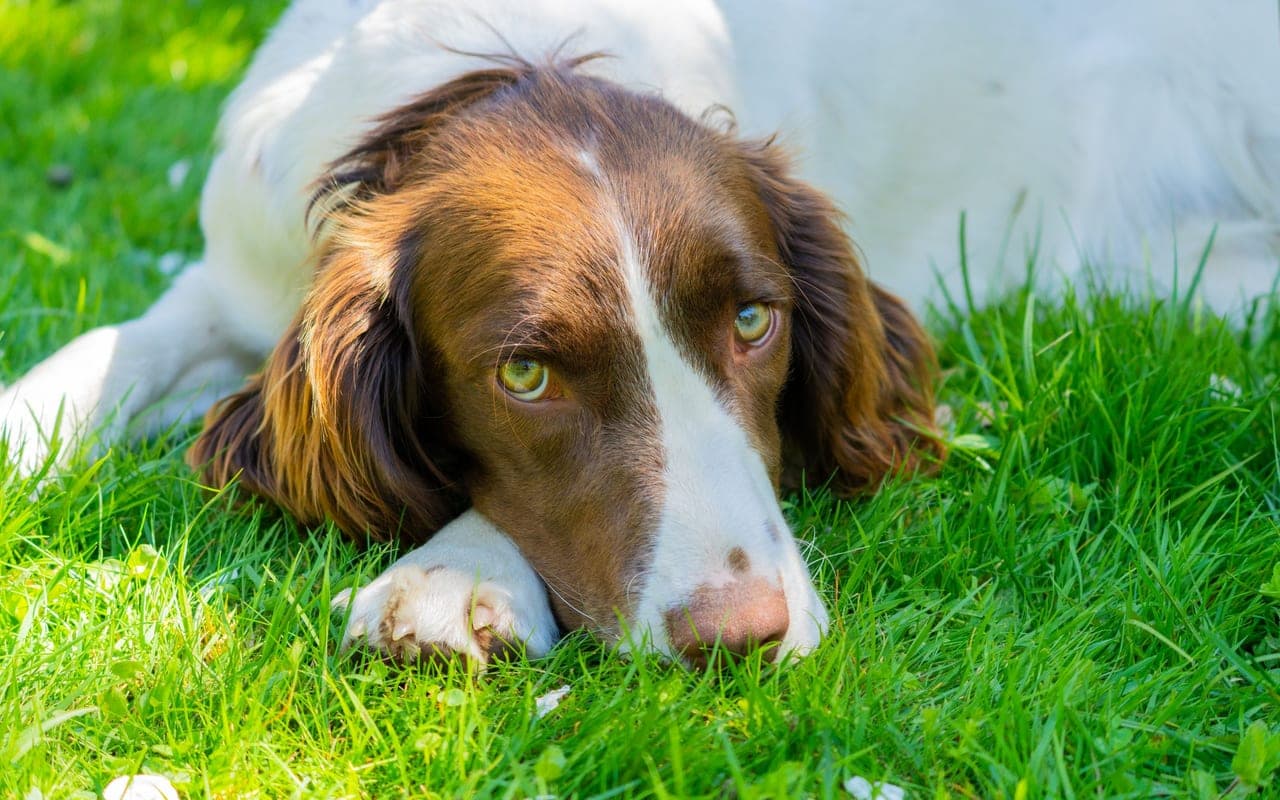
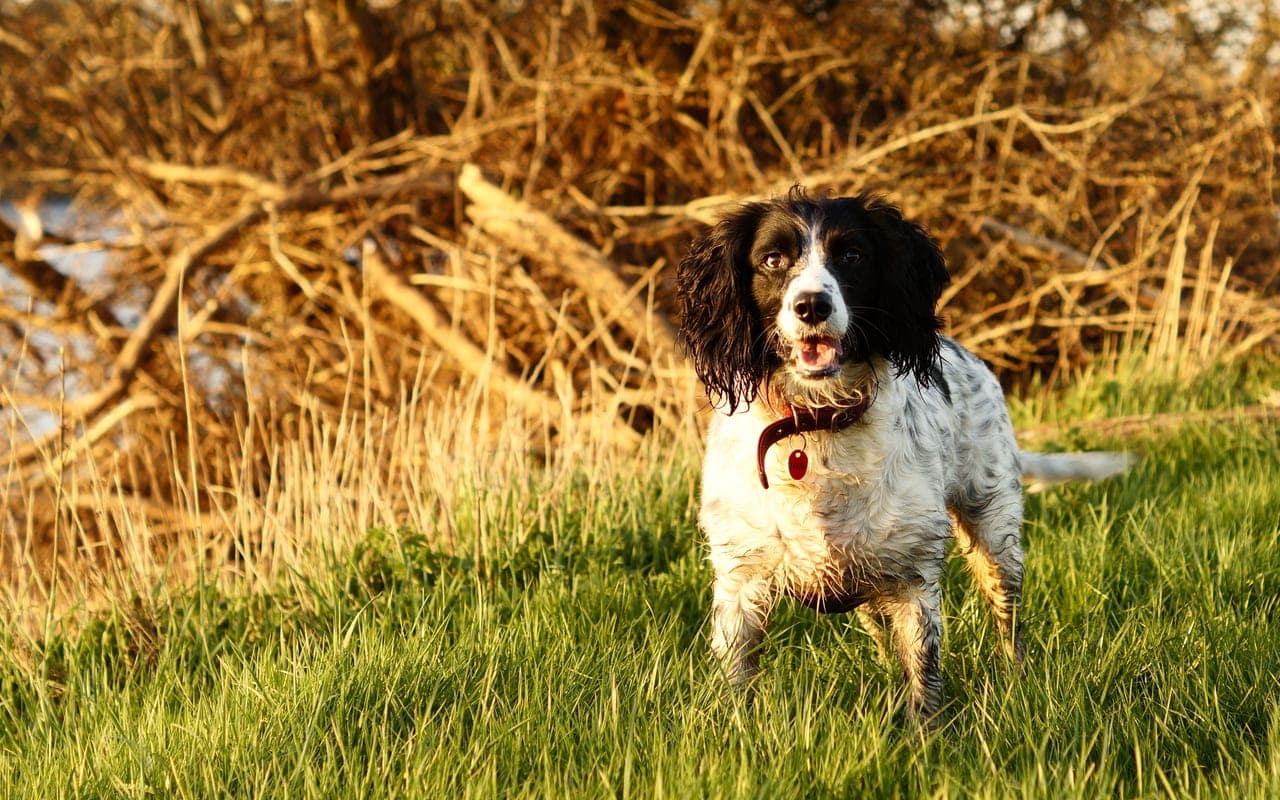
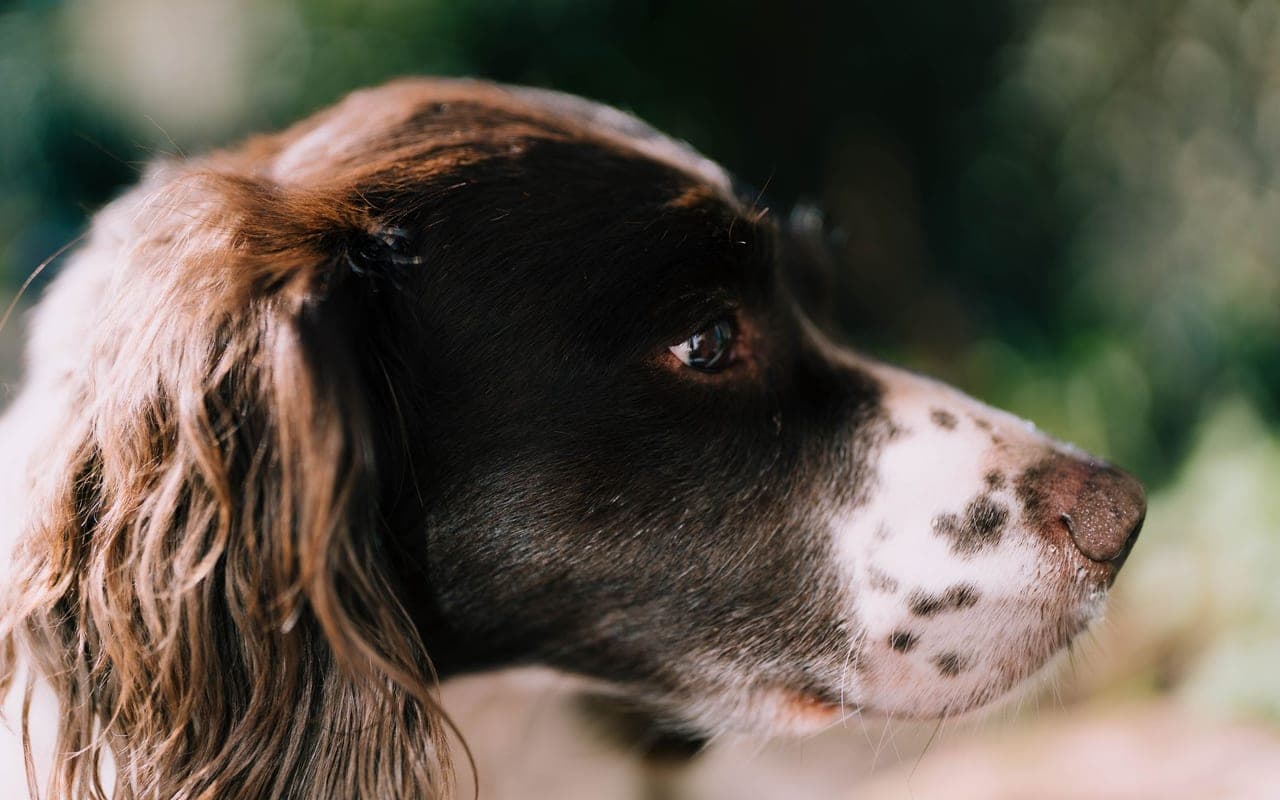
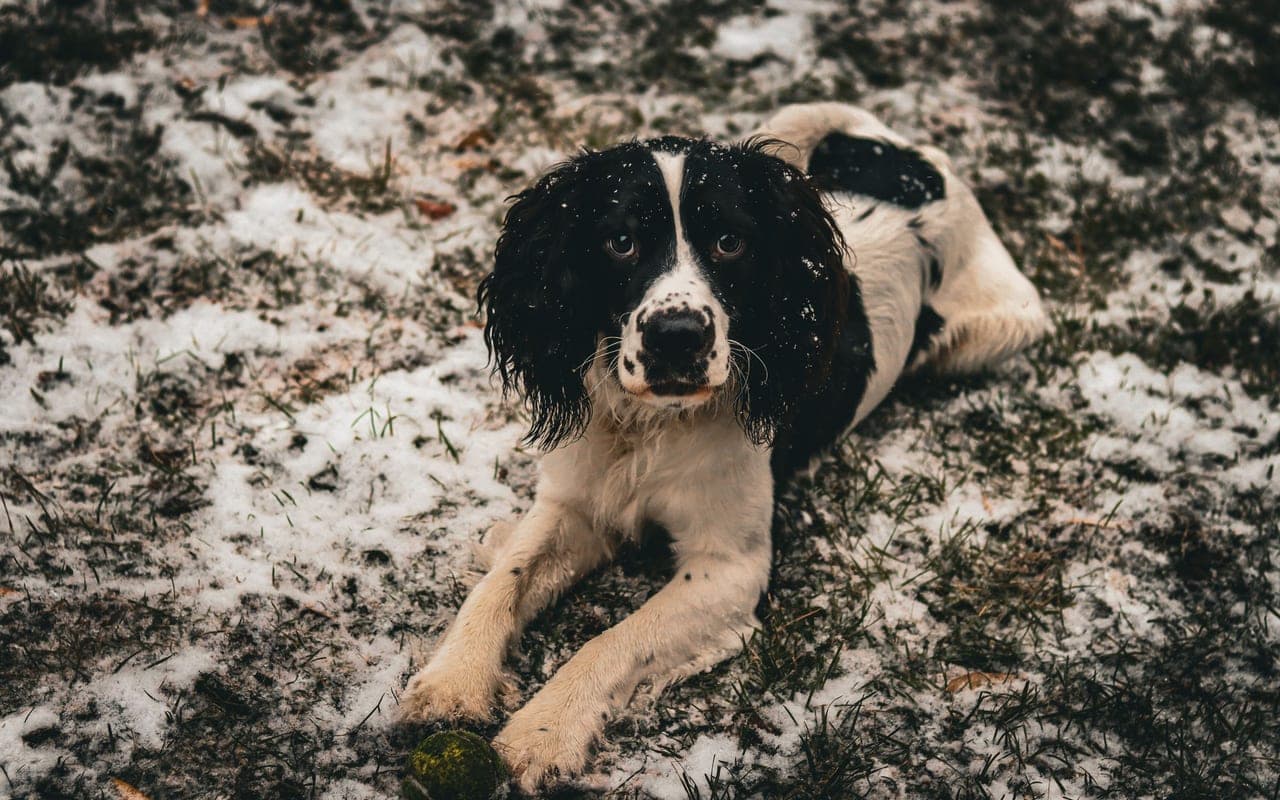
The English Springer Spaniel is one of the most versatile gundogs ever bred — a 18-23 kg medium spaniel that flushes and retrieves game all day, then comes home as an affectionate, people-fixated family dog. The first thing to understand before buying one is that there are effectively two breeds wearing the same name. Field-line Springers are bred for hunting drive: lighter, higher-energy, intense, and frankly too much dog for a sedentary home. Show-line (bench) Springers are calmer and heavier-coated. Neither is a low-energy dog; both need a real job and real exercise. Buying a field-bred Springer for a quiet apartment is a classic mismatch that ends in a frustrated, destructive dog. Physically the Springer stands 48-51 cm at the shoulder, with a medium double coat, long feathered ears, and a soft, expressive face. The coat needs genuine maintenance — feathering on the ears, chest, legs and belly mats if neglected. Lifespan is 12-14 years. Temperament at its best is sweet, eager, biddable, and exceptionally bonded to its family — Springers are 'Velcro dogs' that follow you room to room and do not cope well with being left alone for long days. The single most important honesty in any Springer profile is line-specific temperament risk: some show-bench lines historically carried what owners called 'rage syndrome' (sudden-onset idiopathic aggression / episodic dyscontrol), an alarming condition where an otherwise gentle dog explodes without warning and has no memory of it. It is uncommon and line-dependent, but real, and it is the reason you research the breeder's specific lines, not just the breed. This breed is right for an active household — runners, hikers, hunters, dog-sport owners — who want an affectionate, trainable companion and will not leave it alone all day. It is wrong for low-activity homes, owners who want a hands-off independent dog, or anyone unwilling to research line health and temperament before they buy.
Friendly | Playful | Obedient | Intelligent | Energetic | Attentive
Friendly
A common English Springer Spaniel temperament descriptor that should be interpreted alongside training, exercise, and household fit.
Playful
A common English Springer Spaniel temperament descriptor that should be interpreted alongside training, exercise, and household fit.
Obedient
A common English Springer Spaniel temperament descriptor that should be interpreted alongside training, exercise, and household fit.
Intelligent
A common English Springer Spaniel temperament descriptor that should be interpreted alongside training, exercise, and household fit.
Owner note
Temperament labels are starting points, not guarantees. Meet the individual dog and ask about behavior history whenever possible.
Care essentials
How to care for a English Springer Spaniel
What looking after one actually involves: exercise, grooming, food, training, and routine health.
HealthAs needed
- English Springer Spaniels generally enjoy good health with a lifespan of 12-14 years, but they're predisposed to several conditions that potential owners should be aware of. Hip and elbow dysplasia affect some Springers, potentially leading to arthritis and mobility issues as they age. Progressive retinal atrophy (PRA) and other eye issues including cataracts and retinal dysplasia can appear in the breed. Ear infections occur frequently due to their drop ears and hair-covered ear canals, requiring regular cleaning and monitoring. Some lines are prone to skin problems including allergies and seborrhea, which may require specialized care. Phosphofructokinase deficiency (PFK), a metabolic disorder, appears in some Springer lines, though genetic testing has significantly reduced its incidence. Rage syndrome, a rare neurological condition characterized by sudden aggressive episodes, has been identified in some lines, particularly show-bred dogs with specific bloodlines. Autoimmune diseases including immune-mediated hemolytic anemia (IMHA) appear at slightly higher rates than in the general dog population. Certain cancers, particularly hemangiosarcoma and liver cancer, affect the breed at higher-than-average rates. Responsible breeders conduct health testing for hips, eyes, and breed-specific genetic conditions before breeding. Regular veterinary care, dental maintenance, appropriate weight management, and sufficient exercise are crucial for maximizing a Springer Spaniel's health and longevity. Despite these health concerns, with proper care, many English Springer Spaniels live active, healthy lives well into their senior years.
ExerciseAs needed
- English Springer Spaniels require substantial daily exercise—typically 1-2 hours—to maintain physical and mental wellbeing. As a sporting breed developed for endurance in the field, they have significant energy that needs appropriate outlets. Their exercise regimen should be varied, including daily walks, active play sessions, and opportunities to run in secure areas. Springers particularly enjoy activities that engage their natural retrieving and hunting instincts, such as fetch games or swimming. Mental stimulation through training exercises and puzzle toys is equally important as physical exercise for this intelligent breed. They excel at and enjoy canine sports including agility, obedience, flyball, tracking, and field trials, which provide excellent physical and mental challenges. Springer puppies have high energy levels but should have their high-impact exercise limited until growth plates close to protect developing joints. Without adequate exercise, Springer Spaniels commonly develop problematic behaviors stemming from boredom and excess energy, including destructive chewing, excessive barking, and hyperactivity. Most Springers maintain high activity levels throughout adulthood, with only slight reduction in senior years. A well-exercised Springer Spaniel is typically calm and well-behaved in the home environment, while an under-exercised one may be nervous, hyperactive, or destructive.
GroomingAs needed
- English Springer Spaniels have moderate to high grooming needs due to their medium-length double coat that requires regular maintenance. Their coat should be brushed 2-3 times weekly to prevent mats and tangles, with special attention to the feathering on legs, chest, belly, and ears, which is prone to matting. Professional grooming every 8-12 weeks helps maintain coat condition and typically includes trimming of the feet, ears, tail area, and excess feathering. Their pendulous ears need weekly cleaning with a veterinarian-approved solution to prevent infections, as the limited airflow makes them susceptible to bacterial and yeast overgrowth. Regular bathing every 4-6 weeks keeps their coat clean and odor-free, though working Springers may need more frequent baths. Nails should be trimmed every 3-4 weeks, and teeth should be brushed several times weekly for optimal dental health. Springer Spaniels shed moderately year-round with heavier seasonal shedding in spring and fall, requiring increased brushing during these periods. The hair between footpads should be trimmed regularly to prevent matting and provide better traction on slippery surfaces. Show dogs require more extensive grooming, but pet Springers can be kept in a shorter, more practical trim. Their eyes sometimes accumulate discharge that should be gently wiped away with a damp cloth to prevent staining. Maintaining a clean, well-groomed coat contributes significantly to skin health in this breed.
TrainingAs needed
- English Springer Spaniels are highly trainable dogs that respond exceptionally well to positive reinforcement methods. Training should begin early, with puppies capable of learning basic commands and socialization from 8 weeks of age. Their eager-to-please attitude, intelligence, and desire to work with their humans make them relatively easy to train compared to many breeds. Springers excel with reward-based training using praise, treats, and play, while harsh corrections can damage their sensitive nature and training relationship. Consistency is crucial, as they quickly learn which rules are firmly enforced and which can be ignored. Basic obedience training should be mastered before progressing to advanced skills or specialized activities like therapy work, hunting, or competitive obedience. Their natural retrieving instincts make fetch games ideal training opportunities, and their love of water means swimming can be incorporated into training exercises. Socialization should continue throughout their first year, exposing them to various people, animals, environments, and situations to develop a well-adjusted adult dog. House training typically progresses smoothly with consistent scheduling and positive reinforcement. Mental stimulation through training exercises helps prevent boredom and associated destructive behaviors. Springer Spaniels commonly maintain puppy-like enthusiasm well into adulthood, sometimes until 2-3 years of age, requiring patient reinforcement of training during adolescence. Crate training benefits this breed, providing them with a secure space and preventing destructive behaviors when unsupervised.
NutritionAs needed
- English Springer Spaniels require high-quality nutrition appropriate to their age, size, and activity level. Adult Springers typically need 2-3 cups of premium dry food daily, divided into two meals, though exact amounts vary based on the dog's metabolism, activity level, and the food's caloric density. As a medium-sized sporting breed, they benefit from formulations with balanced protein (at least 25%) and moderate fat content (approximately 15%) to support muscle maintenance and energy needs. Working Springers need more calories and may benefit from performance-formulated foods during hunting season or periods of intense activity. Omega-3 and omega-6 fatty acids support coat health and may help reduce shedding and skin issues. Puppies should be fed a diet specifically formulated for medium-sized puppies to support proper growth rates. Senior Springers often require lower-calorie formulations to prevent weight gain as their metabolism and activity levels decrease. Weight management is important, as obesity can exacerbate joint problems common in the breed. Fresh, clean water should always be available. Some Springers have food allergies or sensitivities that may require specialized diets. Treats should comprise no more than 10% of daily caloric intake, with healthy options like vegetables and lean proteins preferred over commercial treats high in additives. Complex carbohydrates provide sustained energy for this active breed, while simple sugars should be limited.
Health planning
English Springer Spaniel health risks and screening
Every breed has individual health variation. Use this profile for planning and discuss medical decisions with a veterinarian.
Ownership cost
How much does a English Springer Spaniel cost?
Cost figures are structured so first-year and lifetime estimates do not conflict with the underlying line items.
| Acquisition | $800-$2,500 |
|---|---|
| Routine monthly | About $110/month |
| Routine annual | About $1,320/year |
| First-year estimate | $2,120-$3,820 |
| Lifetime routine estimate | $15,840-$18,480 routine costs |
Currency: USD. Region: United States. Typical ranges for this breed. Equipment, insurance, emergency veterinary care, boarding and training are NOT included: we hold no sourced figures for them, and estimating them would be a guess presented as data.
Responsible ownership
Finding a English Springer Spaniel responsibly
What to ask a breeder or rescue is the same conversation for every breed, so we keep it in one place and keep it current.
Health documentation, meeting the parents or foster, contracts and return support, and the warning signs worth walking away from.
Original purpose
English Springer Spaniel history
History is useful when it explains today's behavior, coat, exercise needs, and training style.
Read the breed history
The English Springer Spaniel descends from the old land spaniels of England, used for centuries to find and 'spring' game birds into the air or into nets before the era of the shotgun. For much of its history the Springer and the Cocker Spaniel were the same stock, separated only by size within a single litter — the larger pups worked as Springers, the smaller as Cockers. The Kennel Club (UK) recognized the English Springer Spaniel as a distinct breed in 1902, and the American Kennel Club in 1910. Through the 20th century the breed split functionally into two populations: field-trial lines selected purely for hunting drive and stamina, and show-bench lines selected for conformation and a heavier, more profuse coat. That divergence is now wide enough that the two types differ markedly in energy and temperament — which is why responsible buyers choose a line to match their lifestyle, not just 'a Springer'.
Gallery
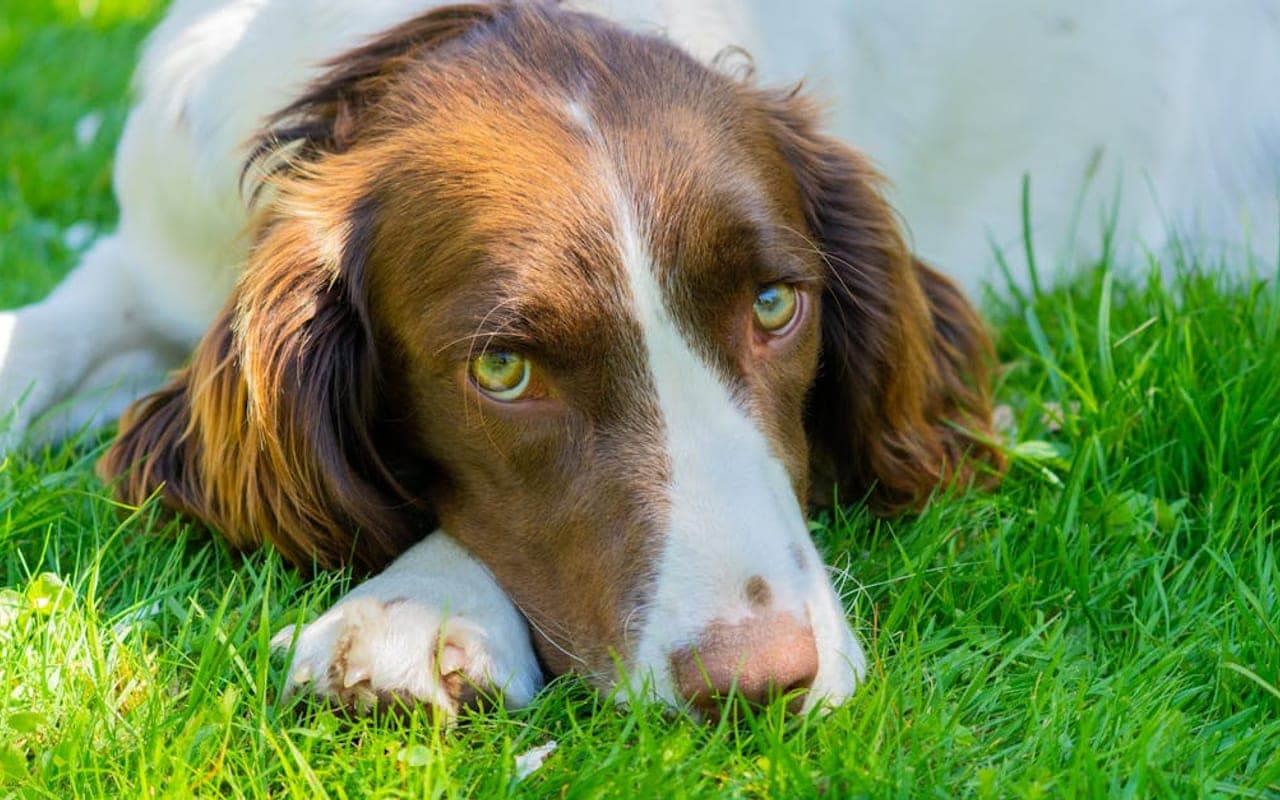
English Springer Spaniel photos
Images are cropped consistently and loaded progressively to keep the page responsive.
Lower-page context
English Springer Spaniels in culture
Where the breed shows up in film, sport, work and folklore — the enjoyable part, once the practical questions are answered.
Movies and TV
- Far from the Madding Crowd (2015)
Film adaptation of Thomas Hardy's novel featuring an English Springer Spaniel as a shepherd's dog.
- Millie's Book (1990)
Book 'written' by Millie, President George H.W. Bush's Springer Spaniel, about life in the White House.
Fun facts
- The term 'springer' comes from their hunting style—they 'spring' (flush) game birds from cover.
- Prince William and Kate Middleton owned an English Springer Spaniel named Lupo, who was often featured in royal family photos.
- They're the only spaniel breed that commonly has a natural bobtail, though most have docked tails in countries where docking is still permitted.
- English Springer Spaniels have exceptional noses and are frequently used as detection dogs for explosives and narcotics.
- There are significant differences between show-bred and field-bred Springer Spaniels in appearance and temperament, though they remain a single breed.
English Springer Spaniel FAQs
What is the difference between field-line and show-line English Springer Spaniels?
Field-line (working) Springers are bred for hunting: lighter built, very high energy, intense drive, and often too much dog for a sedentary home. Show-line (bench) Springers are calmer, heavier-coated and built for conformation. Both still need real daily exercise — neither is low-energy — but the gap is wide enough that you should choose the line to match your lifestyle. Buying a field-bred dog for a quiet flat is a common, avoidable mismatch.
What is 'rage syndrome' in Springer Spaniels and how worried should I be?
Sudden-onset aggression, sometimes called rage syndrome, is an uncommon but real condition seen in certain show-bench Springer lines: a normally gentle dog explodes into unprovoked aggression, often with a glazed stare and no apparent memory afterward. It is line-dependent, not breed-wide. The practical takeaway is not to avoid the breed but to research the breeder's specific lines and temperament history, and walk away from any breeder who is evasive about it.
Why do Springer Spaniels get so many ear infections?
The long, heavy, hair-covered ear flaps lie flat against the canal, trapping warmth and moisture — ideal conditions for bacterial and yeast infection. This makes chronic otitis one of the most predictable recurring vet costs of the breed. You can dramatically reduce it by checking and gently drying inside the ear weekly, and always after swimming or wet fieldwork. Persistent head-shaking, odor or discharge means a vet visit, not just more cleaning.
How much exercise and grooming does an English Springer Spaniel need?
Plan on 60-90 minutes of real exercise daily (field lines toward the top end) plus mental work like retrieving games or scentwork, for the full 12-14 year lifespan. Grooming is significant: brush the feathered coat 2-3 times weekly and trim or strip every 6-10 weeks, either learning it yourself or budgeting roughly $60-90 per professional groom. Neglected, the coat mats badly around the ears and legs.
Are English Springer Spaniels good with children and as family dogs?
Yes, well-bred Springers from sound lines are typically affectionate, gentle and excellent with children — they are deeply people-bonded 'Velcro dogs'. The two caveats are real: they do not tolerate being left alone all day and can develop separation anxiety, and you must research the breeder's lines for any history of sudden-onset aggression. A correctly sourced, well-exercised Springer is one of the warmer family companions in the sporting group.
Sources
These are the published sources this page draws on. Each opens in a new tab so you can check it yourself.
American Kennel Club
English Springer Spaniel — breed standard and profile(opens in a new tab)Supports: Breed standard and recognition details.
Similar breeds to consider

Golden Retriever
Also in the Sporting group, with different care and temperament tradeoffs.
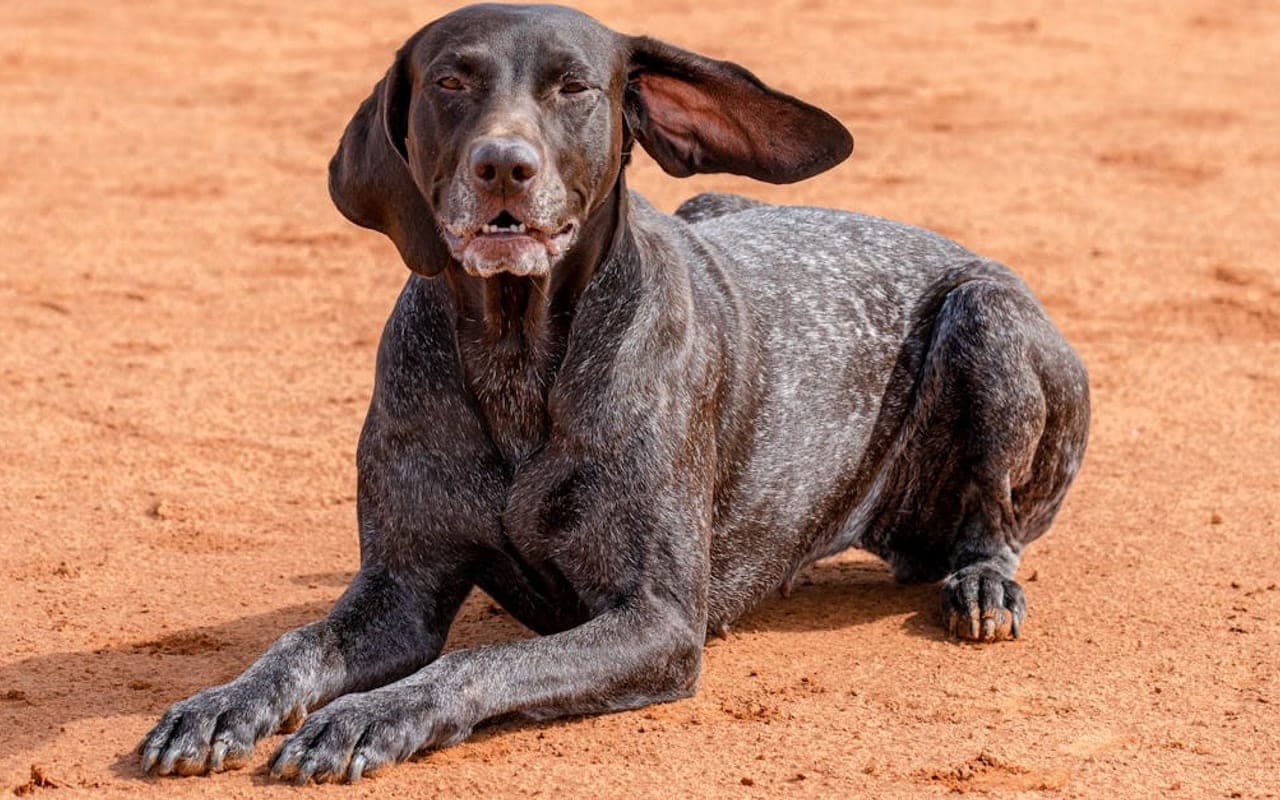
German Shorthaired Pointer
Also in the Sporting group, with different care and temperament tradeoffs.

Labrador Retriever
Also in the Sporting group, with different care and temperament tradeoffs.

Vizsla
Also in the Sporting group, with different care and temperament tradeoffs.
Explore More About English Springer Spaniel
Dive deeper into everything English Springer Spaniel — costs, care, and expert insights.
How Much Does a English Springer Spaniel Cost?
Purchase price, monthly costs, and lifetime expenses
Large Dog Care Guide: Everything Over 50 lbs
Owning a large or giant breed dog means accepting one of biology's...
Puppy Teething & Biting: Timeline and What Actually Works
A puppy has all 28 deciduous ("baby") teeth by roughly eight weeks of age, and...
Considering a cat instead?
Browse Cats