
Toy group
English Toy Spaniel
The English Toy Spaniel — abbreviated ETS and not to be confused with its longer-nosed cousin the Cavalier King Charles Spaniel — is a small, square, snub-nosed companion of about 8-14 pounds (roughly 3.

Size
8-14 lb
Lifespan
10-12 years
Exercise
30-60 minutes
Shedding
Moderate
Experience
Match to owner routine
Decision first
Is a English Toy Spaniel right for you?
Start with fit before history or trivia. These are ownership signals, not guarantees about any individual dog.
Best suited for
- Households with children.
- Homes with other compatible pets.
- Apartment homes with a consistent routine.
- Owners seeking a manageable daily exercise routine.
Think carefully if
- You need a dog with almost no daily routine.
- You cannot keep up with grooming and preventive care.
- The dog will spend most days alone without support.
Conditional fit
Apartment fit depends on exercise, enrichment, noise management, and outdoor access.
Daily reality
English Toy Spaniel commitment snapshot
Daily exercise
30-60 minutes
Match activity to age, health, weather, and training goals.
Coat care
Moderate
Grooming needs vary by coat, shedding, and lifestyle.
Time alone
Needs planning
Most dogs need gradual alone-time conditioning and support.
Structured facts
English Toy Spaniel at a glance
The measurements and traits that most affect day-to-day life with this breed.
Group
Toy
Weight
8-14 lb
Height
9-11 in
Lifespan
10-12 years
Temperament
Gentle | Playful | Intelligent
View all characteristics and methodology
Lifestyle fit
- Apartment suitability
- Likely fit
- Child friendliness
- Often good, with socialisation and supervision
- Other-pet fit
- Often compatible with careful introductions
Owner commitment
- Exercise
- 30-60 minutes
- Grooming
- Moderate
- Shedding
- Moderate
- Training
- Moderate
Environment and health
- Health risk
- Needs planning
Ratings combine structured breed data, visible breed fields, and editorial context. They are planning aids, not predictions for an individual dog.
Daily life
English Toy Spaniel temperament and behavior
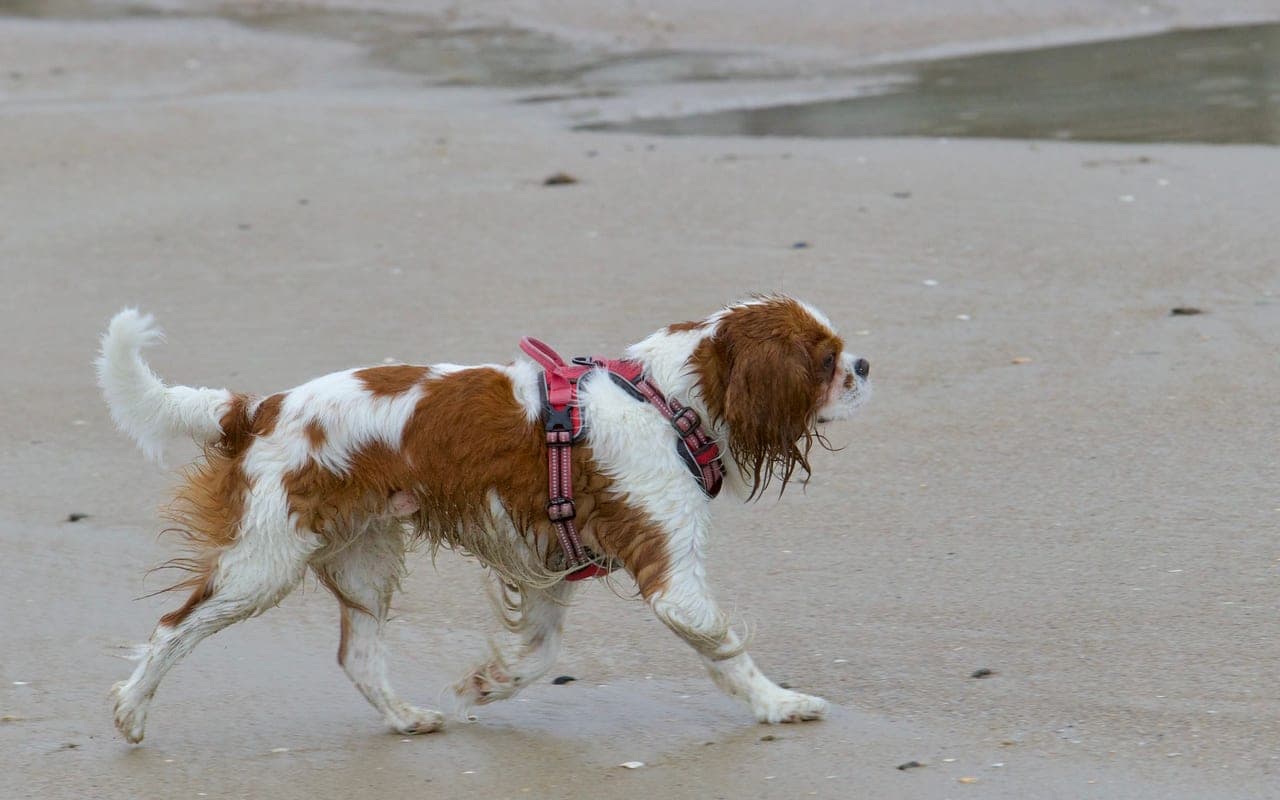
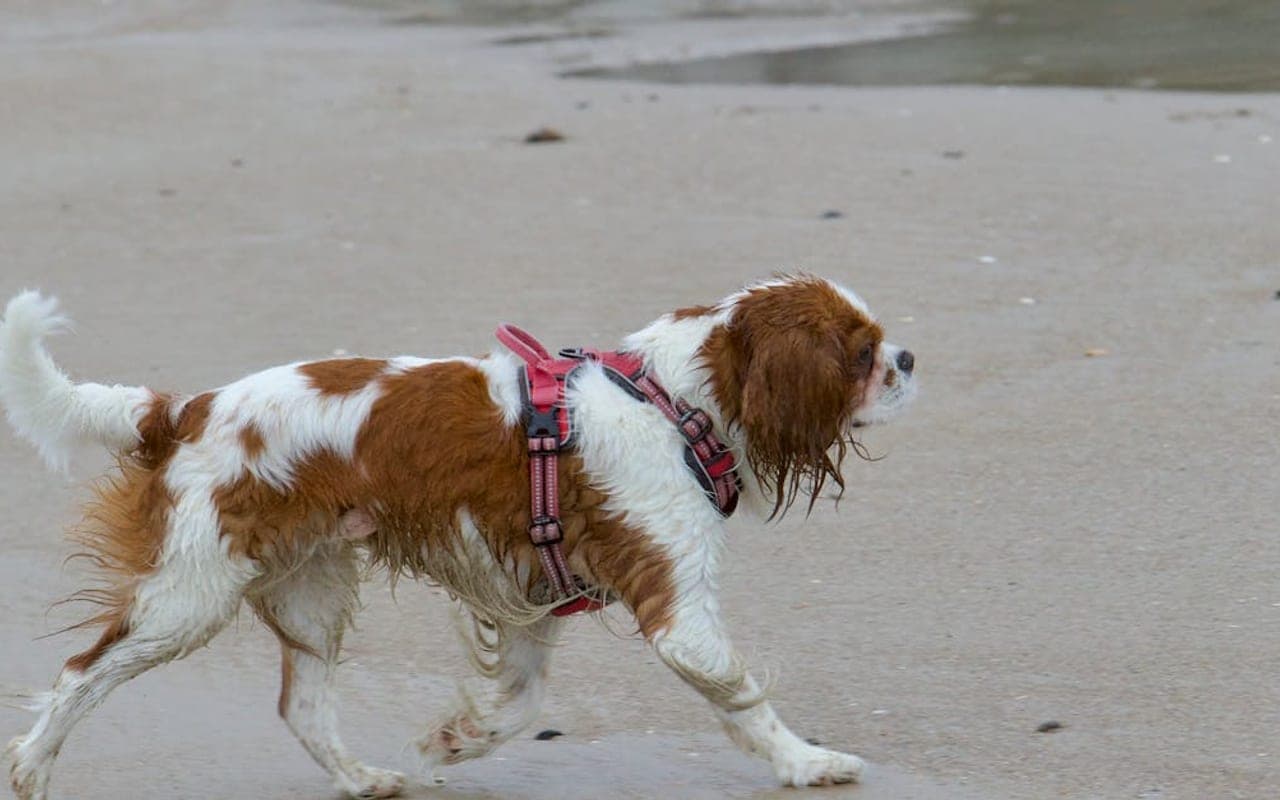
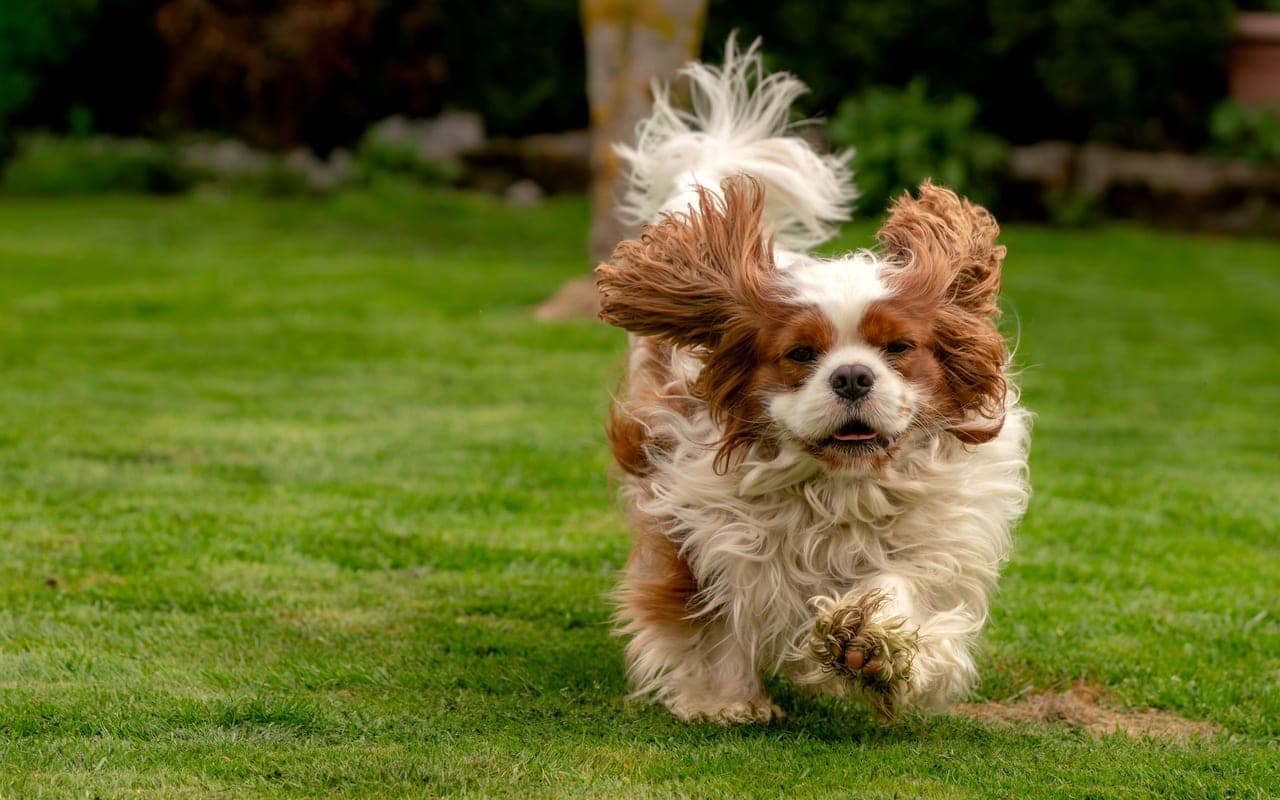
The English Toy Spaniel — abbreviated ETS and not to be confused with its longer-nosed cousin the Cavalier King Charles Spaniel — is a small, square, snub-nosed companion of about 8-14 pounds (roughly 3.5-6.5 kg) with a domed head, large dark eyes, and long feathered ears. It comes in four named colour patterns: Blenheim (red and white), King Charles (black and tan), Prince Charles (tricolour), and Ruby (solid red). This is a bred-for-the-lap-of-royalty dog, and that is exactly what it still is: a quiet, devoted, indoor companion that wants proximity to its person above all else. Temperamentally the ETS is gentle, affectionate, and notably softer and more reserved than the Cavalier — it can be willful, discriminating about strangers, and prone to attaching intensely to one or two people. It is a calm, low-noise, low-exercise dog that thrives as a constant companion and does poorly as an outdoor or frequently-alone dog. It is genuinely a spaniel in temperament beneath the lapdog exterior: bright and willing, just not high-drive. The ETS is right for you if you want a small, quiet, deeply bonded companion, you are home often, and you accept the realities of a brachycephalic toy breed — including heat sensitivity, dental fragility, and a real cardiac risk. It is wrong for you if you want a robust, sporty, or low-vet-cost dog, if your household is hot or chaotic, or if you would skip cardiac screening to save on purchase price. The hidden cost most buyers underestimate: like other King Charles-type spaniels, this breed carries a significant inherited mitral valve heart disease burden, and an unscreened line can mean heart-failure management starting in middle age. Choose the breeder, not the puppy.
Gentle | Playful | Intelligent
Gentle
A common English Toy Spaniel temperament descriptor that should be interpreted alongside training, exercise, and household fit.
Playful
A common English Toy Spaniel temperament descriptor that should be interpreted alongside training, exercise, and household fit.
Intelligent
A common English Toy Spaniel temperament descriptor that should be interpreted alongside training, exercise, and household fit.
Owner note
Temperament labels are starting points, not guarantees. Meet the individual dog and ask about behavior history whenever possible.
Care essentials
How to care for a English Toy Spaniel
What looking after one actually involves: exercise, grooming, food, training, and routine health.
ExerciseAs needed
- Moderately active breed needing 30-60 minutes of daily exercise through walks, play, and mental stimulation.
GroomingAs needed
- Regular grooming needed — brush 2-3 times per week and bathe monthly.
TrainingAs needed
- Moderately trainable — consistent, patient training with positive methods works best.
NutritionAs needed
- Feed a high-quality dog food appropriate for their age, size, and activity level. Monitor portions to prevent obesity.
Veterinary CareAs needed
- Annual wellness exams, core vaccinations, dental care, and parasite prevention. Breed-specific health screenings as recommended by your vet.
Health planning
English Toy Spaniel health risks and screening
Every breed has individual health variation. Use this profile for planning and discuss medical decisions with a veterinarian.
Responsible ownership
Finding a English Toy Spaniel responsibly
What to ask a breeder or rescue is the same conversation for every breed, so we keep it in one place and keep it current.
Health documentation, meeting the parents or foster, contracts and return support, and the warning signs worth walking away from.
Original purpose
English Toy Spaniel history
History is useful when it explains today's behavior, coat, exercise needs, and training style.
Read the breed history
The English Toy Spaniel descends from the small spaniels kept as companions in the royal courts of England and continental Europe from at least the 16th and 17th centuries — the toy spaniels famously associated with King Charles II, who reputedly was rarely seen without several. These early toy spaniels had longer muzzles; over the 18th and 19th centuries, crossing with Asian short-faced breeds such as the Pug and Japanese Chin reshaped the head into the modern domed skull and snub nose. That deliberately bred short face is the origin of both the breed's distinctive look and its brachycephalic health considerations. The four colour varieties were historically regarded almost as separate breeds before being unified under one standard. The English Toy Spaniel and the longer-muzzled Cavalier King Charles Spaniel share this royal-companion ancestry but diverged into separate breeds — a distinction that matters for buyers, because the two are frequently confused yet differ in conformation and some health emphases.
Gallery
English Toy Spaniel photos
Images are cropped consistently and loaded progressively to keep the page responsive.
Lower-page context
English Toy Spaniels in culture
Where the breed shows up in film, sport, work and folklore — the enjoyable part, once the practical questions are answered.
Fun facts
- The English Toy Spaniel belongs to the Toy Group.
- The average lifespan of a English Toy Spaniel is 10 to 12 years.
- English Toy Spaniel dogs are valued for their gentle, playful, intelligent nature.
English Toy Spaniel FAQs
How long do English Toy Spaniels live?
English Toy Spaniels typically live 10-12 years. That is shorter than many comparably sized toy breeds, and the limiting factor is usually the heart: inherited mitral valve disease is the breed's defining mortality driver. Lifespan is meaningfully influenced by buying from a cardiac-screened line, keeping the dog lean, protecting it from heat stress given the short muzzle, and acting early on any new heart murmur rather than waiting for symptoms to appear.
Are English Toy Spaniels good with children?
They suit calm, gentle, older children far better than toddlers. The ETS is small, soft-tempered, and somewhat reserved — it can be overwhelmed or injured by rough handling and tends to retreat rather than tolerate chaos. With respectful children it is a devoted, affectionate companion. Supervise all interaction with young kids, teach gentle handling, and provide a quiet retreat. This is fundamentally a lap-and-companion breed best matched to a calm household.
How much exercise does an English Toy Spaniel need?
Only about 20-30 minutes a day of gentle walking and indoor play — this is a companion lapdog, not a working spaniel, and it is content with modest activity plus closeness to its people. The important caveat is heat: as a brachycephalic breed it cools inefficiently and can overheat quickly, so avoid hard exercise in warm or humid conditions, walk in the cool parts of the day, and keep the dog in air conditioning during hot weather. Over-exercising in heat is a genuine danger here.
What is the difference between an English Toy Spaniel and a Cavalier King Charles Spaniel?
They share royal-companion ancestry but are separate breeds and are commonly confused. The English Toy Spaniel is smaller, with a domed skull and a short, snub muzzle (brachycephalic); the Cavalier is slightly larger with a longer, more moderate muzzle and a flatter skull. The ETS tends to be quieter and more reserved, the Cavalier more outgoing. Both carry significant inherited mitral valve heart disease, so cardiac screening matters for either — but the ETS additionally carries brachycephalic airway and heat-tolerance considerations the Cavalier does not.
What health tests should an English Toy Spaniel breeder provide?
Prioritise a cardiac evaluation by a veterinary cardiologist on the breeding parents (for mitral valve disease), an annual ophthalmologist eye clearance, and a patella evaluation, ideally with a CHIC number documenting the breed's recommended panel. Because mitral valve disease and brachycephalic problems are inherited and expensive to manage long-term, a breeder who cannot show current cardiac and eye clearances is selling unmanaged risk. The purchase-price saving on an untested puppy is routinely erased by cardiac or airway treatment costs in middle age.
Sources
These are the published sources this page draws on. Each opens in a new tab so you can check it yourself.
American Kennel Club
English Toy Spaniel — breed standard and profile(opens in a new tab)Supports: Breed standard and recognition details.
Similar breeds to consider
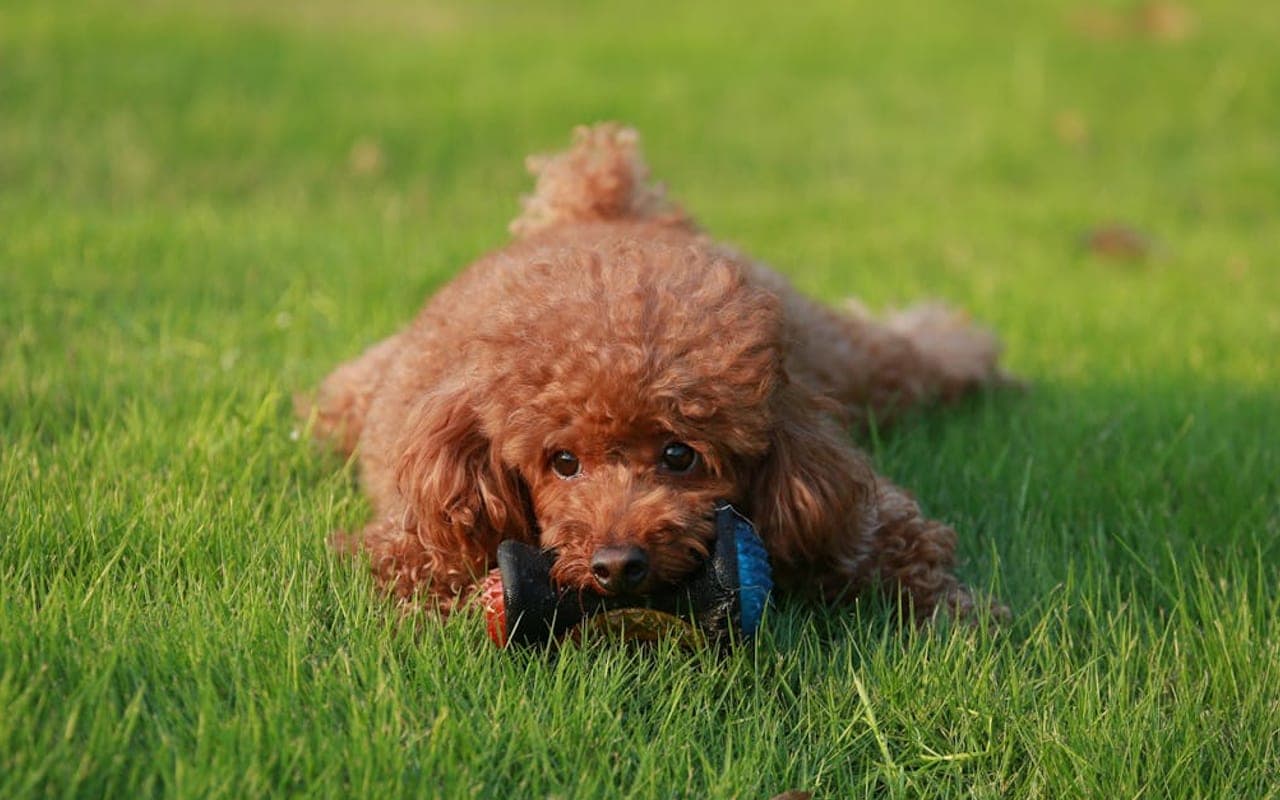
Poodle (Toy)
Also in the Toy group, with different care and temperament tradeoffs.

Yorkshire Terrier
Also in the Toy group, with different care and temperament tradeoffs.
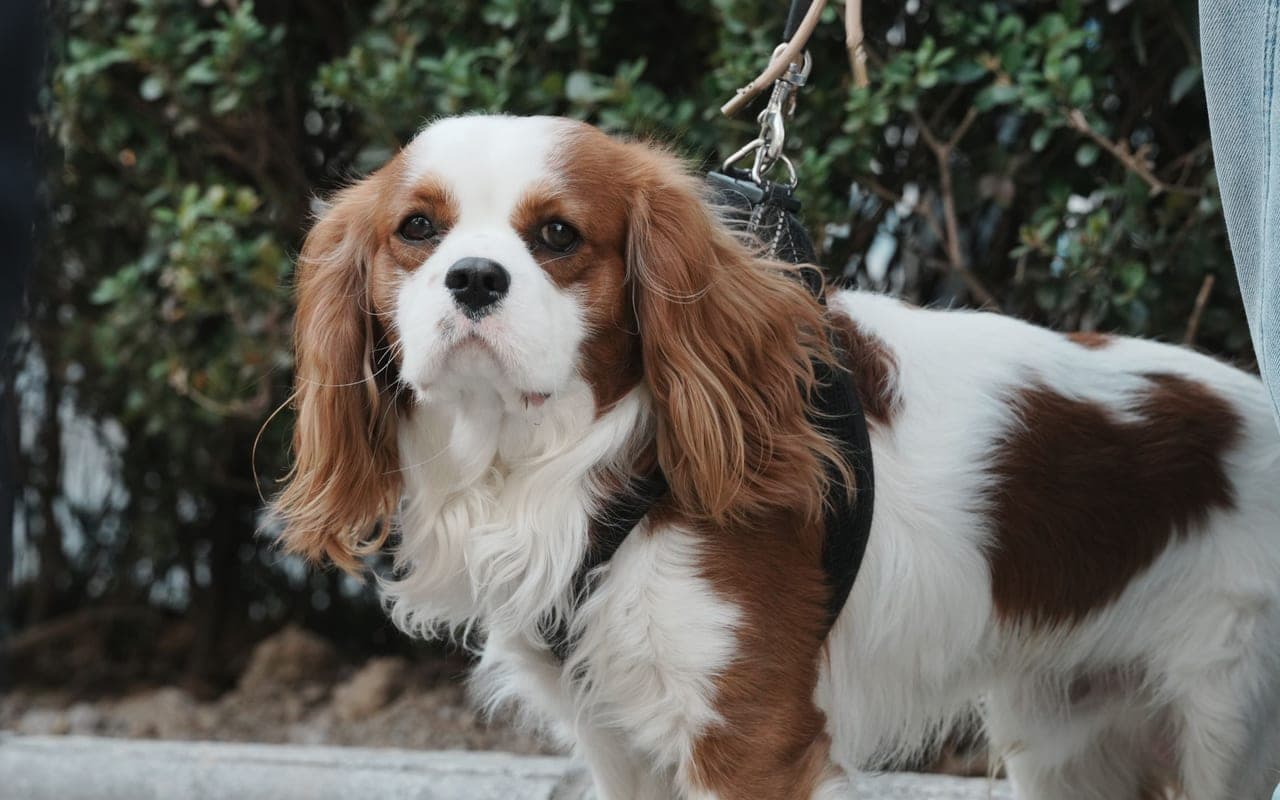
Cavalier King Charles Spaniel
Also in the Toy group, with different care and temperament tradeoffs.

Havanese
Also in the Toy group, with different care and temperament tradeoffs.
Explore More About English Toy Spaniel
Dive deeper into everything English Toy Spaniel — costs, care, and expert insights.
Considering a cat instead?
Browse Cats