
Herding group
Entlebucher Mountain Dog
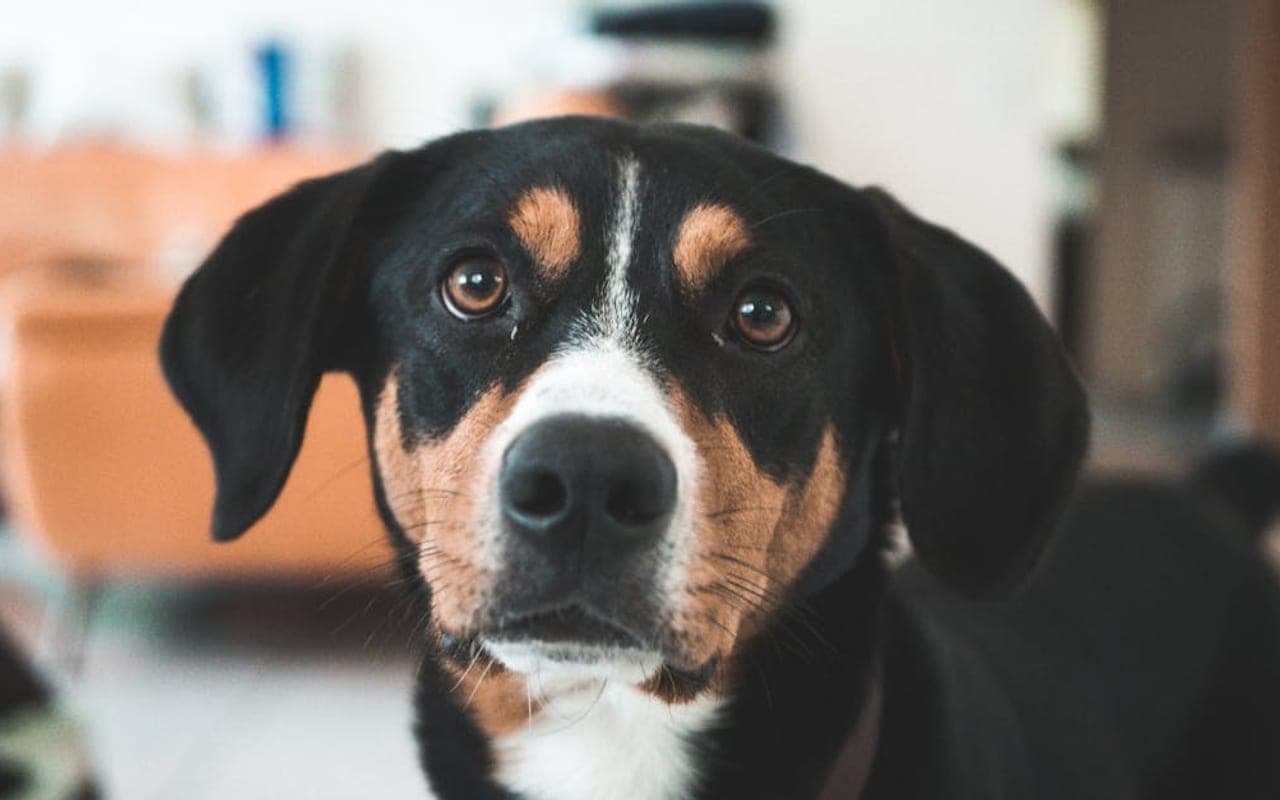
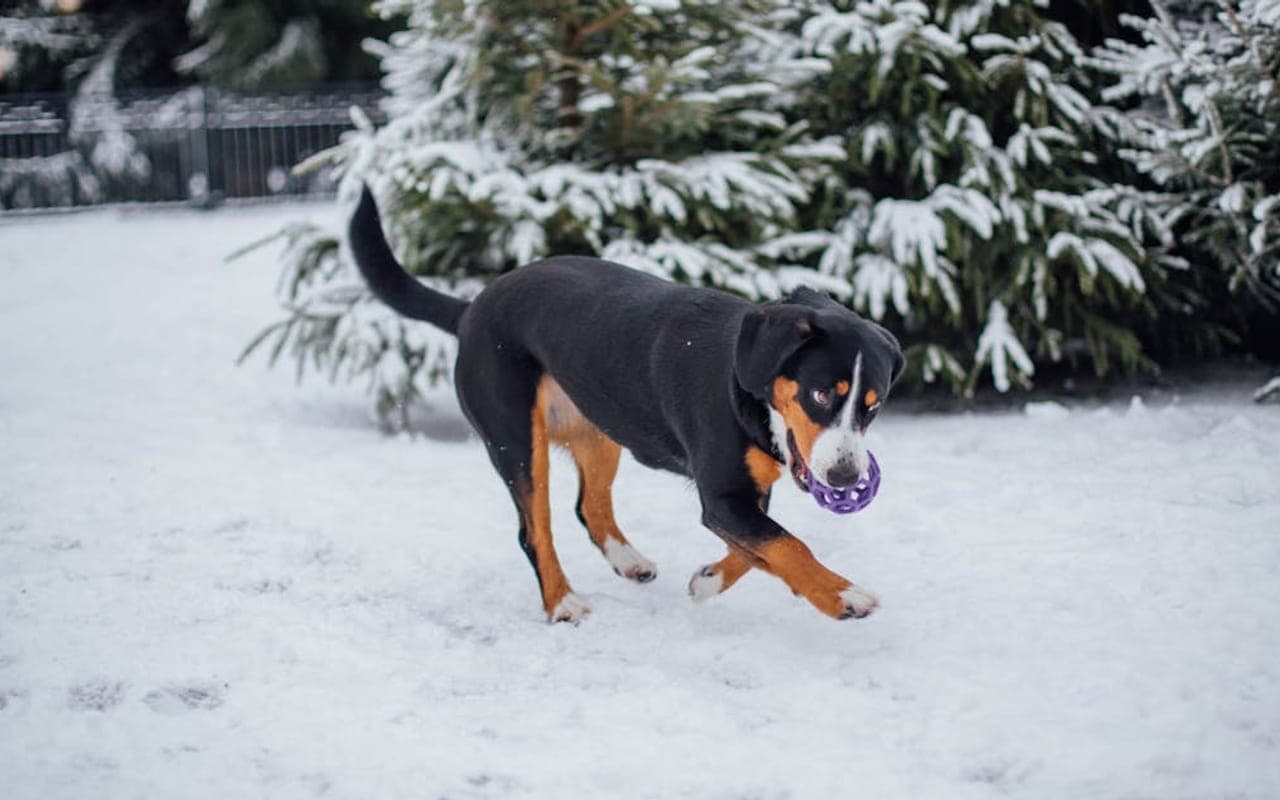
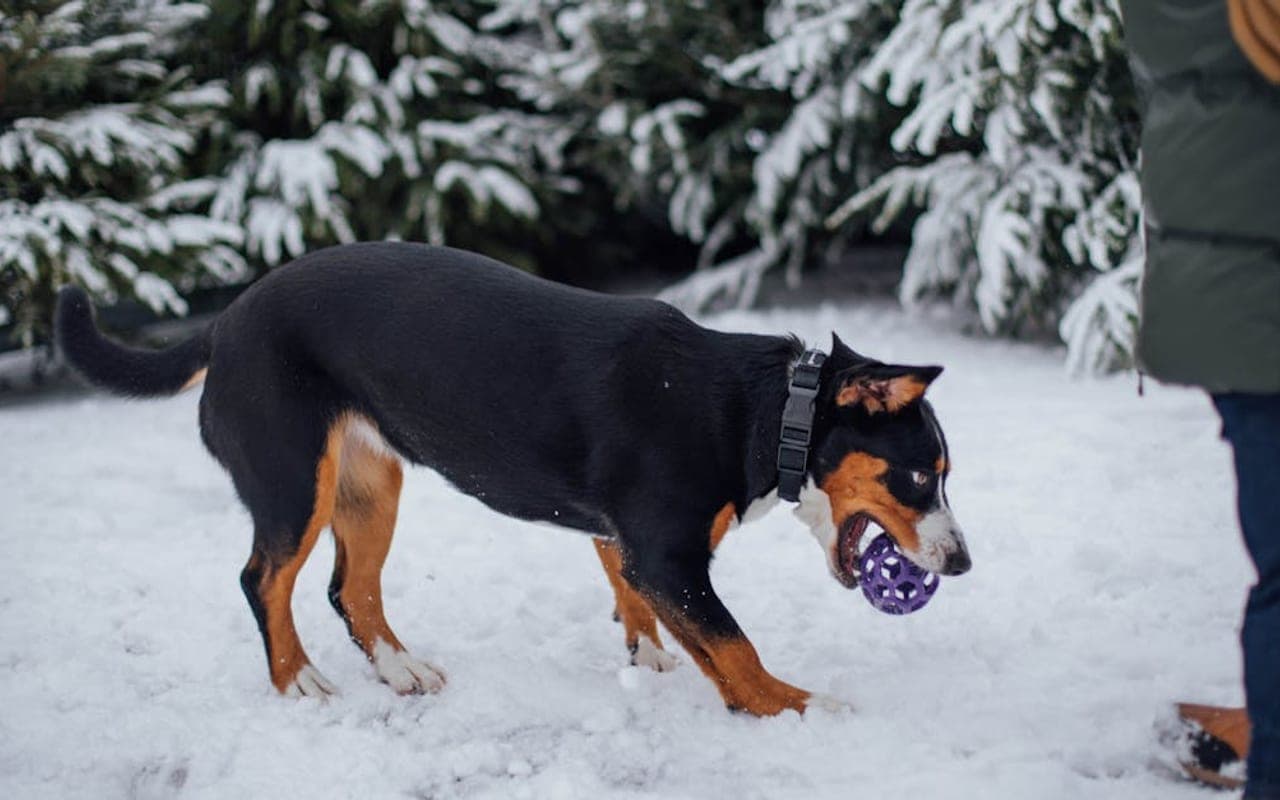
The Entlebucher Mountain Dog is the smallest and most agile of the four Swiss mountain (Sennenhund) breeds — a compact, muscular, long-backed cattle driver standing 16-21 inches and weighing roughly 45-65 pounds.
Size
44-66 lb
Lifespan
11-13 years
Exercise
20-40 minutes
Shedding
Moderate
Experience
Match to owner routine
Decision first
Is a Entlebucher Mountain Dog right for you?
Start with fit before history or trivia. These are ownership signals, not guarantees about any individual dog.
Best suited for
- Households with children.
- Homes with other compatible pets.
- Apartment homes with a consistent routine.
- Owners seeking a manageable daily exercise routine.
Think carefully if
- You need a dog with almost no daily routine.
- You cannot keep up with grooming and preventive care.
- The dog will spend most days alone without support.
Conditional fit
Apartment fit depends on exercise, enrichment, noise management, and outdoor access.
Daily reality
Entlebucher Mountain Dog commitment snapshot
Daily exercise
20-40 minutes
Match activity to age, health, weather, and training goals.
Coat care
Moderate
Grooming needs vary by coat, shedding, and lifestyle.
Time alone
Needs planning
Most dogs need gradual alone-time conditioning and support.
Structured facts
Entlebucher Mountain Dog at a glance
The measurements and traits that most affect day-to-day life with this breed.
Group
Herding
Weight
44-66 lb
Height
17-20 in
Lifespan
11-13 years
Temperament
Loyal | Smart | Enthusiastic
View all characteristics and methodology
Lifestyle fit
- Apartment suitability
- Likely fit
- Child friendliness
- Often good, with socialisation and supervision
- Other-pet fit
- Often compatible with careful introductions
Owner commitment
- Exercise
- 20-40 minutes
- Grooming
- Moderate
- Shedding
- Moderate
- Training
- Moderate
Environment and health
- Health risk
- Needs planning
Ratings combine structured breed data, visible breed fields, and editorial context. They are planning aids, not predictions for an individual dog.
Daily life
Entlebucher Mountain Dog temperament and behavior
The Entlebucher Mountain Dog is the smallest and most agile of the four Swiss mountain (Sennenhund) breeds — a compact, muscular, long-backed cattle driver standing 16-21 inches and weighing roughly 45-65 pounds. The striking tricolor coat (black with symmetric tan and white markings), short legs, low-set body, and bright, alert face give it the nickname 'the Laughing Dog.' This is a herding dog bred to move stubborn cattle across steep Alpine pasture by driving, nudging, and outmaneuvering them — a job that produced a high-drive, physically powerful, mentally relentless working dog. The decision is almost entirely about drive and intensity, not size. The Entlebucher is intensely loyal, sharply intelligent, and devoted to its family — but it is also self-confident, headstrong, vocal, and a born problem-solver that needs a job. It can be reserved or pushy with strangers, body-blocks and herds family members, and becomes destructive and frustrated without serious mental and physical work. Many experienced trainers consider it too much dog for a first-time owner. Who the Entlebucher is right for: an active, dog-experienced household that wants a deeply bonded working partner for herding, agility, obedience, carting, or long daily exercise, and that will provide structure and a job. Who it is wrong for: first-time owners, sedentary households, families wanting a soft, biddable, low-drive companion, or anyone unable to commit to daily training and exercise. The breed is rare in North America with a small gene pool, so acquisition means a breed-club waitlist and careful health-testing scrutiny — choose it for the working partnership, not the photogenic 'laughing' face.
Loyal | Smart | Enthusiastic
Loyal
A common Entlebucher Mountain Dog temperament descriptor that should be interpreted alongside training, exercise, and household fit.
Smart
A common Entlebucher Mountain Dog temperament descriptor that should be interpreted alongside training, exercise, and household fit.
Enthusiastic
A common Entlebucher Mountain Dog temperament descriptor that should be interpreted alongside training, exercise, and household fit.
Owner note
Temperament labels are starting points, not guarantees. Meet the individual dog and ask about behavior history whenever possible.
Care essentials
How to care for a Entlebucher Mountain Dog
What looking after one actually involves: exercise, grooming, food, training, and routine health.
ExerciseAs needed
- Lower-energy breed that is content with daily walks and moderate play. Avoid over-exercising.
GroomingAs needed
- Regular grooming needed — brush 2-3 times per week and bathe monthly.
TrainingAs needed
- Moderately trainable — consistent, patient training with positive methods works best.
NutritionAs needed
- Feed a high-quality dog food appropriate for their age, size, and activity level. Monitor portions to prevent obesity.
Veterinary CareAs needed
- Annual wellness exams, core vaccinations, dental care, and parasite prevention. Breed-specific health screenings as recommended by your vet.
Health planning
Entlebucher Mountain Dog health risks and screening
Every breed has individual health variation. Use this profile for planning and discuss medical decisions with a veterinarian.
Responsible ownership
Finding a Entlebucher Mountain Dog responsibly
What to ask a breeder or rescue is the same conversation for every breed, so we keep it in one place and keep it current.
Health documentation, meeting the parents or foster, contracts and return support, and the warning signs worth walking away from.
Original purpose
Entlebucher Mountain Dog history
History is useful when it explains today's behavior, coat, exercise needs, and training style.
Read the breed history
The Entlebucher Mountain Dog takes its name from the Entlebuch valley in the Swiss cantons of Lucerne and Bern, where it was developed as a versatile farm and cattle dog: driving cattle to and from Alpine pasture, guarding the farm, and pulling small carts. It is the smallest and most agile of the four Sennenhund breeds (alongside the Greater Swiss, Bernese, and Appenzeller), bred down for the speed and nimbleness needed to control cattle on steep ground. By the early 20th century the breed had nearly disappeared as mechanized farming reduced demand, and it was rebuilt from a very small number of surviving dogs — a tight bottleneck that explains both its rarity today and why a limited gene pool makes breeder health-testing especially important. It received American Kennel Club Herding Group recognition in 2011 and remains uncommon outside dedicated working and breed-club circles.
Gallery
Entlebucher Mountain Dog photos
Images are cropped consistently and loaded progressively to keep the page responsive.
Lower-page context
Entlebucher Mountain Dogs in culture
Where the breed shows up in film, sport, work and folklore — the enjoyable part, once the practical questions are answered.
Fun facts
- The Entlebucher Mountain Dog belongs to the Herding Group.
- The average lifespan of a Entlebucher Mountain Dog is 11 to 13 years.
- Entlebucher Mountain Dog dogs are valued for their loyal, smart, enthusiastic nature.
Entlebucher Mountain Dog FAQs
How long do Entlebucher Mountain Dog dogs live?
Typically 11 to 13 years. The breed's small recovered gene pool means health screening of parents matters more than usual: prioritize hip-tested, PRA-DNA-clear, eye-examined lines. The biggest practical lifespan and welfare levers are keeping the dog lean at 45-65 pounds to protect a long-backed, hip-vulnerable frame, annual ophthalmologist exams for cataract and PRA, and prompt veterinary attention to any sudden weakness or pale gums, since immune-mediated anemia can be rapidly life-threatening if missed.
Are Entlebucher Mountain Dog dogs good with children?
They can be devoted family dogs and durable playmates for older, dog-savvy children, but this is a powerful, high-drive cattle driver, not a naturally gentle nanny breed. It will herd and body-block running children and can be too intense and pushy for toddlers. Early socialization is essential, supervision with young kids is mandatory, and the breed does best with school-age and older children in an experienced household that has trained the dog reliably.
How much exercise does an Entlebucher Mountain Dog need?
60 to 90 minutes of vigorous daily activity plus a mental job — this is not negotiable. It was bred to drive cattle across steep terrain all day and has the stamina and drive to match. Herding, agility, obedience, carting, and backpacking satisfy it; leashed strolls do not. An Entlebucher that is physically and mentally under-worked does not settle, it escalates into destruction, excessive barking, and controlling, pushy behavior toward the household.
Are Entlebucher Mountain Dog dogs easy to train?
They are highly intelligent and capable of advanced work, but they are also headstrong, independent problem-solvers that will take charge of an inconsistent household. They are trainable in skilled hands but frequently too much dog for a first-time owner. Success requires firm, fair, consistent, reward-based training started in puppyhood, heavy early socialization, and an owner who provides clear structure daily. Without it, the breed's intelligence and drive turn into management problems, not party tricks.
How much grooming does an Entlebucher Mountain Dog need?
Low. The short, dense double coat needs only a 10-minute weekly brush for most of the year, increasing to daily for 2-3 weeks during the twice-yearly seasonal shed. Bathe every 8-12 weeks or when dirty from work, trim nails every 2-3 weeks, brush teeth several times a week, and check ears after outdoor activity. Grooming is the easy part of this breed; the demanding part is the exercise and training, not the coat.
What is Entlebucher urinary syndrome and should it worry me?
It refers to ectopic ureter in the breed, where a ureter drains into the urethra or vagina instead of the bladder. Uniquely in Entlebuchers, research shows many affected dogs have no leaking or incontinence at all and live long normal lives, and can even produce non-leaking offspring — so it is less a clinical emergency and more an inherited trait the breed club monitors in breeding programs. Practically, buy from breeders who track urinary status in their lines, and have any actual incontinence or urinary signs evaluated by a vet promptly.
Sources
These are the published sources this page draws on. Each opens in a new tab so you can check it yourself.
American Kennel Club
Entlebucher Mountain Dog — breed standard and profile(opens in a new tab)Supports: Breed standard and recognition details.
Similar breeds to consider
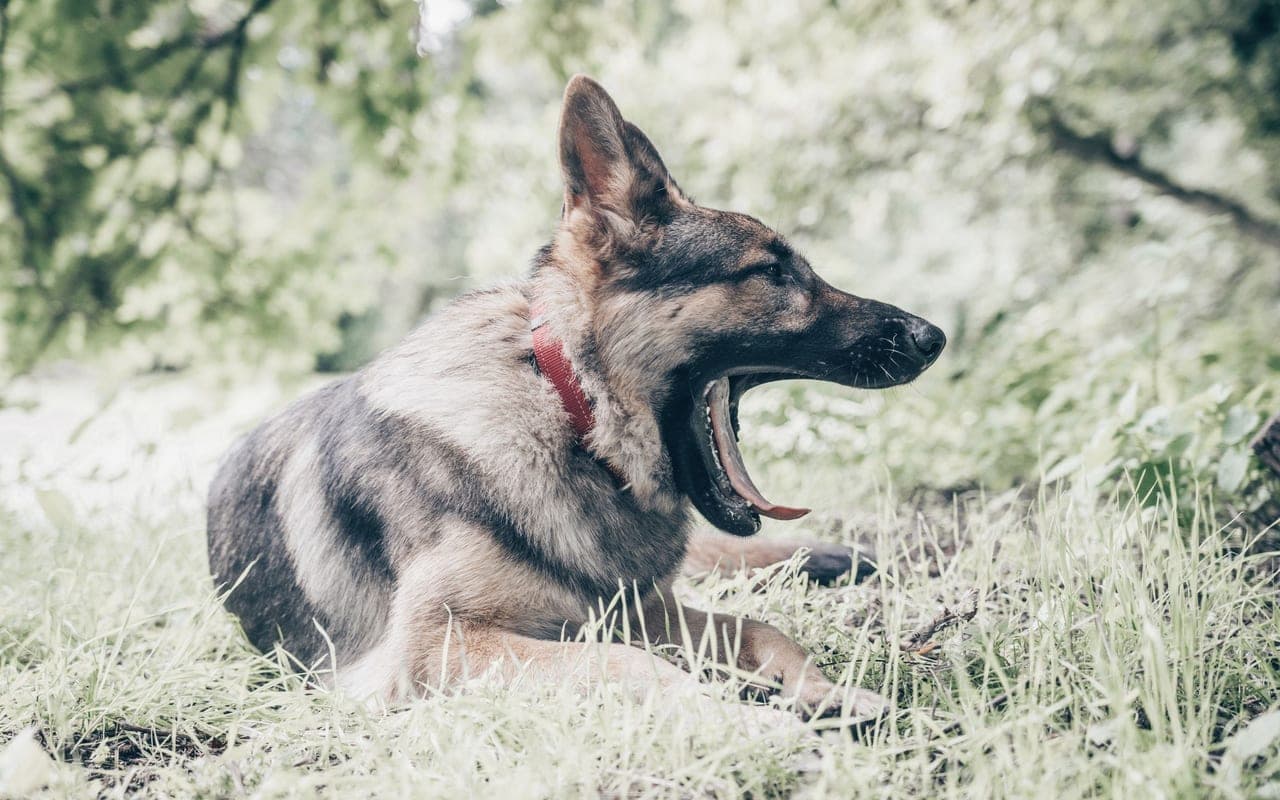
German Shepherd
Also in the Herding group, with different care and temperament tradeoffs.
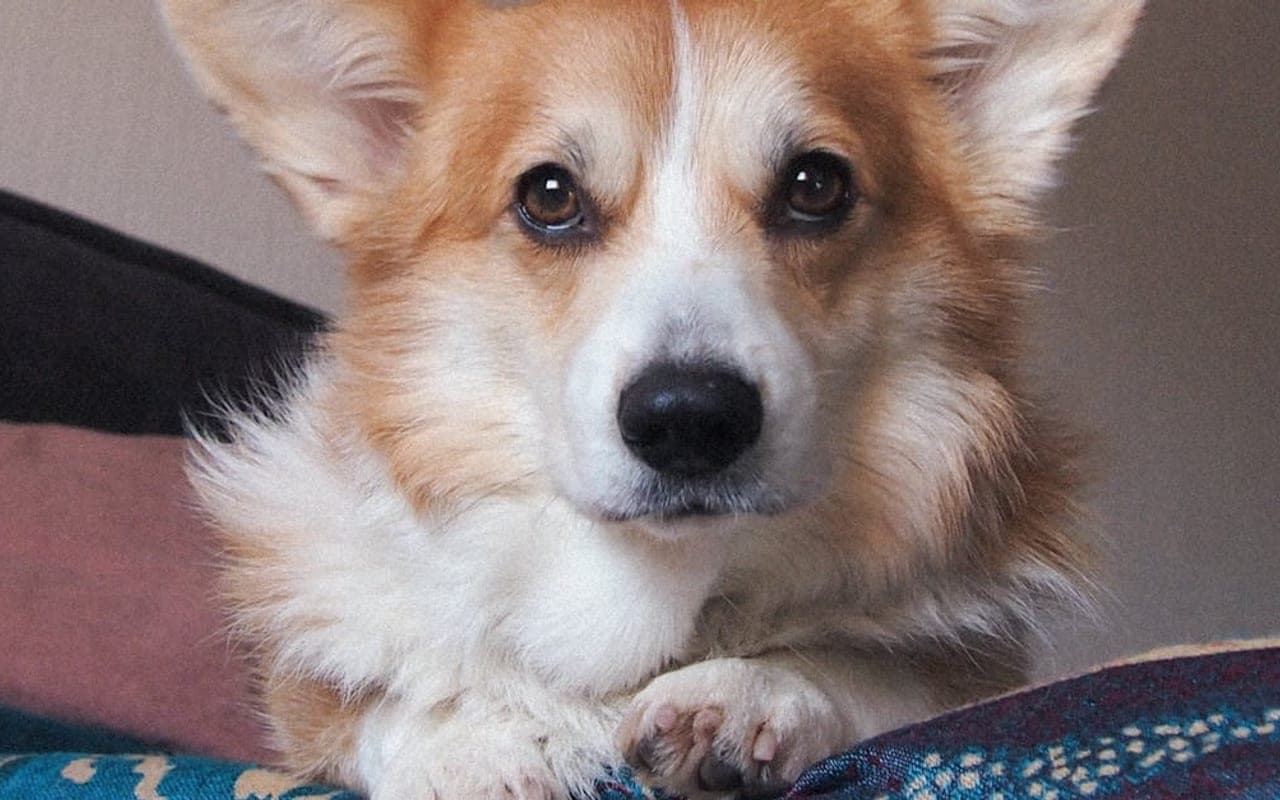
Pembroke Welsh Corgi
Also in the Herding group, with different care and temperament tradeoffs.
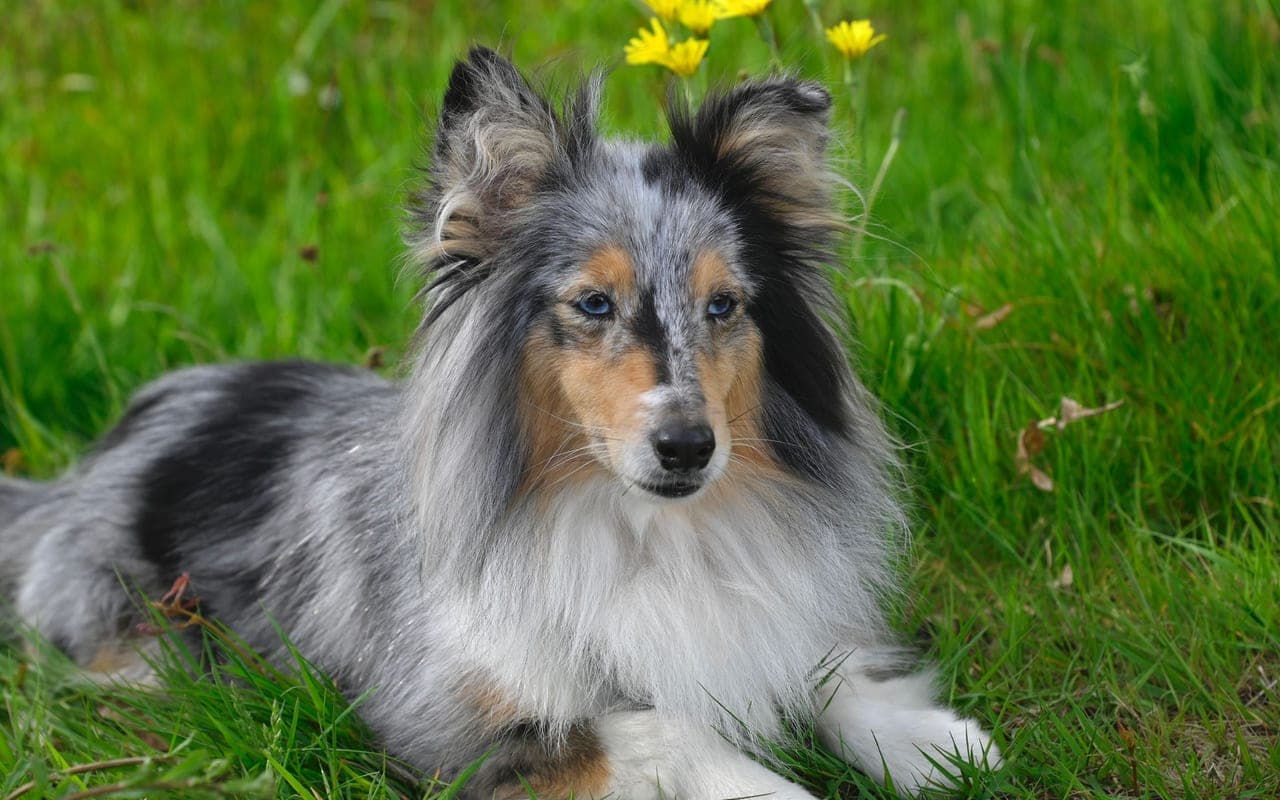
Shetland Sheepdog
Also in the Herding group, with different care and temperament tradeoffs.
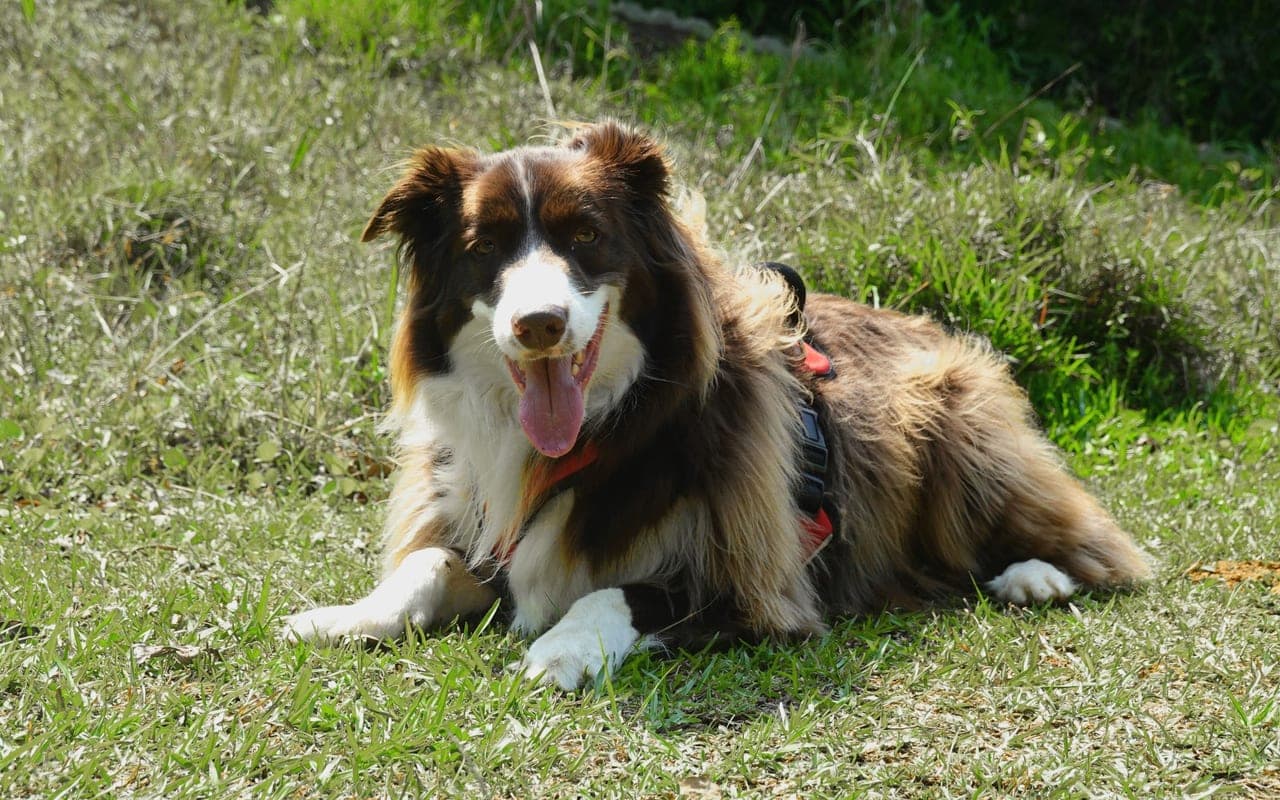
Border Collie
Also in the Herding group, with different care and temperament tradeoffs.
Explore More About Entlebucher Mountain Dog
Dive deeper into everything Entlebucher Mountain Dog — costs, care, and expert insights.
Large Dog Care Guide: Everything Over 50 lbs
Owning a large or giant breed dog means accepting one of biology's...
Puppy Teething & Biting: Timeline and What Actually Works
A puppy has all 28 deciduous ("baby") teeth by roughly eight weeks of age, and...
Considering a cat instead?
Browse Cats