
Foundation Stock Service group
Estrela Mountain Dog
The Estrela Mountain Dog is a working livestock guardian from the Serra da Estrela mountains of Portugal — and 'guardian' is not a temperament adjective, it is the operating system.
Size
77-132 lb
Lifespan
10-14 years
Exercise
30-60 minutes
Shedding
Moderate
Experience
Match to owner routine
Decision first
Is a Estrela Mountain Dog right for you?
Start with fit before history or trivia. These are ownership signals, not guarantees about any individual dog.
Best suited for
- Households with children.
- Homes with other compatible pets.
- Apartment homes with a consistent routine.
- Owners seeking a manageable daily exercise routine.
Think carefully if
- You need a dog with almost no daily routine.
- You cannot keep up with grooming and preventive care.
- The dog will spend most days alone without support.
Conditional fit
Apartment fit depends on exercise, enrichment, noise management, and outdoor access.
Daily reality
Estrela Mountain Dog commitment snapshot
Daily exercise
30-60 minutes
Match activity to age, health, weather, and training goals.
Coat care
Moderate
Grooming needs vary by coat, shedding, and lifestyle.
Time alone
Needs planning
Most dogs need gradual alone-time conditioning and support.
Structured facts
Estrela Mountain Dog at a glance
The measurements and traits that most affect day-to-day life with this breed.
Group
Foundation Stock Service
Weight
77-132 lb
Height
24-29 in
Lifespan
10-14 years
Temperament
Alert | Intelligent | Brave
View all characteristics and methodology
Lifestyle fit
- Apartment suitability
- Likely fit
- Child friendliness
- Often good, with socialisation and supervision
- Other-pet fit
- Often compatible with careful introductions
Owner commitment
- Exercise
- 30-60 minutes
- Grooming
- Moderate
- Shedding
- Moderate
- Training
- Moderate
Environment and health
- Health risk
- Needs planning
Ratings combine structured breed data, visible breed fields, and editorial context. They are planning aids, not predictions for an individual dog.
Daily life
Estrela Mountain Dog temperament and behavior
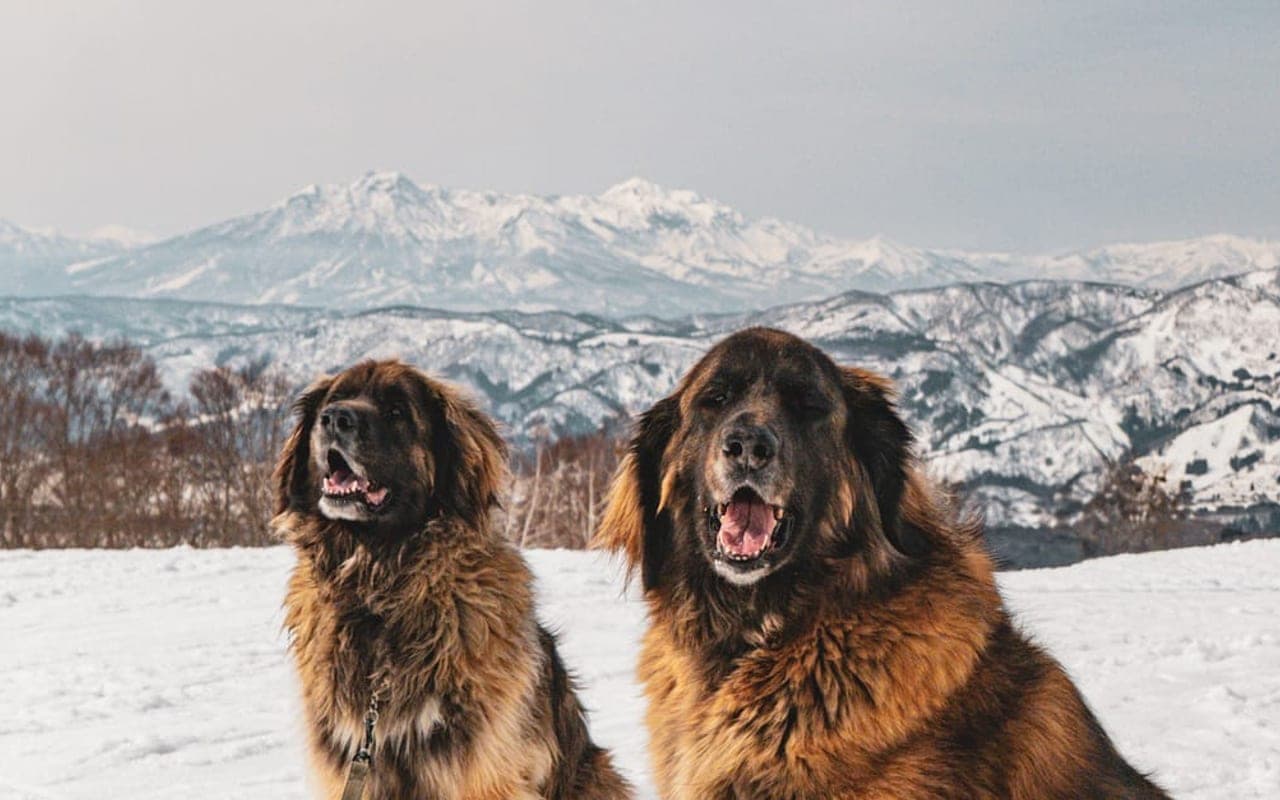
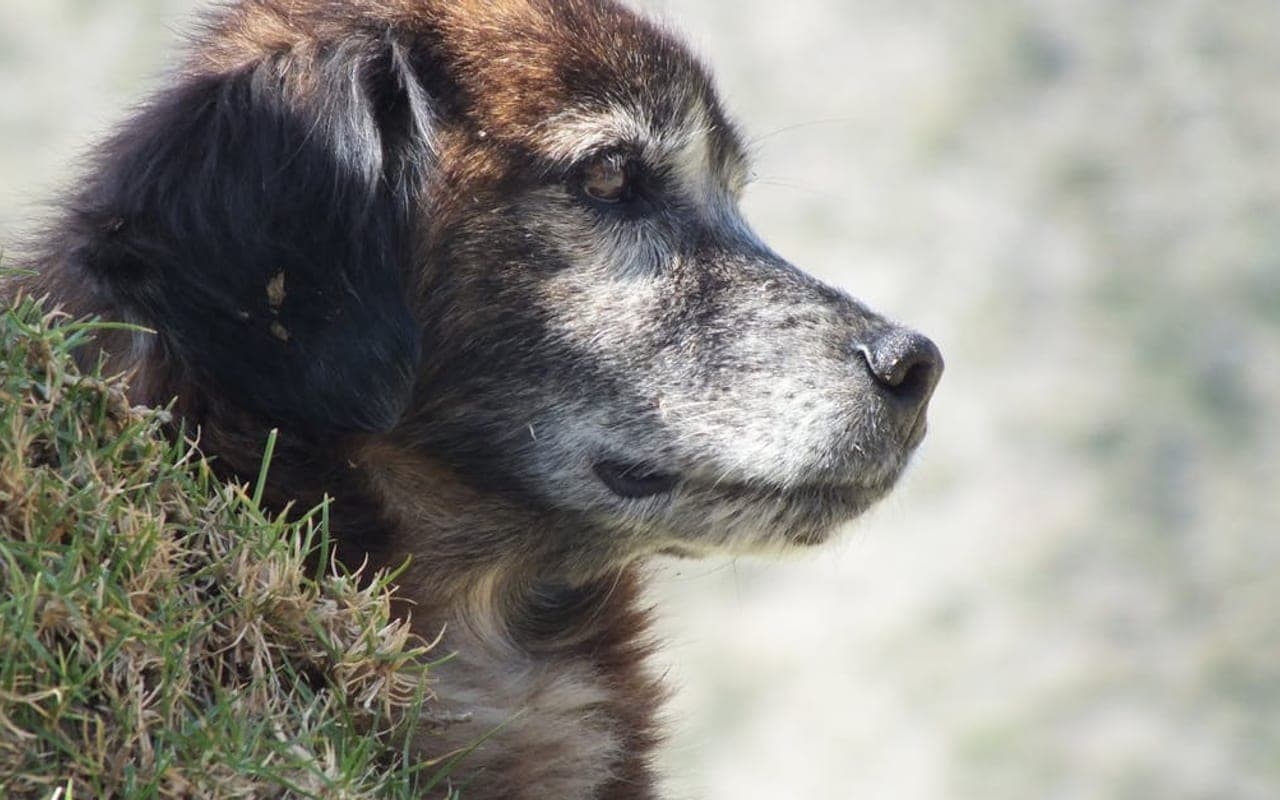
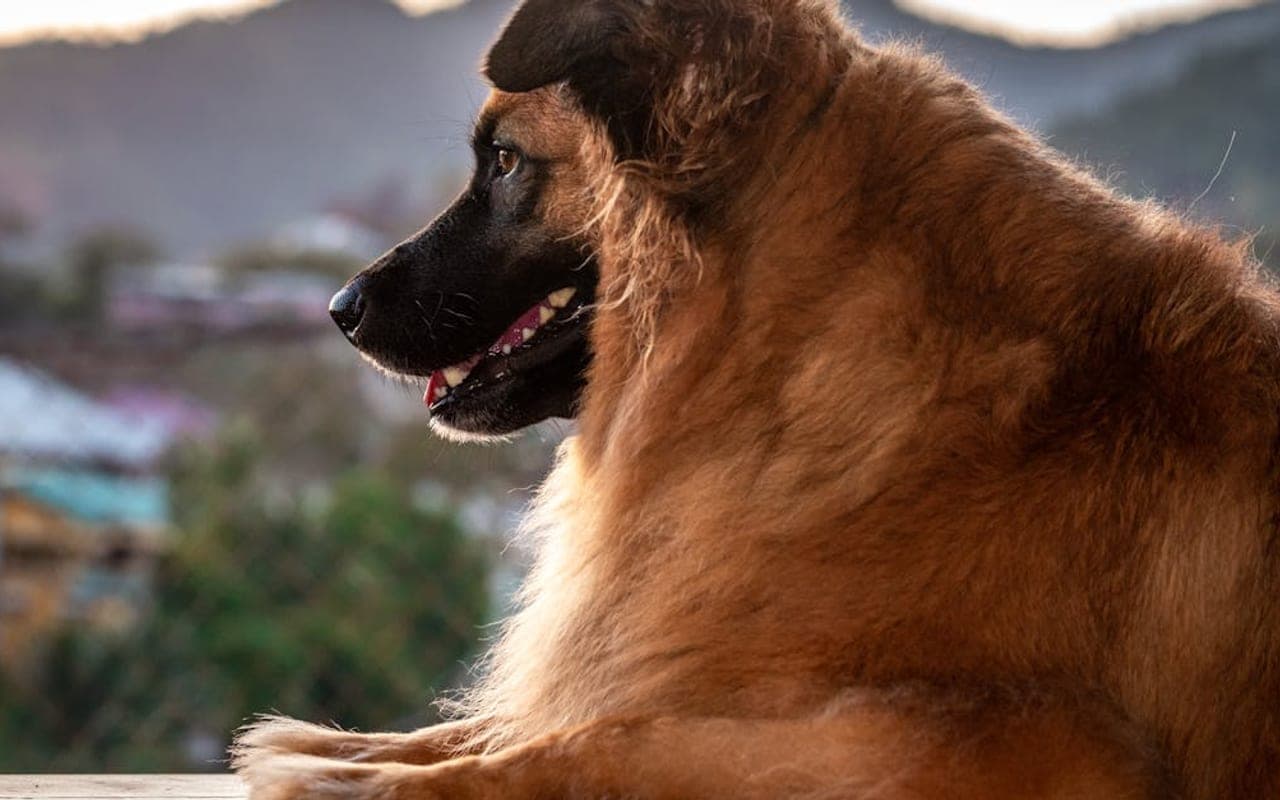
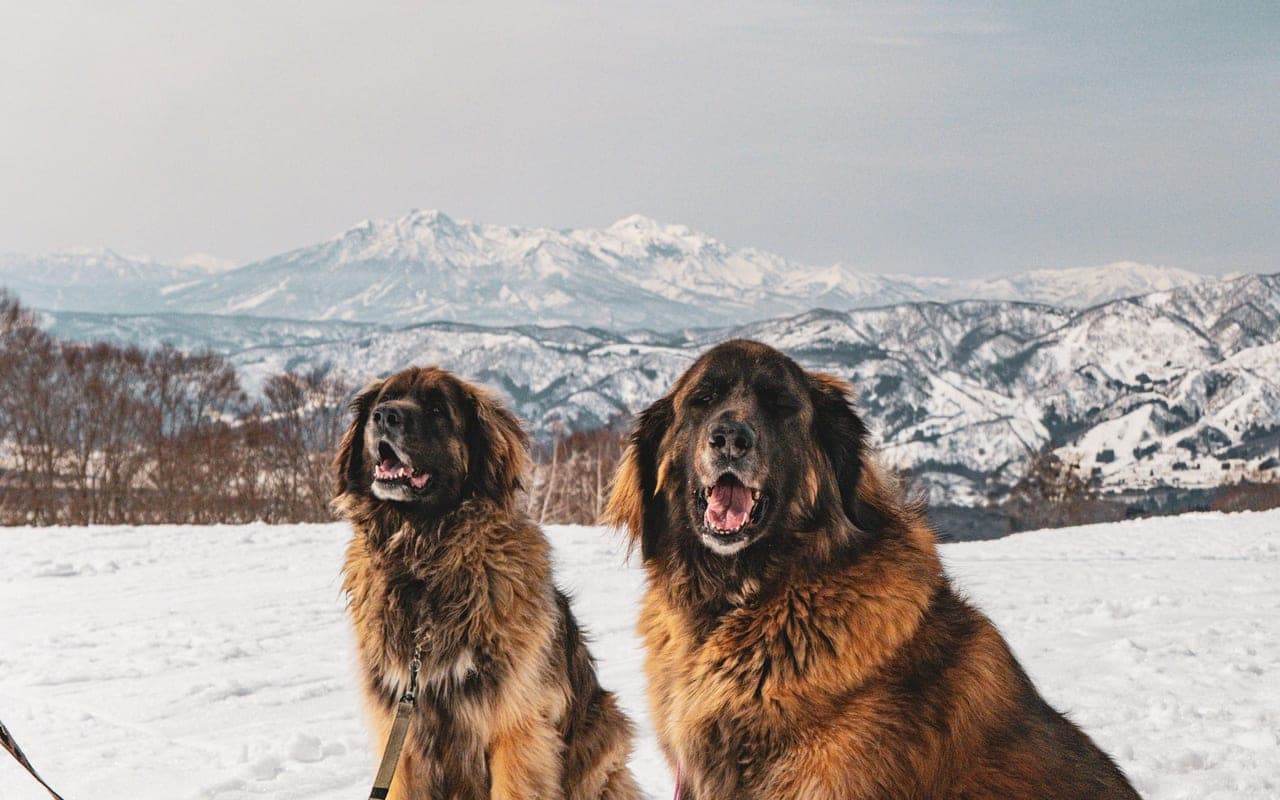
The Estrela Mountain Dog is a working livestock guardian from the Serra da Estrela mountains of Portugal — and 'guardian' is not a temperament adjective, it is the operating system. For centuries the Estrela was left alone with flocks to make its own decisions about what counts as a threat, and that independent, territorial, protective wiring does not switch off in a suburban home. An honest profile leads here: this is a large, strong-willed, suspicious-of-strangers guardian breed, not a biddable family retriever in a fluffy coat. Get that wrong and you have a 90-pound dog that decides for itself. Physically the Estrela is a powerful mastiff-type mountain dog: males typically 30-50 kg and 65-72 cm at the shoulder, females somewhat smaller, with a broad head, a characteristic black mask, small rose-shaped ears, a hooked tail tip, and a dense weatherproof double coat in long or short varieties (fawn, brindle, or wolf-gray). It is built to work outdoors in harsh mountain weather and to physically stand up to predators. Temperament: deeply loyal and affectionate with its own family, gentle and protective with children it has been raised alongside, calm and dignified indoors — but instinctively wary of strangers, independent in decision-making, and assertive enough that under-socialization or weak leadership tips its natural dominance toward problem aggression. It bonds to the whole family but reserves a piece of itself for one chosen person. Who the Estrela is right for: an experienced owner with secure fencing, space, time for early and lifelong socialization, and the confidence to lead a guardian breed; ideally a rural or large-property home. Who it is wrong for: first-time owners, apartment dwellers, frequent entertainers, or anyone wanting an off-switch-free, stranger-friendly dog.
Alert | Intelligent | Brave
Alert
A common Estrela Mountain Dog temperament descriptor that should be interpreted alongside training, exercise, and household fit.
Intelligent
A common Estrela Mountain Dog temperament descriptor that should be interpreted alongside training, exercise, and household fit.
Brave
A common Estrela Mountain Dog temperament descriptor that should be interpreted alongside training, exercise, and household fit.
Owner note
Temperament labels are starting points, not guarantees. Meet the individual dog and ask about behavior history whenever possible.
Care essentials
How to care for a Estrela Mountain Dog
What looking after one actually involves: exercise, grooming, food, training, and routine health.
ExerciseAs needed
- Moderately active breed needing 30-60 minutes of daily exercise through walks, play, and mental stimulation.
GroomingAs needed
- Regular grooming needed — brush 2-3 times per week and bathe monthly.
TrainingAs needed
- Moderately trainable — consistent, patient training with positive methods works best.
NutritionAs needed
- Feed a high-quality dog food appropriate for their age, size, and activity level. Monitor portions to prevent obesity.
Veterinary CareAs needed
- Annual wellness exams, core vaccinations, dental care, and parasite prevention. Breed-specific health screenings as recommended by your vet.
Health planning
Estrela Mountain Dog health risks and screening
Every breed has individual health variation. Use this profile for planning and discuss medical decisions with a veterinarian.
Responsible ownership
Finding a Estrela Mountain Dog responsibly
What to ask a breeder or rescue is the same conversation for every breed, so we keep it in one place and keep it current.
Health documentation, meeting the parents or foster, contracts and return support, and the warning signs worth walking away from.
Original purpose
Estrela Mountain Dog history
History is useful when it explains today's behavior, coat, exercise needs, and training style.
Read the breed history
The Estrela Mountain Dog (Cão da Serra da Estrela) is one of the oldest breeds of the Iberian Peninsula, developed over centuries by shepherds in the Serra da Estrela, Portugal's highest mountain range, to guard sheep and goats against wolves and thieves. It was bred for function, not appearance: enough size and courage to confront a predator, a weatherproof coat for brutal mountain winters, and — critically — the independent judgment to be left unsupervised with a flock and decide on its own what was a threat. That working history is not trivia for owners; it directly explains the breed's wariness of strangers, its territorial drive, and its independent streak. The breed nearly declined with reduced mountain shepherding but was preserved through dedicated Portuguese efforts and is now established internationally, though still relatively uncommon.
Gallery
Estrela Mountain Dog photos
Images are cropped consistently and loaded progressively to keep the page responsive.
Lower-page context
Estrela Mountain Dogs in culture
Where the breed shows up in film, sport, work and folklore — the enjoyable part, once the practical questions are answered.
Fun facts
- The Estrela Mountain Dog belongs to the Foundation Stock Service.
- The average lifespan of a Estrela Mountain Dog is 10 to 14 years.
- Estrela Mountain Dog dogs are valued for their alert, intelligent, brave nature.
Estrela Mountain Dog FAQs
How long do Estrela Mountain Dogs live?
An Estrela typically lives 10-14 years, which is notably long for a dog of its size — most giant breeds average less. The factors that move the number are large-breed risks: hip and elbow dysplasia (mitigated by buying from screened parents and keeping the dog lean), bloat (managed by feeding practices), and heart disease. Weight control is the single biggest owner-controlled lever on both lifespan and quality of life in this breed.
Are Estrela Mountain Dogs good with children?
Yes with their own family's children, when raised with them and properly socialized — the breed is known for being protective and gentle with familiar kids. The serious caveats are size and guarding instinct: a large guardian dog can knock over a toddler unintentionally and may misread rough play between its child and a visiting child as a threat to protect against. Supervise all interactions, socialize extensively, and never leave young children unsupervised with any guardian breed.
How much exercise does an Estrela Mountain Dog need?
Moderate, not extreme — about 45-60 minutes of walking a day plus a secure area to patrol and a job to feel useful. This is a steady livestock guardian bred to conserve energy and watch, not an endurance runner, so it does not need marathon exercise. Critically, do not over-exercise a growing puppy: forced running or jumping on developing joints worsens the hip and elbow dysplasia the breed is prone to.
Are Estrela Mountain Dogs easy to train?
Not for beginners. Estrelas are intelligent but independent by design — they were bred to make their own decisions away from human direction, so they question commands rather than obey reflexively. They respond to firm, consistent, reward-based leadership from a confident owner and resist harsh or repetitive drilling. Early and lifelong socialization matters more than obedience polish, because an under-socialized guardian's natural dominance can tip into aggression. This is an experienced-owner breed.
How much does an Estrela Mountain Dog cost to own?
Expect a higher purchase price than common breeds because the Estrela is uncommon outside Portugal, often $1,500-$3,000+ from a health-screening breeder. Ongoing costs run large-breed-high: more food, large-breed preventive vet care, and the realistic prospect of orthopedic management for hip or elbow dysplasia, which can reach four figures. Buying from parents with hip and elbow certification is the cheapest way to reduce the biggest long-term expense in this breed.
Can an Estrela Mountain Dog live in an apartment or city?
It is a poor fit. This is a large territorial guardian that needs space to patrol, secure tall fencing, and relative calm — not a high-traffic apartment building with constant strangers in shared hallways, which triggers exactly the wariness the breed was bred for. It can adapt to a home with a secure yard and committed socialization, but a rural or large-property setting genuinely suits its instincts far better than urban density.
Sources
These are the published sources this page draws on. Each opens in a new tab so you can check it yourself.
American Kennel Club
Estrela Mountain Dog — breed standard and profile(opens in a new tab)Supports: Breed standard and recognition details.
Similar breeds to consider
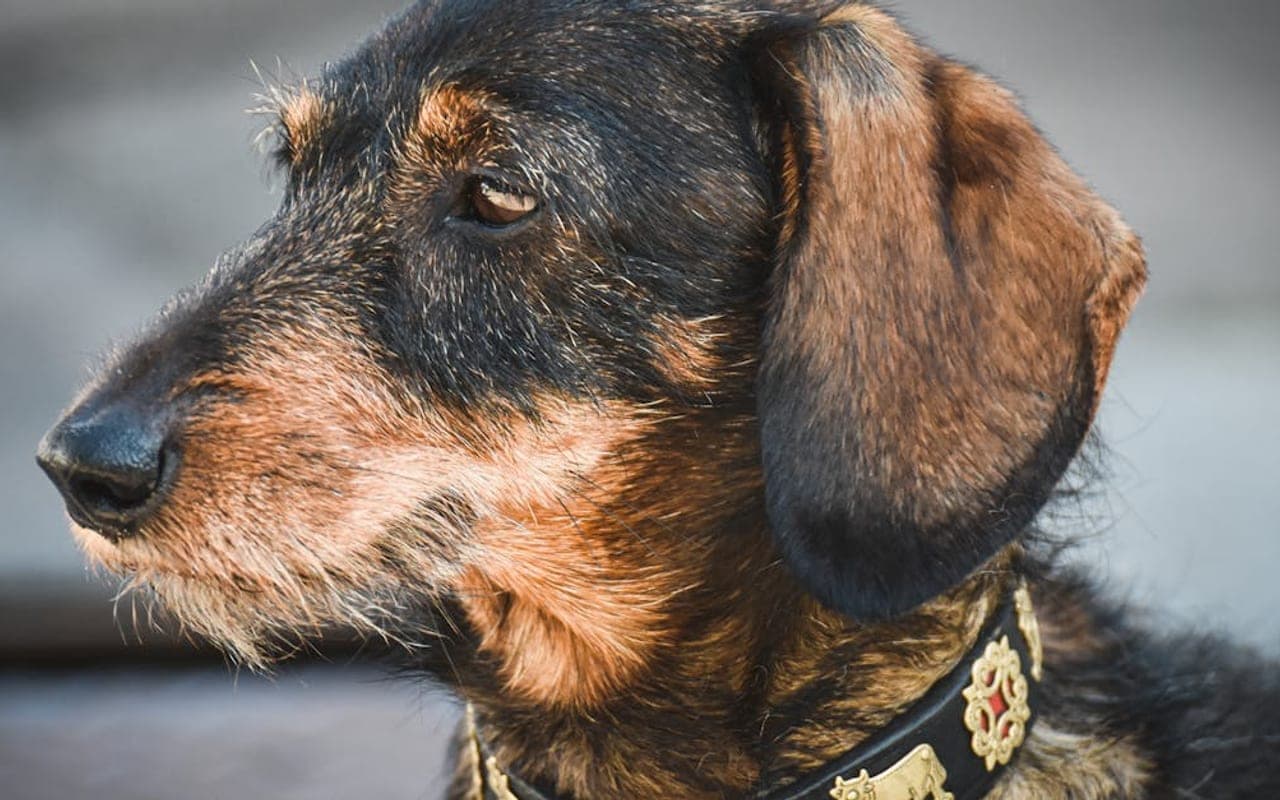
Jagdterrier
Also in the Foundation Stock Service group, with different care and temperament tradeoffs.
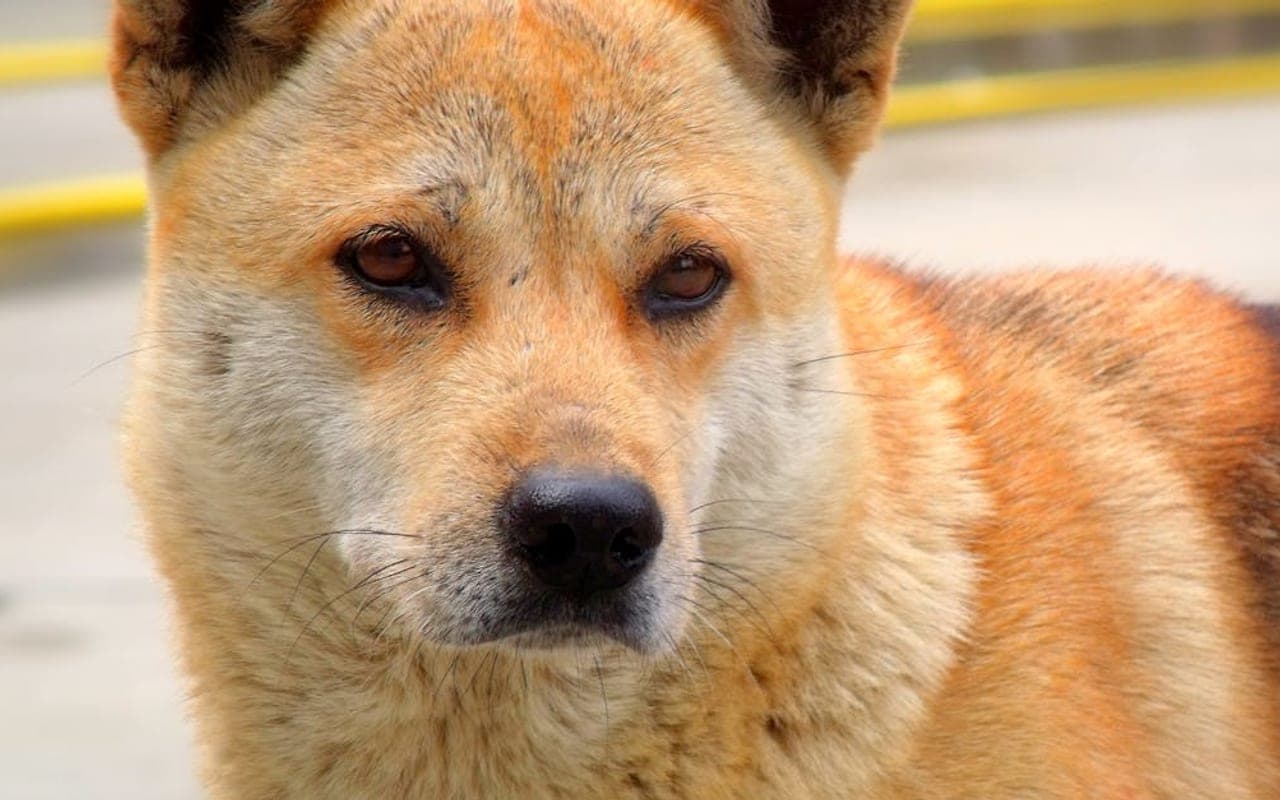
Jindo
Also in the Foundation Stock Service group, with different care and temperament tradeoffs.
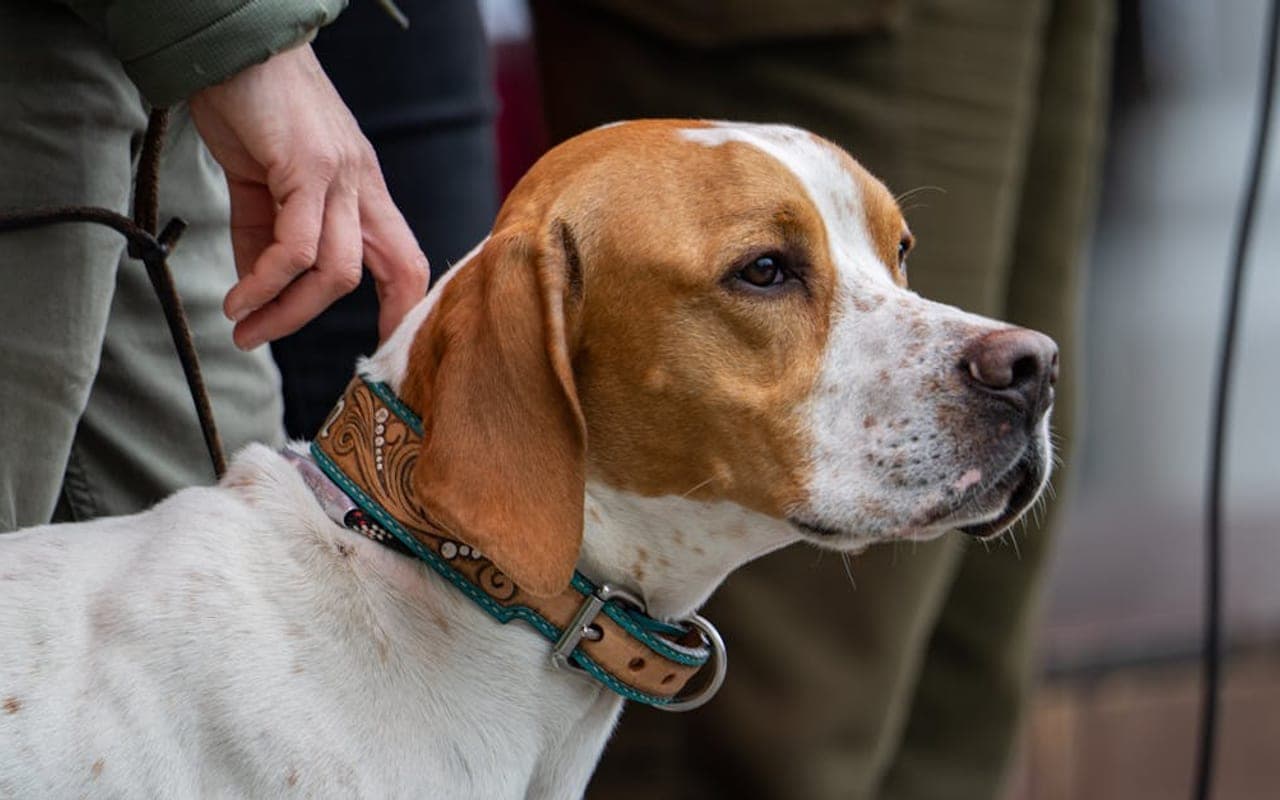
Portuguese Pointer
Also in the Foundation Stock Service group, with different care and temperament tradeoffs.
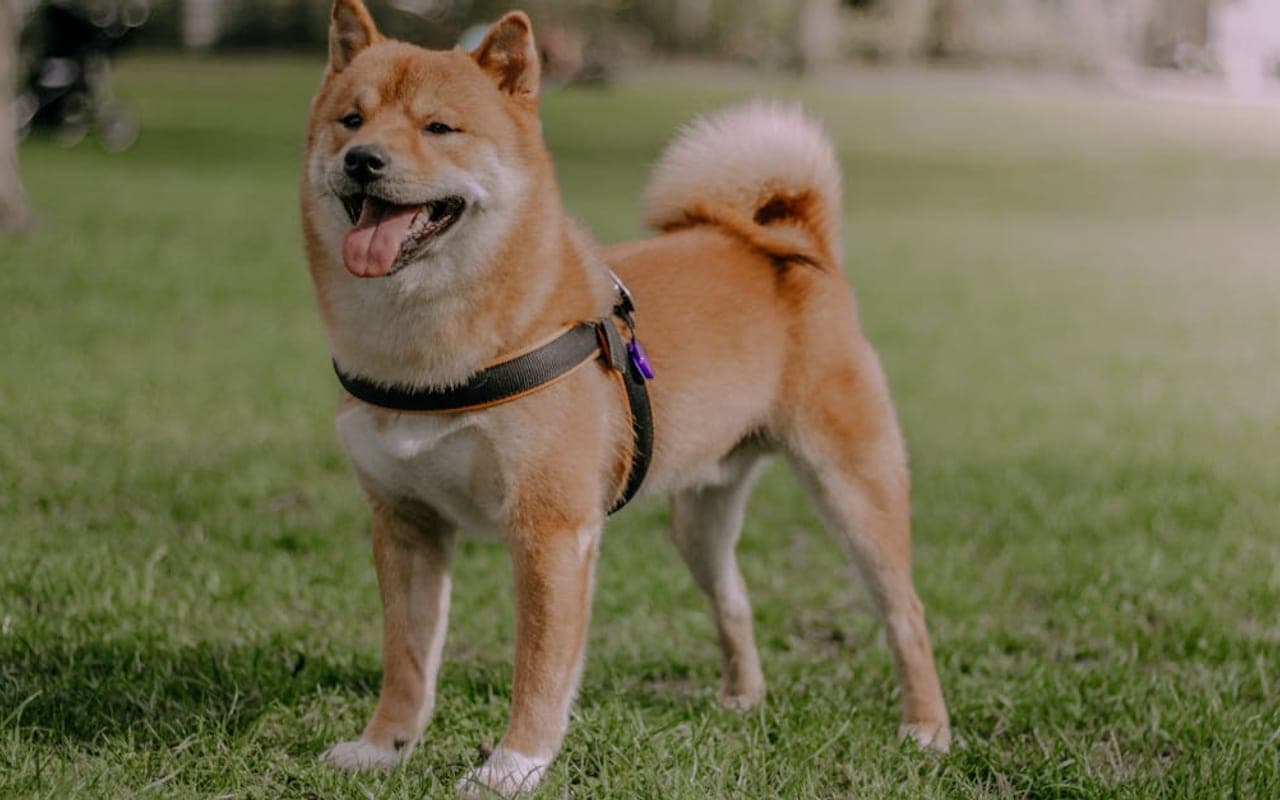
Kishu Ken
Also in the Foundation Stock Service group, with different care and temperament tradeoffs.
Explore More About Estrela Mountain Dog
Dive deeper into everything Estrela Mountain Dog — costs, care, and expert insights.
Large Dog Care Guide: Everything Over 50 lbs
Owning a large or giant breed dog means accepting one of biology's...
Puppy Teething & Biting: Timeline and What Actually Works
A puppy has all 28 deciduous ("baby") teeth by roughly eight weeks of age, and...
Considering a cat instead?
Browse Cats