
Foundation Stock Service group
Eurasier
The Eurasier is a medium-sized German spitz-type companion dog — roughly 18-32 kg — built deliberately to be a family dog and nothing else.
Size
40-71 lb
Lifespan
12-16 years
Exercise
30-60 minutes
Shedding
Moderate
Experience
Match to owner routine
Decision first
Is a Eurasier right for you?
Start with fit before history or trivia. These are ownership signals, not guarantees about any individual dog.
Best suited for
- Households with children.
- Homes with other compatible pets.
- Apartment homes with a consistent routine.
- Owners seeking a manageable daily exercise routine.
Think carefully if
- You need a dog with almost no daily routine.
- You cannot keep up with grooming and preventive care.
- The dog will spend most days alone without support.
Conditional fit
Apartment fit depends on exercise, enrichment, noise management, and outdoor access.
Daily reality
Eurasier commitment snapshot
Daily exercise
30-60 minutes
Match activity to age, health, weather, and training goals.
Coat care
Moderate
Grooming needs vary by coat, shedding, and lifestyle.
Time alone
Needs planning
Most dogs need gradual alone-time conditioning and support.
Structured facts
Eurasier at a glance
The measurements and traits that most affect day-to-day life with this breed.
Group
Foundation Stock Service
Weight
40-71 lb
Height
19-24 in
Lifespan
12-16 years
Temperament
Confident | Calm | Family-Oriented
View all characteristics and methodology
Lifestyle fit
- Apartment suitability
- Likely fit
- Child friendliness
- Often good, with socialisation and supervision
- Other-pet fit
- Often compatible with careful introductions
Owner commitment
- Exercise
- 30-60 minutes
- Grooming
- Moderate
- Shedding
- Moderate
- Training
- Moderate
Environment and health
- Health risk
- Needs planning
Ratings combine structured breed data, visible breed fields, and editorial context. They are planning aids, not predictions for an individual dog.
Daily life
Eurasier temperament and behavior
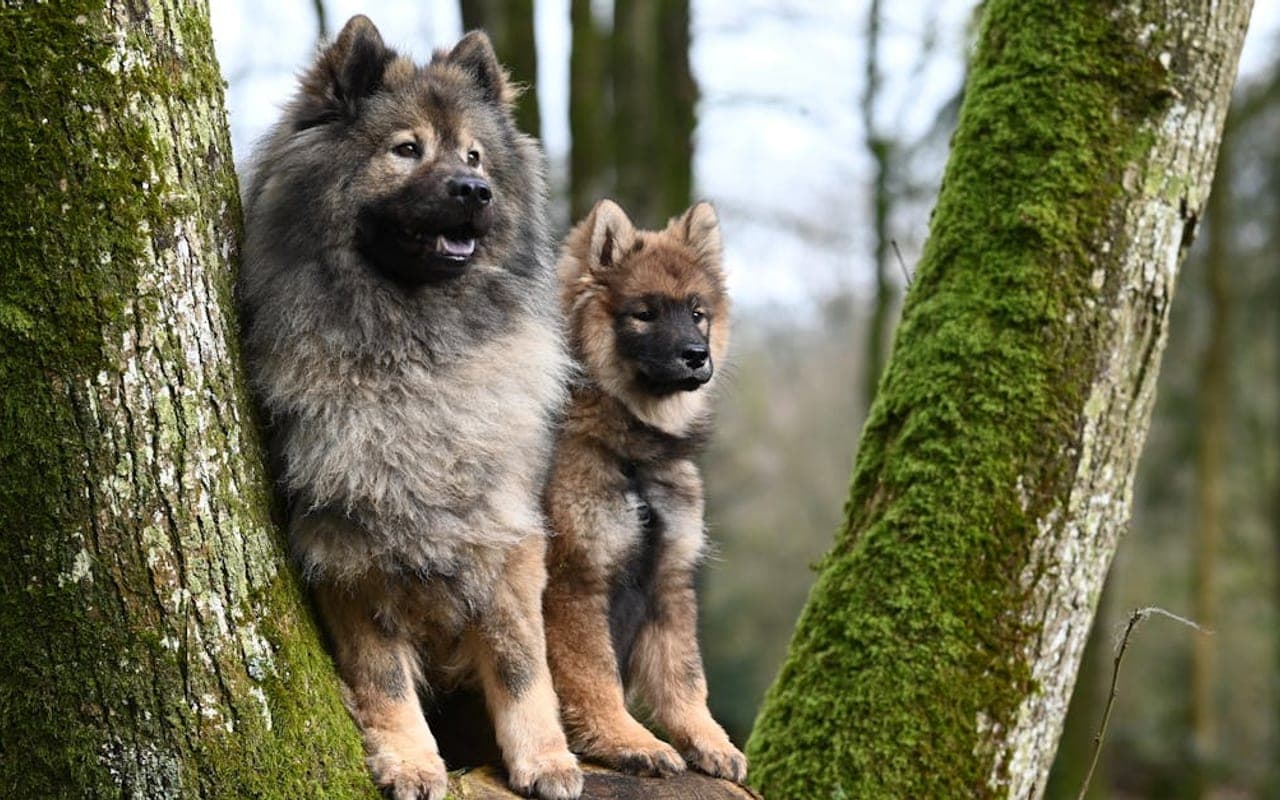
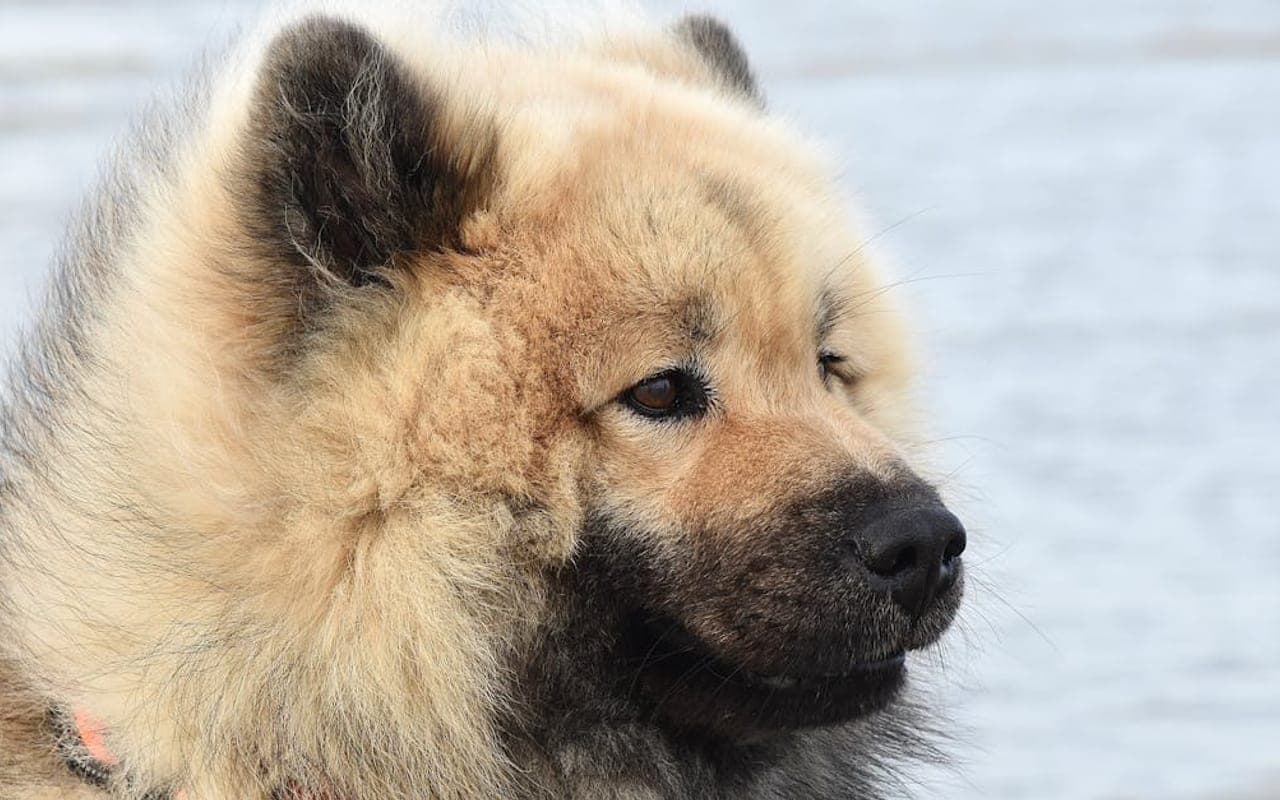
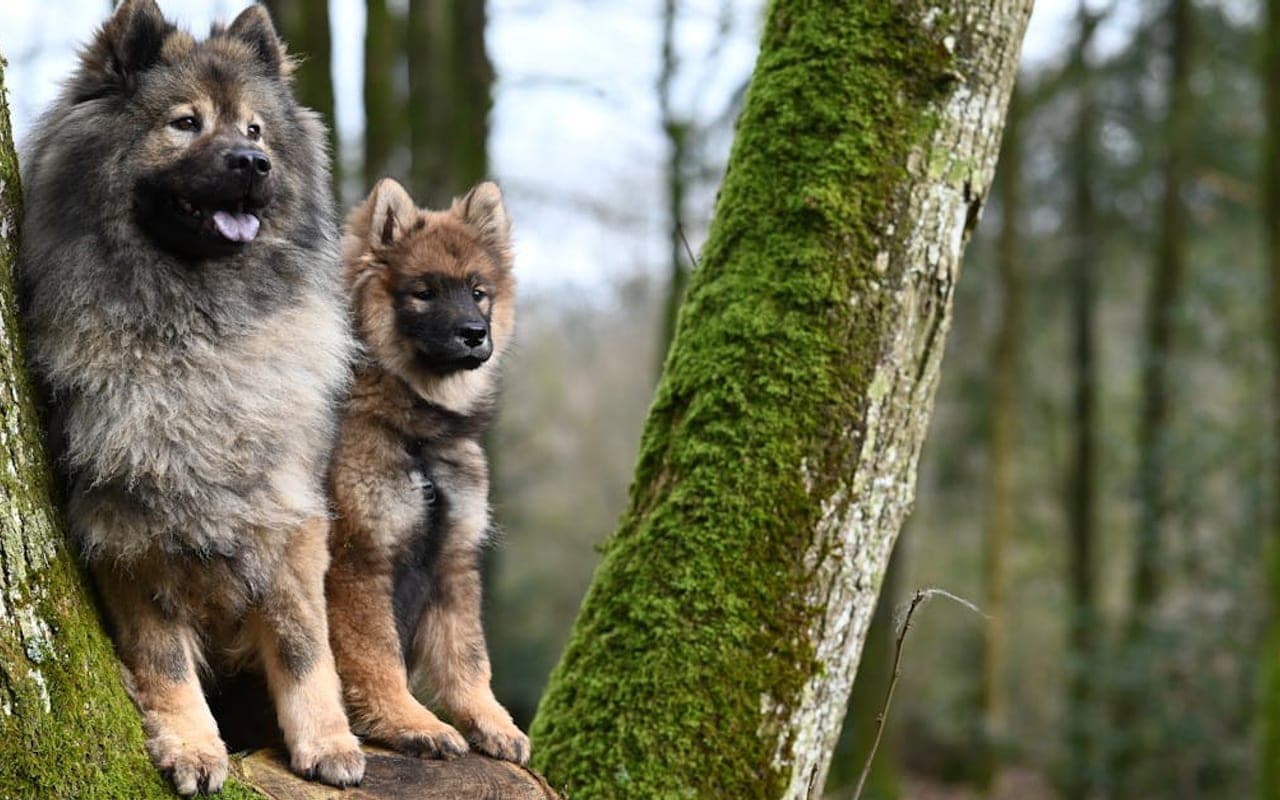
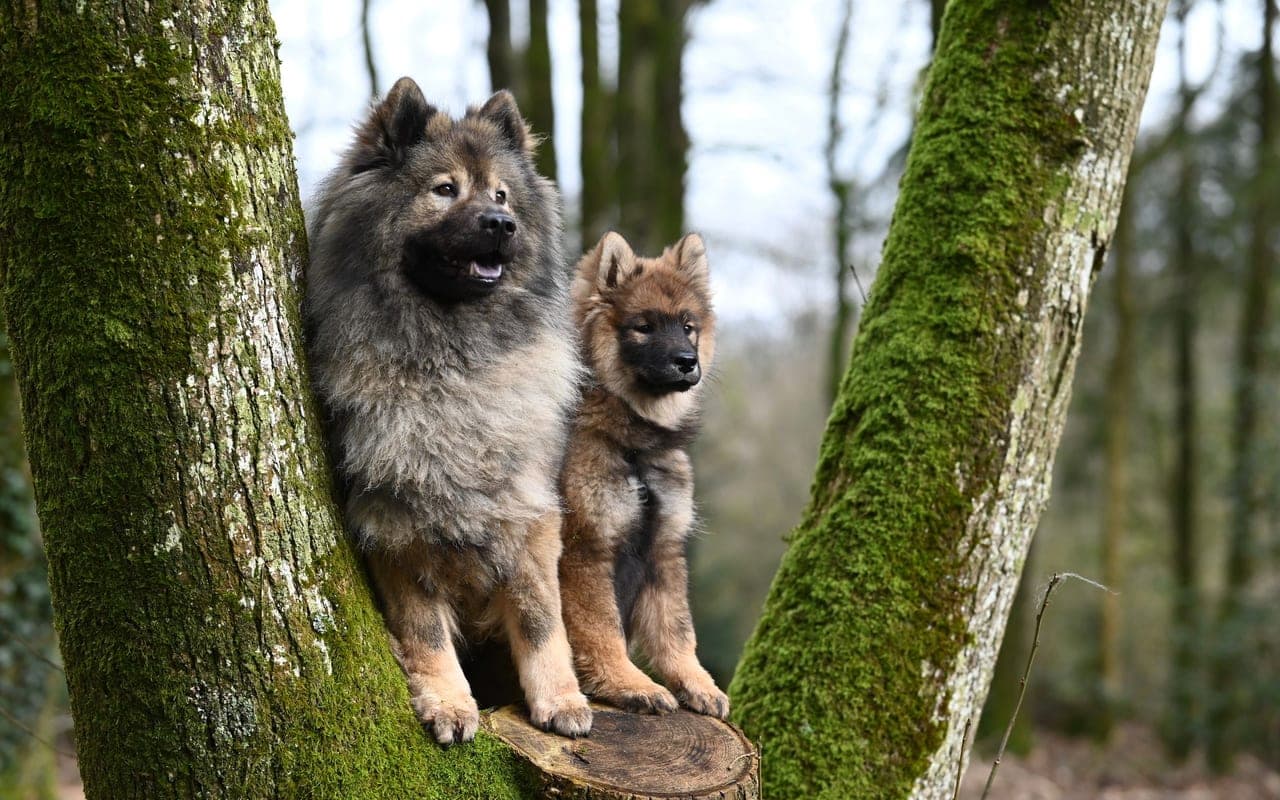
The Eurasier is a medium-sized German spitz-type companion dog — roughly 18-32 kg — built deliberately to be a family dog and nothing else. It is not a guard breed, not a working breed, and not a kennel dog; it was engineered in the 20th century to live inside, attached to its people. Understanding that single design intent prevents almost every Eurasier mismatch. Physically it carries a thick double coat in nearly any color (the standard excludes only liver, pure white, and white patching), prick ears, a plumed curled tail, and frequently a blue, spotted, or partly pink tongue inherited from its Chow Chow ancestry. It is a moderate, balanced dog without exaggeration — no extreme angulation, no brachycephaly, no giant size. Temperament is the whole point and the whole catch. With its own family the Eurasier is calm, confident, even-tempered, gentle, and intensely bonded. With strangers it is naturally reserved and aloof — not aggressive, not fearful when well-bred, simply uninterested in people outside its circle. It does not perform for visitors and does not 'warm up' on command, and that reserve is correct breed behavior, not a training failure. The defining trade-off: this dog must live in close contact with its family. A Eurasier left isolated in a yard, a kennel, or alone for long workdays does not become independent — it becomes anxious and withdrawn, and the calm temperament that sold you the breed collapses. Who it is right for: a household that is home often, wants a quiet, undemanding indoor companion, and accepts a dog that is devoted to family and indifferent to everyone else. Who it is wrong for: anyone wanting a sociable greeter, a protection dog, an outdoor dog, or a dog that tolerates routine long-hours solitude.
Confident | Calm | Family-Oriented
Confident
A common Eurasier temperament descriptor that should be interpreted alongside training, exercise, and household fit.
Calm
A common Eurasier temperament descriptor that should be interpreted alongside training, exercise, and household fit.
Family-Oriented
A common Eurasier temperament descriptor that should be interpreted alongside training, exercise, and household fit.
Owner note
Temperament labels are starting points, not guarantees. Meet the individual dog and ask about behavior history whenever possible.
Care essentials
How to care for a Eurasier
What looking after one actually involves: exercise, grooming, food, training, and routine health.
ExerciseAs needed
- Moderately active breed needing 30-60 minutes of daily exercise through walks, play, and mental stimulation.
GroomingAs needed
- Regular grooming needed — brush 2-3 times per week and bathe monthly.
TrainingAs needed
- Moderately trainable — consistent, patient training with positive methods works best.
NutritionAs needed
- Feed a high-quality dog food appropriate for their age, size, and activity level. Monitor portions to prevent obesity.
Veterinary CareAs needed
- Annual wellness exams, core vaccinations, dental care, and parasite prevention. Breed-specific health screenings as recommended by your vet.
Health planning
Eurasier health risks and screening
Every breed has individual health variation. Use this profile for planning and discuss medical decisions with a veterinarian.
Responsible ownership
Finding a Eurasier responsibly
What to ask a breeder or rescue is the same conversation for every breed, so we keep it in one place and keep it current.
Health documentation, meeting the parents or foster, contracts and return support, and the warning signs worth walking away from.
Original purpose
Eurasier history
History is useful when it explains today's behavior, coat, exercise needs, and training style.
Read the breed history
The Eurasier is a young, deliberately created breed. It was developed in Germany beginning in 1960 by Julius Wipfel, with input from Konrad Lorenz's circle, to produce an ideal family companion combining the temperament of the German spitz-type Wolfsspitz (Keeshond), the Chow Chow, and — added later — the Samoyed. The breed was recognized by the FCI in 1973 under the name Eurasier. The breeding goal was explicitly behavioral rather than functional: a medium dog, strongly bonded to its family, reserved with strangers, free of nervousness and aggression, and unsuited to kennel or guarding work. Because the founding population was small, the breed has been managed with unusual attention to genetic diversity and health screening through dedicated clubs (in the U.S., the United States Eurasier Club, which mandates OFA/PennHIP and thyroid screening before breeding). It remains rare and is recognized through the AKC Foundation Stock Service.
Gallery
Eurasier photos
Images are cropped consistently and loaded progressively to keep the page responsive.
Lower-page context
Eurasiers in culture
Where the breed shows up in film, sport, work and folklore — the enjoyable part, once the practical questions are answered.
Fun facts
- The Eurasier belongs to the Foundation Stock Service.
- With proper care, Eurasier dogs can live up to 16 years or more.
- Eurasier dogs are valued for their confident, calm, family-oriented nature.
Eurasier FAQs
How long do Eurasier dogs live?
A healthy Eurasier from screened lines typically lives 12-16 years, which is long for a medium dog and reflects the breed's careful health management and absence of structural exaggeration. The biggest owner-controlled levers are maintaining lean body condition (protects the patellas and hips) and catching hypothyroidism early — an annual thyroid panel from middle age makes a treatable condition cheap to manage rather than a slow, unexplained decline.
Are Eurasier dogs good with children?
Yes — within their own family Eurasiers are calm, gentle, patient, and strongly bonded, which suits households with children well. Their natural reserve is directed at strangers, not family. The practical note is that the same reserve means they may not enjoy a constant stream of unfamiliar visiting children; supervise young children as with any dog and respect the breed's preference for quiet over rough handling.
How much exercise does a Eurasier need?
Moderate — about 45-60 minutes of daily activity such as a brisk walk plus play or a hike. The Eurasier is not a high-drive breed and adapts its energy to the household. The more important requirement is companionship: this breed needs to be near its family far more than it needs intense exercise, and meeting the exercise quota while leaving the dog isolated the rest of the day still produces an unhappy, anxious dog.
Are Eurasier dogs easy to train?
They are intelligent and willing but highly sensitive, so success depends entirely on method. Gentle, consistent, positive reinforcement works well; harsh corrections cause the breed to shut down and damage the bond it is built around. Early and broad socialization is the single most important training investment — because the breed is naturally reserved, good socialization shapes that reserve into stable aloofness rather than fearfulness.
How much grooming does a Eurasier need?
Moderate and predictable. Brush the dense double coat 2-3 times weekly, increasing to near-daily during the two heavy seasonal sheds (spring and autumn, roughly 3 weeks each) using a slicker and undercoat rake. Bathe only every 8-12 weeks. The critical rule: never shave a Eurasier — the double coat insulates against both heat and cold, and shaving damages regrowth and removes that protection, a common and costly grooming mistake.
Is a Eurasier a good guard dog or watchdog?
No to guarding, partial yes to watching. The Eurasier was deliberately bred to be reserved with strangers but free of aggression and protective drive — it will typically alert you to someone at the door and then defer to you, not confront. If you want a dog that actively protects property or deters intruders, this is the wrong breed by design and no amount of training will install drive that was selected out. What you get instead is a quiet, discerning companion that watches without escalating — choose accordingly.
Sources
These are the published sources this page draws on. Each opens in a new tab so you can check it yourself.
American Kennel Club
Eurasier — breed standard and profile(opens in a new tab)Supports: Breed standard and recognition details.
Similar breeds to consider
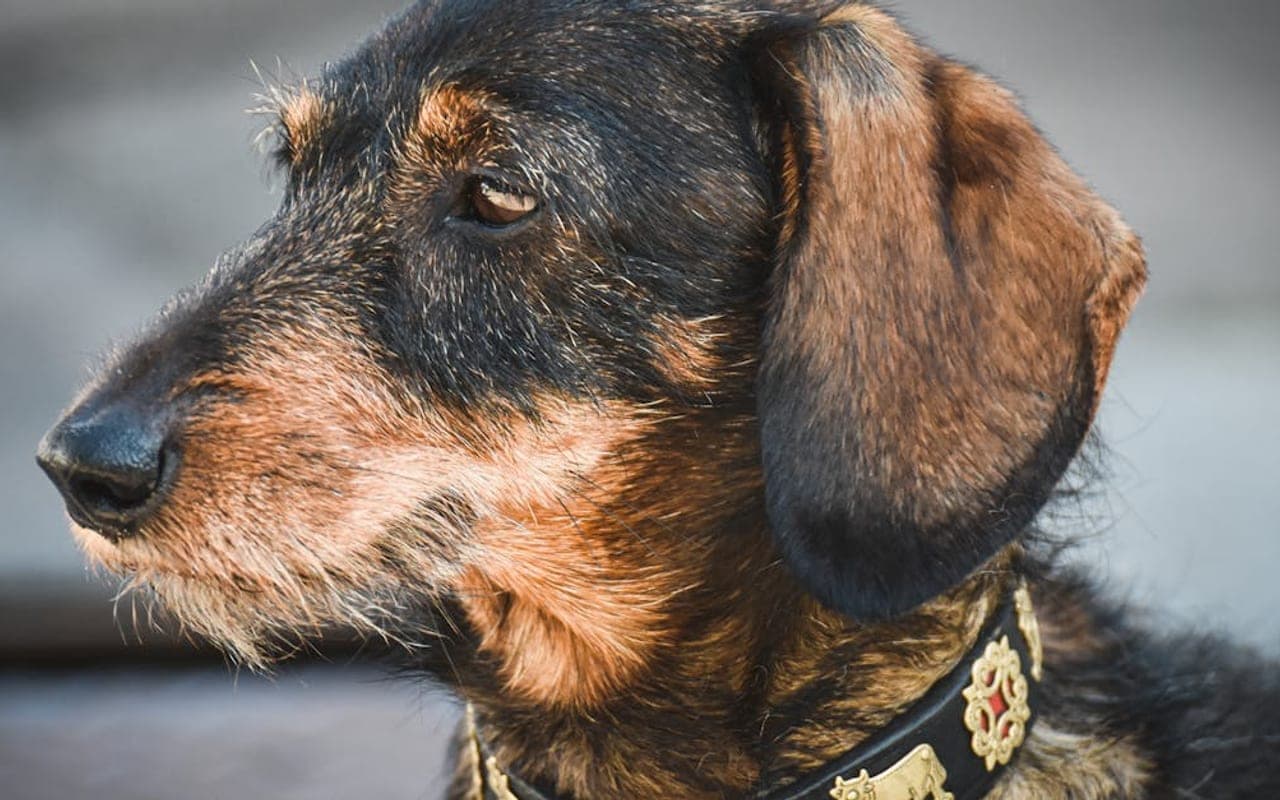
Jagdterrier
Also in the Foundation Stock Service group, with different care and temperament tradeoffs.
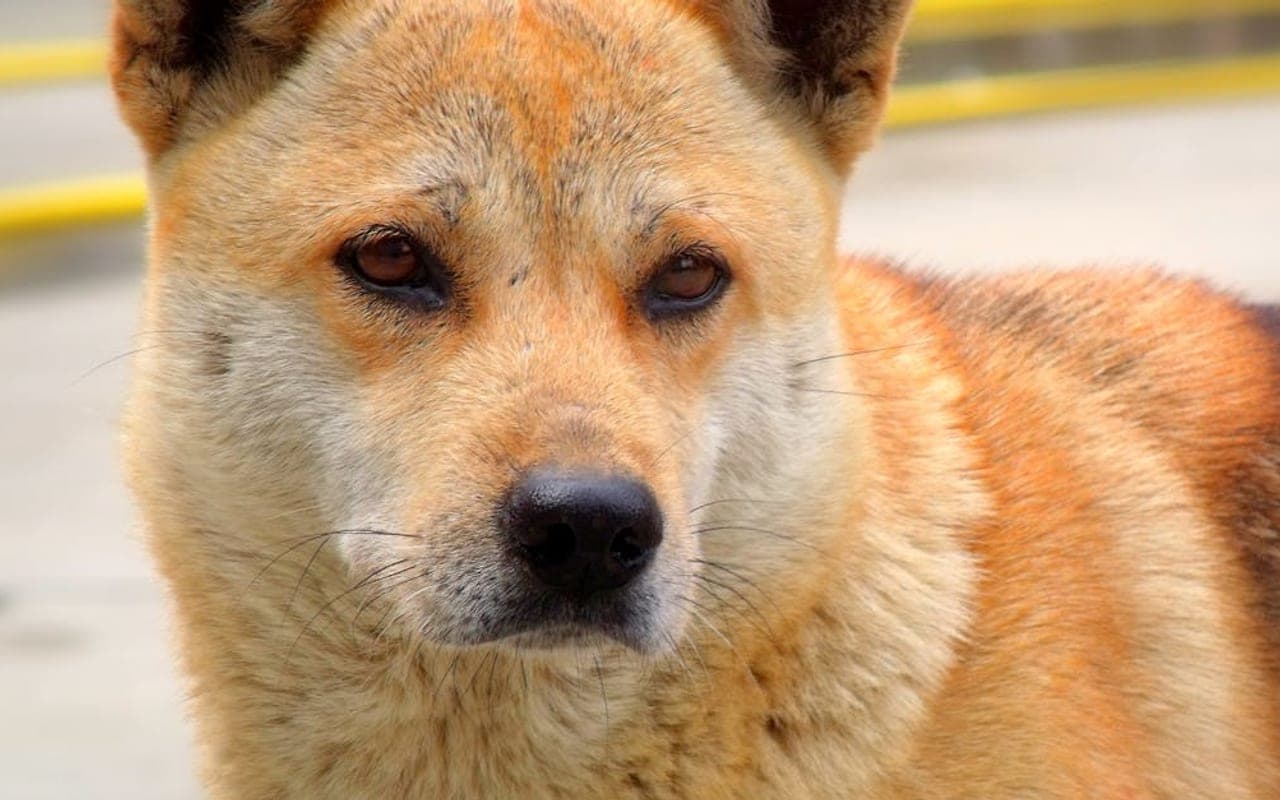
Jindo
Also in the Foundation Stock Service group, with different care and temperament tradeoffs.
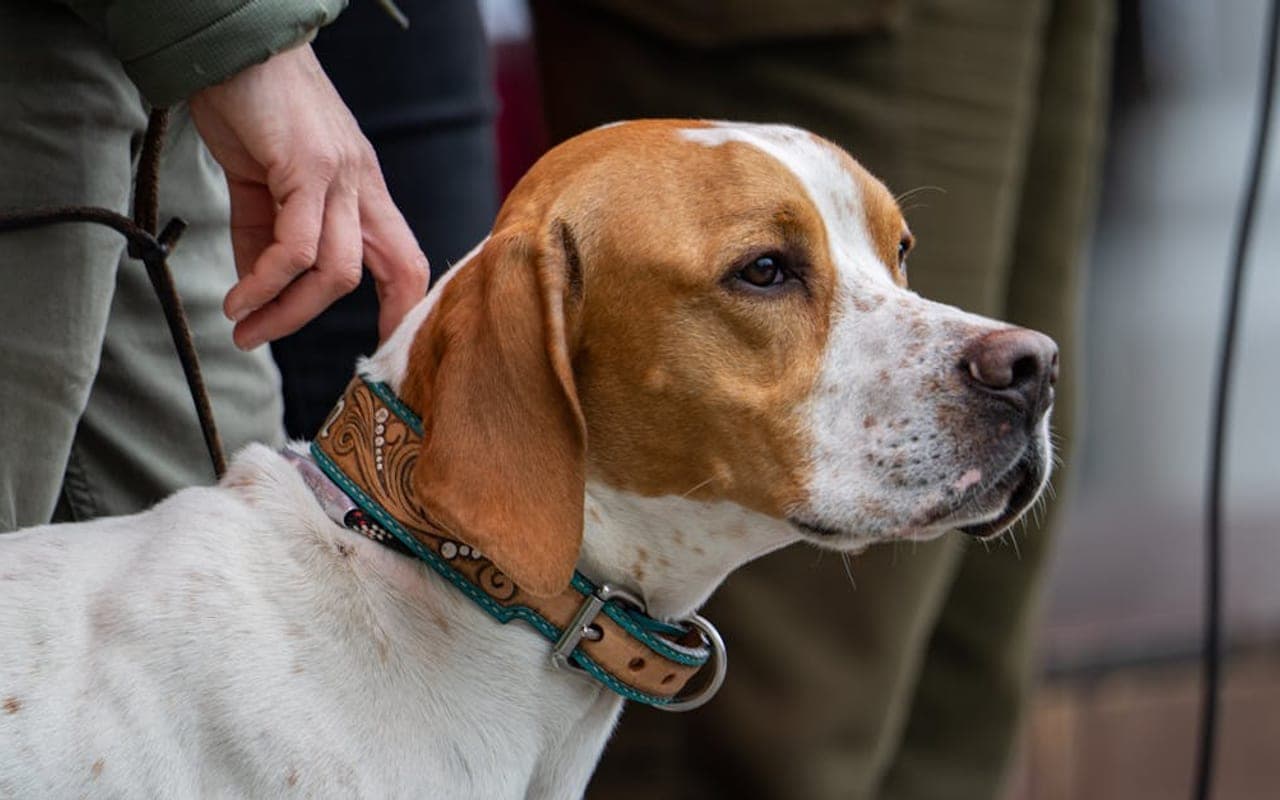
Portuguese Pointer
Also in the Foundation Stock Service group, with different care and temperament tradeoffs.
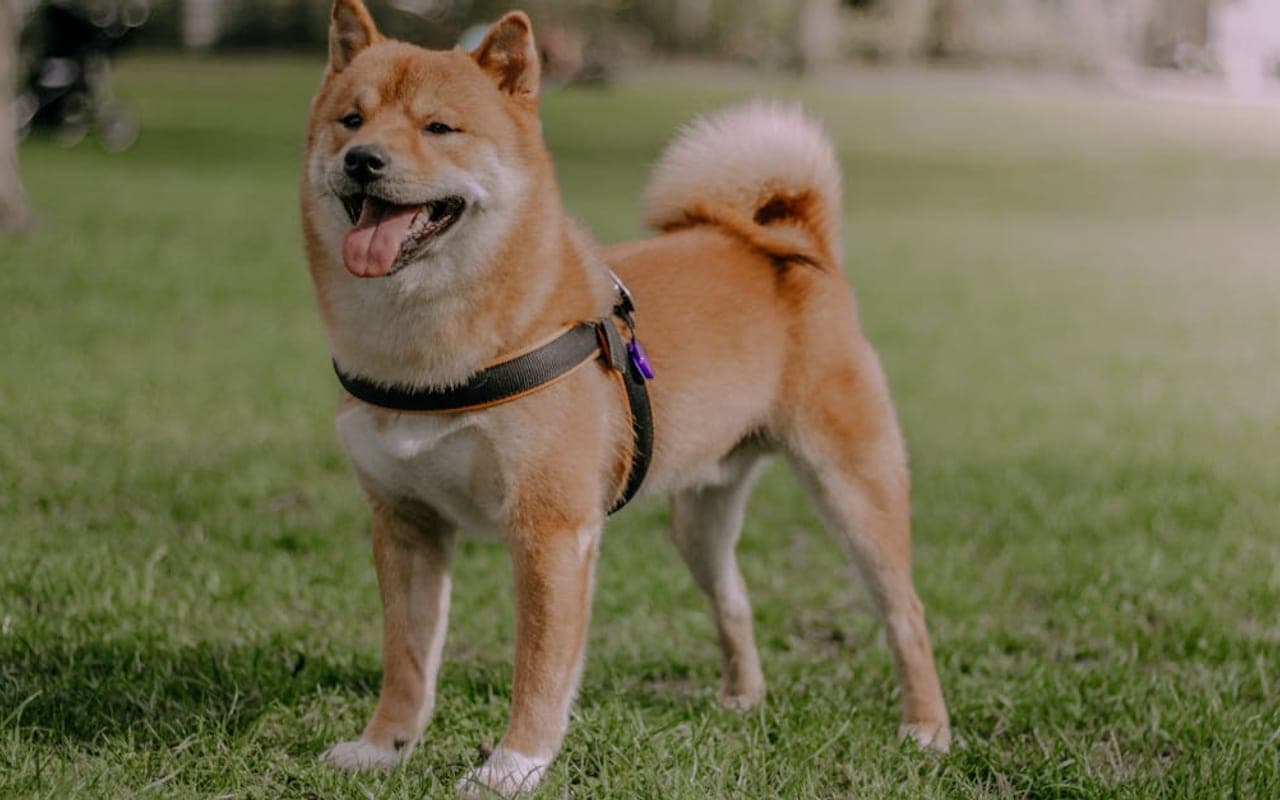
Kishu Ken
Also in the Foundation Stock Service group, with different care and temperament tradeoffs.
Explore More About Eurasier
Dive deeper into everything Eurasier — costs, care, and expert insights.
Considering a cat instead?
Browse Cats