
Herding group
Finnish Lapphund
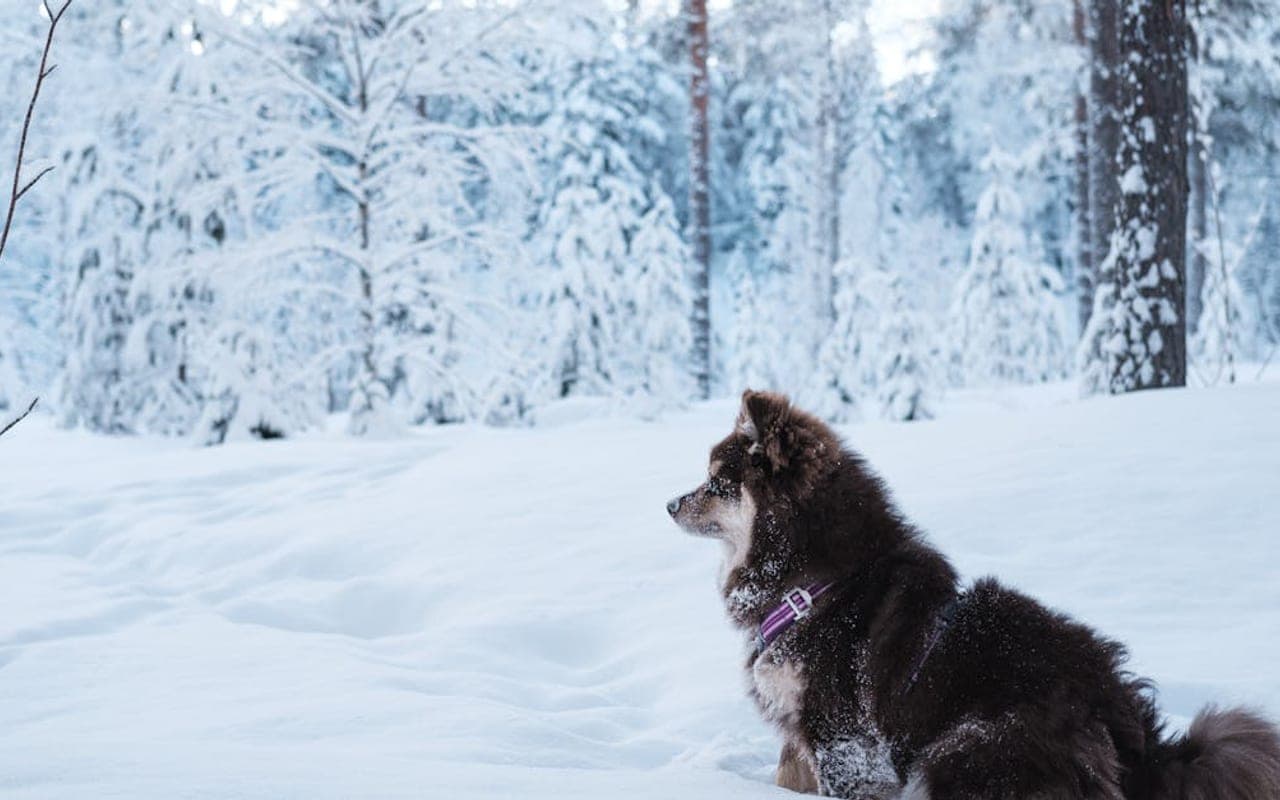
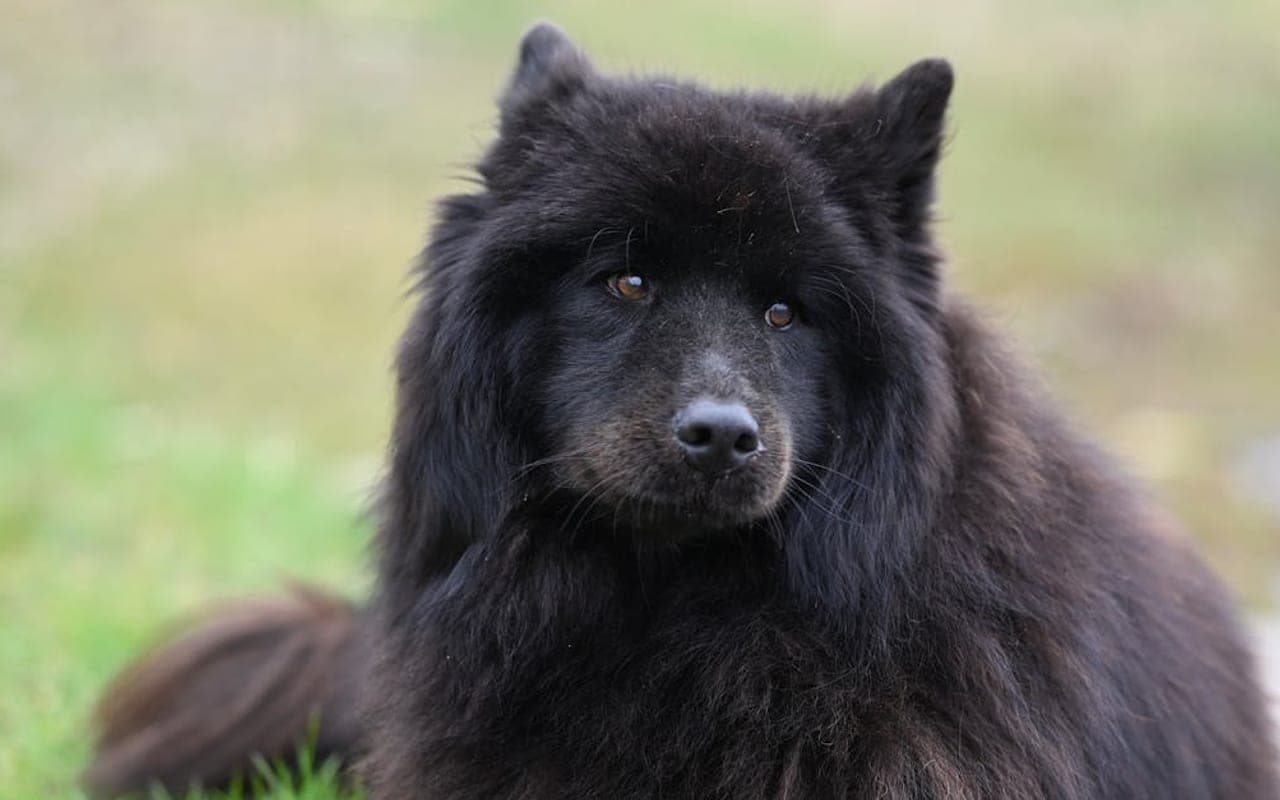
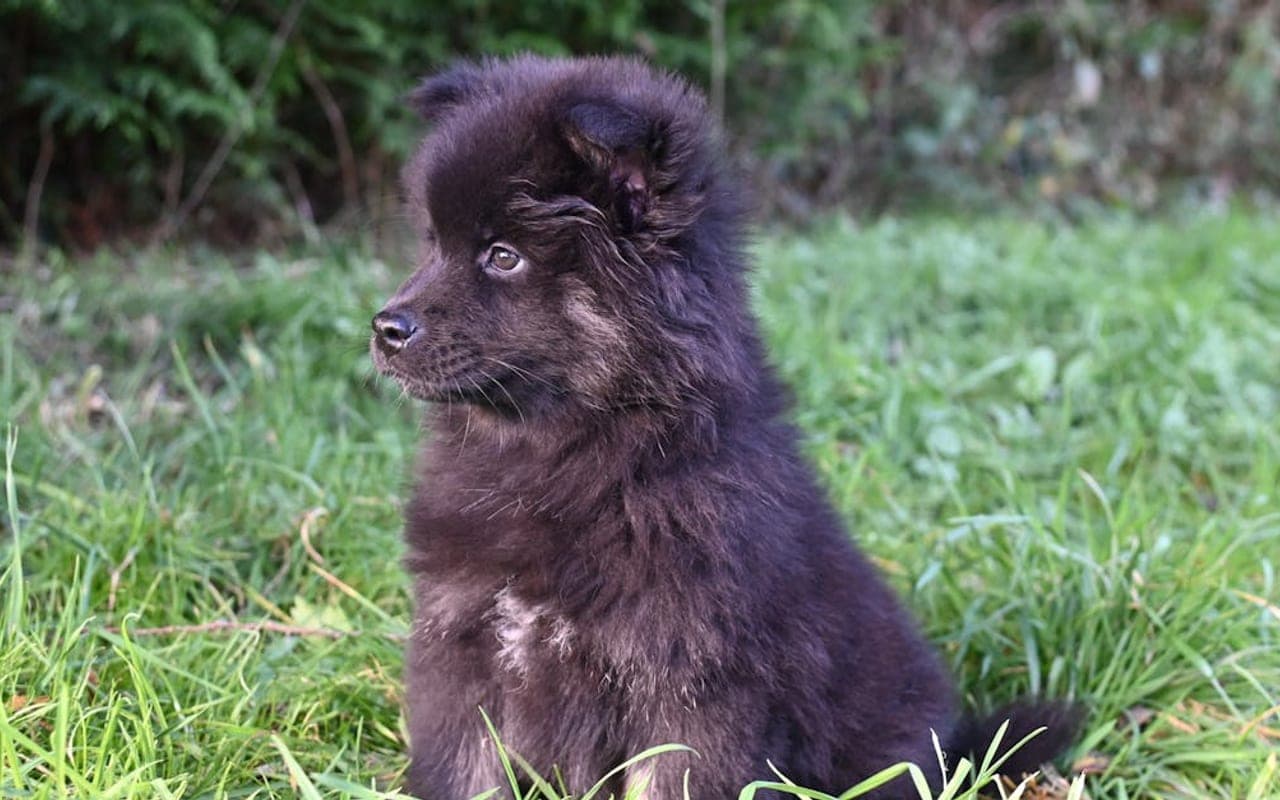
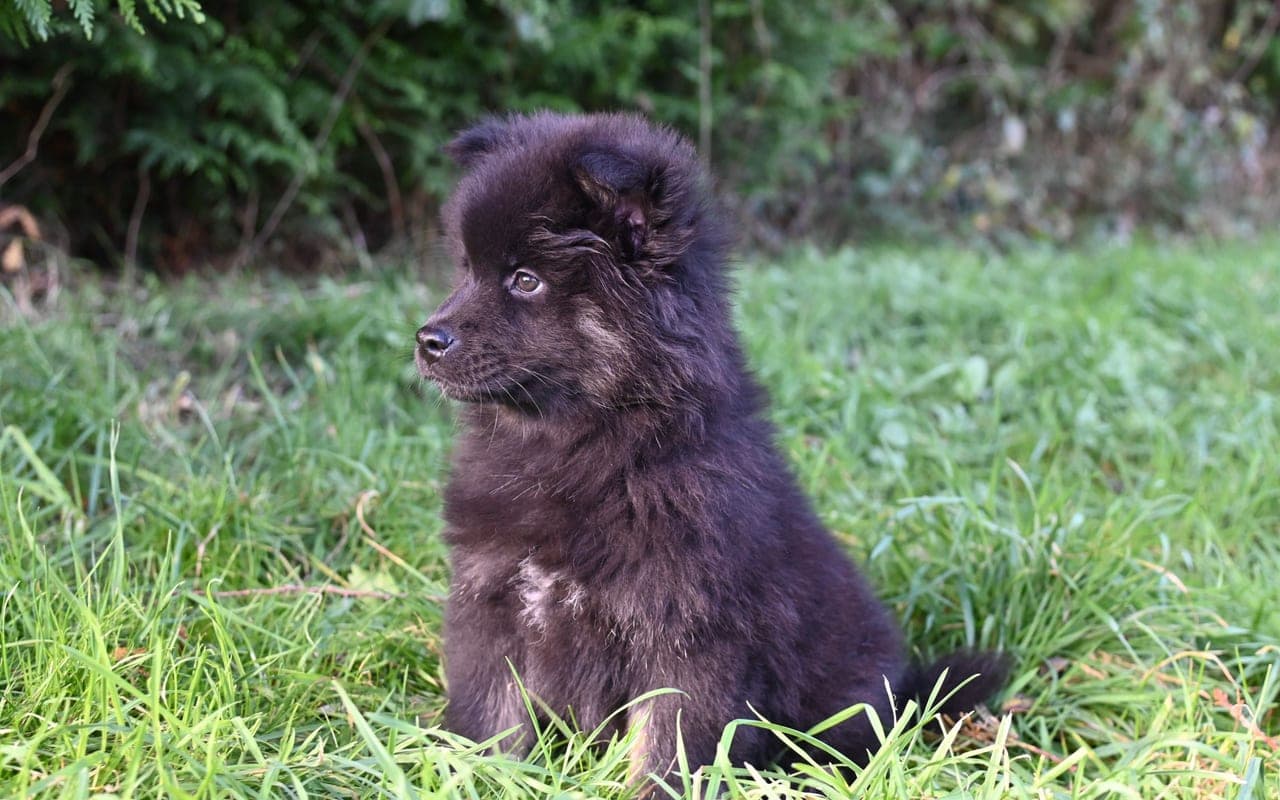
The Finnish Lapphund is a reindeer-herding spitz from inside the Arctic Circle, and almost every misjudgment people make about the breed comes from looking at the coat and the sweet face instead of reading the herding job behind them.
Size
33-53 lb
Lifespan
12-15 years
Exercise
30-60 minutes
Shedding
Moderate
Experience
Match to owner routine
Decision first
Is a Finnish Lapphund right for you?
Start with fit before history or trivia. These are ownership signals, not guarantees about any individual dog.
Best suited for
- Households with children.
- Homes with other compatible pets.
- Apartment homes with a consistent routine.
- Owners seeking a manageable daily exercise routine.
Think carefully if
- You need a dog with almost no daily routine.
- You cannot keep up with grooming and preventive care.
- The dog will spend most days alone without support.
Conditional fit
Apartment fit depends on exercise, enrichment, noise management, and outdoor access.
Daily reality
Finnish Lapphund commitment snapshot
Daily exercise
30-60 minutes
Match activity to age, health, weather, and training goals.
Coat care
Moderate
Grooming needs vary by coat, shedding, and lifestyle.
Time alone
Needs planning
Most dogs need gradual alone-time conditioning and support.
Structured facts
Finnish Lapphund at a glance
The measurements and traits that most affect day-to-day life with this breed.
Group
Herding
Weight
33-53 lb
Height
16-20 in
Lifespan
12-15 years
Temperament
Friendly | Alert | Agile
View all characteristics and methodology
Lifestyle fit
- Apartment suitability
- Likely fit
- Child friendliness
- Often good, with socialisation and supervision
- Other-pet fit
- Often compatible with careful introductions
Owner commitment
- Exercise
- 30-60 minutes
- Grooming
- Moderate
- Shedding
- Moderate
- Training
- Low
Environment and health
- Health risk
- Needs planning
Ratings combine structured breed data, visible breed fields, and editorial context. They are planning aids, not predictions for an individual dog.
Daily life
Finnish Lapphund temperament and behavior
The Finnish Lapphund is a reindeer-herding spitz from inside the Arctic Circle, and almost every misjudgment people make about the breed comes from looking at the coat and the sweet face instead of reading the herding job behind them. A Lappie stands about 18-21 inches and weighs roughly 33-53 pounds — small dog dimensions, working-dog wiring. They are friendly to the point of being a poor guard dog, submissive, intensely people-oriented, and they bark. The barking is not a training failure; it is the tool the breed used for centuries to move reindeer and warn the herd, and you do not breed that out in one generation of obedience class. Temperament is the breed's strongest selling point and its quietest trap. Lappies are calm indoors, gentle with children, sociable with other dogs, and emotionally tuned to their household to a degree that makes them genuinely miserable when isolated or left in a yard. A Finnish Lapphund left alone for long workdays without companionship does not become independent — it becomes anxious, vocal, and destructive. They also carry a hard-wired startle reflex from centuries of dodging reindeer antlers, so a dog that flinches at sudden movement is normal, not unstable, and harsh corrections make it worse. Who the Finnish Lapphund is right for: an active household that wants a soft, trainable, cold-tolerant companion, will absorb heavy seasonal shedding and routine barking, and treats the dog as family rather than yard equipment. Who it is wrong for: anyone who needs a quiet dog, lives somewhere hot without climate control, works long hours with the dog left solo, or expects spitz independence. Buy from a breeder who screens for the eye and hip conditions below — this is a reasonably healthy breed, but the eye risks are real and DNA-testable, so an unscreened bargain puppy is a false economy.
Friendly | Alert | Agile
Friendly
A common Finnish Lapphund temperament descriptor that should be interpreted alongside training, exercise, and household fit.
Alert
A common Finnish Lapphund temperament descriptor that should be interpreted alongside training, exercise, and household fit.
Agile
A common Finnish Lapphund temperament descriptor that should be interpreted alongside training, exercise, and household fit.
Owner note
Temperament labels are starting points, not guarantees. Meet the individual dog and ask about behavior history whenever possible.
Care essentials
How to care for a Finnish Lapphund
What looking after one actually involves: exercise, grooming, food, training, and routine health.
ExerciseAs needed
- Moderately active breed needing 30-60 minutes of daily exercise through walks, play, and mental stimulation.
GroomingAs needed
- Regular grooming needed — brush 2-3 times per week and bathe monthly.
TrainingAs needed
- Independent-minded breed that may require extra patience in training. Short, engaging sessions recommended.
NutritionAs needed
- Feed a high-quality dog food appropriate for their age, size, and activity level. Monitor portions to prevent obesity.
Veterinary CareAs needed
- Annual wellness exams, core vaccinations, dental care, and parasite prevention. Breed-specific health screenings as recommended by your vet.
Health planning
Finnish Lapphund health risks and screening
Every breed has individual health variation. Use this profile for planning and discuss medical decisions with a veterinarian.
Responsible ownership
Finding a Finnish Lapphund responsibly
What to ask a breeder or rescue is the same conversation for every breed, so we keep it in one place and keep it current.
Health documentation, meeting the parents or foster, contracts and return support, and the warning signs worth walking away from.
Original purpose
Finnish Lapphund history
History is useful when it explains today's behavior, coat, exercise needs, and training style.
Read the breed history
The Finnish Lapphund was developed by the Sámi people of Lapland — across what is now northern Finland, Sweden, and Norway — as a reindeer herder and camp dog. For centuries the dogs worked the semi-domesticated reindeer herds: moving them, holding them, and barking to control and warn the herd over long Arctic distances, which is the direct origin of the breed's vocal nature and its antler-dodging startle reflex. They lived alongside the herding families, which selected for the breed's hallmark friendliness and trainability rather than the aloof guarding temperament of many livestock breeds. When snowmobiles displaced dogs from much of the reindeer work in the mid-20th century, the population crashed and a deliberate restoration effort in Finland rebuilt the breed from surviving working stock. The Finnish Kennel Club fixed the modern standard, and the Finnish Lapphund remains one of Finland's most popular native breeds today. That working history is why the breed needs companionship, structure, and tolerance for barking far more than its companion-dog looks suggest.
Gallery
Finnish Lapphund photos
Images are cropped consistently and loaded progressively to keep the page responsive.
Lower-page context
Finnish Lapphunds in culture
Where the breed shows up in film, sport, work and folklore — the enjoyable part, once the practical questions are answered.
Fun facts
- The Finnish Lapphund belongs to the Herding Group.
- With proper care, Finnish Lapphund dogs can live up to 15 years or more.
- Finnish Lapphund dogs are valued for their friendly, alert, agile nature.
Finnish Lapphund FAQs
How long do Finnish Lapphund dogs live?
A Finnish Lapphund from health-screened lines typically lives 12-15 years, which is long for a dog of its size and one of the breed's genuine advantages. Lifespan is most affected by weight control protecting the hips and elbows, and by buying from a breeder who DNA-tests for prcd-PRA and screens eyes and hips. A lean, well-exercised Lappie from tested parents commonly reaches the upper end of that range.
Are Finnish Lapphund dogs good with children?
Yes — this is one of the breed's strongest traits. Lappies are gentle, patient, sociable, and emotionally tuned to their household, which makes them well suited to families with children. They tend to engage rather than hide. The one breed-specific caution is the herding startle reflex: sudden grabs or loud movement from toddlers can make a Lappie flinch, so supervise young children and teach calm handling rather than expecting the dog to simply absorb it.
How much exercise does a Finnish Lapphund need?
Budget 45-60 minutes of real activity daily — brisk walks, hikes, scent games, or herding-style work. They are a moderate-energy breed, not a marathon dog, but they are working-bred and a bored, under-exercised Lappie becomes vocal and destructive. Mental work matters as much as physical: a 30-minute training or puzzle session takes the edge off as effectively as a longer walk, which is useful on bad-weather days.
Do Finnish Lapphunds bark a lot?
Yes, and prospective owners must take this seriously. Barking is a herding tool the breed used for centuries to move and warn reindeer, so it is hardwired, not a training defect. Consistent early training reduces it — 'quiet' cues, redirection, and not rewarding alert-barking — but it does not eliminate it. If you live in an apartment with shared walls or need a quiet dog, this is the single biggest reason to choose a different breed.
How much grooming does a Finnish Lapphund need?
Moderate most of the year, heavy twice a year. Brush the double coat 2-3 times weekly (about 10 minutes) to manage loose undercoat, then daily for the 2-3 week seasonal 'coat blow' in spring and autumn, when shedding is dramatic. Never shave the coat — it insulates against both cold and heat, and shaving damages regrowth. Budget for fur throughout the house during shedding season; this is normal, not a grooming failure.
Are Finnish Lapphunds good apartment dogs?
Conditionally. They are calm indoors and adaptable in size, but two breed traits work against apartment life: the barking, which carries through shared walls, and the strong need for companionship — a Lappie left alone all day in a small space becomes anxious and vocal. They can do well in an apartment if someone is home or visiting through the day, the barking is actively managed from puppyhood, and they get 45-60 minutes of daily exercise.
Sources
These are the published sources this page draws on. Each opens in a new tab so you can check it yourself.
American Kennel Club
Finnish Lapphund — breed standard and profile(opens in a new tab)Supports: Breed standard and recognition details.
Similar breeds to consider
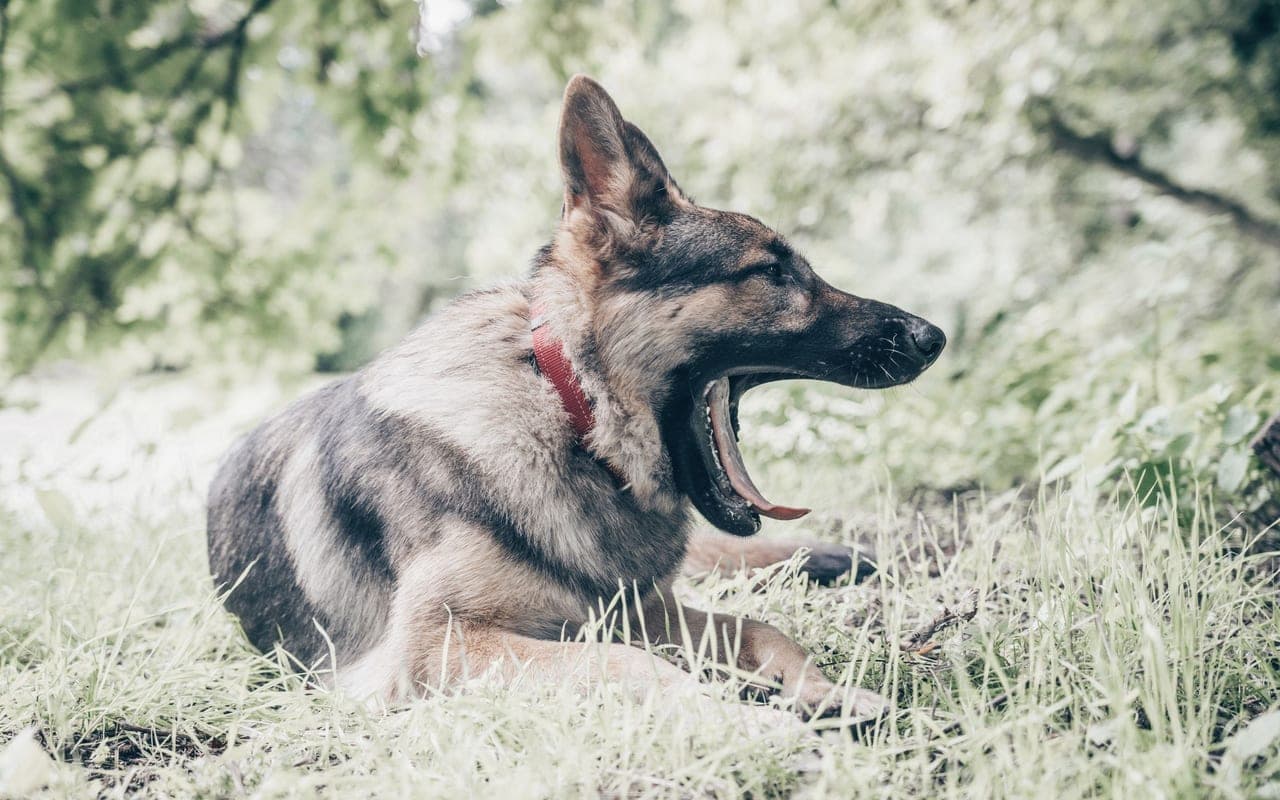
German Shepherd
Also in the Herding group, with different care and temperament tradeoffs.
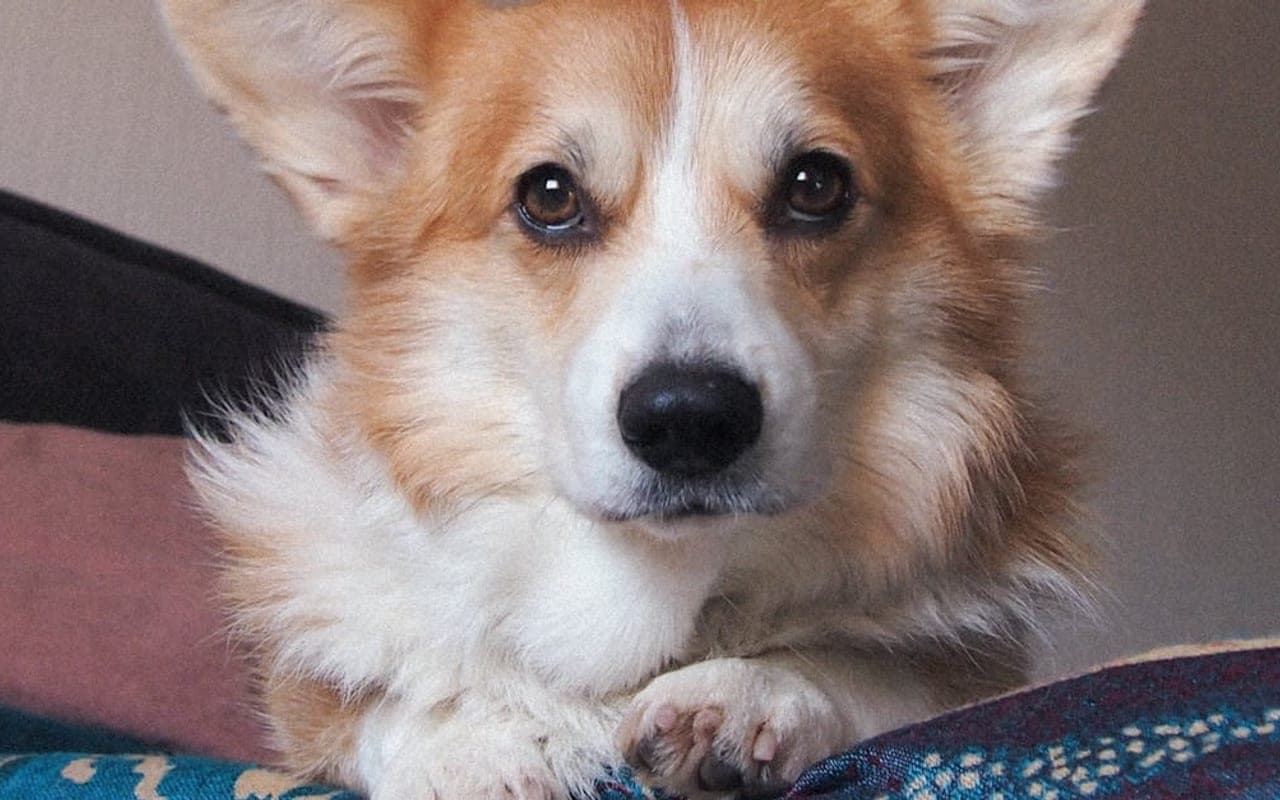
Pembroke Welsh Corgi
Also in the Herding group, with different care and temperament tradeoffs.
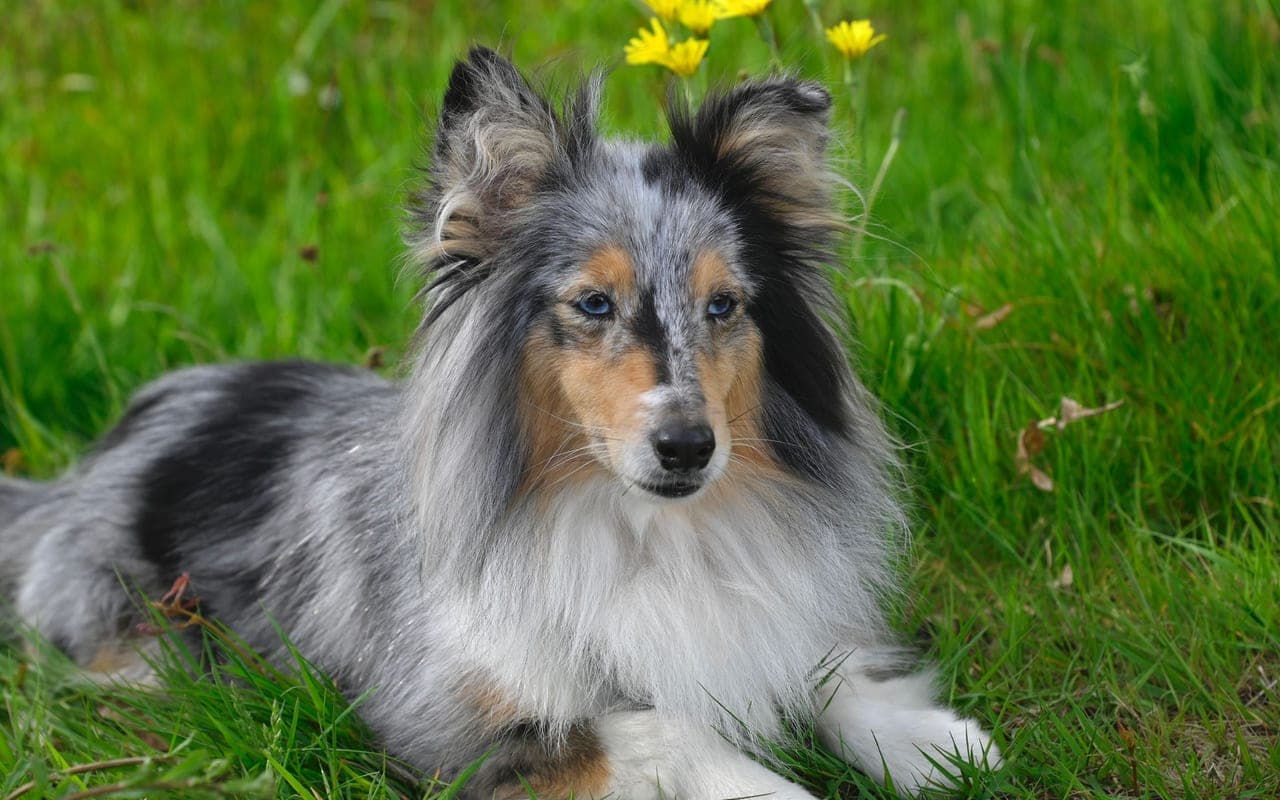
Shetland Sheepdog
Also in the Herding group, with different care and temperament tradeoffs.
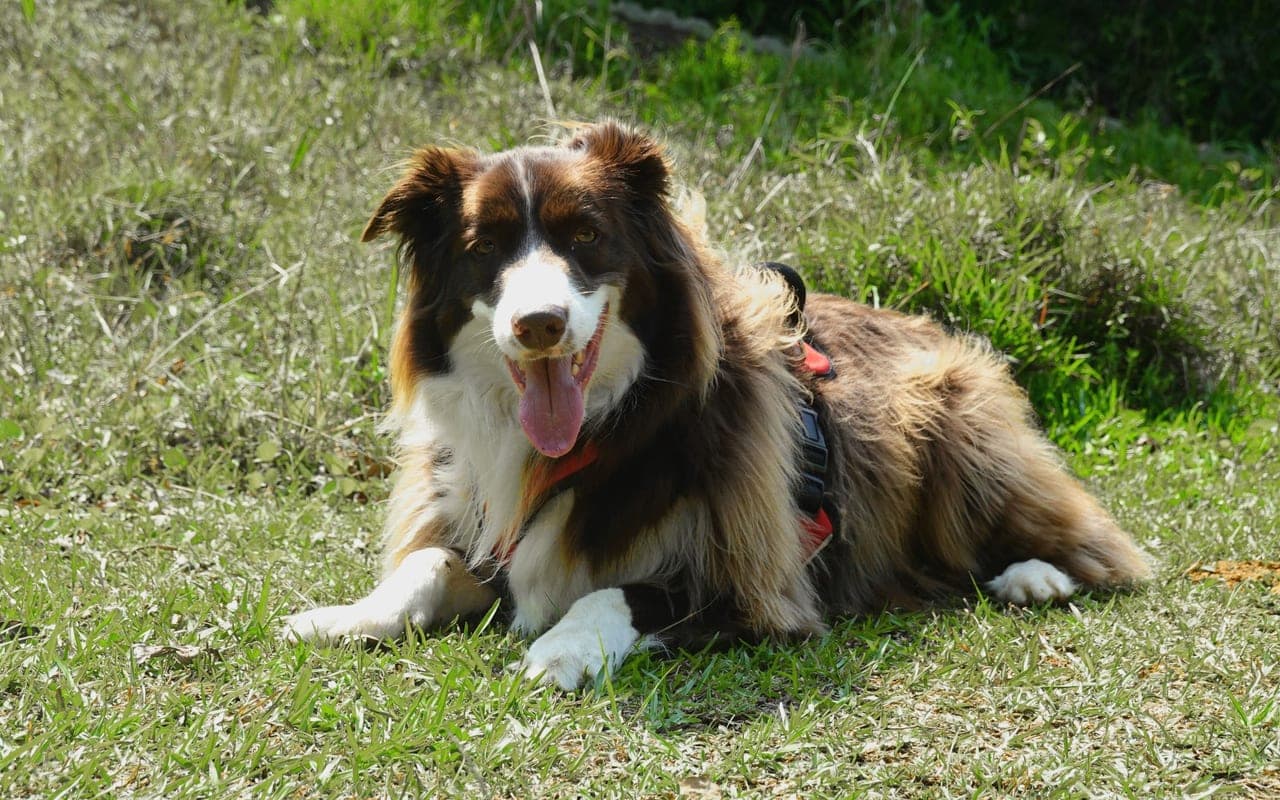
Border Collie
Also in the Herding group, with different care and temperament tradeoffs.
Explore More About Finnish Lapphund
Dive deeper into everything Finnish Lapphund — costs, care, and expert insights.
Considering a cat instead?
Browse Cats