
Foundation Stock Service group
German Longhaired Pointer
The German Longhaired Pointer (GLP) is a versatile hunting dog bred to point, track, retrieve, and work water — and 'versatile gun dog' is the single most important phrase for a prospective owner to understand.
Size
55-77 lb
Lifespan
12-14 years
Exercise
30-60 minutes
Shedding
Moderate
Experience
Match to owner routine
Decision first
Is a German Longhaired Pointer right for you?
Start with fit before history or trivia. These are ownership signals, not guarantees about any individual dog.
Best suited for
- Households with children.
- Homes with other compatible pets.
- Apartment homes with a consistent routine.
- Owners seeking a manageable daily exercise routine.
Think carefully if
- You need a dog with almost no daily routine.
- You cannot keep up with grooming and preventive care.
- The dog will spend most days alone without support.
Conditional fit
Apartment fit depends on exercise, enrichment, noise management, and outdoor access.
Daily reality
German Longhaired Pointer commitment snapshot
Daily exercise
30-60 minutes
Match activity to age, health, weather, and training goals.
Coat care
Moderate
Grooming needs vary by coat, shedding, and lifestyle.
Time alone
Needs planning
Most dogs need gradual alone-time conditioning and support.
Structured facts
German Longhaired Pointer at a glance
The measurements and traits that most affect day-to-day life with this breed.
Group
Foundation Stock Service
Weight
55-77 lb
Height
23-28 in
Lifespan
12-14 years
Temperament
Versatile | Calm | Family-Oriented
View all characteristics and methodology
Lifestyle fit
- Apartment suitability
- Likely fit
- Child friendliness
- Often good, with socialisation and supervision
- Other-pet fit
- Often compatible with careful introductions
Owner commitment
- Exercise
- 30-60 minutes
- Grooming
- Moderate
- Shedding
- Moderate
- Training
- Low
Environment and health
- Health risk
- Needs planning
Ratings combine structured breed data, visible breed fields, and editorial context. They are planning aids, not predictions for an individual dog.
Daily life
German Longhaired Pointer temperament and behavior
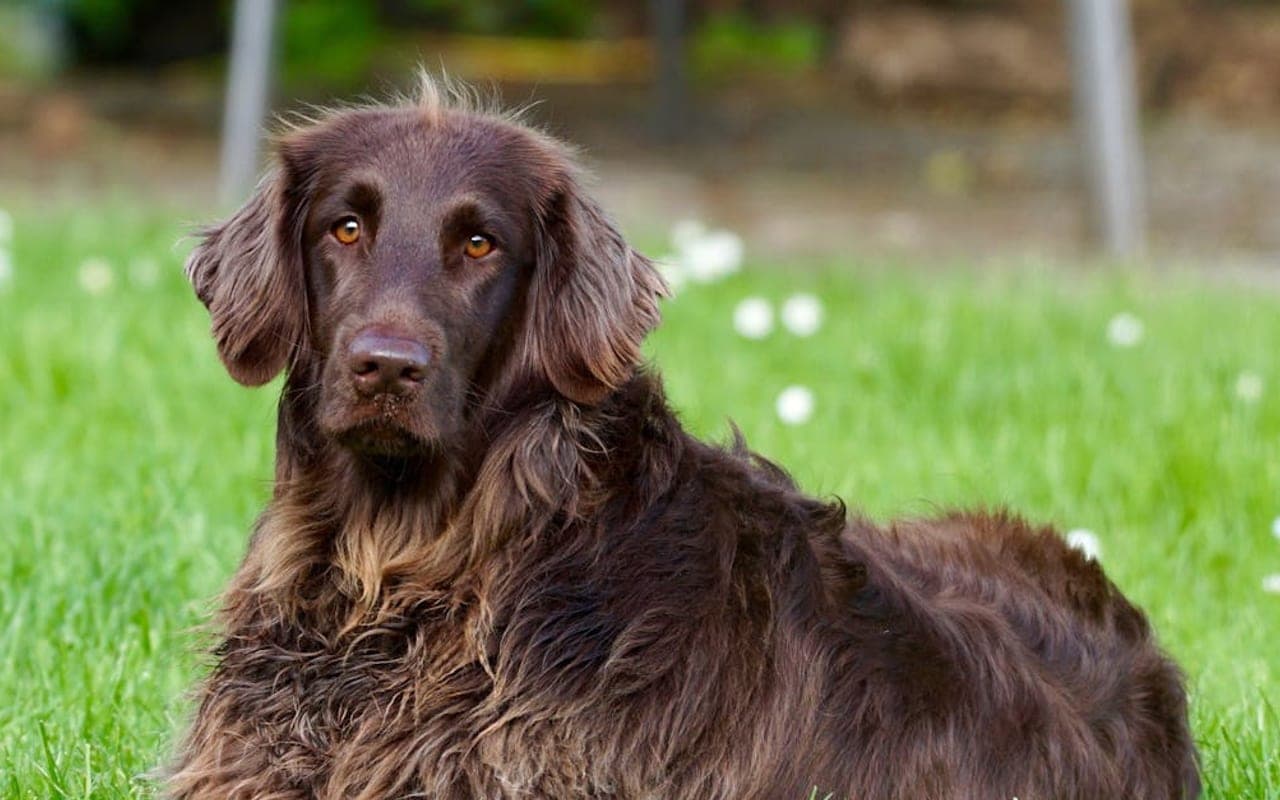
The German Longhaired Pointer (GLP) is a versatile hunting dog bred to point, track, retrieve, and work water — and 'versatile gun dog' is the single most important phrase for a prospective owner to understand. This is a dog with over a century of selection for stamina, drive, biddability, and an off-switch that only works when its body and mind have been worked. The honest framing is not the breed's calm-family-dog reputation but the condition attached to it: the GLP is calm in the house only because it is tired. Skip the exercise and the structured work, and you do not have a mellow companion — you have a frustrated, destructive athlete. Physically the GLP is a medium-large pointing breed, roughly 60-70 cm at the shoulder and 27-35 kg, athletic and balanced, often described as continental Europe's setter-equivalent: a full-tailed pointing dog with a long, dense, slightly wavy coat with feathering, in liver or liver-and-white. The coat is weatherproof for field and water work, and the breed has a notable affinity for swimming. Temperament: affectionate, family-oriented, calm and gentle indoors when satisfied, intelligent, and strongly people-bonded — but it is a working dog first. It is sensitive and trains best with patient, consistent positive methods; it does not respond well to harsh handling and can be independent-minded if under-stimulated. It thrives with scent work, retrieving, structured training, and water. Who the GLP is right for: an active owner or hunting/dog-sport household that will commit to substantial daily aerobic exercise plus structured mental work, and ideally outdoor space. Who it is wrong for: sedentary homes, owners gone long workdays with no plan, or anyone wanting a low-drive lap dog — under-exercised, this breed unravels.
Versatile | Calm | Family-Oriented
Versatile
A common German Longhaired Pointer temperament descriptor that should be interpreted alongside training, exercise, and household fit.
Calm
A common German Longhaired Pointer temperament descriptor that should be interpreted alongside training, exercise, and household fit.
Family-Oriented
A common German Longhaired Pointer temperament descriptor that should be interpreted alongside training, exercise, and household fit.
Owner note
Temperament labels are starting points, not guarantees. Meet the individual dog and ask about behavior history whenever possible.
Care essentials
How to care for a German Longhaired Pointer
What looking after one actually involves: exercise, grooming, food, training, and routine health.
ExerciseAs needed
- Moderately active breed needing 30-60 minutes of daily exercise through walks, play, and mental stimulation.
GroomingAs needed
- Regular grooming needed — brush 2-3 times per week and bathe monthly.
TrainingAs needed
- Independent-minded breed that may require extra patience in training. Short, engaging sessions recommended.
NutritionAs needed
- Feed a high-quality dog food appropriate for their age, size, and activity level. Monitor portions to prevent obesity.
Veterinary CareAs needed
- Annual wellness exams, core vaccinations, dental care, and parasite prevention. Breed-specific health screenings as recommended by your vet.
Health planning
German Longhaired Pointer health risks and screening
Every breed has individual health variation. Use this profile for planning and discuss medical decisions with a veterinarian.
Responsible ownership
Finding a German Longhaired Pointer responsibly
What to ask a breeder or rescue is the same conversation for every breed, so we keep it in one place and keep it current.
Health documentation, meeting the parents or foster, contracts and return support, and the warning signs worth walking away from.
Original purpose
German Longhaired Pointer history
History is useful when it explains today's behavior, coat, exercise needs, and training style.
Read the breed history
The German Longhaired Pointer was developed in Germany in the 19th century from old longhaired bird dogs, water spaniels, and setter-type pointing dogs, refined by hunters who wanted one dog that could do everything: find and point upland game, track wounded game, and retrieve from land and water. It was standardized in the late 1800s by German breed clubs that prioritized working ability over looks, and that working-first selection is the defining fact for owners — the breed was never bred to be a sedate companion, it was bred to be an all-day field partner with the biddability to be handled at distance. It remains primarily a hunter's dog, less common as a pet than its German Shorthaired cousin, and that scarcity plus its working drive means most GLPs land in active or hunting homes.
Gallery
German Longhaired Pointer photos
Images are cropped consistently and loaded progressively to keep the page responsive.
Lower-page context
German Longhaired Pointers in culture
Where the breed shows up in film, sport, work and folklore — the enjoyable part, once the practical questions are answered.
Fun facts
- The German Longhaired Pointer belongs to the Foundation Stock Service.
- The average lifespan of a German Longhaired Pointer is 12 to 14 years.
- German Longhaired Pointer dogs are valued for their versatile, calm, family-oriented nature.
German Longhaired Pointer FAQs
How long do German Longhaired Pointers live?
A German Longhaired Pointer typically lives 12-14 years, which is solid for a medium-large active breed. The conditions that most affect that range are hip and elbow dysplasia (mitigated by buying from screened parents and keeping the dog lean) and bloat (managed through feeding practices). Chronic ear disease rarely shortens life but markedly affects quality of life if neglected. A worked, lean GLP from health-tested lines is generally a robust, long-lived dog.
Are German Longhaired Pointers good with children?
Yes — they are affectionate, family-oriented, gentle, and patient with children when properly socialized, and they bond strongly to the whole household. The realistic caveat is energy, not temperament: a high-drive, under-exercised GLP can be bouncy and unintentionally knock over small children, and a frustrated dog is a less patient dog. A well-exercised, trained GLP in an active family is an excellent kids' dog. Supervise young children with any dog of this size.
How much exercise does a German Longhaired Pointer need?
A lot — this is the make-or-break factor. Budget a minimum of 60-90 minutes of vigorous daily aerobic exercise: running, swimming, retrieving, or actual field work, plus mental work like scent games or training. A short daily walk is nowhere near enough. This breed was selected for all-day hunting stamina, and without a real physical and mental outlet it becomes restless, anxious, and destructive. If you cannot commit to that daily, this is the wrong breed.
Are German Longhaired Pointers easy to train?
They are intelligent and trainable but sensitive and can be independent-minded if under-stimulated. They respond very well to patient, consistent, positive-reinforcement training and shut down or become evasive under harsh or repetitive handling. Start early, keep sessions varied and motivating, and prioritize reliable recall and steadiness given the breed's strong prey drive and tendency to range. A mentally engaged GLP trains beautifully; a bored one is stubborn — the difference is usually exercise.
How much does a German Longhaired Pointer cost to own?
Expect a higher-than-average purchase price because the breed is uncommon outside hunting circles, often $1,500-$3,000+ from a working, health-testing breeder. The recurring cost owners most underestimate is ears: this swim-loving, pendant-eared breed is prone to chronic ear infections, and repeat veterinary ear treatment adds up over a lifetime. Routine post-swim ear care, screened parents for hip/elbow health, and real daily exercise are the cheapest ways to control long-term costs.
Can a German Longhaired Pointer be a calm house dog without hunting?
Yes, but only with a deliberate substitute for the hunting workload. The breed's calm-indoor reputation is real but conditional — it is calm because it has been physically and mentally worked, not because it is low-drive. Non-hunting owners can satisfy it with daily running or swimming, retrieving games, scent work, dog sports, or structured training. Provide that and you get the gentle family dog; skip it and the same dog becomes destructive and anxious. The breed does not have a built-in off switch — you build one through work.
Sources
These are the published sources this page draws on. Each opens in a new tab so you can check it yourself.
American Kennel Club
German Longhaired Pointer — breed standard and profile(opens in a new tab)Supports: Breed standard and recognition details.
Similar breeds to consider
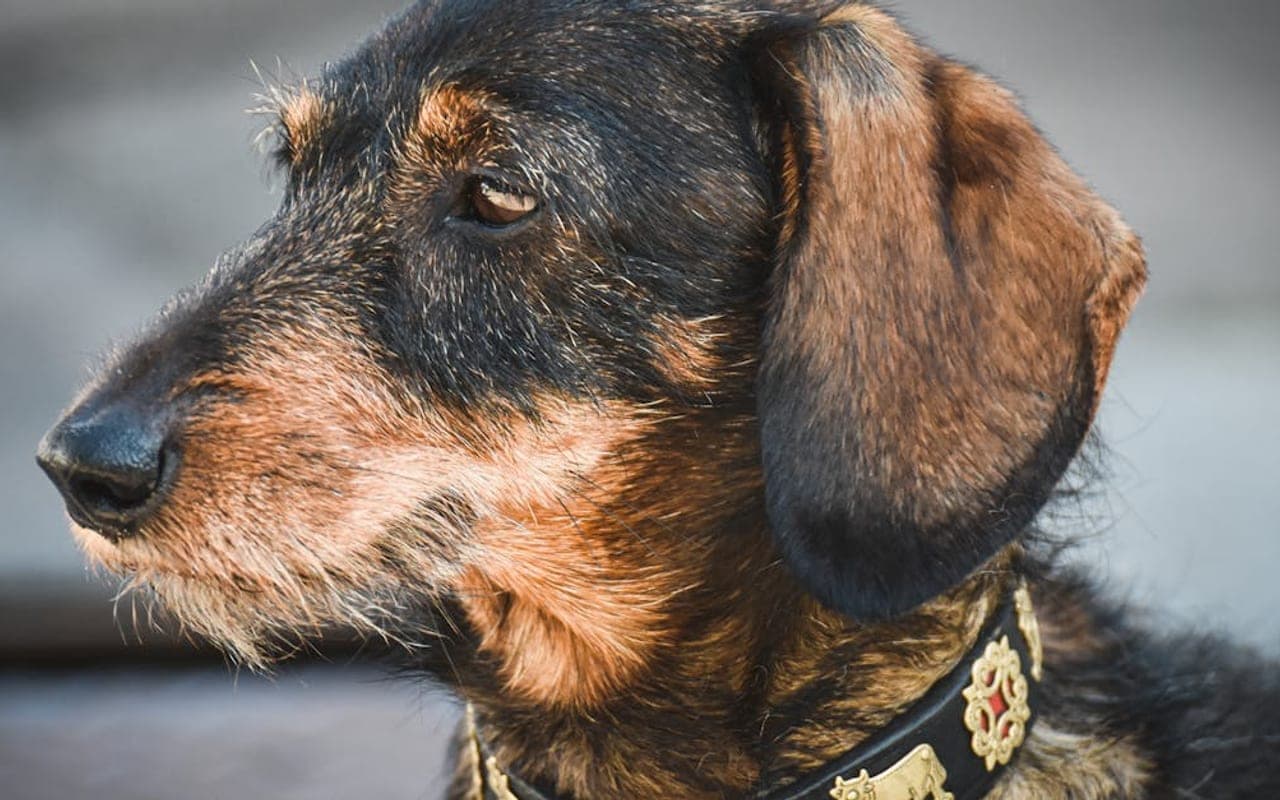
Jagdterrier
Also in the Foundation Stock Service group, with different care and temperament tradeoffs.

Jindo
Also in the Foundation Stock Service group, with different care and temperament tradeoffs.
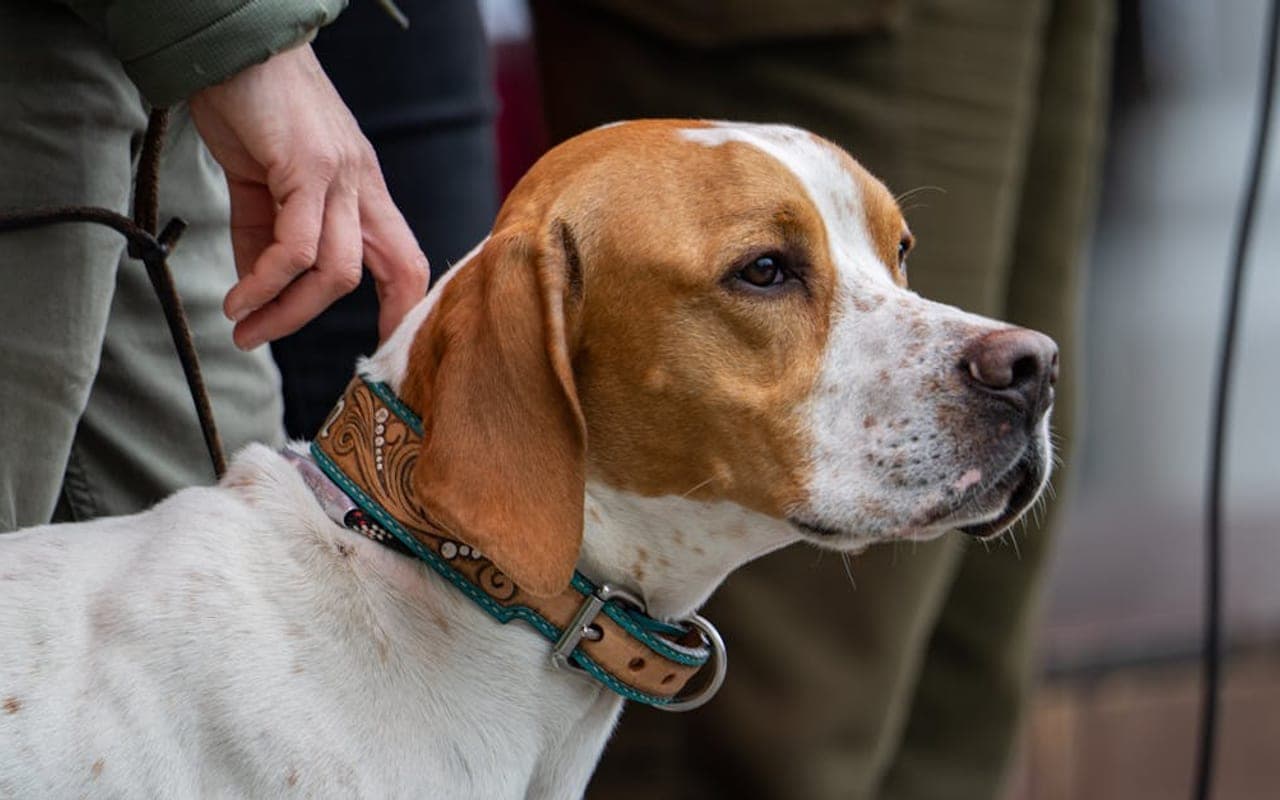
Portuguese Pointer
Also in the Foundation Stock Service group, with different care and temperament tradeoffs.
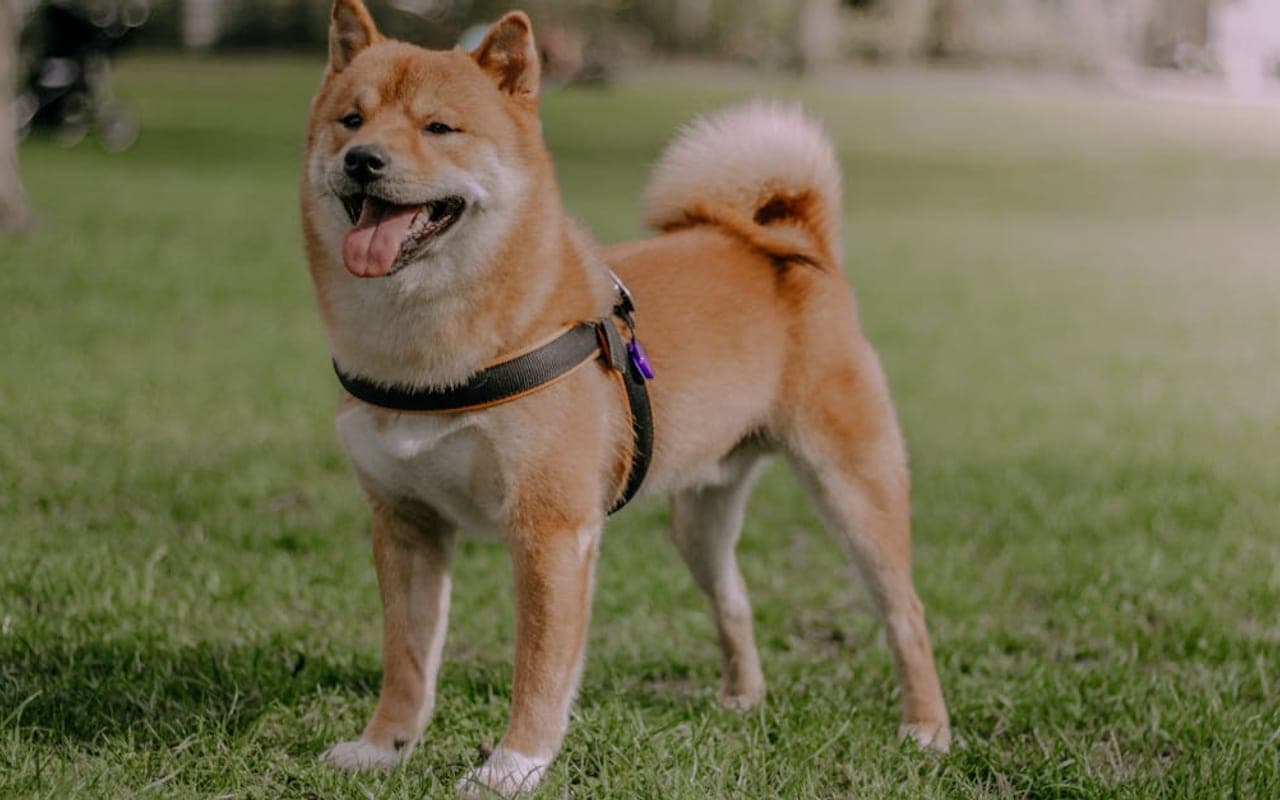
Kishu Ken
Also in the Foundation Stock Service group, with different care and temperament tradeoffs.
Explore More About German Longhaired Pointer
Dive deeper into everything German Longhaired Pointer — costs, care, and expert insights.
Considering a cat instead?
Browse Cats