
Miscellaneous Class group
German Spitz
The German Spitz is a small watchdog wearing a show coat — and most owner regret comes from buying the coat and ignoring the watchdog.
Size
9-25 lb
Lifespan
13-15 years
Exercise
30-60 minutes
Shedding
Moderate
Experience
Match to owner routine
Decision first
Is a German Spitz right for you?
Start with fit before history or trivia. These are ownership signals, not guarantees about any individual dog.
Best suited for
- Households with children.
- Homes with other compatible pets.
- Apartment homes with a consistent routine.
- Owners seeking a manageable daily exercise routine.
Think carefully if
- You need a dog with almost no daily routine.
- You cannot keep up with grooming and preventive care.
- The dog will spend most days alone without support.
Conditional fit
Apartment fit depends on exercise, enrichment, noise management, and outdoor access.
Daily reality
German Spitz commitment snapshot
Daily exercise
30-60 minutes
Match activity to age, health, weather, and training goals.
Coat care
Moderate
Grooming needs vary by coat, shedding, and lifestyle.
Time alone
Needs planning
Most dogs need gradual alone-time conditioning and support.
Structured facts
German Spitz at a glance
The measurements and traits that most affect day-to-day life with this breed.
Group
Miscellaneous Class
Weight
9-25 lb
Height
9-15 in
Lifespan
13-15 years
Temperament
Devoted | Lively | Attentive
View all characteristics and methodology
Lifestyle fit
- Apartment suitability
- Likely fit
- Child friendliness
- Often good, with socialisation and supervision
- Other-pet fit
- Often compatible with careful introductions
Owner commitment
- Exercise
- 30-60 minutes
- Grooming
- Moderate
- Shedding
- Moderate
- Training
- Low
Environment and health
- Health risk
- Needs planning
Ratings combine structured breed data, visible breed fields, and editorial context. They are planning aids, not predictions for an individual dog.
Daily life
German Spitz temperament and behavior
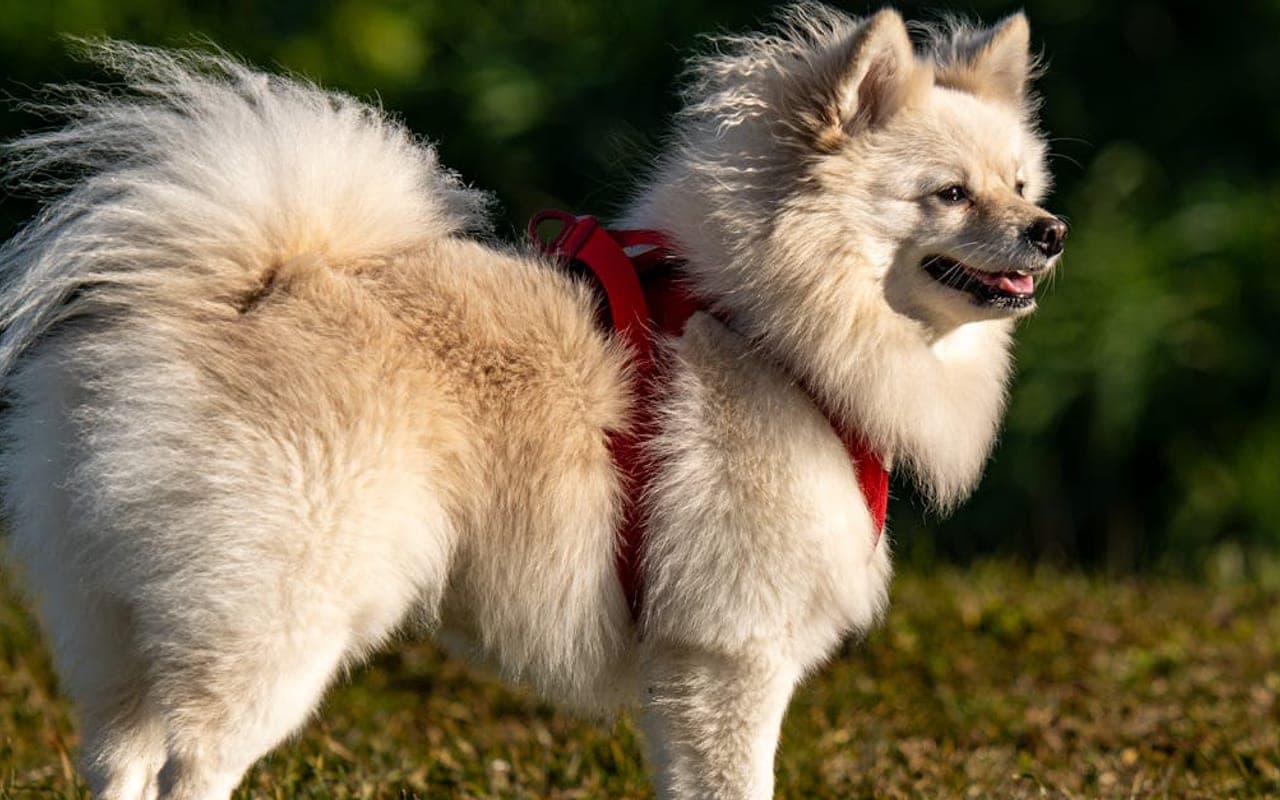
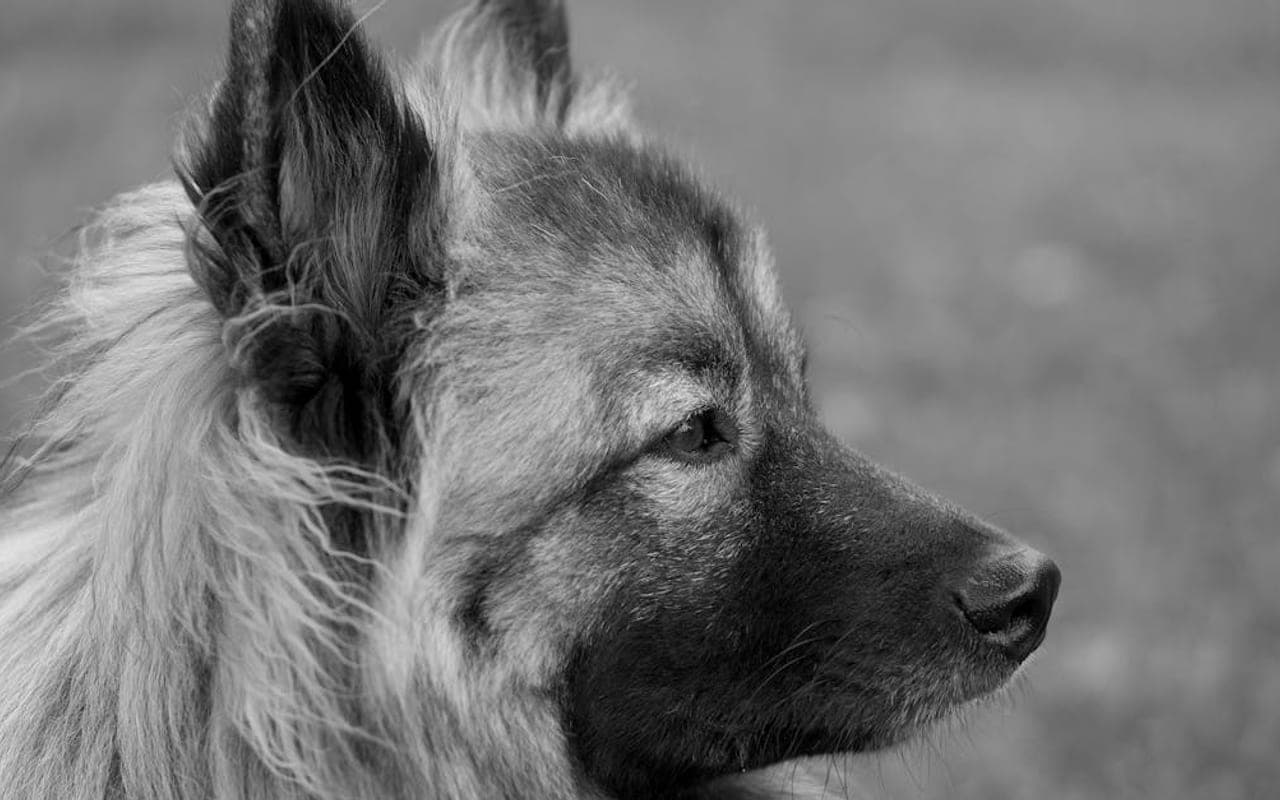
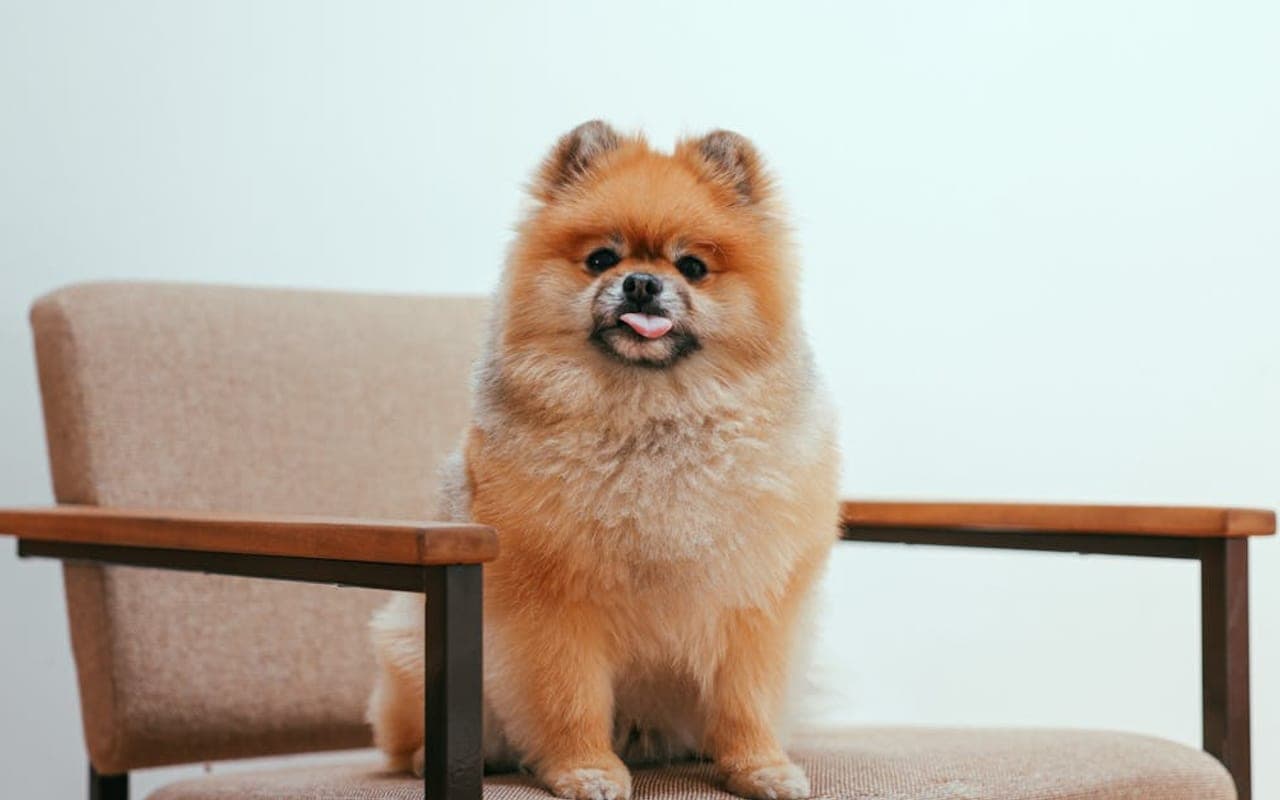
The German Spitz is a small watchdog wearing a show coat — and most owner regret comes from buying the coat and ignoring the watchdog. This is an ancient European spitz: foxy face, prick ears, a dramatic stand-off double coat with a lion-like ruff, and a plumed tail curled over the back. It comes in size varieties — most commonly the Klein (small, roughly 23-29 cm and 5-8 kg) and the larger Mittel (roughly 30-38 cm and 7-11 kg). The Pomeranian is the toy end of the same family. The 4.9-5.3 kg often listed describes a Klein specifically; a Mittel is meaningfully bigger, so confirm which variety you are actually getting. Temperament is the real story. The German Spitz is devoted, lively, attentive, and emphatically alert — bred for centuries as a farm and barge watchdog whose entire job was to notice and announce. That instinct is intact. They bond tightly to their family, are wary (not aggressive) with strangers, have little to no hunting drive, and are clever and trainable but independent enough to argue. The flip side is barking: an unmanaged German Spitz will alarm-bark at every doorbell, footstep and squirrel, which is the single most common reason they are rehomed by apartment owners. They are robust, weather-indifferent, long-lived, and genuinely low-maintenance to keep healthy — but high-maintenance to keep quiet and to keep groomed. They do well with respectful older children and other pets when socialized early. Who the German Spitz is right for: an owner who wants a small, hardy, devoted companion and watchdog, will train an off-switch for the barking from week one, and will commit to weekly coat work. Who it is wrong for: anyone wanting a silent dog, anyone who will not train the alert response, or anyone buying purely for the fluffy look. The bark is a feature you must shape, not a fault you discover later.
Devoted | Lively | Attentive
Devoted
A common German Spitz temperament descriptor that should be interpreted alongside training, exercise, and household fit.
Lively
A common German Spitz temperament descriptor that should be interpreted alongside training, exercise, and household fit.
Attentive
A common German Spitz temperament descriptor that should be interpreted alongside training, exercise, and household fit.
Owner note
Temperament labels are starting points, not guarantees. Meet the individual dog and ask about behavior history whenever possible.
Care essentials
How to care for a German Spitz
What looking after one actually involves: exercise, grooming, food, training, and routine health.
ExerciseAs needed
- Moderately active breed needing 30-60 minutes of daily exercise through walks, play, and mental stimulation.
GroomingAs needed
- Regular grooming needed — brush 2-3 times per week and bathe monthly.
TrainingAs needed
- Independent-minded breed that may require extra patience in training. Short, engaging sessions recommended.
NutritionAs needed
- Feed a high-quality dog food appropriate for their age, size, and activity level. Monitor portions to prevent obesity.
Veterinary CareAs needed
- Annual wellness exams, core vaccinations, dental care, and parasite prevention. Breed-specific health screenings as recommended by your vet.
Health planning
German Spitz health risks and screening
Every breed has individual health variation. Use this profile for planning and discuss medical decisions with a veterinarian.
Responsible ownership
Finding a German Spitz responsibly
What to ask a breeder or rescue is the same conversation for every breed, so we keep it in one place and keep it current.
Health documentation, meeting the parents or foster, contracts and return support, and the warning signs worth walking away from.
Original purpose
German Spitz history
History is useful when it explains today's behavior, coat, exercise needs, and training style.
Read the breed history
The German Spitz is one of the oldest dog types in central Europe, descended from ancient peat-dog and Nordic spitz stock and depicted in European art for centuries. Farmers, fishermen and bargemen valued it not for hunting or herding but as a vigilant watchdog: small enough to keep, cheap to feed, weatherproof, and tireless at announcing anything unfamiliar around the farmstead, vineyard or boat. Its reputation as the "poor man's watchdog" reflects exactly that role. The breed was developed into a range of sizes — from the large Wolfspitz/Keeshond down through the Mittel and Klein to the toy-sized Zwergspitz, which English breeders refined into the Pomeranian. Color preference shifted over time, with white spitz favored in some regions and richer colors elsewhere. Recognized today under FCI and in the AKC Foundation Stock Service, the modern German Spitz keeps the traits its history selected for: alertness, devotion to its people, distrust of strangers, near-absent prey drive, and notable robustness and longevity.
Gallery
German Spitz photos
Images are cropped consistently and loaded progressively to keep the page responsive.
Lower-page context
German Spitzs in culture
Where the breed shows up in film, sport, work and folklore — the enjoyable part, once the practical questions are answered.
Fun facts
- The German Spitz belongs to the Foundation Stock Service.
- With proper care, German Spitz dogs can live up to 15 years or more.
- German Spitz dogs are valued for their devoted, lively, attentive nature.
German Spitz FAQs
Do German Spitz dogs bark a lot, and can it be stopped?
Yes — they are bred watchdogs and alert-barking is hardwired, not a flaw. It cannot be eliminated but it can be shaped: teach an off-switch cue (reward silence after one or two barks) from the day the puppy comes home. Owners who start this at 8-16 weeks usually get a manageable dog; owners who wait until barking is a habit face a much harder retrain. If you cannot tolerate or train a vocal small dog, this is the wrong breed — the barking is the single most common rehoming reason.
How long do German Spitz live and how healthy are they?
German Spitz typically live 13-15 years, and many reach the upper end — longevity and robustness are genuine breed strengths. They are weather-hardy and have a relatively modest hereditary-disease load for a purebred. The real watch-items are patellar luxation, inherited eye disease (PRA and retinal dysplasia), occasional epilepsy, and small-dog dental disease. Buy from a breeder who DNA-tests for PRA and checks patellas and eyes, and budget for routine dental care; do that and this is a long-lived, low-drama companion.
What is the difference between a German Spitz Klein, Mittel, and a Pomeranian?
They are size varieties of the same spitz family. The Klein is the small German Spitz (roughly 23-29 cm, 5-8 kg), the Mittel is the medium (roughly 30-38 cm, 7-11 kg), and the Pomeranian is the toy end refined separately. Temperament, coat care, and health concerns are broadly shared, so the practical decision is space and handling: a Mittel is a sturdier small dog, a Klein is lighter and more delicate, a Pomeranian is a true toy. Confirm in writing which variety a breeder is selling, since listings often blur them.
How much grooming does a German Spitz coat need?
More than the 'fluffy small dog' impression suggests. The double coat needs a thorough down-to-the-skin brush 2-3 times a week to prevent hidden matting in the ruff, behind the ears and around the rear, rising to every other day during the two annual undercoat blowouts. Never shave it — the coat insulates against heat and cold and can regrow woolly or patchy. Bathe only when actually dirty. Budget 10-15 minutes per session as a permanent commitment, not a seasonal one; neglected coats mean painful mats and a costly groomer strip-down.
Are German Spitz good apartment dogs?
They can be — they are small, adaptable, weather-tolerant, and need only moderate exercise (30-60 minutes daily plus mental games). The decisive factor is not space, it is sound. In an apartment the watchdog barking becomes a neighbor problem fast unless you train a reliable off-switch early. A German Spitz with bark training and daily enrichment is a fine apartment companion; one without it is a noise complaint. Decide based on your willingness to train, not on square footage.
Are German Spitz easy to train and good with children?
They are intelligent and learn quickly but have an independent streak, so they respond best to short, consistent, reward-based sessions rather than repetitive drilling. They are good with respectful older children and with other pets when socialized early, but their small size and watchful nature mean toddlers should be supervised and taught not to startle or corner them. Prioritize two things in the first months: an alert/quiet off-switch and broad positive socialization — both prevent the behavior problems that otherwise surface in adolescence.
Sources
These are the published sources this page draws on. Each opens in a new tab so you can check it yourself.
American Kennel Club
German Spitz — breed standard and profile(opens in a new tab)Supports: Breed standard and recognition details.
Similar breeds to consider
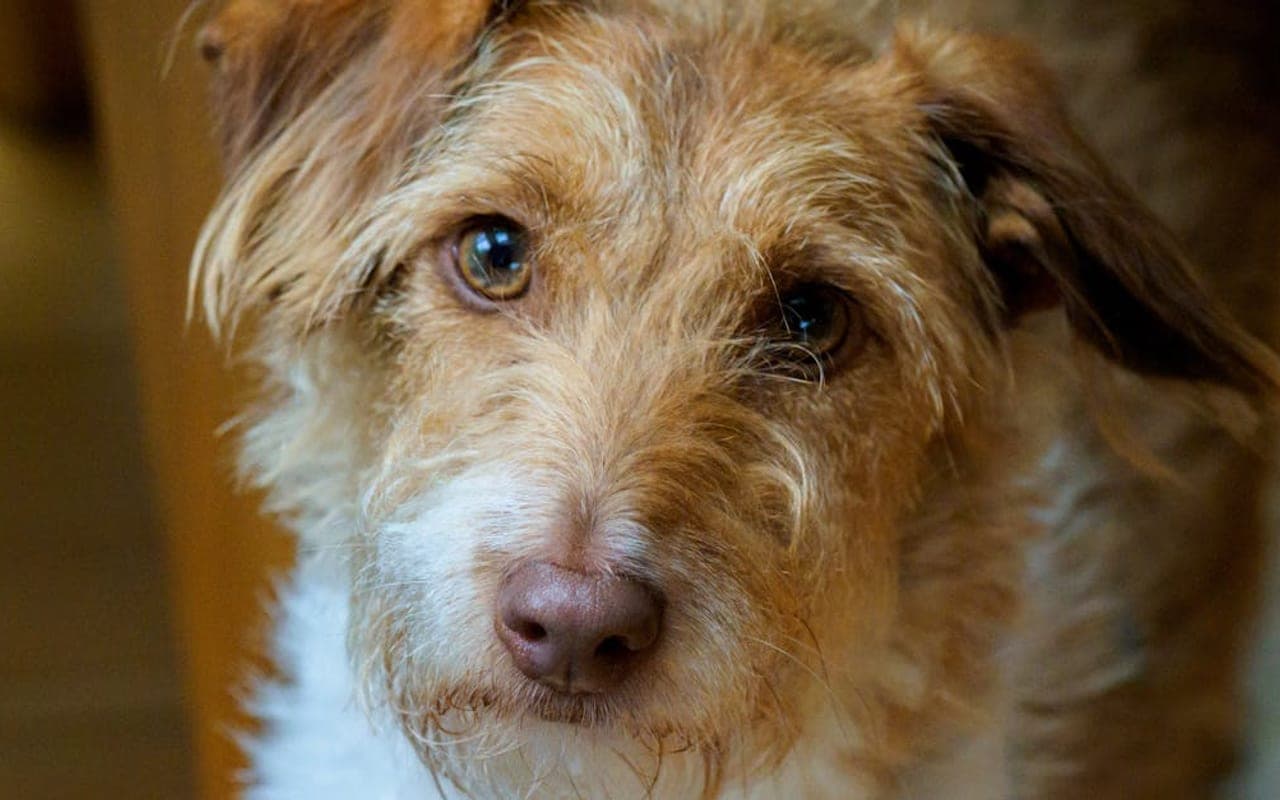
Portuguese Podengo
Also in the Miscellaneous Class group, with different care and temperament tradeoffs.
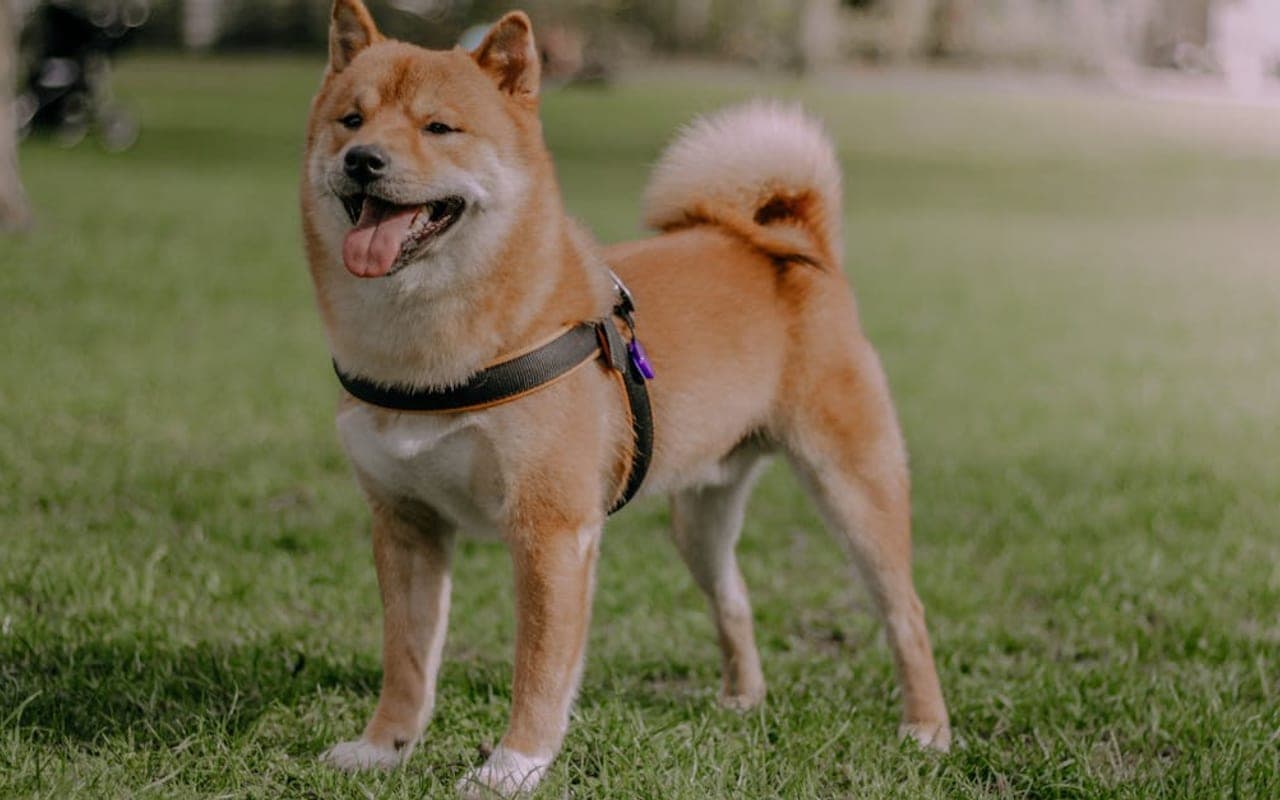
Kai Ken
Also in the Miscellaneous Class group, with different care and temperament tradeoffs.

Yakutian Laika
Also in the Miscellaneous Class group, with different care and temperament tradeoffs.
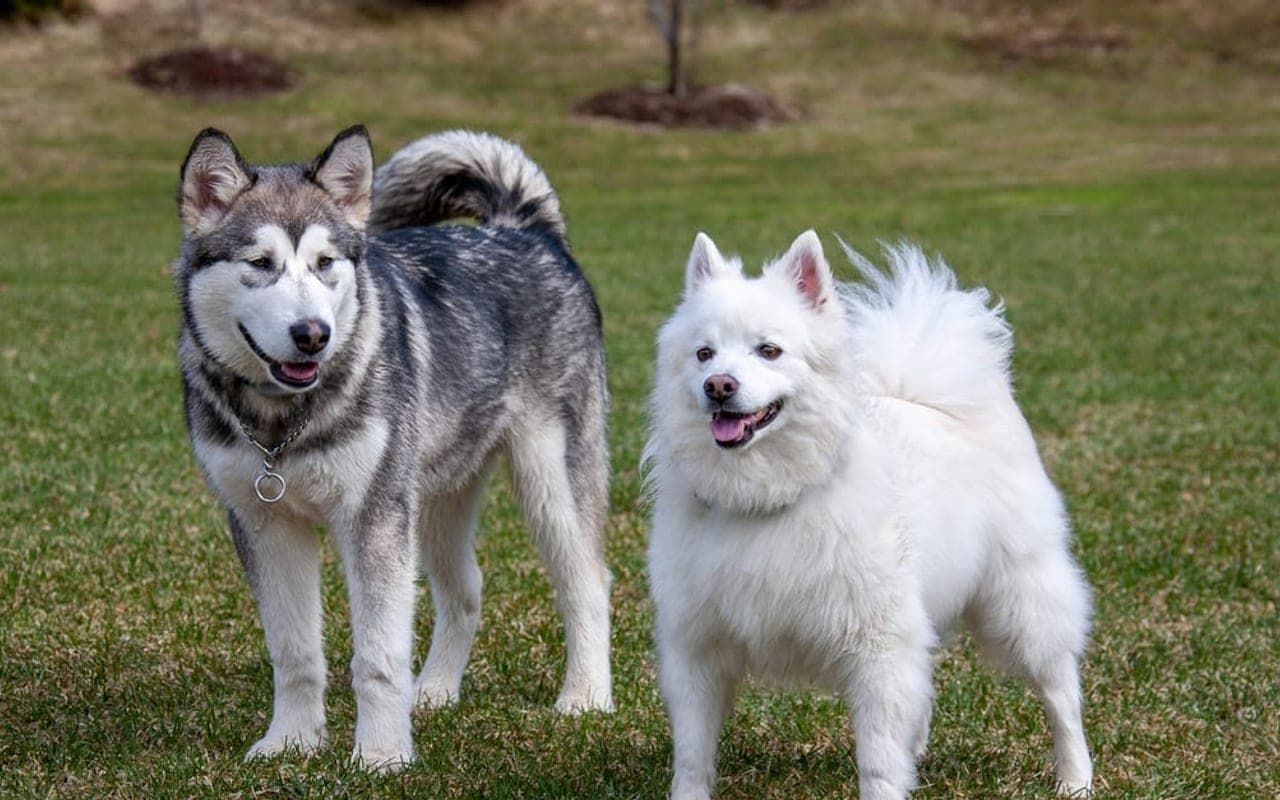
Alaskan Klee Kai
Also in the Miscellaneous Class group, with different care and temperament tradeoffs.
Explore More About German Spitz
Dive deeper into everything German Spitz — costs, care, and expert insights.
Large Dog Care Guide: Everything Over 50 lbs
Owning a large or giant breed dog means accepting one of biology's...
Puppy Teething & Biting: Timeline and What Actually Works
A puppy has all 28 deciduous ("baby") teeth by roughly eight weeks of age, and...
Considering a cat instead?
Browse Cats