
Terrier group
Glen of Imaal Terrier
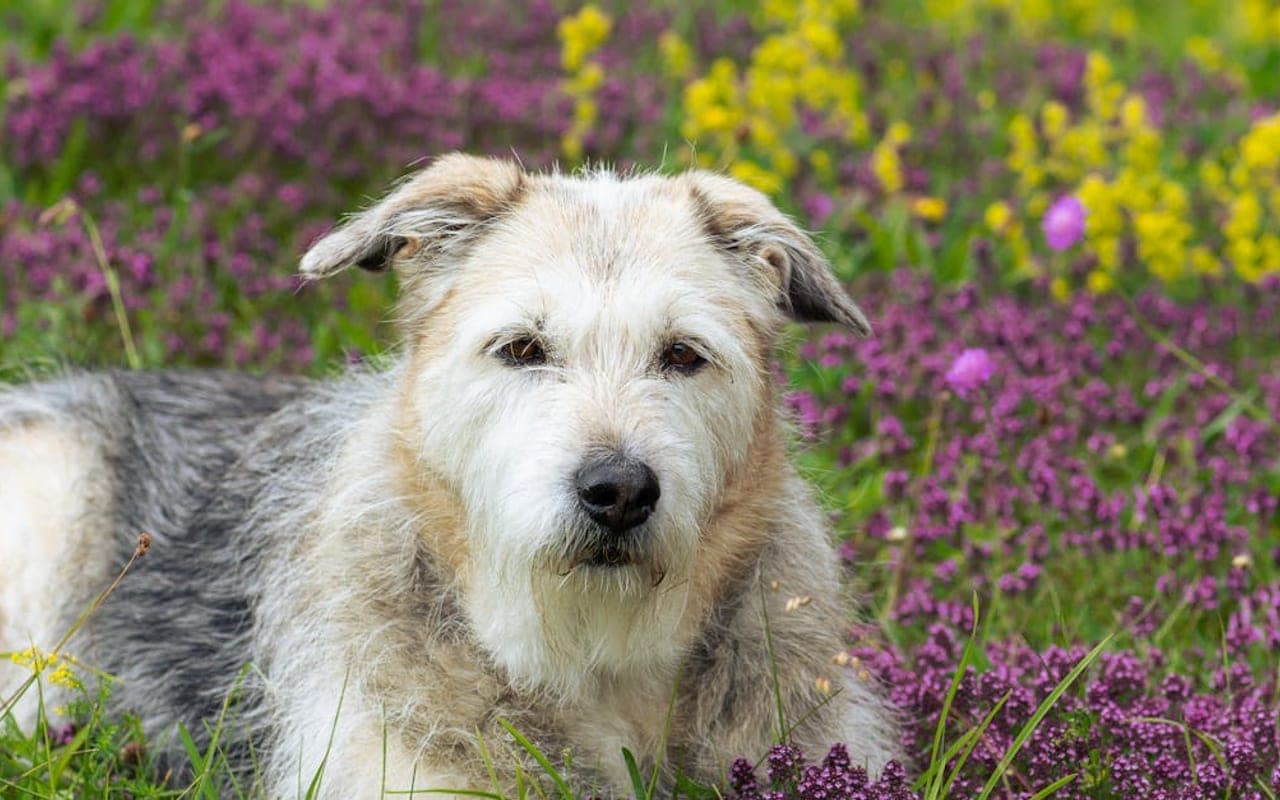
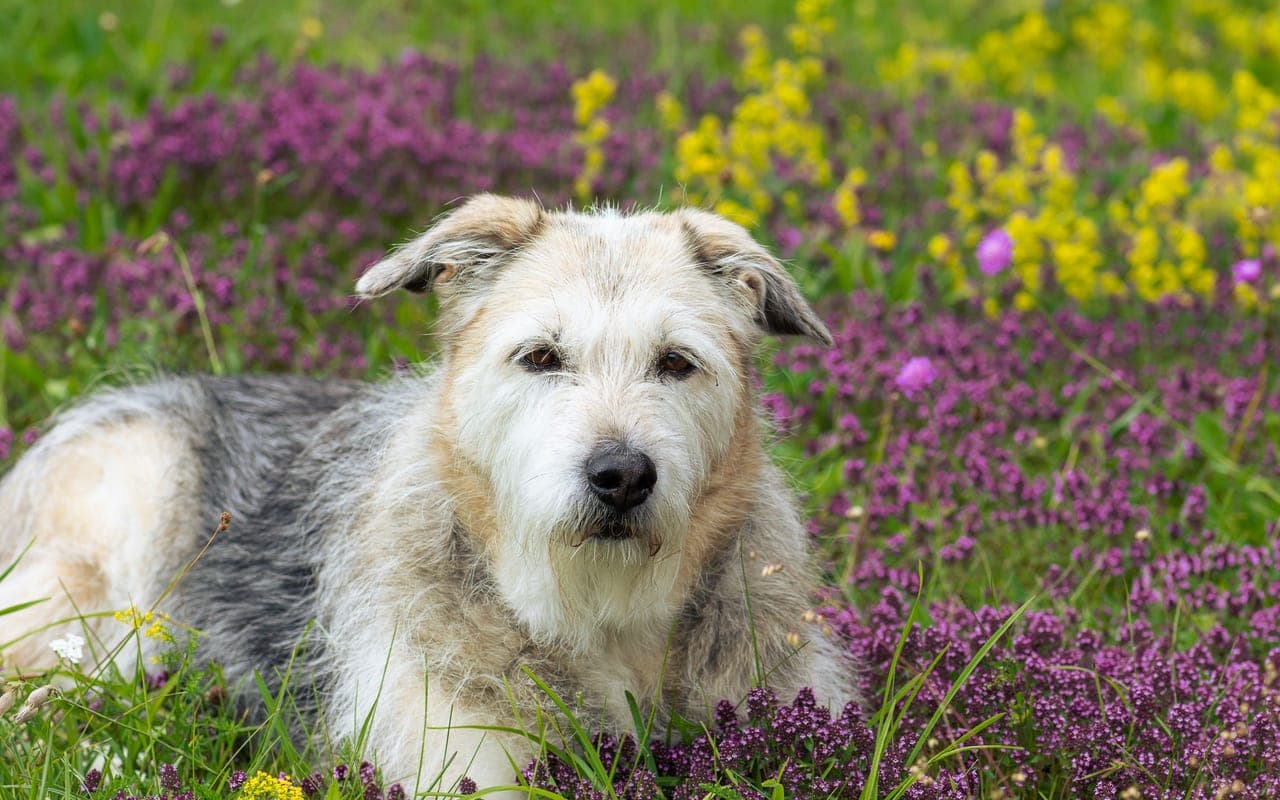
The Glen of Imaal Terrier is a low, heavy, deceptively powerful Irish working terrier — about 12.


Size
30-40 lb
Lifespan
10-15 years
Exercise
30-60 minutes
Shedding
Moderate
Experience
Match to owner routine
Decision first
Is a Glen of Imaal Terrier right for you?
Start with fit before history or trivia. These are ownership signals, not guarantees about any individual dog.
Best suited for
- Households with children.
- Homes with other compatible pets.
- Apartment homes with a consistent routine.
- Owners seeking a manageable daily exercise routine.
Think carefully if
- You need a dog with almost no daily routine.
- You cannot keep up with grooming and preventive care.
- The dog will spend most days alone without support.
Conditional fit
Apartment fit depends on exercise, enrichment, noise management, and outdoor access.
Daily reality
Glen of Imaal Terrier commitment snapshot
Daily exercise
30-60 minutes
Match activity to age, health, weather, and training goals.
Coat care
Moderate
Grooming needs vary by coat, shedding, and lifestyle.
Time alone
Needs planning
Most dogs need gradual alone-time conditioning and support.
Structured facts
Glen of Imaal Terrier at a glance
The measurements and traits that most affect day-to-day life with this breed.
Group
Terrier
Weight
30-40 lb
Height
13-14 in
Lifespan
10-15 years
Temperament
Gentle | Spirited | Bold
View all characteristics and methodology
Lifestyle fit
- Apartment suitability
- Likely fit
- Child friendliness
- Often good, with socialisation and supervision
- Other-pet fit
- Often compatible with careful introductions
Owner commitment
- Exercise
- 30-60 minutes
- Grooming
- Moderate
- Shedding
- Moderate
- Training
- Moderate
Environment and health
- Health risk
- Needs planning
Ratings combine structured breed data, visible breed fields, and editorial context. They are planning aids, not predictions for an individual dog.
Daily life
Glen of Imaal Terrier temperament and behavior
The Glen of Imaal Terrier is a low, heavy, deceptively powerful Irish working terrier — about 12.5 to 14 inches at the shoulder but 32 to 40 pounds, far denser than its height suggests — bred in the remote Glen of Imaal in County Wicklow as a no-frills farm dog for vermin control and a brutal old job called "turnspit" work. It is one of the rarest terrier breeds, and it does not behave like the high-strung terrier stereotype: Glens are notably calmer, quieter, and less reactive than most terriers, which is exactly why people who research them tend to love them. The key thing to understand is the chondrodysplastic build and what it implies. The Glen is a dwarf breed by design — short, bowed front legs and a long, heavily muscled body. That structure is sound in an adult but leaves growing puppies vulnerable: the growth plates (particularly the distal ulna) are at real risk of injury, so jumping off furniture, stairs, and out of cars must be restricted until roughly a year old. New owners who let a Glen puppy leap around like a normal terrier can cause permanent front-limb deformity. Temperament: Glens are gentle with their family, brave, spirited, and game when working, but generally docile and patient at home — good with children, often good with other dogs they know. They retain a true terrier prey drive, so small pets and off-leash recall around wildlife are real risks. They are strong, stubborn-streaked, and not pushovers to train, but they are not the frantic, barky terriers many expect. Who the Glen of Imaal Terrier is right for: someone wanting a sturdy, calmer terrier companion who will restrict a puppy's jumping during growth, DNA-test or buy from tested lines for the breed's eye and neurological diseases, and accept a real prey drive. Who it is wrong for: anyone wanting an off-leash-reliable dog around small animals, or anyone unwilling to manage a vulnerable growth period.
Gentle | Spirited | Bold
Gentle
A common Glen of Imaal Terrier temperament descriptor that should be interpreted alongside training, exercise, and household fit.
Spirited
A common Glen of Imaal Terrier temperament descriptor that should be interpreted alongside training, exercise, and household fit.
Bold
A common Glen of Imaal Terrier temperament descriptor that should be interpreted alongside training, exercise, and household fit.
Owner note
Temperament labels are starting points, not guarantees. Meet the individual dog and ask about behavior history whenever possible.
Care essentials
How to care for a Glen of Imaal Terrier
What looking after one actually involves: exercise, grooming, food, training, and routine health.
ExerciseAs needed
- Moderately active breed needing 30-60 minutes of daily exercise through walks, play, and mental stimulation.
GroomingAs needed
- Regular grooming needed — brush 2-3 times per week and bathe monthly.
TrainingAs needed
- Moderately trainable — consistent, patient training with positive methods works best.
NutritionAs needed
- Feed a high-quality dog food appropriate for their age, size, and activity level. Monitor portions to prevent obesity.
Veterinary CareAs needed
- Annual wellness exams, core vaccinations, dental care, and parasite prevention. Breed-specific health screenings as recommended by your vet.
Health planning
Glen of Imaal Terrier health risks and screening
Every breed has individual health variation. Use this profile for planning and discuss medical decisions with a veterinarian.
Responsible ownership
Finding a Glen of Imaal Terrier responsibly
What to ask a breeder or rescue is the same conversation for every breed, so we keep it in one place and keep it current.
Health documentation, meeting the parents or foster, contracts and return support, and the warning signs worth walking away from.
Original purpose
Glen of Imaal Terrier history
History is useful when it explains today's behavior, coat, exercise needs, and training style.
Read the breed history
The Glen of Imaal Terrier comes from one of Ireland's most isolated places — the Glen of Imaal in the Wicklow Mountains — where it was developed by hill farmers as a hard, low-maintenance working dog for killing rats and other vermin and for badger and fox work. Legend ties the breed to soldiers settled in the glen by Elizabeth I, but its documented identity is that of a rural Irish farm terrier bred for substance over style: heavy bone, low build, and grit. It was also historically used as a "turnspit" dog, running on a treadmill-like wheel to turn meat over a fire. The breed was recognized by the Irish Kennel Club in the 1930s but remained rare and nearly disappeared; it is still one of the least common terriers. That small, closed gene pool is why the breed's two well-characterized inherited diseases — crd3 PRA and degenerative myelopathy — are taken seriously by breed clubs, both being DNA-testable.
Gallery
Glen of Imaal Terrier photos
Images are cropped consistently and loaded progressively to keep the page responsive.
Lower-page context
Glen of Imaal Terriers in culture
Where the breed shows up in film, sport, work and folklore — the enjoyable part, once the practical questions are answered.
Fun facts
- The Glen of Imaal Terrier belongs to the Terrier Group.
- With proper care, Glen of Imaal Terrier dogs can live up to 15 years or more.
- Glen of Imaal Terrier dogs are valued for their gentle, spirited, bold nature.
Glen of Imaal Terrier FAQs
How long do Glen of Imaal Terriers live?
A healthy Glen of Imaal Terrier typically lives 12 to 15 years, with some reaching higher. The two diseases that most affect outcome are crd3 PRA and degenerative myelopathy — PRA reduces quality of life but not lifespan, while DM is fatal late in life. Both are DNA-testable, so a Glen from fully tested lines, kept lean to protect its hips, has excellent odds of a long, sound life.
Why can't a Glen of Imaal Terrier puppy jump off the couch?
Because the Glen is a chondrodysplastic (dwarf) breed and its growth plates — especially the distal ulna in the front legs — are vulnerable until about 12 months old. Repeated impact from jumping off furniture, out of cars, or down steep stairs during that window can fracture or prematurely close a growth plate, permanently bending the front legs. Lifting the puppy down and limiting jumping for the first year prevents an irreversible, costly deformity. After the growth plates close, normal activity is fine.
Are Glen of Imaal Terriers calmer than other terriers?
Generally yes — this is a real, defining trait, not marketing. Glens were bred for steady, gritty work and tend to be quieter, less hyper-reactive, and more patient at home than the classic high-strung terrier. They bark less and settle more readily indoors. But "calmer terrier" is not "no terrier": they retain a genuine prey drive toward small animals and a stubborn streak in training, so they still need a securely fenced or leashed environment around wildlife.
Are Glen of Imaal Terriers good with children and other pets?
With family children, generally yes — Glens are sturdy, gentle, and patient, and their robust build tolerates normal kid handling better than fragile small breeds. They are often fine with dogs they know. The reliable caution is small pets: an intact terrier prey drive makes cats, rabbits, and rodents a real risk, especially with adult Glens not raised alongside them. Supervise, and do not assume a Glen will ignore a fleeing small animal.
What health tests should a Glen of Imaal Terrier breeder have done?
At minimum the crd3 PRA DNA test and the degenerative myelopathy DNA test — both diseases are breed-specific, serious, and entirely DNA-screenable, so there is no excuse for untested breeding stock. Hip evaluation (radiographic/OFA) is also expected given the breed's roughly 30% hip dysplasia rate, and patella checks are reasonable. Ask for written results showing how the pairing avoids producing affected puppies, not just that the parents were tested.
What is degenerative myelopathy and should Glen owners worry?
Degenerative myelopathy is a progressive, painless, ultimately fatal spinal cord disease — the canine equivalent of ALS — identified in Glens in 2019. It causes gradual hind-limb weakness and loss of coordination late in life, eventually leading to paralysis, with no cure. The reassurance is that it is DNA-testable: buying from lines that test and breed away from it sharply reduces risk. If an older Glen develops painless rear-limb weakness, ask for a neurology assessment rather than assuming it is just arthritis.
Sources
These are the published sources this page draws on. Each opens in a new tab so you can check it yourself.
American Kennel Club
Glen of Imaal Terrier — breed standard and profile(opens in a new tab)Supports: Breed standard and recognition details.
Similar breeds to consider

Miniature Schnauzer
Also in the Terrier group, with different care and temperament tradeoffs.
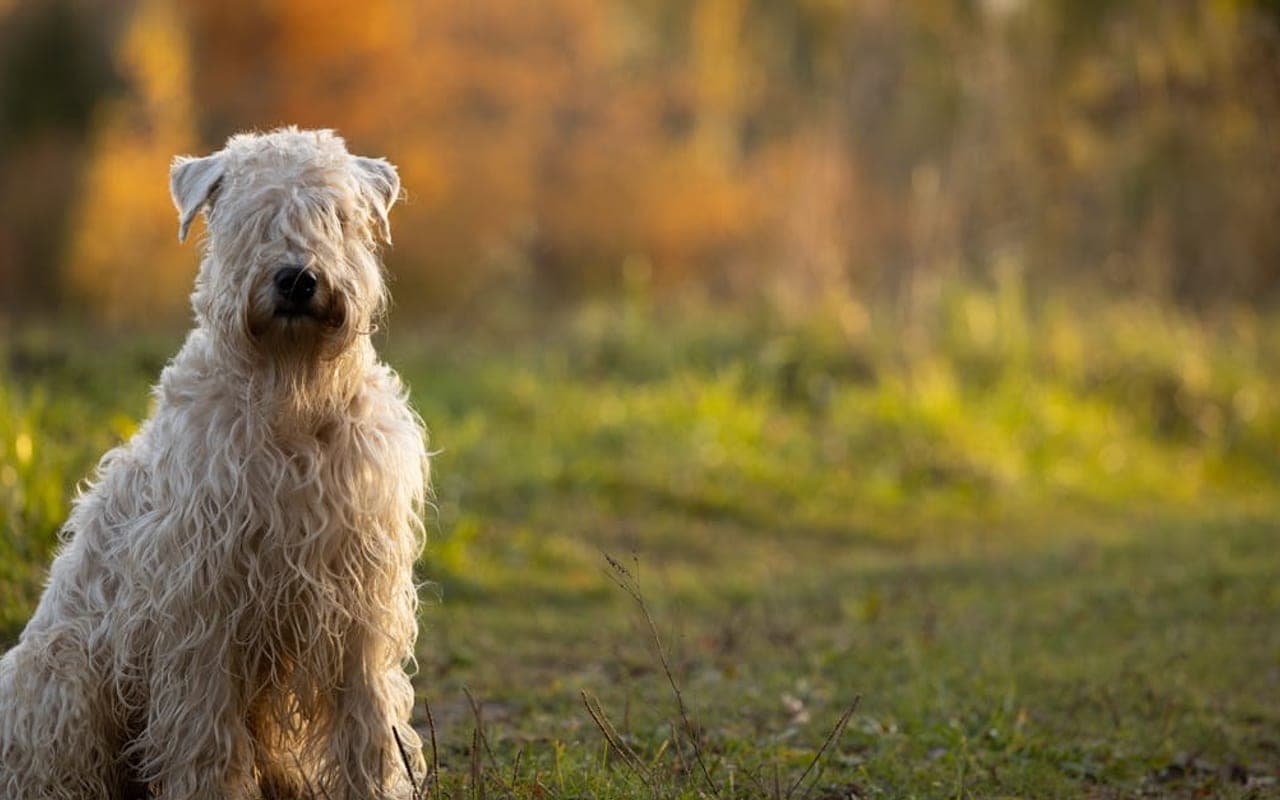
Soft Coated Wheaten Terrier
Also in the Terrier group, with different care and temperament tradeoffs.
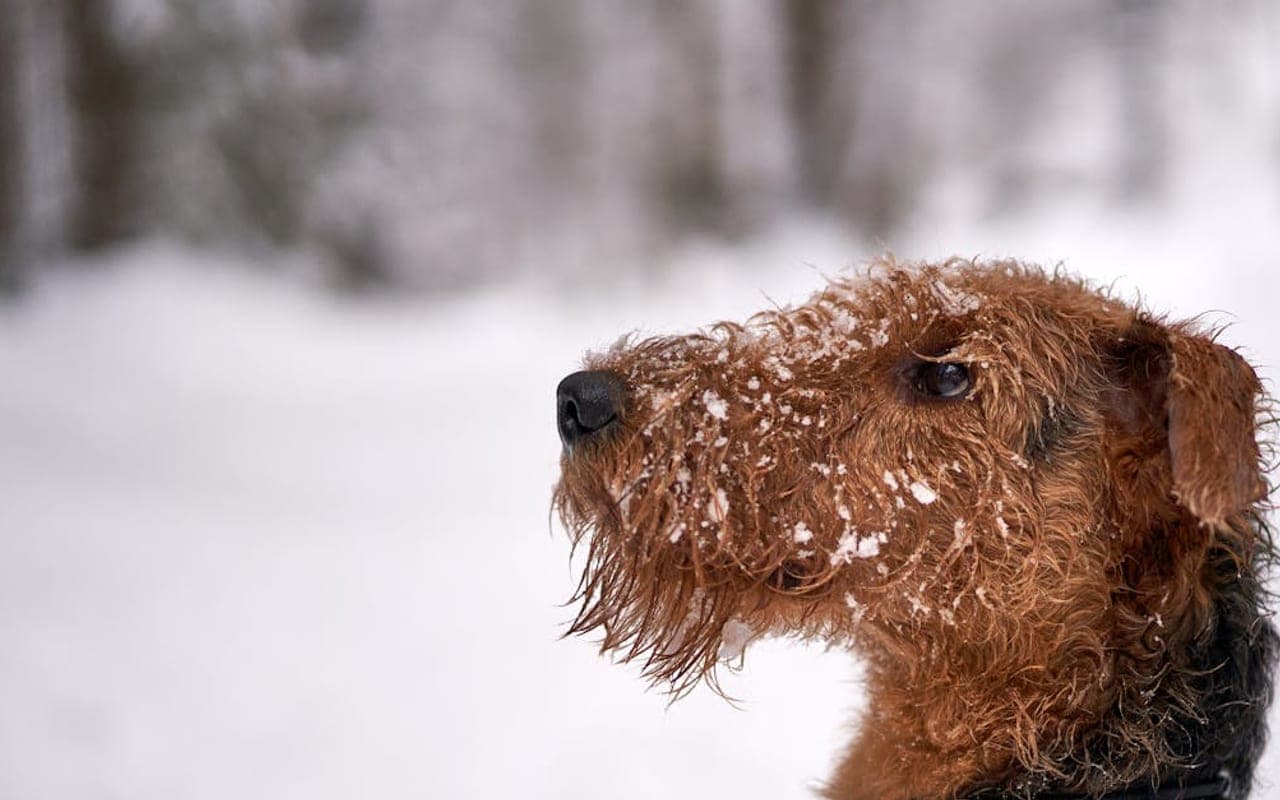
Airedale Terrier
Also in the Terrier group, with different care and temperament tradeoffs.
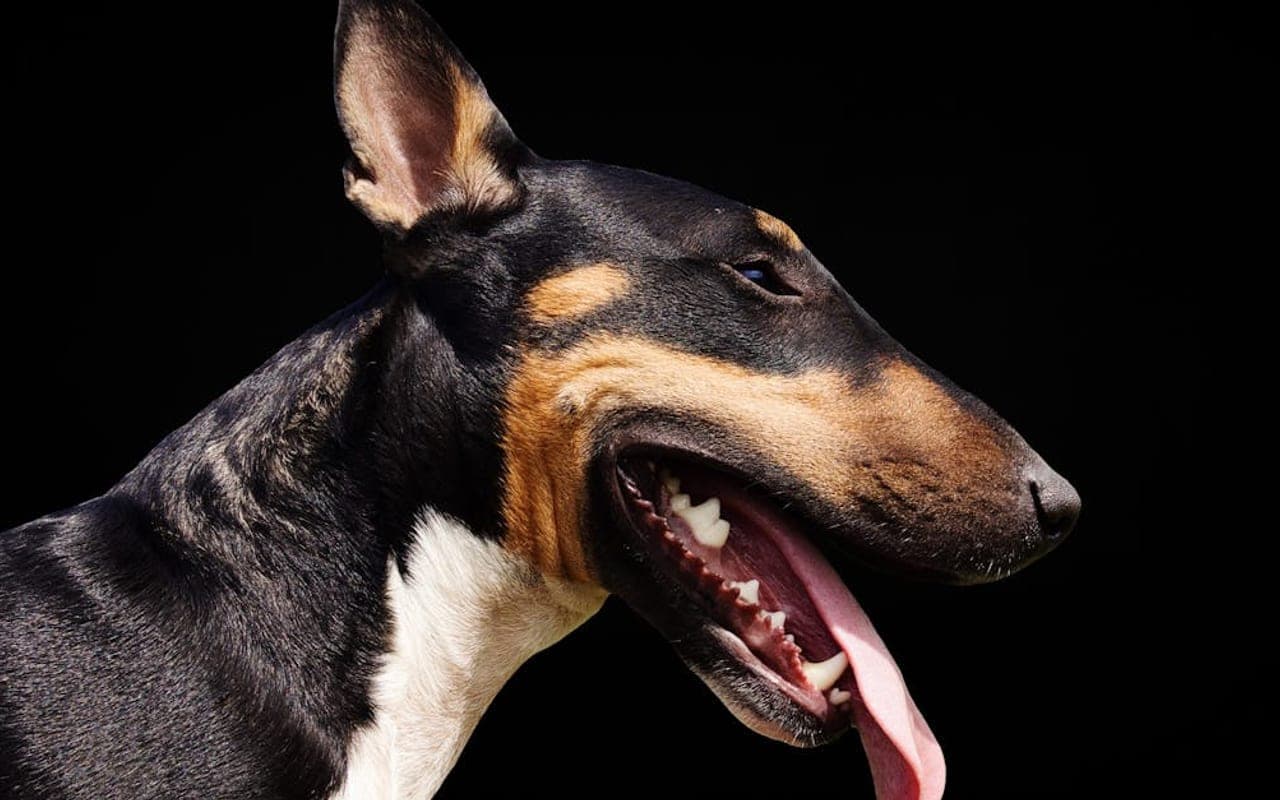
Bull Terrier
Also in the Terrier group, with different care and temperament tradeoffs.
Explore More About Glen of Imaal Terrier
Dive deeper into everything Glen of Imaal Terrier — costs, care, and expert insights.
Considering a cat instead?
Browse Cats