
Hound group
Grand Basset Griffon Vendéen
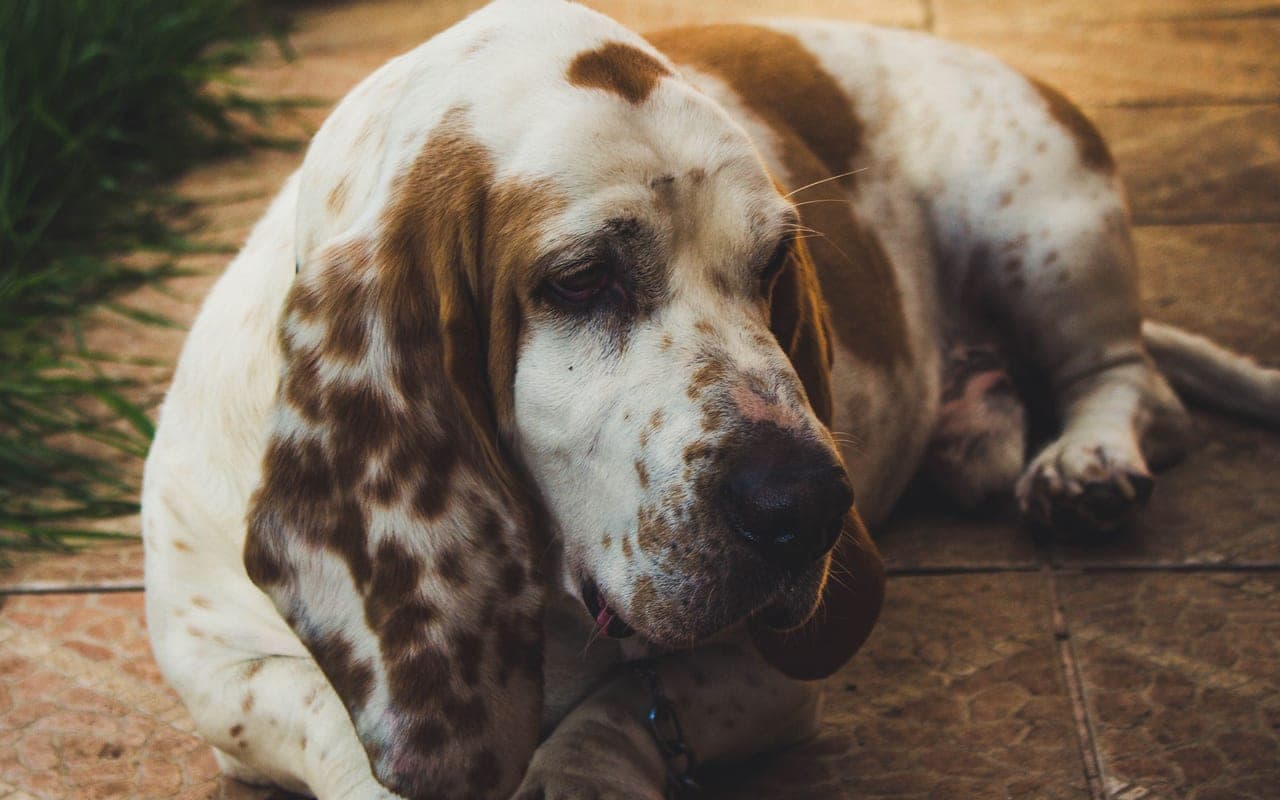
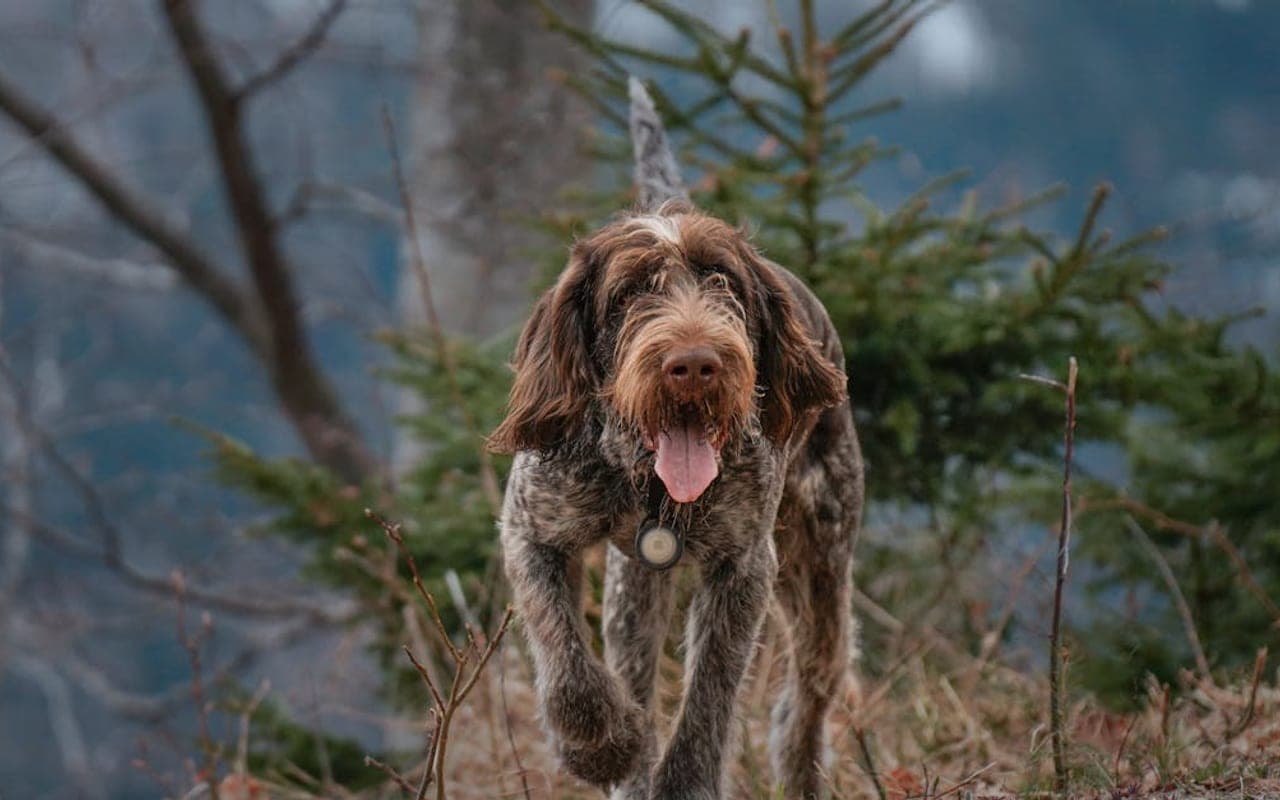
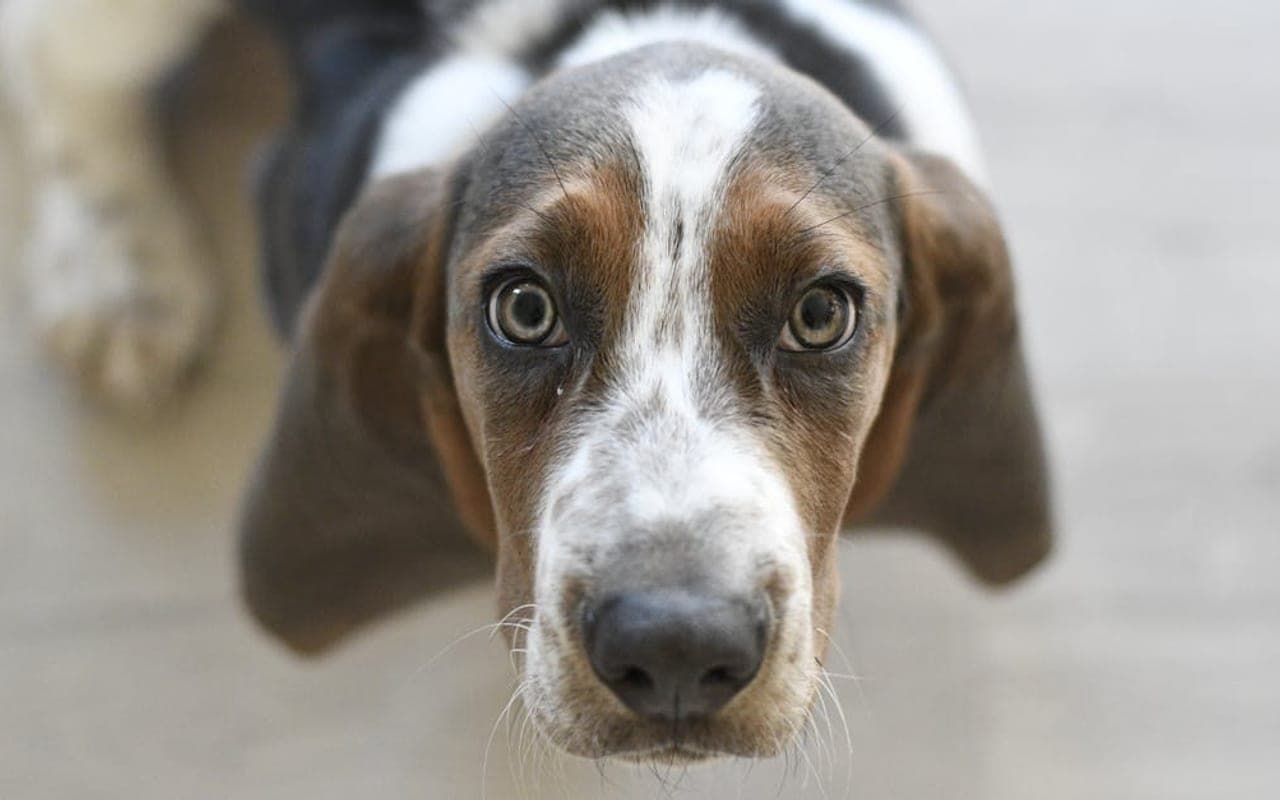
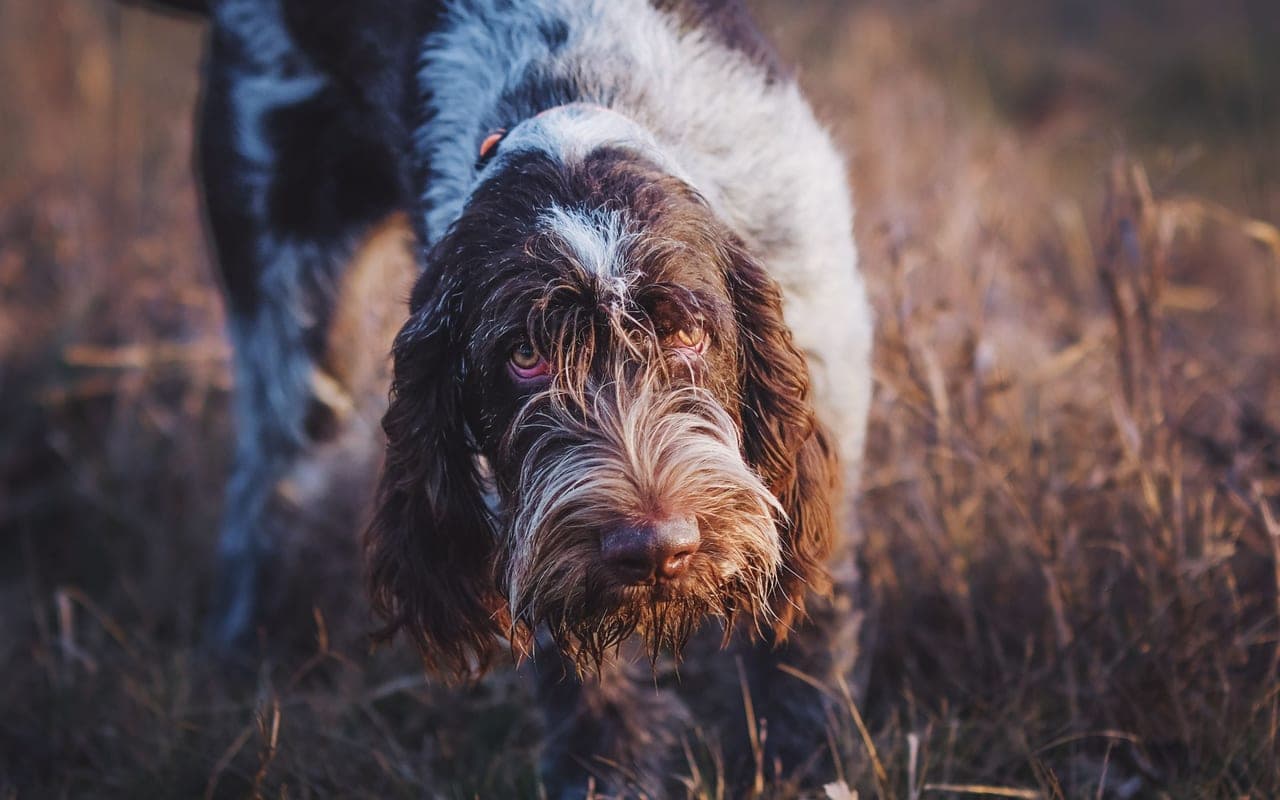
The Grand Basset Griffon Vendéen — 'large, low, shaggy dog of the Vendée' — is a French pack scenthound standing 15 to 18 inches and weighing 40 to 45 pounds, with a rough, tousled double coat, a permanent beard-and-eyebrow expression, and the long-bodied, short-legged build of a dog made to push through dense cover all day.
Size
37-44 lb
Lifespan
13-15 years
Exercise
20-40 minutes
Shedding
Moderate
Experience
Match to owner routine
Decision first
Is a Grand Basset Griffon Vendéen right for you?
Start with fit before history or trivia. These are ownership signals, not guarantees about any individual dog.
Best suited for
- Households with children.
- Homes with other compatible pets.
- Owners seeking a manageable daily exercise routine.
Think carefully if
- You need a dog with almost no daily routine.
- You cannot keep up with grooming and preventive care.
- The dog will spend most days alone without support.
Conditional fit
Apartment living may be difficult unless the owner can meet the breed's exercise, training, and space needs.
Daily reality
Grand Basset Griffon Vendéen commitment snapshot
Daily exercise
20-40 minutes
Match activity to age, health, weather, and training goals.
Coat care
Moderate
Grooming needs vary by coat, shedding, and lifestyle.
Time alone
Needs planning
Most dogs need gradual alone-time conditioning and support.
Structured facts
Grand Basset Griffon Vendéen at a glance
The measurements and traits that most affect day-to-day life with this breed.
Group
Hound
Weight
37-44 lb
Height
15-17 in
Lifespan
13-15 years
Temperament
Independent | Happy | Outgoing
View all characteristics and methodology
Lifestyle fit
- Apartment suitability
- Needs caution
- Child friendliness
- Often good, with socialisation and supervision
- Other-pet fit
- Often compatible with careful introductions
Owner commitment
- Exercise
- 20-40 minutes
- Grooming
- Moderate
- Shedding
- Moderate
- Training
- Moderate
Environment and health
- Health risk
- Needs planning
Ratings combine structured breed data, visible breed fields, and editorial context. They are planning aids, not predictions for an individual dog.
Daily life
Grand Basset Griffon Vendéen temperament and behavior
The Grand Basset Griffon Vendéen — 'large, low, shaggy dog of the Vendée' — is a French pack scenthound standing 15 to 18 inches and weighing 40 to 45 pounds, with a rough, tousled double coat, a permanent beard-and-eyebrow expression, and the long-bodied, short-legged build of a dog made to push through dense cover all day. It is uncommon outside France and the show ring, and most prospective owners meet the cheerful, comedic appearance before they understand the working hound underneath. That order should be reversed. This is, first and last, a stamina-bred scenthound. The GBGV was developed to hunt hare over rough Vendéen terrain for hours, independently, on its own nose, while ignoring distraction and discomfort. The breed's signature traits — busy energy that does not tire easily, an independent decision-making mind, a strong bay, and a nose that overrides recall — are that heritage expressed in a living-room dog. They are not behavior problems to be corrected; they are the breed working as designed. Temperament is genuinely warm: happy, outgoing, affectionate, good with other dogs and children, rarely aggressive. The catch is biddability. A GBGV is friendly but not obedient in the German-shepherd sense; it will weigh whether your recall is more interesting than the scent it just found, and frequently decide it is not. Who the GBGV is right for: an active, patient owner with a securely fenced yard, a sense of humor about a stubborn comedian, tolerance for a loud hound voice, and ideally a scent sport to channel the drive. Who it is wrong for: anyone wanting an off-leash-reliable, quiet, quick-to-obey dog, or an apartment with thin walls and close neighbors. The personality is delightful; the nose and the voice are non-negotiable.
Independent | Happy | Outgoing
Independent
A common Grand Basset Griffon Vendéen temperament descriptor that should be interpreted alongside training, exercise, and household fit.
Happy
A common Grand Basset Griffon Vendéen temperament descriptor that should be interpreted alongside training, exercise, and household fit.
Outgoing
A common Grand Basset Griffon Vendéen temperament descriptor that should be interpreted alongside training, exercise, and household fit.
Owner note
Temperament labels are starting points, not guarantees. Meet the individual dog and ask about behavior history whenever possible.
Care essentials
How to care for a Grand Basset Griffon Vendéen
What looking after one actually involves: exercise, grooming, food, training, and routine health.
ExerciseAs needed
- Lower-energy breed that is content with daily walks and moderate play. Avoid over-exercising.
GroomingAs needed
- Regular grooming needed — brush 2-3 times per week and bathe monthly.
TrainingAs needed
- Moderately trainable — consistent, patient training with positive methods works best.
NutritionAs needed
- Feed a high-quality dog food appropriate for their age, size, and activity level. Monitor portions to prevent obesity.
Veterinary CareAs needed
- Annual wellness exams, core vaccinations, dental care, and parasite prevention. Breed-specific health screenings as recommended by your vet.
Health planning
Grand Basset Griffon Vendéen health risks and screening
Every breed has individual health variation. Use this profile for planning and discuss medical decisions with a veterinarian.
Responsible ownership
Finding a Grand Basset Griffon Vendéen responsibly
What to ask a breeder or rescue is the same conversation for every breed, so we keep it in one place and keep it current.
Health documentation, meeting the parents or foster, contracts and return support, and the warning signs worth walking away from.
Original purpose
Grand Basset Griffon Vendéen history
History is useful when it explains today's behavior, coat, exercise needs, and training style.
Read the breed history
The Grand Basset Griffon Vendéen comes from the Vendée region of western France, a coastal area of dense thorny scrub and rough ground. It descends from older large Griffon hounds and was developed specifically to hunt hare and other game on foot, in packs, over terrain too punishing for taller dogs — hence the low, sturdy, brush-resistant build and the harsh protective coat. The 'Grand' and the smaller 'Petit Basset Griffon Vendéen' were historically interbred and only formally separated into distinct breeds in the mid-20th century, with rules to stop crossing the two. It remains primarily a working and show scenthound and is still relatively rare as a companion dog outside France; the AKC granted full recognition in 2018. The hunting heritage is not background color — it directly explains the modern dog's stamina, independence, loud trailing voice, and scent-driven indifference to recall, and any owner needs to plan around those, not be surprised by them.
Gallery
Grand Basset Griffon Vendéen photos
Images are cropped consistently and loaded progressively to keep the page responsive.
Lower-page context
Grand Basset Griffon Vendéens in culture
Where the breed shows up in film, sport, work and folklore — the enjoyable part, once the practical questions are answered.
Fun facts
- The Grand Basset Griffon Vendéen belongs to the Hound Group.
- With proper care, Grand Basset Griffon Vendéen dogs can live up to 15 years or more.
- Grand Basset Griffon Vendéen dogs are valued for their independent, happy, outgoing nature.
Grand Basset Griffon Vendéen FAQs
How long do Grand Basset Griffon Vendéens live?
A healthy GBGV typically lives 13 to 15 years, which is solid for a 40-pound dog and one of the breed's real advantages. Reaching the top of that range depends mostly on weight control — excess weight on a long back accelerates spinal and joint problems — and on screening breeding stock for the epilepsy and hip issues the lines carry. Most well-managed GBGVs are active well into their senior years, so plan for a long commitment rather than a short one.
Are Grand Basset Griffon Vendéens good with children?
Yes — this is one of the breed's strongest points. GBGVs are happy, outgoing, affectionate, and notably good-natured with children and other dogs, with little tendency toward aggression. The realistic cautions are energy and exuberance rather than temperament: a bouncy, scent-distracted hound can knock over a small child by accident and may simply ignore a kid's commands. Supervise as with any dog, and never rely on a child to be the barrier between the dog and an open gate, because the nose wins.
How much exercise does a Grand Basset Griffon Vendéen need?
Plan on 60 to 90 minutes of genuine activity daily — a long sniff-rich walk plus play or scent work, not a quick loop around the block. 'Does not tire easily' is literal: this is a stamina-bred hare hound. An under-exercised GBGV does not relax; it bays, digs, and invents destructive jobs, and these dogs are commonly surrendered as 'too much.' Owners who give a daily outlet describe a funny, mellow housedog; the exercise is the price of that calm, not optional enrichment.
Can a Grand Basset Griffon Vendéen be trusted off-leash?
Rarely, and only in fully enclosed space. This is a scenthound bred to follow a trail independently and ignore distraction — once the nose engages, recall effectively stops working, by design rather than by disobedience. Underground or shock fences do not reliably hold a GBGV on a scent. Use a long line for sniff-walks and a securely fenced yard for free running, and treat reliable off-leash freedom in open areas as something this breed essentially never achieves. Plan containment as infrastructure, not as a training goal.
How much does a Grand Basset Griffon Vendéen cost?
Because the breed is uncommon outside France, expect roughly $2,000-$3,500+ for a puppy from a health-screened litter, often with a waiting list. The costs buyers underestimate are recurring: regular professional grooming or hand-stripping ($50-$80 per visit), recurring ear-infection treatment if weekly ear care is skipped, and secure 5-to-6-foot fencing, which is effectively mandatory infrastructure for a scenthound rather than an optional yard upgrade.
Is the GBGV the same as the Petit Basset Griffon Vendéen?
No — they are separate breeds that were historically interbred and formally split in the mid-20th century, with rules against crossing them. The Grand is taller (15-18 inches, 40-45 pounds) and bred to hunt hare; the Petit is smaller and was bred for rabbit. Beyond size, the Grand tends to need more exercise and space and is the more demanding of the two for a pet home. If you are choosing between them, match the dog to your activity level honestly: the Grand is not just a 'bigger Petit', it is a higher-stamina hunting hound.
Sources
These are the published sources this page draws on. Each opens in a new tab so you can check it yourself.
American Kennel Club
Grand Basset Griffon Vendéen — breed standard and profile(opens in a new tab)Supports: Breed standard and recognition details.
Similar breeds to consider
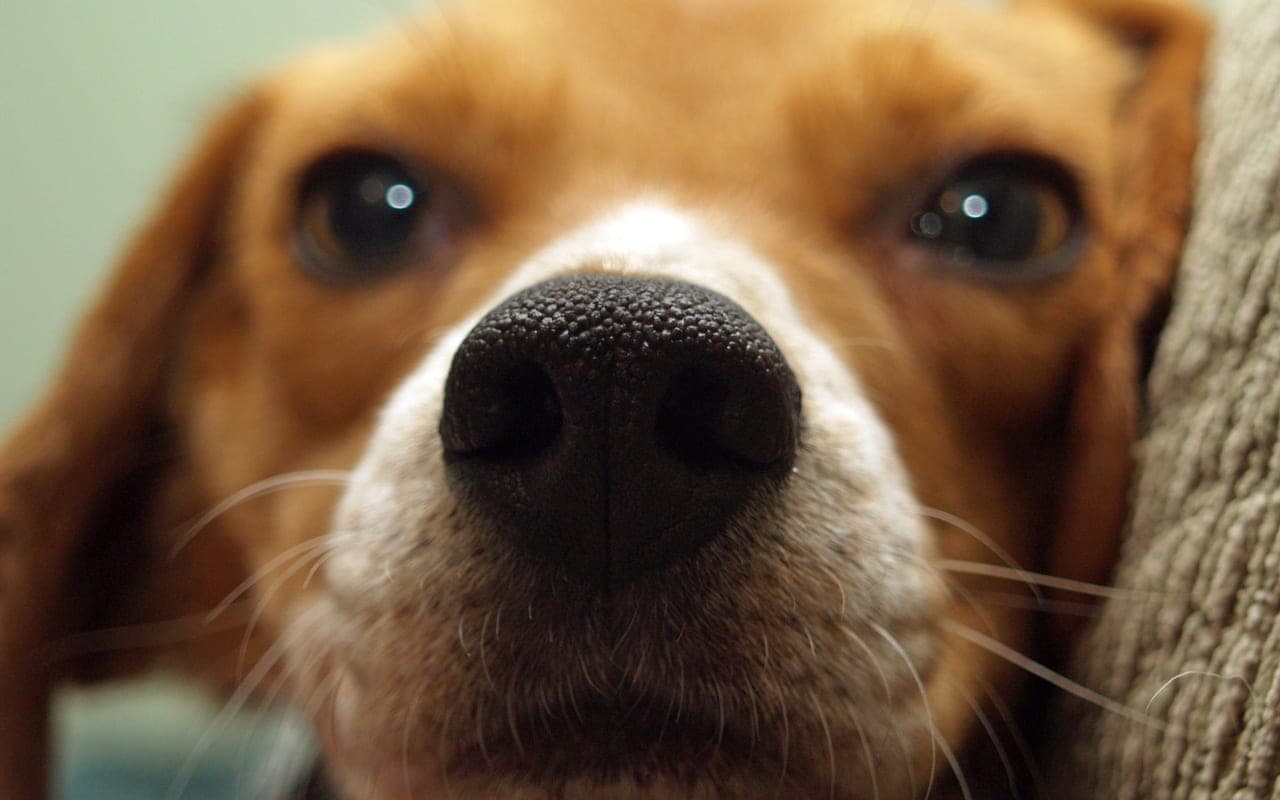
Beagle
Also in the Hound group, with different care and temperament tradeoffs.
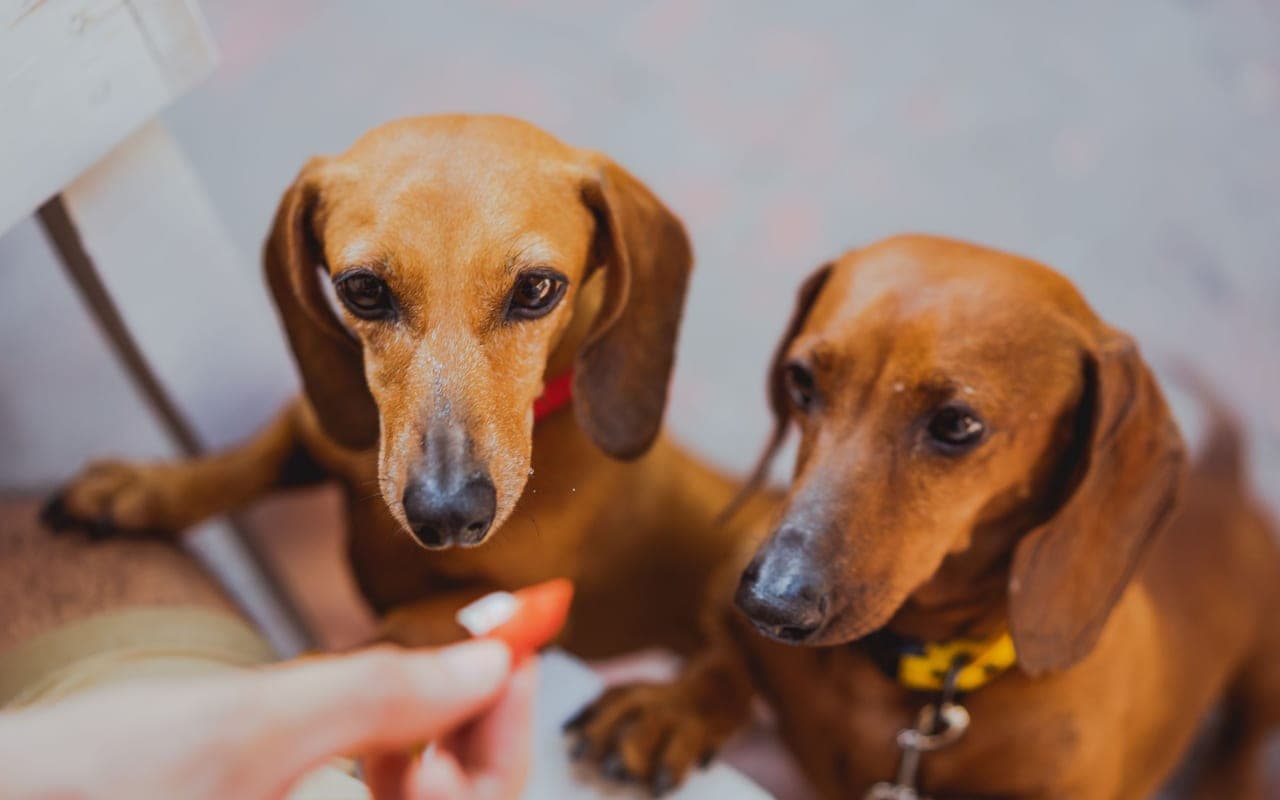
Dachshund
Also in the Hound group, with different care and temperament tradeoffs.
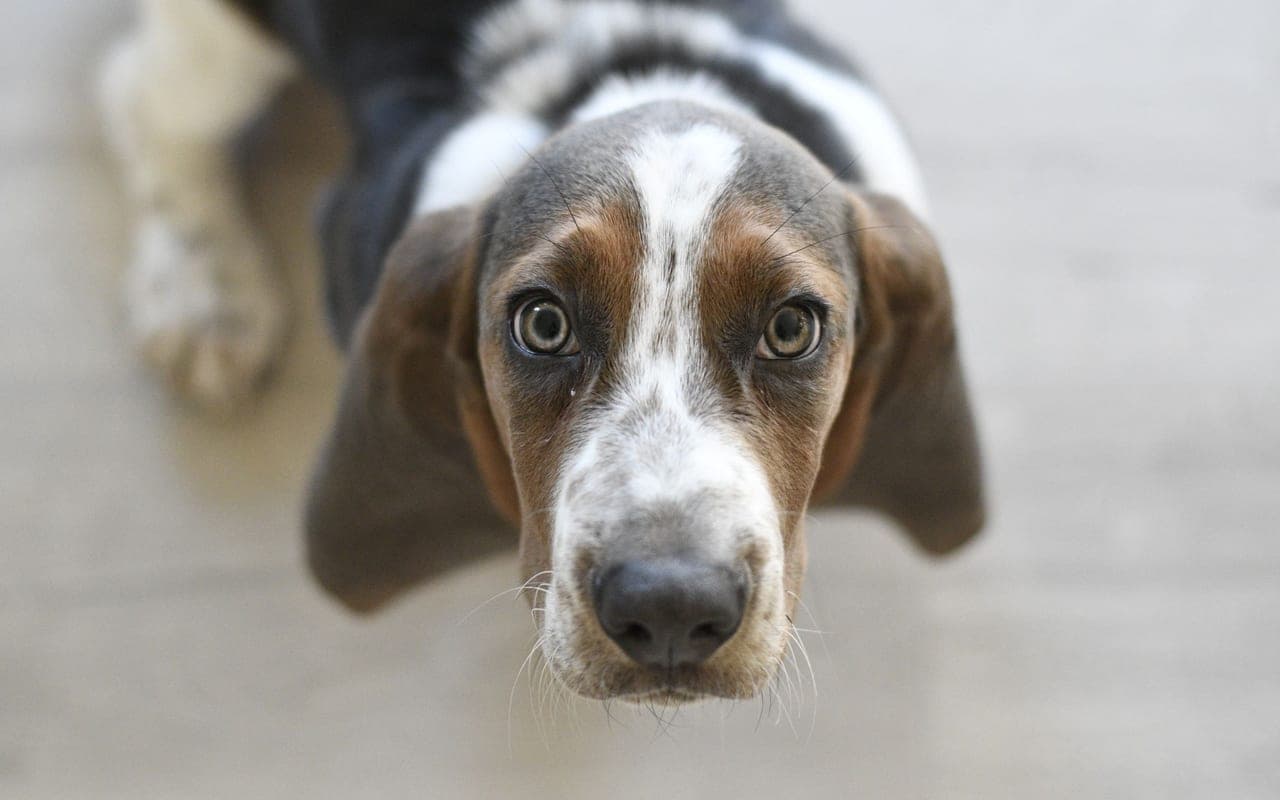
Basset Hound
Also in the Hound group, with different care and temperament tradeoffs.
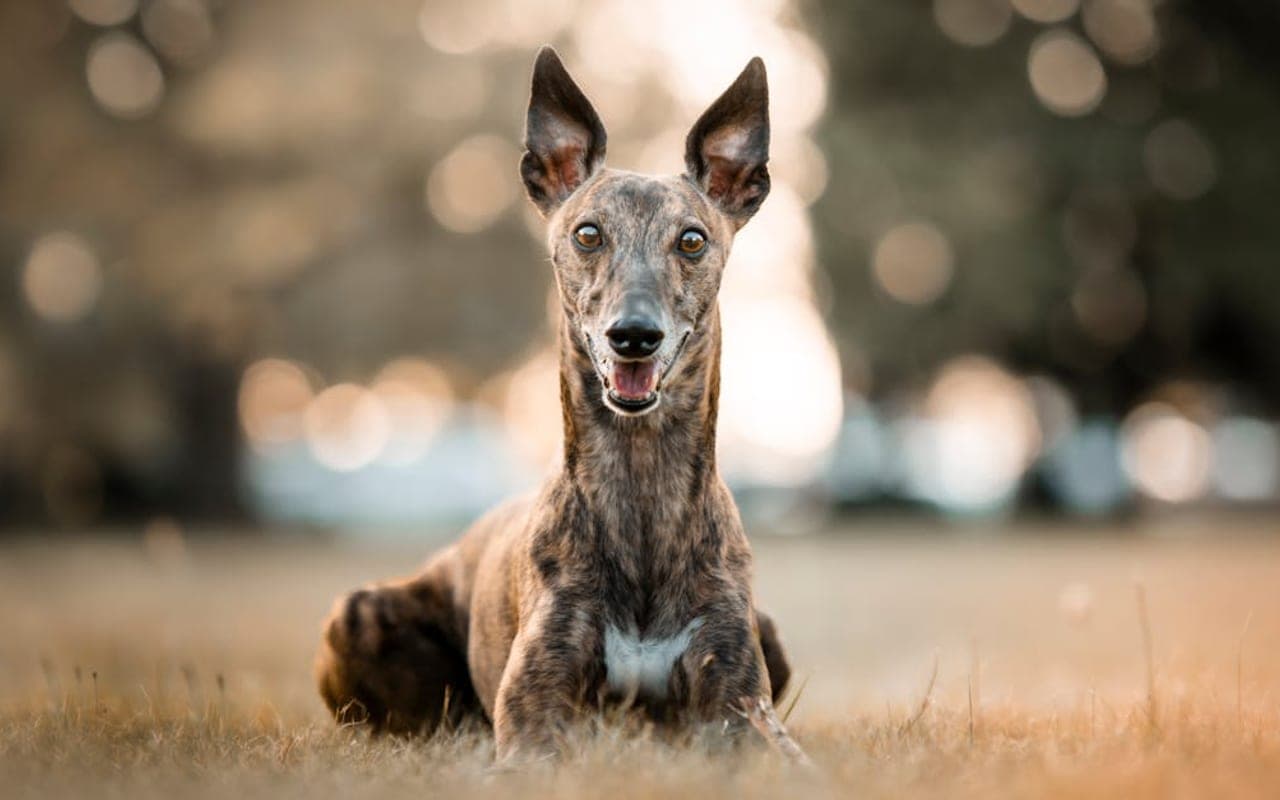
Greyhound
Also in the Hound group, with different care and temperament tradeoffs.
Explore More About Grand Basset Griffon Vendéen
Dive deeper into everything Grand Basset Griffon Vendéen — costs, care, and expert insights.
Considering a cat instead?
Browse Cats