
Working group
Great Pyrenees
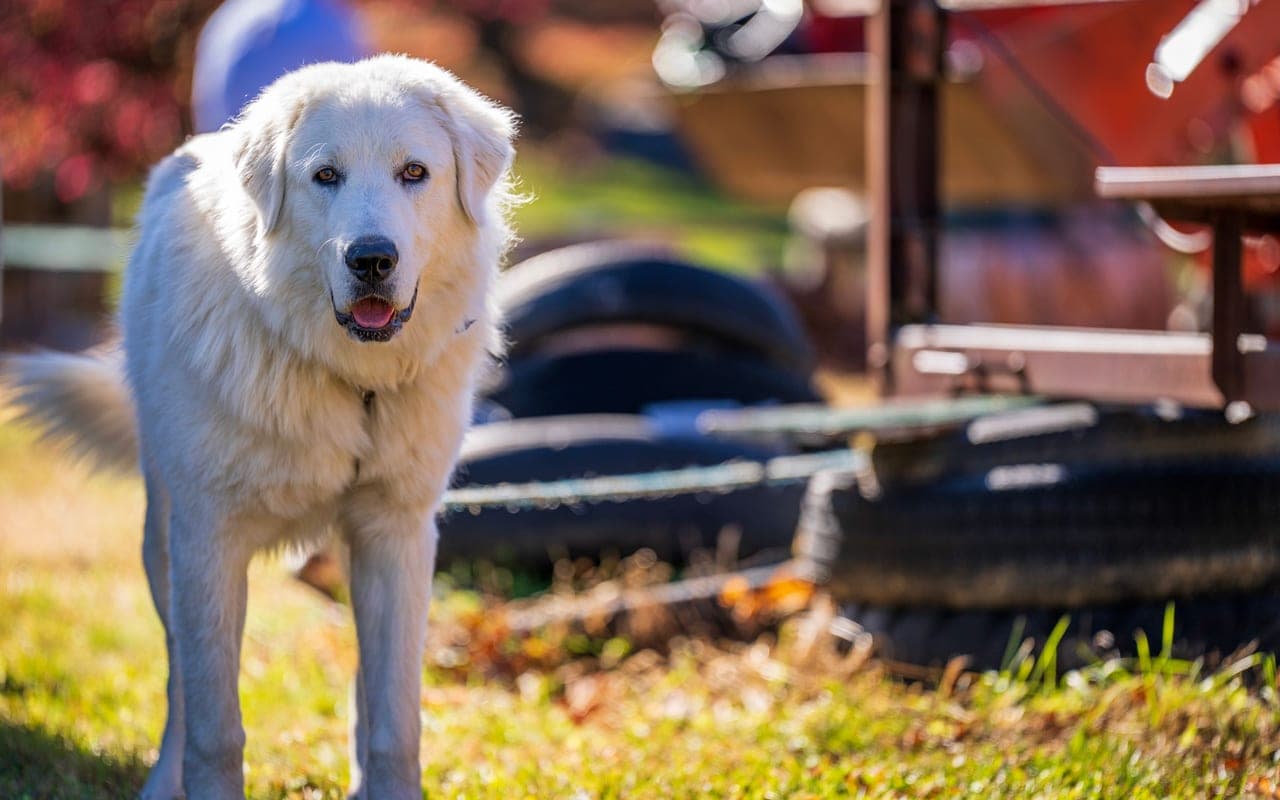
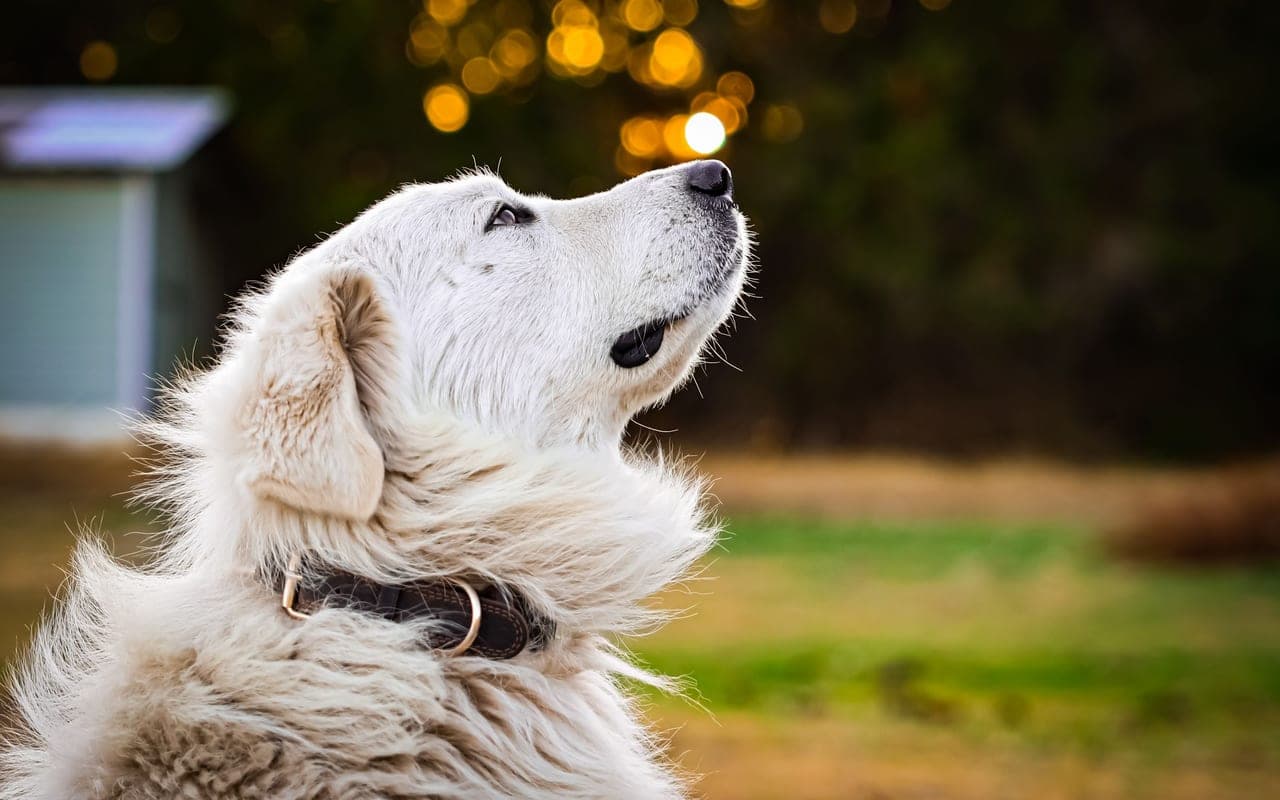
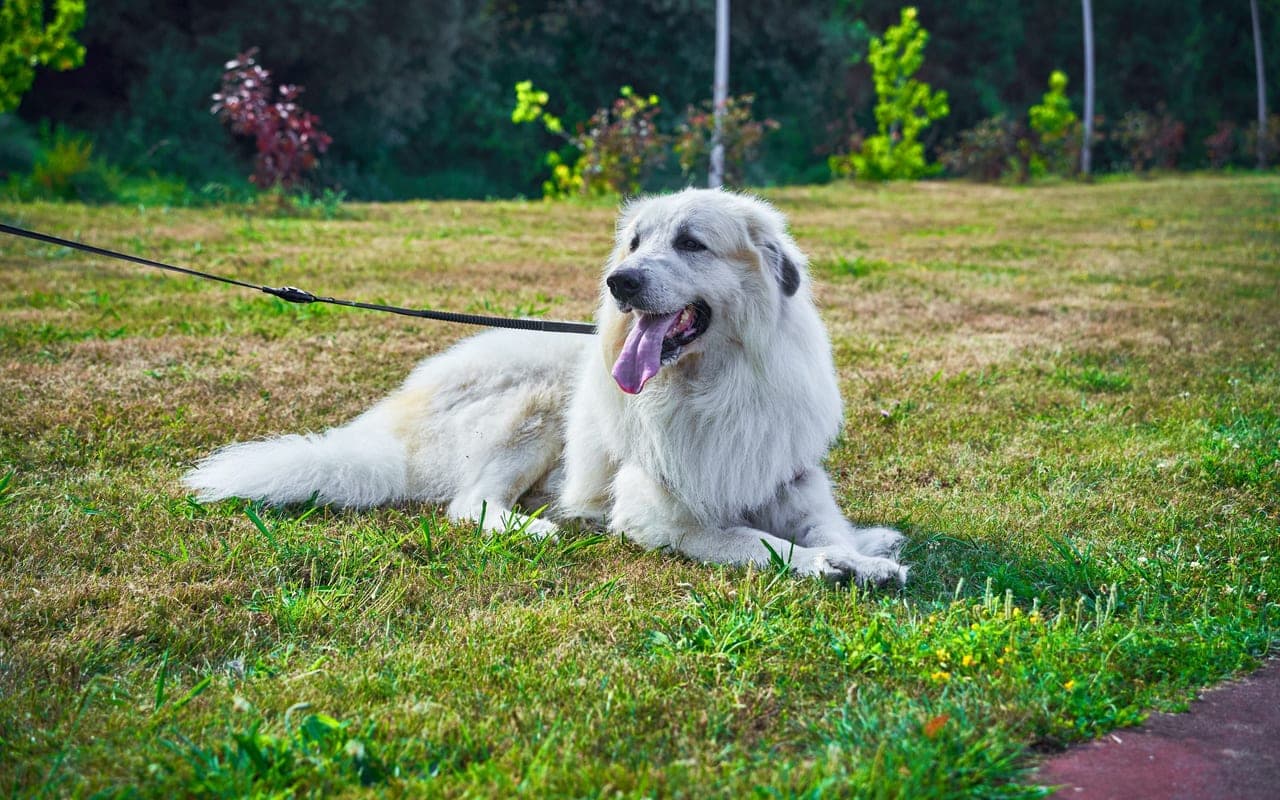
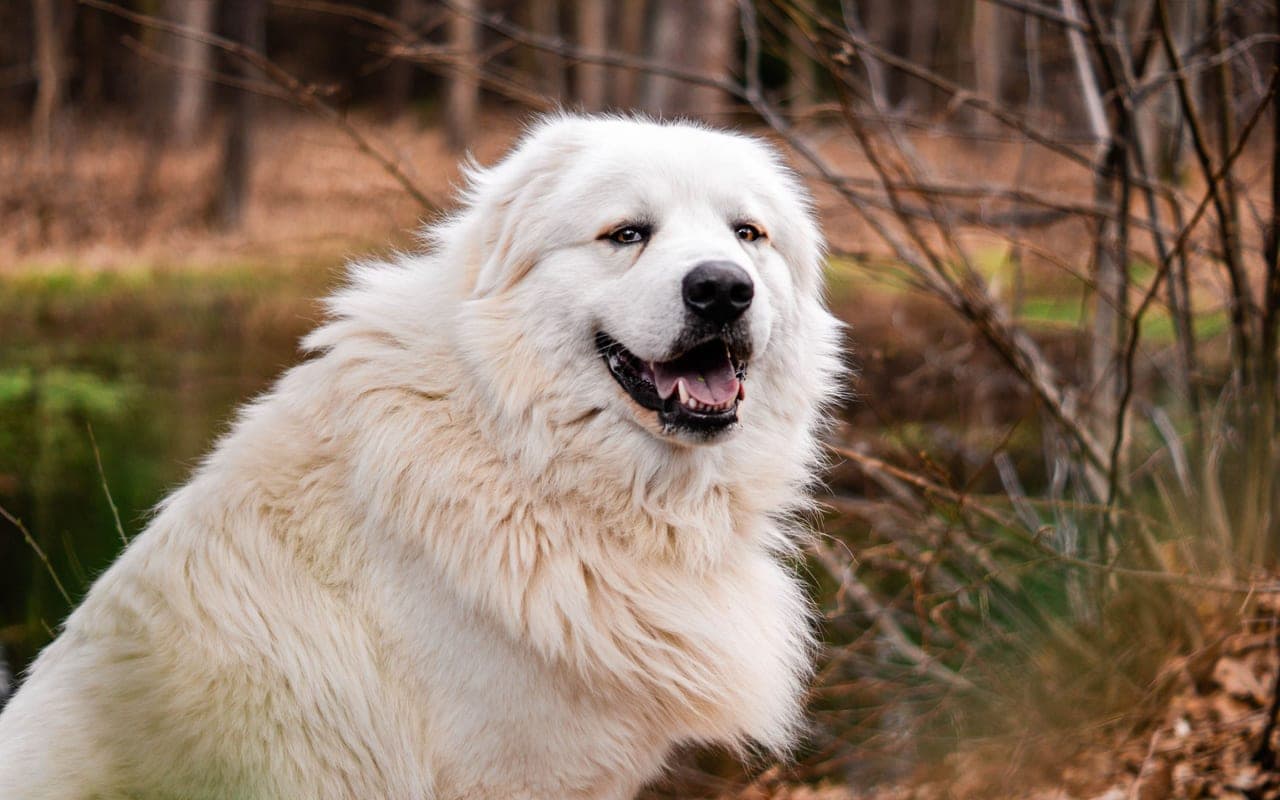
The Great Pyrenees is an 85-115+ pound livestock guardian dog bred over centuries to live with a flock, think for itself, and drive off wolves and bears without a human telling it what to do.
Size
85-160 lb
Lifespan
10-12 years
Exercise
30-60 minutes
Shedding
High
Experience
Match to owner routine
Decision first
Is a Great Pyrenees right for you?
Start with fit before history or trivia. These are ownership signals, not guarantees about any individual dog.
Best suited for
- Households with children.
- Owners seeking a manageable daily exercise routine.
Think carefully if
- You need a dog with almost no daily routine.
- You want a very low-shedding home.
- The dog will spend most days alone without support.
Conditional fit
Apartment living may be difficult unless the owner can meet the breed's exercise, training, and space needs.
Daily reality
Great Pyrenees commitment snapshot
Daily exercise
30-60 minutes
Match activity to age, health, weather, and training goals.
Coat care
Moderate
Grooming needs vary by coat, shedding, and lifestyle.
Time alone
Needs planning
Most dogs need gradual alone-time conditioning and support.
Structured facts
Great Pyrenees at a glance
The measurements and traits that most affect day-to-day life with this breed.
Origin
France/Spain
Group
Working
Weight
85-160 lb
Height
25-32 in
Lifespan
10-12 years
Temperament
Gentle | Confident | Patient | Calm | Strong-Willed | Affectionate
View all characteristics and methodology
Lifestyle fit
- Apartment suitability
- Needs caution
- Child friendliness
- Often good, with socialisation and supervision
Owner commitment
- Exercise
- 30-60 minutes
- Grooming
- Moderate
- Shedding
- High
- Training
- Low-moderate
Environment and health
- Health risk
- Needs planning
Ratings combine structured breed data, visible breed fields, and editorial context. They are planning aids, not predictions for an individual dog.
Daily life
Great Pyrenees temperament and behavior
The Great Pyrenees is an 85-115+ pound livestock guardian dog bred over centuries to live with a flock, think for itself, and drive off wolves and bears without a human telling it what to do. Everything difficult and everything wonderful about this breed flows from that one job: it is calm, patient, and devoted, and it is also independent, stubborn, nocturnally vocal, and only partly trainable by design. People fall for the majestic white coat and the 'gentle giant' reputation; they underestimate the barking, the shedding, the fence requirements, and the fact that a guardian breed does not obey like a Labrador and was never meant to. Indoors, a mature Pyr is famously mellow — a quiet, dignified presence that bonds deeply to its family and is gentle and protective with children. Outdoors and at night, the same dog is a tireless sentry that will bark at every perceived threat and roam for miles if the fence fails, following its instinct to expand and patrol territory. Who the Great Pyrenees is right for: an owner with secure fencing (not an electronic collar), tolerant neighbors or rural acreage, patience for slow, respectful training, and a vacuum-grade tolerance for shedding. They excel as actual livestock guardians and as calm rural family dogs. Who it is wrong for: apartment dwellers, owners wanting an obedient off-leash companion, noise-sensitive households, or anyone who thinks 'gentle giant' means 'easy.' This is a working guardian first and a pet second; choose it understanding the job it still thinks it has.
Gentle | Confident | Patient | Calm | Strong-Willed | Affectionate
Gentle
A common Great Pyrenees temperament descriptor that should be interpreted alongside training, exercise, and household fit.
Confident
A common Great Pyrenees temperament descriptor that should be interpreted alongside training, exercise, and household fit.
Patient
A common Great Pyrenees temperament descriptor that should be interpreted alongside training, exercise, and household fit.
Calm
A common Great Pyrenees temperament descriptor that should be interpreted alongside training, exercise, and household fit.
Owner note
Temperament labels are starting points, not guarantees. Meet the individual dog and ask about behavior history whenever possible.
Care essentials
How to care for a Great Pyrenees
What looking after one actually involves: exercise, grooming, food, training, and routine health.
ExerciseAs needed
- Great Pyrenees require moderate exercise, typically a daily walk or two and some yard time. Their exercise needs are not as high as many other large working breeds; however, they do need space to move around. An enclosed yard is ideal, as these dogs were bred to roam and patrol large areas. Young Pyrenees should have their exercise monitored to protect developing joints. These dogs don't do well in hot weather, so exercise should be limited during warm seasons.
GroomingAs needed
- Their thick, weather-resistant double coat sheds heavily and requires regular maintenance. Brush them thoroughly at least once weekly, and daily during seasonal shedding periods. Despite the amount of coat, they don't require frequent bathing—a few times a year is typically sufficient. Regular nail trimming, ear cleaning, and dental care should also be part of their grooming routine. Their coat is naturally dirt-resistant and tends to clean itself.
TrainingAs needed
- Training requires patience and consistency, as Great Pyrenees have been bred to think independently and make their own decisions. They respond well to positive reinforcement methods and gentle guidance. Harsh methods will backfire, as the breed has a sensitive nature despite their size. Early socialization is crucial to help them distinguish between normal situations and genuine threats. Basic obedience training should begin in puppyhood before they grow to their full size and strength.
NutritionAs needed
- Great Pyrenees do well on high-quality dog food appropriate for large breeds. Puppies should be fed a large-breed puppy formula to control growth rate and support joint health. Adults typically eat less than expected for their size—usually 3-4 cups of quality dry food daily, split into two meals. Avoid overfeeding as weight gain can stress their joints. Due to their risk of bloat, avoid exercising them right after meals.
Health planning
Great Pyrenees health risks and screening
Every breed has individual health variation. Use this profile for planning and discuss medical decisions with a veterinarian.
Ownership cost
How much does a Great Pyrenees cost?
Cost figures are structured so first-year and lifetime estimates do not conflict with the underlying line items.
| Acquisition | $800-$3,000 |
|---|---|
| Routine monthly | About $170/month |
| Routine annual | About $2,040/year |
| First-year estimate | $2,840-$5,040 |
| Lifetime routine estimate | $20,400-$24,480 routine costs |
Currency: USD. Region: United States. Typical ranges for this breed. Equipment, insurance, emergency veterinary care, boarding and training are NOT included: we hold no sourced figures for them, and estimating them would be a guess presented as data.
Responsible ownership
Finding a Great Pyrenees responsibly
What to ask a breeder or rescue is the same conversation for every breed, so we keep it in one place and keep it current.
Health documentation, meeting the parents or foster, contracts and return support, and the warning signs worth walking away from.
Original purpose
Great Pyrenees history
History is useful when it explains today's behavior, coat, exercise needs, and training style.
Read the breed history
The Great Pyrenees, called the Pyrenean Mountain Dog outside North America, descends from ancient livestock guardian dogs that worked the Pyrenees Mountains along the France-Spain border for thousands of years; remains of similar dogs in the region date back millennia. Basque and other mountain shepherds bred it to live unsupervised with flocks at high altitude and to fight off wolves and bears using independent judgment — the dog had to decide, alone and at night, what was a threat. In 17th-century France it became a fashionable guardian of chateaux and was named the Royal Dog of France at the court of Louis XIV. Pyrs reached Newfoundland and later the wider United States, contributing to other large breeds, and the American Kennel Club recognized the breed in 1933. The breed's enduring, defining trait is that it was selected for autonomous decision-making, not human-directed obedience — which is precisely why the modern Pyr is loyal and gentle yet independent, stubborn, territorial, and a determined barker and roamer.
Gallery
Great Pyrenees photos
Images are cropped consistently and loaded progressively to keep the page responsive.
Lower-page context
Great Pyrenees dogs in culture
Where the breed shows up in film, sport, work and folklore — the enjoyable part, once the practical questions are answered.
Fun facts
- Great Pyrenees puppies are born with the ability to climb, a trait developed for navigating mountainous terrain.
- Despite their size, they're known as 'gentle giants' and typically have a calm, quiet nature indoors.
- Great Pyrenees have double dewclaws on their rear legs, a trait that gave them extra traction on steep, mountainous terrain.
- Their white coat served a practical purpose - allowing shepherds to distinguish them from predators in dim light or darkness.
- Great Pyrenees have been used throughout history to pull artillery in wars, including during World War II.
Great Pyrenees FAQs
How long do Great Pyrenees live?
A healthy Great Pyrenees typically lives 10-12 years, which is normal for a giant breed. Lifespan is limited mainly by joint disease, bloat, and the elevated bone-cancer (osteosarcoma) risk common to large dogs. Dogs from parents with OFA hip/elbow clearances, kept lean their whole lives, and given preventive gastropexy tend toward the upper end. Obesity is the single biggest controllable factor shortening a Pyr's working life and comfort.
Do Great Pyrenees bark a lot?
Yes, substantially, and especially at night. Barking is core guardian behavior — the breed was developed to vocally warn off predators in the dark, and that instinct is intact in pets. You can reduce excessive barking with training and by letting the dog sleep indoors at night, but you cannot eliminate it. Anyone with close neighbors or noise sensitivity should treat heavy alert barking as an expected, not occasional, feature of the breed.
Are Great Pyrenees good family dogs?
For the right home, very much so. A mature Pyr is calm, patient, and protective indoors and is gentle and devoted with children it is raised with. The qualifiers are real: it needs space and secure fencing, sheds heavily, barks, and is independent rather than obedient. It suits calm, rural or large-property families who want a watchful, gentle guardian, and is a poor fit for apartments or families wanting a biddable, off-leash companion dog.
Are Great Pyrenees hard to train?
They are challenging by design. The breed was bred to make decisions alone, not to take direction, so it is intelligent but independent and selectively responsive — off-leash reliability is generally not achievable. Training works with patience, consistency, early socialization, and reward-based methods; it fails with harsh correction or expectations of sporting-dog obedience. Basic manners and a solid recall on long-line are realistic goals; competition-level obedience usually is not.
How much do Great Pyrenees shed and how much grooming do they need?
They are heavy, year-round shedders that 'blow' their entire undercoat in spring and fall. Expect white hair on clothing, furniture, and floors continuously. Brush 2-3 times weekly normally and daily during seasonal sheds; budget for a powerful vacuum. Do not shave the coat — it insulates against heat as well as cold and can be permanently damaged. Grooming is moderate-to-high in time commitment, almost entirely because of the coat volume.
What does a Great Pyrenees cost to own?
A health-tested puppy from a responsible breeder typically runs $1,000-$2,500; working livestock guardian lines vary. The real costs are scale-driven: a giant-breed appetite, large-dose medications and anesthesia priced by body weight, and joint care. Hip surgery or bloat surgery can each exceed $4,000-$8,000. Preventive gastropexy ($400-$700, often at spay/neuter) and buying from OFA-screened parents are the highest-value spends for this breed.
Sources
These are the published sources this page draws on. Each opens in a new tab so you can check it yourself.
American Kennel Club
Great Pyrenees — breed standard and profile(opens in a new tab)Supports: Breed standard and recognition details.
Similar breeds to consider
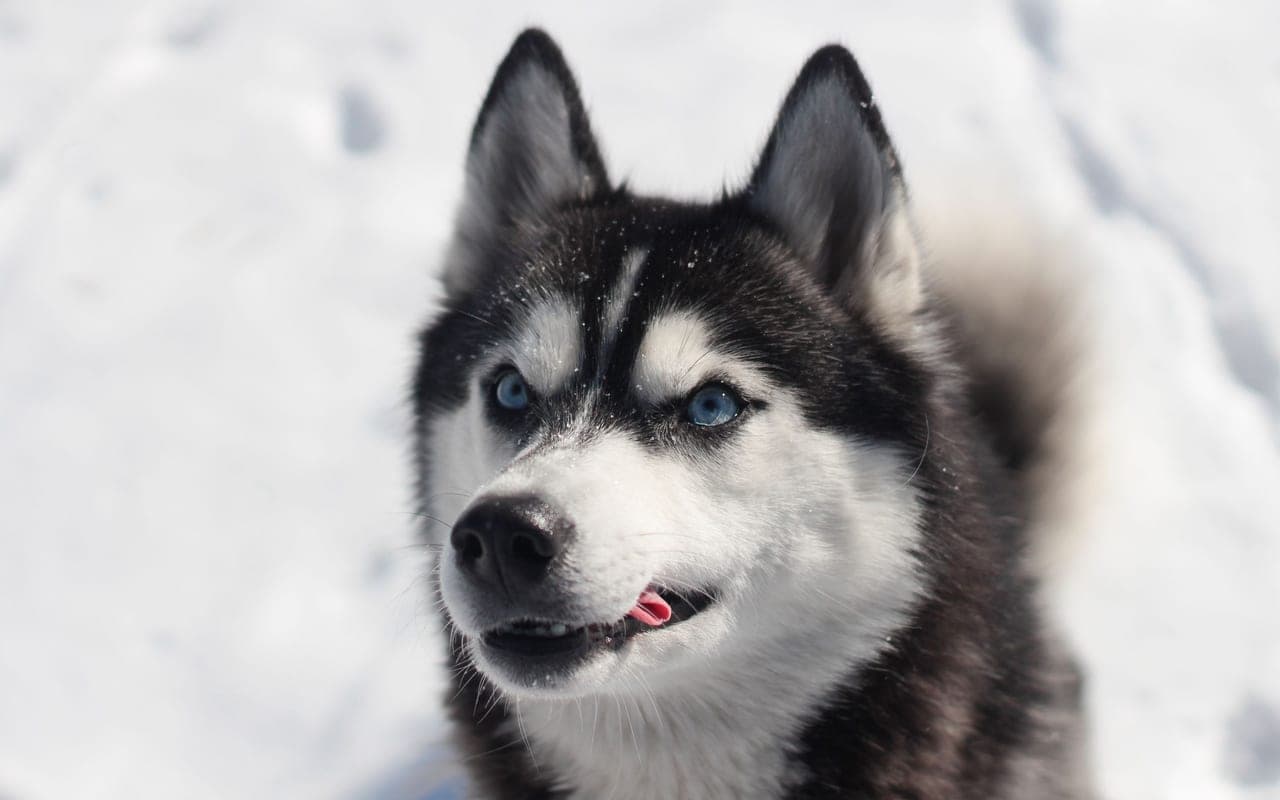
Siberian Husky
Also in the Working group, with different care and temperament tradeoffs.
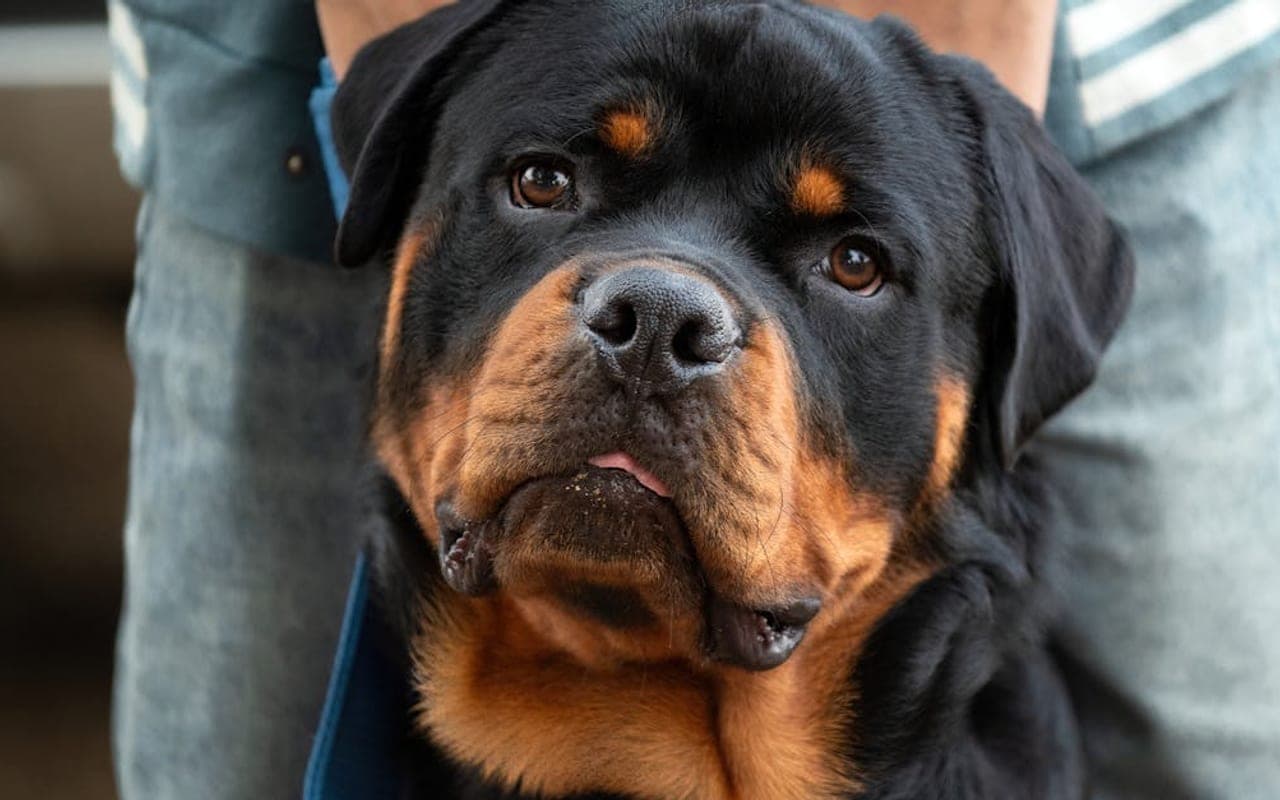
Rottweiler
Also in the Working group, with different care and temperament tradeoffs.
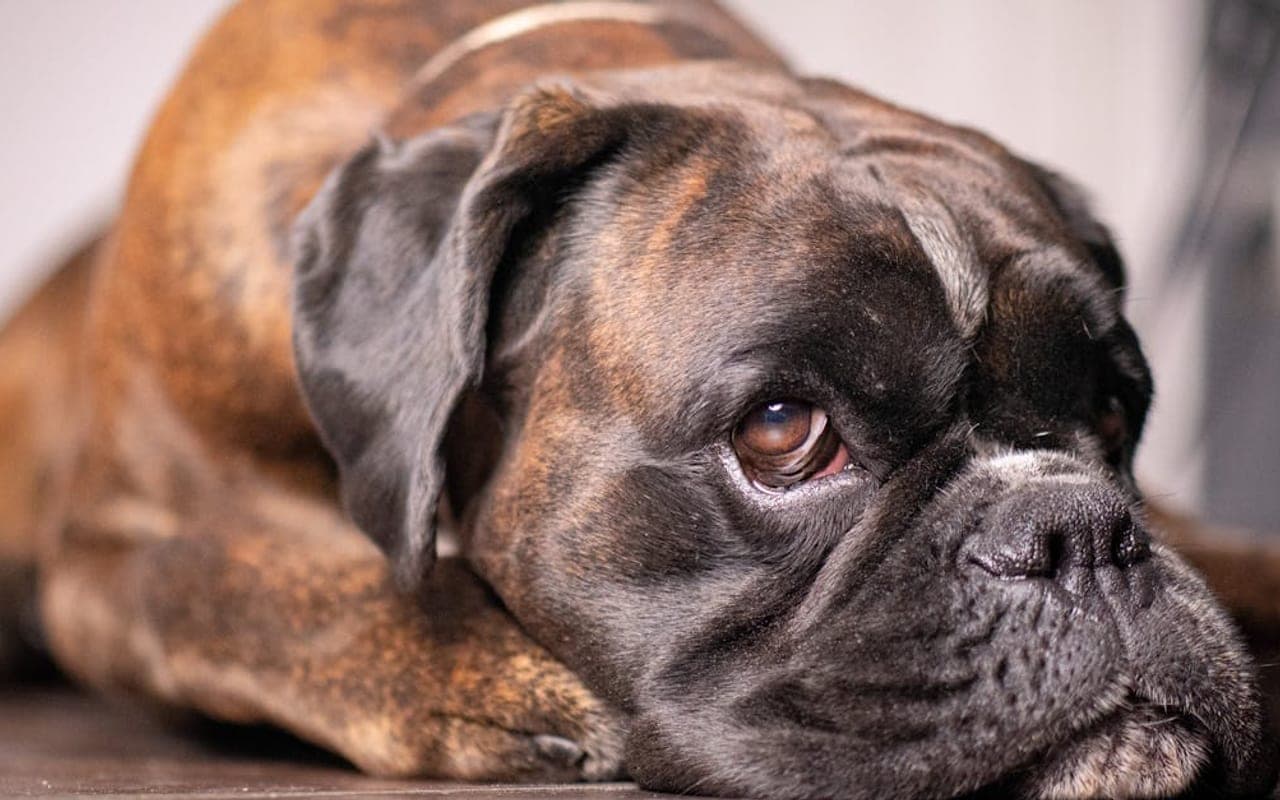
Boxer
Also in the Working group, with different care and temperament tradeoffs.
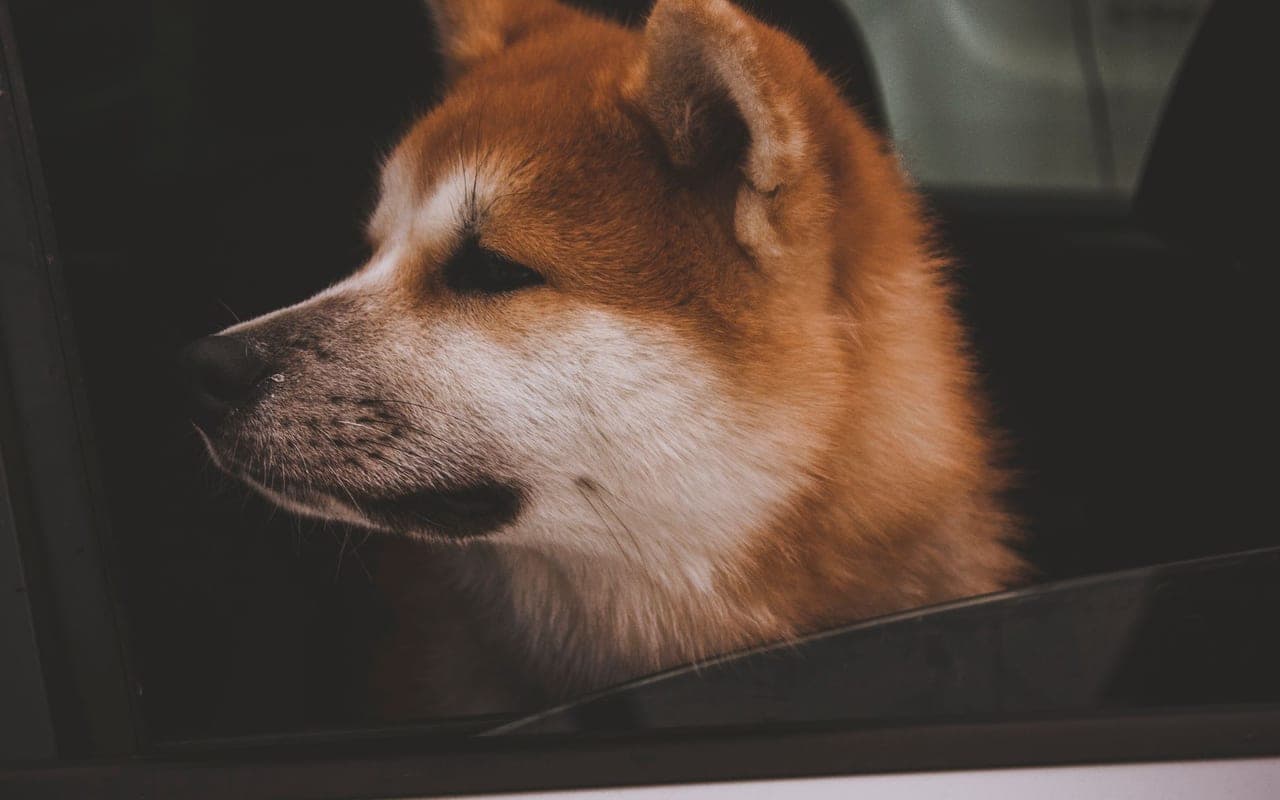
Akita
Also in the Working group, with different care and temperament tradeoffs.
Explore More About Great Pyrenees
Dive deeper into everything Great Pyrenees — costs, care, and expert insights.
How Much Does a Great Pyrenees Cost?
Purchase price, monthly costs, and lifetime expenses
Great Pyrenees Care Guide
This Great Pyrenees care guide gives owners a practical plan for...
Considering a cat instead?
Browse Cats