
Working group
Greater Swiss Mountain Dog
The Greater Swiss Mountain Dog is a giant (85-140 pounds, 23.
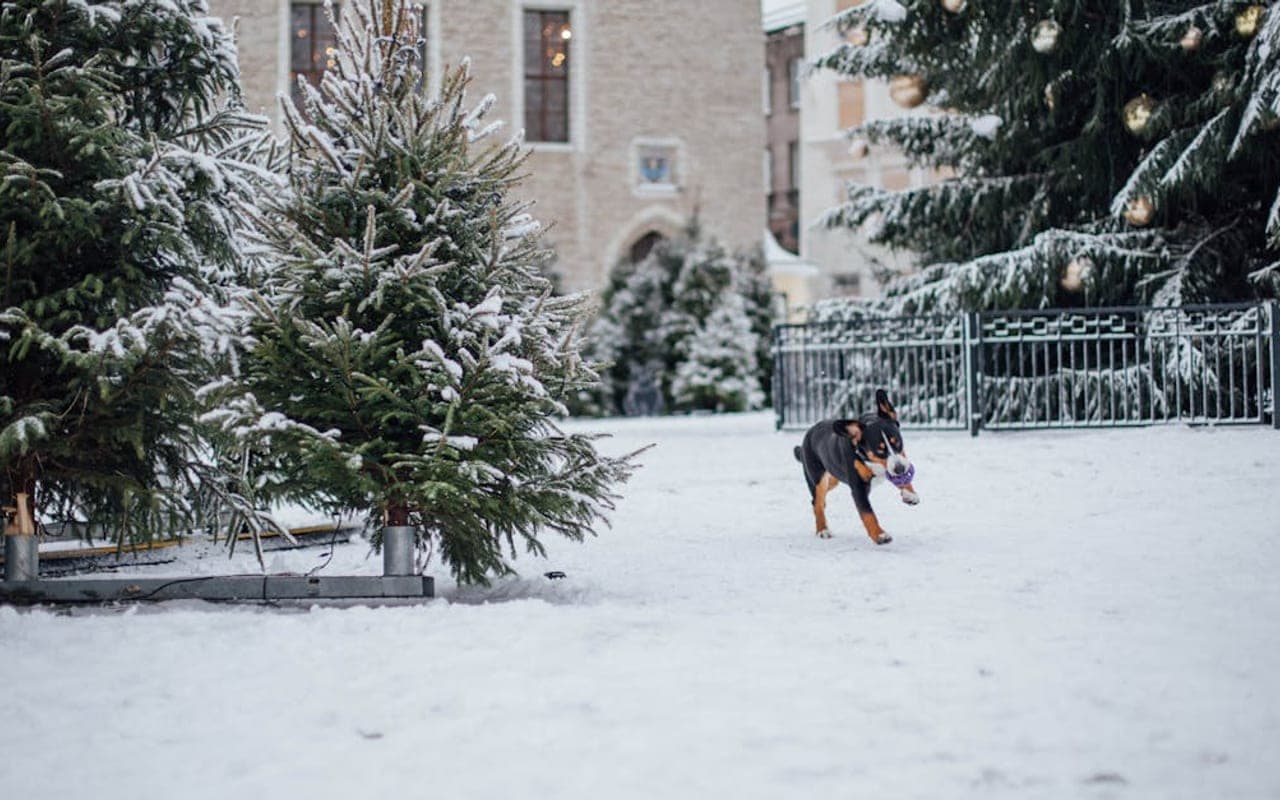
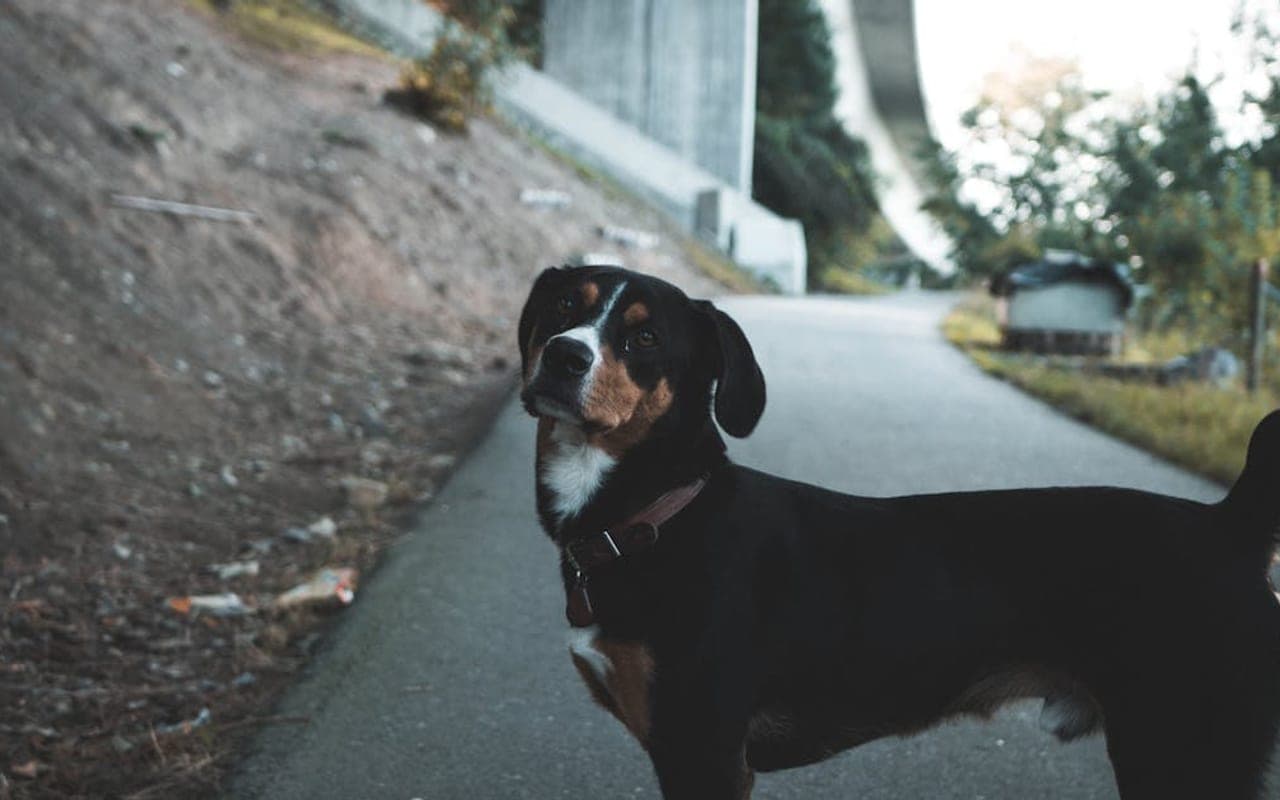
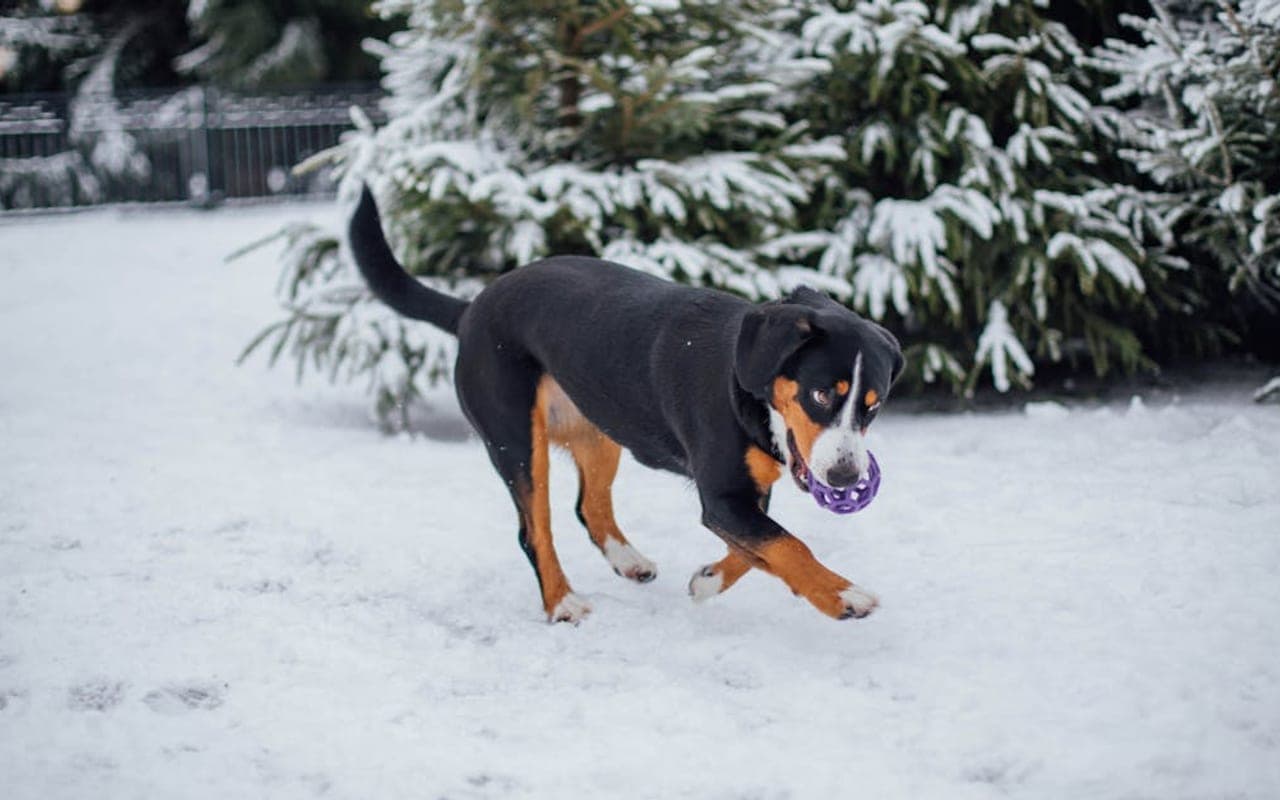
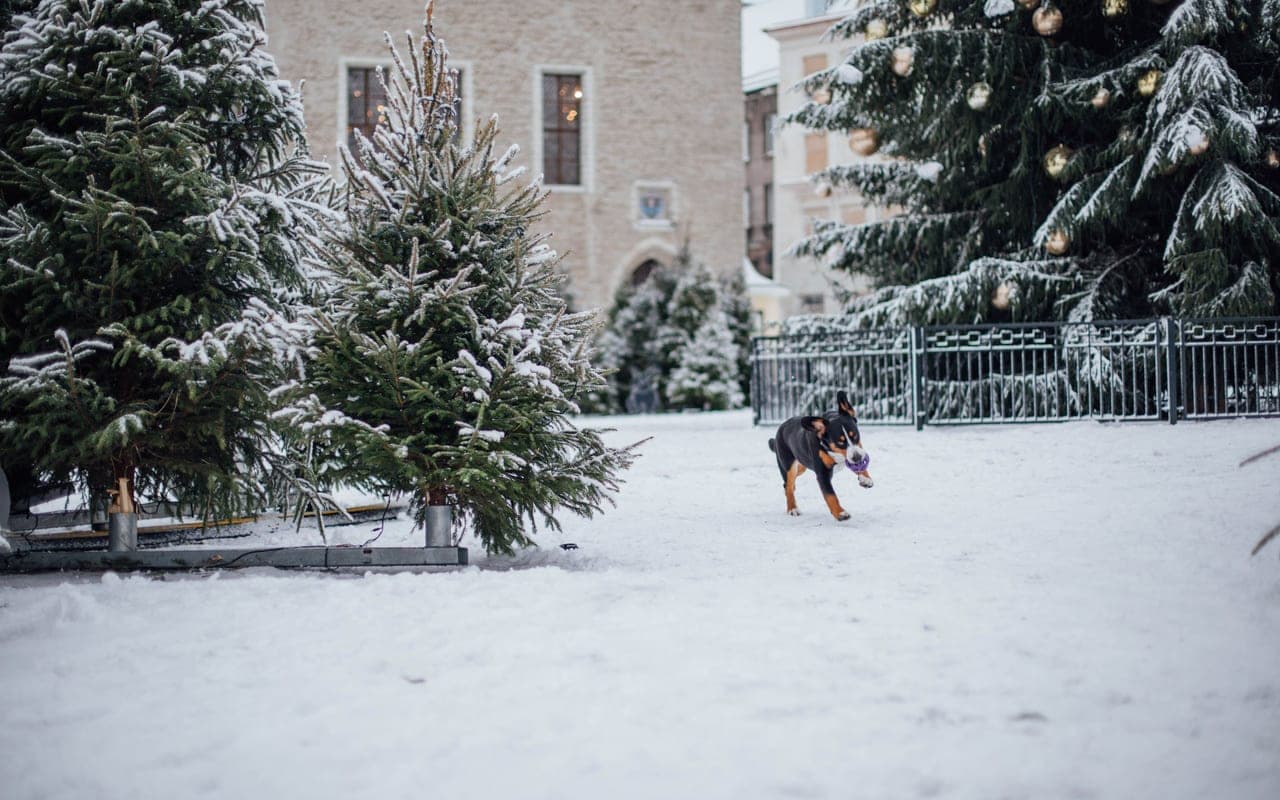
Size
85-155 lb
Lifespan
8-11 years
Exercise
30-60 minutes
Shedding
Moderate
Experience
Match to owner routine
Decision first
Is a Greater Swiss Mountain Dog right for you?
Start with fit before history or trivia. These are ownership signals, not guarantees about any individual dog.
Best suited for
- Households with children.
- Homes with other compatible pets.
- Apartment homes with a consistent routine.
- Owners seeking a manageable daily exercise routine.
Think carefully if
- You need a dog with almost no daily routine.
- You cannot keep up with grooming and preventive care.
- The dog will spend most days alone without support.
Conditional fit
Apartment fit depends on exercise, enrichment, noise management, and outdoor access.
Daily reality
Greater Swiss Mountain Dog commitment snapshot
Daily exercise
30-60 minutes
Match activity to age, health, weather, and training goals.
Coat care
Moderate
Grooming needs vary by coat, shedding, and lifestyle.
Time alone
Needs planning
Most dogs need gradual alone-time conditioning and support.
Structured facts
Greater Swiss Mountain Dog at a glance
The measurements and traits that most affect day-to-day life with this breed.
Group
Working
Weight
85-155 lb
Height
24-29 in
Lifespan
8-11 years
Temperament
Faithful | Family-Oriented | Dependable
View all characteristics and methodology
Lifestyle fit
- Apartment suitability
- Likely fit
- Child friendliness
- Often good, with socialisation and supervision
- Other-pet fit
- Often compatible with careful introductions
Owner commitment
- Exercise
- 30-60 minutes
- Grooming
- Moderate
- Shedding
- Moderate
- Training
- Moderate
Environment and health
- Health risk
- Needs planning
Ratings combine structured breed data, visible breed fields, and editorial context. They are planning aids, not predictions for an individual dog.
Daily life
Greater Swiss Mountain Dog temperament and behavior
The Greater Swiss Mountain Dog is a giant (85-140 pounds, 23.5-28.5 inches), tricolor draft and drover breed from the Swiss Alps — built to pull carts, move livestock, and guard the farm. The "Swissy" is one of the largest and oldest of the Sennenhund breeds and is best understood as a powerful working dog in a confident, family-devoted package, not a gentle-giant couch dog. Buyers drawn by the handsome black-red-white coat and steady reputation often underestimate the size, strength, and slow maturation. Expect a dog that takes 2-3 years to fully mature mentally and stays adolescent and clumsy well past the size of an adult — a 100-pound dog with a puppy brain is a real training and management challenge. Swissies are confident, alert, and protective; they bond hard to family, are typically gentle with their own children, and are watchful (often loud-barking) with strangers. They are working-strong, so leash manners and impulse control must be trained early before the dog out-muscles the handler. The hard truths are size-linked: a relatively short lifespan (often 8-11 years), serious orthopedic and bloat risk, and the cost of feeding, medicating, and operating on a giant breed. They are not high-endurance runners but need real daily activity and a job; under-exercised, under-trained Swissies become destructive and unmanageable. Who the Swissy is right for: an experienced, physically capable household with space, a yard, time for early intensive training and socialization, and a budget for giant-breed care. Who it is wrong for: apartment dwellers, first-time owners, the physically frail, anyone wanting a long-lived dog, or anyone unprepared for drool, shedding, and a slow-maturing giant.
Faithful | Family-Oriented | Dependable
Faithful
A common Greater Swiss Mountain Dog temperament descriptor that should be interpreted alongside training, exercise, and household fit.
Family-Oriented
A common Greater Swiss Mountain Dog temperament descriptor that should be interpreted alongside training, exercise, and household fit.
Dependable
A common Greater Swiss Mountain Dog temperament descriptor that should be interpreted alongside training, exercise, and household fit.
Owner note
Temperament labels are starting points, not guarantees. Meet the individual dog and ask about behavior history whenever possible.
Care essentials
How to care for a Greater Swiss Mountain Dog
What looking after one actually involves: exercise, grooming, food, training, and routine health.
ExerciseAs needed
- Moderately active breed needing 30-60 minutes of daily exercise through walks, play, and mental stimulation.
GroomingAs needed
- Regular grooming needed — brush 2-3 times per week and bathe monthly.
TrainingAs needed
- Moderately trainable — consistent, patient training with positive methods works best.
NutritionAs needed
- Feed a high-quality dog food appropriate for their age, size, and activity level. Monitor portions to prevent obesity.
Veterinary CareAs needed
- Annual wellness exams, core vaccinations, dental care, and parasite prevention. Breed-specific health screenings as recommended by your vet.
Health planning
Greater Swiss Mountain Dog health risks and screening
Every breed has individual health variation. Use this profile for planning and discuss medical decisions with a veterinarian.
Responsible ownership
Finding a Greater Swiss Mountain Dog responsibly
What to ask a breeder or rescue is the same conversation for every breed, so we keep it in one place and keep it current.
Health documentation, meeting the parents or foster, contracts and return support, and the warning signs worth walking away from.
Original purpose
Greater Swiss Mountain Dog history
History is useful when it explains today's behavior, coat, exercise needs, and training style.
Read the breed history
The Greater Swiss Mountain Dog descends from large mastiff-type and farm dogs of the Swiss Alps and is the largest of the four Sennenhund (Swiss mountain dog) breeds, which also include the Bernese Mountain Dog. For generations these dogs were all-purpose farm workers — pulling carts to market for butchers and dairymen, droving cattle, and guarding remote alpine farms. As mechanization and crossbreeding spread in the 19th century the type nearly disappeared; it was effectively rediscovered and re-established in the early 20th century in Switzerland by cynologist Albert Heim, who recognized surviving dogs as a distinct old breed. The Greater Swiss Mountain Dog remained rare and was not recognized by the American Kennel Club until 1995. That draft-and-drover heritage explains the modern dog precisely: the size and pulling strength, the confident farm-guardian watchfulness, the devotion to family, and the need for a job are all working inheritances.
Gallery
Greater Swiss Mountain Dog photos
Images are cropped consistently and loaded progressively to keep the page responsive.
Lower-page context
Greater Swiss Mountain Dogs in culture
Where the breed shows up in film, sport, work and folklore — the enjoyable part, once the practical questions are answered.
Fun facts
- The Greater Swiss Mountain Dog belongs to the Working Group.
- The average lifespan of a Greater Swiss Mountain Dog is 8 to 11 years.
- Greater Swiss Mountain Dog dogs are valued for their faithful, family-oriented, dependable nature.
Greater Swiss Mountain Dog FAQs
How long do Greater Swiss Mountain Dogs live?
Typically 8-11 years, which is short — a hard truth that comes with most giant breeds and one prospective owners should sit with before buying. Lifespan is most often limited by bloat/torsion, orthopedic disease and disabling arthritis, splenic torsion, and cancers common to large dogs. The practical levers are buying from a breeder who screens hips, elbows, and eyes, controlling growth rate and body weight from puppyhood, feeding multiple smaller meals rather than one large one, and seriously considering a prophylactic gastropexy at spay/neuter. None of this buys a long-lived dog — it buys a healthier decade. Going in expecting a roughly decade-long companion, rather than the 13-15 years a smaller dog might give, is realistic and fair to both you and the dog.
Are Greater Swiss Mountain Dogs good family dogs?
Yes, for the right family. Well-bred, well-socialized Swissies are confident, devoted, and typically gentle and patient with their own children, with a steady protective watchfulness toward strangers. The caveats are size and maturity: a clumsy 100-pound adolescent can easily knock over a small child by accident, and the breed needs early training before it out-muscles the handler. Supervise around young children, invest in early obedience, and the Swissy is an excellent family guardian-companion.
How much exercise does a Greater Swiss Mountain Dog need?
About 45-60 minutes of moderate daily activity — walks, hikes, draft/cart work, or structured play — plus mental engagement. They are working dogs but not endurance runners, and they overheat easily, so exercise in the cool parts of the day. Crucially, in the first 12-18 months avoid forced running, repetitive stairs, and jumping to protect growing joints; free play on soft ground is fine. Under-exercised and under-trained, this powerful breed becomes destructive.
What is the biggest health risk to plan for with a Swissy?
Bloat with gastric torsion. As a deep-chested giant breed the Swissy can have its stomach swell and twist, which is rapidly fatal without emergency surgery — it is the single risk every owner must be ready for. Reduce the odds with two-plus smaller meals daily, a slow feeder, no hard exercise right after eating, and a serious conversation with your vet about a preventive gastropexy, often done at the same time as spay/neuter. Know the emergency signs cold.
Are Greater Swiss Mountain Dogs easy to train?
They are intelligent and willing but mature slowly — mentally puppy-like well past two years even at full adult size — and they are strong-willed and physically powerful. That combination means training is not hard intellectually but is demanding logistically: you must establish leash manners, impulse control, and handling early, while you can still physically manage the dog. Positive, consistent methods and early heavy socialization produce a well-mannered giant; skipping that produces an unmanageable one.
Sources
These are the published sources this page draws on. Each opens in a new tab so you can check it yourself.
American Kennel Club
Greater Swiss Mountain Dog — breed standard and profile(opens in a new tab)Supports: Breed standard and recognition details.
Similar breeds to consider
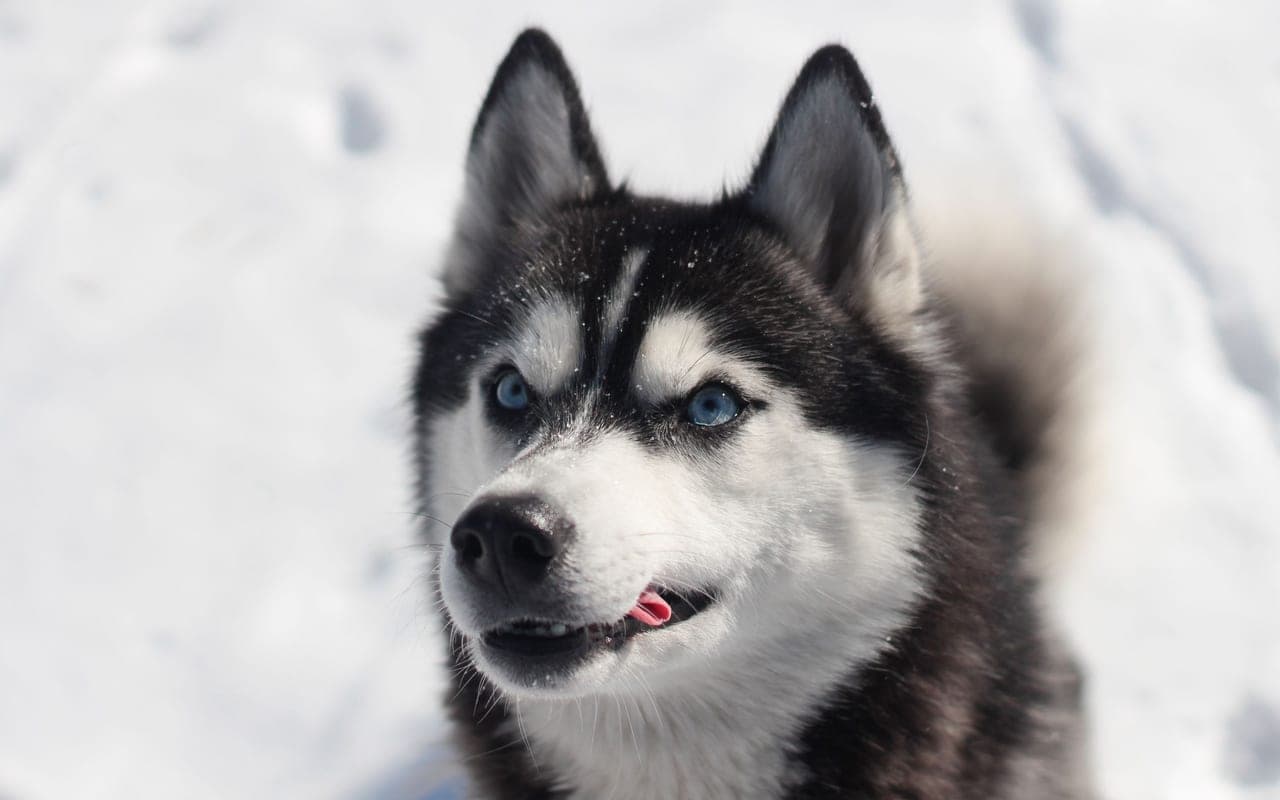
Siberian Husky
Also in the Working group, with different care and temperament tradeoffs.
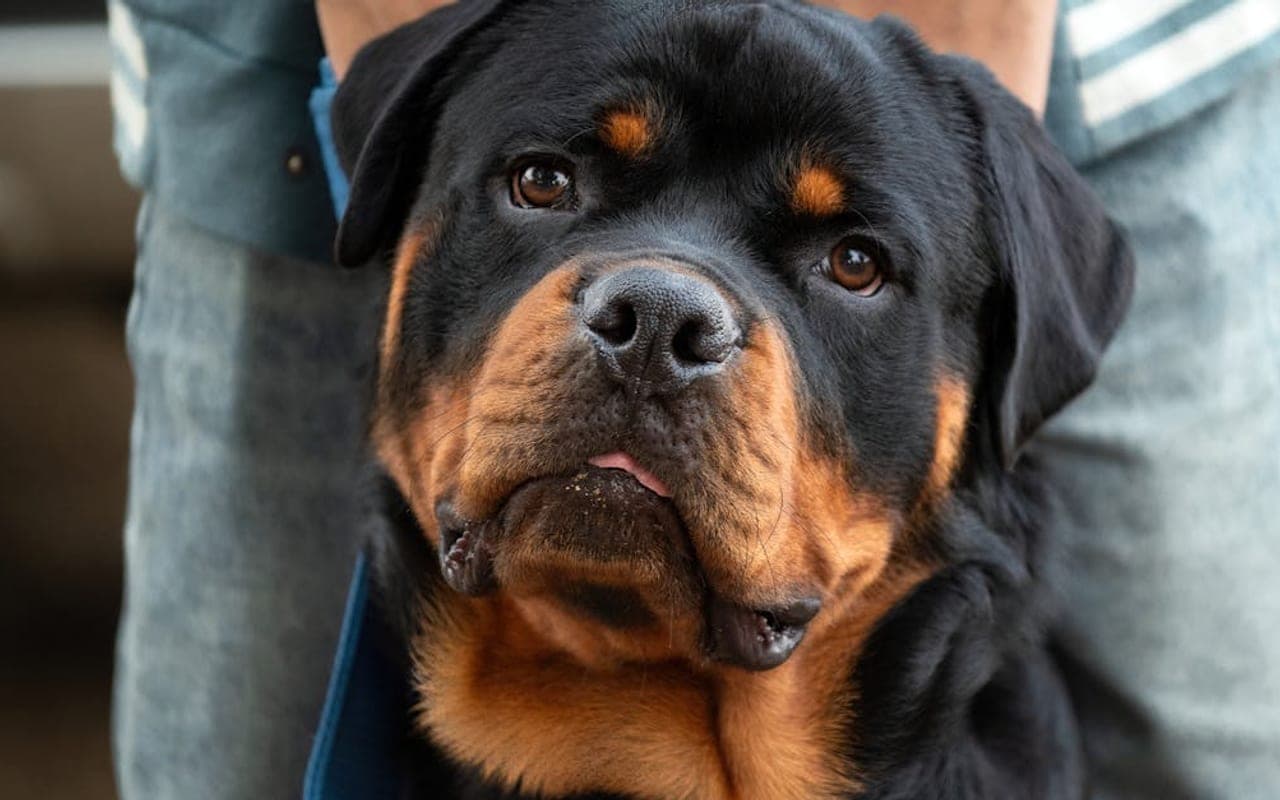
Rottweiler
Also in the Working group, with different care and temperament tradeoffs.
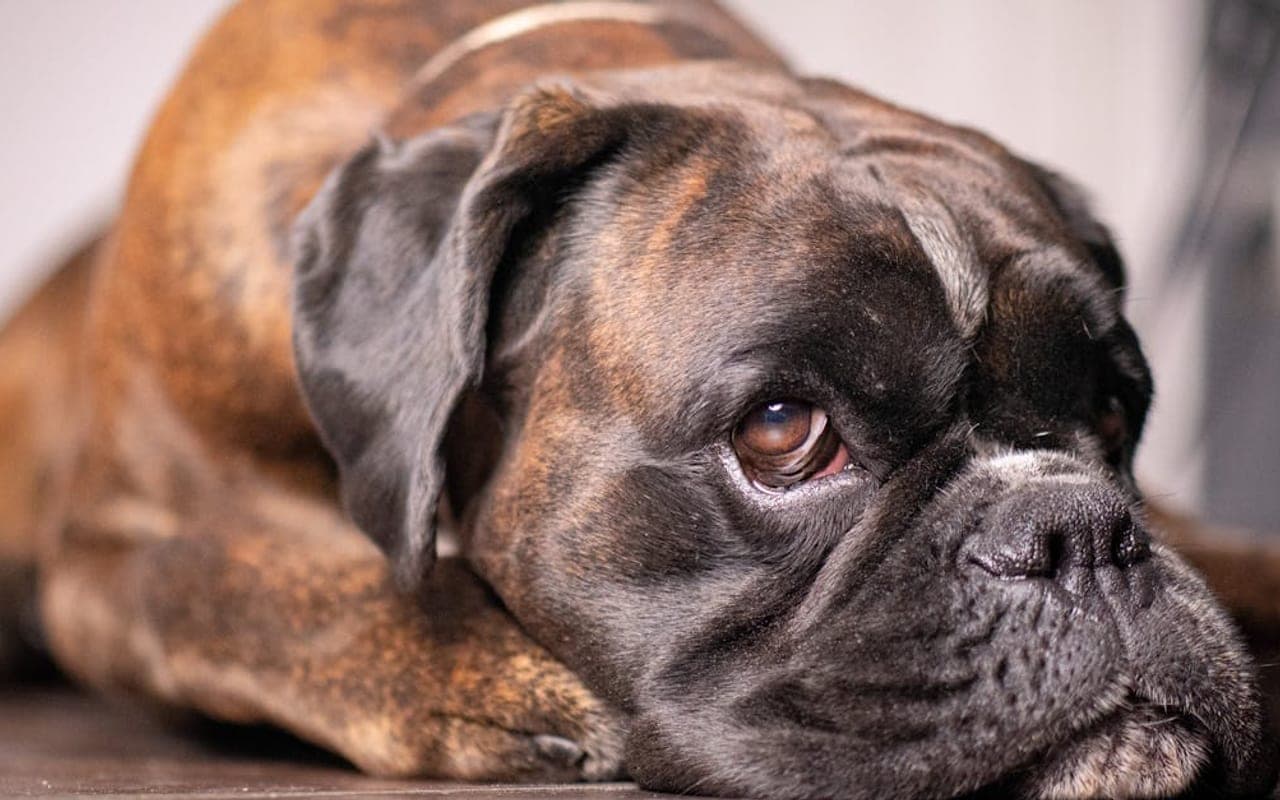
Boxer
Also in the Working group, with different care and temperament tradeoffs.
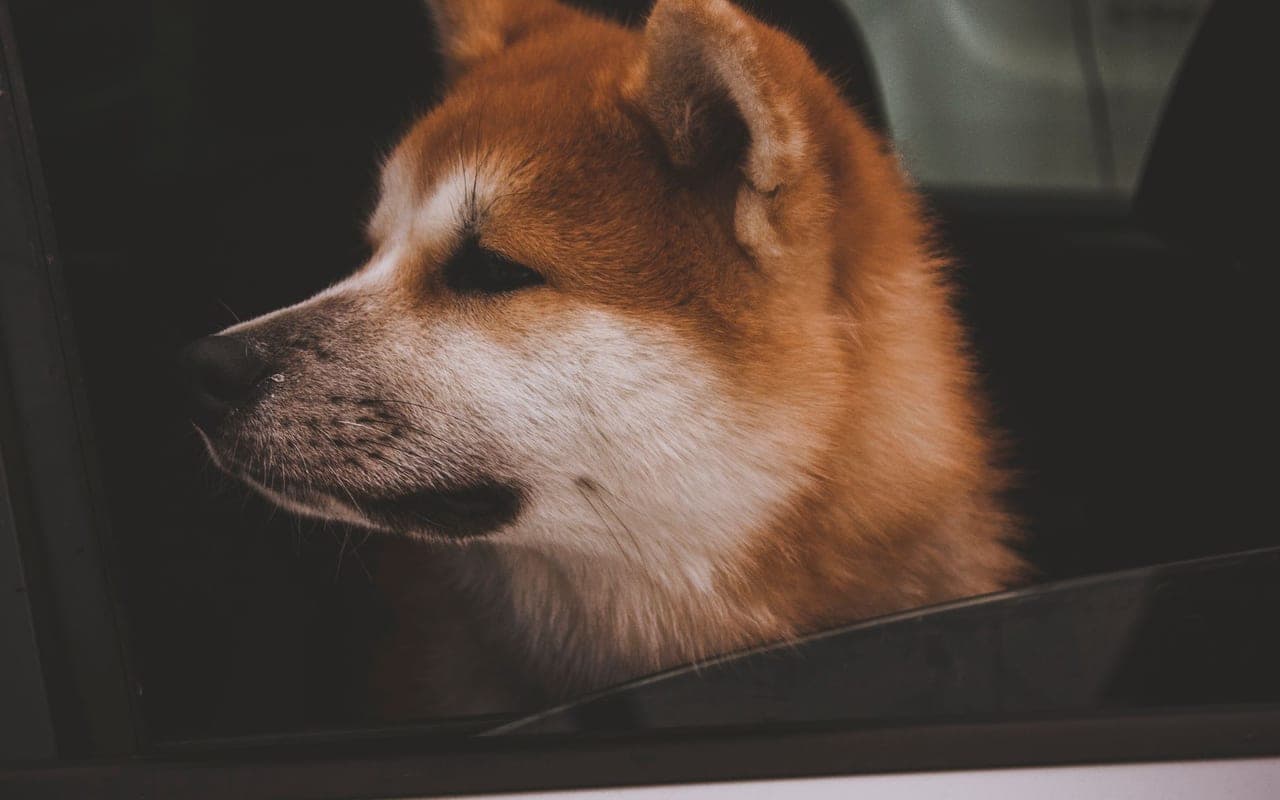
Akita
Also in the Working group, with different care and temperament tradeoffs.
Explore More About Greater Swiss Mountain Dog
Dive deeper into everything Greater Swiss Mountain Dog — costs, care, and expert insights.
Considering a cat instead?
Browse Cats