
Foundation Stock Service group
Hanoverian Scenthound
The Hanoverian Scenthound is a working blood-tracking dog, not a pet that happens to have a good nose — and that distinction is the whole decision.
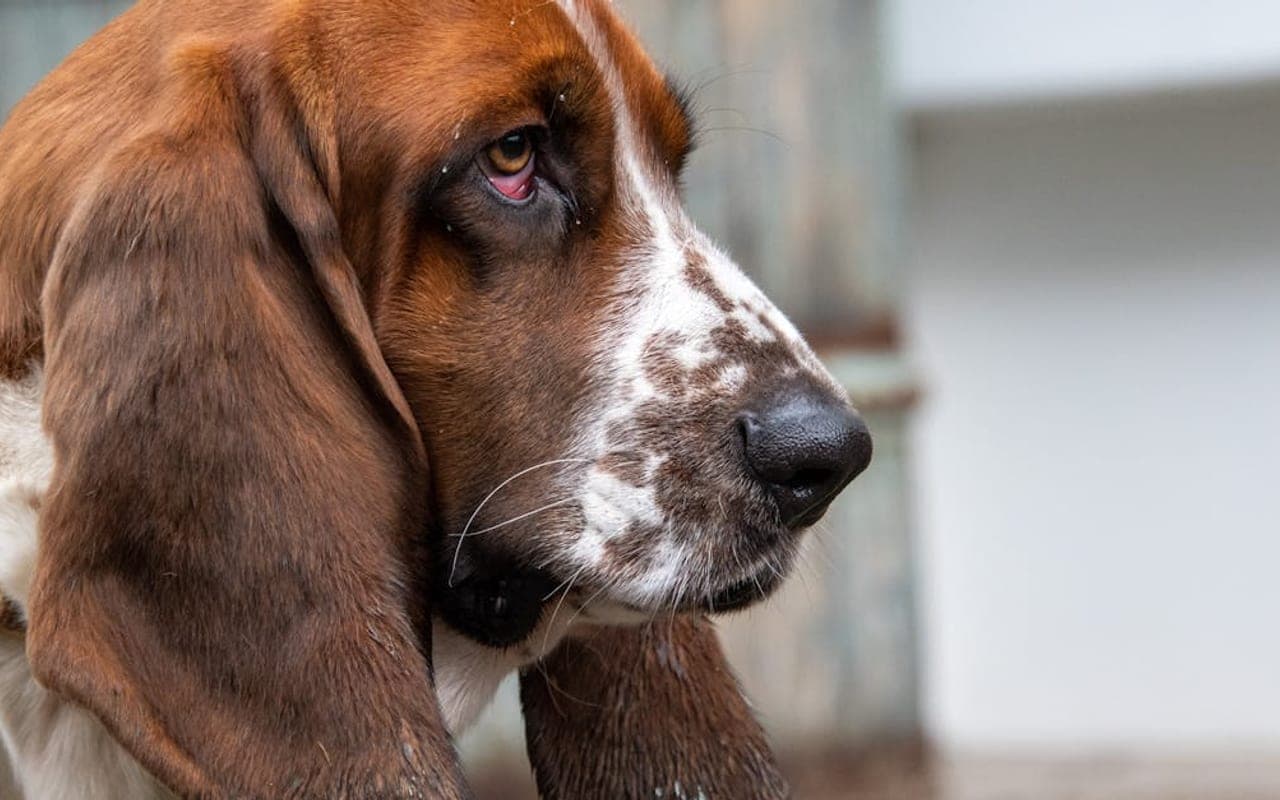
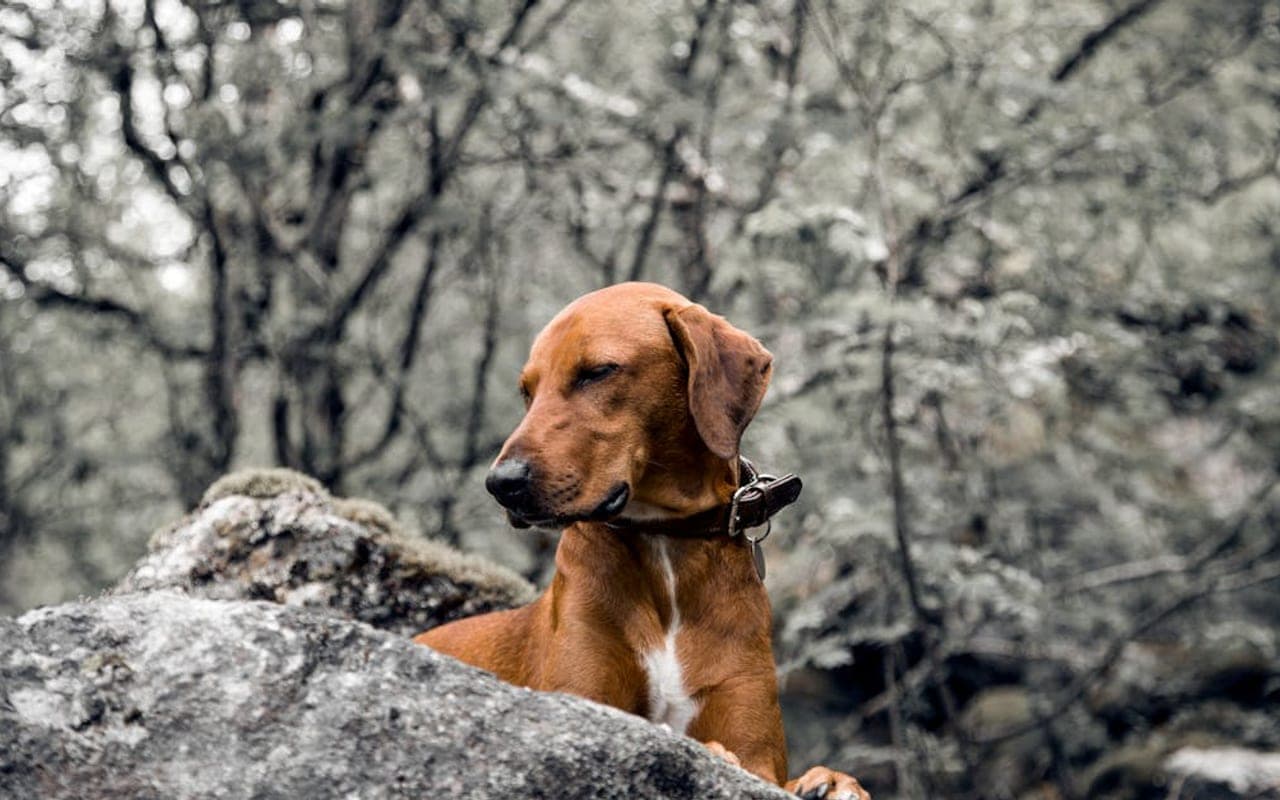
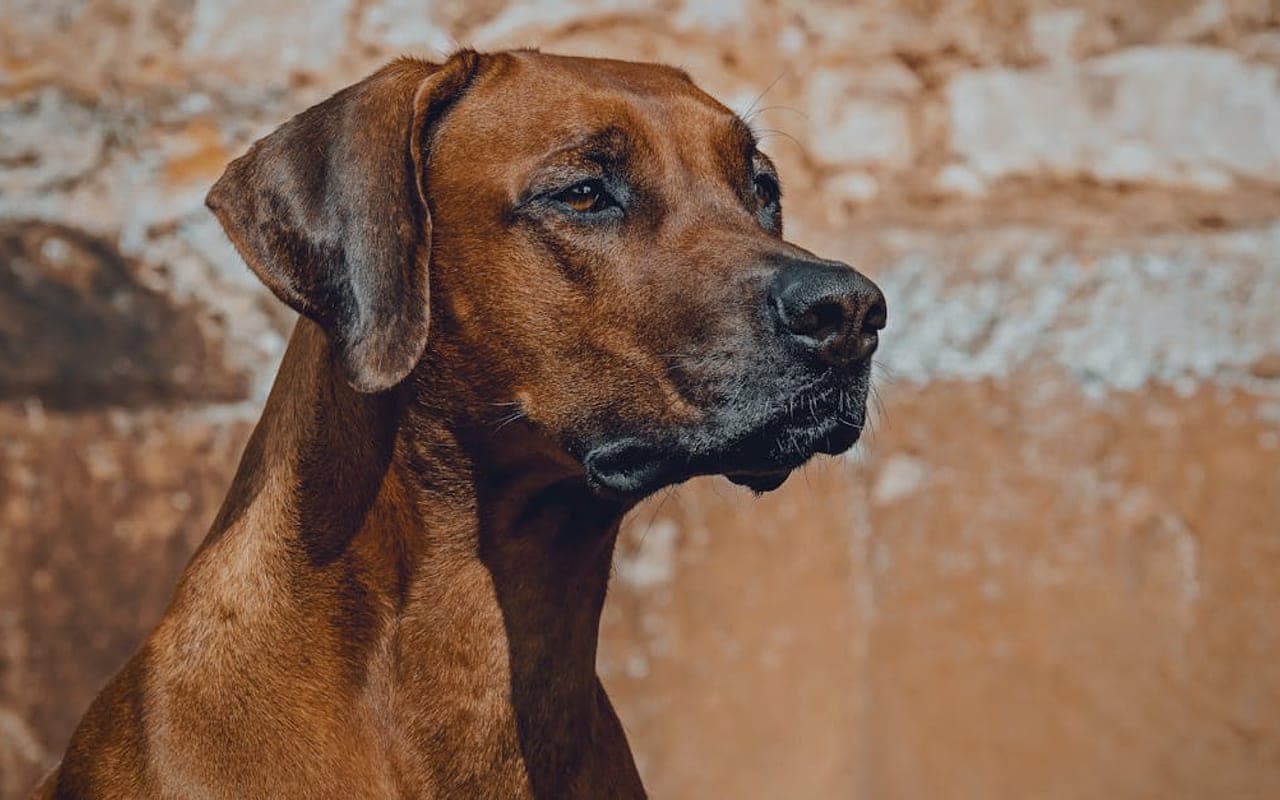
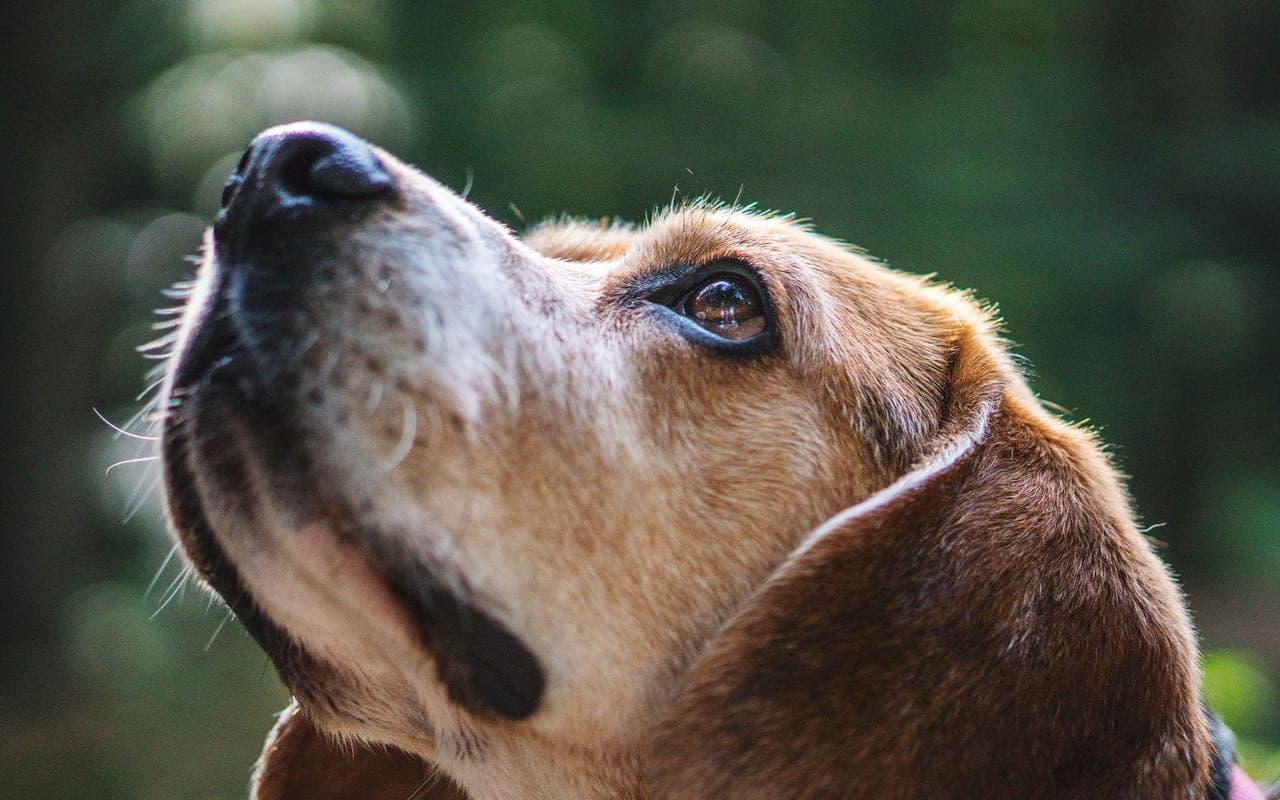
Size
55-88 lb
Lifespan
10-14 years
Exercise
30-60 minutes
Shedding
Moderate
Experience
Match to owner routine
Decision first
Is a Hanoverian Scenthound right for you?
Start with fit before history or trivia. These are ownership signals, not guarantees about any individual dog.
Best suited for
- Households with children.
- Homes with other compatible pets.
- Apartment homes with a consistent routine.
- Owners seeking a manageable daily exercise routine.
Think carefully if
- You need a dog with almost no daily routine.
- You cannot keep up with grooming and preventive care.
- The dog will spend most days alone without support.
Conditional fit
Apartment fit depends on exercise, enrichment, noise management, and outdoor access.
Daily reality
Hanoverian Scenthound commitment snapshot
Daily exercise
30-60 minutes
Match activity to age, health, weather, and training goals.
Coat care
Moderate
Grooming needs vary by coat, shedding, and lifestyle.
Time alone
Needs planning
Most dogs need gradual alone-time conditioning and support.
Structured facts
Hanoverian Scenthound at a glance
The measurements and traits that most affect day-to-day life with this breed.
Group
Foundation Stock Service
Weight
55-88 lb
Height
19-22 in
Lifespan
10-14 years
Temperament
Loyal | Independent | Calm
View all characteristics and methodology
Lifestyle fit
- Apartment suitability
- Likely fit
- Child friendliness
- Often good, with socialisation and supervision
- Other-pet fit
- Often compatible with careful introductions
Owner commitment
- Exercise
- 30-60 minutes
- Grooming
- Moderate
- Shedding
- Moderate
- Training
- Moderate
Environment and health
- Health risk
- Needs planning
Ratings combine structured breed data, visible breed fields, and editorial context. They are planning aids, not predictions for an individual dog.
Daily life
Hanoverian Scenthound temperament and behavior
The Hanoverian Scenthound is a working blood-tracking dog, not a pet that happens to have a good nose — and that distinction is the whole decision. Bred in the Hanover region of Germany in the early 19th century by crossing heavy medieval leash hounds (Liam hounds) with bloodhound-type and local scent hounds, the breed exists to do one demanding job: follow the cold, hours-old scent trail of a wounded game animal through difficult terrain until it is found. German hunting ethics require that wounded game be recovered, and this dog is the most powerful expression of that obligation. That heritage produces a medium-large, heavily built, deeply serious dog. Temperament is loyal, calm, and notably independent — these dogs are bred to work a trail with limited handler input, which translates in a home as a strong-willed, single-minded animal that is not naturally biddable in the way a sporting retriever is. They bond hard to one handler and are typically reserved with strangers. This is not an apartment companion or a casual family dog. The Hanoverian Scenthound needs a working role — tracking, blood-trailing, serious scent work — and a handler who understands working hounds. Without that outlet, the breed's intensity and stamina become a behavioral problem rather than a partnership. Who the Hanoverian Scenthound is right for: a hunter, professional tracker, or serious scent-sport handler who can give the dog real work and confident leadership. Who it is wrong for: first-time owners, apartment dwellers, people wanting an off-switch lap dog, or anyone unable to provide hours of structured scent work. The breed is also rare — AKC tracks it only through the Foundation Stock Service — so sourcing and finding breed-knowledgeable mentors takes effort. Choose this dog for the job it was built to do, or do not choose it.
Loyal | Independent | Calm
Loyal
A common Hanoverian Scenthound temperament descriptor that should be interpreted alongside training, exercise, and household fit.
Independent
A common Hanoverian Scenthound temperament descriptor that should be interpreted alongside training, exercise, and household fit.
Calm
A common Hanoverian Scenthound temperament descriptor that should be interpreted alongside training, exercise, and household fit.
Owner note
Temperament labels are starting points, not guarantees. Meet the individual dog and ask about behavior history whenever possible.
Care essentials
How to care for a Hanoverian Scenthound
What looking after one actually involves: exercise, grooming, food, training, and routine health.
ExerciseAs needed
- Moderately active breed needing 30-60 minutes of daily exercise through walks, play, and mental stimulation.
GroomingAs needed
- Regular grooming needed — brush 2-3 times per week and bathe monthly.
TrainingAs needed
- Moderately trainable — consistent, patient training with positive methods works best.
NutritionAs needed
- Feed a high-quality dog food appropriate for their age, size, and activity level. Monitor portions to prevent obesity.
Veterinary CareAs needed
- Annual wellness exams, core vaccinations, dental care, and parasite prevention. Breed-specific health screenings as recommended by your vet.
Health planning
Hanoverian Scenthound health risks and screening
Every breed has individual health variation. Use this profile for planning and discuss medical decisions with a veterinarian.
Responsible ownership
Finding a Hanoverian Scenthound responsibly
What to ask a breeder or rescue is the same conversation for every breed, so we keep it in one place and keep it current.
Health documentation, meeting the parents or foster, contracts and return support, and the warning signs worth walking away from.
Original purpose
Hanoverian Scenthound history
History is useful when it explains today's behavior, coat, exercise needs, and training style.
Read the breed history
The Hanoverian Scenthound — Hannoverscher Schweisshund in German — was developed in the early 19th century in the historic region and royal house of Hanover, in what is now Lower Saxony, Germany. Its direct ancestors were the Liam hounds of medieval Central Europe: heavy, powerful leash hounds used to track large game before firearms changed hunting. German gamekeepers crossed these with bloodhound-type and regional scent hounds to fix a dog specialized in 'Schweissarbeit' — blood tracking, following the wound trail of game that has been shot but not immediately recovered. The breed's history is inseparable from a specific hunting ethic: any animal wounded in the hunt must be found, however far it has gone or however cold the trail, and the Schweisshund is the dog bred to honor that obligation. The breed remained a specialist working hound rather than a popular pet, which is why it is still uncommon worldwide. The American Kennel Club placed the Hanoverian Scenthound in its Foundation Stock Service in 2017, the same year the Hanoverian Scenthound Club of America was founded; full AKC recognition awaits population and club milestones not yet reached.
Gallery
Hanoverian Scenthound photos
Images are cropped consistently and loaded progressively to keep the page responsive.
Lower-page context
Hanoverian Scenthounds in culture
Where the breed shows up in film, sport, work and folklore — the enjoyable part, once the practical questions are answered.
Fun facts
- The Hanoverian Scenthound belongs to the Foundation Stock Service.
- The average lifespan of a Hanoverian Scenthound is 10 to 14 years.
- Hanoverian Scenthound dogs are valued for their loyal, independent, calm nature.
Hanoverian Scenthound FAQs
Is the Hanoverian Scenthound a good family pet?
For most families, honestly, no. This is a specialized working blood-tracking hound bred for endurance, independence, and single-minded scent drive, not for being a relaxed household companion. It bonds strongly to one handler, is reserved with strangers, and needs a real working or serious scent-sport role to be behaviorally stable. In a typical pet home without that outlet it becomes frustrated and destructive. It can live with a family, but only one led by an experienced handler who provides genuine tracking work — choose it for the job, not the look.
How long does a Hanoverian Scenthound live?
Roughly 10-14 years, which is typical for a medium-large working hound. The main factors that move that range are orthopedic and conditioning-related: keeping the heavily built frame lean, buying from a breeder who hip-screens breeding stock, and managing the occupational wear of a dog that works rough terrain. Because the breed is rare and not deeply studied genetically, there is no long inherited-disease list driving lifespan down — the practical levers are weight, joint care, and parent-club hip screening.
What health screening should a Hanoverian Scenthound breeder do?
Ask specifically about hip evaluation — the Hanoverian Scenthound Club of America requires an OFA or equivalent hip clearance on breeding dogs, so a breeder who cannot produce hip results for the parents is not following the breed club's own standard. Beyond hips, ask about the line's working soundness and any history of ear or orthopedic problems. Because the breed is rare and not extensively studied, breeder transparency and parent-club screening compliance carry more weight here than a long checklist of DNA tests that simply do not exist for this breed yet.
How much exercise does a Hanoverian Scenthound need?
A great deal, and crucially the right kind. This breed was built for hours of endurance scent tracking over difficult terrain, so a couple of neighborhood walks is nowhere near enough. It needs substantial daily physical exercise plus structured scent and tracking work to satisfy the mental drive. Owners consistently find that a Hanoverian Scenthound given physical exercise but no scent work is still frustrated — the nose has to be employed, not just the legs. If you cannot provide genuine tracking work, this is the wrong breed.
Are Hanoverian Scenthounds easy to train?
Not in the way a biddable sporting breed is. They are intelligent but bred to work a trail independently with minimal handler input, which makes them strong-willed and not naturally eager to please. Training succeeds with experienced, consistent, confident handling that channels the breed's powerful scent drive into the work it was made for; it fails with soft, inconsistent, or purely obedience-focused approaches. This is a dog for a handler who understands working hounds, not a first dog and not a casual obedience prospect.
Why is the Hanoverian Scenthound so rare?
Because it was deliberately kept as a specialist working tool rather than bred for popularity or the pet market. It is maintained primarily by hunters and professional trackers in Central Europe, and its demanding work-specific temperament makes it unsuitable for most homes, which limits demand and breeding. In the United States the AKC only placed it in the Foundation Stock Service in 2017. The practical consequence for a prospective owner is a small pool of breeders, long waits, and a real need to find breed-knowledgeable mentors before committing.
Sources
These are the published sources this page draws on. Each opens in a new tab so you can check it yourself.
American Kennel Club
Hanoverian Scenthound — breed standard and profile(opens in a new tab)Supports: Breed standard and recognition details.
Similar breeds to consider
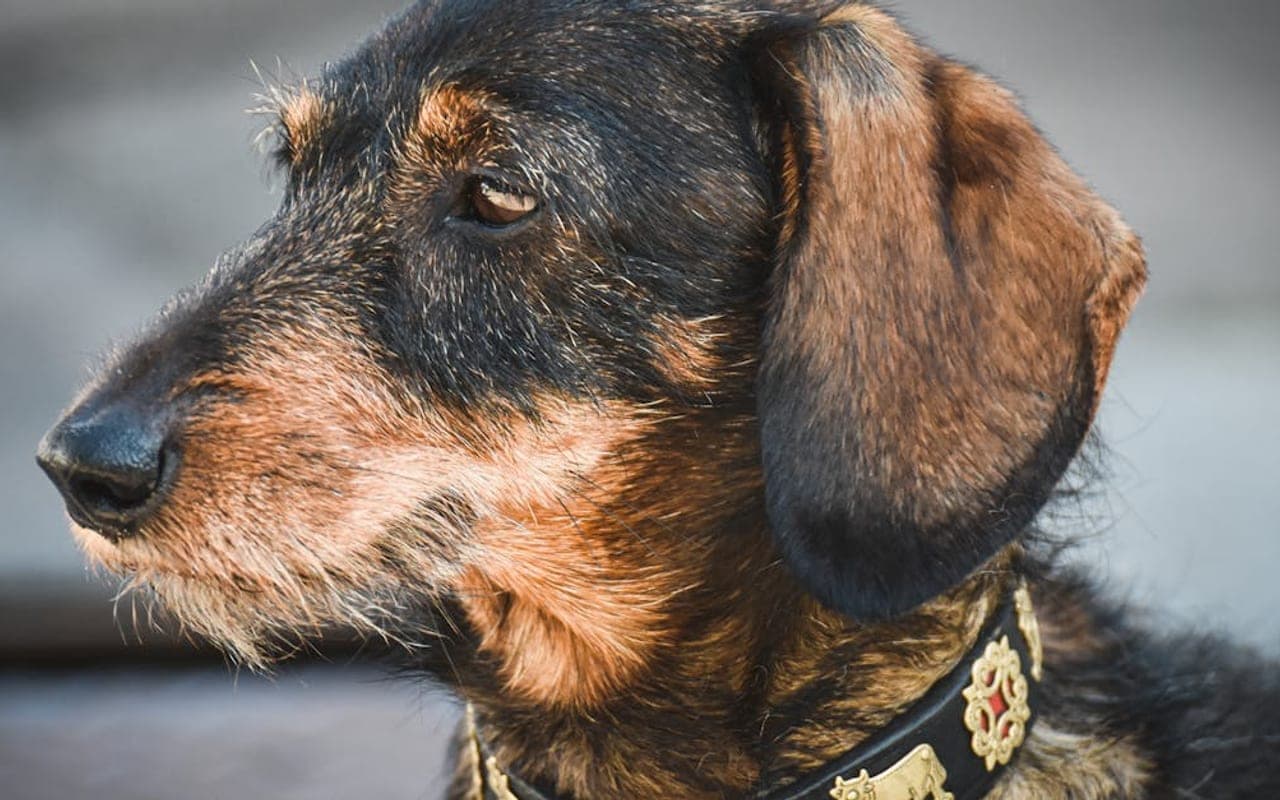
Jagdterrier
Also in the Foundation Stock Service group, with different care and temperament tradeoffs.
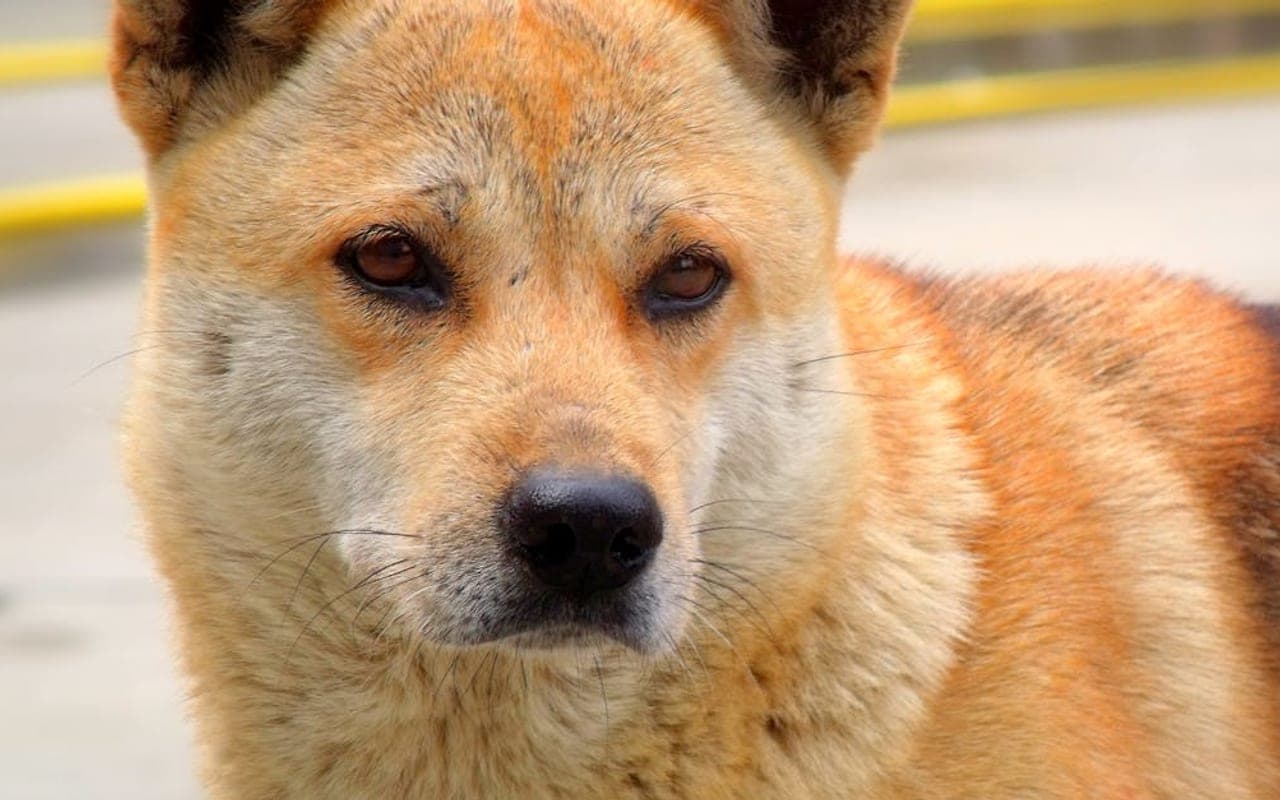
Jindo
Also in the Foundation Stock Service group, with different care and temperament tradeoffs.
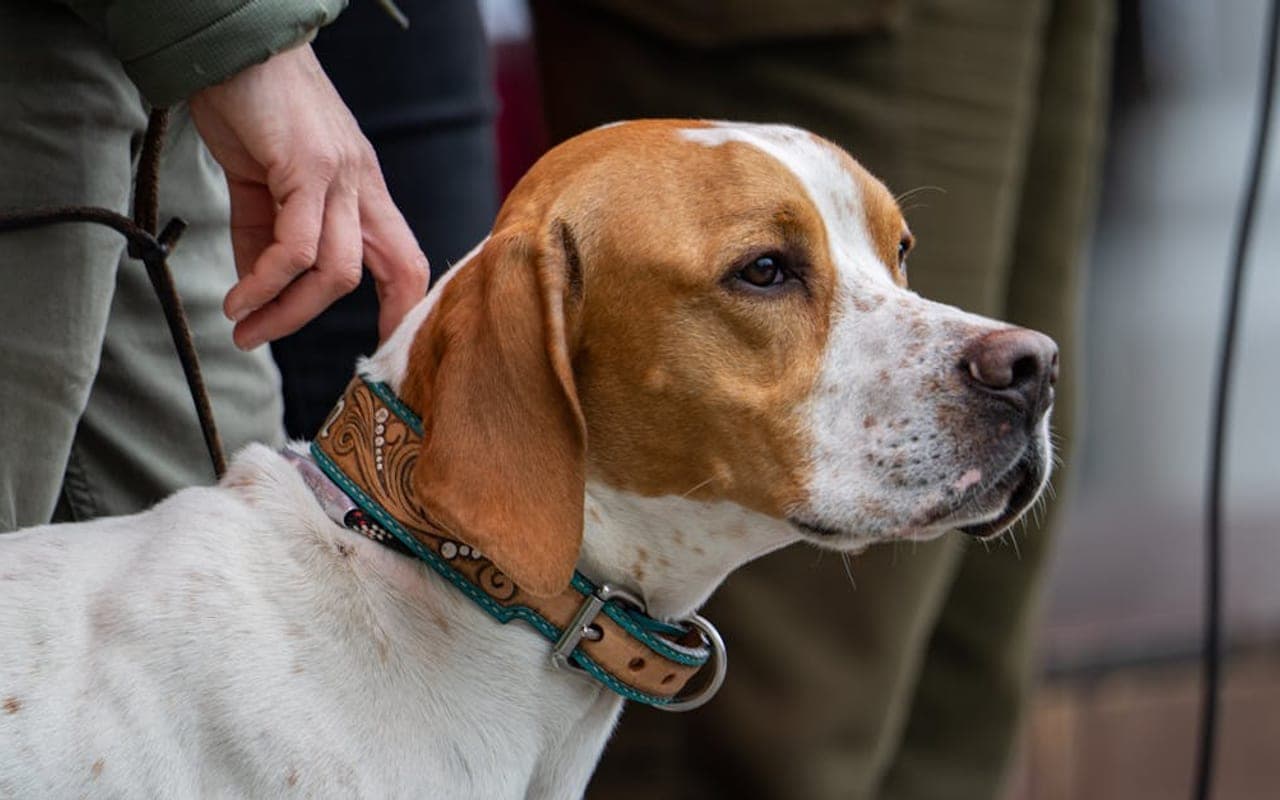
Portuguese Pointer
Also in the Foundation Stock Service group, with different care and temperament tradeoffs.
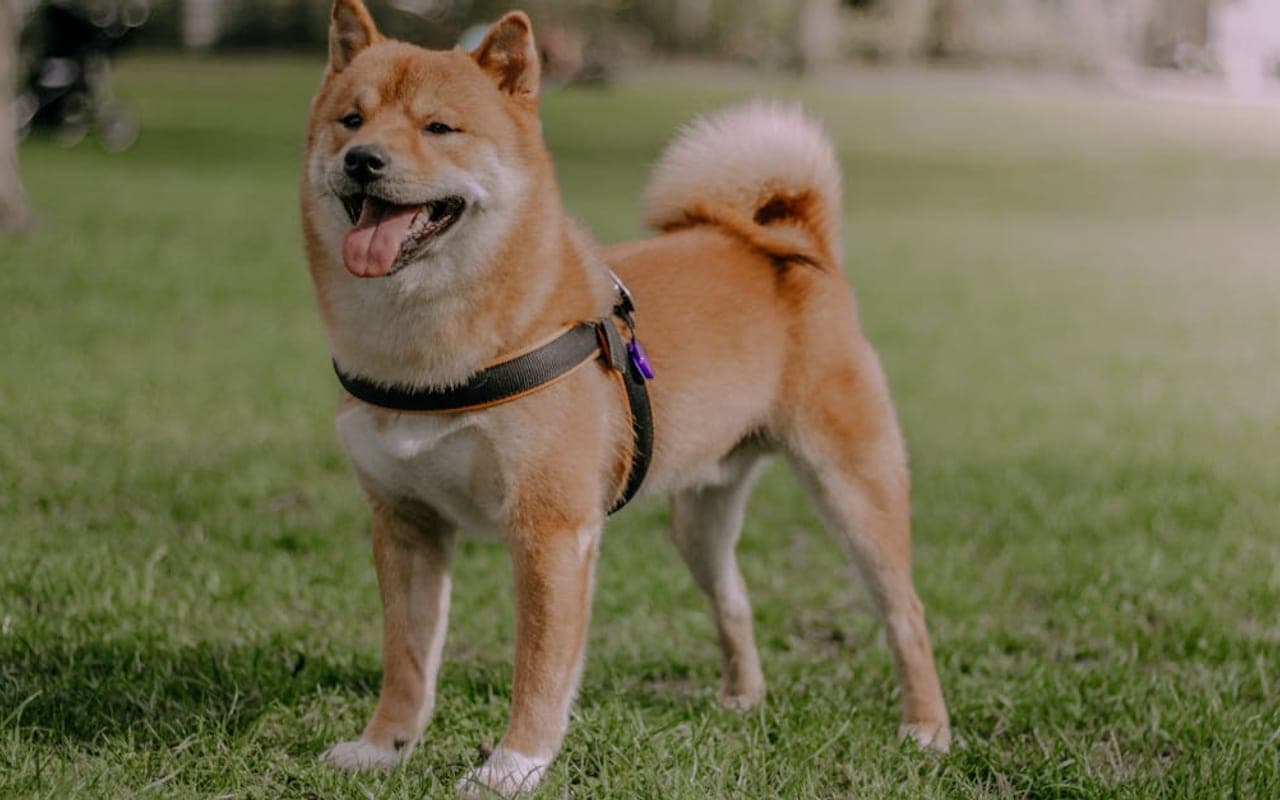
Kishu Ken
Also in the Foundation Stock Service group, with different care and temperament tradeoffs.
Explore More About Hanoverian Scenthound
Dive deeper into everything Hanoverian Scenthound — costs, care, and expert insights.
Considering a cat instead?
Browse Cats