
Hound group
Harrier
The Harrier is a medium-sized pack scenthound bred in medieval England to hunt hare on foot, and almost everything you need to know about living with one follows from that single sentence.
Size
45-60 lb
Lifespan
12-15 years
Exercise
20-40 minutes
Shedding
Moderate
Experience
Match to owner routine
Decision first
Is a Harrier right for you?
Start with fit before history or trivia. These are ownership signals, not guarantees about any individual dog.
Best suited for
- Households with children.
- Homes with other compatible pets.
- Apartment homes with a consistent routine.
- Owners seeking a manageable daily exercise routine.
Think carefully if
- You need a dog with almost no daily routine.
- You cannot keep up with grooming and preventive care.
- The dog will spend most days alone without support.
Conditional fit
Apartment fit depends on exercise, enrichment, noise management, and outdoor access.
Daily reality
Harrier commitment snapshot
Daily exercise
20-40 minutes
Match activity to age, health, weather, and training goals.
Coat care
Moderate
Grooming needs vary by coat, shedding, and lifestyle.
Time alone
Needs planning
Most dogs need gradual alone-time conditioning and support.
Structured facts
Harrier at a glance
The measurements and traits that most affect day-to-day life with this breed.
Group
Hound
Weight
45-60 lb
Height
19-21 in
Lifespan
12-15 years
Temperament
Friendly | Outgoing | People-Oriented
View all characteristics and methodology
Lifestyle fit
- Apartment suitability
- Likely fit
- Child friendliness
- Often good, with socialisation and supervision
- Other-pet fit
- Often compatible with careful introductions
Owner commitment
- Exercise
- 20-40 minutes
- Grooming
- Moderate
- Shedding
- Moderate
- Training
- Moderate
Environment and health
- Health risk
- Needs planning
Ratings combine structured breed data, visible breed fields, and editorial context. They are planning aids, not predictions for an individual dog.
Daily life
Harrier temperament and behavior
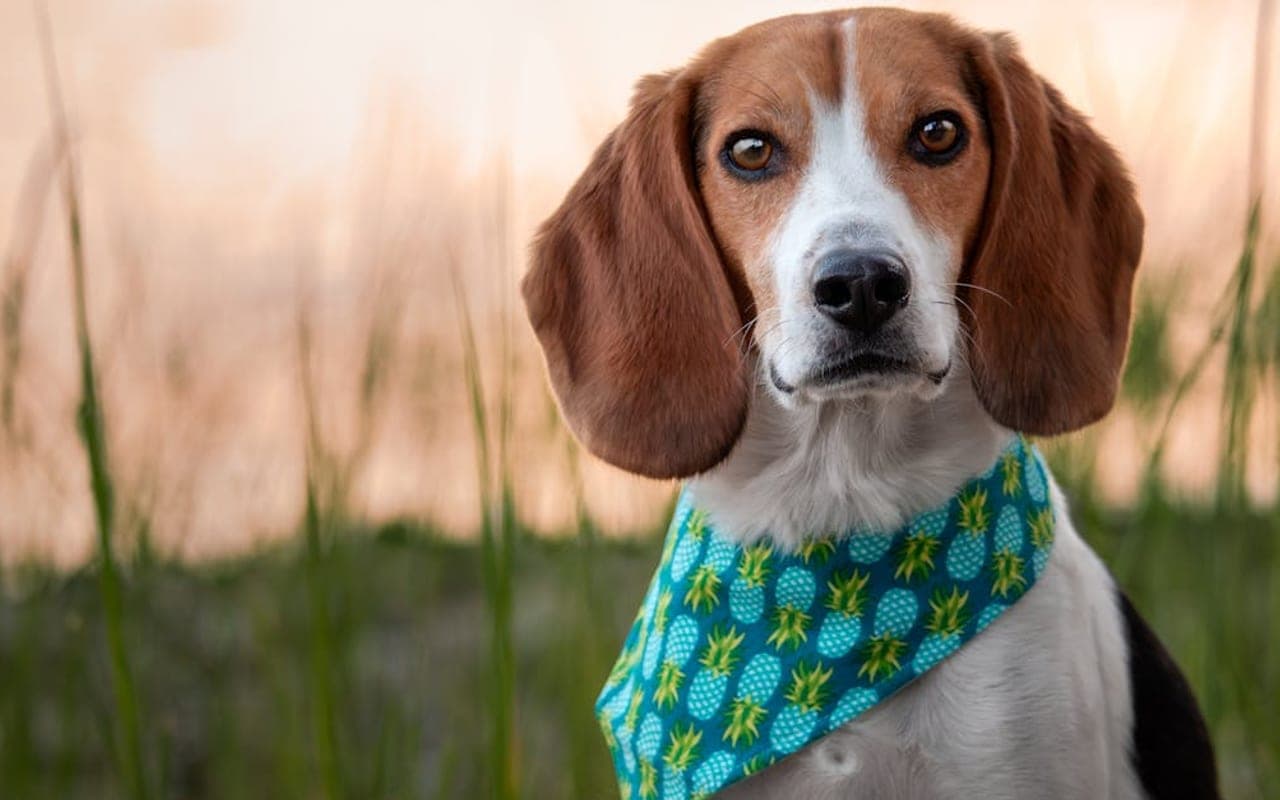
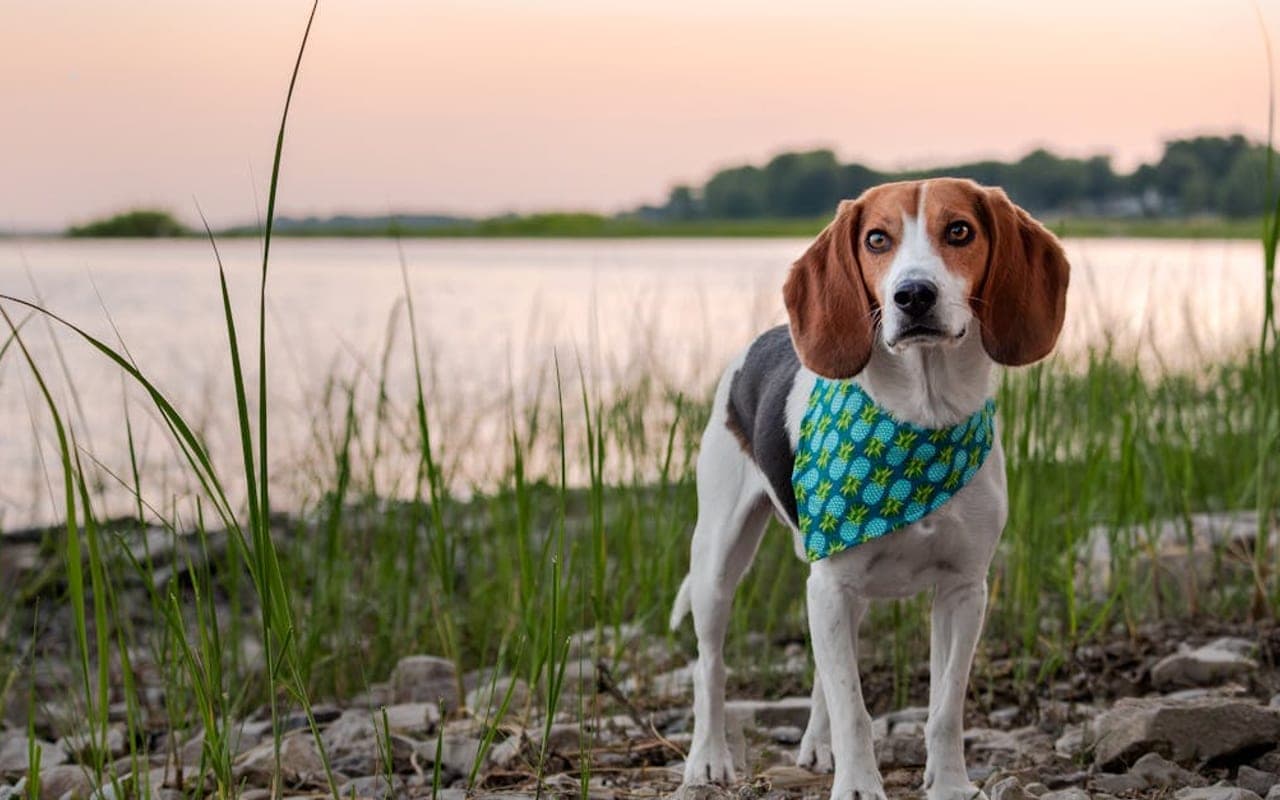
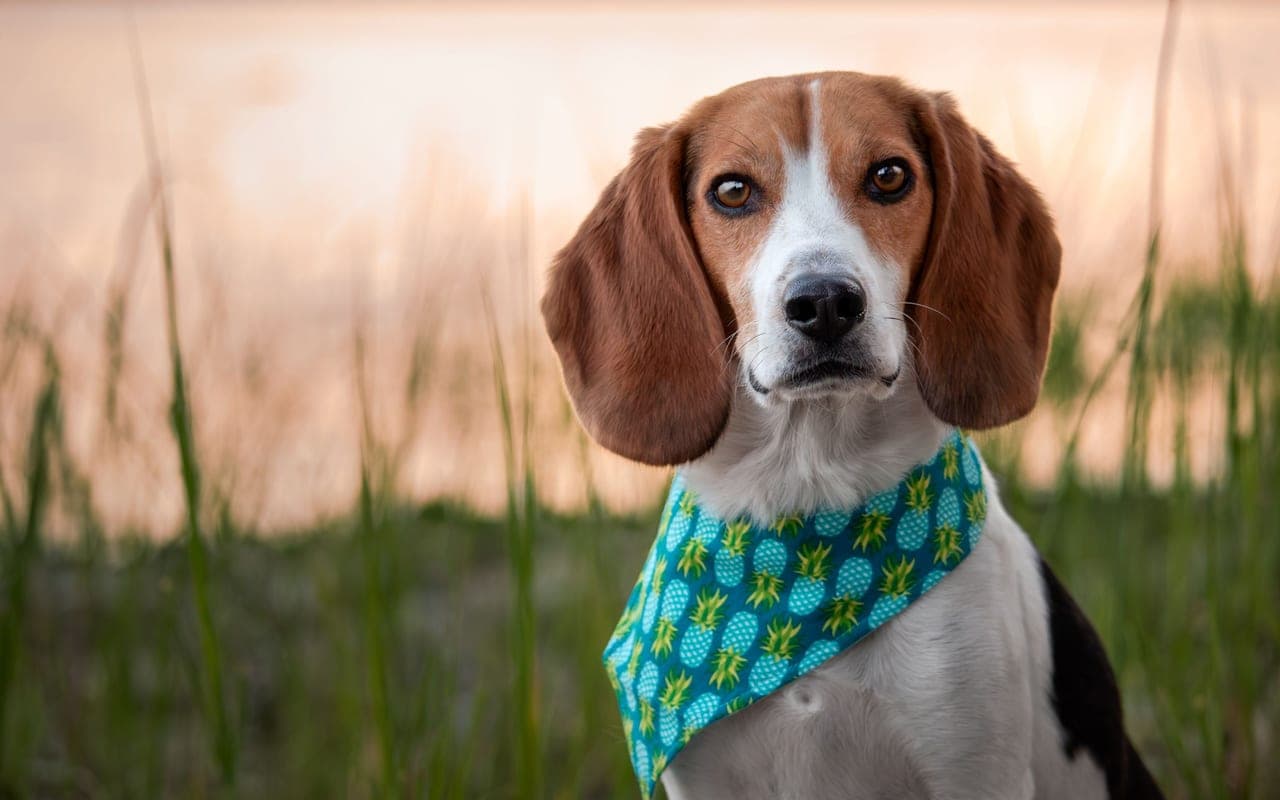
The Harrier is a medium-sized pack scenthound bred in medieval England to hunt hare on foot, and almost everything you need to know about living with one follows from that single sentence. It looks like a Beagle scaled up — 19 to 21 inches at the shoulder, 45 to 60 pounds — with a short, low-maintenance coat, drop ears, and a deep, musical voice it is not shy about using. It is smaller than its other relative, the English Foxhound, and the in-between size is the point: built to trot all day behind a pack without tiring. This is one of the rarest AKC breeds — you are far more likely to find a Harrier through a hunting kennel than a pet breeder, and many "Harriers" advertised online are oversized Beagles. Temperamentally the Harrier is friendly, outgoing, and genuinely people-oriented, but it was bred to work in a pack, which has two practical consequences most first-time owners underestimate. First, it does not like being alone — a Harrier left in a yard for eight hours a day will bay, dig, and escape. Second, the nose runs the dog. Off-leash recall is unreliable around scent, and a securely fenced yard plus a leash on every walk is non-negotiable, not optional. Who the Harrier is right for: an active household that hikes, runs, or hunts, can give 60-plus minutes of real daily exercise, and wants a sturdy, even-tempered, low-grooming dog that is excellent with children and other dogs. Who it is wrong for: apartment dwellers, people gone all day, anyone who wants reliable off-leash freedom, or first-time owners expecting a couch dog. The Harrier is a working hound in a family-dog body — exercise it and contain it, and it is one of the easiest-natured dogs you will own. Skip either and it becomes a destructive escape artist.
Friendly | Outgoing | People-Oriented
Friendly
A common Harrier temperament descriptor that should be interpreted alongside training, exercise, and household fit.
Outgoing
A common Harrier temperament descriptor that should be interpreted alongside training, exercise, and household fit.
People-Oriented
A common Harrier temperament descriptor that should be interpreted alongside training, exercise, and household fit.
Owner note
Temperament labels are starting points, not guarantees. Meet the individual dog and ask about behavior history whenever possible.
Care essentials
How to care for a Harrier
What looking after one actually involves: exercise, grooming, food, training, and routine health.
ExerciseAs needed
- Lower-energy breed that is content with daily walks and moderate play. Avoid over-exercising.
GroomingAs needed
- Regular grooming needed — brush 2-3 times per week and bathe monthly.
TrainingAs needed
- Moderately trainable — consistent, patient training with positive methods works best.
NutritionAs needed
- Feed a high-quality dog food appropriate for their age, size, and activity level. Monitor portions to prevent obesity.
Veterinary CareAs needed
- Annual wellness exams, core vaccinations, dental care, and parasite prevention. Breed-specific health screenings as recommended by your vet.
Health planning
Harrier health risks and screening
Every breed has individual health variation. Use this profile for planning and discuss medical decisions with a veterinarian.
Responsible ownership
Finding a Harrier responsibly
What to ask a breeder or rescue is the same conversation for every breed, so we keep it in one place and keep it current.
Health documentation, meeting the parents or foster, contracts and return support, and the warning signs worth walking away from.
Original purpose
Harrier history
History is useful when it explains today's behavior, coat, exercise needs, and training style.
Read the breed history
The Harrier was developed in England specifically to hunt hare (the name derives from "hare" and the Norman word for hound) by packs followed on foot rather than horseback, which is why it was bred smaller and steadier than the horse-paced Foxhound. Packs of harrier-type hounds are documented in England from at least the 13th century, with the Penistone pack often cited as among the oldest organized. The breed's development drew on the English Foxhound, older Southern Hound and Talbot-type stock, and Beagle blood, producing a hound that could trot tirelessly all day at a pace people on foot could keep up with. It arrived in North America early — Harriers were used for hare and fox hunting in the American colonies — and the AKC recognized the breed in 1885. Despite that long pedigree, the Harrier was never popular as a pet and remains one of the rarest AKC breeds, kept primarily by working hunting kennels rather than show or companion breeders.
Gallery
Harrier photos
Images are cropped consistently and loaded progressively to keep the page responsive.
Lower-page context
Harriers in culture
Where the breed shows up in film, sport, work and folklore — the enjoyable part, once the practical questions are answered.
Fun facts
- The Harrier belongs to the Hound Group.
- With proper care, Harrier dogs can live up to 15 years or more.
- Harrier dogs are valued for their friendly, outgoing, people-oriented nature.
Harrier FAQs
How long do Harriers live?
A healthy Harrier from screened lines typically lives 12 to 15 years, which is good longevity for a medium-large hound. The breed is fundamentally hardy — most of what shortens a Harrier's life is preventable: untreated hip arthritis worsened by obesity, or accidents from escaping an inadequate fence. Keep the dog lean, fence it properly, and address the hip and thyroid risks early, and 13-plus years is a realistic expectation rather than a hope.
Are Harriers good with children?
Yes — sociability with people is one of the breed's strongest traits. Harriers were bred to work in packs and are even-tempered, sturdy enough to handle rough play, and rarely aggressive. They generally do well with other dogs too. The real caution is energy, not temperament: an under-exercised Harrier becomes mouthy and frantic, which reads as poor behavior around kids. Exercise it properly and supervise toddlers as with any dog, and it is an excellent family hound.
How much exercise does a Harrier really need?
Substantially more than its size suggests — plan on 60 to 90 minutes of vigorous daily activity such as jogging, hiking, or scent work, not a leisurely walk. This is a working pack hound bred for stamina, and the prep-sheet 'low energy' label is misleading. An under-exercised Harrier bays, digs, and escapes. If your honest weekly schedule cannot guarantee that exercise, choose a lower-drive breed; this is not a deficiency you can train away.
Can a Harrier be let off-leash?
Realistically, no. The Harrier is a scenthound bred to follow a trail single-mindedly, and recall fails the moment it locks onto a scent — this is hardwired, not a training failure. Walk on leash and exercise in securely fenced areas only. Owners who want a dog for off-leash trail freedom should look at a different breed; with a Harrier, a 5-foot dig-proof fence and a leash are permanent infrastructure, not training-wheels you remove later.
Why are Harriers so hard to find?
The Harrier is one of the rarest AKC breeds and is kept almost entirely by working hunting kennels, not pet or show breeders, so litters are scarce and rarely advertised to companion homes. A practical consequence: many dogs sold online as 'Harriers' are oversized Beagles. If you want a true Harrier, expect a waitlist, travel, and a hunting-kennel background — and verify pedigree and OFA hip records rather than trusting the label.
Is the Harrier good for apartments?
Poorly suited. Two factors work against it: a loud, carrying hound bay that neighbors will hear, and an exercise requirement that a apartment lifestyle rarely meets. Harriers also dislike being alone and vocalize when isolated. A Harrier can technically live in an apartment with an extremely committed owner running it 90 minutes daily, but the breed is far better matched to an active home with a securely fenced yard.
Sources
These are the published sources this page draws on. Each opens in a new tab so you can check it yourself.
American Kennel Club
Harrier — breed standard and profile(opens in a new tab)Supports: Breed standard and recognition details.
Similar breeds to consider
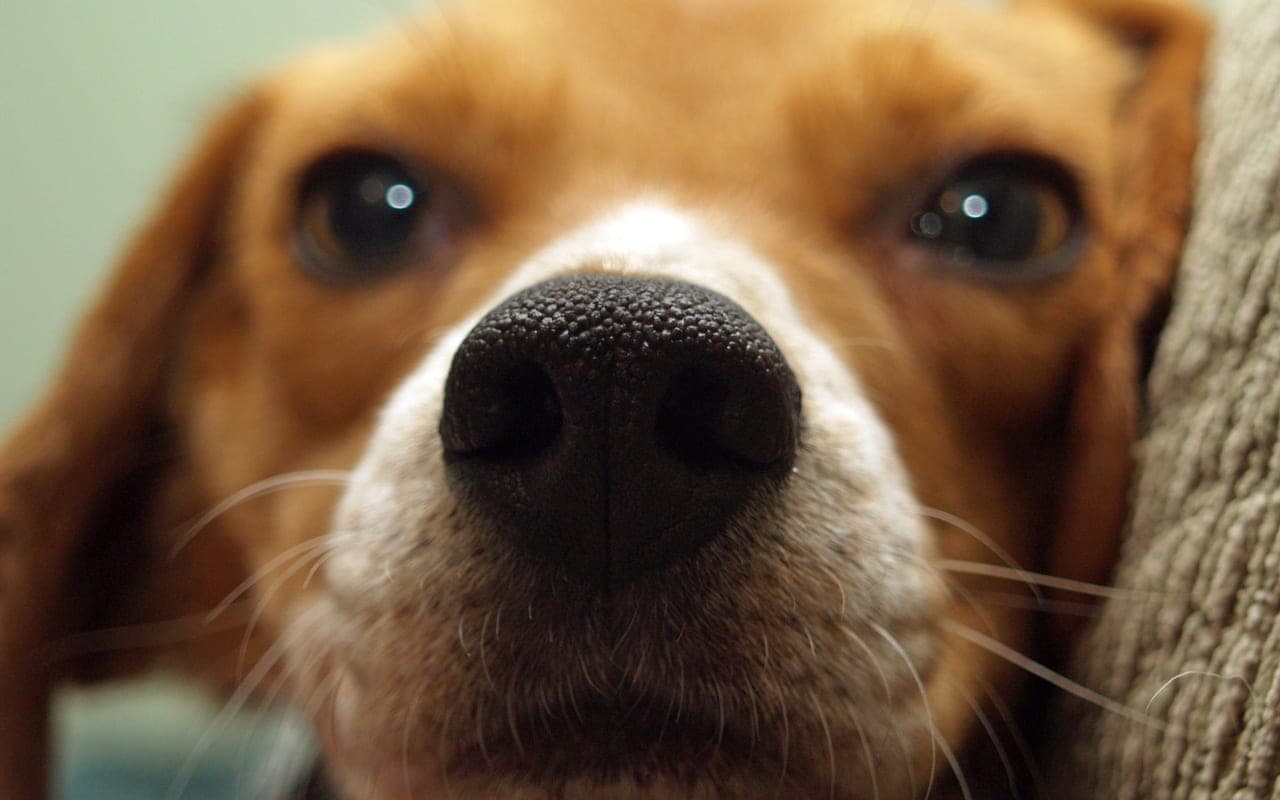
Beagle
Also in the Hound group, with different care and temperament tradeoffs.

Dachshund
Also in the Hound group, with different care and temperament tradeoffs.
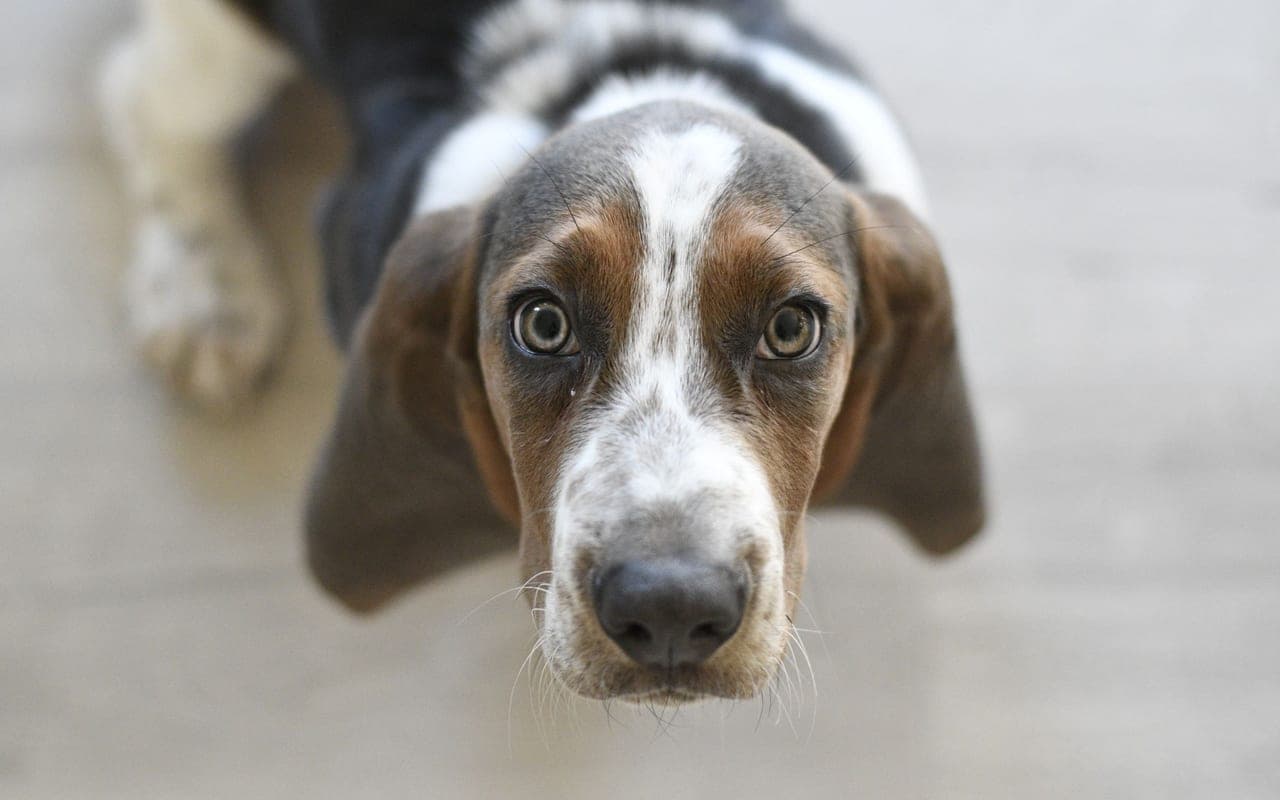
Basset Hound
Also in the Hound group, with different care and temperament tradeoffs.
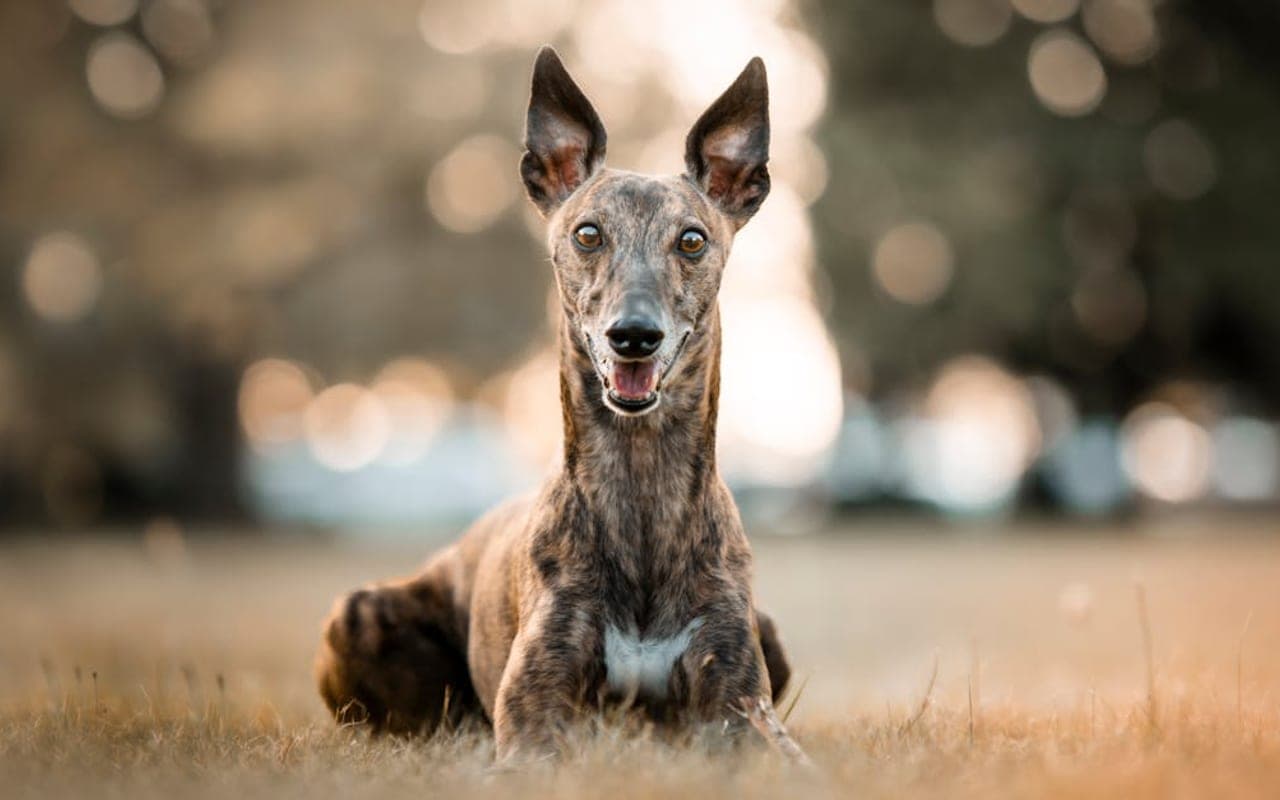
Greyhound
Also in the Hound group, with different care and temperament tradeoffs.
Explore More About Harrier
Dive deeper into everything Harrier — costs, care, and expert insights.
Large Dog Care Guide: Everything Over 50 lbs
Owning a large or giant breed dog means accepting one of biology's...
Puppy Teething & Biting: Timeline and What Actually Works
A puppy has all 28 deciduous ("baby") teeth by roughly eight weeks of age, and...
Considering a cat instead?
Browse Cats