
Toy group
Havanese
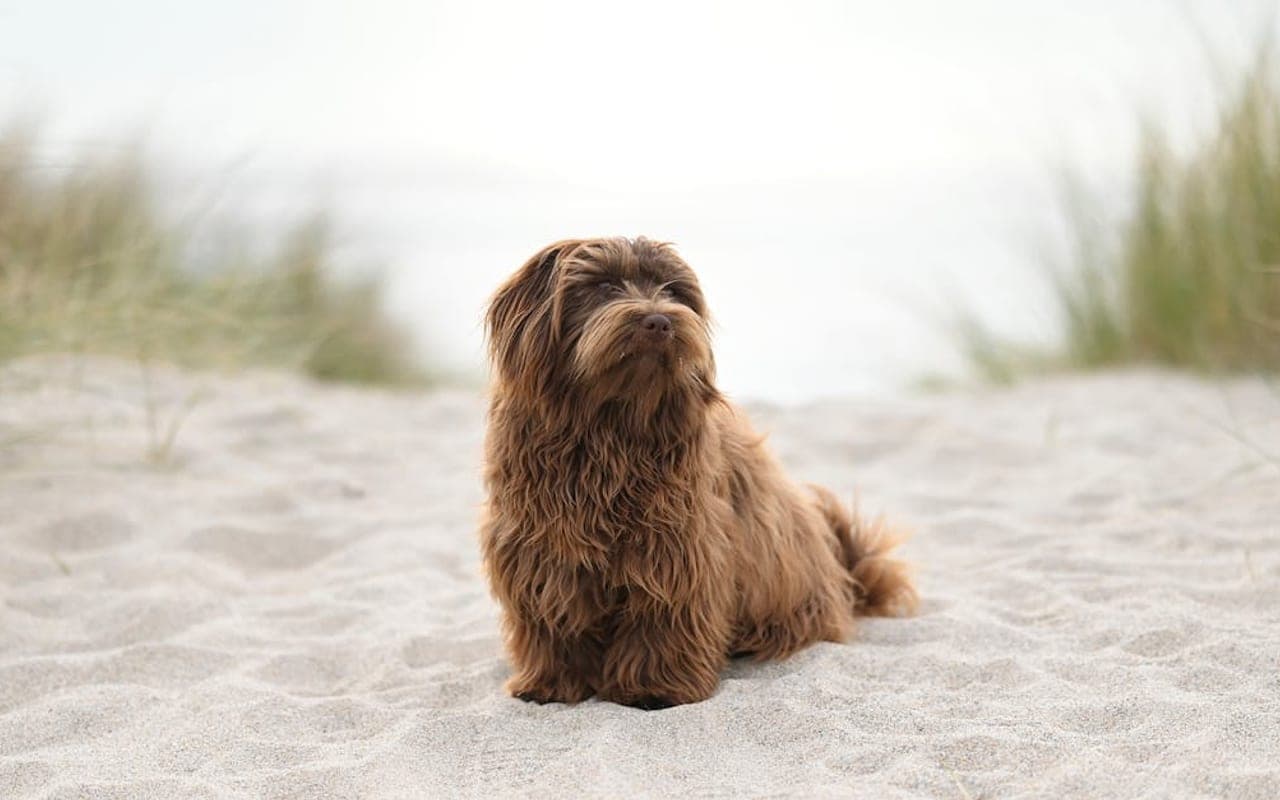
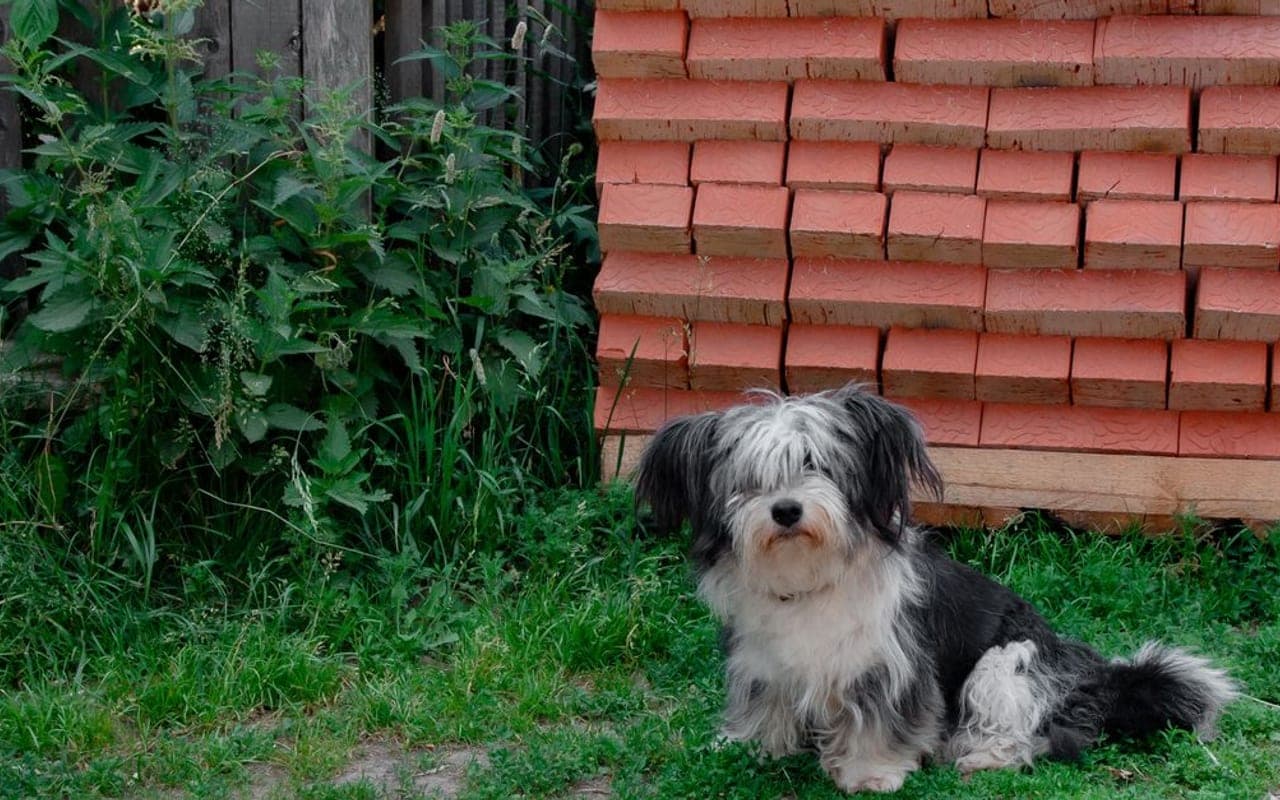
The Havanese is Cuba's only native breed — a small, sturdy companion dog of roughly 7 to 13 pounds and 8.


Size
7-12 lb
Lifespan
14-16 years
Exercise
30-60 minutes
Shedding
Moderate
Experience
Match to owner routine
Decision first
Is a Havanese right for you?
Start with fit before history or trivia. These are ownership signals, not guarantees about any individual dog.
Best suited for
- Apartment homes with a consistent routine.
- Owners seeking a manageable daily exercise routine.
Think carefully if
- You need a dog with almost no daily routine.
- You cannot keep up with grooming and preventive care.
- The dog will spend most days alone without support.
Conditional fit
Apartment fit depends on exercise, enrichment, noise management, and outdoor access.
Daily reality
Havanese commitment snapshot
Daily exercise
30-60 minutes
Match activity to age, health, weather, and training goals.
Coat care
Moderate
Grooming needs vary by coat, shedding, and lifestyle.
Time alone
Needs planning
Most dogs need gradual alone-time conditioning and support.
Structured facts
Havanese at a glance
The measurements and traits that most affect day-to-day life with this breed.
Group
Toy
Weight
7-12 lb
Height
9-11 in
Lifespan
14-16 years
Temperament
Intelligent | Outgoing | Funny
View all characteristics and methodology
Lifestyle fit
- Apartment suitability
- Likely fit
Owner commitment
- Exercise
- 30-60 minutes
- Grooming
- Moderate
- Shedding
- Moderate
- Training
- Moderate
Environment and health
- Health risk
- Needs planning
Ratings combine structured breed data, visible breed fields, and editorial context. They are planning aids, not predictions for an individual dog.
Daily life
Havanese temperament and behavior
The Havanese is Cuba's only native breed — a small, sturdy companion dog of roughly 7 to 13 pounds and 8.5 to 11.5 inches tall, with a long silky double coat and a springy, distinctive gait. It is a member of the Bichon family and was bred for one purpose: human company. That single-purpose breeding explains both its greatest strength and its most-overlooked cost. The strength is temperament — Havanese are affectionate, outgoing, highly trainable, low-aggression, and famously good with children, other dogs, and strangers. They are adaptable to apartments, often do well as therapy and trick dogs, and are among the better small breeds for first-time owners. The overlooked cost is twofold. First, the coat: that beautiful long coat mats fast and needs near-daily attention or a regular professional clip — this is not a wash-and-go dog, and underestimating coat care is the most common Havanese owner regret. Second, the temperament that makes them wonderful also makes them prone to separation anxiety; this is a breed bred to be with people, and a Havanese left alone routinely for long workdays can become anxious, vocal, and destructive. They are also slow to fully house-train, like many toy breeds, and need patient crate-and-schedule work. The Havanese is a generally long-lived breed — commonly 14 to 16 years — but that longevity comes with breed-specific orthopedic and eye conditions you should screen for and budget around. They are not fragile, but their small size means knee, hip-head, and dental issues are real. Who the Havanese is right for: someone home often or able to bring the dog along, who wants a trainable, sociable, apartment-friendly companion and will commit to daily coat care or a grooming budget. Who it is wrong for: someone gone 10 hours a day, anyone wanting a low-grooming dog, or anyone expecting fast house-training.
Intelligent | Outgoing | Funny
Intelligent
A common Havanese temperament descriptor that should be interpreted alongside training, exercise, and household fit.
Outgoing
A common Havanese temperament descriptor that should be interpreted alongside training, exercise, and household fit.
Funny
A common Havanese temperament descriptor that should be interpreted alongside training, exercise, and household fit.
Owner note
Temperament labels are starting points, not guarantees. Meet the individual dog and ask about behavior history whenever possible.
Care essentials
How to care for a Havanese
What looking after one actually involves: exercise, grooming, food, training, and routine health.
ExerciseAs needed
- Moderately active breed needing 30-60 minutes of daily exercise through walks, play, and mental stimulation.
GroomingAs needed
- Regular grooming needed — brush 2-3 times per week and bathe monthly.
TrainingAs needed
- Moderately trainable — consistent, patient training with positive methods works best.
NutritionAs needed
- Feed a high-quality dog food appropriate for their age, size, and activity level. Monitor portions to prevent obesity.
Veterinary CareAs needed
- Annual wellness exams, core vaccinations, dental care, and parasite prevention. Breed-specific health screenings as recommended by your vet.
Health planning
Havanese health risks and screening
Every breed has individual health variation. Use this profile for planning and discuss medical decisions with a veterinarian.
Responsible ownership
Finding a Havanese responsibly
What to ask a breeder or rescue is the same conversation for every breed, so we keep it in one place and keep it current.
Health documentation, meeting the parents or foster, contracts and return support, and the warning signs worth walking away from.
Original purpose
Havanese history
History is useful when it explains today's behavior, coat, exercise needs, and training style.
Read the breed history
The Havanese descends from small Bichon-type dogs brought to Cuba by Spanish settlers and traders beginning in the 1500s. Isolated on the island, these dogs developed into a distinct breed adapted to the Cuban climate, with a silky, insulating-yet-cooling coat. By the 18th and 19th centuries the breed had become the cherished companion of the Cuban aristocracy and was known as the 'Havana Silk Dog' or Blanquito de la Habana, often given as gifts among wealthy families. The breed was nearly lost after the Cuban Revolution, when many owners fled the country; a handful of families brought their dogs to the United States, and the entire modern population outside Cuba traces largely to a small number of these refugee dogs. American breeders rebuilt the breed from that tiny gene pool, and the American Kennel Club recognized the Havanese in 1996. It remains Cuba's national dog and is now a popular companion worldwide, valued for the same affectionate temperament that made it a favorite of Havana's households centuries ago.
Gallery
Havanese photos
Images are cropped consistently and loaded progressively to keep the page responsive.
Lower-page context
Havaneses in culture
Where the breed shows up in film, sport, work and folklore — the enjoyable part, once the practical questions are answered.
Fun facts
- The Havanese belongs to the Toy Group.
- With proper care, Havanese dogs can live up to 16 years or more.
- Havanese dogs are valued for their intelligent, outgoing, funny nature.
Havanese FAQs
How much grooming does a Havanese really need?
More than most owners expect — this is the breed's single biggest underestimated cost. A full long coat mats within days and needs brushing and combing to the skin almost daily, about 10-15 minutes. The realistic alternative is a professional 'puppy clip' every 6-8 weeks at roughly $50-$90 a visit, which reduces home brushing to twice a week. Decide which routine you'll actually keep up before adopting; neglected coats end in painful, costly de-matting or a full shave-down.
Can Havanese be left alone while I work?
Not comfortably for long, regular stretches. The Havanese was bred specifically as a companion and is prone to separation anxiety, which shows up as barking, destruction, and house-soiling. If you work a typical full day, plan for a dog walker, daycare, or someone home, and build alone-time tolerance gradually from puppyhood with enrichment. A Havanese is a great fit for people who are home often or can bring the dog along, and a poor fit for a 10-hour empty house.
How long do Havanese live?
The Havanese is a long-lived breed, commonly 14 to 16 years. That longevity is a major appeal but it also means a longer window for the breed's orthopedic and eye conditions and for small-breed dental disease to develop. Buying from a breeder who screens hips, knees (patellas), and eyes, keeping the dog lean, and staying on top of dental care are what let owners actually realize that 14-16 year potential rather than lose years to preventable problems.
Are Havanese easy to house-train?
They are intelligent and eager to please but, like many toy breeds, are often slower to fully house-train than larger dogs, so expect a longer timeline and some setbacks. Success comes from consistency rather than speed: a crate sized correctly, a fixed feeding and potty schedule, immediate high-value rewards for outdoor success, and zero punishment, since this sensitive breed shuts down under harsh corrections. Patience over weeks, not days, is the realistic expectation.
Are Havanese good with children and other pets?
Yes — sociability is a defining trait. Havanese are affectionate, playful, and typically good with respectful children, other dogs, and strangers, and they adapt well to multi-pet homes. The main caution is their small size: young children must be taught to handle a 7-13 pound dog gently and not to drop or roughhouse with it, since falls and rough handling are a real injury risk for small breeds. Supervised, they are one of the friendlier small companion breeds.
Do Havanese shed and are they hypoallergenic?
Havanese are low-shedding — their hair grows continuously rather than being released in heavy seasonal cycles, so loose hair tends to stay in the coat (which is exactly why it mats and needs frequent brushing). No dog is truly hypoallergenic, but low-shedding breeds like the Havanese are often better tolerated by mild allergy sufferers. Anyone with allergies should spend time with the specific dog before committing, since reactions vary by individual person and dog.
Sources
These are the published sources this page draws on. Each opens in a new tab so you can check it yourself.
American Kennel Club
Havanese — breed standard and profile(opens in a new tab)Supports: Breed standard and recognition details.
Similar breeds to consider
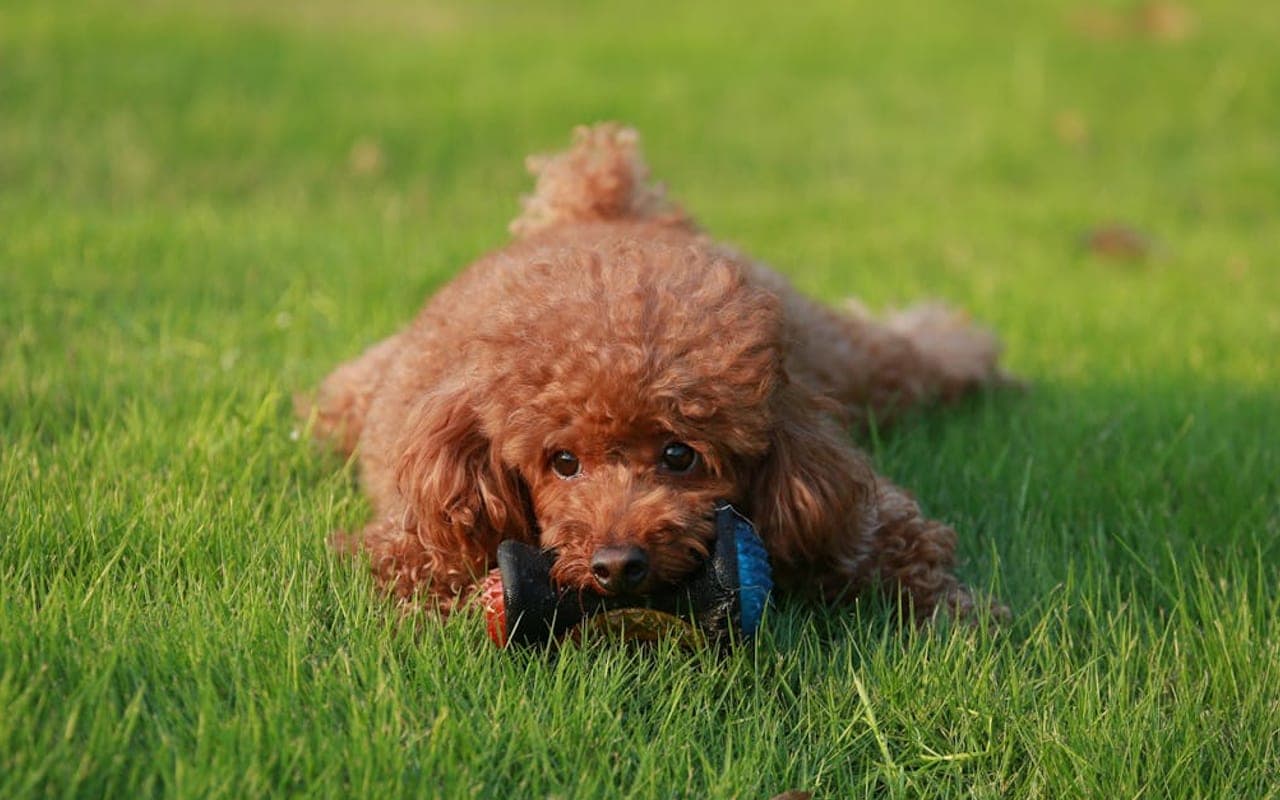
Poodle (Toy)
Also in the Toy group, with different care and temperament tradeoffs.

Yorkshire Terrier
Also in the Toy group, with different care and temperament tradeoffs.
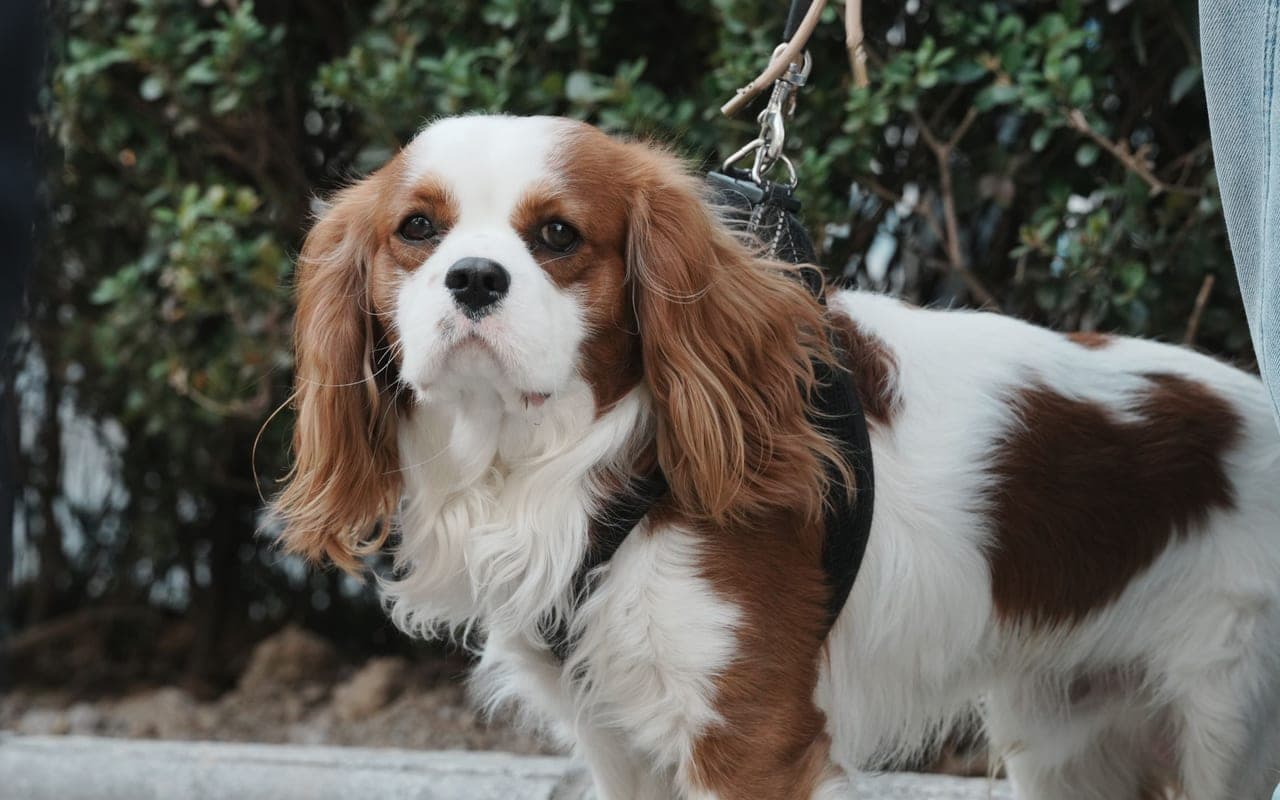
Cavalier King Charles Spaniel
Also in the Toy group, with different care and temperament tradeoffs.
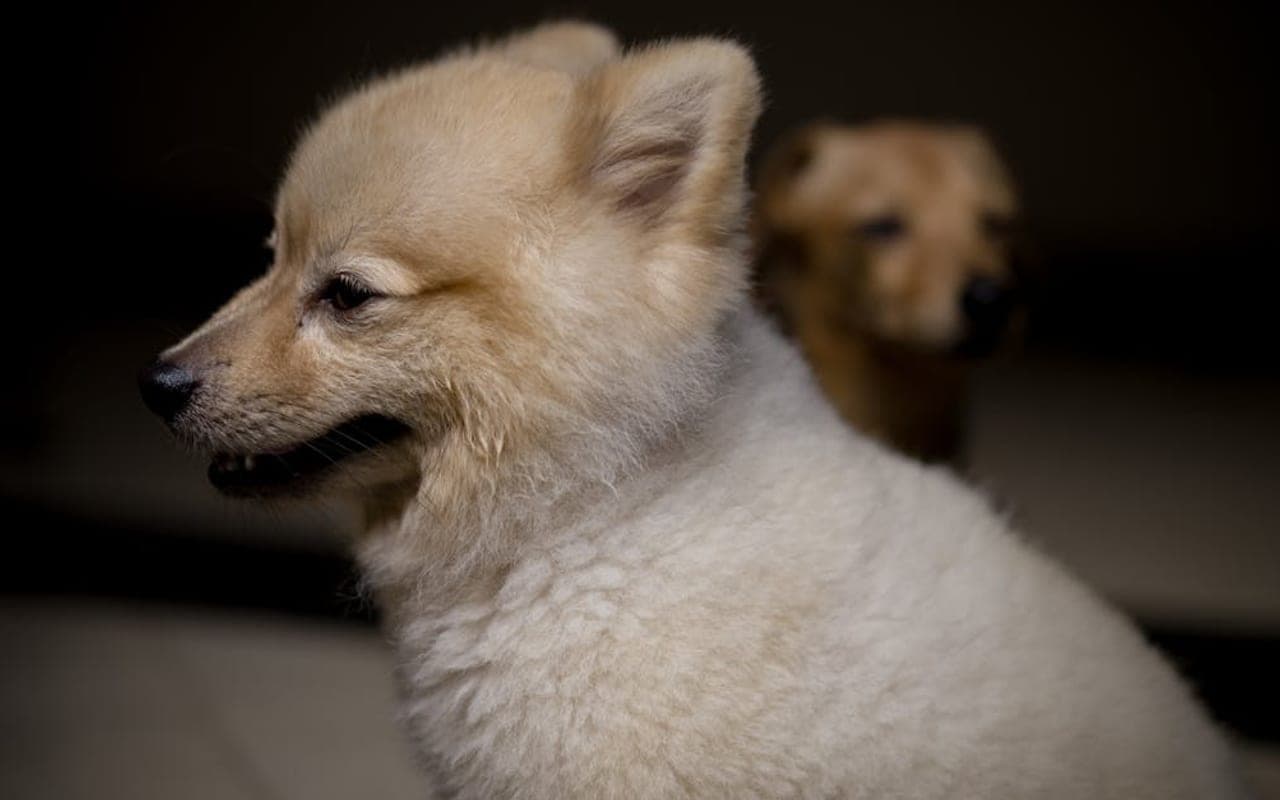
Pomeranian
Also in the Toy group, with different care and temperament tradeoffs.
Explore More About Havanese
Dive deeper into everything Havanese — costs, care, and expert insights.
Large Dog Care Guide: Everything Over 50 lbs
Owning a large or giant breed dog means accepting one of biology's...
Puppy Teething & Biting: Timeline and What Actually Works
A puppy has all 28 deciduous ("baby") teeth by roughly eight weeks of age, and...
Considering a cat instead?
Browse Cats