
Foundation Stock Service group
Hokkaido
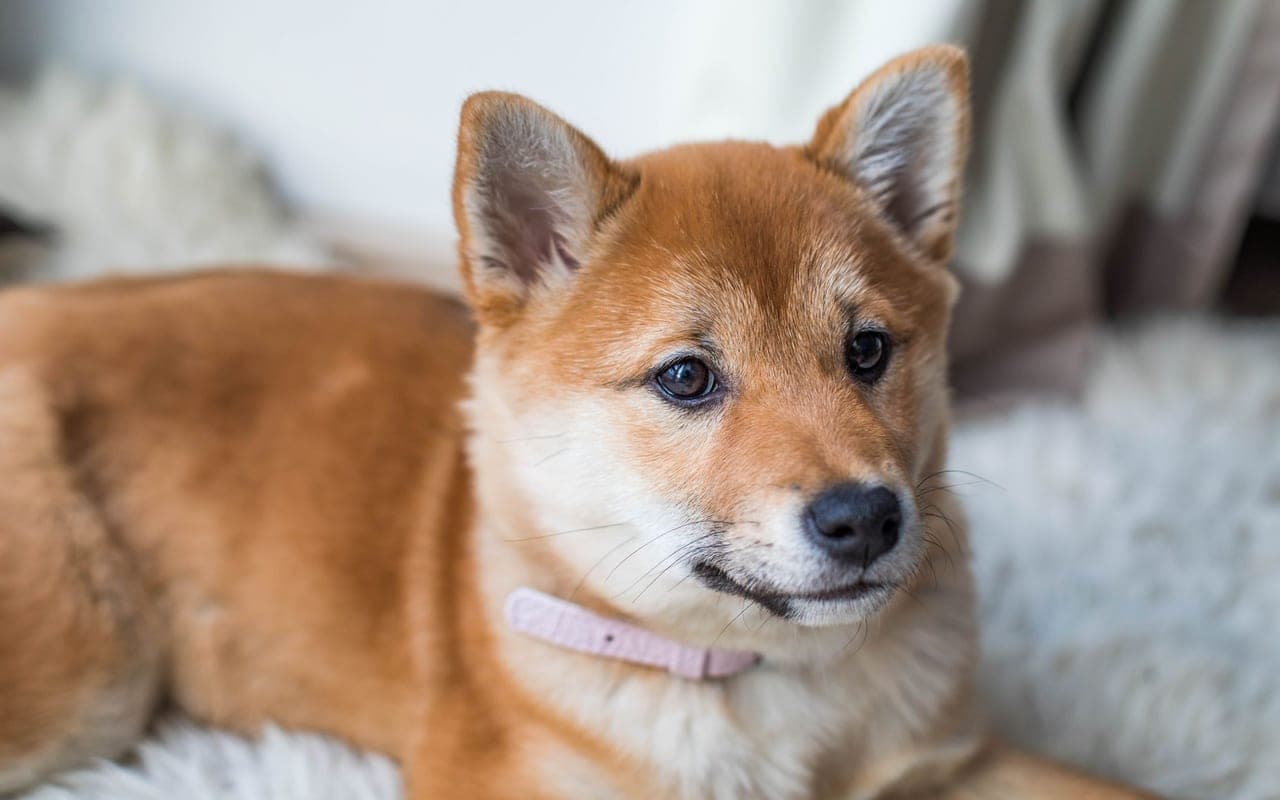
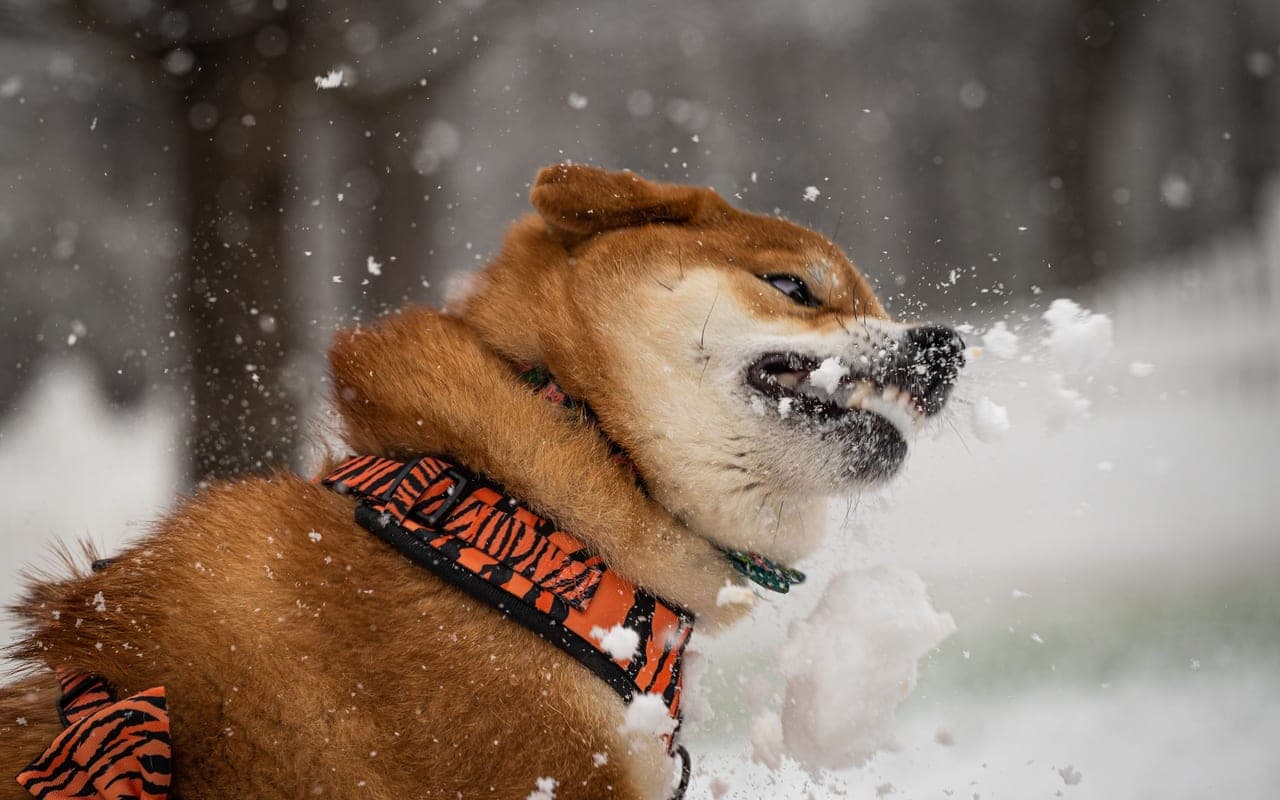
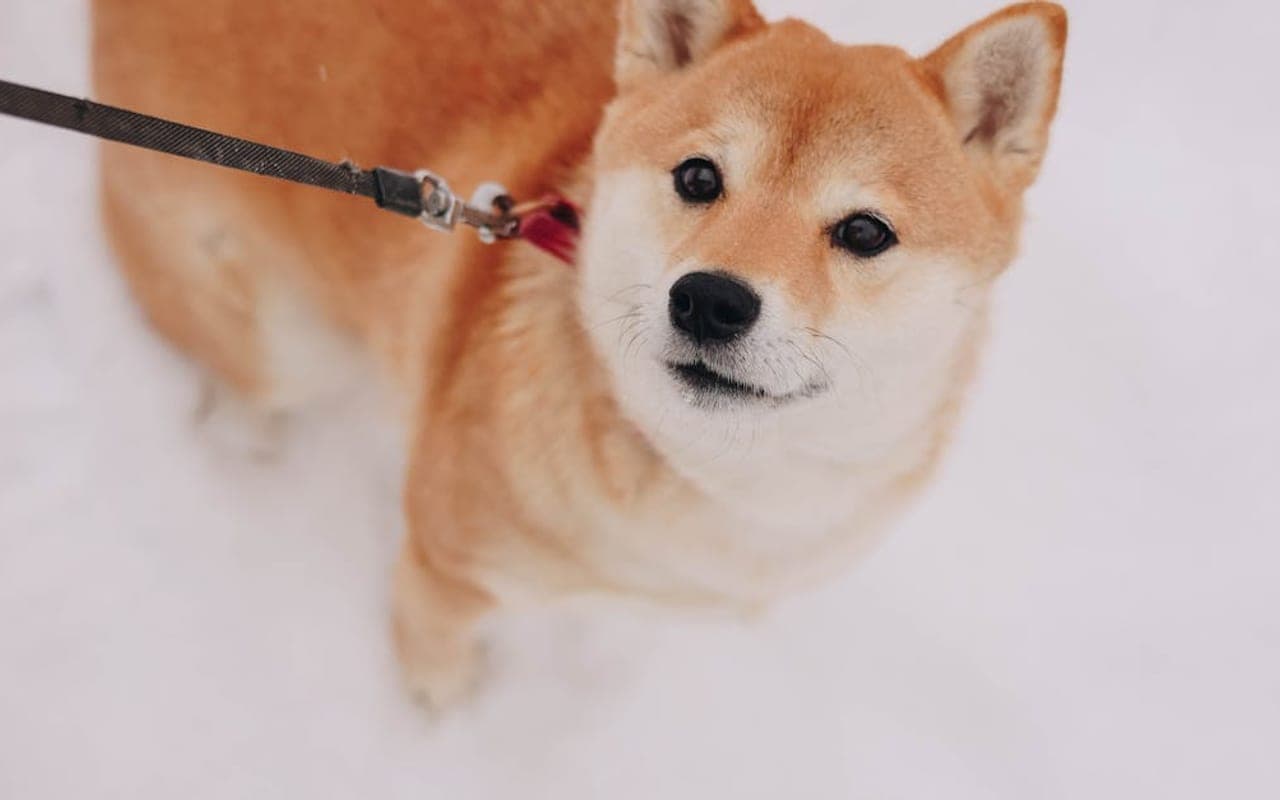
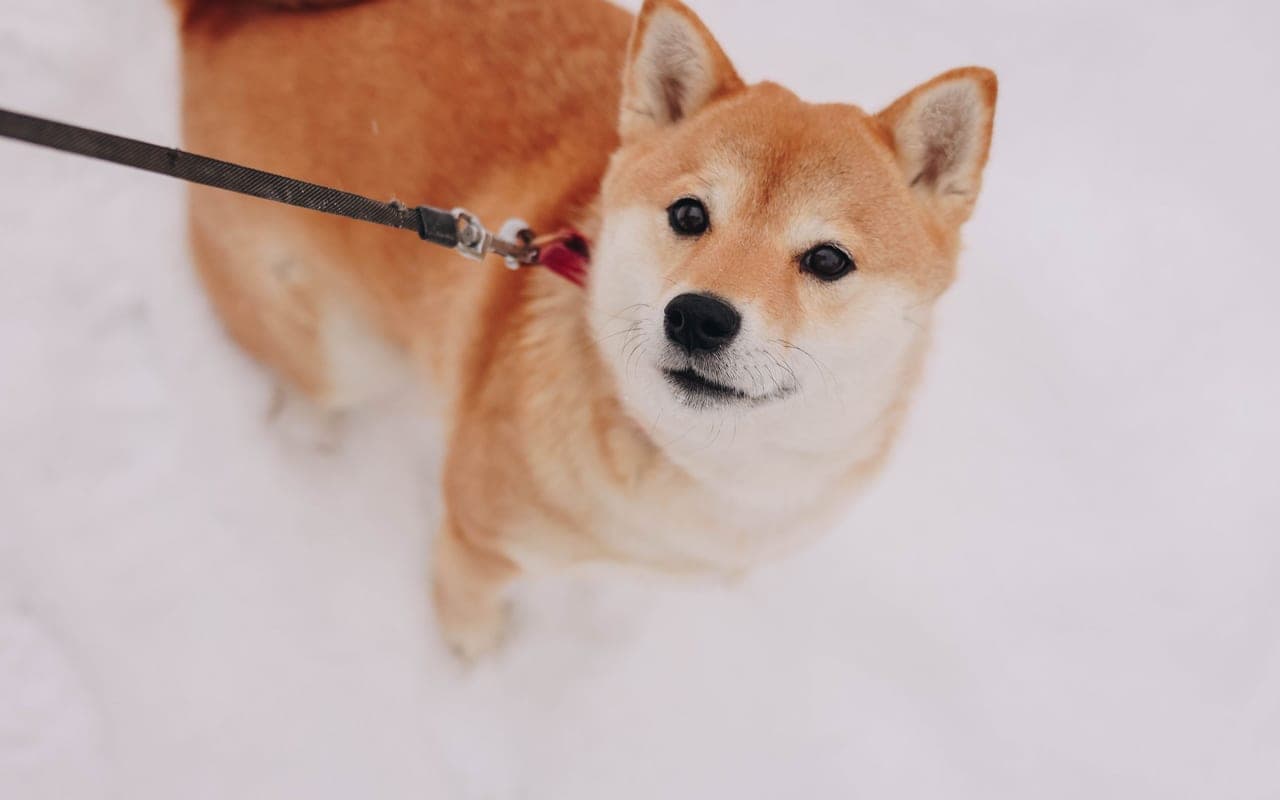
The Hokkaido — also called Hokkaido Ken, Ainu Ken, or Ainu-inu — is one of the six native Japanese spitz breeds (Nihon Ken) and the rarest you are likely to encounter outside Japan, where the entire population is roughly 10,000-12,000.
Size
33-44 lb
Lifespan
12-15 years
Exercise
30-60 minutes
Shedding
Moderate
Experience
Match to owner routine
Decision first
Is a Hokkaido right for you?
Start with fit before history or trivia. These are ownership signals, not guarantees about any individual dog.
Best suited for
- Households with children.
- Homes with other compatible pets.
- Apartment homes with a consistent routine.
- Owners seeking a manageable daily exercise routine.
Think carefully if
- You need a dog with almost no daily routine.
- You cannot keep up with grooming and preventive care.
- The dog will spend most days alone without support.
Conditional fit
Apartment fit depends on exercise, enrichment, noise management, and outdoor access.
Daily reality
Hokkaido commitment snapshot
Daily exercise
30-60 minutes
Match activity to age, health, weather, and training goals.
Coat care
Moderate
Grooming needs vary by coat, shedding, and lifestyle.
Time alone
Needs planning
Most dogs need gradual alone-time conditioning and support.
Structured facts
Hokkaido at a glance
The measurements and traits that most affect day-to-day life with this breed.
Group
Foundation Stock Service
Weight
33-44 lb
Height
18-20 in
Lifespan
12-15 years
Temperament
Dignified | Alert | Devoted
View all characteristics and methodology
Lifestyle fit
- Apartment suitability
- Likely fit
- Child friendliness
- Often good, with socialisation and supervision
- Other-pet fit
- Often compatible with careful introductions
Owner commitment
- Exercise
- 30-60 minutes
- Grooming
- Moderate
- Shedding
- Moderate
- Training
- Moderate
Environment and health
- Health risk
- Needs planning
Ratings combine structured breed data, visible breed fields, and editorial context. They are planning aids, not predictions for an individual dog.
Daily life
Hokkaido temperament and behavior
The Hokkaido — also called Hokkaido Ken, Ainu Ken, or Ainu-inu — is one of the six native Japanese spitz breeds (Nihon Ken) and the rarest you are likely to encounter outside Japan, where the entire population is roughly 10,000-12,000. It is a medium, strongly built working dog, distinctly different from the smaller Shiba and the larger Akita: thicker, coarser double coat, broader chest, smaller ears, and a build engineered by the Ainu people of northern Japan for hunting boar and bear in deep snow and brutal winters. The honest framing is a landrace working breed that is largely robust, but — unlike the often over-claimed health of primitive breeds — it carries one well-documented inherited concern (Collie Eye Anomaly) that this profile names plainly rather than glossing over. Functionally the Hokkaido is an endurance hunter: extraordinary stamina, a strong prey drive, an excellent sense of direction, and a notably bold, dignified temperament. With early socialization it is deeply loyal, intelligent, and an active problem-solver; without it, the same dog becomes wary of strangers and over-protective. This is a primitive breed with primitive-breed independence — it cooperates with its person, it does not blindly obey. Temperament is faithful, alert, brave, and reserved with outsiders. Hokkaido bond hard to family, are good with children they are raised with, but are not naturally social butterflies and are often dog-selective given the hunting heritage. Who the Hokkaido is right for: an experienced, active owner who will commit to heavy early socialization, daily real exercise, and screening for the breed's eye risk, ideally someone drawn to a primitive Nihon Ken specifically. Who it is wrong for: a first-time owner wanting an easy, biddable, dog-park-friendly pet, or anyone unprepared for a high-drive snow dog's coat, energy, and independence.
Dignified | Alert | Devoted
Dignified
A common Hokkaido temperament descriptor that should be interpreted alongside training, exercise, and household fit.
Alert
A common Hokkaido temperament descriptor that should be interpreted alongside training, exercise, and household fit.
Devoted
A common Hokkaido temperament descriptor that should be interpreted alongside training, exercise, and household fit.
Owner note
Temperament labels are starting points, not guarantees. Meet the individual dog and ask about behavior history whenever possible.
Care essentials
How to care for a Hokkaido
What looking after one actually involves: exercise, grooming, food, training, and routine health.
ExerciseAs needed
- Moderately active breed needing 30-60 minutes of daily exercise through walks, play, and mental stimulation.
GroomingAs needed
- Regular grooming needed — brush 2-3 times per week and bathe monthly.
TrainingAs needed
- Moderately trainable — consistent, patient training with positive methods works best.
NutritionAs needed
- Feed a high-quality dog food appropriate for their age, size, and activity level. Monitor portions to prevent obesity.
Veterinary CareAs needed
- Annual wellness exams, core vaccinations, dental care, and parasite prevention. Breed-specific health screenings as recommended by your vet.
Health planning
Hokkaido health risks and screening
Every breed has individual health variation. Use this profile for planning and discuss medical decisions with a veterinarian.
Responsible ownership
Finding a Hokkaido responsibly
What to ask a breeder or rescue is the same conversation for every breed, so we keep it in one place and keep it current.
Health documentation, meeting the parents or foster, contracts and return support, and the warning signs worth walking away from.
Original purpose
Hokkaido history
History is useful when it explains today's behavior, coat, exercise needs, and training style.
Read the breed history
The Hokkaido is among the oldest Japanese dog types, brought to the northern island of Hokkaido roughly 3,000 years ago by ancestors of the Ainu people and developed by them as a big-game hunting and guarding dog for boar and bear in one of Japan's harshest climates. Long called the Ainu Ken after the indigenous Ainu who created it, it was renamed Hokkaido Ken after the island. Centuries of isolation on Hokkaido kept the strain unusually pure and primitive, preserving traits like blue-black tongue pigment in some lines, extreme cold tolerance, and a powerful homing sense. Japan designated the Hokkaido a 'living natural monument' in 1937, recognizing it as a protected national heritage breed. It remains extremely rare even within Japan and is seldom seen elsewhere, with the Nihon Ken Hozonkai and regional clubs maintaining the type.
Gallery
Hokkaido photos
Images are cropped consistently and loaded progressively to keep the page responsive.
Lower-page context
Hokkaidos in culture
Where the breed shows up in film, sport, work and folklore — the enjoyable part, once the practical questions are answered.
Fun facts
- The Hokkaido belongs to the Foundation Stock Service.
- With proper care, Hokkaido dogs can live up to 15 years or more.
- Hokkaido dogs are valued for their dignified, alert, devoted nature.
Hokkaido FAQs
How long do Hokkaido dogs live?
A Hokkaido typically lives 12-15 years, which is long for a medium working breed and reflects its hardy primitive constitution. Lifespan is driven mostly by husbandry and one screening decision: lean body weight and adequate exercise extend it, while the main breed-specific lever is sourcing from eye-tested stock, since Collie Eye Anomaly is the one inherited disorder that genuinely affects quality and, in severe cases, vision over the dog's life.
What is the most important health test for a Hokkaido?
An eye examination plus the Collie Eye Anomaly DNA test on both parents. CEA is documented in roughly a third of dogs in some lines and ranges from harmless to blinding, so confirming parental eye status is the single highest-value screen for this breed. Ask additionally about patella and hip evaluations. A breeder who cannot produce eye-test results for the parents is the main red flag with this breed.
Are Hokkaido dogs good with children and other dogs?
With children they are raised with, generally yes — they are loyal, brave, and family-devoted. With strangers and unfamiliar dogs, less so: the breed is reserved with outsiders and often dog-selective because of its hunting heritage and prey drive. Heavy early socialization is what determines which version you get. An under-socialized Hokkaido becomes suspicious and over-protective, so this is a management responsibility, not a temperament guarantee.
How much exercise and grooming does a Hokkaido need?
Plan on 60-90 minutes of genuine daily exercise — this is a high-stamina boar-and-bear hunting breed, and a short walk will not satisfy it; under-exercised individuals become destructive. Grooming is also a real commitment: weekly brushing of the dense double coat year-round, escalating to daily during the heavy spring and autumn shed for two to three weeks. Never shave the coat; it regulates temperature in both heat and cold.
Is a Hokkaido a good first dog?
Honestly, no for most people. It is a primitive Nihon Ken with strong prey drive, independence, reserve toward strangers, a demanding coat, high exercise needs, and a documented anxiety/compulsive-drinking tendency if under-socialized. Those traits reward an experienced, active owner who specifically wants a Japanese spitz breed and will commit to early socialization and screening, and frustrate someone expecting an easy, biddable family pet.
Why is the Hokkaido so rare, even in Japan?
It was developed in geographic isolation by the Ainu on Hokkaido island as a specialized big-game hunting dog, never bred for mass companionship, and modern Japan has only about 10,000-12,000 with 900-1,000 yearly registrations. It is a protected 'living natural monument,' which preserves type but keeps numbers low and export limited. Practically, expect long waitlists, careful breeder vetting for eye health, and a dog whose working temperament has not been diluted for pet life.
Sources
These are the published sources this page draws on. Each opens in a new tab so you can check it yourself.
American Kennel Club
Hokkaido — breed standard and profile(opens in a new tab)Supports: Breed standard and recognition details.
Similar breeds to consider
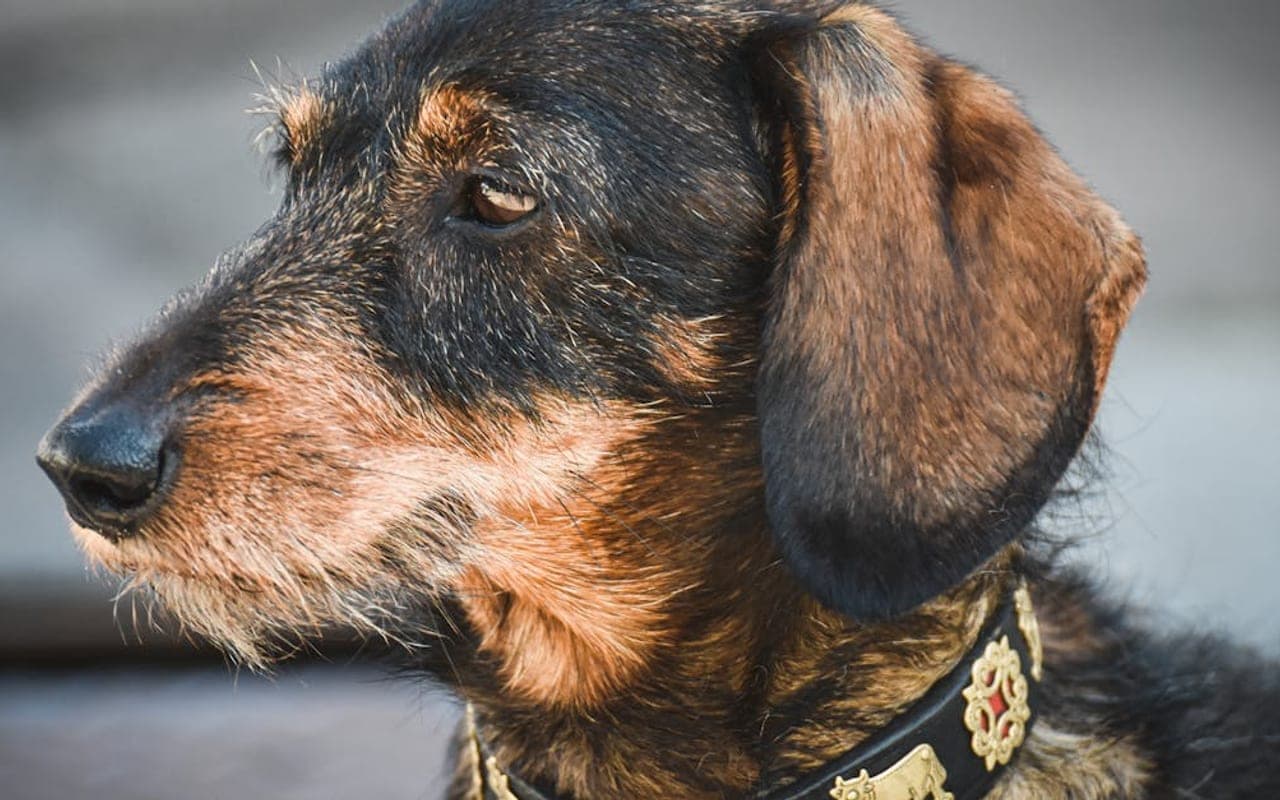
Jagdterrier
Also in the Foundation Stock Service group, with different care and temperament tradeoffs.
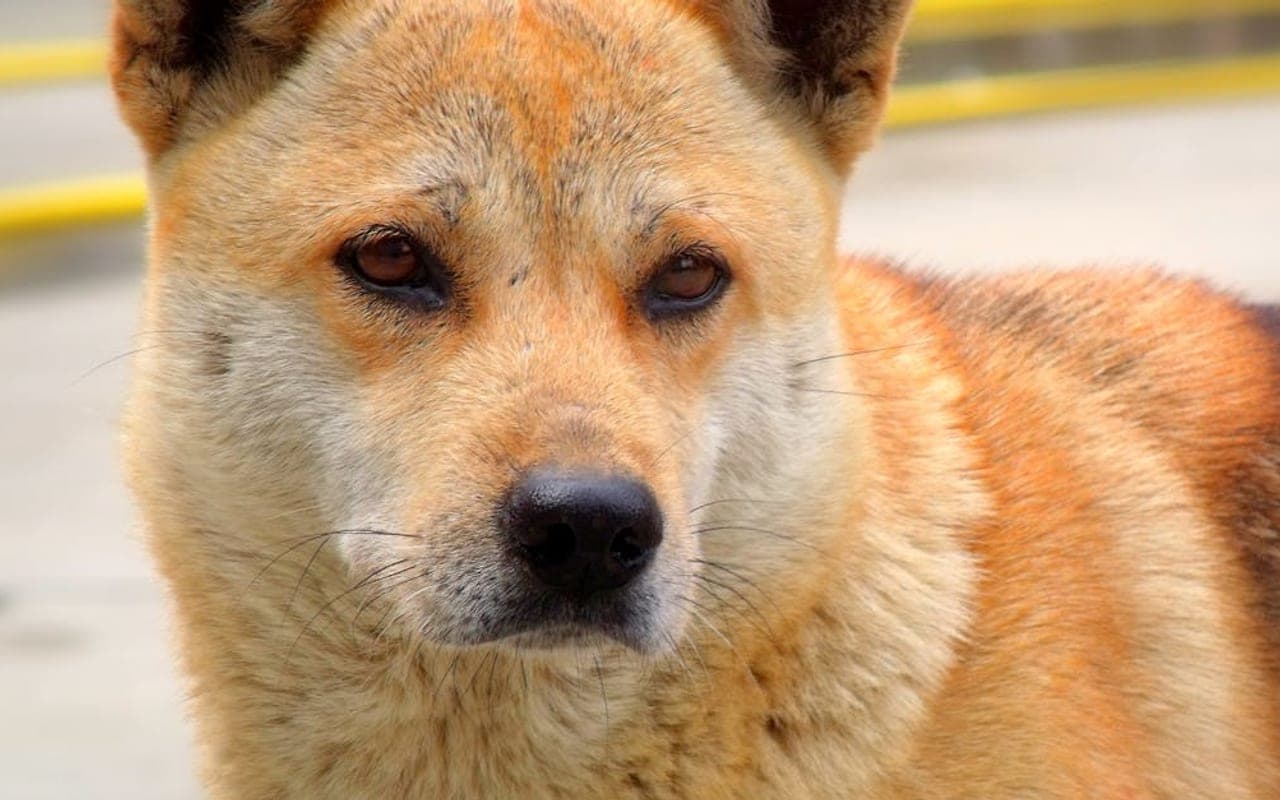
Jindo
Also in the Foundation Stock Service group, with different care and temperament tradeoffs.
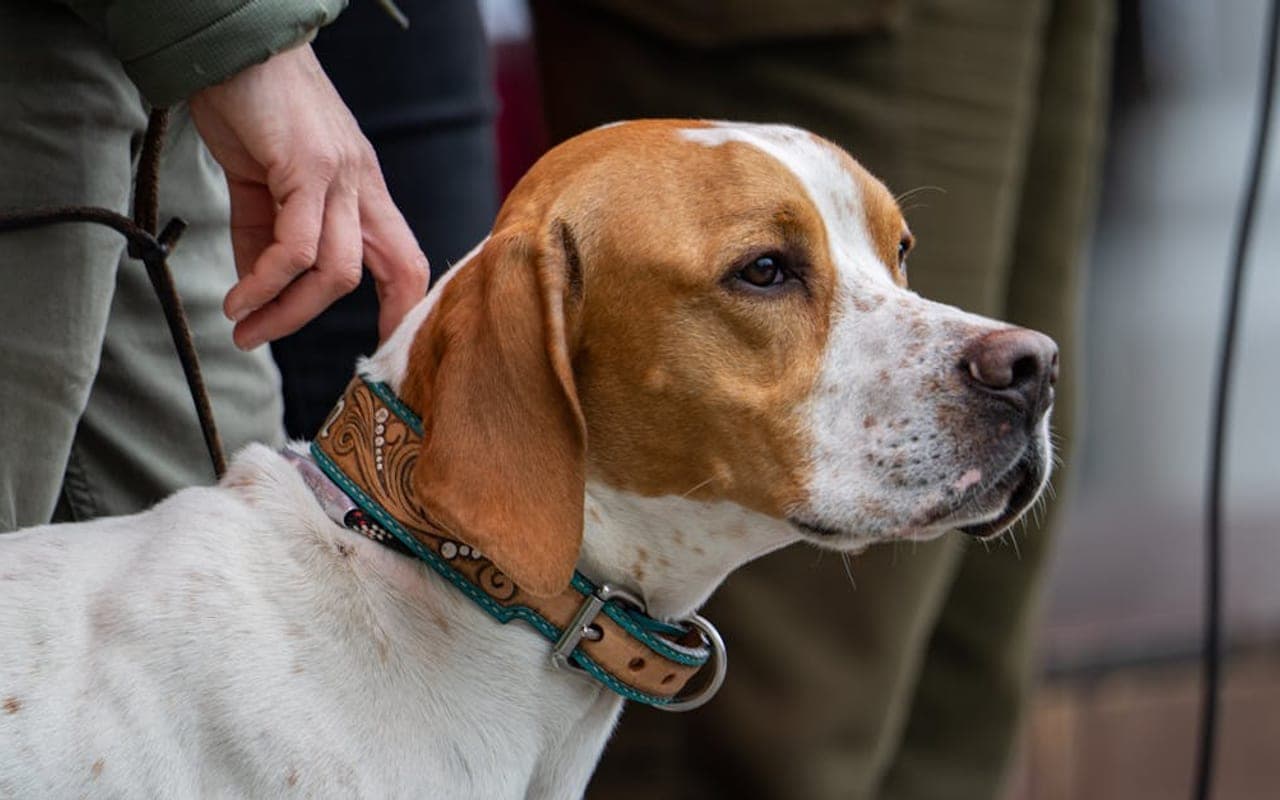
Portuguese Pointer
Also in the Foundation Stock Service group, with different care and temperament tradeoffs.
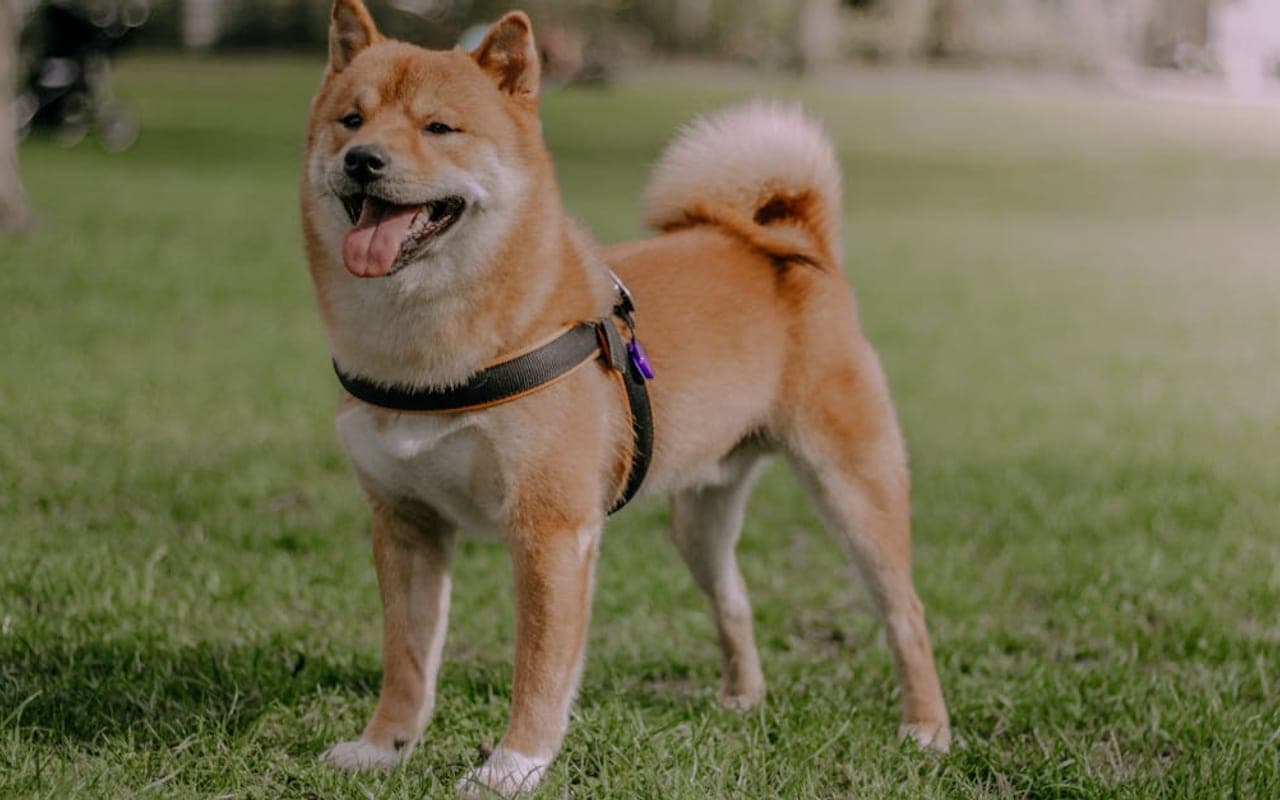
Kishu Ken
Also in the Foundation Stock Service group, with different care and temperament tradeoffs.
Explore More About Hokkaido
Dive deeper into everything Hokkaido — costs, care, and expert insights.
Large Dog Care Guide: Everything Over 50 lbs
Owning a large or giant breed dog means accepting one of biology's...
Puppy Teething & Biting: Timeline and What Actually Works
A puppy has all 28 deciduous ("baby") teeth by roughly eight weeks of age, and...
Considering a cat instead?
Browse Cats