
Herding group
Icelandic Sheepdog
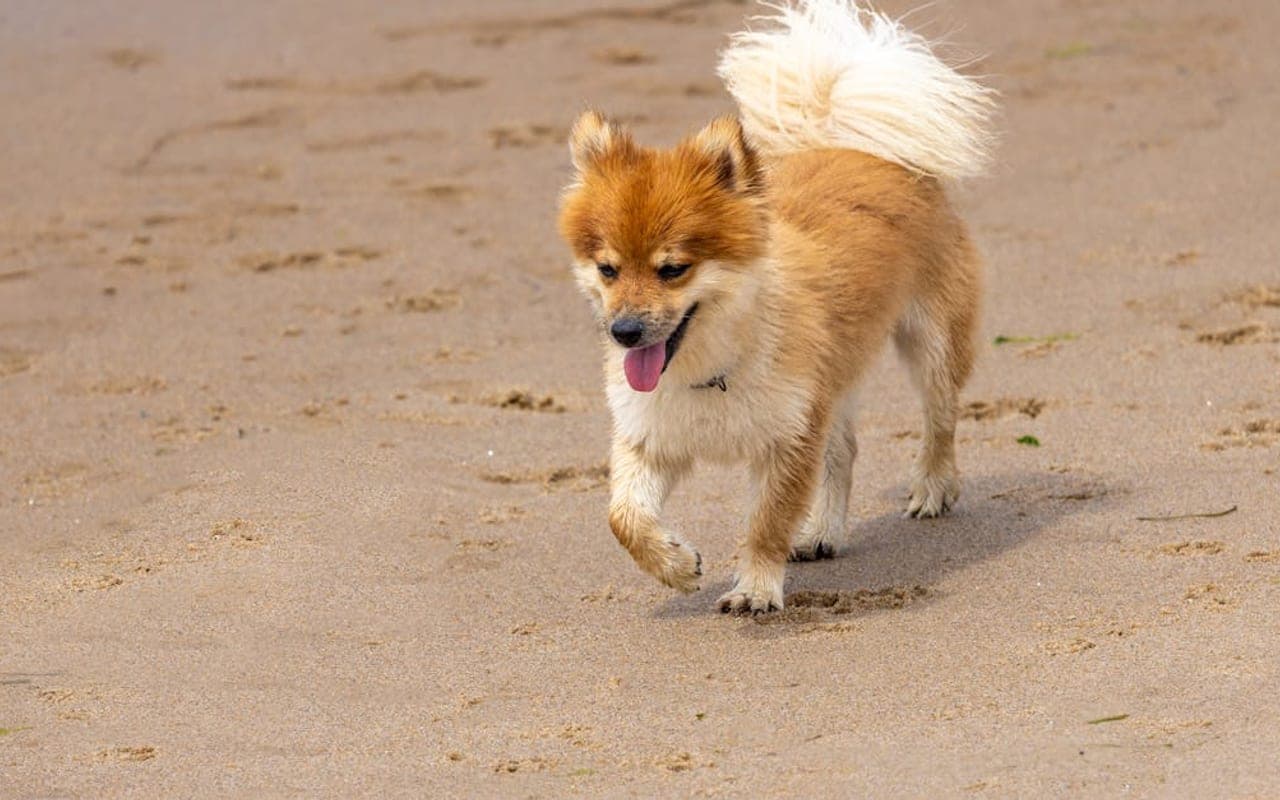
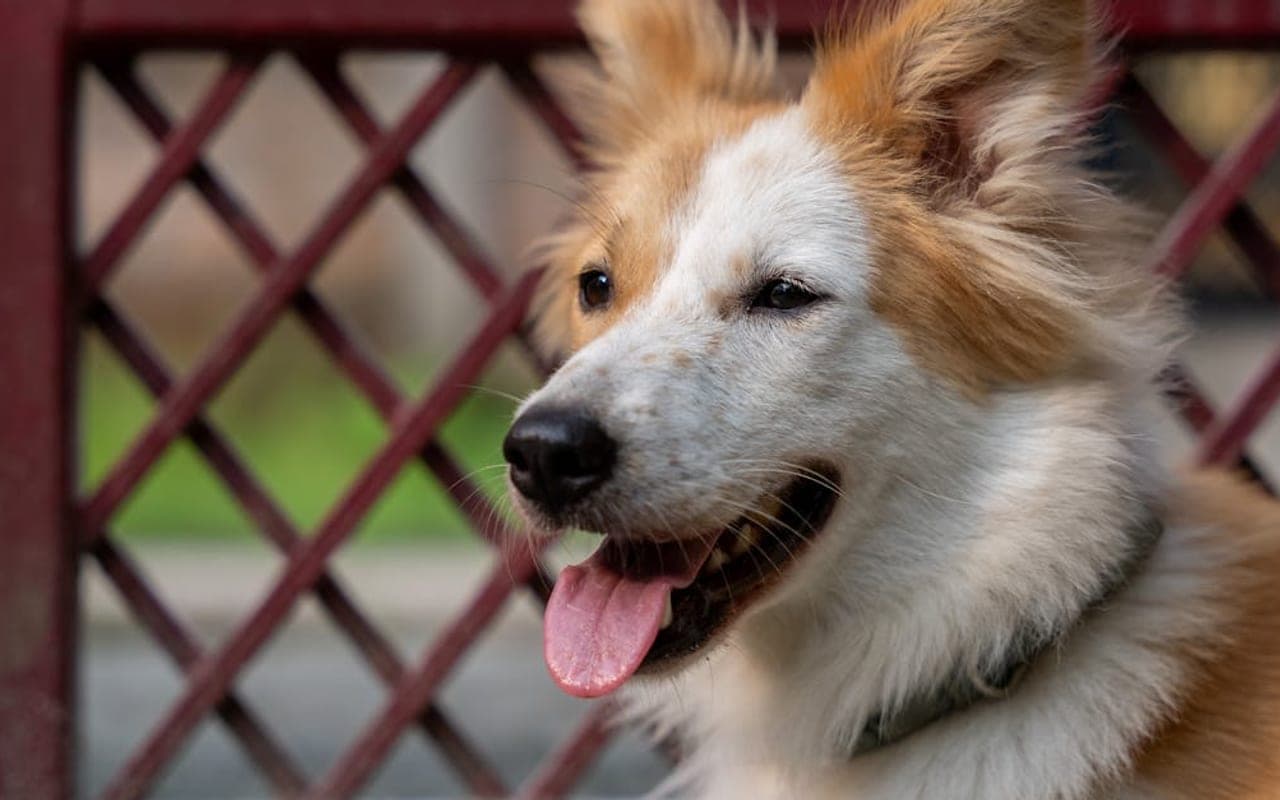
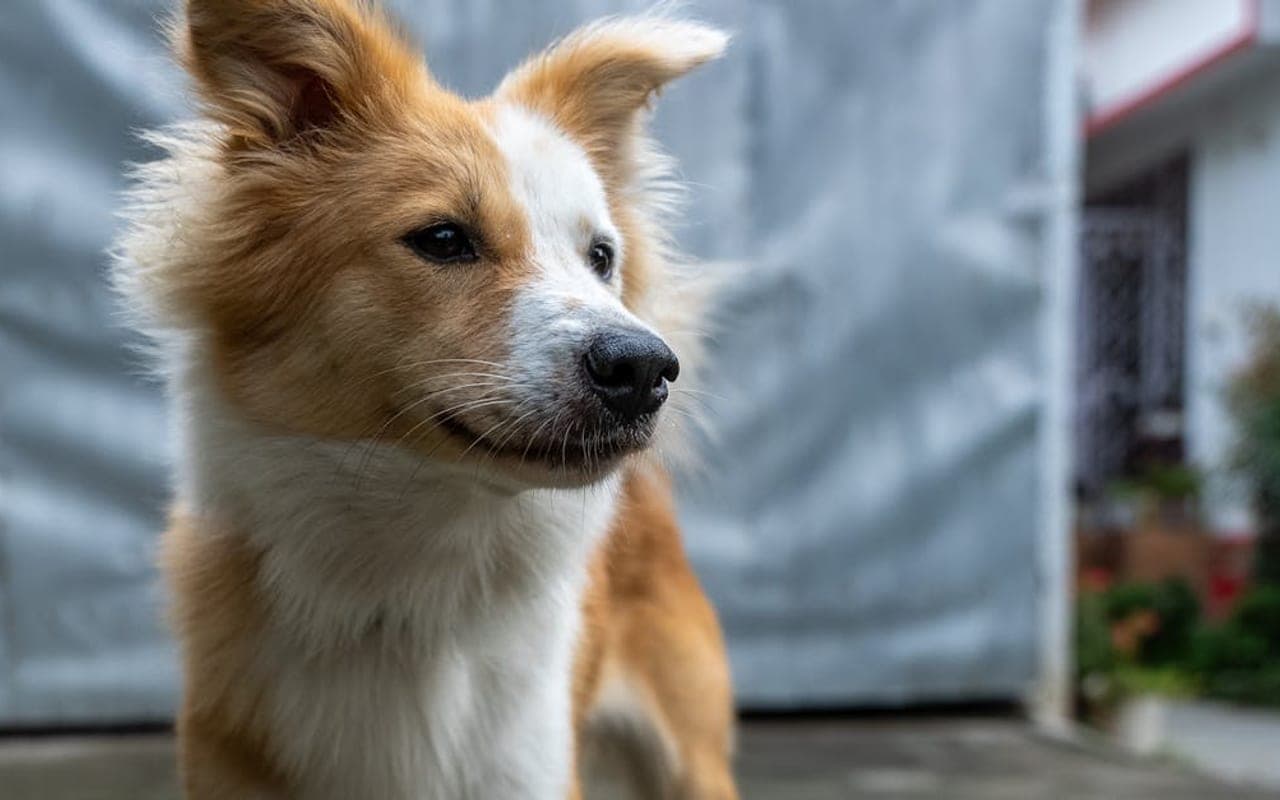
The Icelandic Sheepdog is Iceland's only native breed: a small Nordic spitz, roughly 16-18 inches tall and 25-30 pounds, built to herd and drive sheep and round up stray ewes across open, treeless terrain.
Size
20-31 lb
Lifespan
12-14 years
Exercise
30-60 minutes
Shedding
Moderate
Experience
Match to owner routine
Decision first
Is a Icelandic Sheepdog right for you?
Start with fit before history or trivia. These are ownership signals, not guarantees about any individual dog.
Best suited for
- Households with children.
- Homes with other compatible pets.
- Apartment homes with a consistent routine.
- Owners seeking a manageable daily exercise routine.
Think carefully if
- You need a dog with almost no daily routine.
- You cannot keep up with grooming and preventive care.
- The dog will spend most days alone without support.
Conditional fit
Apartment fit depends on exercise, enrichment, noise management, and outdoor access.
Daily reality
Icelandic Sheepdog commitment snapshot
Daily exercise
30-60 minutes
Match activity to age, health, weather, and training goals.
Coat care
Moderate
Grooming needs vary by coat, shedding, and lifestyle.
Time alone
Needs planning
Most dogs need gradual alone-time conditioning and support.
Structured facts
Icelandic Sheepdog at a glance
The measurements and traits that most affect day-to-day life with this breed.
Group
Herding
Weight
20-31 lb
Height
17-18 in
Lifespan
12-14 years
Temperament
Friendly | Playful | Inquisitive
View all characteristics and methodology
Lifestyle fit
- Apartment suitability
- Likely fit
- Child friendliness
- Often good, with socialisation and supervision
- Other-pet fit
- Often compatible with careful introductions
Owner commitment
- Exercise
- 30-60 minutes
- Grooming
- Moderate
- Shedding
- Moderate
- Training
- Low
Environment and health
- Health risk
- Needs planning
Ratings combine structured breed data, visible breed fields, and editorial context. They are planning aids, not predictions for an individual dog.
Daily life
Icelandic Sheepdog temperament and behavior
The Icelandic Sheepdog is Iceland's only native breed: a small Nordic spitz, roughly 16-18 inches tall and 25-30 pounds, built to herd and drive sheep and round up stray ewes across open, treeless terrain. The look is unmistakably spitz — a dense double coat (short or long variety), a foxy face, prick ears, and a tightly curled tail carried over the back. Double dewclaws on the hind legs are a breed hallmark, not a fault. The defining expression is a perpetually cheerful, attentive face that always seems delighted to be with you. That delight is the core decision point. The Icelandic Sheepdog is one of the most relentlessly people-bonded breeds you can own. It was bred to work alongside isolated farmers and to bark — a lot — to move sheep and warn of birds of prey overhead. Both traits persist. This is an affectionate, soft, biddable family dog with no guarding aggression, but it is also vocal, sheds heavily, and genuinely struggles when left alone. Separation distress is common, not a training failure. Who the Icelandic Sheepdog is right for: an active household where someone is home much of the day, that wants a velcro companion for hiking, herding, agility, or rally, and that can tolerate enthusiastic barking and seasonal coat blow. Who it is wrong for: anyone needing a quiet apartment dog, anyone gone 9 hours a day, neat-freaks unprepared for double-coat shedding, or owners wanting an aloof, independent dog. The breed nearly went extinct twice in the 20th century and remains rare, so acquisition usually means a breed-club waitlist — choose it for the temperament fit, not the smiling photos.
Friendly | Playful | Inquisitive
Friendly
A common Icelandic Sheepdog temperament descriptor that should be interpreted alongside training, exercise, and household fit.
Playful
A common Icelandic Sheepdog temperament descriptor that should be interpreted alongside training, exercise, and household fit.
Inquisitive
A common Icelandic Sheepdog temperament descriptor that should be interpreted alongside training, exercise, and household fit.
Owner note
Temperament labels are starting points, not guarantees. Meet the individual dog and ask about behavior history whenever possible.
Care essentials
How to care for a Icelandic Sheepdog
What looking after one actually involves: exercise, grooming, food, training, and routine health.
ExerciseAs needed
- Moderately active breed needing 30-60 minutes of daily exercise through walks, play, and mental stimulation.
GroomingAs needed
- Regular grooming needed — brush 2-3 times per week and bathe monthly.
TrainingAs needed
- Independent-minded breed that may require extra patience in training. Short, engaging sessions recommended.
NutritionAs needed
- Feed a high-quality dog food appropriate for their age, size, and activity level. Monitor portions to prevent obesity.
Veterinary CareAs needed
- Annual wellness exams, core vaccinations, dental care, and parasite prevention. Breed-specific health screenings as recommended by your vet.
Health planning
Icelandic Sheepdog health risks and screening
Every breed has individual health variation. Use this profile for planning and discuss medical decisions with a veterinarian.
Responsible ownership
Finding a Icelandic Sheepdog responsibly
What to ask a breeder or rescue is the same conversation for every breed, so we keep it in one place and keep it current.
Health documentation, meeting the parents or foster, contracts and return support, and the warning signs worth walking away from.
Original purpose
Icelandic Sheepdog history
History is useful when it explains today's behavior, coat, exercise needs, and training style.
Read the breed history
The Icelandic Sheepdog arrived with Norse settlers and their livestock more than a thousand years ago and is closely related to other Nordic spitz herders. On Iceland's open, fenceless terrain it was indispensable for driving sheep, finding lost ewes in rough country, and barking to warn of aerial predators — which is why an alert, vocal, biddable temperament was selected for over centuries. The breed twice came close to extinction: distemper and plague outbreaks in the late 1800s devastated the population, and again in the mid-20th century numbers fell so low that a deliberate recovery effort, led in part by collector Mark Watson and Icelandic breeders, rebuilt the breed from a small surviving base. That tight population history explains both its rarity today and the importance of health screening within a limited gene pool. It received American Kennel Club Herding Group recognition in 2010 and remains uncommon outside Iceland and Scandinavia.
Gallery
Icelandic Sheepdog photos
Images are cropped consistently and loaded progressively to keep the page responsive.
Lower-page context
Icelandic Sheepdogs in culture
Where the breed shows up in film, sport, work and folklore — the enjoyable part, once the practical questions are answered.
Fun facts
- The Icelandic Sheepdog belongs to the Herding Group.
- The average lifespan of a Icelandic Sheepdog is 12 to 14 years.
- Icelandic Sheepdog dogs are valued for their friendly, playful, inquisitive nature.
Icelandic Sheepdog FAQs
How long do Icelandic Sheepdog dogs live?
Typically 12 to 14 years, and many reach the upper end because the breed is a working spitz without extreme conformation. The practical lifespan levers are keeping the dog lean at 25-30 pounds to protect hips and elbows, screening parents for hip dysplasia and eye disease given the breed's small recovered gene pool, and staying current on dental and annual care. Joint and eye conditions are the main quality-of-life risks, not early-fatal disease, so weight management matters more than almost anything else.
Are Icelandic Sheepdog dogs good with children?
Yes — this is one of the more child-friendly breeds. It is soft-tempered, non-aggressive, playful, and bonded to the whole family rather than one person, with no guarding edge. The realistic caveats are herding instinct (it may try to gather running children by circling or light nudging) and barking during excited play. Supervise toddlers, redirect any herding-nipping into appropriate games early, and teach children to let the dog disengage when it has had enough.
How much exercise does an Icelandic Sheepdog need?
At least 60 minutes of genuine daily activity, ideally with a task. It was bred to work all day on open hill country and has real stamina, so a slow leashed lap of the block is not enough. Hiking, fetch, herding, agility, rally, and trick training all satisfy it. An under-exercised Icelandic Sheepdog does not get calm — it gets louder, because barking is its default outlet for unspent energy and frustration.
Do Icelandic Sheepdogs bark a lot?
Yes, and this is the single most common reason placements fail. The breed was selected to bark to move sheep and warn of overhead predators, so alarm-barking at birds, visitors, and noises is hardwired, not a defect. You can reduce it with early 'enough' training, plenty of exercise, and not leaving the dog isolated, but you cannot eliminate it. If you live in a shared wall apartment or have noise-sensitive neighbors, choose a quieter breed honestly.
How much grooming does an Icelandic Sheepdog need?
Moderate to high because of the dense double coat. Brush 2-3 times a week most of the year, then daily for the 2-3 week spring and autumn shed when the undercoat blows out in clumps — expect 15-20 minutes per session then. Never shave the coat; it insulates against heat and cold and regrows poorly after shaving. Bathe every 6-10 weeks, trim nails every 2-3 weeks, and check the double hind dewclaws so they do not snag and tear.
Can an Icelandic Sheepdog be left alone during a workday?
Not comfortably for a full 8-9 hours on a routine basis. This is an intensely people-oriented breed with a real predisposition to separation distress, and chronic isolation produces barking, destruction, and stress behaviors. Mitigation — gradual alone-time conditioning, enrichment, a dog walker or daycare, or a work-from-home household — can make a 4-6 hour absence workable, but if no one is realistically around most days, this is the wrong breed rather than a training project.
Sources
These are the published sources this page draws on. Each opens in a new tab so you can check it yourself.
American Kennel Club
Icelandic Sheepdog — breed standard and profile(opens in a new tab)Supports: Breed standard and recognition details.
Similar breeds to consider
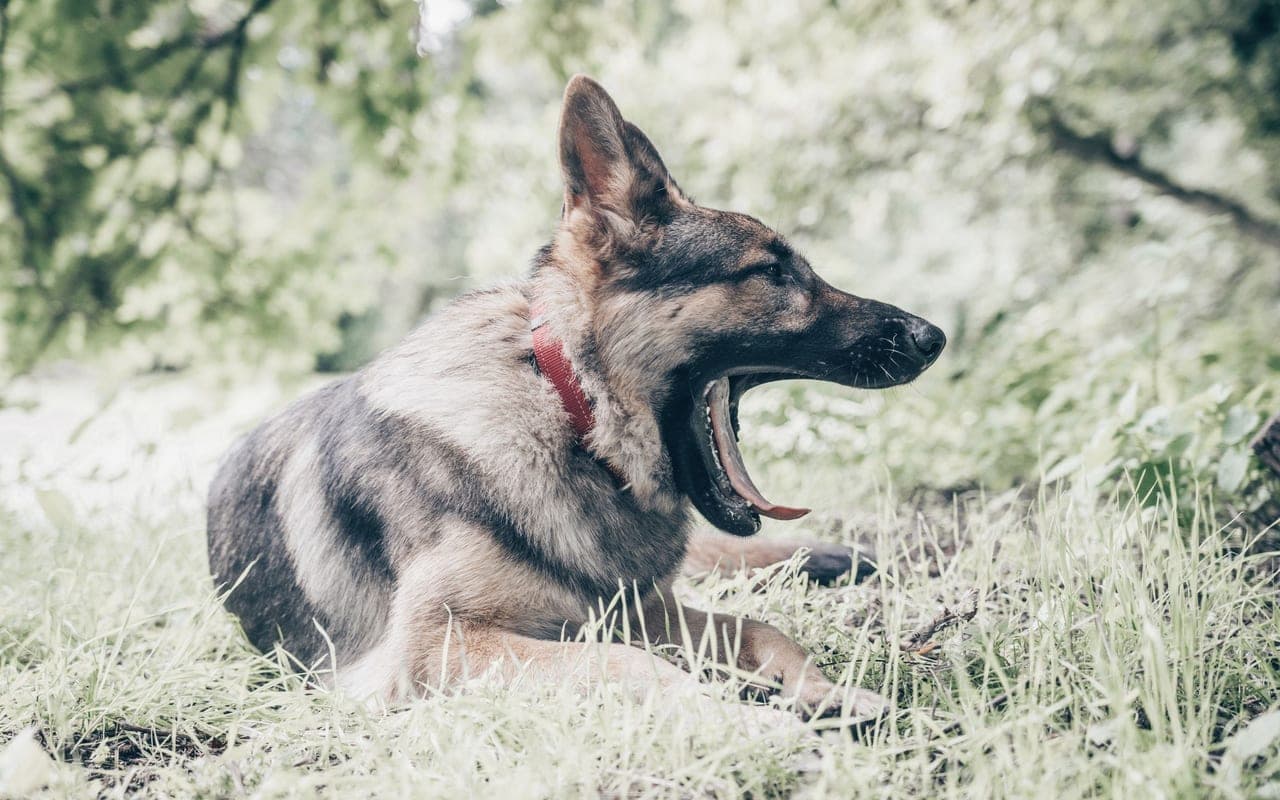
German Shepherd
Also in the Herding group, with different care and temperament tradeoffs.
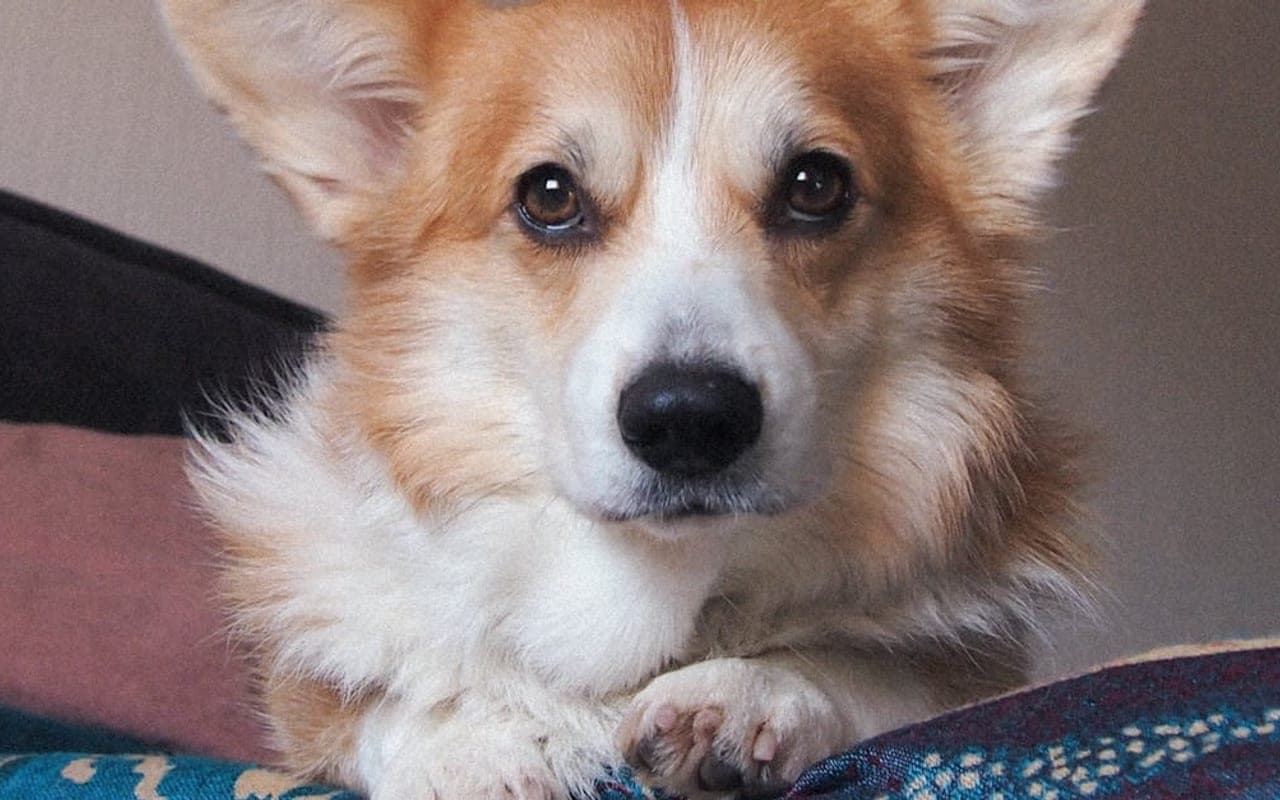
Pembroke Welsh Corgi
Also in the Herding group, with different care and temperament tradeoffs.
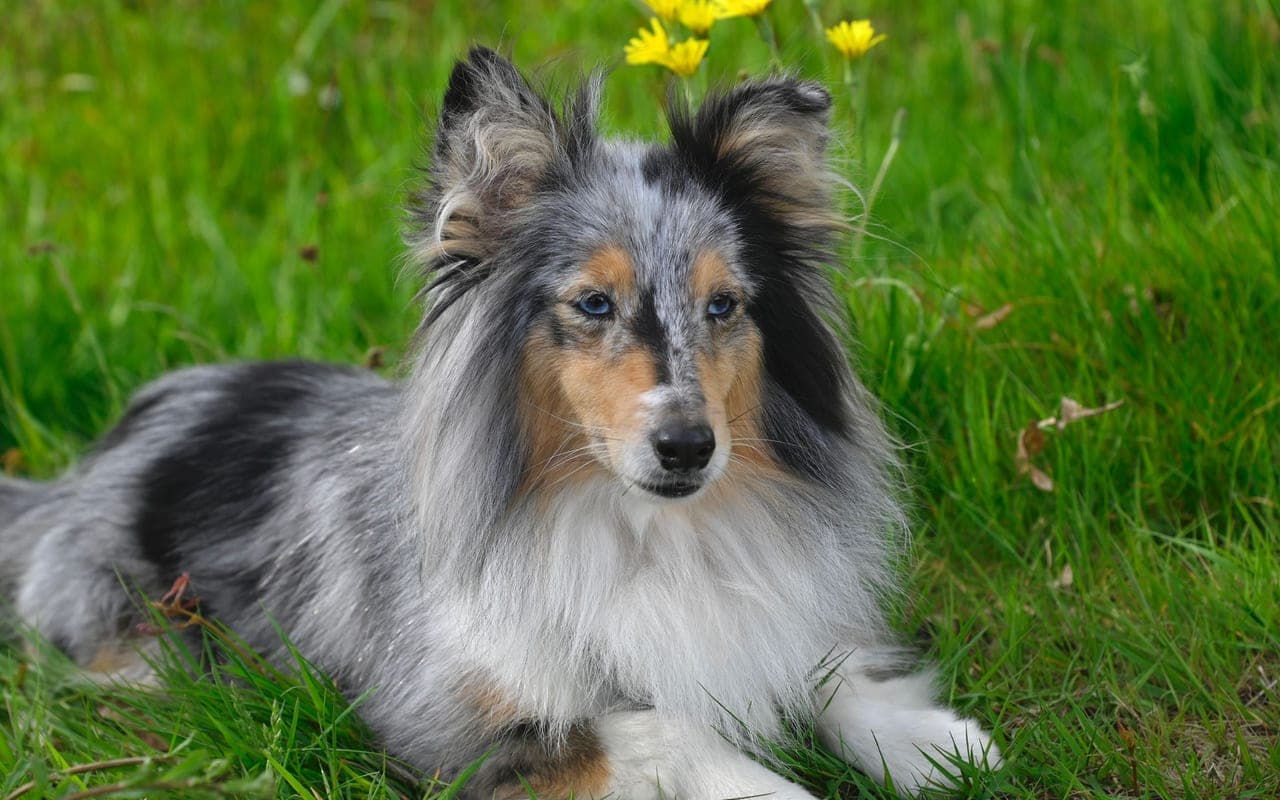
Shetland Sheepdog
Also in the Herding group, with different care and temperament tradeoffs.
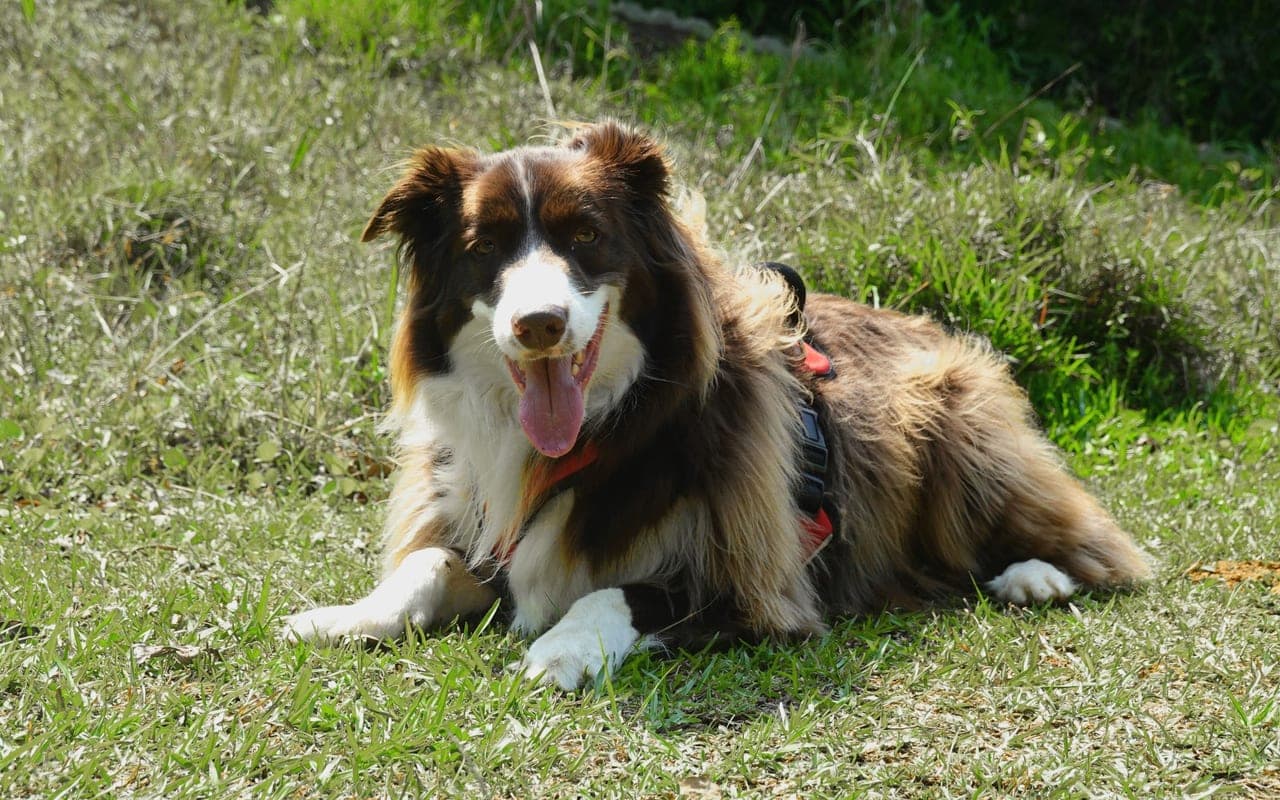
Border Collie
Also in the Herding group, with different care and temperament tradeoffs.
Explore More About Icelandic Sheepdog
Dive deeper into everything Icelandic Sheepdog — costs, care, and expert insights.
Considering a cat instead?
Browse Cats