
Terrier group
Irish Terrier
The Irish Terrier is a medium-sized, long-legged working terrier with a fiery red coat and a temperament to match — and the mismatch buyers make most often is underestimating the 'terrier' half of that description because the dog is so devoted and tenderhearted with its own family.
Size
24-28 lb
Lifespan
13-15 years
Exercise
30-60 minutes
Shedding
Moderate
Experience
Match to owner routine
Decision first
Is a Irish Terrier right for you?
Start with fit before history or trivia. These are ownership signals, not guarantees about any individual dog.
Best suited for
- Households with children.
- Homes with other compatible pets.
- Apartment homes with a consistent routine.
- Owners seeking a manageable daily exercise routine.
Think carefully if
- You need a dog with almost no daily routine.
- You cannot keep up with grooming and preventive care.
- The dog will spend most days alone without support.
Conditional fit
Apartment fit depends on exercise, enrichment, noise management, and outdoor access.
Daily reality
Irish Terrier commitment snapshot
Daily exercise
30-60 minutes
Match activity to age, health, weather, and training goals.
Coat care
Moderate
Grooming needs vary by coat, shedding, and lifestyle.
Time alone
Needs planning
Most dogs need gradual alone-time conditioning and support.
Structured facts
Irish Terrier at a glance
The measurements and traits that most affect day-to-day life with this breed.
Group
Terrier
Weight
24-28 lb
Height
18-19 in
Lifespan
13-15 years
Temperament
Bold | Dashing | Tenderhearted
View all characteristics and methodology
Lifestyle fit
- Apartment suitability
- Likely fit
- Child friendliness
- Often good, with socialisation and supervision
- Other-pet fit
- Often compatible with careful introductions
Owner commitment
- Exercise
- 30-60 minutes
- Grooming
- Moderate
- Shedding
- Moderate
- Training
- Moderate
Environment and health
- Health risk
- Needs planning
Ratings combine structured breed data, visible breed fields, and editorial context. They are planning aids, not predictions for an individual dog.
Daily life
Irish Terrier temperament and behavior
The Irish Terrier is a medium-sized, long-legged working terrier with a fiery red coat and a temperament to match — and the mismatch buyers make most often is underestimating the 'terrier' half of that description because the dog is so devoted and tenderhearted with its own family. At home the Irish Terrier is affectionate, loyal, and famously good with its people. Around strange dogs it is a different animal: this breed has a well-earned reputation for dog-to-dog aggression, especially same-sex, and pretending otherwise sets up owners and dogs for trouble. Physically the Irish Terrier stands about 18 inches and weighs roughly 25-27 pounds, built lithe, sturdy, and racy rather than stocky. The dense, wiry double coat is a solid red, red wheaten, or golden red, lies close, and sheds very little but needs hand-stripping or regular grooming to keep its correct harsh texture. The overall picture is balanced and athletic — a true earthdog, not a lap dog. Temperament is bold, spirited, intelligent, and courageous, nicknamed the 'Daredevil.' Irish Terriers are people-oriented and crave family inclusion, are good and protective with children in their household, and are alert, effective watchdogs. The flip side is a strong prey drive, a low tolerance for other dogs, an independent problem-solving mind, and enough stubborn courage that they will not back down from a fight they did not start. Who the Irish Terrier is right for: an experienced, active owner or family that wants a devoted, low-shedding, courageous companion, will socialize and train consistently, can manage dog-aggression and prey drive responsibly, and ideally is a single-dog or carefully-managed multi-dog household. Who it is wrong for: dog-park regulars, homes with multiple same-sex dogs, passive owners, and anyone expecting an easygoing, dog-social terrier.
Bold | Dashing | Tenderhearted
Bold
A common Irish Terrier temperament descriptor that should be interpreted alongside training, exercise, and household fit.
Dashing
A common Irish Terrier temperament descriptor that should be interpreted alongside training, exercise, and household fit.
Tenderhearted
A common Irish Terrier temperament descriptor that should be interpreted alongside training, exercise, and household fit.
Owner note
Temperament labels are starting points, not guarantees. Meet the individual dog and ask about behavior history whenever possible.
Care essentials
How to care for a Irish Terrier
What looking after one actually involves: exercise, grooming, food, training, and routine health.
ExerciseAs needed
- Moderately active breed needing 30-60 minutes of daily exercise through walks, play, and mental stimulation.
GroomingAs needed
- Regular grooming needed — brush 2-3 times per week and bathe monthly.
TrainingAs needed
- Moderately trainable — consistent, patient training with positive methods works best.
NutritionAs needed
- Feed a high-quality dog food appropriate for their age, size, and activity level. Monitor portions to prevent obesity.
Veterinary CareAs needed
- Annual wellness exams, core vaccinations, dental care, and parasite prevention. Breed-specific health screenings as recommended by your vet.
Health planning
Irish Terrier health risks and screening
Every breed has individual health variation. Use this profile for planning and discuss medical decisions with a veterinarian.
Responsible ownership
Finding a Irish Terrier responsibly
What to ask a breeder or rescue is the same conversation for every breed, so we keep it in one place and keep it current.
Health documentation, meeting the parents or foster, contracts and return support, and the warning signs worth walking away from.
Original purpose
Irish Terrier history
History is useful when it explains today's behavior, coat, exercise needs, and training style.
Read the breed history
The Irish Terrier is one of the oldest terrier breeds, developed in Ireland — with roots traced to County Cork and the broader Irish countryside — as an all-purpose farm and sporting dog. It was used to control vermin, guard the home and farm, hunt, retrieve from land and water, and serve as a loyal family companion, valued for courage and versatility on smallholdings that could not afford a specialist for every job. The breed was standardized in the late 19th century and was one of the first terriers recognized by The Kennel Club in Britain. Irish Terriers served notably as messenger and sentinel dogs in the trenches of World War I, where their courage under fire became part of the breed's lore. The AKC recognized the Irish Terrier in 1885. Its history as a fearless, multi-purpose farm terrier explains the modern dog's combination of deep family devotion, sharp prey drive, watchdog instinct, and unwillingness to back down from other dogs.
Gallery
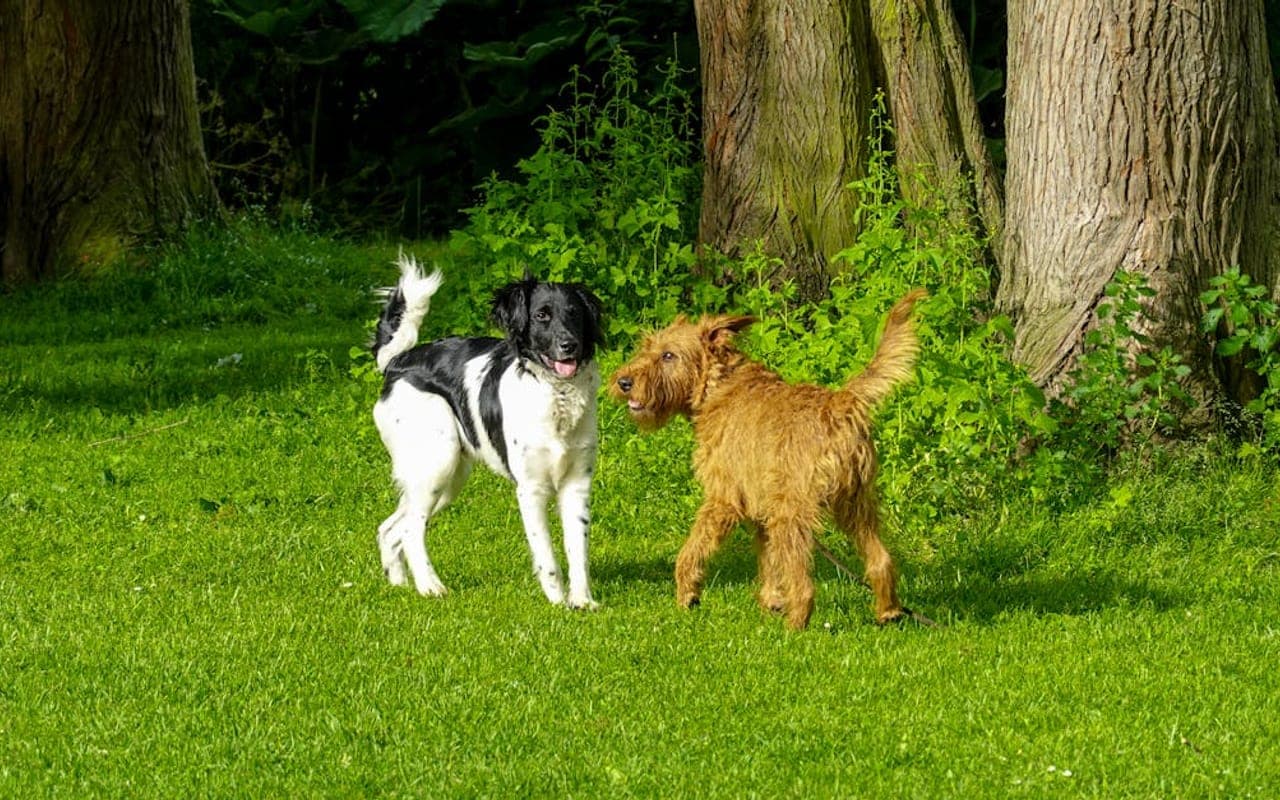
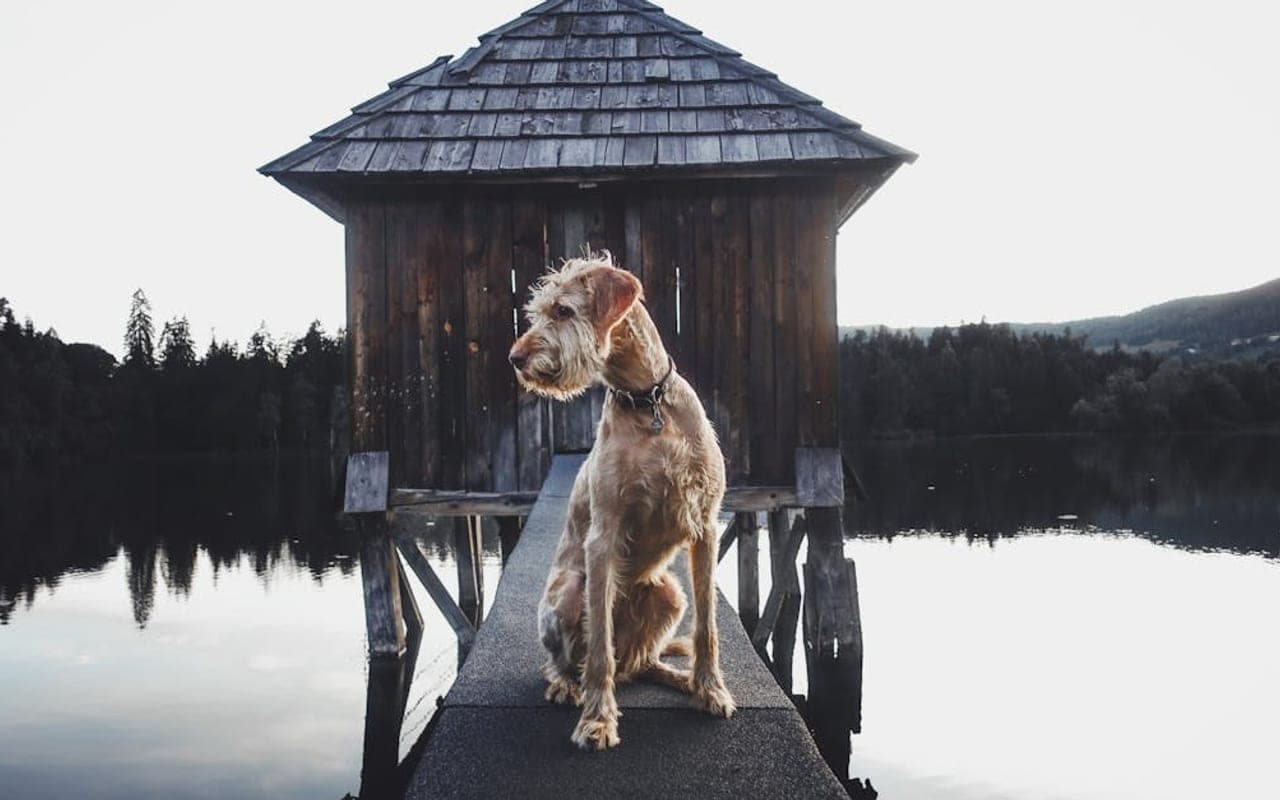
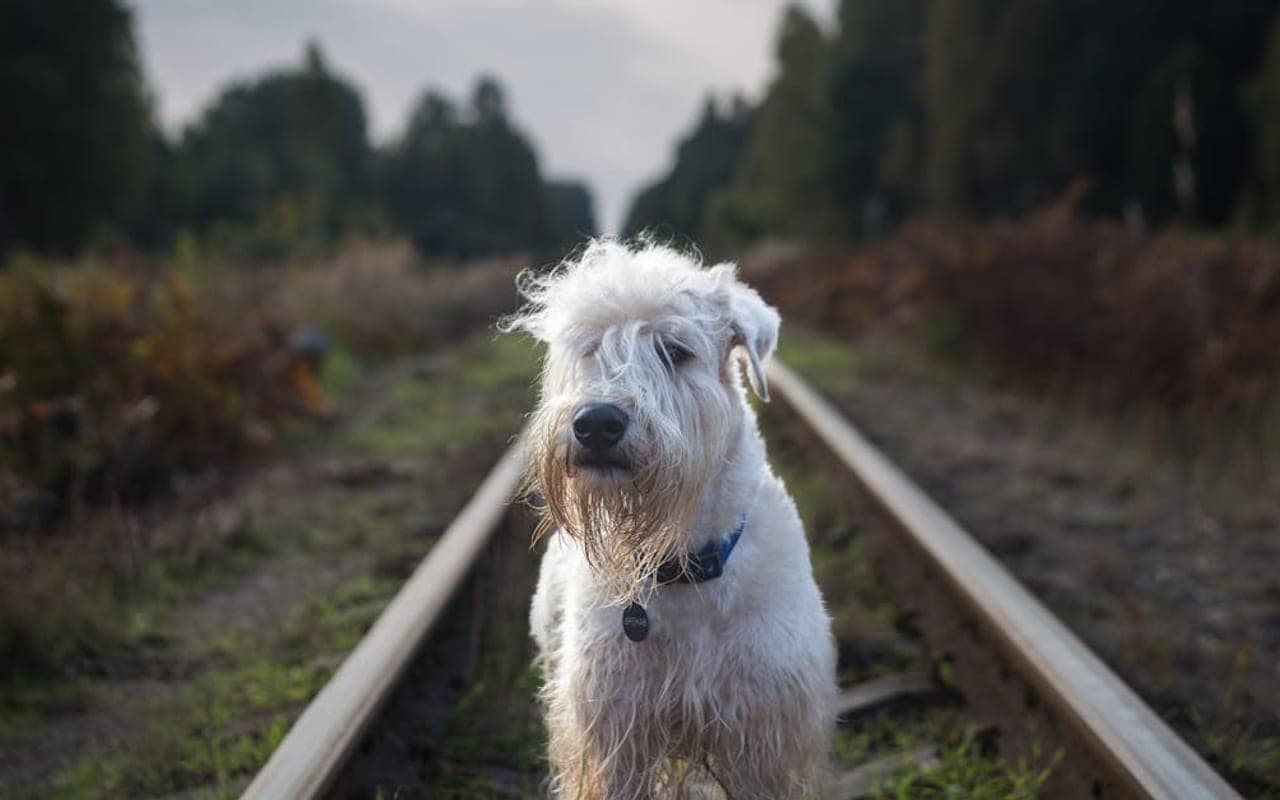
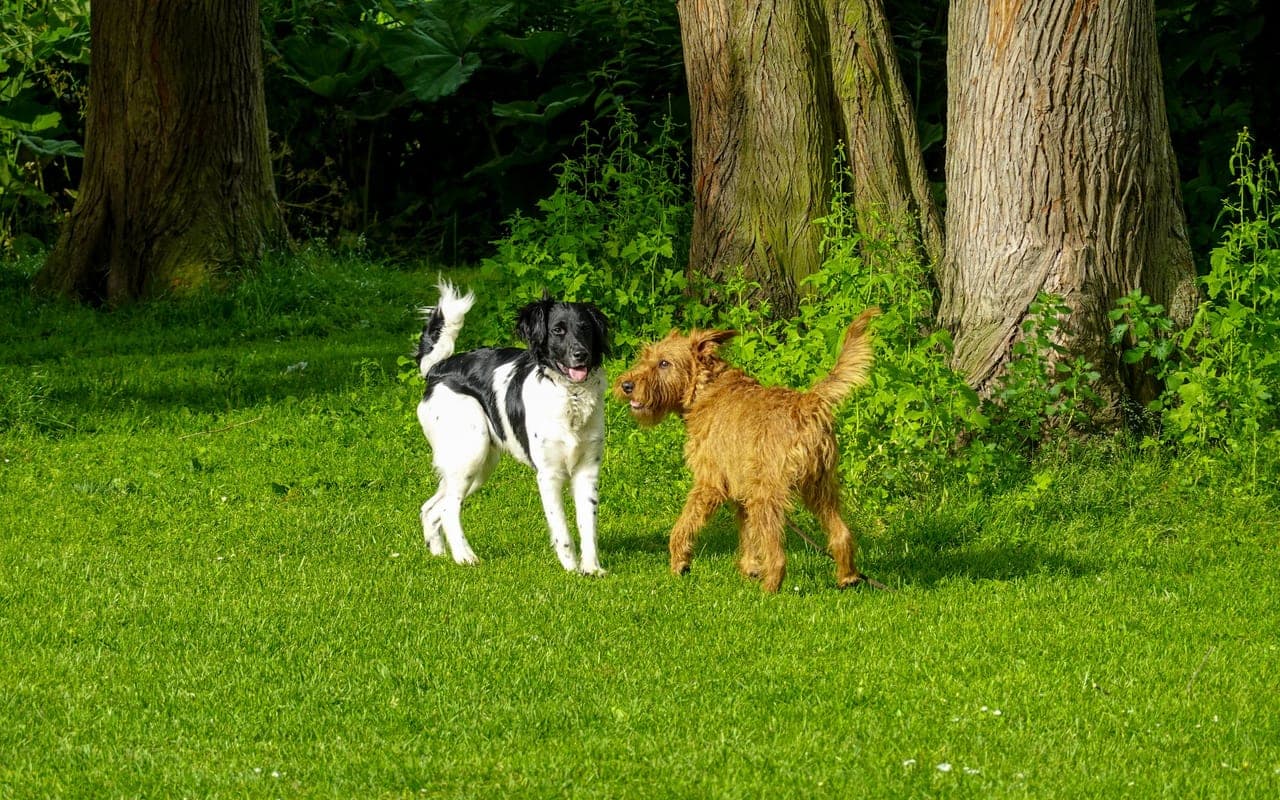
Irish Terrier photos
Images are cropped consistently and loaded progressively to keep the page responsive.
Lower-page context
Irish Terriers in culture
Where the breed shows up in film, sport, work and folklore — the enjoyable part, once the practical questions are answered.
Fun facts
- The Irish Terrier belongs to the Terrier Group.
- With proper care, Irish Terrier dogs can live up to 15 years or more.
- Irish Terrier dogs are valued for their bold, dashing, tenderhearted nature.
Irish Terrier FAQs
How long do Irish Terriers live?
A healthy Irish Terrier typically lives 13-15 years, which is good longevity for a medium-sized dog. The inherited issue most likely to cut that short is cystinuria, which can cause obstructing urinary stones — particularly dangerous in males. Buying from a breeder who DNA-tests for cystinuria and footpad hyperkeratosis, keeping the dog lean, and acting fast on any urinary straining or blood in the urine are the practical things that keep an Irish Terrier on the longer end of that range rather than the shorter.
Are Irish Terriers good with children?
Yes — with their own family's children, Irish Terriers are typically affectionate, playful, protective, and patient, and the breed has a long history as a family farm dog. The real caution is not children but other dogs: the breed's dog-aggression means children should be supervised around the dog when other animals are present, and kids should be taught not to bring strange dogs into the Irish Terrier's space. Within the household, with normal supervision and early socialization, it is a devoted and sturdy family companion.
Are Irish Terriers aggressive with other dogs?
They can be, and prospective owners should plan for it rather than hope to train it away. The Irish Terrier has a documented tendency toward dog-to-dog aggression, particularly toward same-sex dogs, rooted in its bold, fearless working-terrier temperament. With early and continuous socialization many become manageable, but the breed is generally not a good fit for dog parks, off-leash dog areas, or multi-dog same-sex households. Responsible ownership means leash control, careful introductions, and honest decisions about adding other dogs — this is a core ownership skill for the breed.
How much grooming does an Irish Terrier need?
Moderate, and different from most short-coated breeds. The harsh, wiry double coat sheds very little — a plus for allergy-conscious homes — but it needs hand-stripping (plucking out dead coat) a few times a year to keep its correct texture and weather resistance, plus brushing once or twice a week. Many pet owners have the coat clipped by a groomer every 8-12 weeks instead, which is acceptable but softens the texture. Budget either the time to learn stripping or the recurring cost of a terrier-experienced groomer.
Are Irish Terriers easy to train?
They are intelligent and learn quickly, but they are also independent, strong-willed, and stubborn — a classic terrier package. They respond well to positive, firm, consistent training started in puppyhood and will exploit inconsistency or shut down under harsh handling. Recall is a particular challenge because of the strong prey drive, so off-leash reliability around running animals should not be assumed. The breed is very trainable for an experienced owner who provides structure and motivation; it frustrates passive or inconsistent handlers.
Do Irish Terriers need a lot of exercise?
Yes. The Irish Terrier is an athletic, high-stamina working terrier that needs 45-60+ minutes of real daily exercise plus mental stimulation — brisk walks, safe off-leash running, fetch, and terrier sports like earthdog or barn hunt suit it well. An under-exercised Irish Terrier channels that energy into digging, barking, escaping, and reactivity. This is not a low-maintenance lap dog; meeting its physical and mental needs is the single most reliable way to get the calm, devoted companion the breed can be indoors.
Sources
These are the published sources this page draws on. Each opens in a new tab so you can check it yourself.
American Kennel Club
Irish Terrier — breed standard and profile(opens in a new tab)Supports: Breed standard and recognition details.
Similar breeds to consider
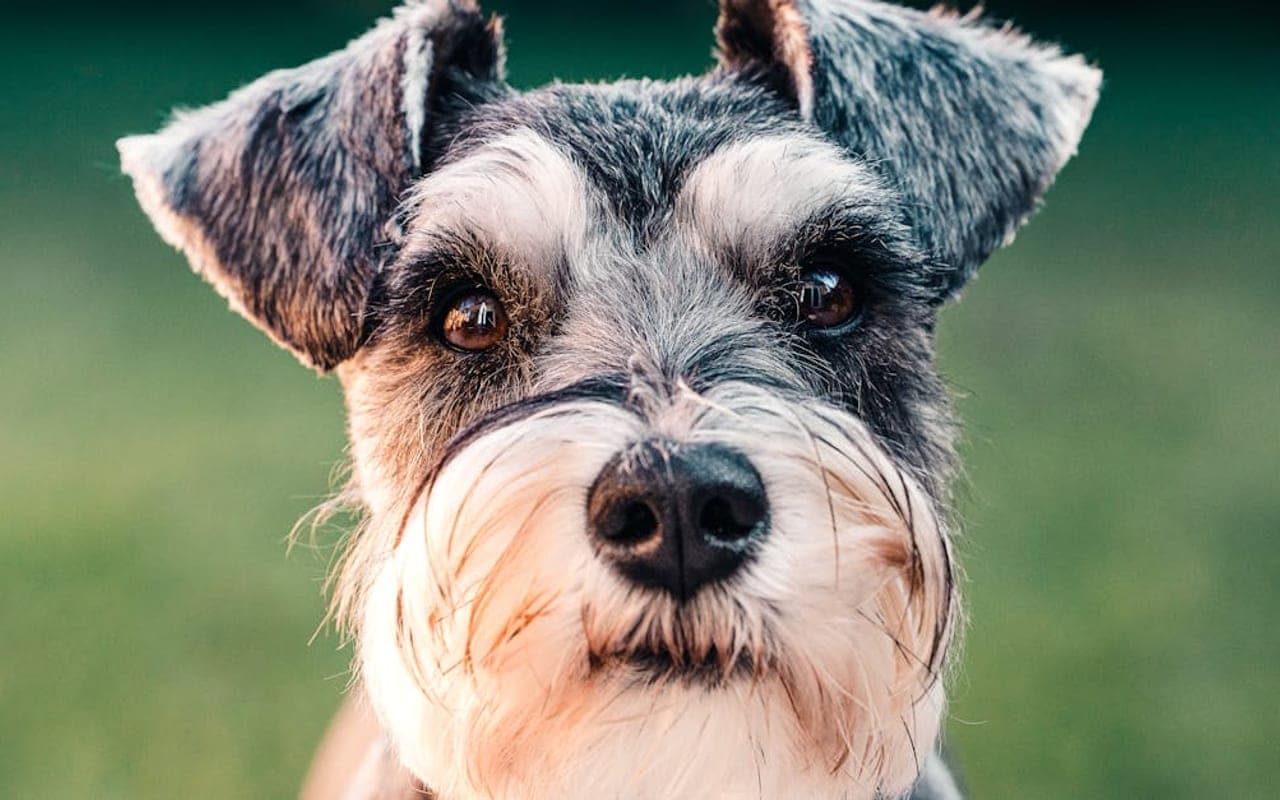
Miniature Schnauzer
Also in the Terrier group, with different care and temperament tradeoffs.
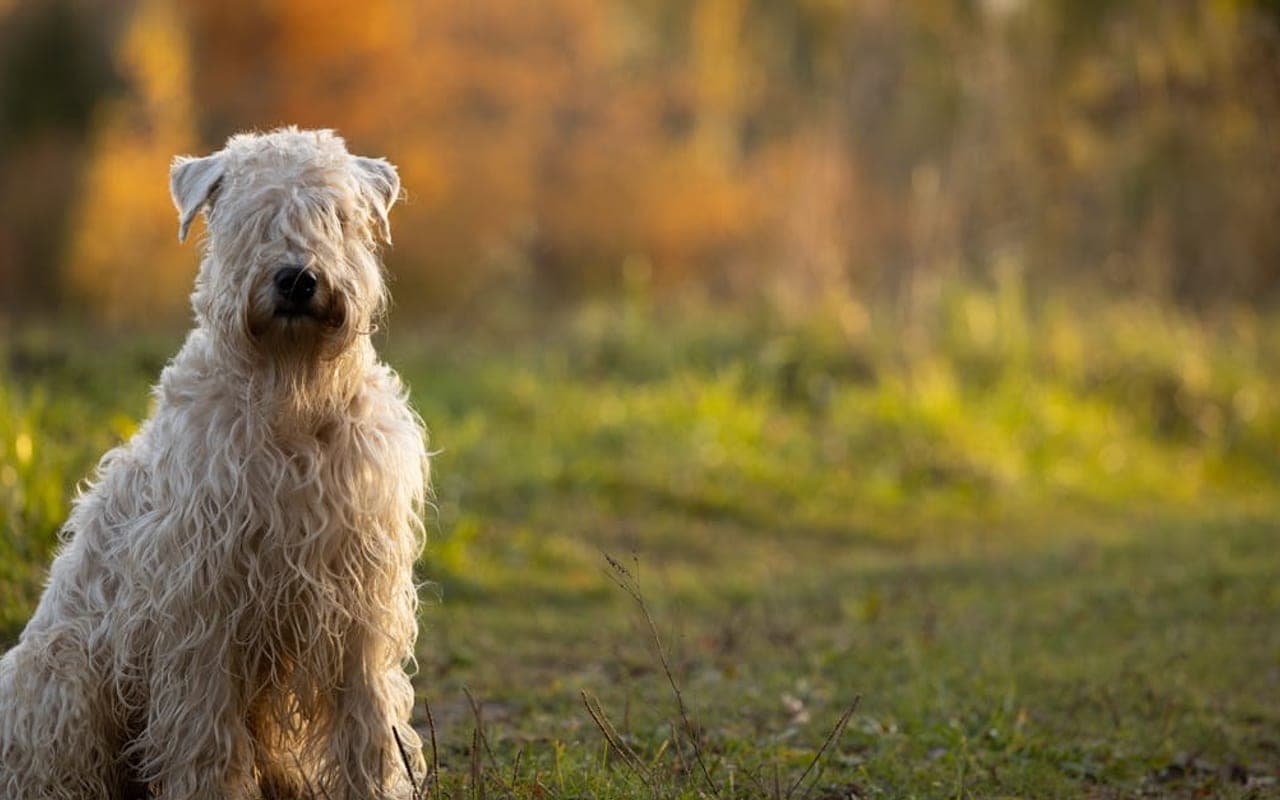
Soft Coated Wheaten Terrier
Also in the Terrier group, with different care and temperament tradeoffs.

Airedale Terrier
Also in the Terrier group, with different care and temperament tradeoffs.
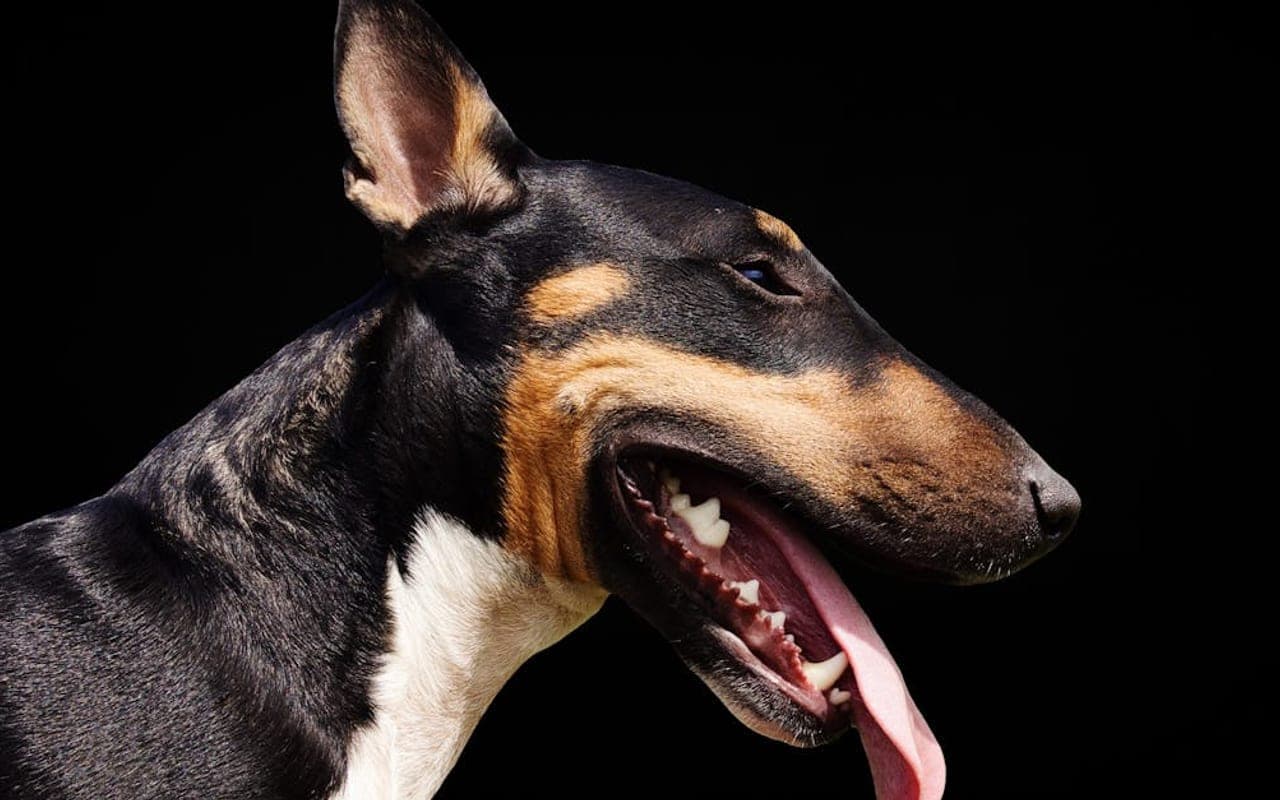
Bull Terrier
Also in the Terrier group, with different care and temperament tradeoffs.
Explore More About Irish Terrier
Dive deeper into everything Irish Terrier — costs, care, and expert insights.
Large Dog Care Guide: Everything Over 50 lbs
Owning a large or giant breed dog means accepting one of biology's...
Puppy Teething & Biting: Timeline and What Actually Works
A puppy has all 28 deciduous ("baby") teeth by roughly eight weeks of age, and...
Considering a cat instead?
Browse Cats