
Hound group
Irish Wolfhound
The Irish Wolfhound is the tallest dog breed in the world, and the single most important thing any honest profile can tell you is this: you are not adopting a dog so much as signing up for roughly six to eight years with a 120-to-180-pound housemate whose heart, bones, and stomach are all working against the clock.
Size
106-154 lb
Lifespan
6-8 years
Exercise
30-60 minutes
Shedding
Moderate
Experience
Match to owner routine
Decision first
Is a Irish Wolfhound right for you?
Start with fit before history or trivia. These are ownership signals, not guarantees about any individual dog.
Best suited for
- Households with children.
- Homes with other compatible pets.
- Owners seeking a manageable daily exercise routine.
Think carefully if
- You need a dog with almost no daily routine.
- You cannot keep up with grooming and preventive care.
- The dog will spend most days alone without support.
Conditional fit
Apartment living may be difficult unless the owner can meet the breed's exercise, training, and space needs.
Daily reality
Irish Wolfhound commitment snapshot
Daily exercise
30-60 minutes
Match activity to age, health, weather, and training goals.
Coat care
Moderate
Grooming needs vary by coat, shedding, and lifestyle.
Time alone
Needs planning
Most dogs need gradual alone-time conditioning and support.
Structured facts
Irish Wolfhound at a glance
The measurements and traits that most affect day-to-day life with this breed.
Group
Hound
Weight
106-154 lb
Height
30-35 in
Lifespan
6-8 years
Temperament
Courageous | Dignified | Calm
View all characteristics and methodology
Lifestyle fit
- Apartment suitability
- Needs caution
- Child friendliness
- Often good, with socialisation and supervision
- Other-pet fit
- Often compatible with careful introductions
Owner commitment
- Exercise
- 30-60 minutes
- Grooming
- Moderate
- Shedding
- Moderate
- Training
- Moderate
Environment and health
- Health risk
- Needs planning
Ratings combine structured breed data, visible breed fields, and editorial context. They are planning aids, not predictions for an individual dog.
Daily life
Irish Wolfhound temperament and behavior
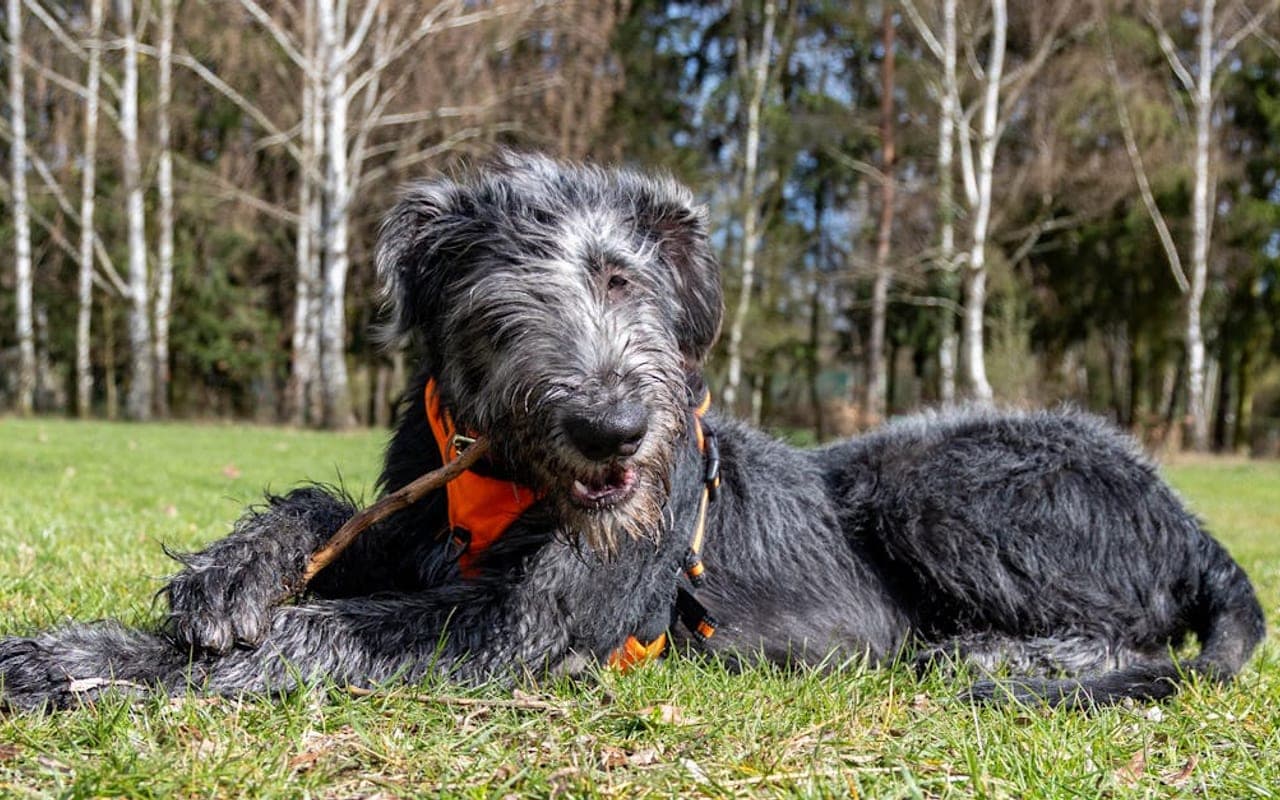
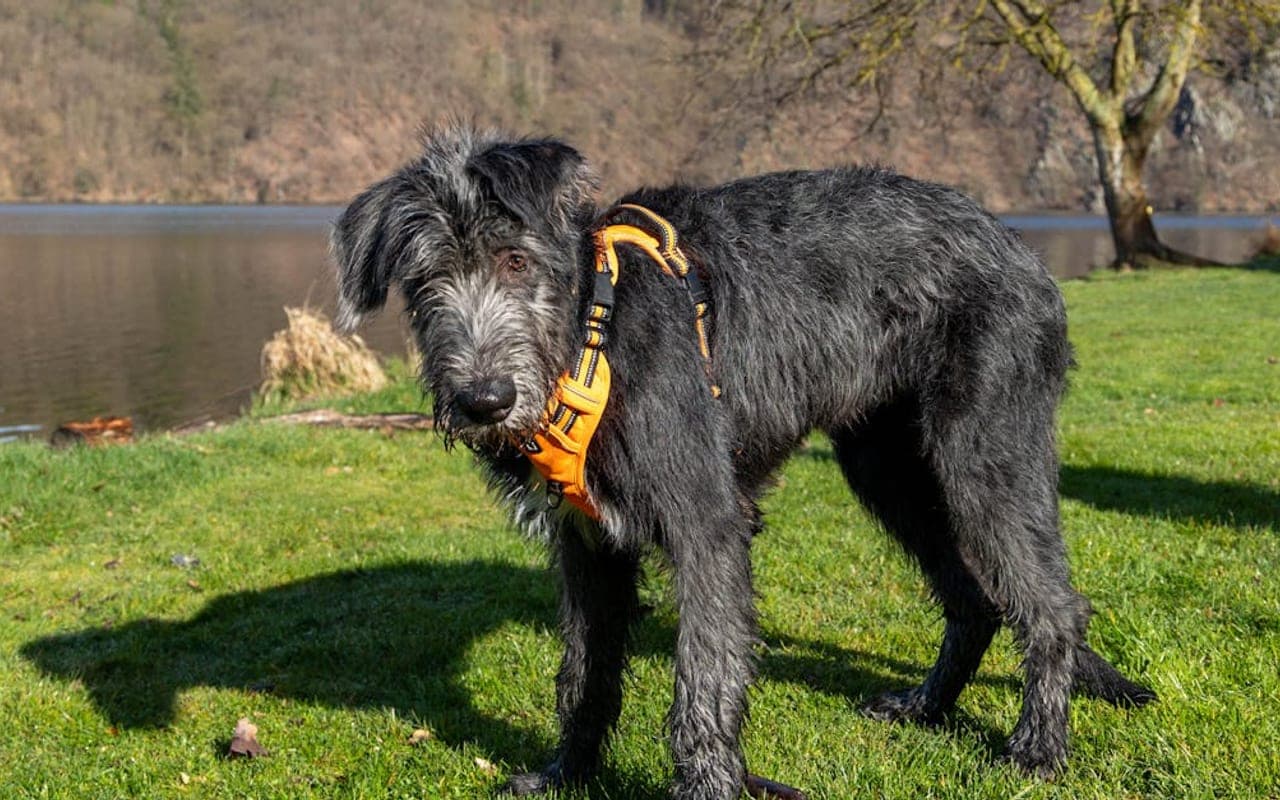
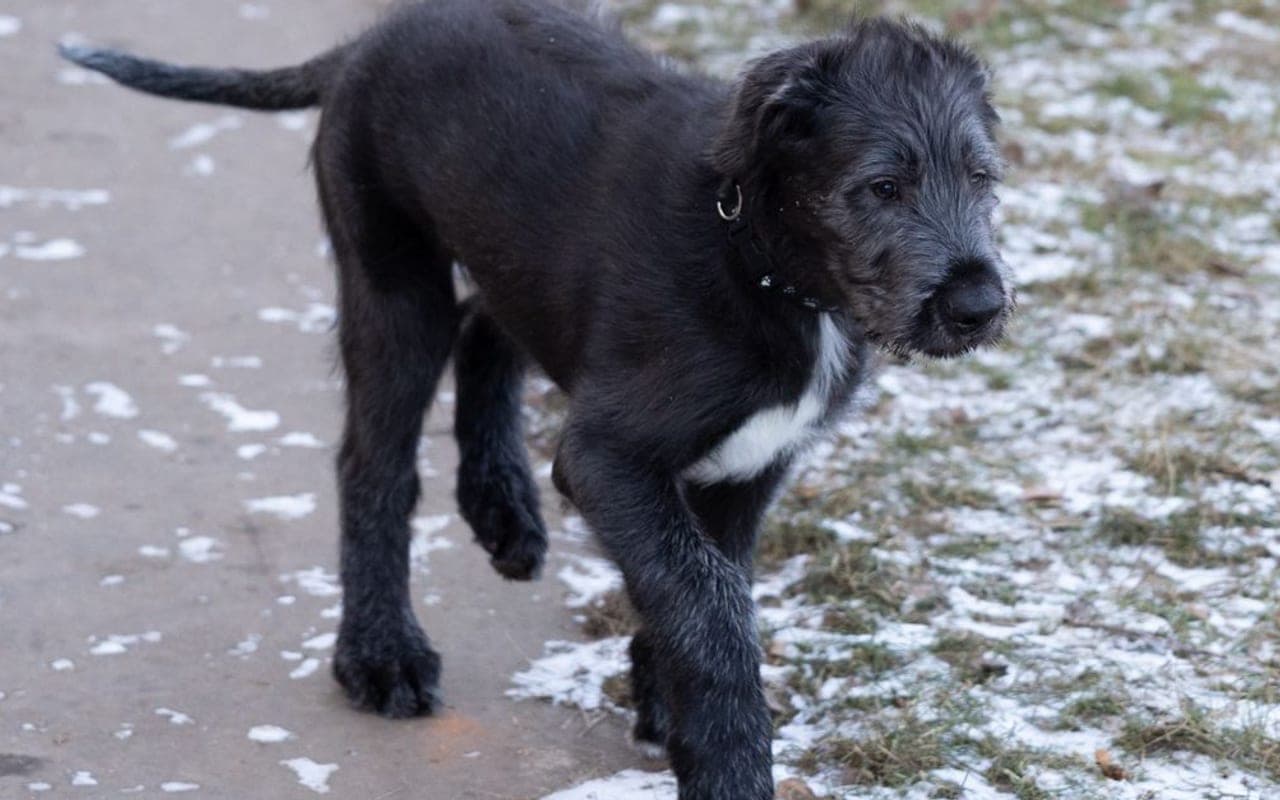
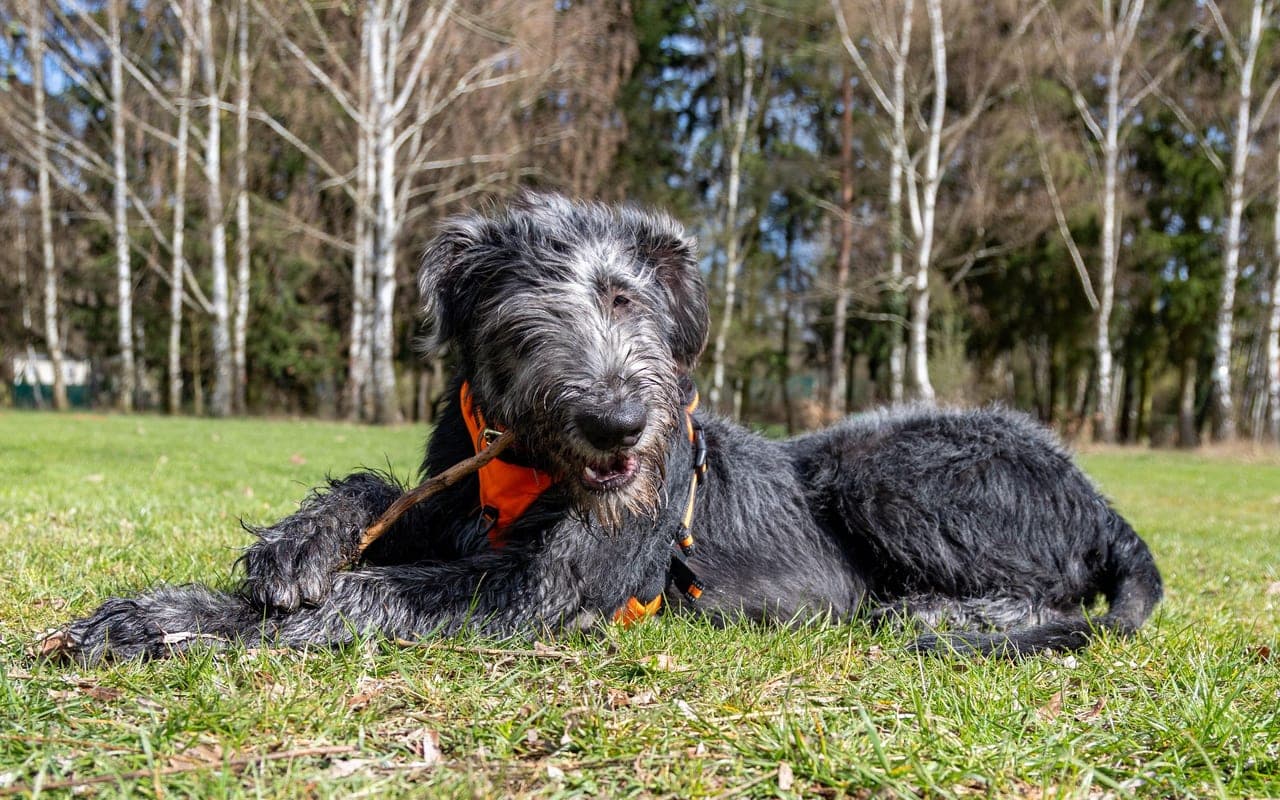
The Irish Wolfhound is the tallest dog breed in the world, and the single most important thing any honest profile can tell you is this: you are not adopting a dog so much as signing up for roughly six to eight years with a 120-to-180-pound housemate whose heart, bones, and stomach are all working against the clock. A mature male stands 32 to 35 inches at the shoulder and weighs 140 to 180 pounds; females run 30 inches and up and 105 to 140 pounds. The rough, harsh double coat comes in grey, brindle, red, black, fawn, and wheaten. This is a sighthound built on Greyhound lines — fast in a short burst, then content to be a wall-to-wall carpet for the next 22 hours. Temperamentally the breed is the opposite of its hunting past. Modern Wolfhounds are calm, dignified, gentle, and famously unsuited to guard work — the breed motto is 'gentle when stroked, fierce when provoked,' but the provoking almost never comes. They bond hard to their family, are patient with children, and are typically fine with other dogs. They are sensitive to harsh handling and do not thrive in kennels or isolation. Who the Irish Wolfhound is right for: an owner with the space (no apartment — this dog needs room simply to turn around), the budget (giant-breed food, giant-breed medical bills, and giant-breed grief), and above all the emotional readiness for a short life. Who it is wrong for: anyone who wants a long-lived dog, anyone on a tight medical budget, anyone in a small home, or anyone who cannot commit to a screened puppy from heart-tested parents. The Wolfhound's size is its romance and its tragedy in equal measure — go in with both eyes open.
Courageous | Dignified | Calm
Courageous
A common Irish Wolfhound temperament descriptor that should be interpreted alongside training, exercise, and household fit.
Dignified
A common Irish Wolfhound temperament descriptor that should be interpreted alongside training, exercise, and household fit.
Calm
A common Irish Wolfhound temperament descriptor that should be interpreted alongside training, exercise, and household fit.
Owner note
Temperament labels are starting points, not guarantees. Meet the individual dog and ask about behavior history whenever possible.
Care essentials
How to care for a Irish Wolfhound
What looking after one actually involves: exercise, grooming, food, training, and routine health.
ExerciseAs needed
- Moderately active breed needing 30-60 minutes of daily exercise through walks, play, and mental stimulation.
GroomingAs needed
- Regular grooming needed — brush 2-3 times per week and bathe monthly.
TrainingAs needed
- Moderately trainable — consistent, patient training with positive methods works best.
NutritionAs needed
- Feed a high-quality dog food appropriate for their age, size, and activity level. Monitor portions to prevent obesity.
Veterinary CareAs needed
- Annual wellness exams, core vaccinations, dental care, and parasite prevention. Breed-specific health screenings as recommended by your vet.
Health planning
Irish Wolfhound health risks and screening
Every breed has individual health variation. Use this profile for planning and discuss medical decisions with a veterinarian.
Responsible ownership
Finding a Irish Wolfhound responsibly
What to ask a breeder or rescue is the same conversation for every breed, so we keep it in one place and keep it current.
Health documentation, meeting the parents or foster, contracts and return support, and the warning signs worth walking away from.
Original purpose
Irish Wolfhound history
History is useful when it explains today's behavior, coat, exercise needs, and training style.
Read the breed history
The Irish Wolfhound is an ancient type, referenced in Irish law and literature for well over a thousand years, where giant hounds were prized by chieftains for hunting wolves and the now-extinct Irish elk and given as royal gifts across Europe. As wolves were exterminated from Ireland and the breed's working purpose vanished, numbers collapsed and the original strain very nearly died out entirely by the mid-1800s. The modern Irish Wolfhound is a deliberate Victorian reconstruction: Captain George Augustus Graham, a British Army officer, spent decades from the 1860s onward gathering the few remaining Wolfhound-type dogs and crossing in Scottish Deerhound, Great Dane, and Borzoi to rebuild the breed to its old stature. The Kennel Club recognized the reconstructed breed in 1925. Every Wolfhound alive today descends from Graham's salvage program — which is part of why the gene pool, and its health, must be managed carefully.
Gallery
Irish Wolfhound photos
Images are cropped consistently and loaded progressively to keep the page responsive.
Lower-page context
Irish Wolfhounds in culture
Where the breed shows up in film, sport, work and folklore — the enjoyable part, once the practical questions are answered.
Fun facts
- The Irish Wolfhound belongs to the Hound Group.
- The average lifespan of a Irish Wolfhound is 6 to 8 years.
- Irish Wolfhound dogs are valued for their courageous, dignified, calm nature.
Irish Wolfhound FAQs
How long do Irish Wolfhounds live?
Honestly, not long — typically 6 to 8 years, one of the shortest lifespans of any breed. The drivers are dilated cardiomyopathy, osteosarcoma, and bloat, all of which the giant frame predisposes the dog to. Buying from a breeder who heart-screens parents annually and keeping the dog lean buys time at the margins, but no Wolfhound owner should expect a 12-year companion. Adopt this breed knowing the goodbye comes early.
Are Irish Wolfhounds good apartment dogs?
No, and not for the reason most people assume. A Wolfhound is calm and low-energy indoors, but it is physically enormous — a dog that needs floor space simply to lie down, turn around, and not knock a coffee table with its tail. Stairs, tight corners, and small vehicles are real daily problems. They need a house with room and ideally a securely fenced yard, even though they only need 40-60 minutes of exercise a day.
How much does it cost to own an Irish Wolfhound?
Plan for premium across the board. A well-bred, health-screened puppy commonly runs $1,800-$3,000+. The recurring cost is the surprise: giant-breed food, giant-breed medication doses, orthopedic bedding, and a realistic emergency fund — bloat surgery alone is $3,000-$7,000+, and cardiac workups or osteosarcoma treatment escalate quickly. Pet insurance taken out while the puppy is healthy is one of the few financial defenses that actually works for this breed.
Are Irish Wolfhounds good with children?
Yes, in temperament — they are patient, gentle, and tolerant, and bond closely with family. The caution is purely mechanical: a dog this size can knock a toddler over without any aggression simply by moving or wagging. Supervise interactions with small children, teach the dog not to lean its full weight on people, and give it a quiet space. The risk here is accidental injury from size, not temperament.
Do Irish Wolfhounds need a lot of exercise?
Less than their size suggests — an adult is content with 40-60 minutes of moderate daily exercise plus the occasional short gallop in a safe enclosed space. The far more important rule is restraint during growth: do not jog, jump, or over-exercise a Wolfhound under 18 months, because forcing a developing giant skeleton is a direct cause of lifelong, expensive joint disease. With this breed, under-doing puppy exercise is safer than over-doing it.
Why do Irish Wolfhounds get bloat, and how do I prevent it?
Their deep, narrow chest lets the stomach distend and twist (GDV) — a fatal emergency within hours. Reduce risk by feeding 2-3 small measured meals a day instead of one large one, avoiding vigorous activity for an hour before and after eating, using a slow-feed bowl, and not elevating the food bowl. Many owners elect a prophylactic gastropexy (a surgical tack of the stomach) during spay/neuter, which largely prevents the twist; discuss it with your vet.
Sources
These are the published sources this page draws on. Each opens in a new tab so you can check it yourself.
American Kennel Club
Irish Wolfhound — breed standard and profile(opens in a new tab)Supports: Breed standard and recognition details.
Similar breeds to consider
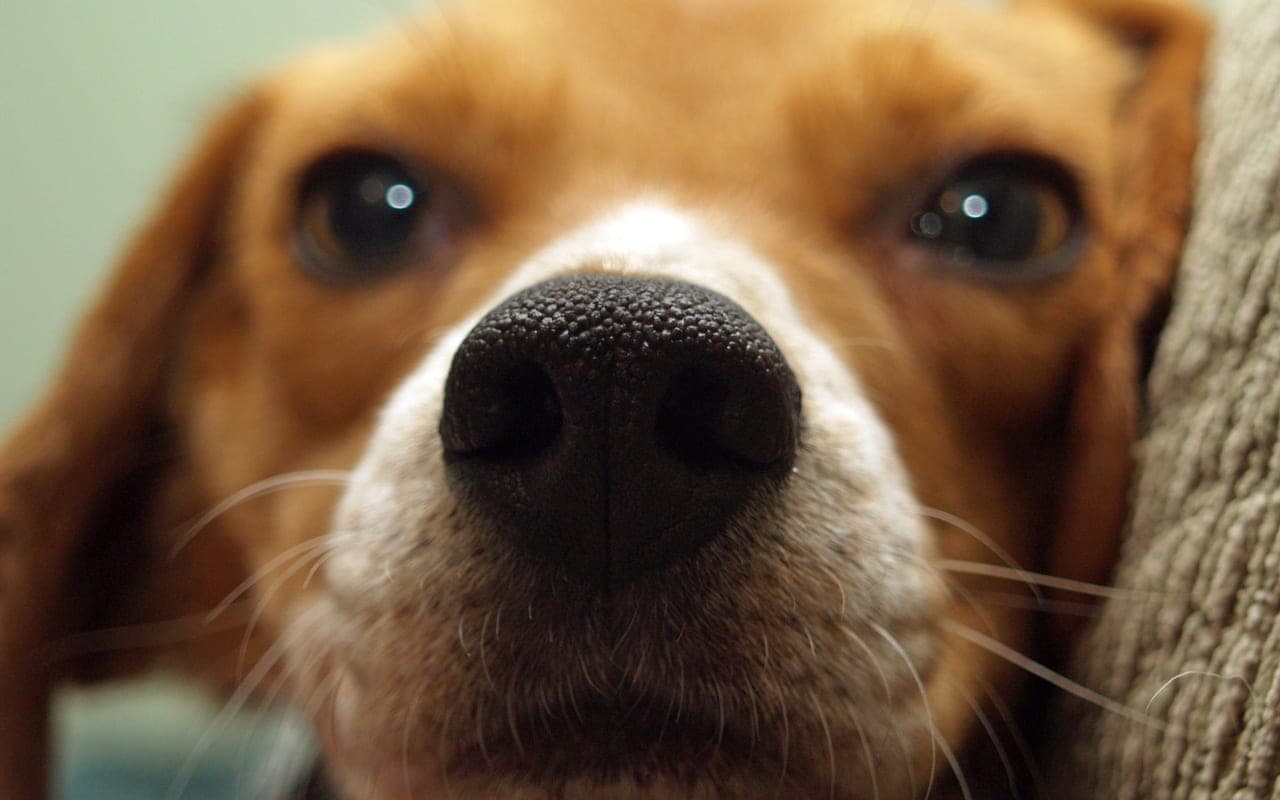
Beagle
Also in the Hound group, with different care and temperament tradeoffs.

Dachshund
Also in the Hound group, with different care and temperament tradeoffs.
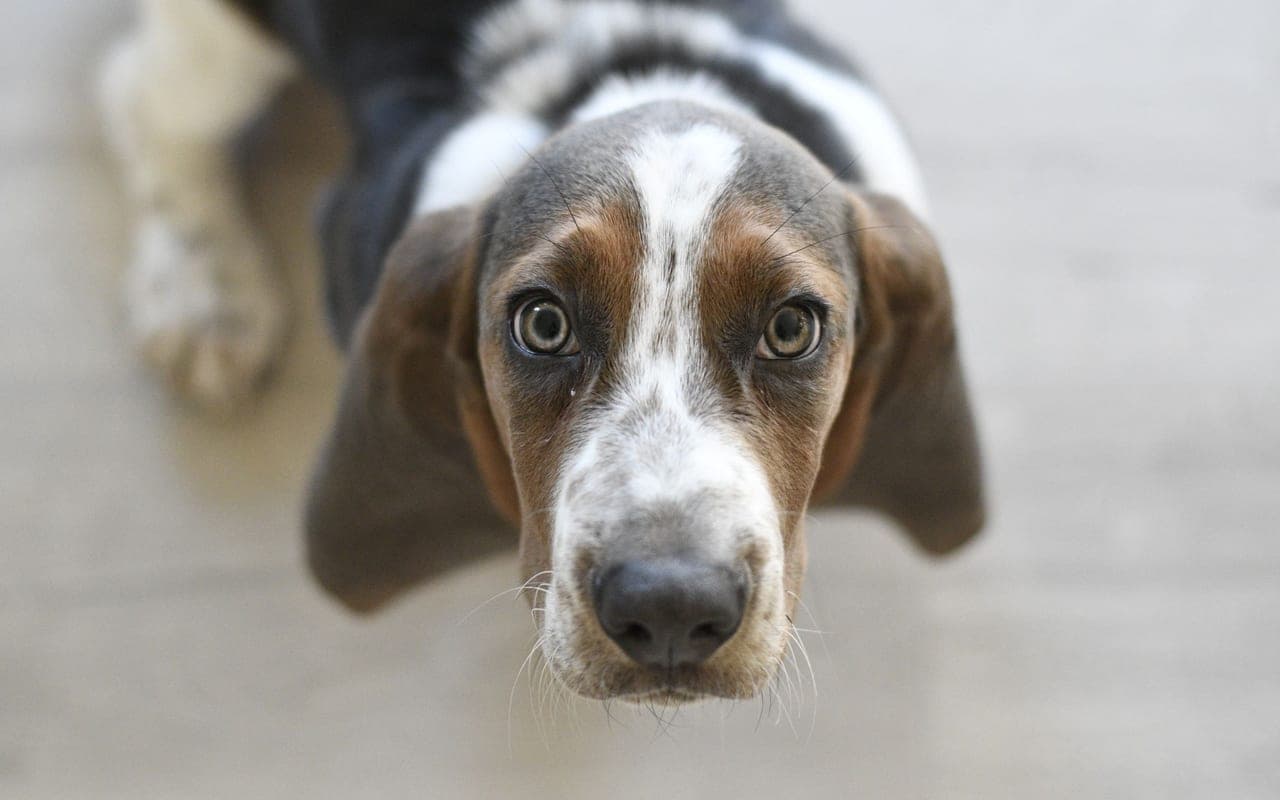
Basset Hound
Also in the Hound group, with different care and temperament tradeoffs.
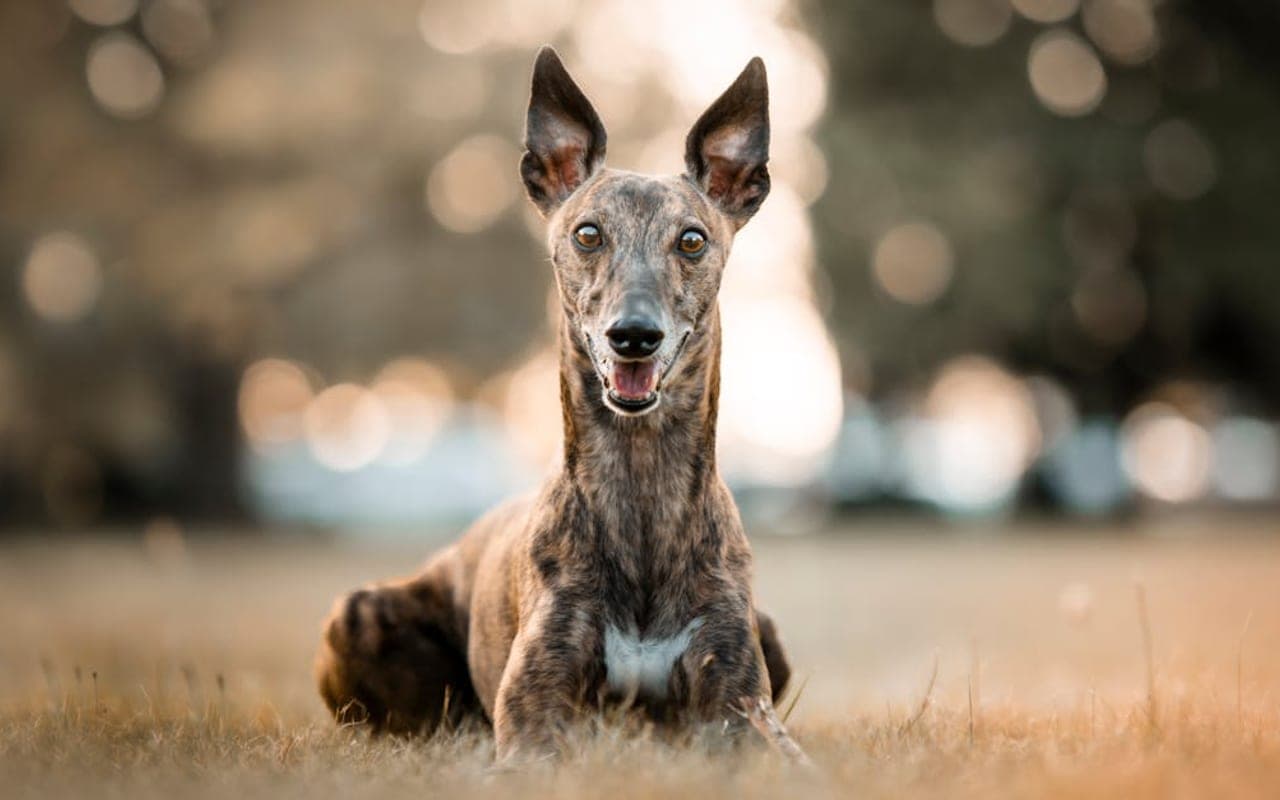
Greyhound
Also in the Hound group, with different care and temperament tradeoffs.
Explore More About Irish Wolfhound
Dive deeper into everything Irish Wolfhound — costs, care, and expert insights.
Large Dog Care Guide: Everything Over 50 lbs
Owning a large or giant breed dog means accepting one of biology's...
Puppy Teething & Biting: Timeline and What Actually Works
A puppy has all 28 deciduous ("baby") teeth by roughly eight weeks of age, and...
Considering a cat instead?
Browse Cats