
Toy group
Italian Greyhound
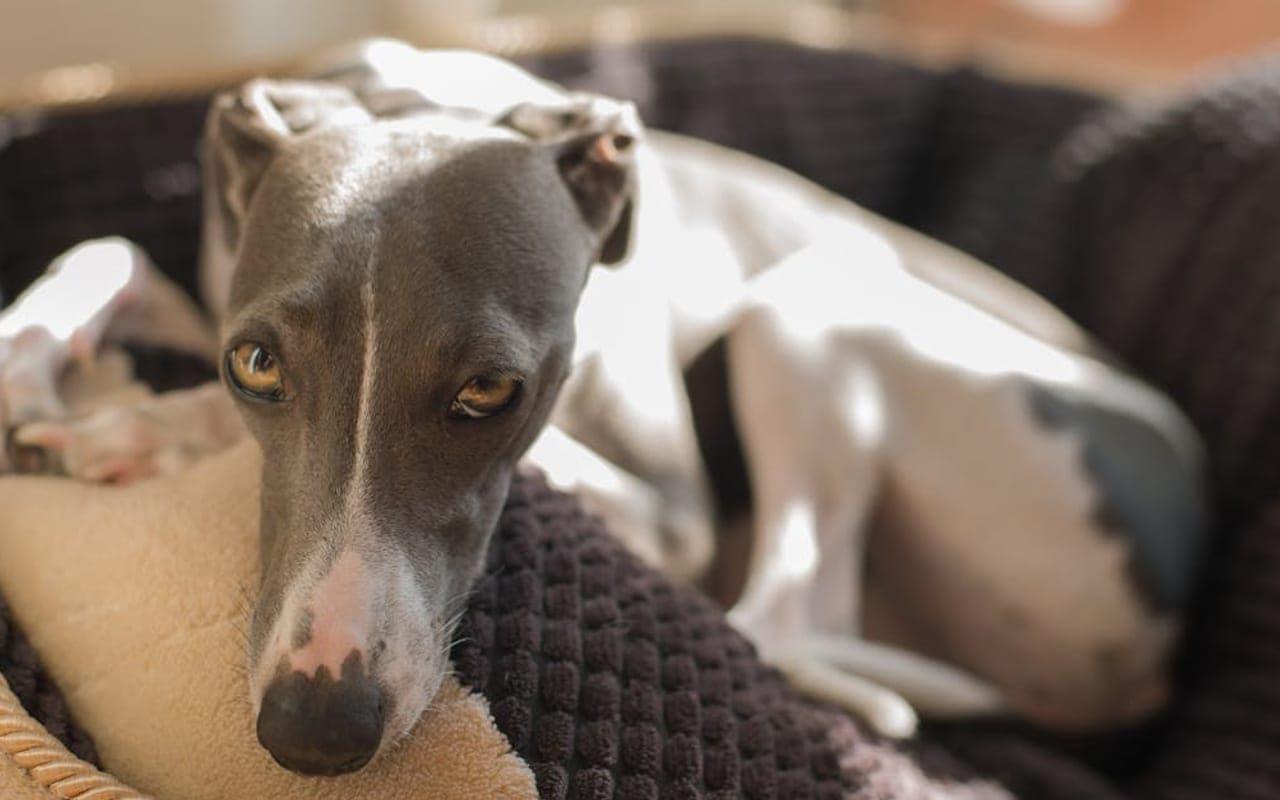
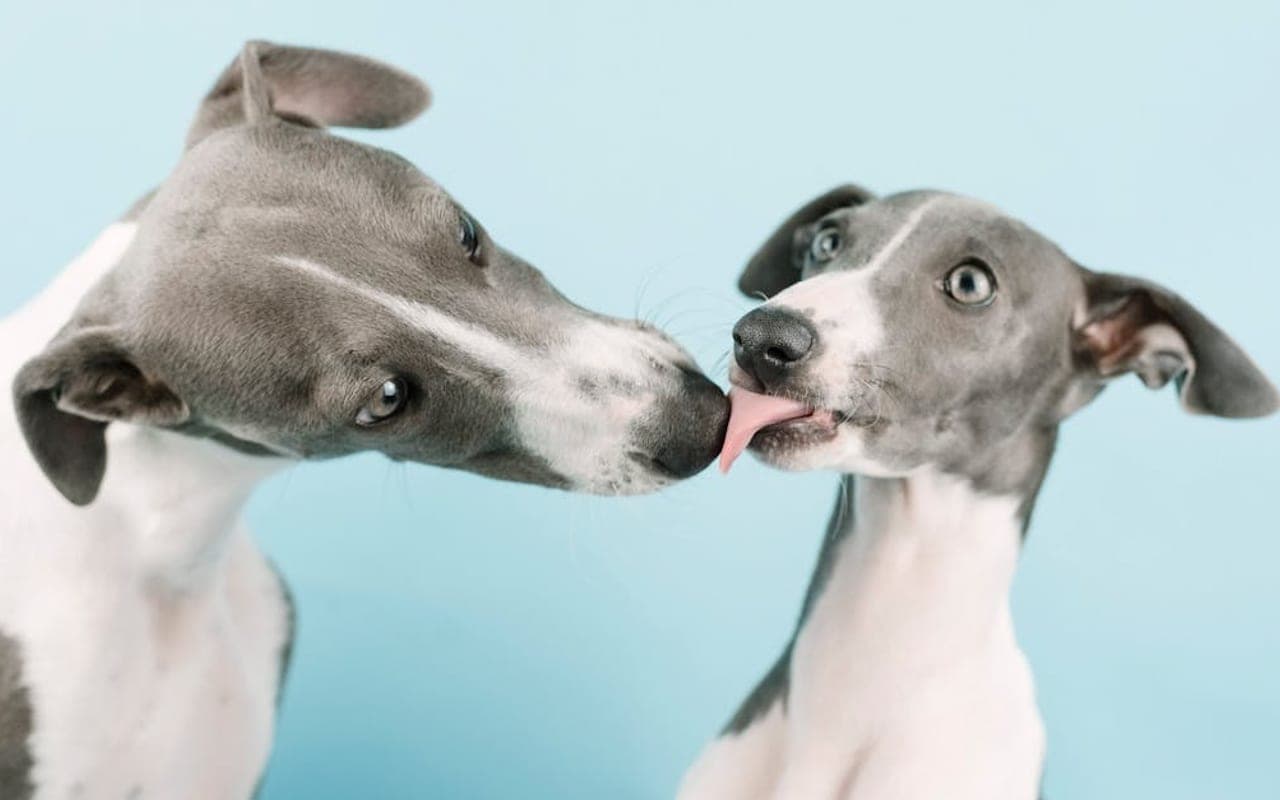
The Italian Greyhound is a true miniature sighthound — 13-15 inches, 7-14 pounds — bred for centuries as an aristocrat's companion and small-game courser, not a fragile decorative toy.


Size
8-15 lb
Lifespan
14-15 years
Exercise
30-60 minutes
Shedding
Moderate
Experience
Match to owner routine
Decision first
Is a Italian Greyhound right for you?
Start with fit before history or trivia. These are ownership signals, not guarantees about any individual dog.
Best suited for
- Households with children.
- Homes with other compatible pets.
- Apartment homes with a consistent routine.
- Owners seeking a manageable daily exercise routine.
Think carefully if
- You need a dog with almost no daily routine.
- You cannot keep up with grooming and preventive care.
- The dog will spend most days alone without support.
Conditional fit
Apartment fit depends on exercise, enrichment, noise management, and outdoor access.
Daily reality
Italian Greyhound commitment snapshot
Daily exercise
30-60 minutes
Match activity to age, health, weather, and training goals.
Coat care
Moderate
Grooming needs vary by coat, shedding, and lifestyle.
Time alone
Needs planning
Most dogs need gradual alone-time conditioning and support.
Structured facts
Italian Greyhound at a glance
The measurements and traits that most affect day-to-day life with this breed.
Group
Toy
Weight
8-15 lb
Height
13-15 in
Lifespan
14-15 years
Temperament
Playful | Alert | Sensitive
View all characteristics and methodology
Lifestyle fit
- Apartment suitability
- Likely fit
- Child friendliness
- Often good, with socialisation and supervision
- Other-pet fit
- Often compatible with careful introductions
Owner commitment
- Exercise
- 30-60 minutes
- Grooming
- Moderate
- Shedding
- Moderate
- Training
- Moderate
Environment and health
- Health risk
- Needs planning
Ratings combine structured breed data, visible breed fields, and editorial context. They are planning aids, not predictions for an individual dog.
Daily life
Italian Greyhound temperament and behavior
The Italian Greyhound is a true miniature sighthound — 13-15 inches, 7-14 pounds — bred for centuries as an aristocrat's companion and small-game courser, not a fragile decorative toy. The looks (slender legs, fine bones, deer-like grace) lead buyers to expect a delicate ornament; the reality is an affectionate, sensitive, fast, and surprisingly athletic dog with two specific, expensive vulnerabilities every owner must plan for: brittle leg bones and severe early dental disease. Expect a velcro dog that bonds intensely with its people, dislikes being left alone, and is genuinely sensitive to harsh tones — house-training is notoriously slow and is worsened by punitive methods, cold weather, and rain (an IG will refuse to toilet outside in cold or wet). The thin single coat plus low body fat make this a cold-intolerant dog that needs coats and sweaters as welfare, not fashion. The defining ownership risk is fractures: young IGs commonly break the radius and ulna jumping off furniture or in normal play between 4-12 months. This is not rare bad luck — it is a breed-characteristic that dictates how you furnish your home and supervise the dog. The second is dental: IGs develop severe periodontal disease early, and daily tooth brushing from puppyhood is not optional. Who the IG is right for: an attentive adult or older-child household that wants a deeply affectionate, low-shedding, quiet-ish sighthound and will commit to fracture-proofing the home, daily dental care, cold-weather management, and patient house-training. Who it is wrong for: homes with toddlers or rambunctious large dogs, owners who leave a dog alone all day, anyone wanting a rugged or low-maintenance dog.
Playful | Alert | Sensitive
Playful
A common Italian Greyhound temperament descriptor that should be interpreted alongside training, exercise, and household fit.
Alert
A common Italian Greyhound temperament descriptor that should be interpreted alongside training, exercise, and household fit.
Sensitive
A common Italian Greyhound temperament descriptor that should be interpreted alongside training, exercise, and household fit.
Owner note
Temperament labels are starting points, not guarantees. Meet the individual dog and ask about behavior history whenever possible.
Care essentials
How to care for a Italian Greyhound
What looking after one actually involves: exercise, grooming, food, training, and routine health.
ExerciseAs needed
- Moderately active breed needing 30-60 minutes of daily exercise through walks, play, and mental stimulation.
GroomingAs needed
- Regular grooming needed — brush 2-3 times per week and bathe monthly.
TrainingAs needed
- Moderately trainable — consistent, patient training with positive methods works best.
NutritionAs needed
- Feed a high-quality dog food appropriate for their age, size, and activity level. Monitor portions to prevent obesity.
Veterinary CareAs needed
- Annual wellness exams, core vaccinations, dental care, and parasite prevention. Breed-specific health screenings as recommended by your vet.
Health planning
Italian Greyhound health risks and screening
Every breed has individual health variation. Use this profile for planning and discuss medical decisions with a veterinarian.
Responsible ownership
Finding a Italian Greyhound responsibly
What to ask a breeder or rescue is the same conversation for every breed, so we keep it in one place and keep it current.
Health documentation, meeting the parents or foster, contracts and return support, and the warning signs worth walking away from.
Original purpose
Italian Greyhound history
History is useful when it explains today's behavior, coat, exercise needs, and training style.
Read the breed history
The Italian Greyhound is an ancient sighthound whose miniature greyhound type appears in Mediterranean art and graves more than two thousand years old; small greyhound-type dogs were kept around the ancient Egyptian, Greek, and Roman worlds. The breed took its modern identity and name in Renaissance Italy, where it became the prized companion of nobility and appears in numerous Old Master portraits of European aristocrats and royalty. It functioned as both a refined lap and court companion and a courser of very small game. The breed nearly suffered from a fashion for breeding extreme miniatures, which damaged soundness before careful breeders restored a functional dog. The American Kennel Club recognized the Italian Greyhound in 1886. That dual heritage — pampered noble companion and true sighthound — explains the modern dog's intense people-bonding, its sensitivity, and its hard-wired instinct to chase fast-moving things.
Gallery
Italian Greyhound photos
Images are cropped consistently and loaded progressively to keep the page responsive.
Lower-page context
Italian Greyhounds in culture
Where the breed shows up in film, sport, work and folklore — the enjoyable part, once the practical questions are answered.
Fun facts
- The Italian Greyhound belongs to the Toy Group.
- The Italian Greyhound is considered a hypoallergenic breed, making it a good choice for allergy sufferers.
- With proper care, Italian Greyhound dogs can live up to 15 years or more.
Italian Greyhound FAQs
Are Italian Greyhounds as fragile as people say?
Their legs are, and that part is real, not exaggerated. Young IGs commonly fracture the forearm bones jumping off a sofa or bed between 4 and 12 months — it is a breed characteristic, not freak bad luck. The dog itself is athletic and not sickly; the specific vulnerability is the thin forelimb bones, which are slender relative to the dog's drive and speed. You manage it with ramps or steps to furniture, supervision around larger or boisterous dogs, short nails for secure footing, non-slip rugs on hard floors, and consistently discouraging jumping on and off raised surfaces for the dog's whole life. Owners who furnish the home around this risk from day one rarely see a fracture; owners who treat it as unlikely often pay for it twice.
How long do Italian Greyhounds live?
The IG is a long-lived breed, typically 14-15 years and often more, partly because as a small dog it avoids many large-breed killers. The main things that shorten or worsen life quality are severe early dental disease (preventable with daily brushing), fracture complications, and anesthesia mishaps when a clinic doesn't use a sighthound-appropriate protocol. Diligent dental care, fracture prevention, and a sighthound-aware vet are the practical levers for the full lifespan.
Why is my Italian Greyhound so hard to house-train?
Two breed-typical reasons. First, IGs are highly sensitive and shut down under harsh correction, so punishment-based training backfires badly. Second, the thin-coated, low-fat IG genuinely hates cold and wet and will refuse to toilet outside in those conditions, which sabotages routine. The fixes: reward-based training, a strict consistent schedule, a coat for cold trips out, and a sheltered or covered potty area. Patience and warmth (literal and figurative) work; pressure does not.
Do Italian Greyhounds really need to wear coats?
Yes — for this breed it is welfare, not fashion. The IG has a single thin coat and almost no body fat, so it loses heat fast and is at real risk of becoming dangerously cold. Use a fitted coat for walks below roughly 50F, add a warm layer indoors in cool rooms, and keep outdoor time short in freezing or wet weather. A shivering, hunched IG that refuses to move outside is telling you it is too cold.
Can Italian Greyhounds be let off-leash?
Only inside a fully fenced area. The IG is a true sighthound: it accelerates to a sprint after any fast-moving thing — a squirrel, a cat, a blowing bag — and its recall collapses under that prey drive even in otherwise well-trained dogs. In open or unfenced space it can be gone and into traffic within seconds, and at full sighthound speed it will not hear or heed a recall cue. Give it secure off-leash sprinting in a solidly fenced yard or enclosed field where it can use its speed safely, and keep it on leash or long-line everywhere else for its whole life. Treating this as a hard rule rather than a judgment call is what keeps the breed alive.
Sources
These are the published sources this page draws on. Each opens in a new tab so you can check it yourself.
American Kennel Club
Italian Greyhound — breed standard and profile(opens in a new tab)Supports: Breed standard and recognition details.
Similar breeds to consider
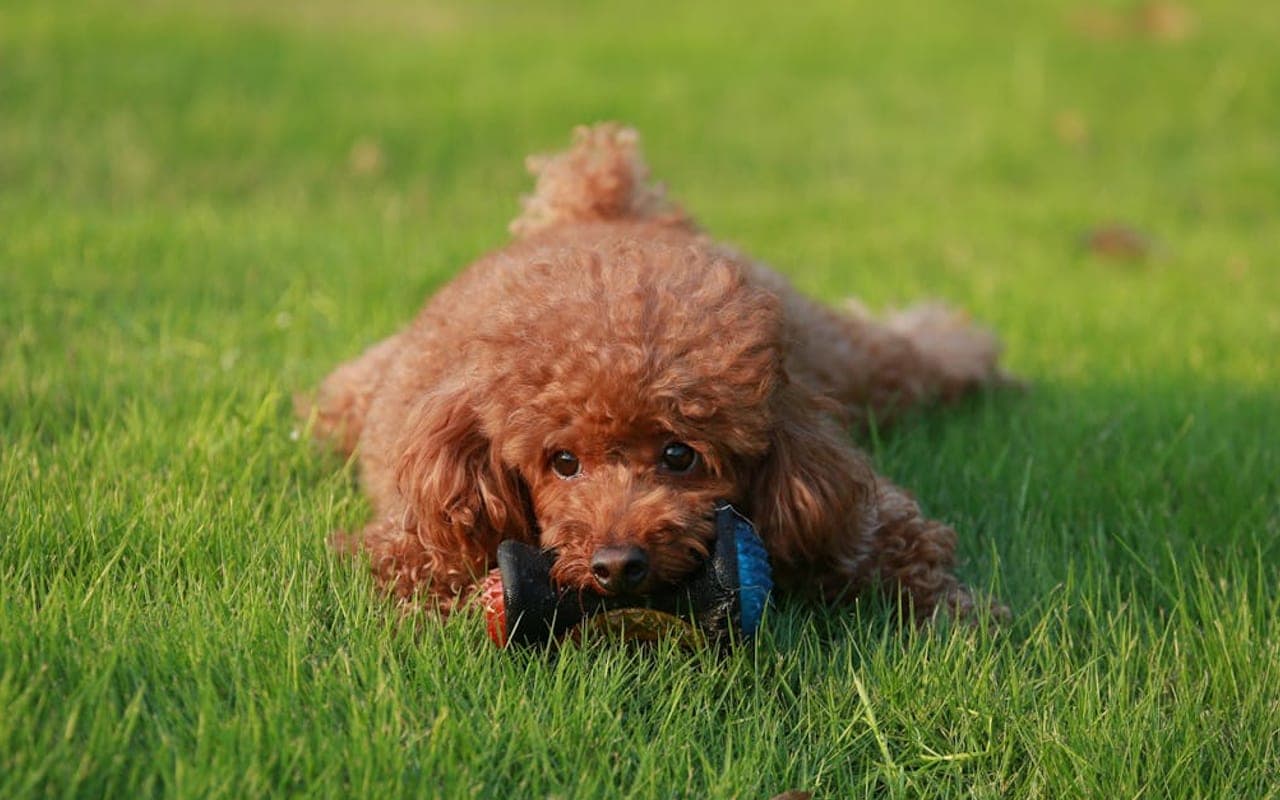
Poodle (Toy)
Also in the Toy group, with different care and temperament tradeoffs.
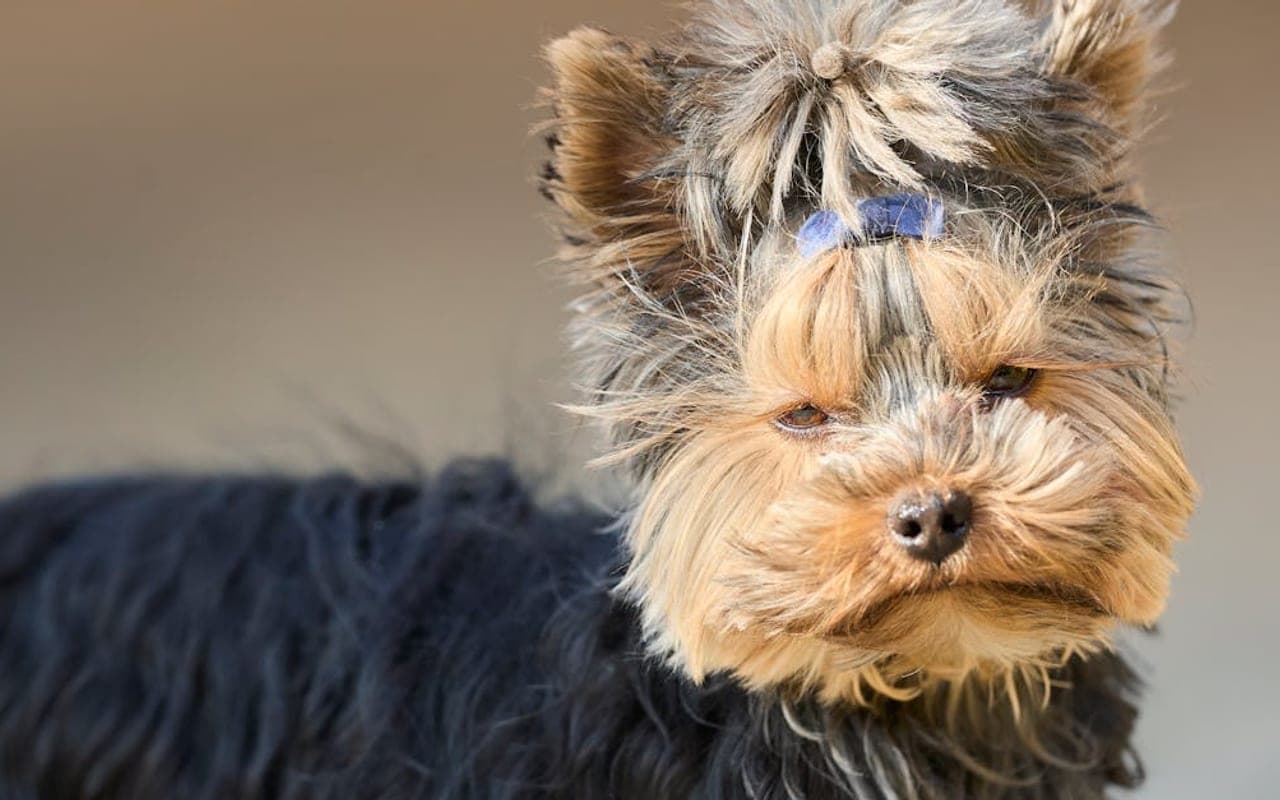
Yorkshire Terrier
Also in the Toy group, with different care and temperament tradeoffs.
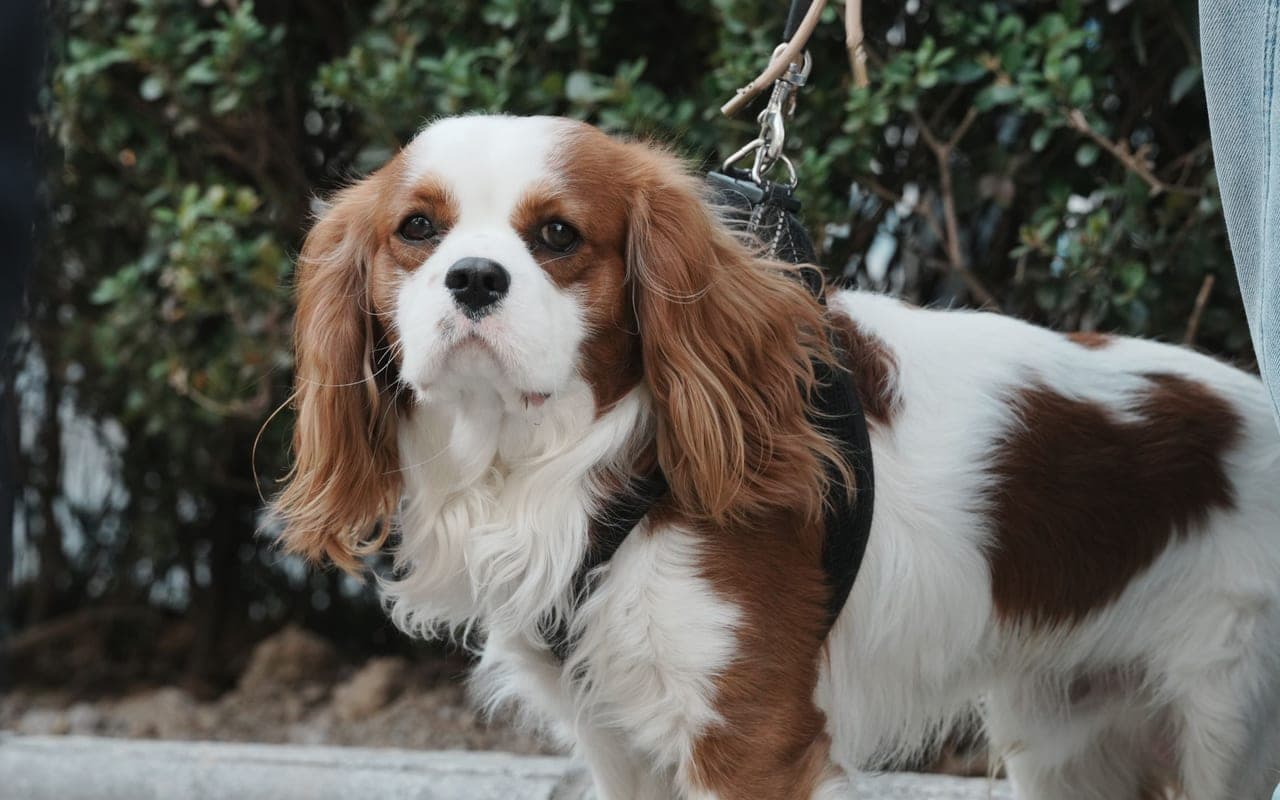
Cavalier King Charles Spaniel
Also in the Toy group, with different care and temperament tradeoffs.
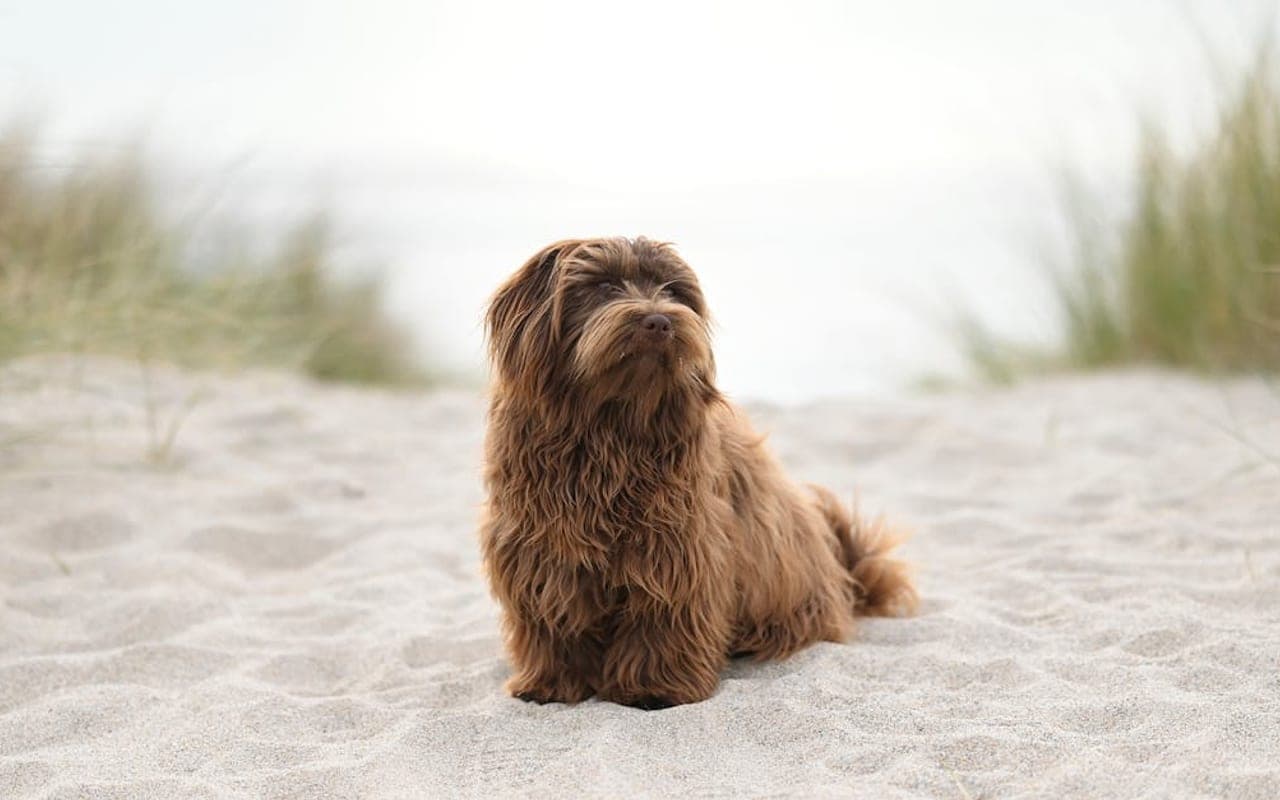
Havanese
Also in the Toy group, with different care and temperament tradeoffs.
Explore More About Italian Greyhound
Dive deeper into everything Italian Greyhound — costs, care, and expert insights.
Large Dog Care Guide: Everything Over 50 lbs
Owning a large or giant breed dog means accepting one of biology's...
Puppy Teething & Biting: Timeline and What Actually Works
A puppy has all 28 deciduous ("baby") teeth by roughly eight weeks of age, and...
Considering a cat instead?
Browse Cats