
Terrier group
Jack Russell Terrier
The Jack Russell Terrier is a small white-bodied working terrier — roughly 6-8 kg (13-18 lb) and 25-30 cm at the shoulder — bred by Reverend John Russell in 1800s England to bolt foxes from their dens without killing them.




Size
11-18 lb
Lifespan
13-16 years
Exercise
90+ minutes
Shedding
Moderate
Experience
Match to owner routine
Decision first
Is a Jack Russell Terrier right for you?
Start with fit before history or trivia. These are ownership signals, not guarantees about any individual dog.
Best suited for
- Households with children.
- Active owners who enjoy daily outdoor exercise.
Think carefully if
- You cannot provide substantial daily exercise.
- You cannot keep up with grooming and preventive care.
- The dog will spend most days alone without support.
Conditional fit
Apartment living may be difficult unless the owner can meet the breed's exercise, training, and space needs.
Daily reality
Jack Russell Terrier commitment snapshot
Daily exercise
90+ minutes
Match activity to age, health, weather, and training goals.
Time alone
Needs planning
Most dogs need gradual alone-time conditioning and support.
Structured facts
Jack Russell Terrier at a glance
The measurements and traits that most affect day-to-day life with this breed.
Origin
England
Group
Terrier
Weight
11-18 lb
Height
10-12 in
Lifespan
13-16 years
Temperament
Energetic | Fearless | Alert | Intelligent | Athletic | Vocal
View all characteristics and methodology
Lifestyle fit
- Apartment suitability
- Needs caution
- Child friendliness
- Often good, with socialisation and supervision
Owner commitment
- Exercise
- 90+ minutes
- Shedding
- Moderate
- Training
- High
Environment and health
- Health risk
- Needs planning
Ratings combine structured breed data, visible breed fields, and editorial context. They are planning aids, not predictions for an individual dog.
Daily life
Jack Russell Terrier temperament and behavior
The Jack Russell Terrier is a small white-bodied working terrier — roughly 6-8 kg (13-18 lb) and 25-30 cm at the shoulder — bred by Reverend John Russell in 1800s England to bolt foxes from their dens without killing them. That single job explains almost everything you need to decide about this dog. It was selected for stamina, fearlessness, a hard prey drive, and the willingness to go underground alone against a cornered animal. None of that switched off when the breed moved into living rooms. What that means day to day: a Jack Russell is a 5/5 energy dog in a body that fits on your lap, with a brain that needs a job and a digging-and-chasing instinct that does not respect fences, cats, or the neighbor's rabbit. Owners who treat it like a small companion lapdog get a barking, digging, escaping, furniture-shredding dog within weeks. Owners who give it 1-2 hours of real exercise plus training, scent games, or dog sport get one of the most trainable, devoted, and genuinely fun dogs in the terrier group. Three coat types exist — smooth, broken, and rough — all the same dog underneath, all moderate seasonal shedders. The breed is long-lived (13-16 years) and that longevity is real, not marketing, but it is paired with a specific and well-documented set of inherited problems, the most serious being an eye disease that can blind a dog quickly if missed. Who the Jack Russell is right for: an active owner who wants a trainable, hardy small dog and will commit to daily physical and mental work plus a secure, dig-proof yard. Who it is wrong for: anyone wanting a calm apartment companion, a first dog with limited time, or a household with free-roaming small pets. This is a hunting dog in a small package — decide on the dog it actually is, not the size it looks.
Energetic | Fearless | Alert | Intelligent | Athletic | Vocal
Energetic
A common Jack Russell Terrier temperament descriptor that should be interpreted alongside training, exercise, and household fit.
Fearless
A common Jack Russell Terrier temperament descriptor that should be interpreted alongside training, exercise, and household fit.
Alert
A common Jack Russell Terrier temperament descriptor that should be interpreted alongside training, exercise, and household fit.
Intelligent
A common Jack Russell Terrier temperament descriptor that should be interpreted alongside training, exercise, and household fit.
Owner note
Temperament labels are starting points, not guarantees. Meet the individual dog and ask about behavior history whenever possible.
Care essentials
How to care for a Jack Russell Terrier
What looking after one actually involves: exercise, grooming, food, training, and routine health.
ExerciseAs needed
- Jack Russell Terriers require significant daily exercise to channel their abundant energy. A minimum of 30-60 minutes of vigorous activity is necessary, including running, playing, and mental stimulation. Without adequate exercise, they may develop destructive behaviors.
GroomingAs needed
- Their short, dense coat is relatively low-maintenance, requiring weekly brushing to remove loose hair. The rough or broken coat varieties may need hand-stripping a few times a year. Regular nail trimming, ear cleaning, and dental care are also important.
TrainingAs needed
- Early and consistent training is essential for Jack Russells. They are intelligent and learn quickly but can be stubborn. Positive reinforcement methods work best, and training sessions should be kept short and engaging. Socialization from puppyhood is crucial to manage their sometimes assertive nature.
NutritionAs needed
- Feed high-quality dog food appropriate for their age, size, and activity level. Monitor portions carefully as these active dogs have hearty appetites but can gain weight if overfed. Treats should be limited, especially when used for training.
Health planning
Jack Russell Terrier health risks and screening
Every breed has individual health variation. Use this profile for planning and discuss medical decisions with a veterinarian.
Ownership cost
How much does a Jack Russell Terrier cost?
Cost figures are structured so first-year and lifetime estimates do not conflict with the underlying line items.
| Acquisition | $500-$2,000 |
|---|---|
| Routine monthly | About $90/month |
| Routine annual | About $1,080/year |
| First-year estimate | $1,580-$3,080 |
| Lifetime routine estimate | $14,040-$17,280 routine costs |
Currency: USD. Region: United States. Typical ranges for this breed. Equipment, insurance, emergency veterinary care, boarding and training are NOT included: we hold no sourced figures for them, and estimating them would be a guess presented as data.
Responsible ownership
Finding a Jack Russell Terrier responsibly
What to ask a breeder or rescue is the same conversation for every breed, so we keep it in one place and keep it current.
Health documentation, meeting the parents or foster, contracts and return support, and the warning signs worth walking away from.
Original purpose
Jack Russell Terrier history
History is useful when it explains today's behavior, coat, exercise needs, and training style.
Read the breed history
The Jack Russell Terrier was created in the 1830s-1870s by the Reverend John (Jack) Russell, an Oxford-educated parson and devoted fox hunter in Devon, England. He wanted a terrier that could run with the hounds and horses, then go to ground and bolt the fox without killing it, so the hunt could continue. He bred strictly for working ability — gameness, stamina, a chest small enough to enter a den, and predominantly white coats so hounds would not mistake the terrier for the quarry. Because function was prized over a fixed appearance, the type stayed variable in size and coat for over a century, and split into several recognized breeds: the shorter-legged Jack Russell Terrier, the squarer Parson Russell Terrier, and the Russell Terrier. The breed reached the United States with hunters and was long resisted by show registries precisely because working breeders did not want a conformation standard diluting its job. The American Kennel Club only recognized it (as the Russell/Parson lines) relatively recently. The working origin is not trivia — it is the direct cause of the breed's energy, prey drive, and escape skill today.
Gallery
Jack Russell Terrier photos
Images are cropped consistently and loaded progressively to keep the page responsive.
Lower-page context
Jack Russell Terriers in culture
Where the breed shows up in film, sport, work and folklore — the enjoyable part, once the practical questions are answered.
Fun facts
- Jack Russell Terriers can jump up to five times their height—that's about 6 feet vertically!
- Many Jack Russells in movies and TV are actually Parsons Russell Terriers, a closely related but slightly larger breed.
- Their hunting instinct is so strong that even well-trained Jack Russells should never be trusted off-leash in unsecured areas.
- These terriers have an average lifespan of 13-16 years, making them one of the longer-lived dog breeds.
- The character of Eddie in the TV show Frasier was played by a Jack Russell Terrier named Moose.
Jack Russell Terrier FAQs
Are Jack Russell Terriers good family dogs?
They can be excellent for active families but are a poor match for many. They are loyal, playful, and devoted, but the 5/5 energy and hard prey drive mean they do best with older, dog-savvy children who will not be knocked down or nip-corrected during rough play. Households with toddlers or free-roaming small pets (rabbits, hamsters, cats not raised with the dog) should think hard. The deciding factor is not the kids — it is whether an adult will commit 1-2 hours of exercise and training every day.
How much exercise does a Jack Russell Terrier really need?
Plan on 1-2 hours daily, and treat at least half of it as high-intensity: off-lead running in a secured area, fetch, or flyball-style chase games, plus 15-20 minutes of training or scent work. A slow leash walk alone will not satisfy this dog. Under-exercised Jack Russells are the source of nearly every breed complaint — barking, digging, escaping, and destruction. Mental work matters as much as physical: a short nosework session tires this terrier faster than a long stroll.
What is primary lens luxation and why does it matter so much in this breed?
Primary lens luxation (PLL) is an inherited disease, common in Jack Russells, where the fibers holding the eye's lens in place break down and the lens drops out of position. It can trigger acute glaucoma and permanent blindness within days. The practical points: a sudden cloudy, red, painful, or squinting eye is a same-day emergency, and a reliable DNA test exists, so buying from a line where both parents are PLL-tested removes most of the risk before you ever bring the puppy home.
Why does my Jack Russell skip or hop on a back leg?
That intermittent skip-hop, where the dog briefly carries a hind leg then kicks it out and runs normally again, is the classic sign of patellar luxation — the kneecap slipping out of its groove. It is common in the breed and graded I-IV. Mild cases are managed with weight control and muscle conditioning; higher grades cause arthritis and often need surgery. In a young dog (6-9 months) with rear-leg pain and lameness, also rule out Legg-Calve-Perthes disease, which usually requires surgery.
How long do Jack Russell Terriers live, and what does that cost?
13-16 years is typical and genuinely one of the longer-lived dog lifespans, but plan for the conditions that come with it. Expect routine costs plus a real chance of orthopedic surgery (patellar or Legg-Calve-Perthes correction commonly runs USD 1,500-4,000 per affected joint) and possible emergency eye surgery for lens luxation. Annual eye exams and buying from DNA-tested (PLL, ataxia) and BAER-tested parents are the cheapest insurance against the breed's most expensive problems.
Can a Jack Russell Terrier live in an apartment?
It is possible but difficult, and the apartment is rarely the real problem — the owner's time is. A Jack Russell can live anywhere if it gets 1-2 hours of daily exercise plus training and is not left alone bored for long stretches. Without that, apartment living produces barking (a noise-complaint risk in shared walls), destruction, and escape attempts. If you work long hours away from home, this is the wrong breed regardless of square footage.
Sources
These are the published sources this page draws on. Each opens in a new tab so you can check it yourself.
American Kennel Club
Jack Russell Terrier — breed standard and profile(opens in a new tab)Supports: Breed standard and recognition details.
Similar breeds to consider

Miniature Schnauzer
Also in the Terrier group, with different care and temperament tradeoffs.
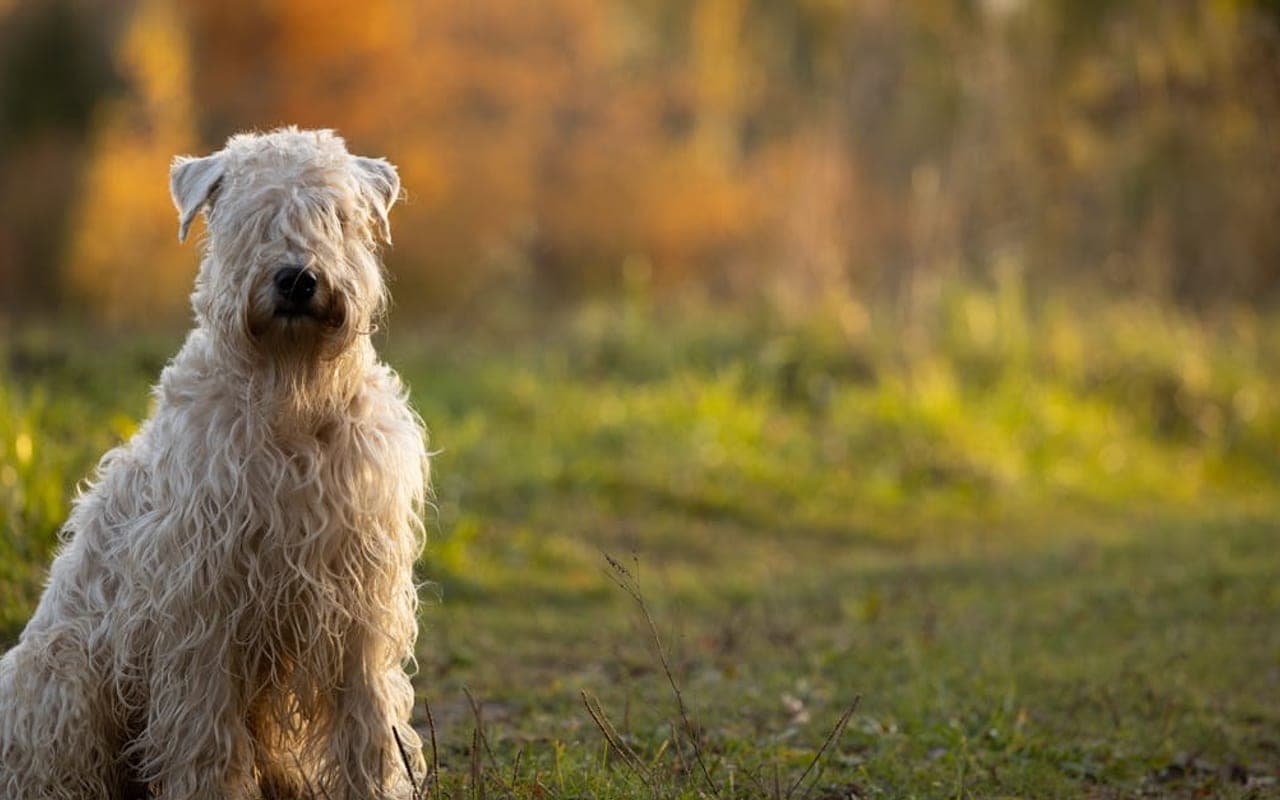
Soft Coated Wheaten Terrier
Also in the Terrier group, with different care and temperament tradeoffs.

Airedale Terrier
Also in the Terrier group, with different care and temperament tradeoffs.

Bull Terrier
Also in the Terrier group, with different care and temperament tradeoffs.
Explore More About Jack Russell Terrier
Dive deeper into everything Jack Russell Terrier — costs, care, and expert insights.
How Much Does a Jack Russell Terrier Cost?
Purchase price, monthly costs, and lifetime expenses
Large Dog Care Guide: Everything Over 50 lbs
Owning a large or giant breed dog means accepting one of biology's...
Puppy Teething & Biting: Timeline and What Actually Works
A puppy has all 28 deciduous ("baby") teeth by roughly eight weeks of age, and...
Is Your Dog Bored? 8 Signs (And What to Do About It)
Destructive chewing, constant barking, and restless pacing are not personality flaws — they are...
Considering a cat instead?
Browse Cats