
Miscellaneous Class group
Japanese Akitainu
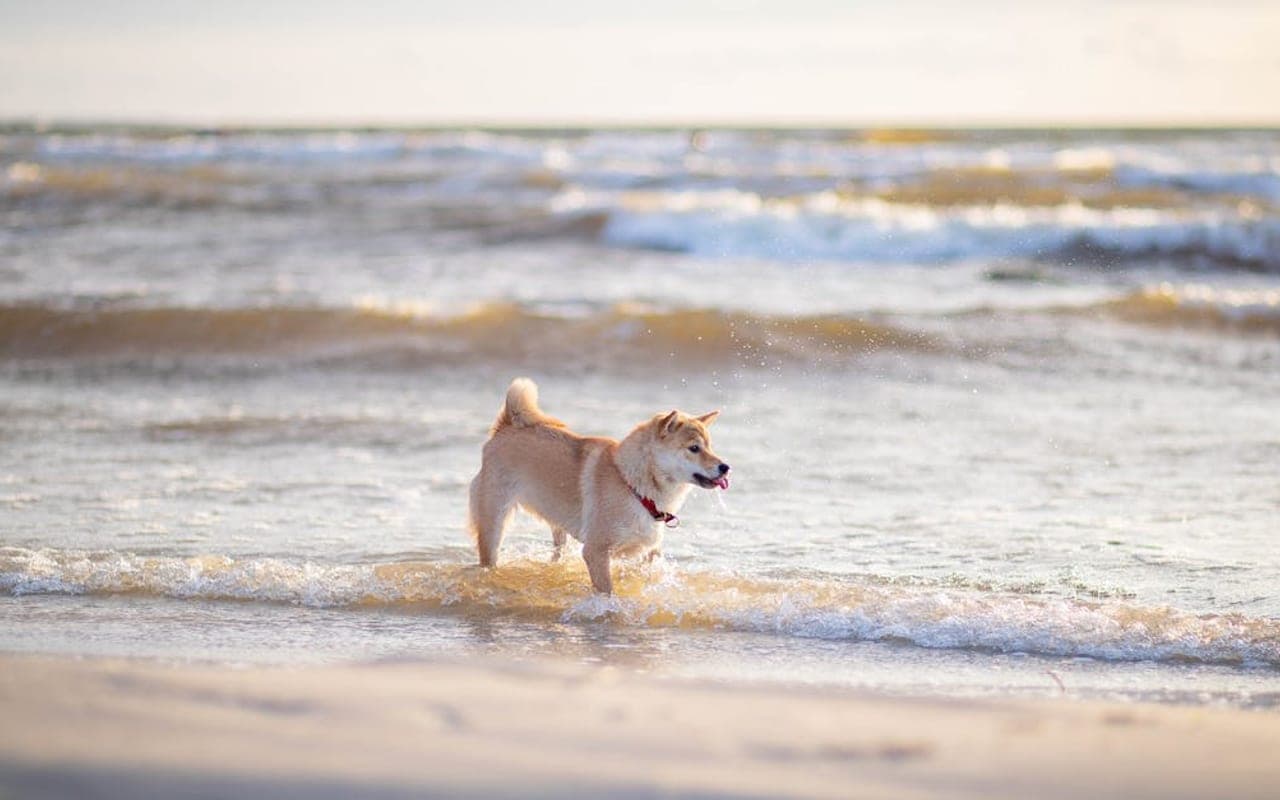
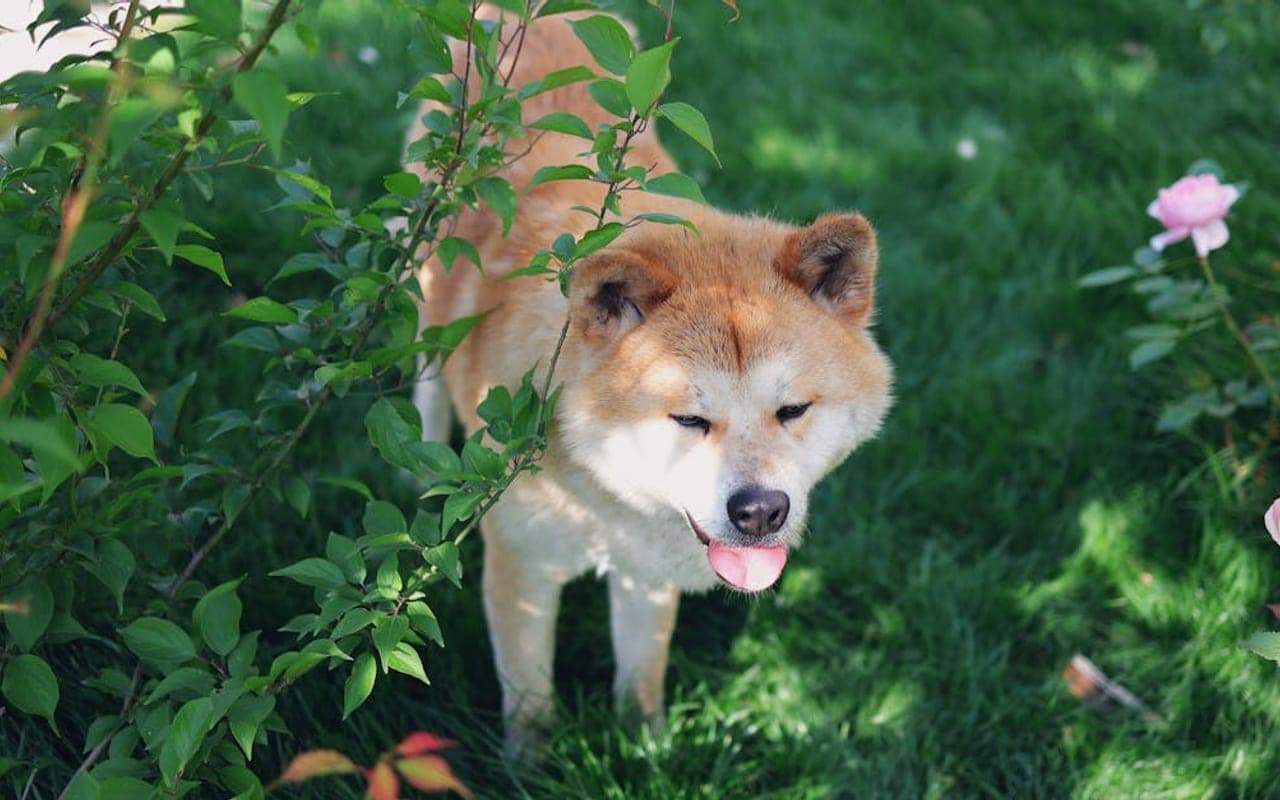
The Japanese Akita Inu is a large spitz-type guardian and hunting dog from northern Japan, and the first decision a prospective owner must make is whether they actually want this dog or its bigger American cousin.
Size
55-86 lb
Lifespan
12-15 years
Exercise
30-60 minutes
Shedding
Moderate
Experience
Match to owner routine
Decision first
Is a Japanese Akitainu right for you?
Start with fit before history or trivia. These are ownership signals, not guarantees about any individual dog.
Best suited for
- Households with children.
- Homes with other compatible pets.
- Owners seeking a manageable daily exercise routine.
Think carefully if
- You need a dog with almost no daily routine.
- You cannot keep up with grooming and preventive care.
- The dog will spend most days alone without support.
Conditional fit
Apartment living may be difficult unless the owner can meet the breed's exercise, training, and space needs.
Daily reality
Japanese Akitainu commitment snapshot
Daily exercise
30-60 minutes
Match activity to age, health, weather, and training goals.
Coat care
Moderate
Grooming needs vary by coat, shedding, and lifestyle.
Time alone
Needs planning
Most dogs need gradual alone-time conditioning and support.
Structured facts
Japanese Akitainu at a glance
The measurements and traits that most affect day-to-day life with this breed.
Group
Miscellaneous Class
Weight
55-86 lb
Height
23-28 in
Lifespan
12-15 years
View all characteristics and methodology
Lifestyle fit
- Apartment suitability
- Needs caution
- Child friendliness
- Often good, with socialisation and supervision
- Other-pet fit
- Often compatible with careful introductions
Owner commitment
- Exercise
- 30-60 minutes
- Grooming
- Moderate
- Shedding
- Moderate
Environment and health
- Health risk
- Needs planning
Ratings combine structured breed data, visible breed fields, and editorial context. They are planning aids, not predictions for an individual dog.
Daily life
Japanese Akitainu temperament and behavior
The Japanese Akita Inu is a large spitz-type guardian and hunting dog from northern Japan, and the first decision a prospective owner must make is whether they actually want this dog or its bigger American cousin. The two were one breed until they diverged after World War II: the Japanese Akita Inu is the lighter, foxier, more refined original (males roughly 64-70 cm tall and 32-39 kg, females smaller at about 58-64 cm and 23-29 kg), with a tighter range of colors. The American Akita is heavier and more bear-like. They are now separate breeds with different standards, and confusing them when choosing a dog or a breeder is the single most common mistake buyers make. The Akita Inu was bred in the Akita prefecture to hunt large game and guard the home — not, as is sometimes repeated, primarily as a fighting dog. That heritage shaped a temperament that defines ownership: deeply loyal and affectionate with its family, dignified, quiet (it rarely barks without reason), and naturally aloof-to-suspicious with strangers. It is strong-willed, independent, and frequently dog-aggressive and same-sex intolerant, with a strong prey drive toward small animals. This is a guardian breed with the seriousness that implies. This is not a beginner's dog. The Akita Inu needs early, consistent, positive socialization and training from an owner who is calm and consistent rather than harsh — the breed is sensitive to unfair correction but will walk over an inconsistent handler. It is generally devoted and gentle with its own children but must be supervised, and many individuals cannot live with other dogs. Who the Japanese Akita Inu is right for: an experienced owner who wants a loyal, dignified, low-barking guardian, will commit to lifelong socialization, and can manage dog-aggression and prey drive securely. Who it is wrong for: a first-time owner, a multi-dog free-for-all household, or anyone wanting a sociable, biddable, dog-park dog.
Owner note
Temperament labels are starting points, not guarantees. Meet the individual dog and ask about behavior history whenever possible.
Care essentials
How to care for a Japanese Akitainu
What looking after one actually involves: exercise, grooming, food, training, and routine health.
NutritionAs needed
- Feed high-quality dog food appropriate for age and size.
Health planning
Japanese Akitainu health risks and screening
Every breed has individual health variation. Use this profile for planning and discuss medical decisions with a veterinarian.
Responsible ownership
Finding a Japanese Akitainu responsibly
What to ask a breeder or rescue is the same conversation for every breed, so we keep it in one place and keep it current.
Health documentation, meeting the parents or foster, contracts and return support, and the warning signs worth walking away from.
Original purpose
Japanese Akitainu history
History is useful when it explains today's behavior, coat, exercise needs, and training style.
Read the breed history
The Japanese Akita Inu originated in the mountainous Akita prefecture of northern Japan, where large spitz-type dogs were used for centuries to hunt boar, deer, and bear and to guard rural homesteads. In the 19th century some lines were crossed for fighting, and later infusions of other breeds diluted the original type, prompting a national preservation movement in the 1920s-30s; the Akita was declared a Japanese natural monument in 1931. The breed's worldwide fame rests on Hachiko, the Akita who waited at Shibuya Station for his deceased owner every day for nearly a decade. After World War II the breed split: dogs developed in the United States from larger, more substantial post-war imports became the American Akita, while Japanese breeders restored the lighter, spitz-typed original now called the Akita Inu or Japanese Akita Inu. The two are recognized as separate breeds today. This split is directly relevant to health and buying: their gene pools and breeder communities are distinct, so screening history, type, and parent-club guidance must be assessed within the Japanese Akita Inu specifically, not the Akita generally.
Gallery
Japanese Akitainu photos
Images are cropped consistently and loaded progressively to keep the page responsive.
Lower-page context
Japanese Akitainus in culture
Where the breed shows up in film, sport, work and folklore — the enjoyable part, once the practical questions are answered.
Fun facts
- With proper care, this breed can live 12 to 15 years.
Japanese Akitainu FAQs
How long do Japanese Akita Inu dogs live?
A healthy Japanese Akita Inu typically lives 12-15 years. The conditions most likely to shorten or complicate that span are the breed's autoimmune disorders (especially VKH-like syndrome), hip dysplasia, hypothyroidism, and the ever-present large-breed risk of bloat. Lifespan in this breed is strongly tied to buying from autoimmune-aware, hip- and eye-screened lines and to an owner who recognizes early autoimmune and bloat signs rather than waiting them out.
What is the difference between a Japanese Akita Inu and an American Akita?
They are now separate breeds that split after World War II. The Japanese Akita Inu is the lighter, foxier, spitz-typed original (males roughly 32-39 kg) with a restricted color set; the American Akita is larger, heavier, and more bear-like with broader color allowance. Their gene pools, standards, and breeder communities are distinct, so health screening and breeder choice must be assessed within the Japanese type specifically — conflating the two is the most common buyer mistake.
Are Japanese Akita Inu good family dogs?
They can be devoted, dignified family guardians, but with serious caveats. They are loyal and typically gentle with their own children, quiet, and naturally protective, but they are also aloof or suspicious with strangers, frequently dog-aggressive and same-sex intolerant, and have a strong prey drive. They suit an experienced household that will supervise children, manage other-animal interactions for life, and commit to ongoing socialization — not a casual, multi-dog, open-door home.
Are Japanese Akita Inu hard to train?
They are intelligent but independent and do not work to please the way a retriever does, so they are challenging for inexperienced owners. The breed is sensitive to unfair or harsh correction yet will steamroll an inconsistent handler. Success comes from early, positive, consistent socialization and training led by a calm, confident owner. This is a management-and-relationship breed: you train it for life rather than completing a course, and that commitment should be decided on before purchase.
How much does a Japanese Akita Inu cost?
Expect roughly $1,500-$4,000 for a puppy from a registered breeder who screens hips and eyes and knows the autoimmune history of the line, with imported Japanese-line pups at the upper end. The hidden costs are medical: lifelong management of an autoimmune disorder or sebaceous adenitis runs into the thousands, and emergency bloat surgery is $3,000-$7,000+. Paying more for an autoimmune-aware, health-screened line is the cheapest insurance available in this breed.
What health problems is the Japanese Akita Inu prone to?
The defining theme is autoimmune disease — the breed is notably predisposed to VKH-like uveodermatologic syndrome, sebaceous adenitis, and hypothyroidism — alongside hip dysplasia, progressive retinal atrophy, and the large-breed bloat risk. This is not a breed with no documented hereditary disease; it has a real and serious cluster. The practical response is buying from screened, autoimmune-aware lines and learning to recognize early eye, skin, coat, and bloat signs so they are treated promptly rather than late.
Sources
These are the published sources this page draws on. Each opens in a new tab so you can check it yourself.
American Kennel Club
Japanese Akitainu — breed standard and profile(opens in a new tab)Supports: Breed standard and recognition details.
Similar breeds to consider
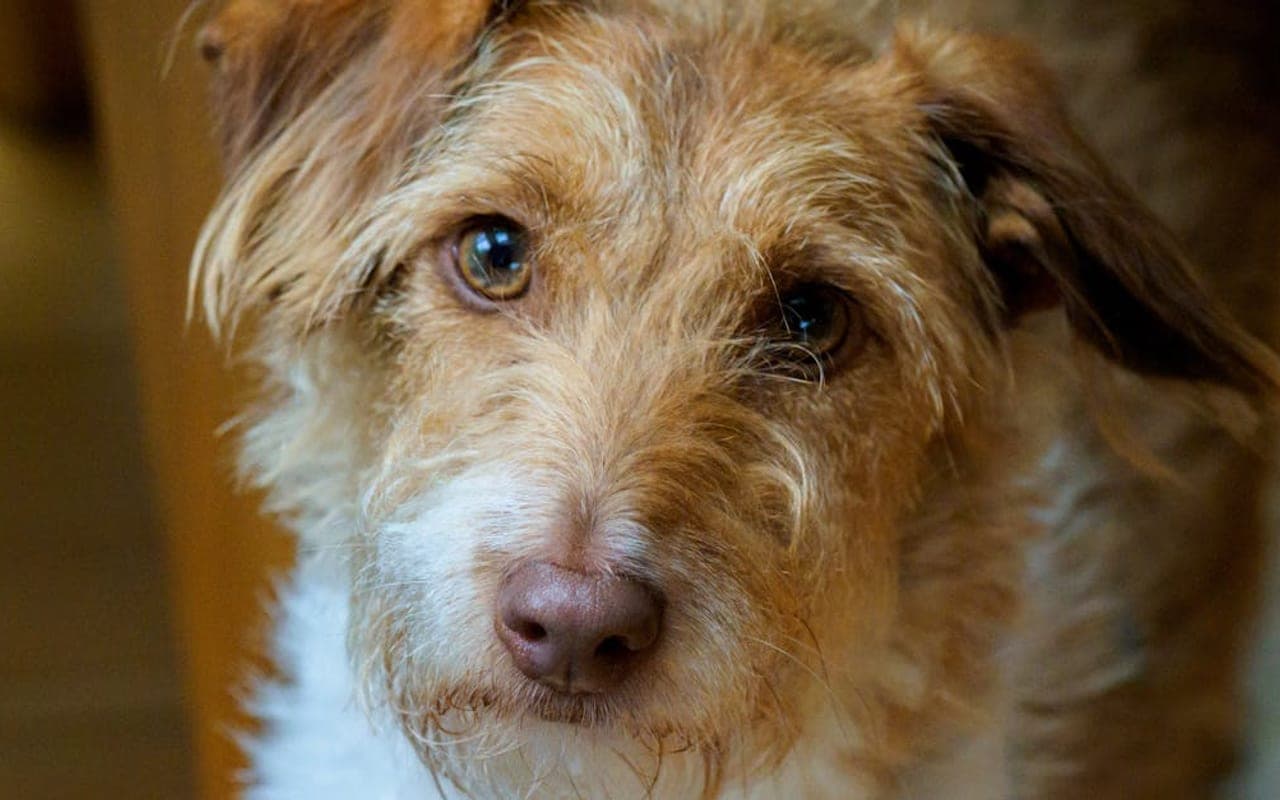
Portuguese Podengo
Also in the Miscellaneous Class group, with different care and temperament tradeoffs.
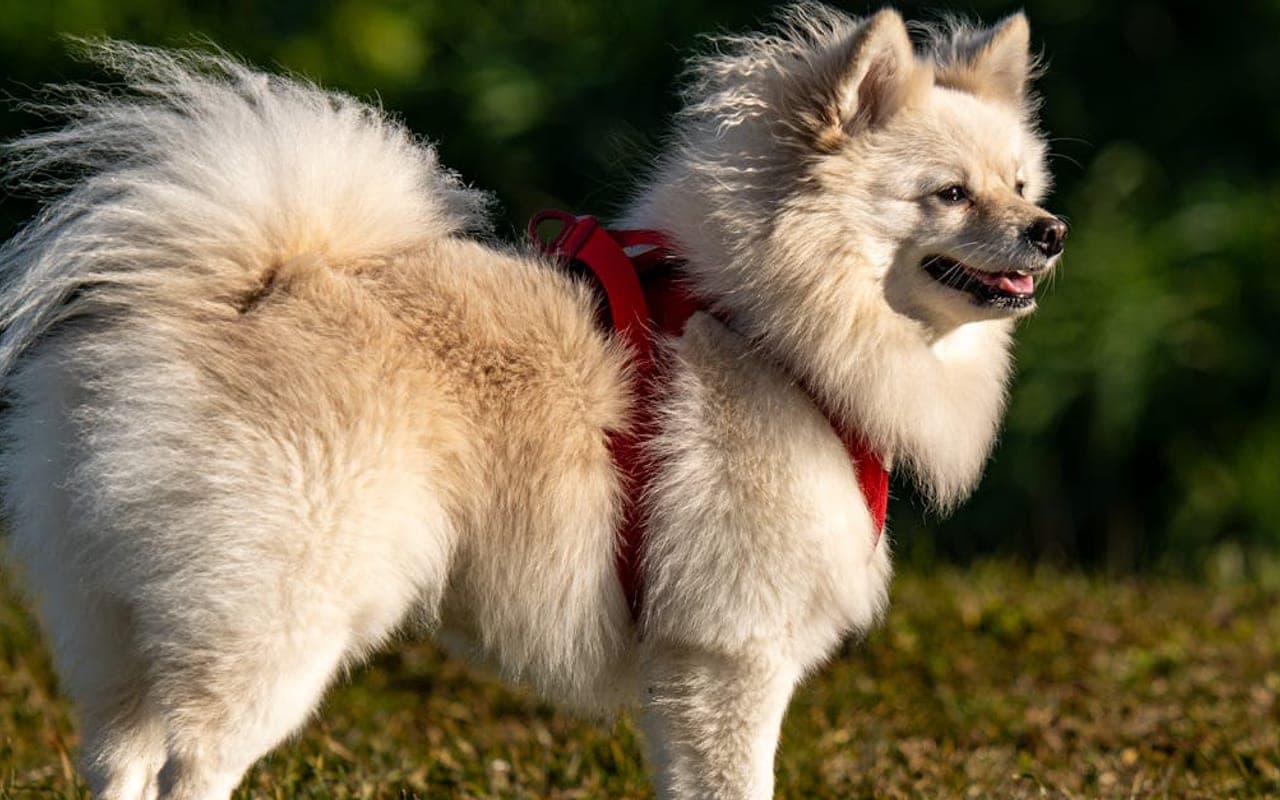
German Spitz
Also in the Miscellaneous Class group, with different care and temperament tradeoffs.
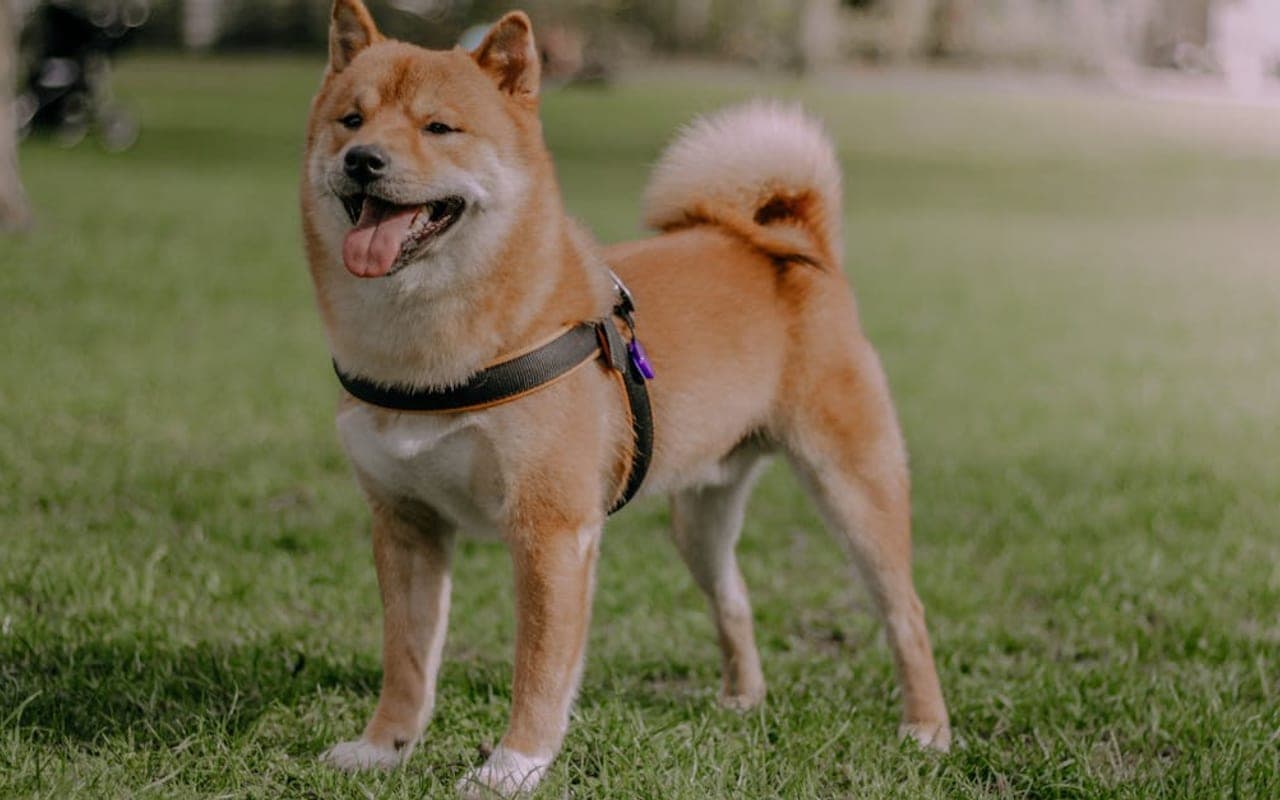
Kai Ken
Also in the Miscellaneous Class group, with different care and temperament tradeoffs.

Yakutian Laika
Also in the Miscellaneous Class group, with different care and temperament tradeoffs.
Explore More About Japanese Akitainu
Dive deeper into everything Japanese Akitainu — costs, care, and expert insights.
Large Dog Care Guide: Everything Over 50 lbs
Owning a large or giant breed dog means accepting one of biology's...
Puppy Teething & Biting: Timeline and What Actually Works
A puppy has all 28 deciduous ("baby") teeth by roughly eight weeks of age, and...
Considering a cat instead?
Browse Cats