
Toy group
Japanese Chin
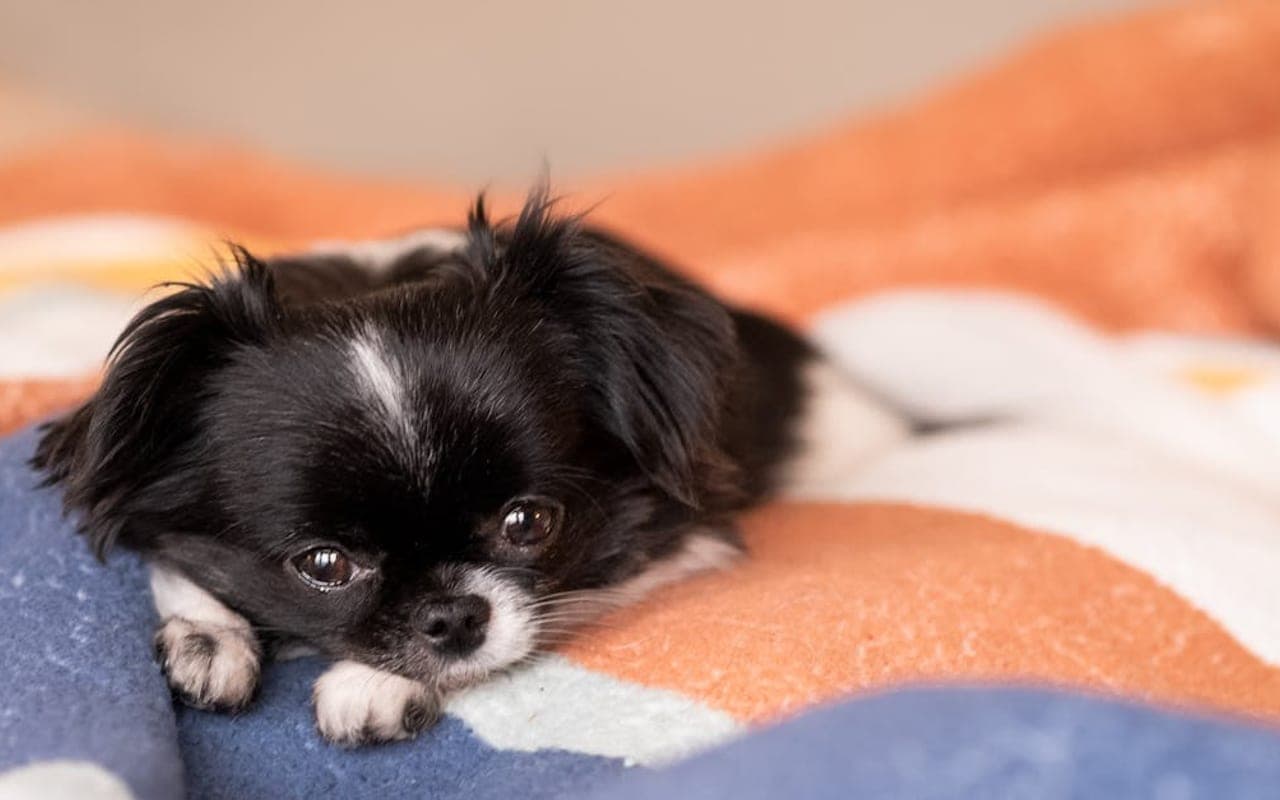
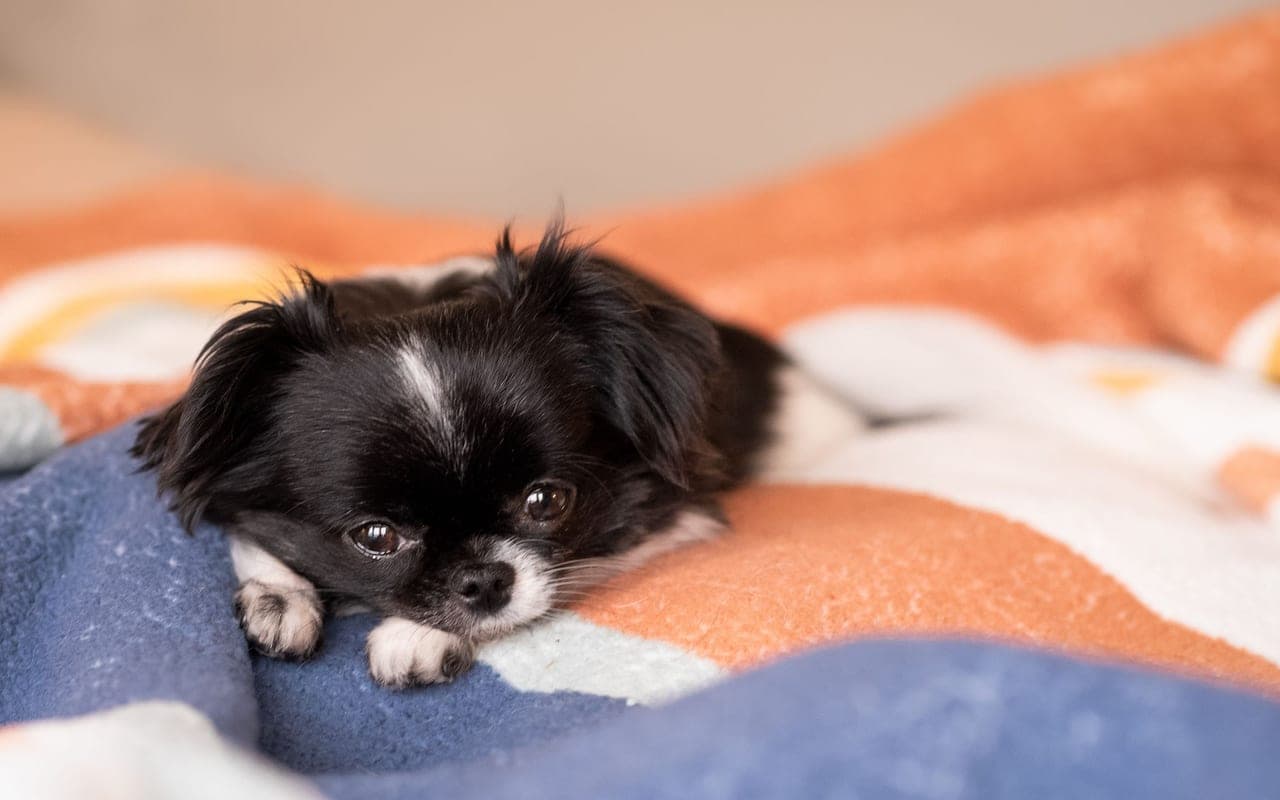
The Japanese Chin is a 4-to-9-pound aristocratic toy companion with a flat face, large dark wide-set eyes, a profuse silky coat, and an unusually catlike temperament — it climbs, perches in high places, grooms itself with a paw, and is fastidious and quiet rather than busy and yappy.

Size
3-10 lb
Lifespan
10-12 years
Exercise
30-60 minutes
Shedding
Moderate
Experience
Match to owner routine
Decision first
Is a Japanese Chin right for you?
Start with fit before history or trivia. These are ownership signals, not guarantees about any individual dog.
Best suited for
- Households with children.
- Homes with other compatible pets.
- Apartment homes with a consistent routine.
- Owners seeking a manageable daily exercise routine.
Think carefully if
- You need a dog with almost no daily routine.
- You cannot keep up with grooming and preventive care.
- The dog will spend most days alone without support.
Conditional fit
Apartment fit depends on exercise, enrichment, noise management, and outdoor access.
Daily reality
Japanese Chin commitment snapshot
Daily exercise
30-60 minutes
Match activity to age, health, weather, and training goals.
Coat care
Moderate
Grooming needs vary by coat, shedding, and lifestyle.
Time alone
Needs planning
Most dogs need gradual alone-time conditioning and support.
Structured facts
Japanese Chin at a glance
The measurements and traits that most affect day-to-day life with this breed.
Group
Toy
Weight
3-10 lb
Height
8-11 in
Lifespan
10-12 years
Temperament
Charming | Noble | Loving
View all characteristics and methodology
Lifestyle fit
- Apartment suitability
- Likely fit
- Child friendliness
- Often good, with socialisation and supervision
- Other-pet fit
- Often compatible with careful introductions
Owner commitment
- Exercise
- 30-60 minutes
- Grooming
- Moderate
- Shedding
- Moderate
- Training
- Moderate
Environment and health
- Health risk
- Needs planning
Ratings combine structured breed data, visible breed fields, and editorial context. They are planning aids, not predictions for an individual dog.
Daily life
Japanese Chin temperament and behavior
The Japanese Chin is a 4-to-9-pound aristocratic toy companion with a flat face, large dark wide-set eyes, a profuse silky coat, and an unusually catlike temperament — it climbs, perches in high places, grooms itself with a paw, and is fastidious and quiet rather than busy and yappy. Bred for centuries purely to be a refined indoor companion to Japanese and Chinese nobility, the Chin has no working drive and no pretense of being anything but a lapdog, which is exactly its appeal. The honest decision frame is this: the Chin is one of the easiest small companions to live with day to day, but its flat brachycephalic face and toy-breed knees and heart carry specific lifelong health liabilities a buyer must accept going in. Temperament is charming, sensitive, devoted, and famously dignified — Chin attach intensely to their people, read household mood, and can be aloof with strangers without sulking. They are intelligent and trainable through gentle reward but resent harshness and will simply withdraw. They are quiet by toy-breed standards, generally good with gentle older children and other pets, and content with modest exercise, which makes them excellent apartment and senior-owner dogs. The flat face is the source of both the look and the breed's biggest medical realities: brachycephalic airway compromise and serious heat intolerance. The fine silky coat looks high-maintenance but is single-coated and mats less than expected — routine brushing, not professional grooming, keeps it. Who the Japanese Chin is right for: someone wanting a calm, affectionate, low-exercise indoor companion who will manage a flat-faced dog's heat and airway needs and budget for toy-breed dental and knee/heart care. Who it is wrong for: anyone wanting a robust outdoor or rough-play dog, a household with toddlers who handle roughly, or owners unprepared for brachycephalic veterinary reality.
Charming | Noble | Loving
Charming
A common Japanese Chin temperament descriptor that should be interpreted alongside training, exercise, and household fit.
Noble
A common Japanese Chin temperament descriptor that should be interpreted alongside training, exercise, and household fit.
Loving
A common Japanese Chin temperament descriptor that should be interpreted alongside training, exercise, and household fit.
Owner note
Temperament labels are starting points, not guarantees. Meet the individual dog and ask about behavior history whenever possible.
Care essentials
How to care for a Japanese Chin
What looking after one actually involves: exercise, grooming, food, training, and routine health.
ExerciseAs needed
- Moderately active breed needing 30-60 minutes of daily exercise through walks, play, and mental stimulation.
GroomingAs needed
- Regular grooming needed — brush 2-3 times per week and bathe monthly.
TrainingAs needed
- Moderately trainable — consistent, patient training with positive methods works best.
NutritionAs needed
- Feed a high-quality dog food appropriate for their age, size, and activity level. Monitor portions to prevent obesity.
Veterinary CareAs needed
- Annual wellness exams, core vaccinations, dental care, and parasite prevention. Breed-specific health screenings as recommended by your vet.
Health planning
Japanese Chin health risks and screening
Every breed has individual health variation. Use this profile for planning and discuss medical decisions with a veterinarian.
Responsible ownership
Finding a Japanese Chin responsibly
What to ask a breeder or rescue is the same conversation for every breed, so we keep it in one place and keep it current.
Health documentation, meeting the parents or foster, contracts and return support, and the warning signs worth walking away from.
Original purpose
Japanese Chin history
History is useful when it explains today's behavior, coat, exercise needs, and training style.
Read the breed history
The Japanese Chin is an ancient companion breed whose ancestors were toy spaniels of the Asian courts; the breed was most likely developed from small dogs given as imperial gifts between China and Japan over a thousand years ago. In Japan it was kept and refined by nobility and the imperial household strictly as a companion and ornamental lap dog — never a working animal — and for long periods ownership was effectively restricted to the aristocracy, which is reflected in the breed's name ("chin" denoting something distinct from an ordinary dog) and its dignified, deliberately decorative character. The breed reached the West in the 19th century, partly through diplomatic and trade contact, and was prized by European royalty; Commodore Perry is traditionally said to have brought Chin to the West after Japan opened to trade. The AKC recognized the breed in 1888 (originally as the Japanese Spaniel). Every defining trait owners value today — the calm devotion, the indoor-only nature, the catlike fastidiousness — is the direct product of centuries of selection for nothing but companionship.
Gallery
Japanese Chin photos
Images are cropped consistently and loaded progressively to keep the page responsive.
Lower-page context
Japanese Chins in culture
Where the breed shows up in film, sport, work and folklore — the enjoyable part, once the practical questions are answered.
Fun facts
- The Japanese Chin belongs to the Toy Group.
- The average lifespan of a Japanese Chin is 10 to 12 years.
- Japanese Chin dogs are valued for their charming, noble, loving nature.
Japanese Chin FAQs
How long do Japanese Chin live?
A Japanese Chin typically lives 10 to 12 years, with many well-cared-for dogs from screened lines reaching beyond that. Lifespan in this breed is influenced less by one catastrophic disease and more by the cumulative management of toy-breed and brachycephalic issues — dental disease, heart valve disease, and heat-related airway crises all shorten lives when neglected. A Chin from a breeder who patella-tests, cardiac-screens, and DNA-tests for GM2 gangliosidosis, kept lean and dentally healthy with disciplined heat management, is the version most likely to reach and pass the top of that range.
Are Japanese Chin good apartment and first-time dogs?
Yes to apartments, with a qualified yes to first-time owners. The Chin is quiet by toy-breed standards, needs only 20 to 30 minutes of gentle daily exercise, and is clean and content indoors, which makes it one of the better small companions for apartments and for calmer or older owners. The qualifier for a first-time owner is the brachycephalic responsibility: this is not a low-maintenance dog medically. An owner who is prepared to manage heat exposure carefully and budget for toy-breed dental and possible knee or heart care will do well; one expecting a problem-free dog will not.
Are Japanese Chin good with children and other pets?
They are generally good with gentle, respectful older children and tolerant of other calm pets, often coexisting well with cats given their own catlike nature. The real limitation is fragility, not temperament: a Chin weighs only 4 to 9 pounds and has prominent eyes that are genuinely vulnerable to injury, so households with toddlers who grab or play roughly are a poor match. Supervise all interactions with young children, never allow the dog to be carried unsafely, and the breed rewards a calm home with deep, devoted attachment.
Why does my Japanese Chin snore, snort, and struggle in the heat?
Those signs come from the breed's flat brachycephalic face, which narrows the nostrils and airway and lengthens the soft palate, restricting airflow. Mild snoring, snorting, and occasional reverse sneezing are common and usually harmless. The signs that require a veterinarian are noisy breathing at rest, blue-tinged gums, collapse, or rapid distress in only mild warmth. Practical management is strict: walk only in cool hours, use a body harness rather than a neck collar, never leave the dog in a warm car or unshaded space, and keep the dog lean, since extra weight worsens airway effort.
What is GM2 gangliosidosis and can it be avoided in a Japanese Chin?
GM2 gangliosidosis is a fatal inherited disease in which a missing enzyme lets toxic material build up in nerve cells, causing progressive neurological decline in affected puppies. It is recessive, which means it is entirely preventable at the breeding level: a simple saliva or DNA test identifies carriers, and a breeder who tests breeding dogs and never pairs two carriers cannot produce an affected puppy. This is why asking to see the parents' DNA test results is the single most important health question when buying a Chin — the disease is devastating but breeding screening eliminates it.
How much does a Japanese Chin cost to buy and own?
Expect $1,800 to $3,500 for a puppy from a breeder who patella-tests, cardiac-screens, and DNA-tests for GM2 gangliosidosis; rescue adoption costs far less. Ownership cost is driven by predictable toy-breed and brachycephalic items rather than the purchase price: routine dental cleanings every one to two years ($300-$700 each), and the realistic possibility of patella surgery ($1,500-$3,000) or lifelong cardiac care, which together can add $2,500 to $6,000-plus over the dog's life. Buying from screened parents is, as in most breeds, cheaper than treating an inherited problem later.
Sources
These are the published sources this page draws on. Each opens in a new tab so you can check it yourself.
American Kennel Club
Japanese Chin — breed standard and profile(opens in a new tab)Supports: Breed standard and recognition details.
Similar breeds to consider
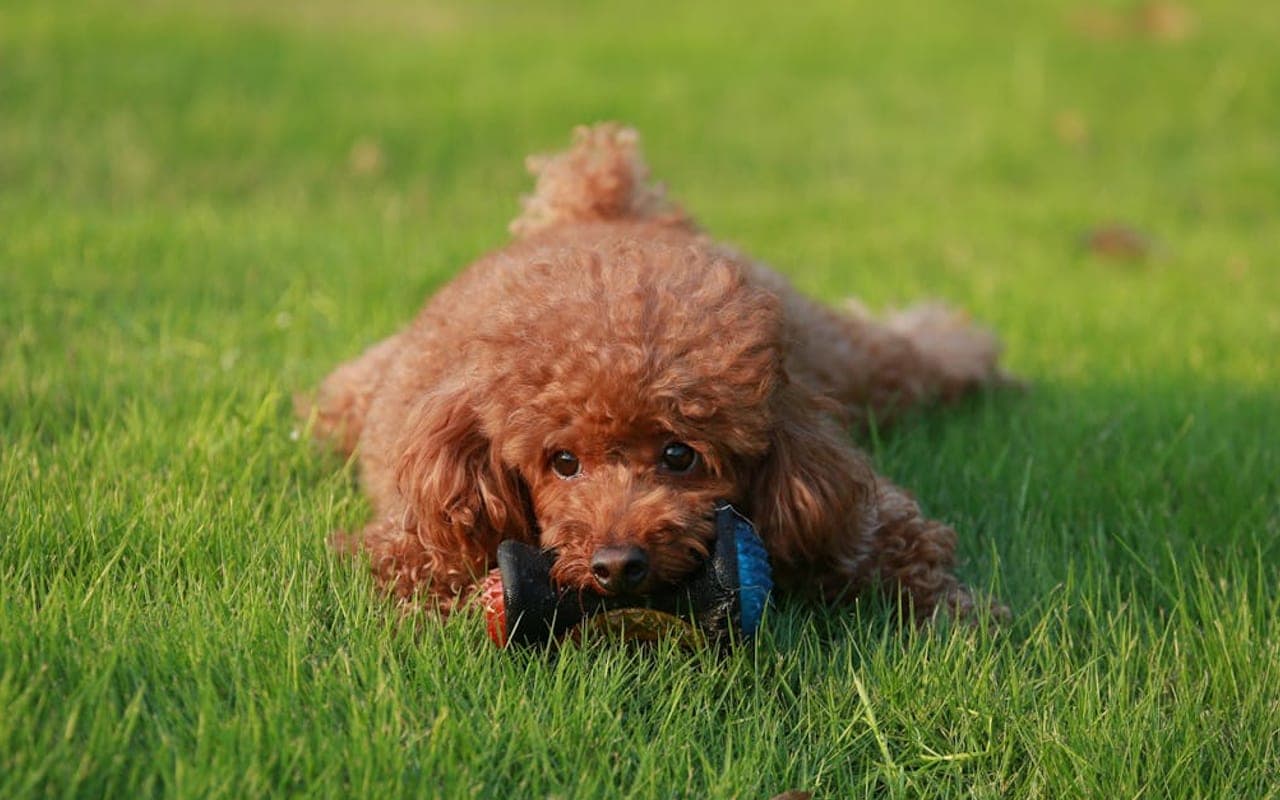
Poodle (Toy)
Also in the Toy group, with different care and temperament tradeoffs.
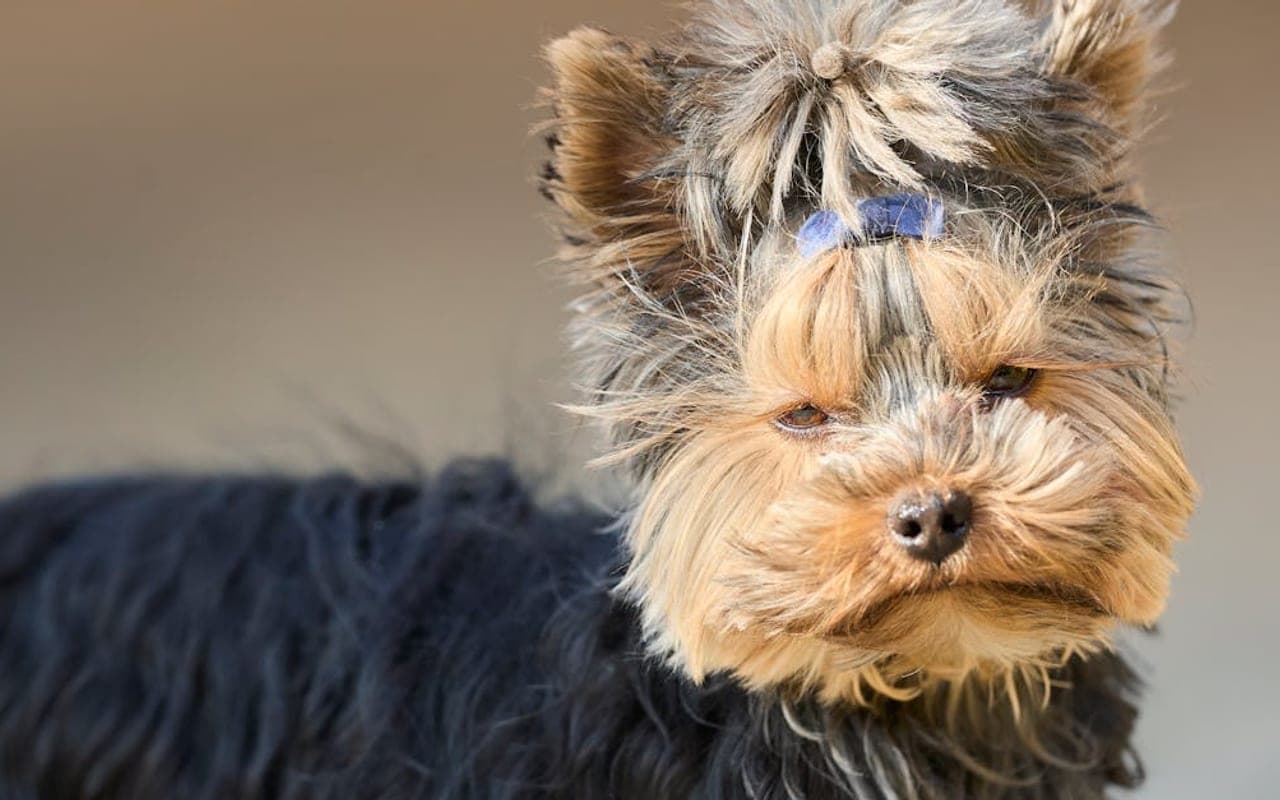
Yorkshire Terrier
Also in the Toy group, with different care and temperament tradeoffs.
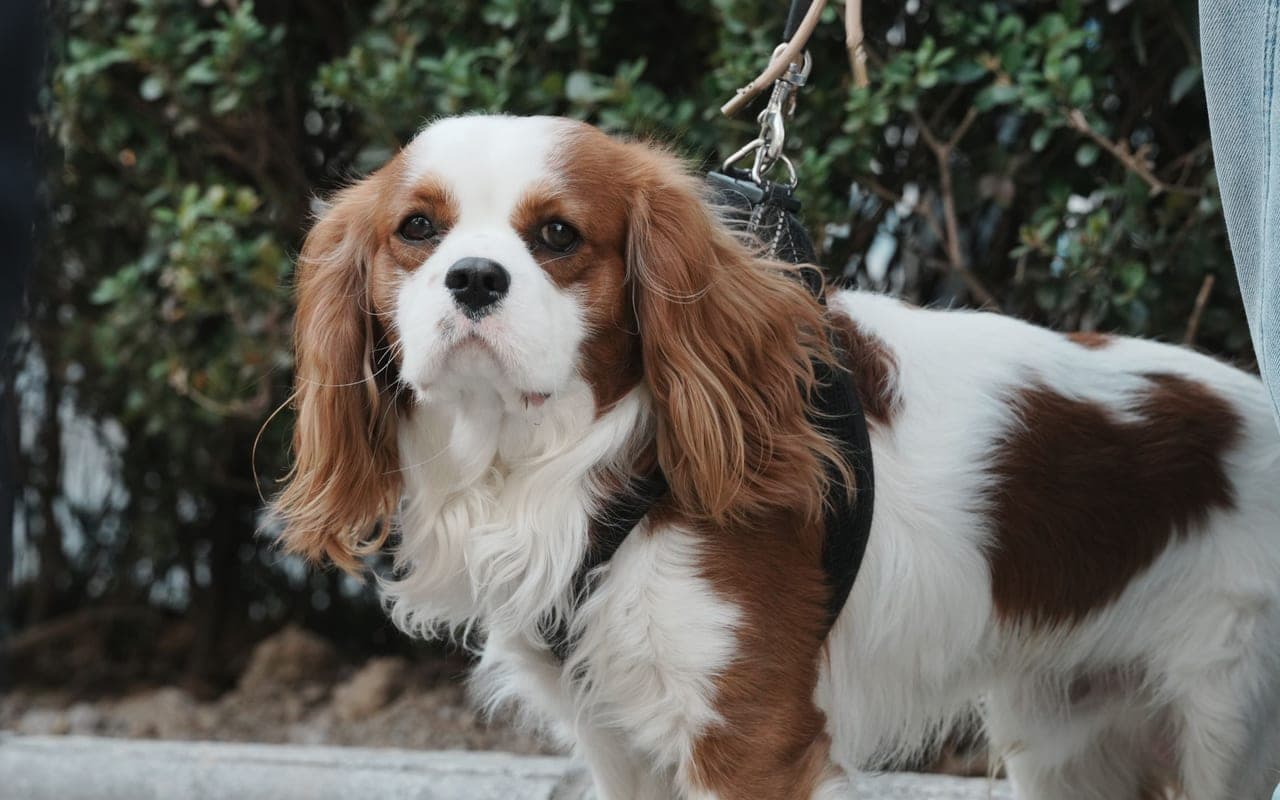
Cavalier King Charles Spaniel
Also in the Toy group, with different care and temperament tradeoffs.
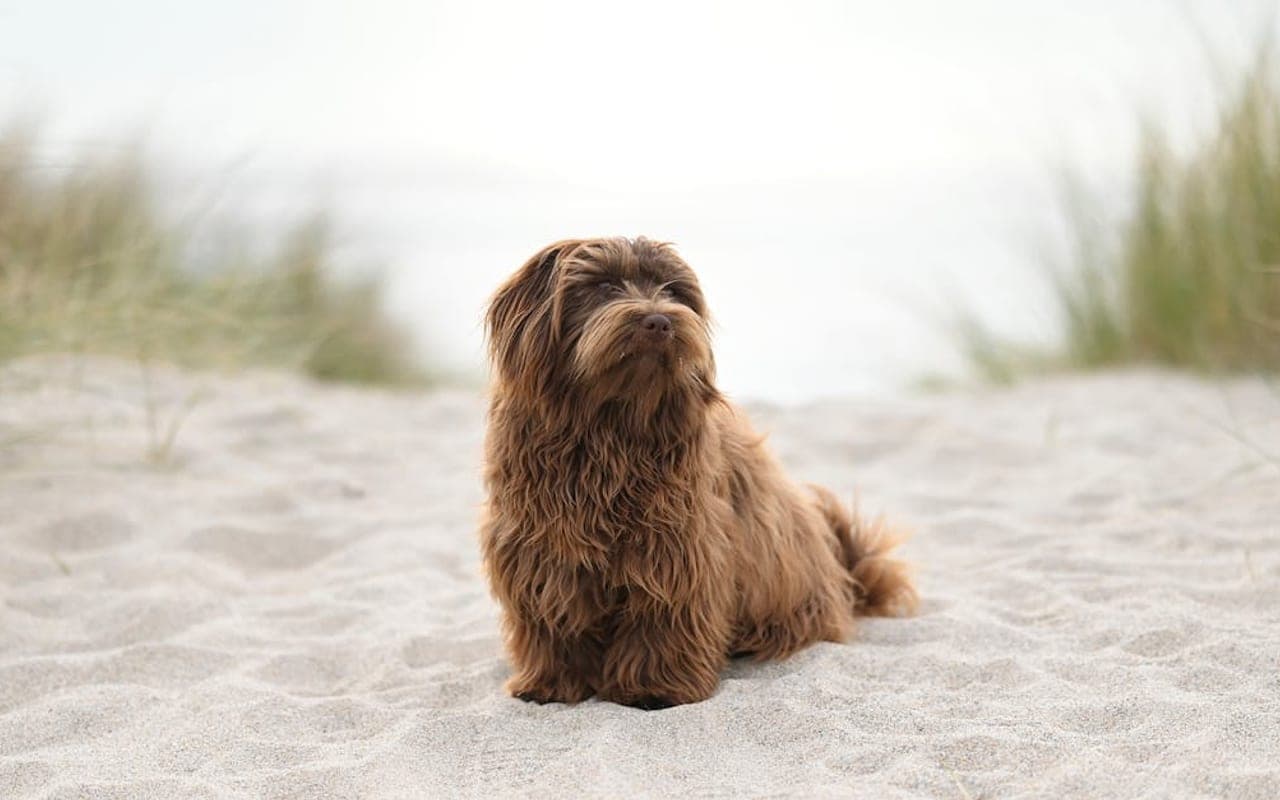
Havanese
Also in the Toy group, with different care and temperament tradeoffs.
Explore More About Japanese Chin
Dive deeper into everything Japanese Chin — costs, care, and expert insights.
Large Dog Care Guide: Everything Over 50 lbs
Owning a large or giant breed dog means accepting one of biology's...
Puppy Teething & Biting: Timeline and What Actually Works
A puppy has all 28 deciduous ("baby") teeth by roughly eight weeks of age, and...
Considering a cat instead?
Browse Cats