
Foundation Stock Service group
Japanese Terrier
The Japanese Terrier is a very small (roughly 4-9 lb), short-coated companion dog from Japan — and despite the name, calling it a 'terrier' is the single most misleading thing about the breed.

Size
10-13 lb
Lifespan
15-20 years
Exercise
30-60 minutes
Shedding
Moderate
Experience
Match to owner routine
Decision first
Is a Japanese Terrier right for you?
Start with fit before history or trivia. These are ownership signals, not guarantees about any individual dog.
Best suited for
- Households with children.
- Homes with other compatible pets.
- Owners seeking a manageable daily exercise routine.
Think carefully if
- You need a dog with almost no daily routine.
- You cannot keep up with grooming and preventive care.
- The dog will spend most days alone without support.
Conditional fit
Apartment living may be difficult unless the owner can meet the breed's exercise, training, and space needs.
Daily reality
Japanese Terrier commitment snapshot
Daily exercise
30-60 minutes
Match activity to age, health, weather, and training goals.
Coat care
Moderate
Grooming needs vary by coat, shedding, and lifestyle.
Time alone
Needs planning
Most dogs need gradual alone-time conditioning and support.
Structured facts
Japanese Terrier at a glance
The measurements and traits that most affect day-to-day life with this breed.
Group
Foundation Stock Service
Weight
10-13 lb
Height
12-14 in
Lifespan
15-20 years
View all characteristics and methodology
Lifestyle fit
- Apartment suitability
- Needs caution
- Child friendliness
- Often good, with socialisation and supervision
- Other-pet fit
- Often compatible with careful introductions
Owner commitment
- Exercise
- 30-60 minutes
- Grooming
- Moderate
- Shedding
- Moderate
Environment and health
- Health risk
- Needs planning
Ratings combine structured breed data, visible breed fields, and editorial context. They are planning aids, not predictions for an individual dog.
Daily life
Japanese Terrier temperament and behavior
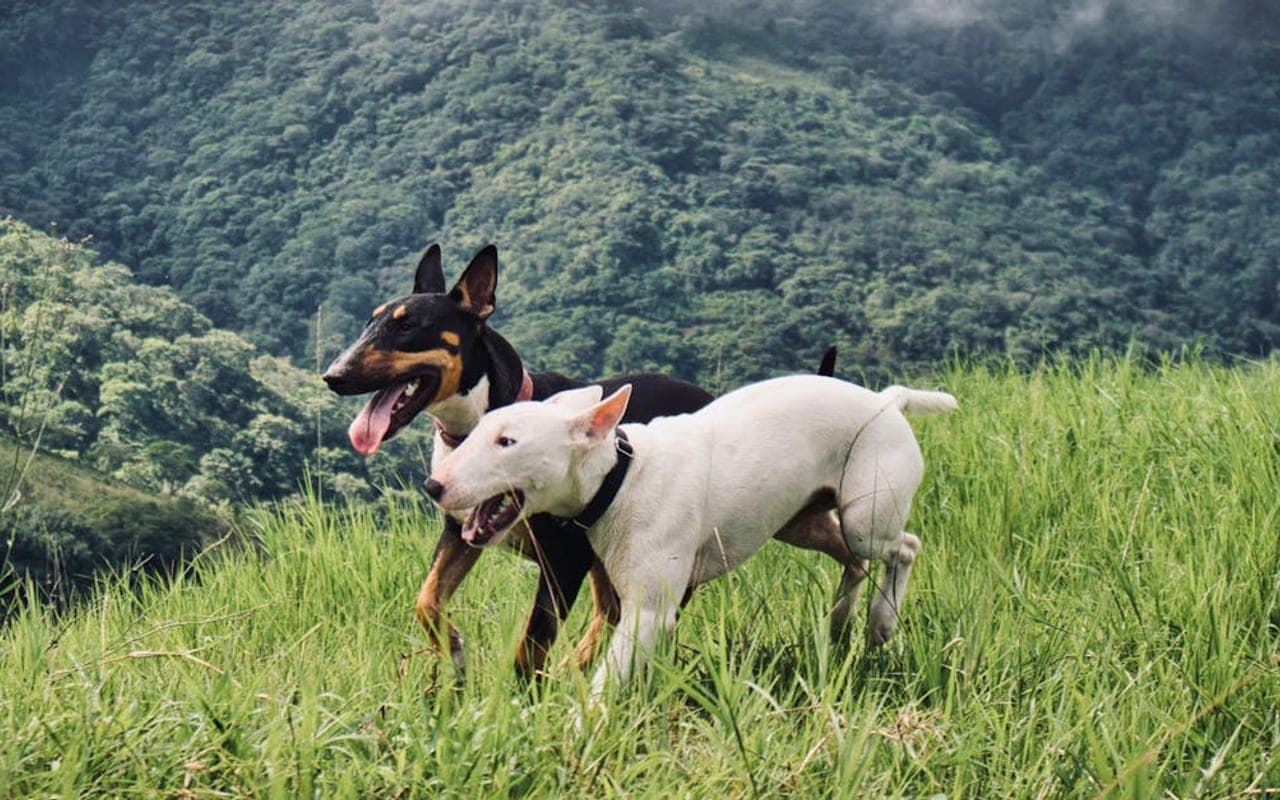
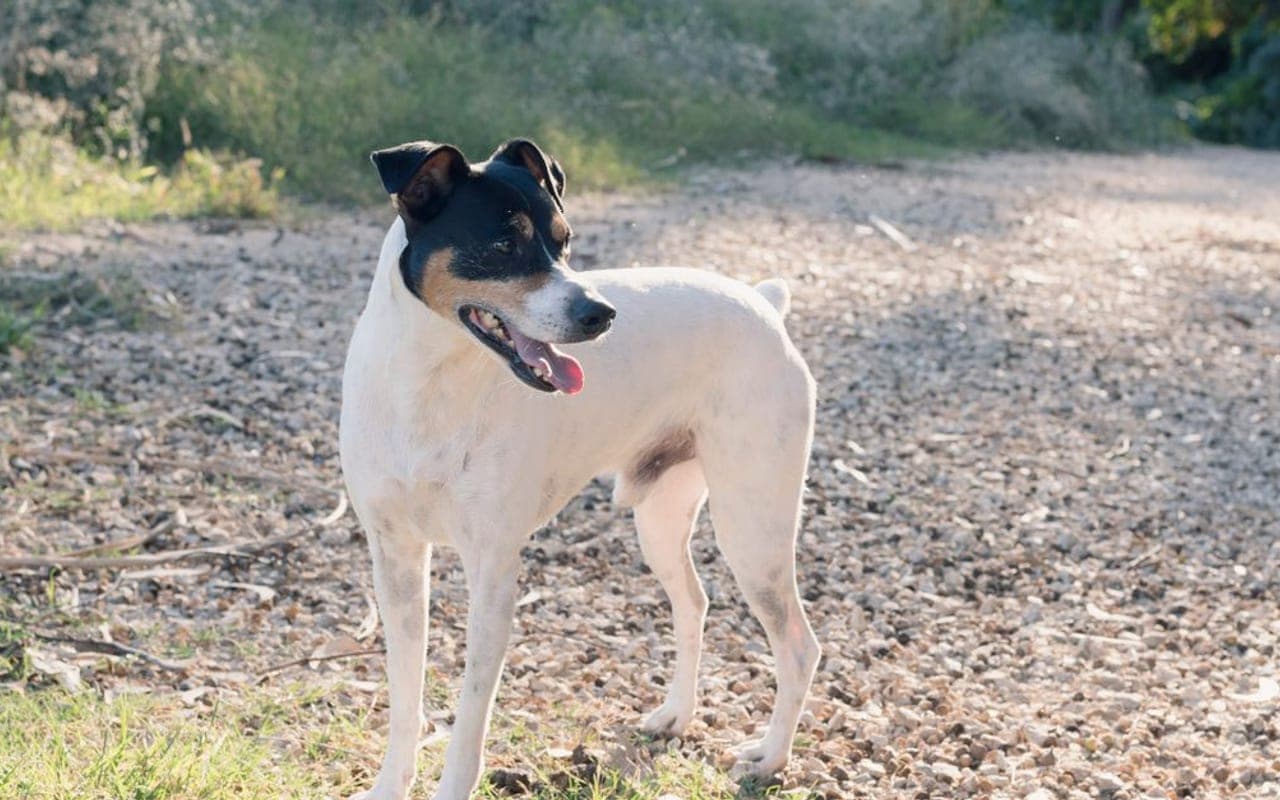
The Japanese Terrier is a very small (roughly 4-9 lb), short-coated companion dog from Japan — and despite the name, calling it a 'terrier' is the single most misleading thing about the breed. It was developed from Smooth Fox Terriers brought by Dutch ships to Nagasaki, crossed with small native dogs, but it was bred almost from the start as a refined lap and companion dog for the merchant class of Kobe and Yokohama, not as a working ratter. Buyers expecting a tenacious, high-drive terrier temperament will get instead a sensitive, people-focused little dog with a lively, cheerful character. Physically it is fine-boned and elegant: a smooth, tight, short tricolor coat (typically a black or tan head with a predominantly white body), an athletic small frame, and the swift, lively movement the FCI standard emphasizes. The coat is genuinely wash-and-wear; the body underneath is delicate and small enough that handling and household hazards matter more than for a sturdier dog. Temperament is affectionate, attentive, and closely bonded to its people — it wants to be with you, is alert enough to make a decent watch-bark, and is intelligent and responsive to gentle, consistent training. It is not, however, an aloof or independent breed; it does poorly with long isolation and harsh handling. Who the Japanese Terrier is right for: an owner who wants a small, affectionate, low-grooming indoor companion, who can give it daily company and gentle training, and who understands the breed's extreme rarity means finding one — and a screening breeder — is itself the hard part. Who it is wrong for: anyone wanting a robust outdoor terrier, a dog comfortable with long hours alone, or an easy, widely available puppy. This is one of the rarest breeds in the world; treat the search and the screening as the real work.
Owner note
Temperament labels are starting points, not guarantees. Meet the individual dog and ask about behavior history whenever possible.
Care essentials
How to care for a Japanese Terrier
What looking after one actually involves: exercise, grooming, food, training, and routine health.
NutritionAs needed
- Feed high-quality dog food appropriate for age and size.
Health planning
Japanese Terrier health risks and screening
Every breed has individual health variation. Use this profile for planning and discuss medical decisions with a veterinarian.
Responsible ownership
Finding a Japanese Terrier responsibly
What to ask a breeder or rescue is the same conversation for every breed, so we keep it in one place and keep it current.
Health documentation, meeting the parents or foster, contracts and return support, and the warning signs worth walking away from.
Original purpose
Japanese Terrier history
History is useful when it explains today's behavior, coat, exercise needs, and training style.
Read the breed history
The Japanese Terrier traces to the Edo era: around 1700, primitive Smooth Fox Terriers arrived via Dutch merchant ships at the port of Nagasaki and were crossed with small pointers and small native Japanese dogs. By the late Meiji period these small dogs appeared on the streets of Kobe — earning the early name 'Kobe Terrier' — and became fashionable companions among the wealthy in the port cities of Kobe and Yokohama. Unusually for a terrier, the breed was developed as a lap and companion dog rather than a hunter. Planned, deliberate breeding began around 1920, and the Japan Kennel Club recognized the breed in 1930. It has always existed in very small numbers and is today considered one of the rarest breeds in the world, scarce even within Japan. For owners, the history explains the temperament directly: a dog bred for centuries as a close companion is people-focused and sensitive, not the independent working terrier the name implies.
Gallery
Japanese Terrier photos
Images are cropped consistently and loaded progressively to keep the page responsive.
Lower-page context
Japanese Terriers in culture
Where the breed shows up in film, sport, work and folklore — the enjoyable part, once the practical questions are answered.
Fun facts
- With proper care, this breed can live 15 to 20 years.
Japanese Terrier FAQs
Is the Japanese Terrier actually a terrier in temperament?
No, and this is the most important expectation to correct. Despite the name and Smooth Fox Terrier ancestry, the Japanese Terrier was bred from the start as a companion and lap dog for Japan's port-city merchant class, not as a working ratter. The result is a sensitive, affectionate, people-bonded little dog with a cheerful character — not the high-drive, tenacious, independent temperament most buyers picture when they hear 'terrier.' Choosing one expecting classic terrier grit is a setup for mismatch.
How long do Japanese Terriers live?
This is a very small, generally long-lived breed, with many individuals reaching well into their teens given the lifespan range recorded for it. Longevity here is driven by small-dog fundamentals done consistently: keeping the dog lean to protect vulnerable knees and hips, staying ahead of dental disease (the most common avoidable health cost at this size), and managing the breed's allergy tendency. There is no single fatal breed disease — the levers are weight, teeth, and joints.
How much grooming does a Japanese Terrier need?
Very little, coat-wise — this is one of the lowest-maintenance grooming breeds. The short, tight coat needs only a weekly rubber-curry pass and an occasional bath, with no trimming or stripping. The realistic add-ons are not grooming so much as care: a weekly skin check (the breed reports allergy and skin sensitivity), regular tooth brushing for the crowded toy-sized jaw, and a winter sweater, since the thin coat gives little cold protection.
Are Japanese Terriers good with children?
They are affectionate and bond closely with their family, but their extremely small, fine-boned build is the limiting factor more than temperament. They suit households with older, gentle children who understand a 4-9 lb dog can be seriously injured by rough handling, falls, or being stepped on. With very young children the risk runs both ways and constant supervision is essential — this is a delicate companion dog, not a sturdy family romper.
Are Japanese Terriers easy to find and what should I watch for in a breeder?
They are genuinely hard to find — the Japanese Terrier is one of the rarest breeds in the world and uncommon even in Japan, so expect long waitlists and very few breeders. That scarcity makes screening more, not less, important: a small gene pool concentrates risk for allergies, patellar luxation, Legg-Calvé-Perthes, and white-coat-linked deafness. Favor a breeder who BAER-tests hearing, evaluates patellas, and is candid about skin and joint history in their lines; treat any 'readily available' Japanese Terrier with skepticism.
Can a Japanese Terrier be left alone during a workday?
Not comfortably for long stretches. This is a people-bonded companion breed bred for centuries to live close to its owner, and it does poorly with extended isolation — expect stress behaviors, vocalizing, or destructiveness if it is alone all day every day. It suits someone who works from home, can bring the dog along, or can arrange midday company. If your household is empty 9+ hours daily with no support, this is the wrong breed.
Sources
These are the published sources this page draws on. Each opens in a new tab so you can check it yourself.
American Kennel Club
Japanese Terrier — breed standard and profile(opens in a new tab)Supports: Breed standard and recognition details.
Similar breeds to consider

Jagdterrier
Also in the Foundation Stock Service group, with different care and temperament tradeoffs.
Jindo
Also in the Foundation Stock Service group, with different care and temperament tradeoffs.
Portuguese Pointer
Also in the Foundation Stock Service group, with different care and temperament tradeoffs.
Kishu Ken
Also in the Foundation Stock Service group, with different care and temperament tradeoffs.
Explore More About Japanese Terrier
Dive deeper into everything Japanese Terrier — costs, care, and expert insights.
Large Dog Care Guide: Everything Over 50 lbs
Owning a large or giant breed dog means accepting one of biology's...
Puppy Teething & Biting: Timeline and What Actually Works
A puppy has all 28 deciduous ("baby") teeth by roughly eight weeks of age, and...
Considering a cat instead?
Browse Cats