
Miscellaneous Class group
Kai Ken
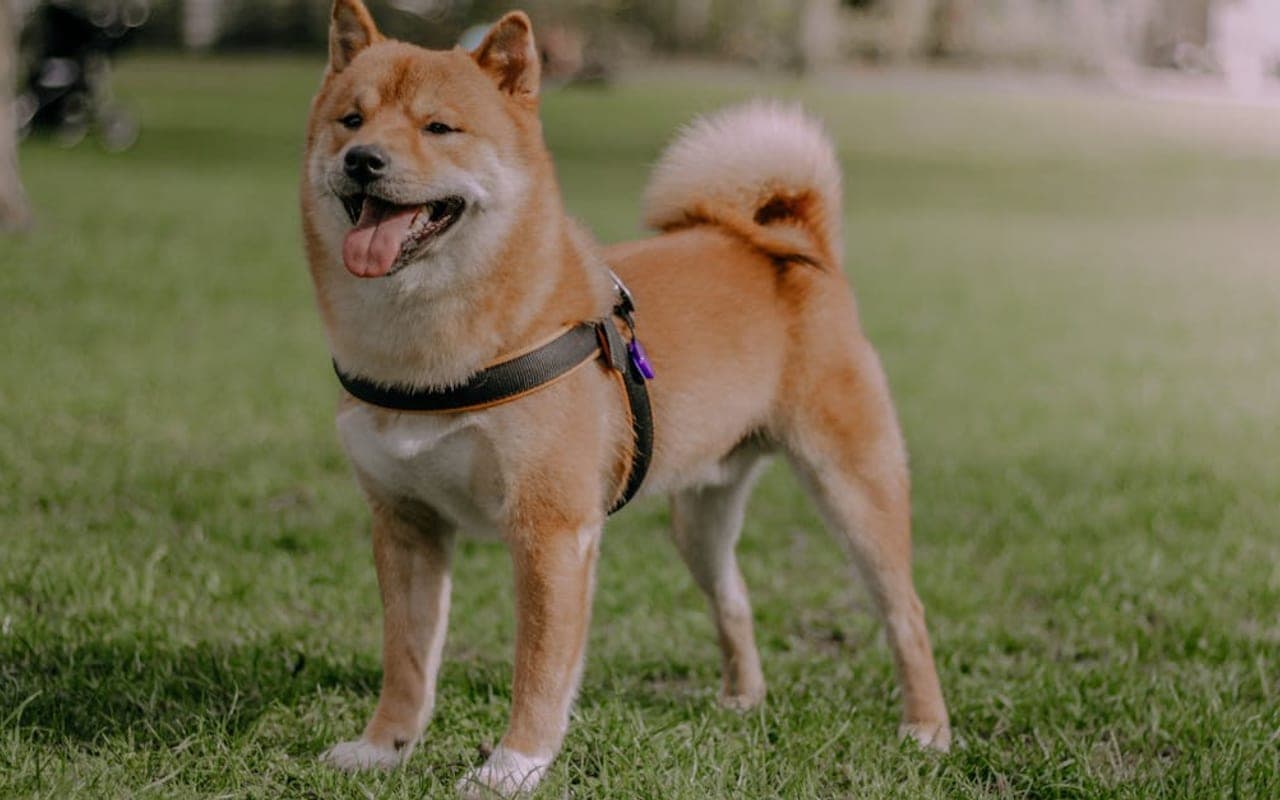
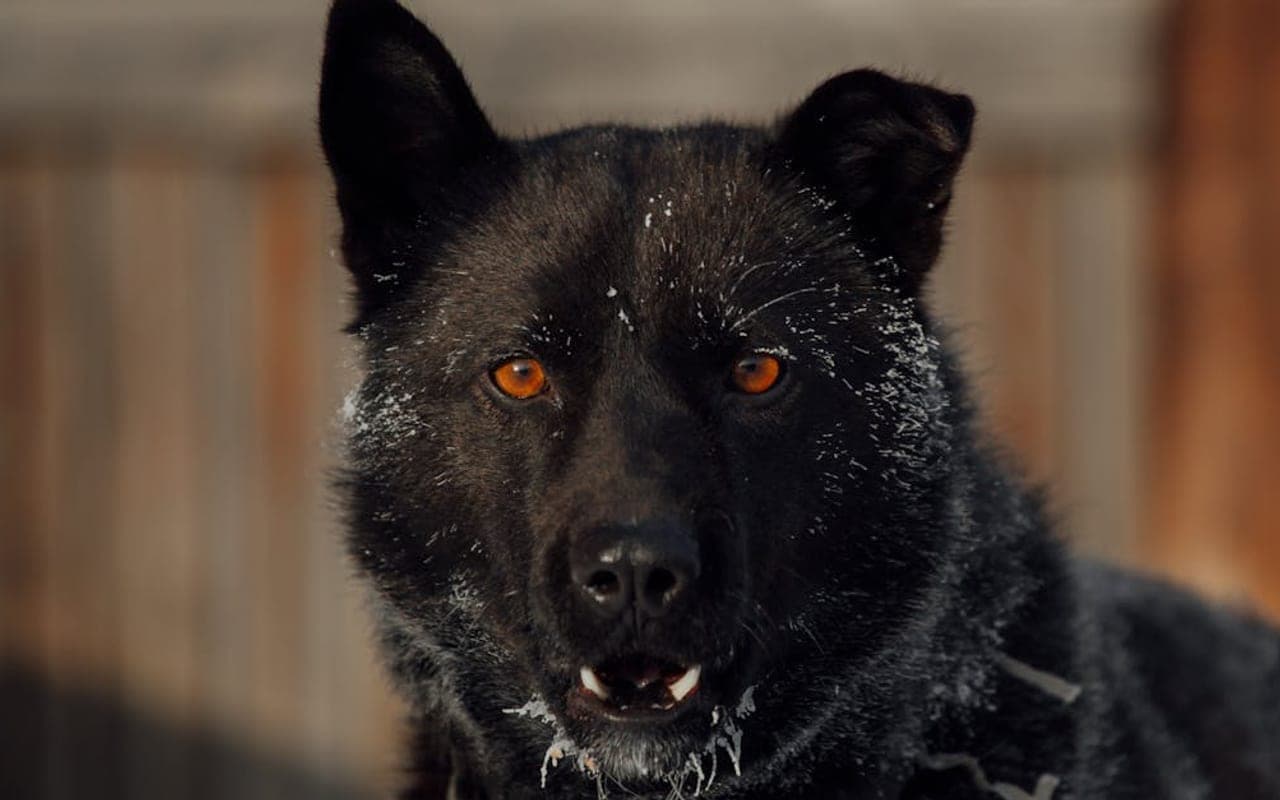
The Kai Ken is a medium-sized Japanese mountain hunting dog (one of the six native Nihon Ken) instantly recognizable by its brindle coat, which comes in black-brindle (kuro-tora), brindle (chu-tora), and the rare red-brindle (aka-tora).
Size
24-40 lb
Lifespan
12-15 years
Exercise
30-60 minutes
Shedding
Moderate
Experience
Match to owner routine
Decision first
Is a Kai Ken right for you?
Start with fit before history or trivia. These are ownership signals, not guarantees about any individual dog.
Best suited for
- Households with children.
- Homes with other compatible pets.
- Apartment homes with a consistent routine.
- Owners seeking a manageable daily exercise routine.
Think carefully if
- You need a dog with almost no daily routine.
- You cannot keep up with grooming and preventive care.
- The dog will spend most days alone without support.
Conditional fit
Apartment fit depends on exercise, enrichment, noise management, and outdoor access.
Daily reality
Kai Ken commitment snapshot
Daily exercise
30-60 minutes
Match activity to age, health, weather, and training goals.
Coat care
Moderate
Grooming needs vary by coat, shedding, and lifestyle.
Time alone
Needs planning
Most dogs need gradual alone-time conditioning and support.
Structured facts
Kai Ken at a glance
The measurements and traits that most affect day-to-day life with this breed.
Group
Miscellaneous Class
Weight
24-40 lb
Height
17-21 in
Lifespan
12-15 years
Temperament
Loyal | Agile | Keen
View all characteristics and methodology
Lifestyle fit
- Apartment suitability
- Likely fit
- Child friendliness
- Often good, with socialisation and supervision
- Other-pet fit
- Often compatible with careful introductions
Owner commitment
- Exercise
- 30-60 minutes
- Grooming
- Moderate
- Shedding
- Moderate
- Training
- Moderate
Environment and health
- Health risk
- Needs planning
Ratings combine structured breed data, visible breed fields, and editorial context. They are planning aids, not predictions for an individual dog.
Daily life
Kai Ken temperament and behavior
The Kai Ken is a medium-sized Japanese mountain hunting dog (one of the six native Nihon Ken) instantly recognizable by its brindle coat, which comes in black-brindle (kuro-tora), brindle (chu-tora), and the rare red-brindle (aka-tora). Most Kai are born nearly solid black and the brindle pattern develops over the first ~5 years — so the puppy you pick is not the dog you'll have. It is genuinely rare even in Japan, and that scarcity drives both the appeal and a real practical caution: small gene pools require breeders who track inbreeding coefficients and import lines. As a landrace developed for hunting boar and deer in the steep Kai region, this dog is built for problem-solving, not biddability. Kai are athletic, intelligent, and notorious for being able to climb trees and swim rivers after game. Compared with other Nihon Ken they are often described as more attached and willing to please their own people — but 'more willing than a Shiba' is not 'easy.' Expect an independent thinker that bonds intensely with its family, is naturally clean and quiet indoors, and is reserved-to-aloof with strangers while being a trustworthy guardian. Who the Kai Ken is right for: an owner who respects a primitive-type dog — one who will socialize early, manage a real prey drive, accept that off-leash reliability is limited, and not expect a Labrador's eager compliance. The breed adapts to apartment life only with committed daily exercise. Who it is wrong for: anyone wanting an instantly obedient dog, a low-effort first dog, or a reliable off-leash hiking companion without fencing or a long line. The honest summary: structurally hardy, temperamentally demanding, and rare enough that finding an ethical, health-screening breeder is itself part of the work.
Loyal | Agile | Keen
Loyal
A common Kai Ken temperament descriptor that should be interpreted alongside training, exercise, and household fit.
Agile
A common Kai Ken temperament descriptor that should be interpreted alongside training, exercise, and household fit.
Keen
A common Kai Ken temperament descriptor that should be interpreted alongside training, exercise, and household fit.
Owner note
Temperament labels are starting points, not guarantees. Meet the individual dog and ask about behavior history whenever possible.
Care essentials
How to care for a Kai Ken
What looking after one actually involves: exercise, grooming, food, training, and routine health.
ExerciseAs needed
- Moderately active breed needing 30-60 minutes of daily exercise through walks, play, and mental stimulation.
GroomingAs needed
- Regular grooming needed — brush 2-3 times per week and bathe monthly.
TrainingAs needed
- Moderately trainable — consistent, patient training with positive methods works best.
NutritionAs needed
- Feed a high-quality dog food appropriate for their age, size, and activity level. Monitor portions to prevent obesity.
Veterinary CareAs needed
- Annual wellness exams, core vaccinations, dental care, and parasite prevention. Breed-specific health screenings as recommended by your vet.
Health planning
Kai Ken health risks and screening
Every breed has individual health variation. Use this profile for planning and discuss medical decisions with a veterinarian.
Responsible ownership
Finding a Kai Ken responsibly
What to ask a breeder or rescue is the same conversation for every breed, so we keep it in one place and keep it current.
Health documentation, meeting the parents or foster, contracts and return support, and the warning signs worth walking away from.
Original purpose
Kai Ken history
History is useful when it explains today's behavior, coat, exercise needs, and training style.
Read the breed history
The Kai Ken developed in the rugged, isolated Kai region (modern Yamanashi Prefecture) of central Japan, where mountainous terrain kept the population genetically separate and produced a hardy boar- and deer-hunting dog. Its geographic isolation is the reason the breed stayed relatively pure and is also why it remained rare — it was never a widely distributed dog even within Japan. The Kai was designated a Japanese national treasure in 1934 under Japan's program to protect its native breeds, and a preservation society (the Kai Ken Aigokai) was formed to maintain it. It reached North America only in the late 20th century in very small numbers. For prospective owners, that history is directly relevant: the breed's working origin explains its independence and prey drive, and its narrow founding population explains why responsible breeders today actively manage inbreeding and import Japanese lines to maintain genetic diversity.
Gallery
Kai Ken photos
Images are cropped consistently and loaded progressively to keep the page responsive.
Lower-page context
Kai Kens in culture
Where the breed shows up in film, sport, work and folklore — the enjoyable part, once the practical questions are answered.
Fun facts
- The Kai Ken belongs to the Foundation Stock Service.
- With proper care, Kai Ken dogs can live up to 15 years or more.
- Kai Ken dogs are valued for their loyal, agile, keen nature.
Kai Ken FAQs
Are Kai Ken healthy dogs?
Comparatively, yes — the Kai Ken is one of the hardier primitive breeds, with many reaching 14-16 years, and it has no single defining genetic disease the way some breeds do. But 'hardy' is not 'risk-free': patellar luxation, PRA, hip dysplasia, hypothyroidism, and allergies all occur, and the breed's small gene pool raises inherited risk. The honest position is that a Kai from a breeder who screens hips, eyes, and thyroid and manages inbreeding is a genuinely robust dog; an unscreened one is a gamble.
How long do Kai Ken dogs live?
Typically 12 to 15 years, and individuals reaching 16 are not unusual — this is a long-lived breed for its size. Lifespan here is driven less by managing a fatal breed disease and more by basics done consistently: keeping the dog lean to spare at-risk knees and hips, screening eyes for PRA, and catching hypothyroidism early on a blood panel. A lean, screened, well-exercised Kai generally lives a long, healthy life.
Are Kai Ken good off-leash?
Usually not reliably. The Kai is a mountain hunting landrace with strong, intact prey drive and a famous ability to climb and swim after game — once it locks onto a target, recall collapses until the chase ends. Treat off-leash freedom as a managed exception earned through extensive training, not a default, and rely on a securely fenced yard and a long line. Owners who fight this trait instead of managing it are the ones who lose their dog.
Are Kai Ken easy to train?
They learn fast but choose whether to comply — typical primitive-breed independence. The Kai is described as more people-attached and willing to please than other Nihon Ken, which helps, but it is still not a biddable retriever. Use short, reward-based sessions started in early puppyhood; harsh correction backfires on this sensitive type. Set realistic goals: solid manners and a strong relationship are achievable; robotic obedience and bombproof recall generally are not.
Are Kai Ken good with children and other pets?
Raised with a family from puppyhood, the Kai is loyal and devoted and can do well with children who are taught to respect the dog's space; supervise young kids as with any medium hunting breed. The bigger caution is small pets — the prey drive is real, and a Kai not raised alongside a cat or small animal often cannot reliably ignore it. Early socialization improves the odds but does not erase the instinct.
Why are Kai Ken so rare, and does it matter when buying?
The Kai developed in an isolated mountainous region and was never widely distributed even in Japan, so the worldwide population — especially outside Japan — is genuinely small. It matters directly when buying: a narrow gene pool concentrates inherited risk, so a responsible Kai breeder actively tracks inbreeding coefficients, screens hips/eyes/thyroid, and imports Japanese lines to maintain diversity. Expect a waitlist and breeder vetting; treat any 'always available' Kai as a red flag.
Sources
These are the published sources this page draws on. Each opens in a new tab so you can check it yourself.
American Kennel Club
Kai Ken — breed standard and profile(opens in a new tab)Supports: Breed standard and recognition details.
Similar breeds to consider
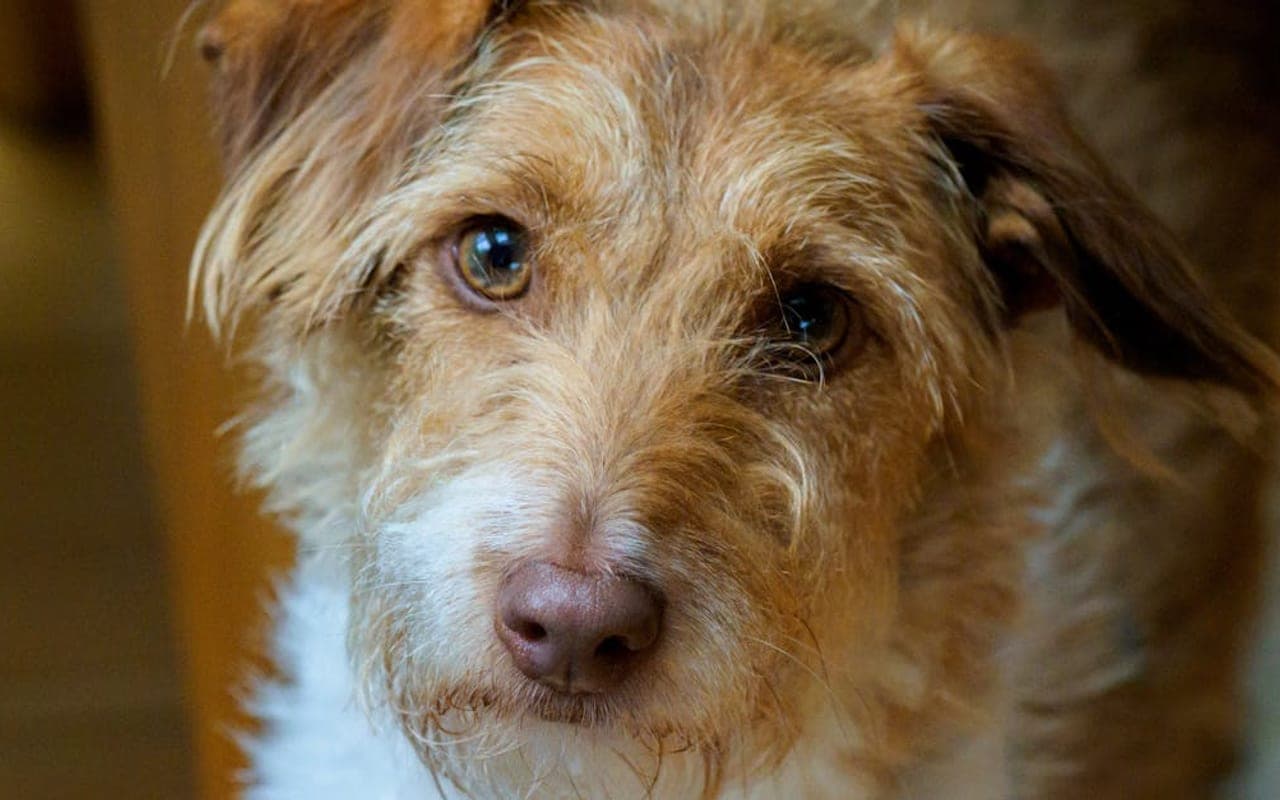
Portuguese Podengo
Also in the Miscellaneous Class group, with different care and temperament tradeoffs.
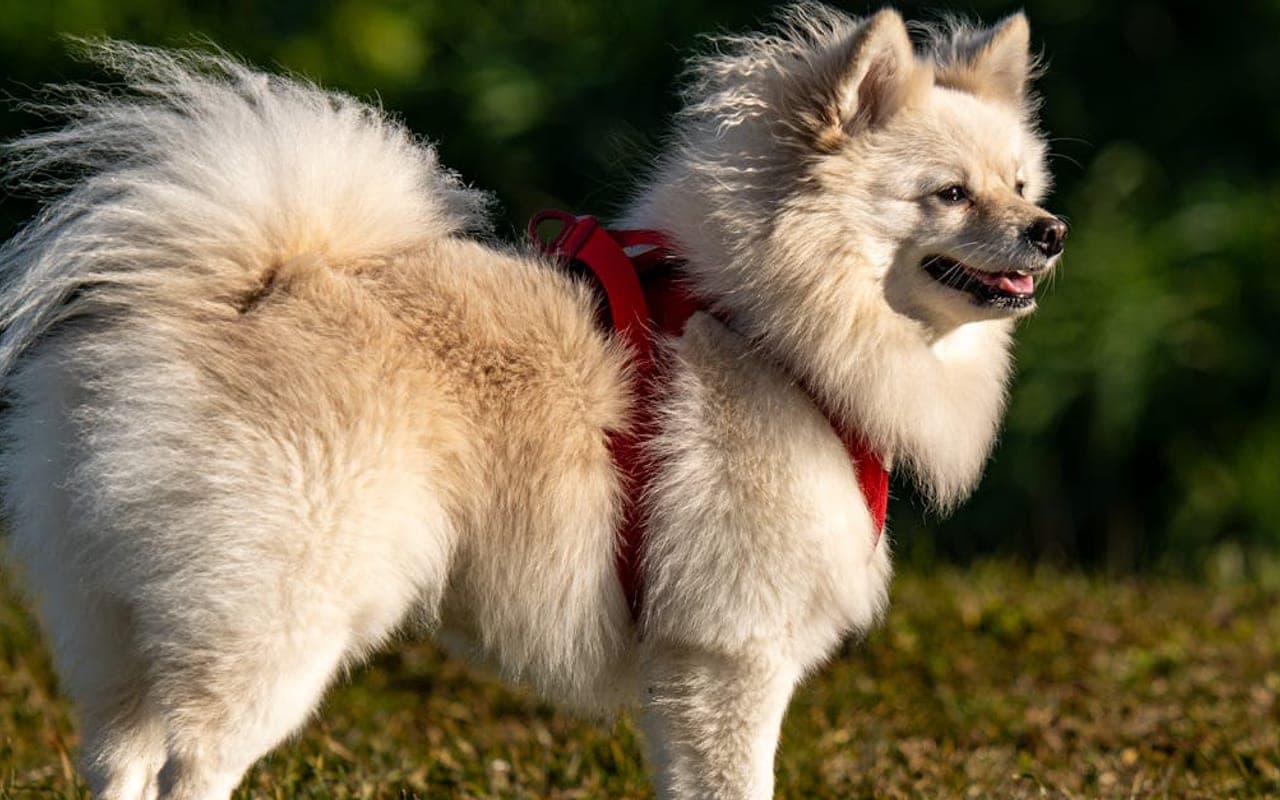
German Spitz
Also in the Miscellaneous Class group, with different care and temperament tradeoffs.

Yakutian Laika
Also in the Miscellaneous Class group, with different care and temperament tradeoffs.
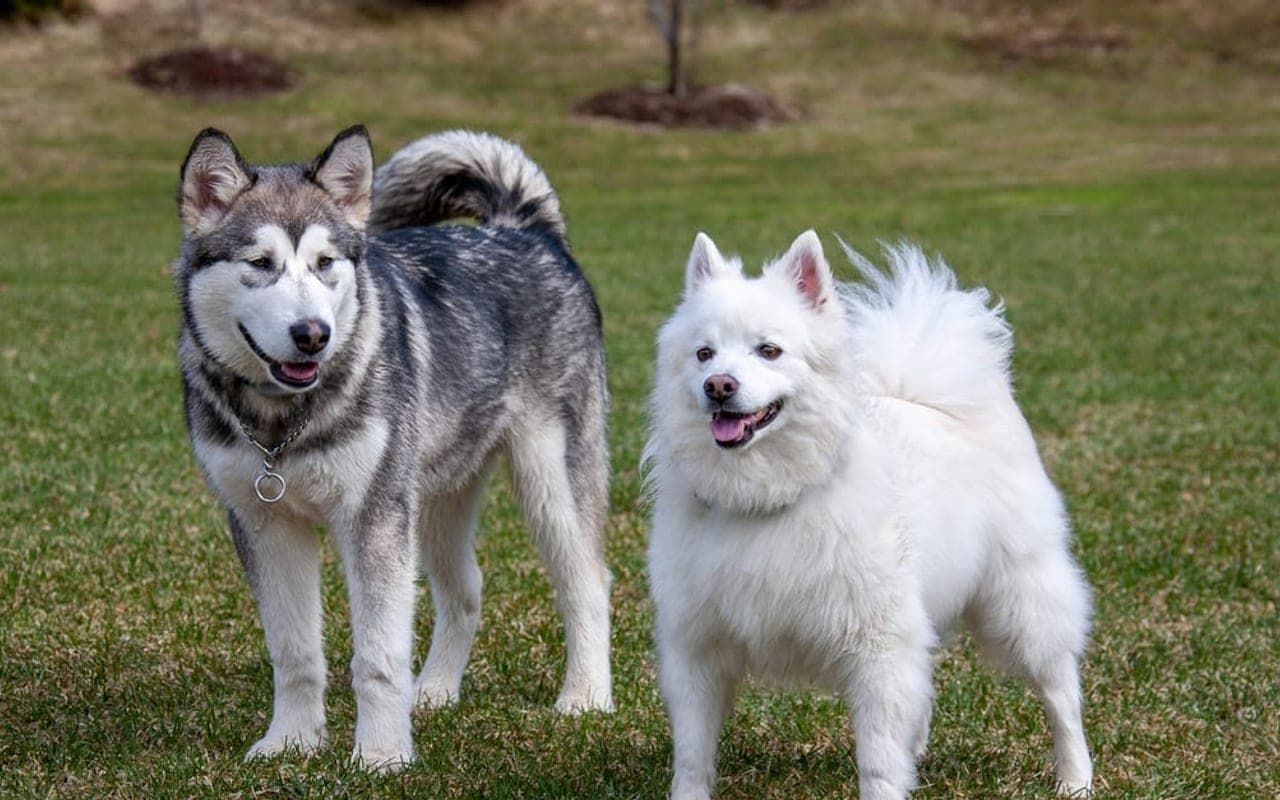
Alaskan Klee Kai
Also in the Miscellaneous Class group, with different care and temperament tradeoffs.
Explore More About Kai Ken
Dive deeper into everything Kai Ken — costs, care, and expert insights.
Considering a cat instead?
Browse Cats