
Foundation Stock Service group
Karelian Bear Dog
The Karelian Bear Dog is a working landrace built to bay and hold large, dangerous game — bear, moose, wild boar — and the honest version of this profile leads with a hard truth: the health page is short because the temperament page is the real risk.
Size
37-62 lb
Lifespan
11-13 years
Exercise
30-60 minutes
Shedding
Moderate
Experience
Match to owner routine
Decision first
Is a Karelian Bear Dog right for you?
Start with fit before history or trivia. These are ownership signals, not guarantees about any individual dog.
Best suited for
- Households with children.
- Homes with other compatible pets.
- Apartment homes with a consistent routine.
- Owners seeking a manageable daily exercise routine.
Think carefully if
- You need a dog with almost no daily routine.
- You cannot keep up with grooming and preventive care.
- The dog will spend most days alone without support.
Conditional fit
Apartment fit depends on exercise, enrichment, noise management, and outdoor access.
Daily reality
Karelian Bear Dog commitment snapshot
Daily exercise
30-60 minutes
Match activity to age, health, weather, and training goals.
Coat care
Moderate
Grooming needs vary by coat, shedding, and lifestyle.
Time alone
Needs planning
Most dogs need gradual alone-time conditioning and support.
Structured facts
Karelian Bear Dog at a glance
The measurements and traits that most affect day-to-day life with this breed.
Group
Foundation Stock Service
Weight
37-62 lb
Height
19-24 in
Lifespan
11-13 years
Temperament
Loyal | Independent | Courageous
View all characteristics and methodology
Lifestyle fit
- Apartment suitability
- Likely fit
- Child friendliness
- Often good, with socialisation and supervision
- Other-pet fit
- Often compatible with careful introductions
Owner commitment
- Exercise
- 30-60 minutes
- Grooming
- Moderate
- Shedding
- Moderate
- Training
- Moderate
Environment and health
- Health risk
- Needs planning
Ratings combine structured breed data, visible breed fields, and editorial context. They are planning aids, not predictions for an individual dog.
Daily life
Karelian Bear Dog temperament and behavior
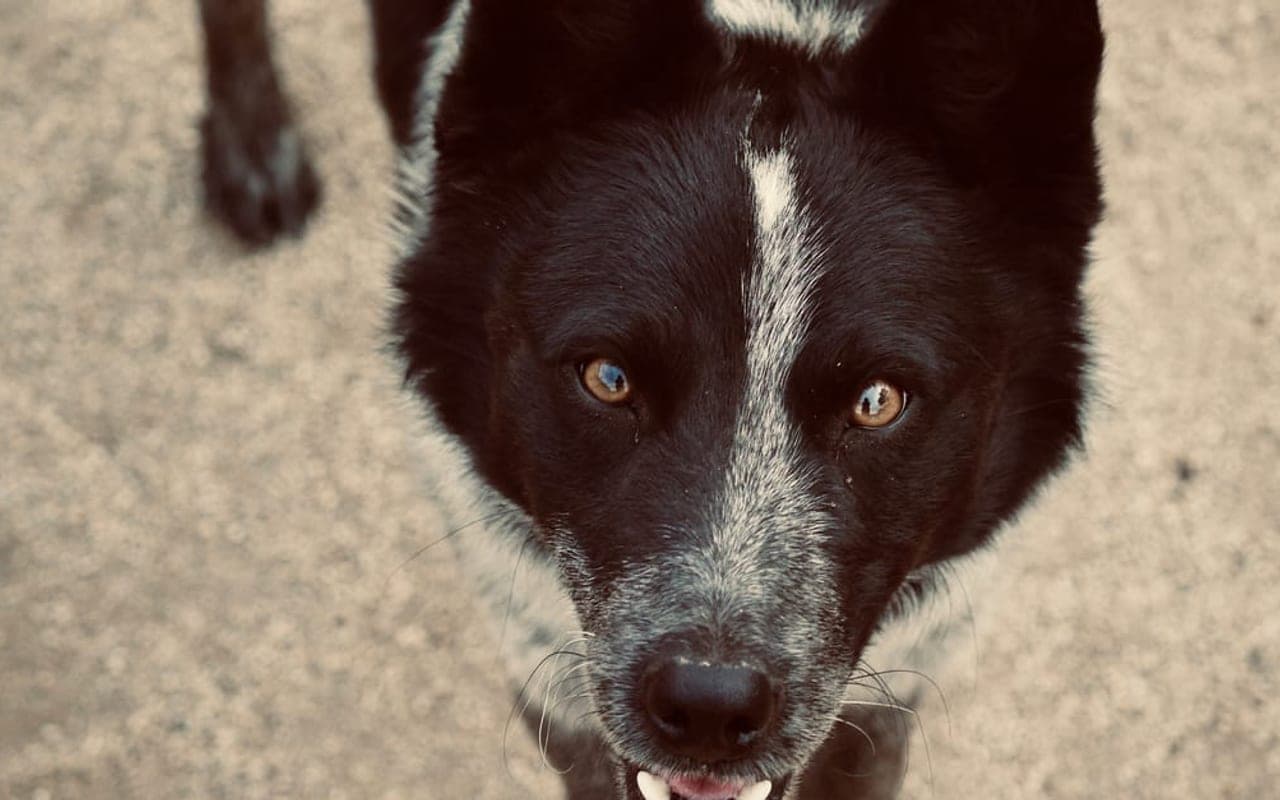
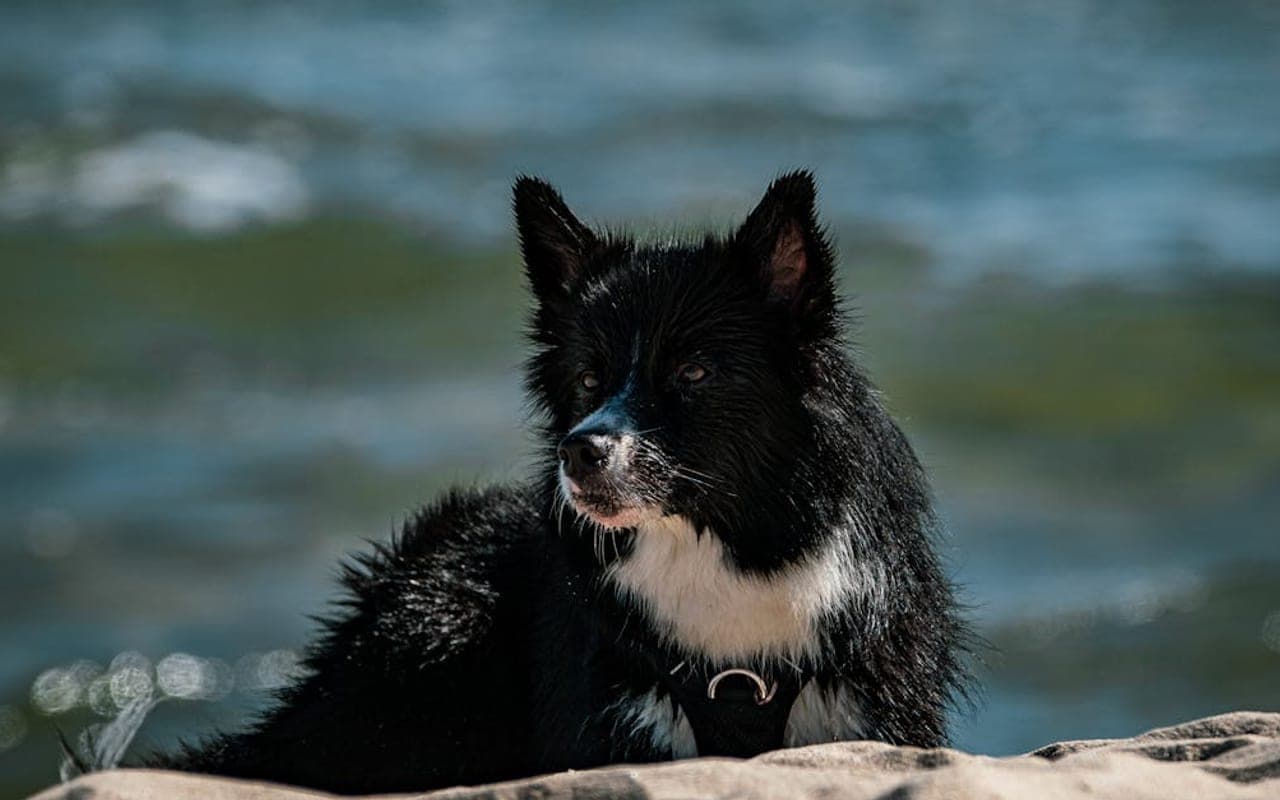
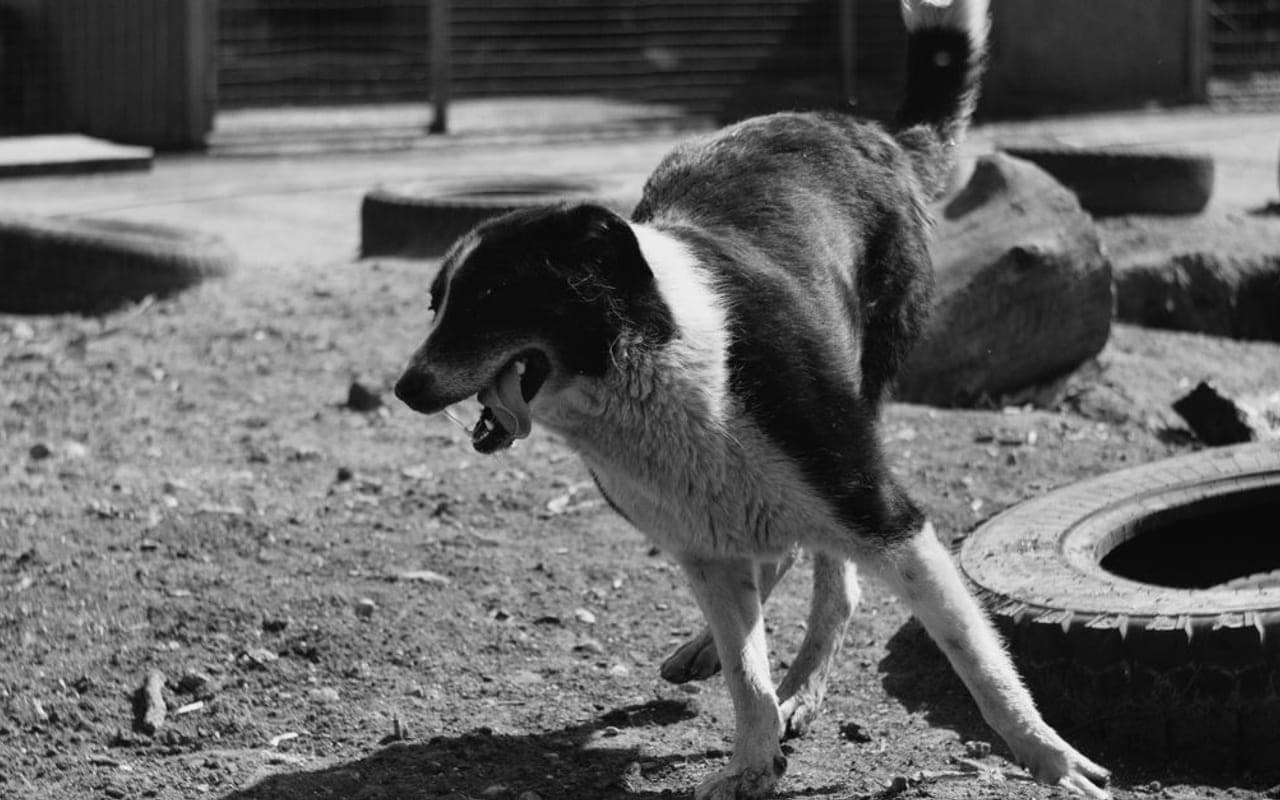
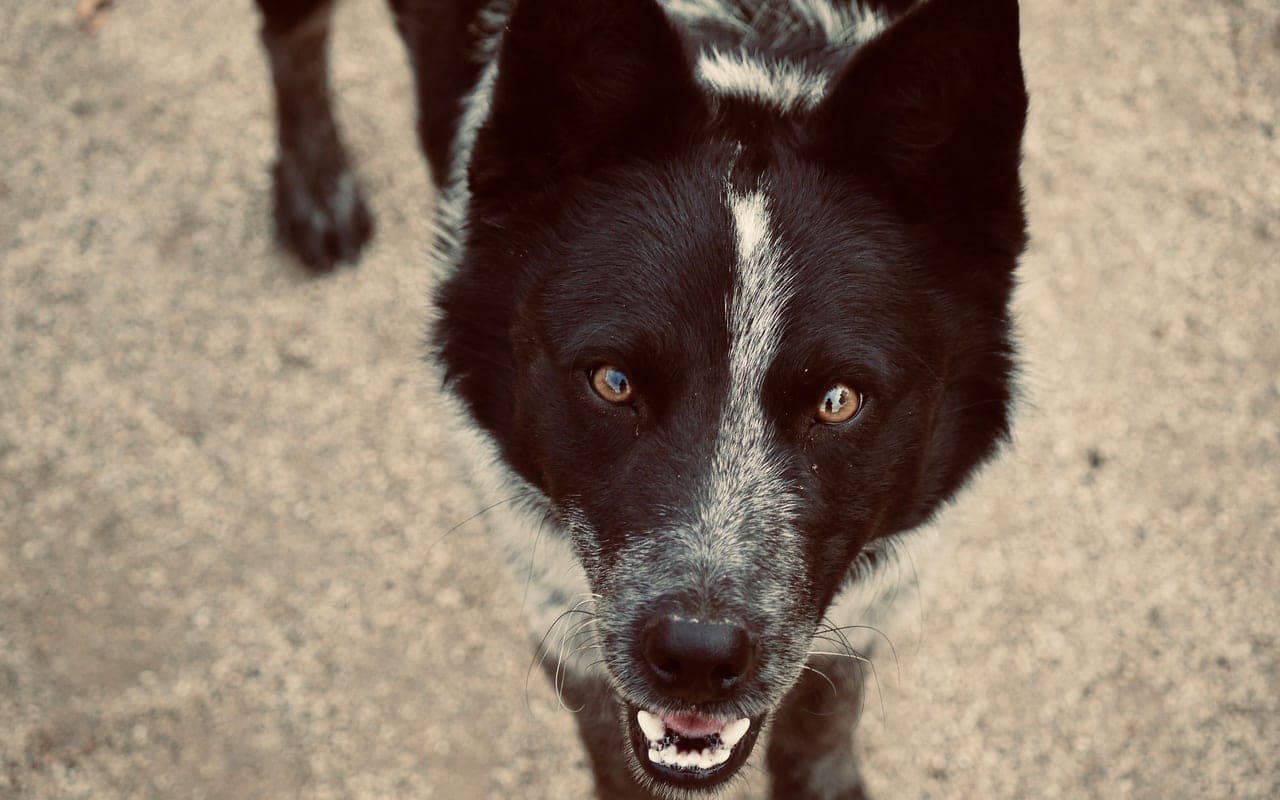
The Karelian Bear Dog is a working landrace built to bay and hold large, dangerous game — bear, moose, wild boar — and the honest version of this profile leads with a hard truth: the health page is short because the temperament page is the real risk. This is a physically robust, naturally selected breed with a relatively clean genetic record. Its lifespan, 11-13 years, is typical for a medium dog. What ends Karelian ownerships is almost never an inherited disease; it is dog-aggression, prey drive, and an independence that resists conventional obedience. Physically it is a compact, powerful black-and-white spitz, commonly cited at 20-28 kg with working males at the upper end, with a dense double coat for Nordic winters, pricked ears, and a curled tail. Built for endurance and standing ground against an animal that can kill it. Temperament is the whole story. Bred to work independently at distance from the hunter, the Karelian is brave to the point of fearlessness, intensely focused, reserved with strangers, and frequently aggressive toward other dogs and small animals. It is loyal and affectionate with its own family and rarely human-aggressive, but it is not a biddable companion breed and it is poor for first-time owners. Who it is right for: an experienced, active owner with secure fencing, no off-leash ambitions in unfenced areas, and ideally no other dogs or small pets — someone who wants a hardy, low-genetic-baggage working dog and respects what it was bred to do. Who it is wrong for: novices, multi-dog homes, households with cats or rabbits, or anyone wanting an easygoing family pet. The breed's health is the easy part; its instincts are the commitment.
Loyal | Independent | Courageous
Loyal
A common Karelian Bear Dog temperament descriptor that should be interpreted alongside training, exercise, and household fit.
Independent
A common Karelian Bear Dog temperament descriptor that should be interpreted alongside training, exercise, and household fit.
Courageous
A common Karelian Bear Dog temperament descriptor that should be interpreted alongside training, exercise, and household fit.
Owner note
Temperament labels are starting points, not guarantees. Meet the individual dog and ask about behavior history whenever possible.
Care essentials
How to care for a Karelian Bear Dog
What looking after one actually involves: exercise, grooming, food, training, and routine health.
ExerciseAs needed
- Moderately active breed needing 30-60 minutes of daily exercise through walks, play, and mental stimulation.
GroomingAs needed
- Regular grooming needed — brush 2-3 times per week and bathe monthly.
TrainingAs needed
- Moderately trainable — consistent, patient training with positive methods works best.
NutritionAs needed
- Feed a high-quality dog food appropriate for their age, size, and activity level. Monitor portions to prevent obesity.
Veterinary CareAs needed
- Annual wellness exams, core vaccinations, dental care, and parasite prevention. Breed-specific health screenings as recommended by your vet.
Health planning
Karelian Bear Dog health risks and screening
Every breed has individual health variation. Use this profile for planning and discuss medical decisions with a veterinarian.
Responsible ownership
Finding a Karelian Bear Dog responsibly
What to ask a breeder or rescue is the same conversation for every breed, so we keep it in one place and keep it current.
Health documentation, meeting the parents or foster, contracts and return support, and the warning signs worth walking away from.
Original purpose
Karelian Bear Dog history
History is useful when it explains today's behavior, coat, exercise needs, and training style.
Read the breed history
The Karelian Bear Dog is an ancient landrace from the Karelia region spanning modern Finland and Russia, where Finnish and Karelian hunters used spitz-type dogs for centuries to track and bay large, dangerous game. Near-extinction after World War II prompted a deliberate Finnish revival from surviving stock; the Finnish Kennel Club standardized the breed in 1945, and it is recorded today under the AKC Foundation Stock Service. Because it was shaped by survival and function rather than the closed show-ring lines of many modern breeds, it retains a comparatively robust, low-baggage genetic profile. That working origin is not trivia — it directly explains the ownership reality. The independence, fearlessness, prey drive, and dog-aggression that make a Karelian unsuitable for novices are precisely the traits that let it stand its ground against a bear. You are not adopting those instincts away; you are managing a purpose-bred working animal, which is why honest guidance leads with temperament, not pedigree.
Gallery
Karelian Bear Dog photos
Images are cropped consistently and loaded progressively to keep the page responsive.
Lower-page context
Karelian Bear Dogs in culture
Where the breed shows up in film, sport, work and folklore — the enjoyable part, once the practical questions are answered.
Fun facts
- The Karelian Bear Dog belongs to the Foundation Stock Service.
- The average lifespan of a Karelian Bear Dog is 11 to 13 years.
- Karelian Bear Dog dogs are valued for their loyal, independent, courageous nature.
Karelian Bear Dog FAQs
How long do Karelian Bear Dogs live?
Around 11-13 years, which is typical for a medium-sized dog. This is a hardy landrace with a comparatively short list of inherited diseases, so lifespan is governed mostly by injury prevention (secure containment so the dog isn't lost or hit chasing game), lean body weight to spare the hips, and routine care. The breed's risks are behavioral and accident-related far more than they are genetic — which is the honest framing owners need.
Is the Karelian Bear Dog a healthy breed?
Relatively, yes — its landrace, function-driven history left it with less genetic baggage than many show-bred breeds. The realistic screens are hip and elbow dysplasia, PRA, hypothyroidism, and cataracts, none of them breed-defining catastrophes. The honest caveat: a clean health page does not make this an easy dog. The dominant ownership risk is temperament and containment, not veterinary cost — do not read 'healthy breed' as 'beginner breed.'
Are Karelian Bear Dogs good with other dogs and pets?
Usually not by default. Bred to confront large animals independently, the breed commonly shows same-sex dog aggression and a high prey drive toward cats, rabbits, and small animals. Early, consistent socialization helps and some individuals coexist with raised-with companions, but you should plan around management, not hope. A multi-dog household or a home with small pets is generally the wrong environment for this breed.
Can a Karelian Bear Dog be off-leash?
Realistically, no — not in any unfenced area. The combination of intense prey drive and an independent, far-ranging working instinct means a Karelian that catches a scent or sight line will pursue it and may not recall. The breed needs a secure, tall, dig-proof fenced yard and on-leash control in open spaces for its entire life. Owners who skip secure fencing are the ones who lose the dog or face a wildlife/livestock incident.
Are Karelian Bear Dogs good for first-time owners?
No. They are independent, strong-willed, slow to obey conventional commands, reserved with strangers, and hardwired with prey and same-sex-aggression instincts. They need an experienced handler who provides firm, consistent, reward-based structure, heavy daily exercise, and airtight containment. They are loyal and affectionate within their family and rarely human-aggressive, but the management load is high — this is a working breed for an experienced, committed owner, not a starter dog.
How much exercise and space does a Karelian Bear Dog need?
A lot of both. Plan on 60+ minutes of vigorous daily exercise plus mental work — this is a stamina breed built to hunt all day, and an under-exercised Karelian becomes destructive and harder to manage. It needs a secure fenced yard, not an apartment, and structured activity (long secure walks, scent work, hiking with a long line) rather than aimless backyard time. Inadequate exercise is one of the top avoidable causes of behavior problems in the breed.
Sources
These are the published sources this page draws on. Each opens in a new tab so you can check it yourself.
American Kennel Club
Karelian Bear Dog — breed standard and profile(opens in a new tab)Supports: Breed standard and recognition details.
Similar breeds to consider
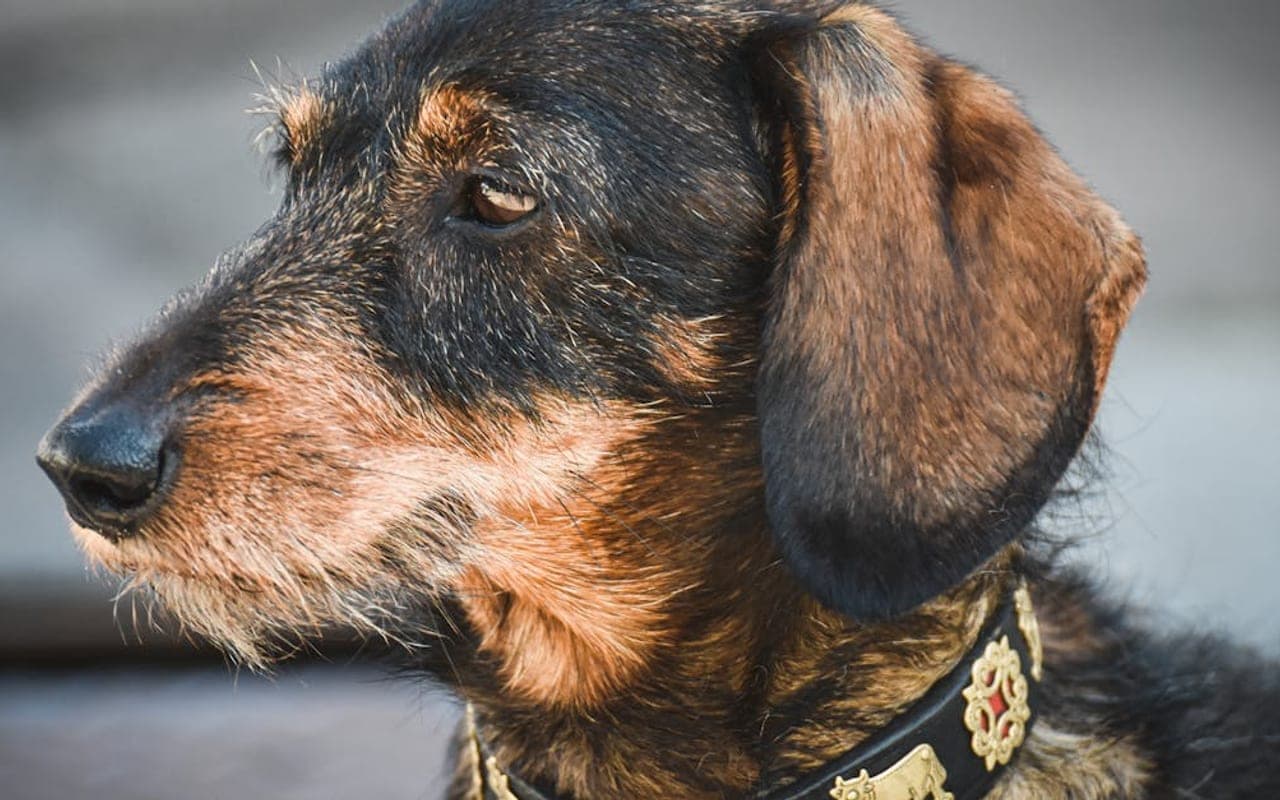
Jagdterrier
Also in the Foundation Stock Service group, with different care and temperament tradeoffs.
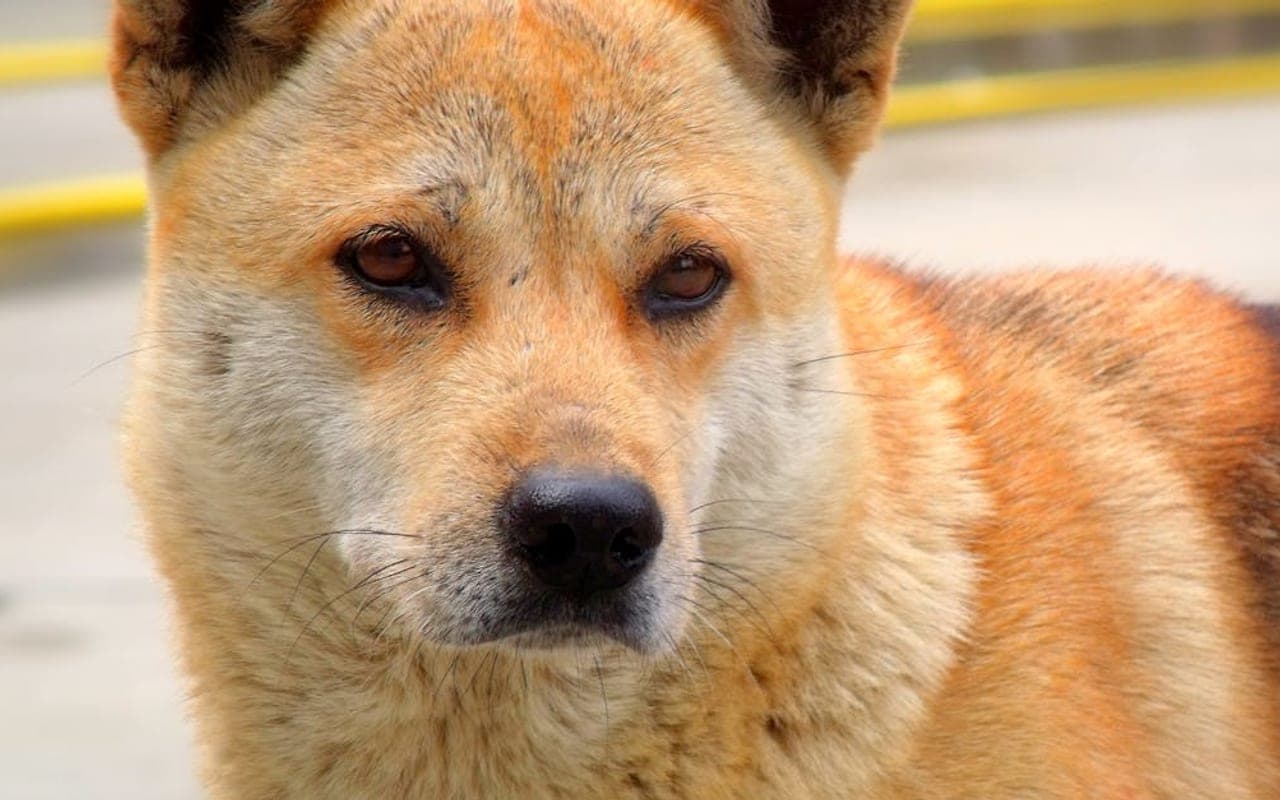
Jindo
Also in the Foundation Stock Service group, with different care and temperament tradeoffs.
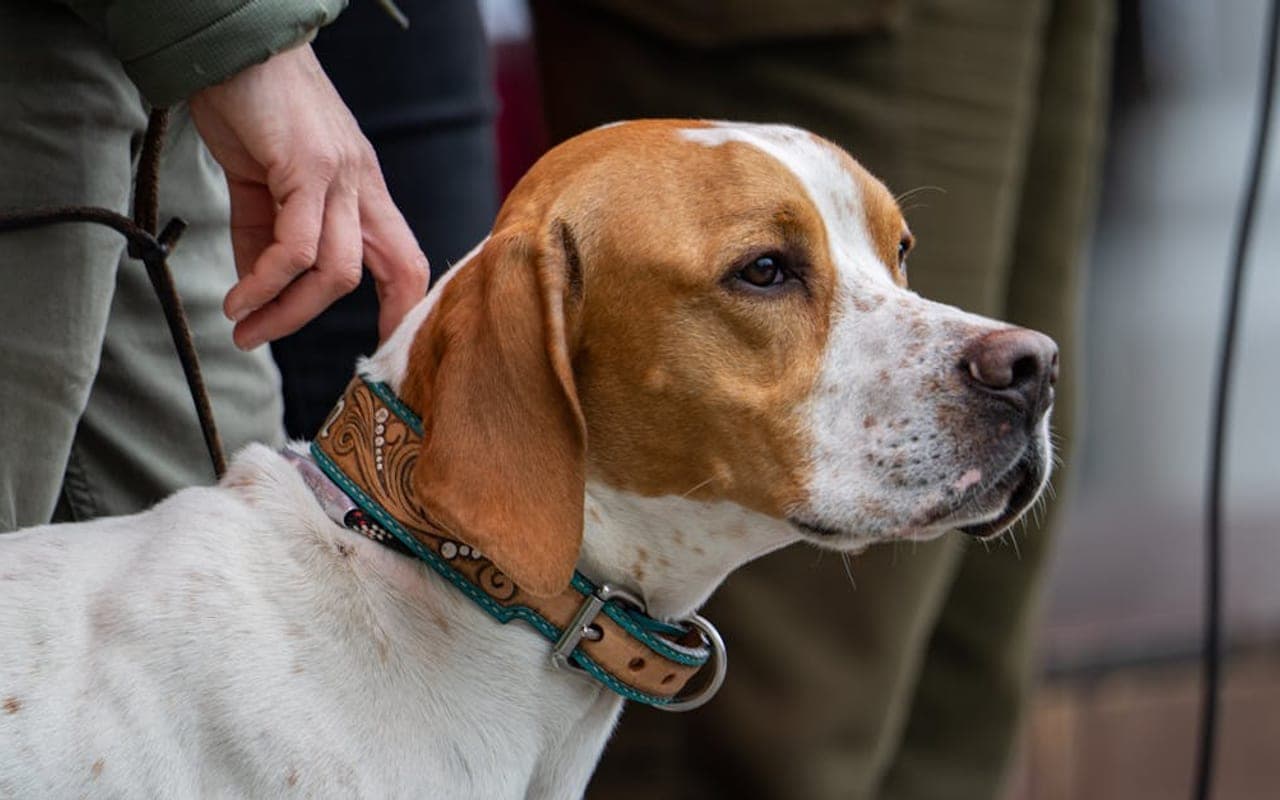
Portuguese Pointer
Also in the Foundation Stock Service group, with different care and temperament tradeoffs.
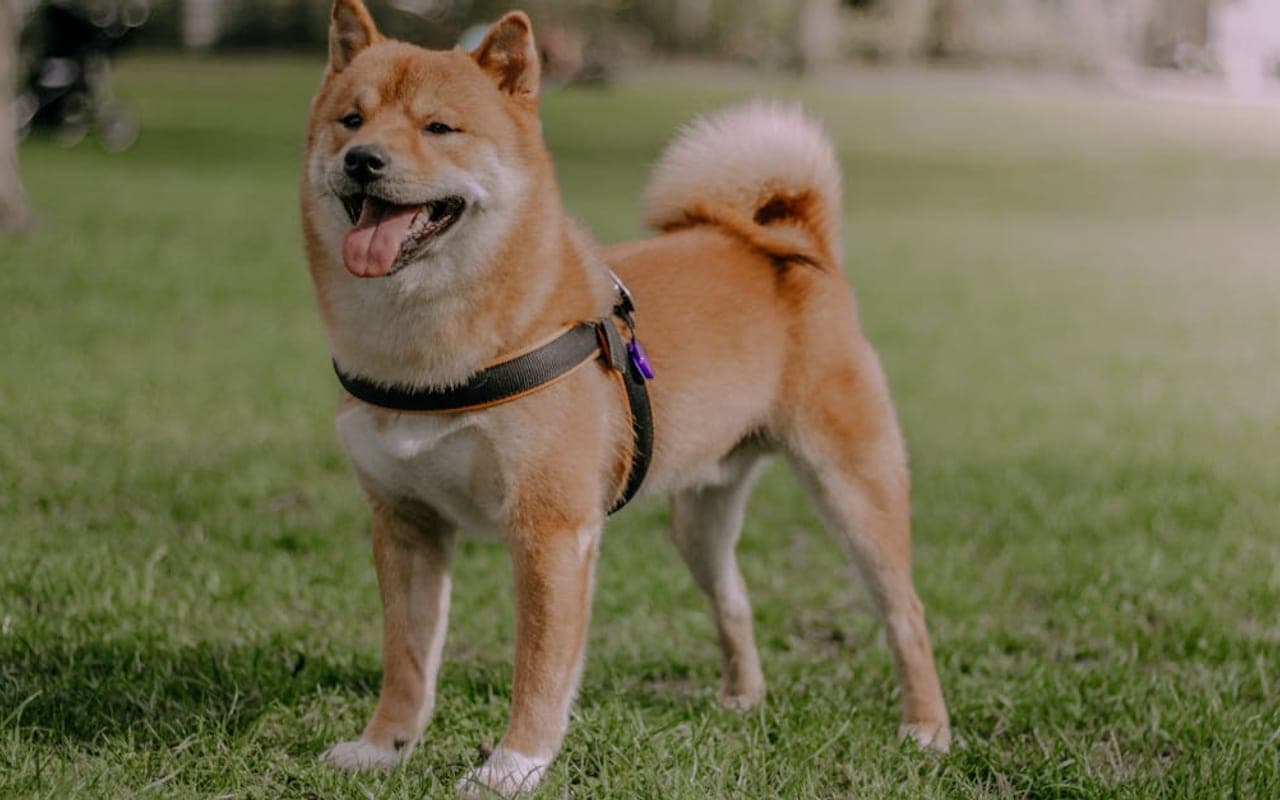
Kishu Ken
Also in the Foundation Stock Service group, with different care and temperament tradeoffs.
Explore More About Karelian Bear Dog
Dive deeper into everything Karelian Bear Dog — costs, care, and expert insights.
Considering a cat instead?
Browse Cats