
Non-Sporting group
Keeshond
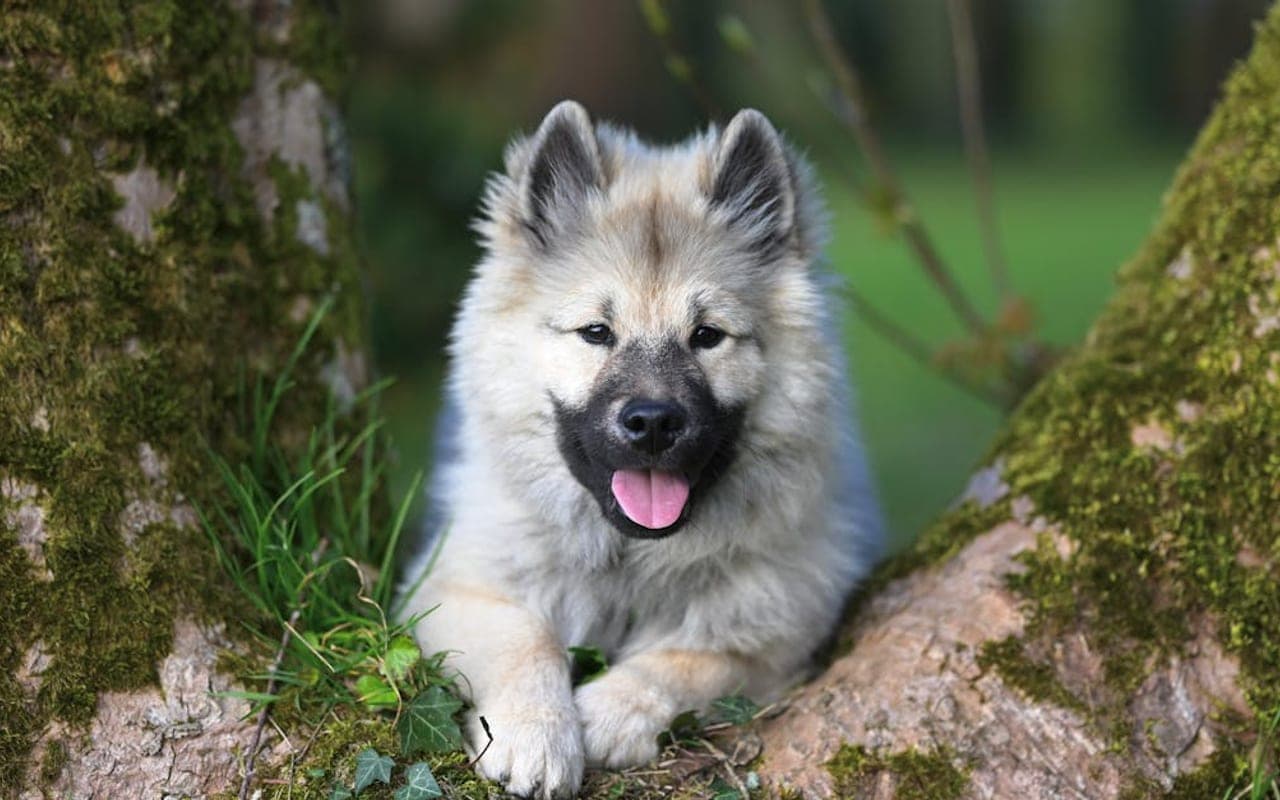
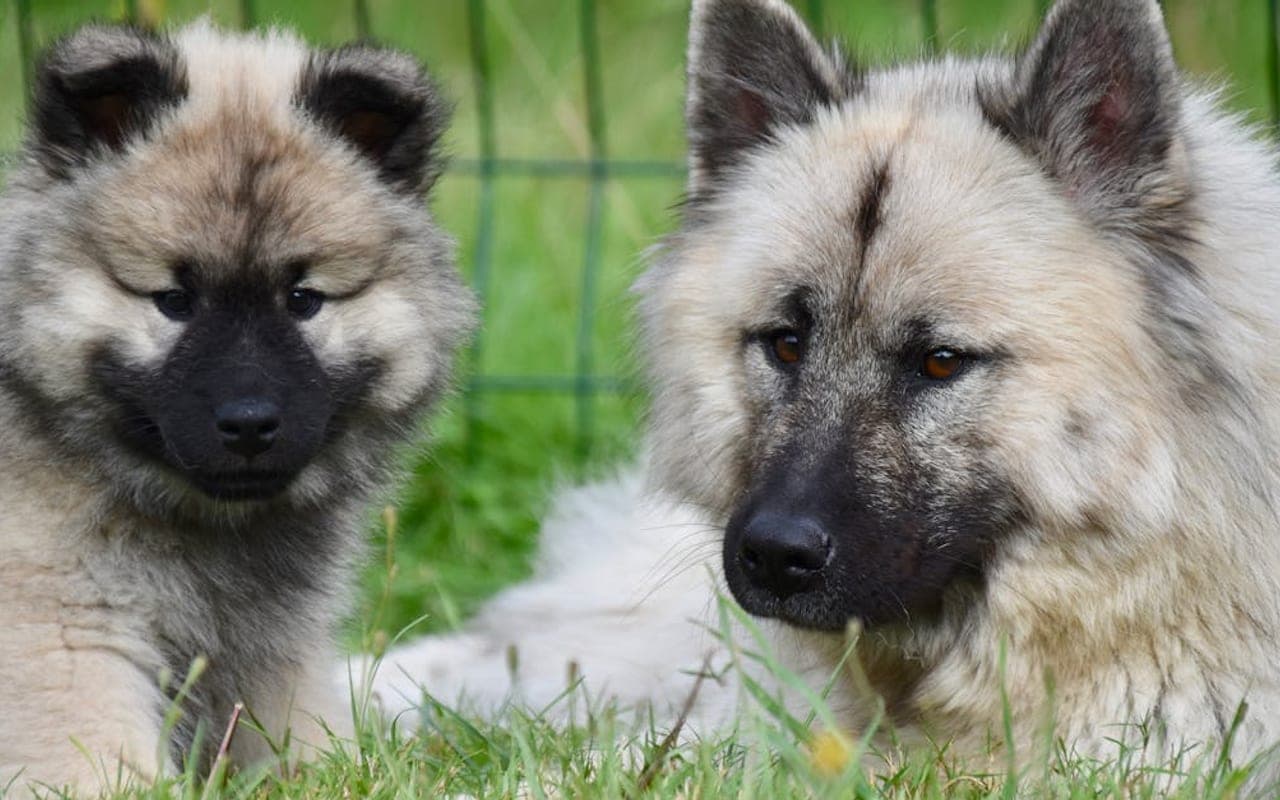
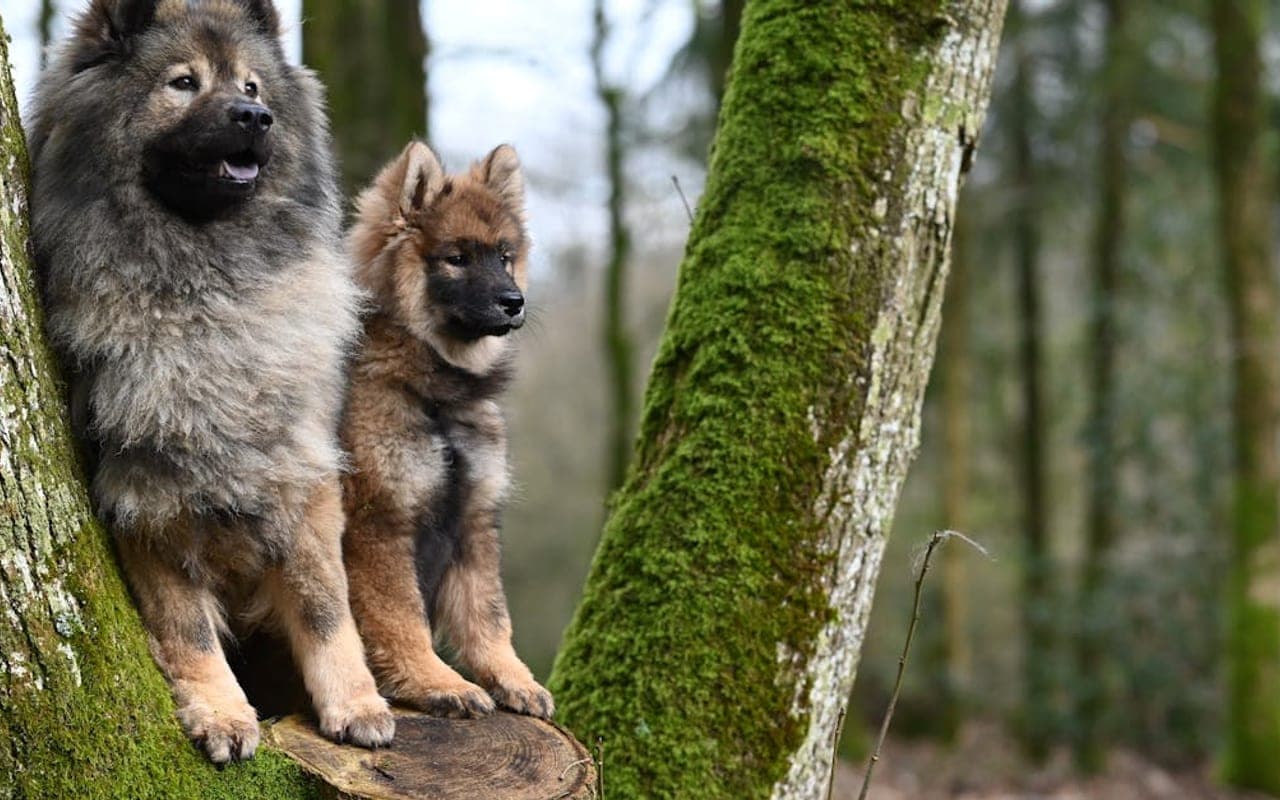
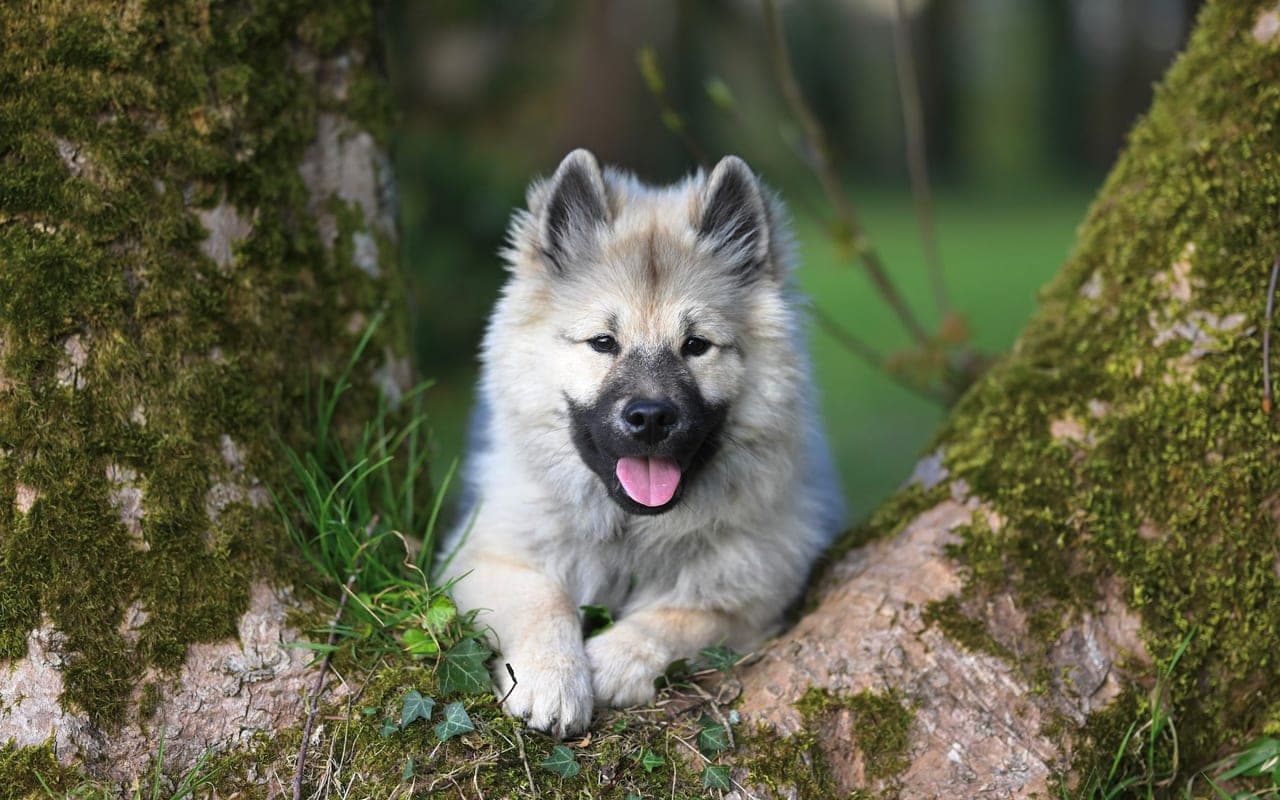
The Keeshond is a medium spitz built almost entirely around two things: a people-obsessed temperament and an enormous double coat.
Size
31-44 lb
Lifespan
12-15 years
Exercise
30-60 minutes
Shedding
Moderate
Experience
Match to owner routine
Decision first
Is a Keeshond right for you?
Start with fit before history or trivia. These are ownership signals, not guarantees about any individual dog.
Best suited for
- Households with children.
- Homes with other compatible pets.
- Apartment homes with a consistent routine.
- Owners seeking a manageable daily exercise routine.
Think carefully if
- You need a dog with almost no daily routine.
- You cannot keep up with grooming and preventive care.
- The dog will spend most days alone without support.
Conditional fit
Apartment fit depends on exercise, enrichment, noise management, and outdoor access.
Daily reality
Keeshond commitment snapshot
Daily exercise
30-60 minutes
Match activity to age, health, weather, and training goals.
Coat care
Moderate
Grooming needs vary by coat, shedding, and lifestyle.
Time alone
Needs planning
Most dogs need gradual alone-time conditioning and support.
Structured facts
Keeshond at a glance
The measurements and traits that most affect day-to-day life with this breed.
Group
Non-Sporting
Weight
31-44 lb
Height
17-19 in
Lifespan
12-15 years
Temperament
Friendly | Lively | Outgoing
View all characteristics and methodology
Lifestyle fit
- Apartment suitability
- Likely fit
- Child friendliness
- Often good, with socialisation and supervision
- Other-pet fit
- Often compatible with careful introductions
Owner commitment
- Exercise
- 30-60 minutes
- Grooming
- Moderate
- Shedding
- Moderate
- Training
- Moderate
Environment and health
- Health risk
- Needs planning
Ratings combine structured breed data, visible breed fields, and editorial context. They are planning aids, not predictions for an individual dog.
Daily life
Keeshond temperament and behavior
The Keeshond is a medium spitz built almost entirely around two things: a people-obsessed temperament and an enormous double coat. It stands about 17-18 inches and weighs roughly 35-45 pounds, with a wolf-gray plush coat, a plumed tail curled over the back, a foxy face, and the breed's signature "spectacles" — the shading around the eyes. Underneath the dramatic coat is a sturdy, agile, friendly dog that was bred to be a companion and watchdog, not a worker, and it shows. The defining temperament trait is attachment. The Keeshond is sometimes called the "Velcro dog" because it follows its people room to room and genuinely struggles when isolated. It is outgoing, lively, smart, sensitive, and notably vocal — an enthusiastic barker and alert watchdog (though too friendly to be a guard dog). It is excellent with children and other pets and adapts well to apartments provided it has company and stimulation, but it does not do well left alone for long workdays. The two trade-offs to plan for are the coat and the voice. The thick double coat sheds heavily and blows out dramatically twice a year, demanding consistent brushing for life. The breed's alert, talkative nature means barking is a feature, not a bug, and needs early management in close-neighbor housing. Who the Keeshond is right for: an at-home or company-rich household wanting an affectionate, trainable, family-and-apartment-friendly companion, and willing to brush a heavy coat year-round and manage barking. Who it is wrong for: people away all day, owners wanting a low-shedding or quiet dog, or anyone expecting an independent, aloof companion. This breed gives back exactly the engagement you put in.
Friendly | Lively | Outgoing
Friendly
A common Keeshond temperament descriptor that should be interpreted alongside training, exercise, and household fit.
Lively
A common Keeshond temperament descriptor that should be interpreted alongside training, exercise, and household fit.
Outgoing
A common Keeshond temperament descriptor that should be interpreted alongside training, exercise, and household fit.
Owner note
Temperament labels are starting points, not guarantees. Meet the individual dog and ask about behavior history whenever possible.
Care essentials
How to care for a Keeshond
What looking after one actually involves: exercise, grooming, food, training, and routine health.
ExerciseAs needed
- Moderately active breed needing 30-60 minutes of daily exercise through walks, play, and mental stimulation.
GroomingAs needed
- Regular grooming needed — brush 2-3 times per week and bathe monthly.
TrainingAs needed
- Moderately trainable — consistent, patient training with positive methods works best.
NutritionAs needed
- Feed a high-quality dog food appropriate for their age, size, and activity level. Monitor portions to prevent obesity.
Veterinary CareAs needed
- Annual wellness exams, core vaccinations, dental care, and parasite prevention. Breed-specific health screenings as recommended by your vet.
Health planning
Keeshond health risks and screening
Every breed has individual health variation. Use this profile for planning and discuss medical decisions with a veterinarian.
Responsible ownership
Finding a Keeshond responsibly
What to ask a breeder or rescue is the same conversation for every breed, so we keep it in one place and keep it current.
Health documentation, meeting the parents or foster, contracts and return support, and the warning signs worth walking away from.
Original purpose
Keeshond history
History is useful when it explains today's behavior, coat, exercise needs, and training style.
Read the breed history
The Keeshond originated in the Netherlands as a companion and watchdog, most famously aboard the river barges and small farms of 18th-century Holland, where its alert, vocal nature made it a natural boat and yard sentinel. It shares ancestry with the broader European spitz family, related to the German Spitz, and was never bred as a hunting or livestock worker — its job was always to bark a warning and keep people company. The breed became a political symbol during the late-18th-century Dutch Patriot movement, associated with the Patriot leader and giving the dog its lasting national identity, which briefly hurt the breed's popularity when the opposing faction prevailed before dedicated enthusiasts revived it in the early 20th century. That history explains the modern dog precisely: the intense people focus, the talkative alert-barking, and the friendly-but-not-aggressive watchdog temperament are exactly the traits centuries of companion-and-sentinel selection produced.
Gallery
Keeshond photos
Images are cropped consistently and loaded progressively to keep the page responsive.
Lower-page context
Keeshonds in culture
Where the breed shows up in film, sport, work and folklore — the enjoyable part, once the practical questions are answered.
Fun facts
- The Keeshond belongs to the Non-Sporting Group.
- With proper care, Keeshond dogs can live up to 15 years or more.
- Keeshond dogs are valued for their friendly, lively, outgoing nature.
Keeshond FAQs
How long do Keeshonden live?
The Keeshond is a fairly long-lived breed for its size, typically 12-15 years. It is generally robust, and longevity depends mostly on weight control (the heavy coat hides obesity), dental care, and catching breed-specific issues early — particularly primary hyperparathyroidism in older dogs, where genetic testing and routine blood calcium checks from middle age make a real difference. With attentive care, many Keeshonden reach the upper end of that range in good health.
Are Keeshonden good with children?
Yes — this is one of the breed's strongest points. Keeshonden are friendly, patient, sturdy, and people-oriented, and they generally do very well with children and other pets, often becoming closely bonded family dogs. They are not fragile like a toy breed and not so large that size is a hazard. Normal supervision with very young children applies, and the main thing to manage is the breed's enthusiastic barking, which can be loud in a busy household, not its temperament with kids.
Do Keeshonden bark a lot?
Yes — barking is a defining breed trait, not a training failure. Keeshonden were bred as alert watchdogs and are naturally vocal, announcing visitors, noises, and activity enthusiastically. This makes them excellent alarm dogs but a genuine consideration in apartments or close-neighbor housing. The barking is manageable with early, consistent training and adequate mental stimulation, but a prospective owner should expect a talkative dog and choose the breed knowing that, rather than hoping to eliminate the behavior.
Are Keeshonden good apartment dogs?
They can be very good in apartments, with two conditions. First, they are deeply people-bonded and develop separation distress and nuisance barking if left alone all day, so they suit households where someone is home much of the time. Second, their alert barking needs early management in shared-wall living. Given company, daily exercise, and barking training, a Keeshond's medium size and adaptable temperament make it a strong apartment companion — but an empty-all-day apartment is the wrong fit.
How much grooming does a Keeshond need?
A lot, and consistently. The dense double coat needs thorough line-brushing 2-3 times a week, rising to daily during the twice-yearly coat blow when the undercoat sheds heavily for 2-3 weeks. They shed year-round regardless. Critically, a Keeshond should never be shaved — the coat insulates against both heat and cold and often does not regrow correctly after clipping. Budget real weekly time for grooming for the life of the dog; this is not a wash-and-go breed.
How much does a Keeshond cost to own?
Purchase price from a responsible breeder is typically around $1,000-$2,000. Routine costs are moderate for the size, but budget for grooming time or professional grooming for the heavy coat, and for breed-specific screening: a primary hyperparathyroidism genetic test and periodic blood calcium monitoring in middle age are worthwhile and inexpensive relative to treating advanced PHPT. Standard hip screening from the breeder and early pet insurance are sensible given the epilepsy and endocrine predispositions in the breed.
Sources
These are the published sources this page draws on. Each opens in a new tab so you can check it yourself.
American Kennel Club
Keeshond — breed standard and profile(opens in a new tab)Supports: Breed standard and recognition details.
Similar breeds to consider
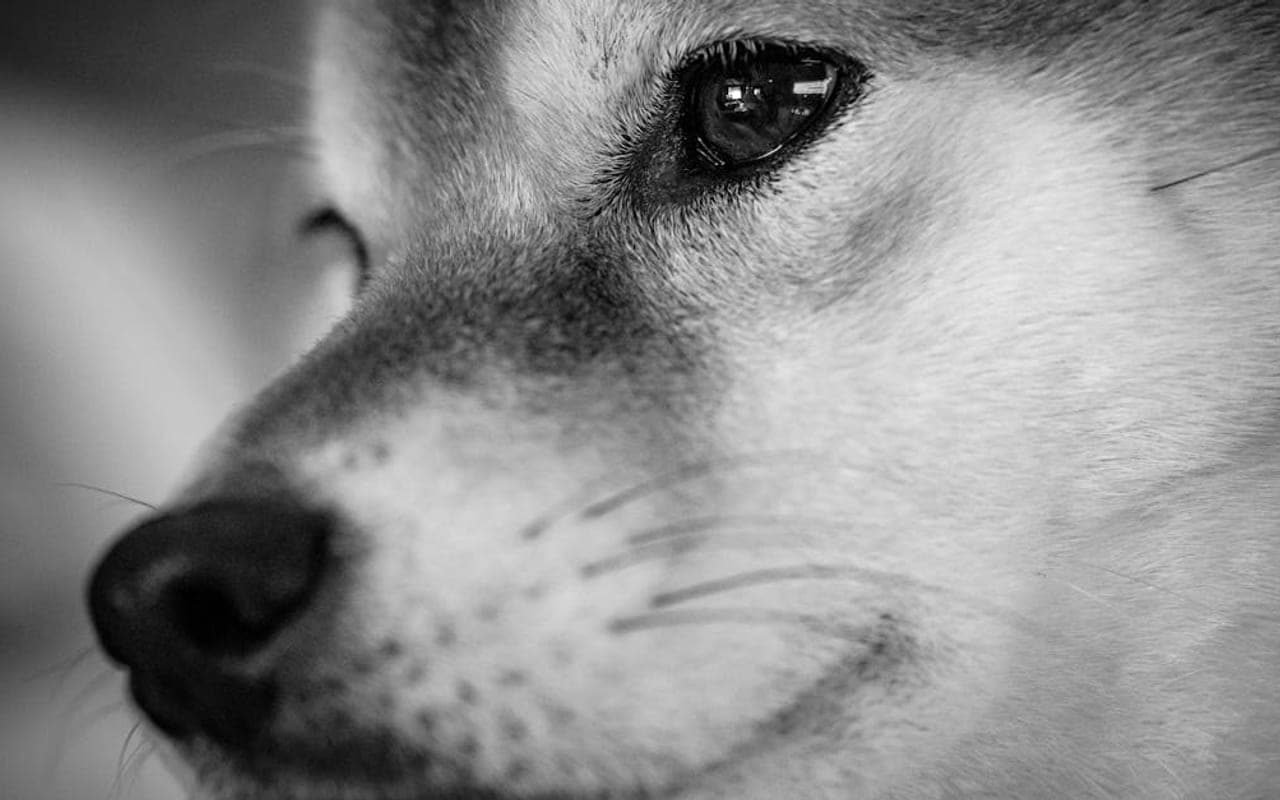
Shiba Inu
Also in the Non-Sporting group, with different care and temperament tradeoffs.
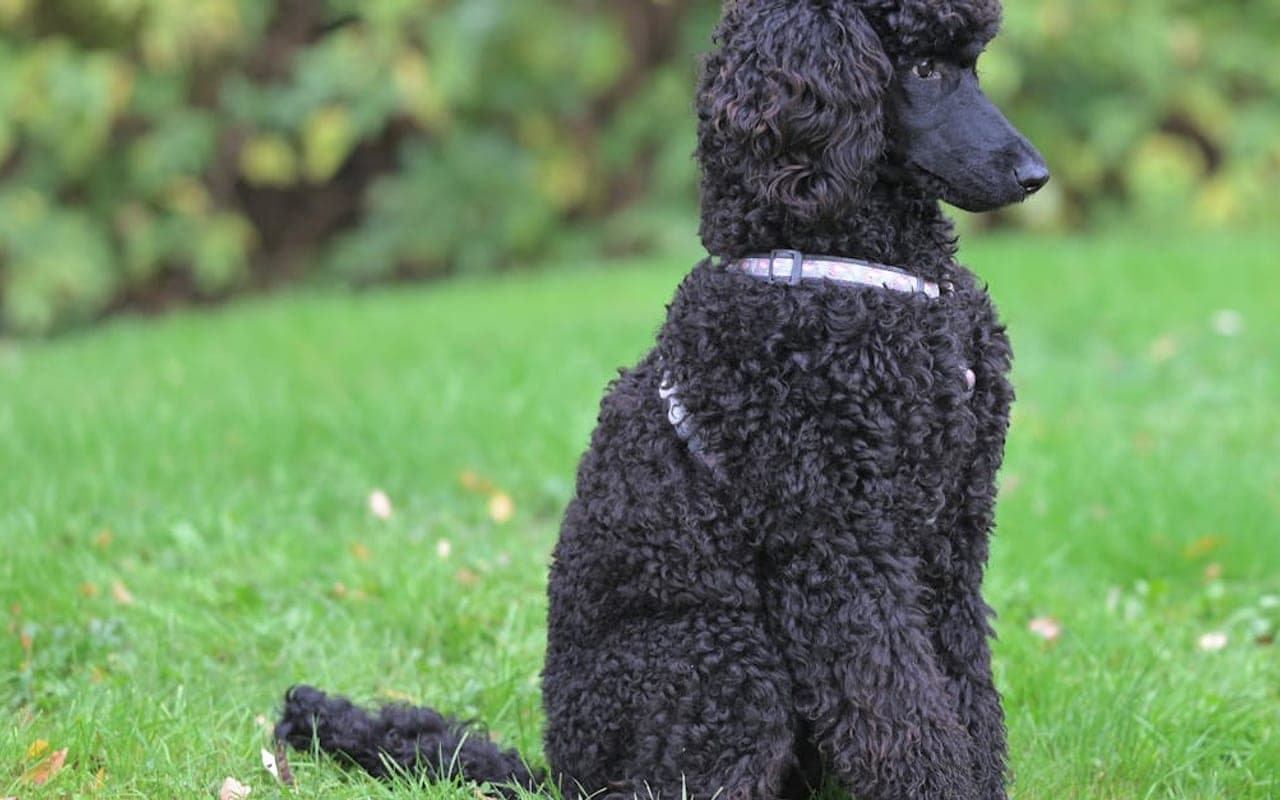
Poodle
Also in the Non-Sporting group, with different care and temperament tradeoffs.
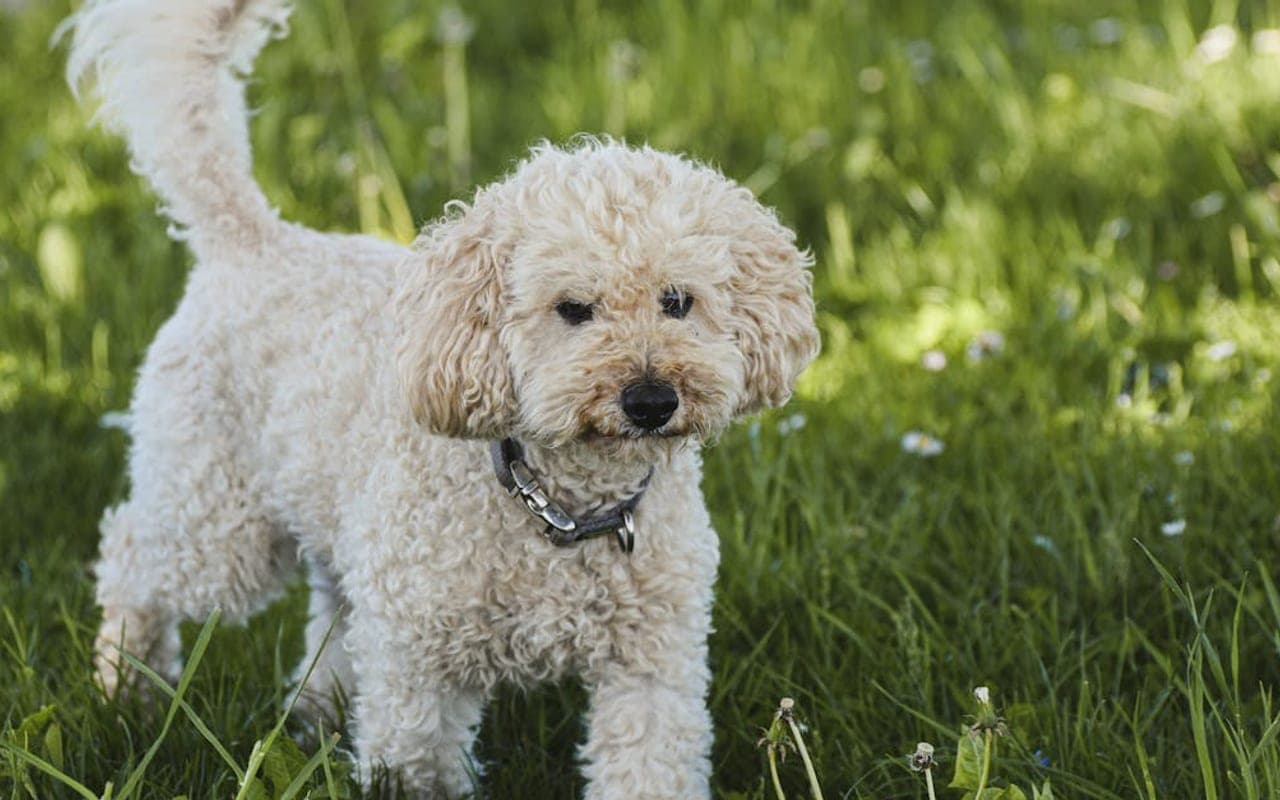
Poodle (Miniature)
Also in the Non-Sporting group, with different care and temperament tradeoffs.
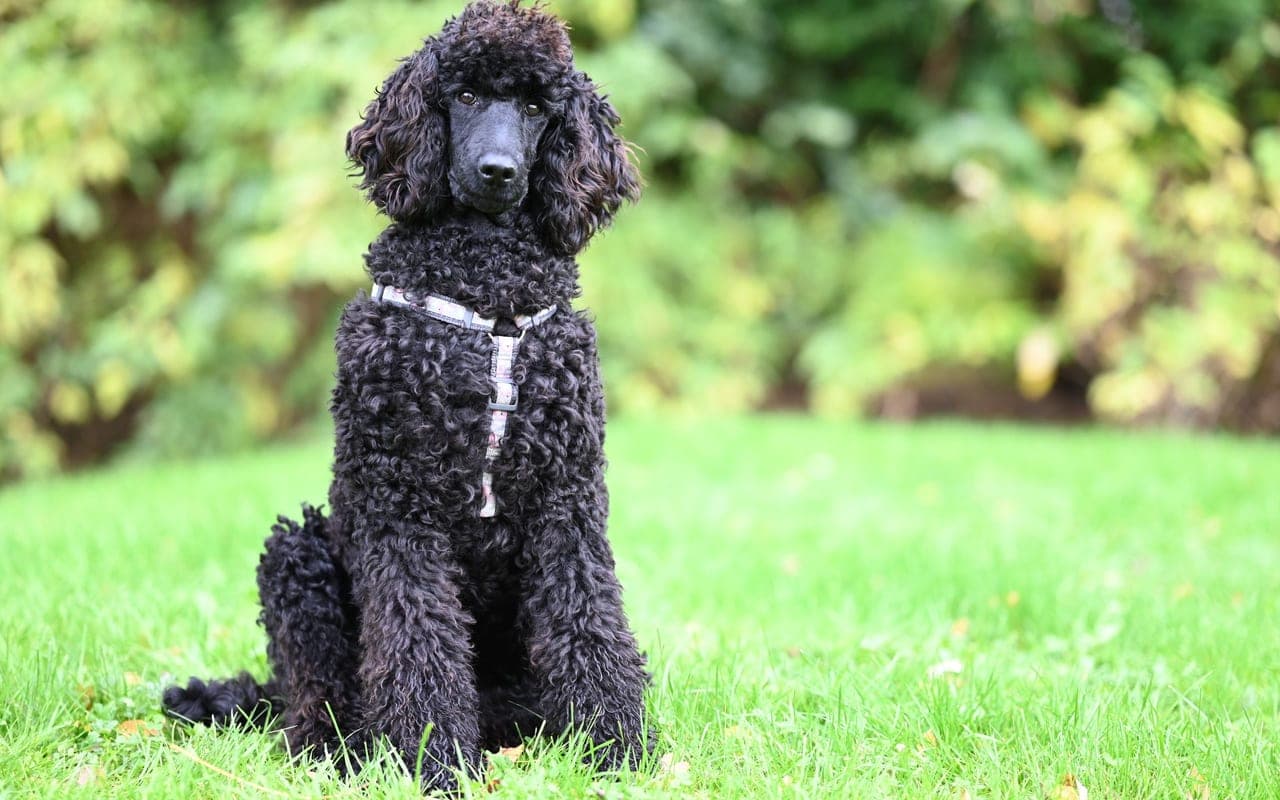
Poodle (Standard)
Also in the Non-Sporting group, with different care and temperament tradeoffs.
Explore More About Keeshond
Dive deeper into everything Keeshond — costs, care, and expert insights.
Considering a cat instead?
Browse Cats