
Terrier group
Kerry Blue Terrier
The Kerry Blue Terrier is one of the largest of the terriers — an all-purpose Irish farm dog from County Kerry that herded stock, hunted vermin and small game, retrieved from water, and guarded the homestead.



Size
33-40 lb
Lifespan
12-15 years
Exercise
30-60 minutes
Shedding
Moderate
Experience
Match to owner routine
Decision first
Is a Kerry Blue Terrier right for you?
Start with fit before history or trivia. These are ownership signals, not guarantees about any individual dog.
Best suited for
- Households with children.
- Homes with other compatible pets.
- Apartment homes with a consistent routine.
- Owners seeking a manageable daily exercise routine.
Think carefully if
- You need a dog with almost no daily routine.
- You cannot keep up with grooming and preventive care.
- The dog will spend most days alone without support.
Conditional fit
Apartment fit depends on exercise, enrichment, noise management, and outdoor access.
Daily reality
Kerry Blue Terrier commitment snapshot
Daily exercise
30-60 minutes
Match activity to age, health, weather, and training goals.
Coat care
Moderate
Grooming needs vary by coat, shedding, and lifestyle.
Time alone
Needs planning
Most dogs need gradual alone-time conditioning and support.
Structured facts
Kerry Blue Terrier at a glance
The measurements and traits that most affect day-to-day life with this breed.
Group
Terrier
Weight
33-40 lb
Height
17-19 in
Lifespan
12-15 years
Temperament
Smart | Alert | People-Oriented
View all characteristics and methodology
Lifestyle fit
- Apartment suitability
- Likely fit
- Child friendliness
- Often good, with socialisation and supervision
- Other-pet fit
- Often compatible with careful introductions
Owner commitment
- Exercise
- 30-60 minutes
- Grooming
- Moderate
- Shedding
- Moderate
- Training
- Moderate
Environment and health
- Health risk
- Needs planning
Ratings combine structured breed data, visible breed fields, and editorial context. They are planning aids, not predictions for an individual dog.
Daily life
Kerry Blue Terrier temperament and behavior
The Kerry Blue Terrier is one of the largest of the terriers — an all-purpose Irish farm dog from County Kerry that herded stock, hunted vermin and small game, retrieved from water, and guarded the homestead. That four-jobs-in-one heritage is the key to the breed: this is not a single-task ratter but a powerful, athletic, intelligent working terrier (about 17.5-19.5 inches, 30-40 pounds) with the drive and the opinions to match. The famous coat seals the deal visually — born black, it 'clears' to a distinctive slate-to-blue-gray by 18 months — and it is soft, dense, non-shedding, and grows continuously like human hair. Temperament is full terrier with an Irish accent: smart, alert, intensely people-oriented and devoted to family, and a superb watchdog. The flip side is hardwired same-sex dog aggression and a strong prey drive — Kerries were bred to fight vermin and stand their ground, and many are not safe off-leash with strange dogs or trustworthy with cats and small animals. They are quick learners but headstrong and easily bored by repetition. Who the Kerry Blue is right for: an experienced, active owner who will commit to early heavy socialization, firm reward-based training, real daily exercise and mental work, and a lifetime of professional grooming, and who can manage a dog-reactive dog responsibly. Who it is wrong for: a first-time dog owner, a multi-dog household with same-sex dogs, anyone wanting low grooming or off-leash dog-park sociability, or a home expecting an easygoing companion. The non-shedding coat draws people in; the grooming bill and the dog-aggression management are what they didn't sign up for. Decide on both with eyes open.
Smart | Alert | People-Oriented
Smart
A common Kerry Blue Terrier temperament descriptor that should be interpreted alongside training, exercise, and household fit.
Alert
A common Kerry Blue Terrier temperament descriptor that should be interpreted alongside training, exercise, and household fit.
People-Oriented
A common Kerry Blue Terrier temperament descriptor that should be interpreted alongside training, exercise, and household fit.
Owner note
Temperament labels are starting points, not guarantees. Meet the individual dog and ask about behavior history whenever possible.
Care essentials
How to care for a Kerry Blue Terrier
What looking after one actually involves: exercise, grooming, food, training, and routine health.
ExerciseAs needed
- Moderately active breed needing 30-60 minutes of daily exercise through walks, play, and mental stimulation.
GroomingAs needed
- Regular grooming needed — brush 2-3 times per week and bathe monthly.
TrainingAs needed
- Moderately trainable — consistent, patient training with positive methods works best.
NutritionAs needed
- Feed a high-quality dog food appropriate for their age, size, and activity level. Monitor portions to prevent obesity.
Veterinary CareAs needed
- Annual wellness exams, core vaccinations, dental care, and parasite prevention. Breed-specific health screenings as recommended by your vet.
Health planning
Kerry Blue Terrier health risks and screening
Every breed has individual health variation. Use this profile for planning and discuss medical decisions with a veterinarian.
Responsible ownership
Finding a Kerry Blue Terrier responsibly
What to ask a breeder or rescue is the same conversation for every breed, so we keep it in one place and keep it current.
Health documentation, meeting the parents or foster, contracts and return support, and the warning signs worth walking away from.
Original purpose
Kerry Blue Terrier history
History is useful when it explains today's behavior, coat, exercise needs, and training style.
Read the breed history
The Kerry Blue Terrier developed in the mountainous farm country of County Kerry in southwestern Ireland during the 18th and 19th centuries as a versatile working dog of the small farmer and the poacher. One dog was expected to herd cattle and sheep, kill rats and other vermin, hunt rabbits and birds, retrieve from water, and guard the family and farm — versatility born of households that could not keep a specialist dog for every task. The breed became a potent symbol of Irish national identity in the early 20th century; it was among the first breeds registered with the Irish Kennel Club, and Irish patriots championed it deliberately. It was recognized by The Kennel Club (UK) in the 1920s and by the American Kennel Club in 1922. The all-rounder farm history explains the modern Kerry precisely: the intelligence and biddability come from herding and gun work, the courage and dog/animal aggression from vermin control and guarding, and the stamina from a life of varied daily work.
Gallery
Kerry Blue Terrier photos
Images are cropped consistently and loaded progressively to keep the page responsive.
Lower-page context
Kerry Blue Terriers in culture
Where the breed shows up in film, sport, work and folklore — the enjoyable part, once the practical questions are answered.
Fun facts
- The Kerry Blue Terrier belongs to the Terrier Group.
- The Kerry Blue Terrier is considered a hypoallergenic breed, making it a good choice for allergy sufferers.
- With proper care, Kerry Blue Terrier dogs can live up to 15 years or more.
Kerry Blue Terrier FAQs
How long do Kerry Blue Terriers live?
A healthy Kerry Blue Terrier typically lives 12-15 years. The catastrophic exception is progressive neuronal abiotrophy: affected puppies show signs within the first months of life and do not survive long, which is why lifespan in this breed is set far more by buying from genetically tested parents than by routine adult care. A Kerry that clears puppyhood healthy and stays fit usually reaches the upper end of that range.
Are Kerry Blue Terriers good with children?
With their own family, yes — Kerries are devoted, playful, and protective of their people, including children they are raised with. The cautions are about other animals, not kids: their strong prey drive and same-sex dog aggression mean a family also needs to manage interactions with other dogs and small pets. As a sturdy, energetic terrier, supervise play with young children, teach respectful handling, and invest in early training so the dog's confidence is channeled, not unmanaged.
Do Kerry Blue Terriers shed, and are they hypoallergenic?
Kerries have a soft, dense, single coat that does not shed seasonally the way double-coated breeds do, and they are often called hypoallergenic. The honest version: no dog is truly allergen-free, but low shedding does reduce dander spread for many allergy sufferers. The real cost of that low-shed coat is grooming — it grows continuously, mats fast, and needs brushing 2-3 times a week plus a professional groom every 4-6 weeks for life. People choose the breed for the coat and underestimate that bill.
Are Kerry Blue Terriers aggressive toward other dogs?
Many are dog-reactive, particularly toward dogs of the same sex — this is a hardwired terrier trait from their vermin-control and guarding history, not a training failure. They also have a strong prey drive toward cats and small animals. With heavy early socialization and ongoing management most Kerries live good lives, but owners should plan for leash control, careful introductions, secure fencing, and realistic expectations rather than assuming a dog park will be safe. This is a defining management requirement of the breed.
What is progressive neuronal abiotrophy and can it be avoided?
Progressive neuronal abiotrophy (PNA), also called canine multiple system degeneration, is an inherited autosomal-recessive disease in which neurons in the cerebellum and other regions degenerate, causing early-onset tremor, incoordination, and progressive decline. It is untreatable and fatal, typically appearing in young puppies. It is avoidable at the population level: a DNA test identifies carriers, and breeding two carriers together is what produces affected pups. Buying only from a breeder who DNA-tests both parents and shares the results is the single most effective protection against it.
How much does a Kerry Blue Terrier cost?
Expect roughly $1,500-$3,000 for a well-bred Kerry Blue puppy from a breeder doing PNA DNA testing plus hip, eye, and thyroid screening. The recurring hidden cost is grooming: professional grooms every 4-6 weeks typically run $70-$120 each, easily $700-$1,500+ a year for the life of the dog, on top of skin-cyst removals and ear care the breed is prone to. Parental PNA clearance is non-negotiable value — it is the difference between a 14-year companion and a heartbreaking few months.
Sources
These are the published sources this page draws on. Each opens in a new tab so you can check it yourself.
American Kennel Club
Kerry Blue Terrier — breed standard and profile(opens in a new tab)Supports: Breed standard and recognition details.
Similar breeds to consider

Miniature Schnauzer
Also in the Terrier group, with different care and temperament tradeoffs.
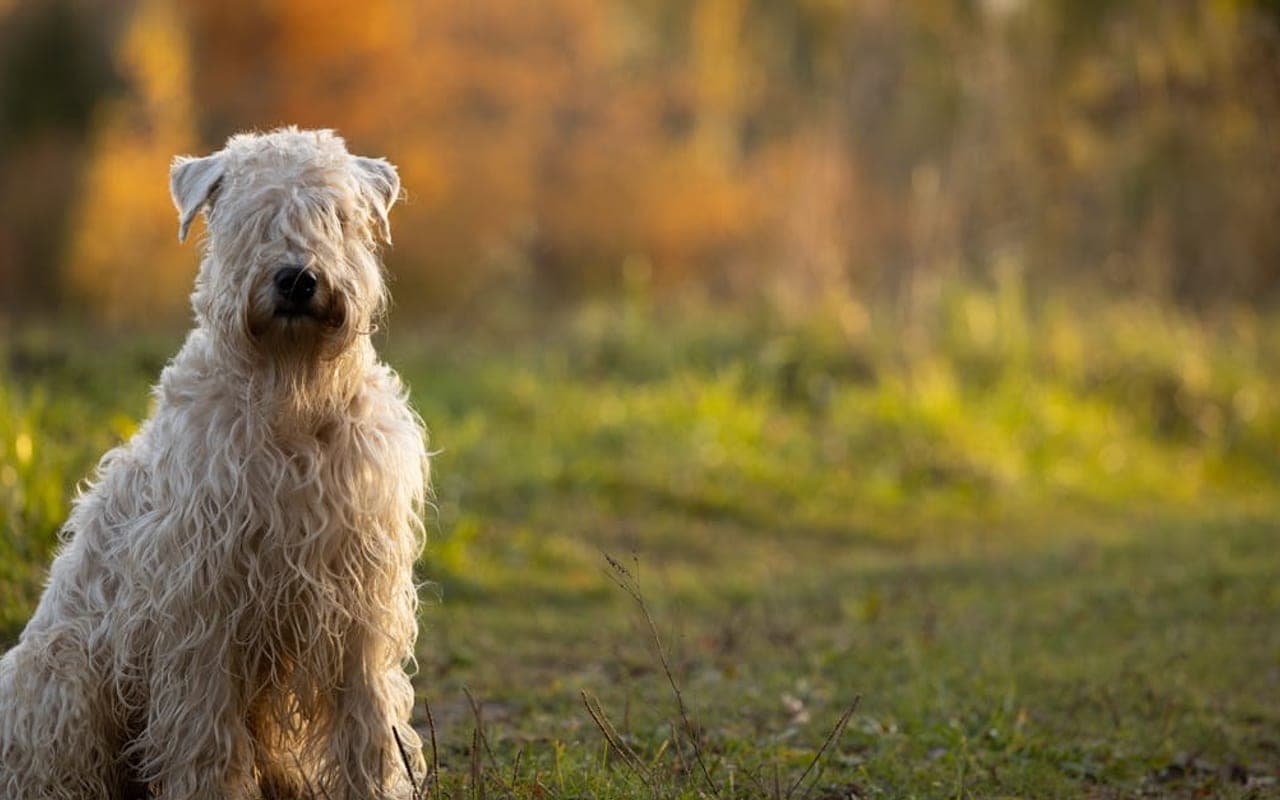
Soft Coated Wheaten Terrier
Also in the Terrier group, with different care and temperament tradeoffs.

Airedale Terrier
Also in the Terrier group, with different care and temperament tradeoffs.
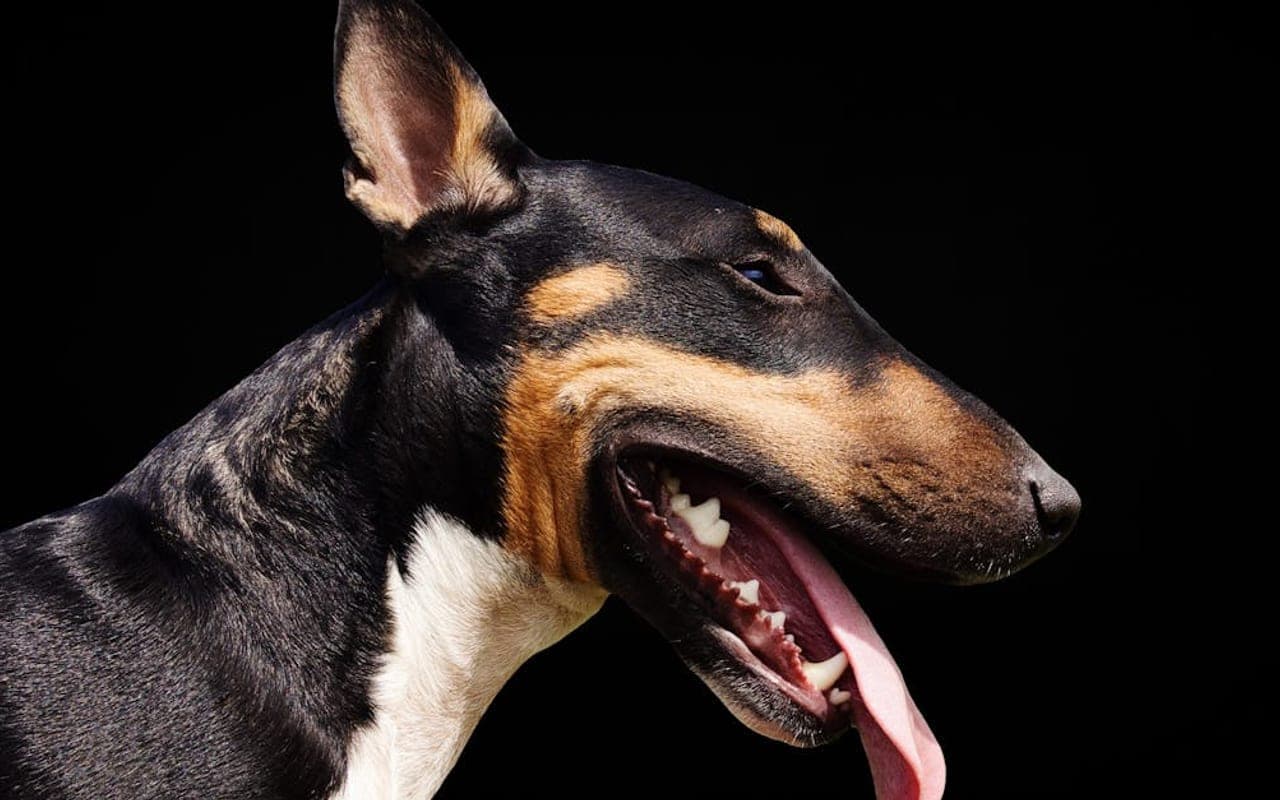
Bull Terrier
Also in the Terrier group, with different care and temperament tradeoffs.
Explore More About Kerry Blue Terrier
Dive deeper into everything Kerry Blue Terrier — costs, care, and expert insights.
Large Dog Care Guide: Everything Over 50 lbs
Owning a large or giant breed dog means accepting one of biology's...
Puppy Teething & Biting: Timeline and What Actually Works
A puppy has all 28 deciduous ("baby") teeth by roughly eight weeks of age, and...
Considering a cat instead?
Browse Cats