
Foundation Stock Service group
Kishu Ken
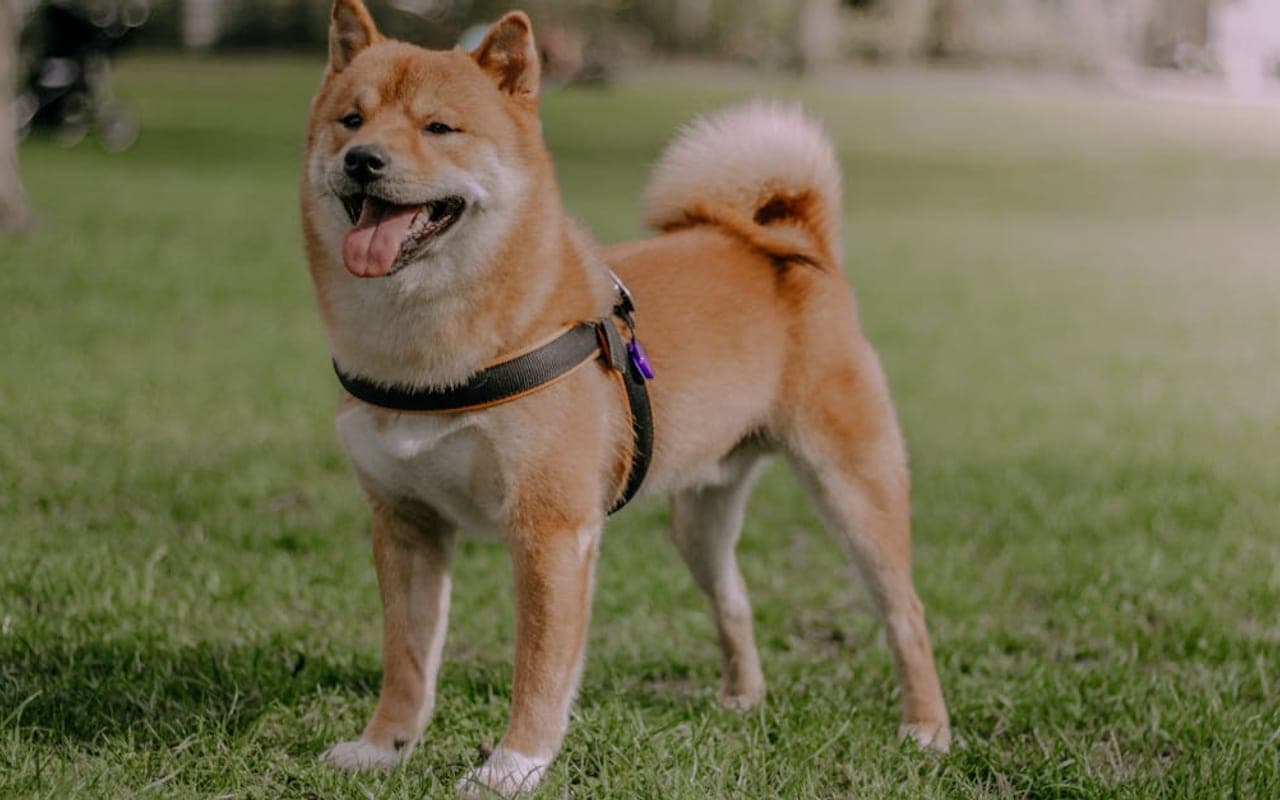
The Kishu Ken is a medium-sized Japanese hunting dog from the mountainous Kishu region, one of the six native Nihon Ken and historically a solo or small-pack boar and deer hunter.
Size
29-60 lb
Lifespan
11-13 years
Exercise
30-60 minutes
Shedding
Moderate
Experience
Match to owner routine
Decision first
Is a Kishu Ken right for you?
Start with fit before history or trivia. These are ownership signals, not guarantees about any individual dog.
Best suited for
- Households with children.
- Homes with other compatible pets.
- Apartment homes with a consistent routine.
- Owners seeking a manageable daily exercise routine.
Think carefully if
- You need a dog with almost no daily routine.
- You cannot keep up with grooming and preventive care.
- The dog will spend most days alone without support.
Conditional fit
Apartment fit depends on exercise, enrichment, noise management, and outdoor access.
Daily reality
Kishu Ken commitment snapshot
Daily exercise
30-60 minutes
Match activity to age, health, weather, and training goals.
Coat care
Moderate
Grooming needs vary by coat, shedding, and lifestyle.
Time alone
Needs planning
Most dogs need gradual alone-time conditioning and support.
Structured facts
Kishu Ken at a glance
The measurements and traits that most affect day-to-day life with this breed.
Group
Foundation Stock Service
Weight
29-60 lb
Height
18-22 in
Lifespan
11-13 years
Temperament
Faithful | Noble | Docile
View all characteristics and methodology
Lifestyle fit
- Apartment suitability
- Likely fit
- Child friendliness
- Often good, with socialisation and supervision
- Other-pet fit
- Often compatible with careful introductions
Owner commitment
- Exercise
- 30-60 minutes
- Grooming
- Moderate
- Shedding
- Moderate
- Training
- Moderate
Environment and health
- Health risk
- Needs planning
Ratings combine structured breed data, visible breed fields, and editorial context. They are planning aids, not predictions for an individual dog.
Daily life
Kishu Ken temperament and behavior
The Kishu Ken is a medium-sized Japanese hunting dog from the mountainous Kishu region, one of the six native Nihon Ken and historically a solo or small-pack boar and deer hunter. It is well-balanced and well-muscled with prick ears and a curled or sickle tail — close in outline to the more familiar Shiba and Akita but its own distinct, ancient breed. Most Kishu today are white, a color preference that hardened over the 20th century because a light dog was easier for a hunter to track in dense cover. Temperament is the part buyers most often misread. The standard calls the Kishu faithful, docile, and very alert, and with its own family it is genuinely loving and wants to be included in everything. But it is typically aloof with strangers and carries a strong, intact prey drive. They are excellent with children they are raised with; they are far less reliable with small animals — a Kishu raised with a cat may accept that specific cat, but most cannot override the instinct to chase, and 'most Kishus can't help but give in,' as experienced owners put it. Who the Kishu Ken is right for: an active owner who wants a quiet, devoted, dignified companion that is calm in the house once exercised, who will commit to early socialization and secure containment, and who accepts that this is a primitive hunting breed, not a biddable sporting dog. Who it is wrong for: anyone wanting an outgoing dog-park social butterfly, a reliable off-leash trail dog without training and fencing, or a low-effort first dog. The honest framing: a structurally sound, dignified breed with a few specific hereditary risks (eyes, thyroid, autoimmune) that make breeder screening, not luck, the deciding factor.
Faithful | Noble | Docile
Faithful
A common Kishu Ken temperament descriptor that should be interpreted alongside training, exercise, and household fit.
Noble
A common Kishu Ken temperament descriptor that should be interpreted alongside training, exercise, and household fit.
Docile
A common Kishu Ken temperament descriptor that should be interpreted alongside training, exercise, and household fit.
Owner note
Temperament labels are starting points, not guarantees. Meet the individual dog and ask about behavior history whenever possible.
Care essentials
How to care for a Kishu Ken
What looking after one actually involves: exercise, grooming, food, training, and routine health.
ExerciseAs needed
- Moderately active breed needing 30-60 minutes of daily exercise through walks, play, and mental stimulation.
GroomingAs needed
- Regular grooming needed — brush 2-3 times per week and bathe monthly.
TrainingAs needed
- Moderately trainable — consistent, patient training with positive methods works best.
NutritionAs needed
- Feed a high-quality dog food appropriate for their age, size, and activity level. Monitor portions to prevent obesity.
Veterinary CareAs needed
- Annual wellness exams, core vaccinations, dental care, and parasite prevention. Breed-specific health screenings as recommended by your vet.
Health planning
Kishu Ken health risks and screening
Every breed has individual health variation. Use this profile for planning and discuss medical decisions with a veterinarian.
Responsible ownership
Finding a Kishu Ken responsibly
What to ask a breeder or rescue is the same conversation for every breed, so we keep it in one place and keep it current.
Health documentation, meeting the parents or foster, contracts and return support, and the warning signs worth walking away from.
Original purpose
Kishu Ken history
History is useful when it explains today's behavior, coat, exercise needs, and training style.
Read the breed history
The Kishu Ken takes its name from the old Kishu region (modern Wakayama and parts of Mie Prefecture), where mountainous, isolated terrain produced a hardy, independent hunting dog used chiefly on wild boar and deer. That isolation kept the breed relatively pure and explains its primitive temperament and strong working drive. The Kishu was designated a Japanese natural monument in 1934 under the same national program that protected the other Nihon Ken, and preservation efforts standardized the breed — including the strong shift toward a solid white coat, favored because a pale dog was easier for a hunter to distinguish from quarry in thick brush. It remains uncommon outside Japan. For owners, the relevant takeaway is that the Kishu's centuries as a working mountain hunter, not a companion breed, is exactly why its prey drive, independence, and stranger-aloofness are baseline traits to plan around rather than train away.
Gallery
Kishu Ken photos
Images are cropped consistently and loaded progressively to keep the page responsive.
Lower-page context
Kishu Kens in culture
Where the breed shows up in film, sport, work and folklore — the enjoyable part, once the practical questions are answered.
Fun facts
- The Kishu Ken belongs to the Foundation Stock Service.
- The average lifespan of a Kishu Ken is 11 to 13 years.
- Kishu Ken dogs are valued for their faithful, noble, docile nature.
Kishu Ken FAQs
Are Kishu Ken healthy dogs?
Largely yes — the Kishu is a hardy primitive breed with no single fatal defining disease and a typical lifespan of 12-15 years. The honest qualifier is a cluster of specific, screenable issues: entropion, autoimmune thyroiditis/hypothyroidism, and (less commonly) Addison's disease. None is a death sentence and all are manageable, but they make breeder screening of eyes, thyroid, and joints the deciding factor between a robust dog and an expensive surprise. Recommended pre-breeding screens are eyes, thyroid, dentition, joints, and DNA banking.
How long do Kishu Ken dogs live?
Generally 12 to 15 years. Within that range, lifespan is shaped less by managing a fatal breed disease and more by catching the breed's treatable issues early: correcting entropion before chronic corneal damage, and detecting hypothyroidism or Addison's on a blood panel before they cause a crisis. A lean, well-exercised Kishu from screened parents typically lives a long, sound life — this is not a fragile breed.
Are Kishu Ken good with children and other pets?
With children they are raised with, Kishu are devoted and reliable, and they bond hard to their family — supervise young kids as with any medium hunting breed. Other pets are the real caveat: the Kishu has a strong prey drive, and while one raised from puppyhood with a specific cat may tolerate that cat, most cannot reliably ignore small or fast-moving animals. Plan management around the instinct rather than assuming socialization erases it.
Are Kishu Ken easy to train?
They are intelligent and faithful but independent — a primitive hunting breed, not a biddable retriever. Kishu learn quickly and bond strongly, which helps, but they decide whether compliance is worth it, especially around prey. Use short, reward-based sessions from early puppyhood and avoid harsh correction, which backfires on this sensitive type. Expect achievable manners and a strong relationship; do not expect bombproof off-leash recall, which most owners never fully reach in this breed.
Do Kishu Ken make good apartment dogs?
They can, with one firm condition: the calm, easy-going house dog only exists after real daily exercise. Give a Kishu 45-60 minutes of walking, hiking, or problem-solving work and it is quiet and undemanding indoors; skip it and you get a restless, vocal, destructive dog. Apartment life also raises the stakes on prey drive and recall, so secure leashing and management on every outing are part of the deal.
What is the single most important thing to screen for in a Kishu Ken?
There isn't one single thing — it's a short checklist, and that's the point. Insist on a breeder who screens eyes (entropion and PPM), thyroid (autoimmune thyroiditis), and joints, and who can speak to autoimmune disease history in their lines. Entropion is the most visibly common, hypothyroidism the most insidious because it's slow, and Addison's the most dangerous because it hides until a crisis. A breeder who screens all three turns this into a hardy breed; one who screens none turns it into a gamble.
Sources
These are the published sources this page draws on. Each opens in a new tab so you can check it yourself.
American Kennel Club
Kishu Ken — breed standard and profile(opens in a new tab)Supports: Breed standard and recognition details.
Similar breeds to consider
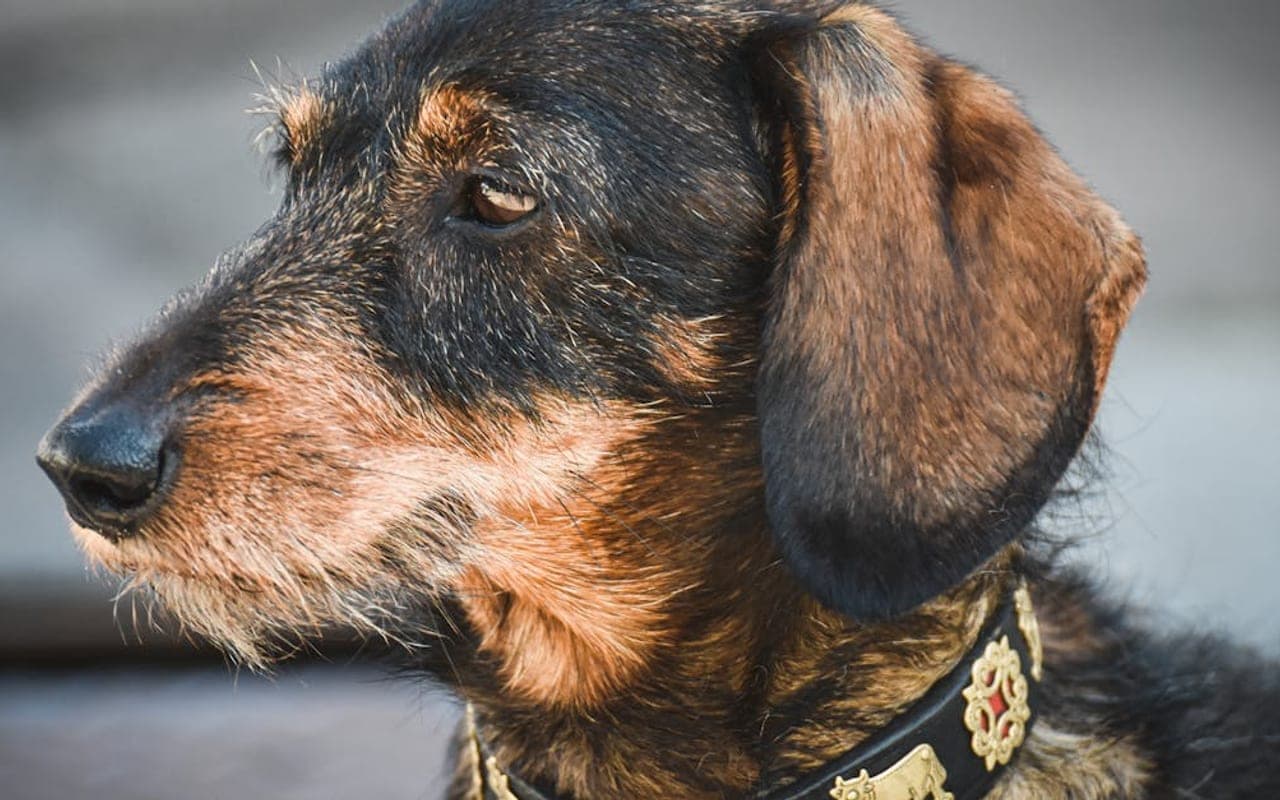
Jagdterrier
Also in the Foundation Stock Service group, with different care and temperament tradeoffs.
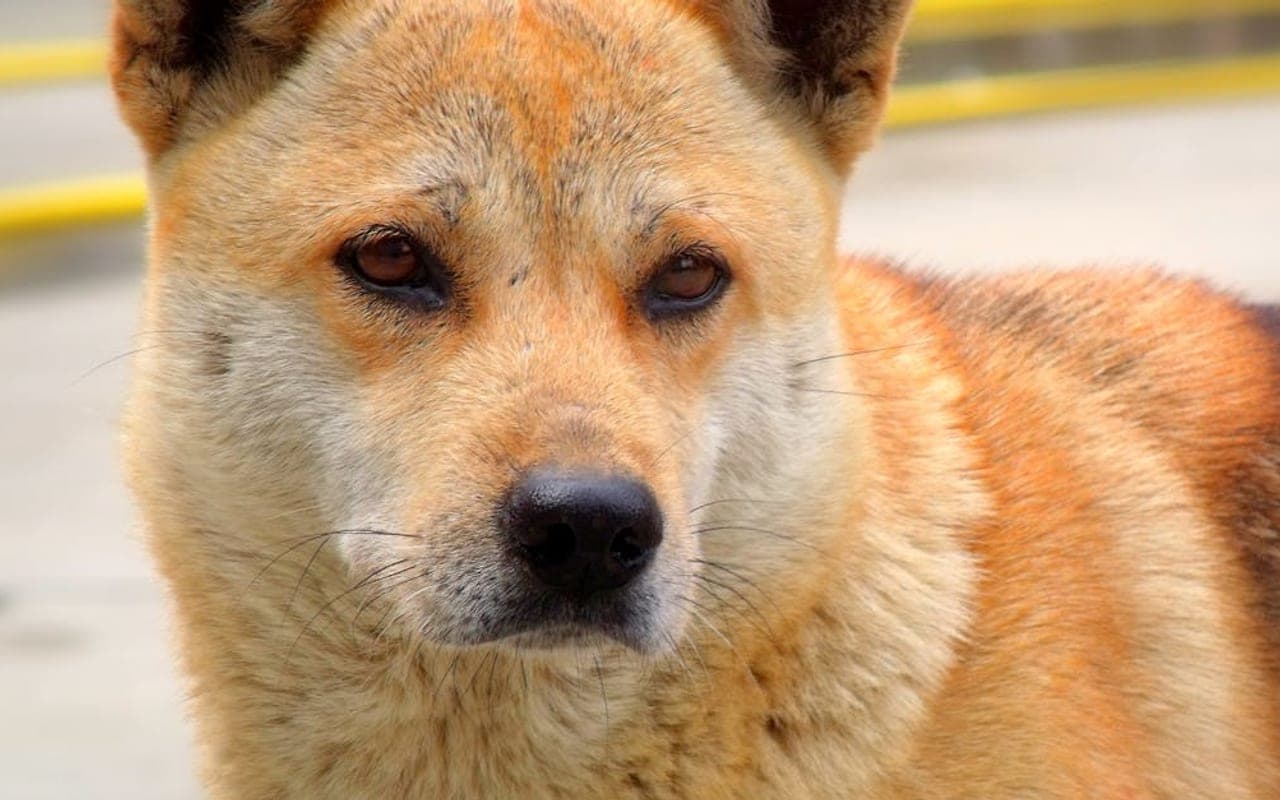
Jindo
Also in the Foundation Stock Service group, with different care and temperament tradeoffs.
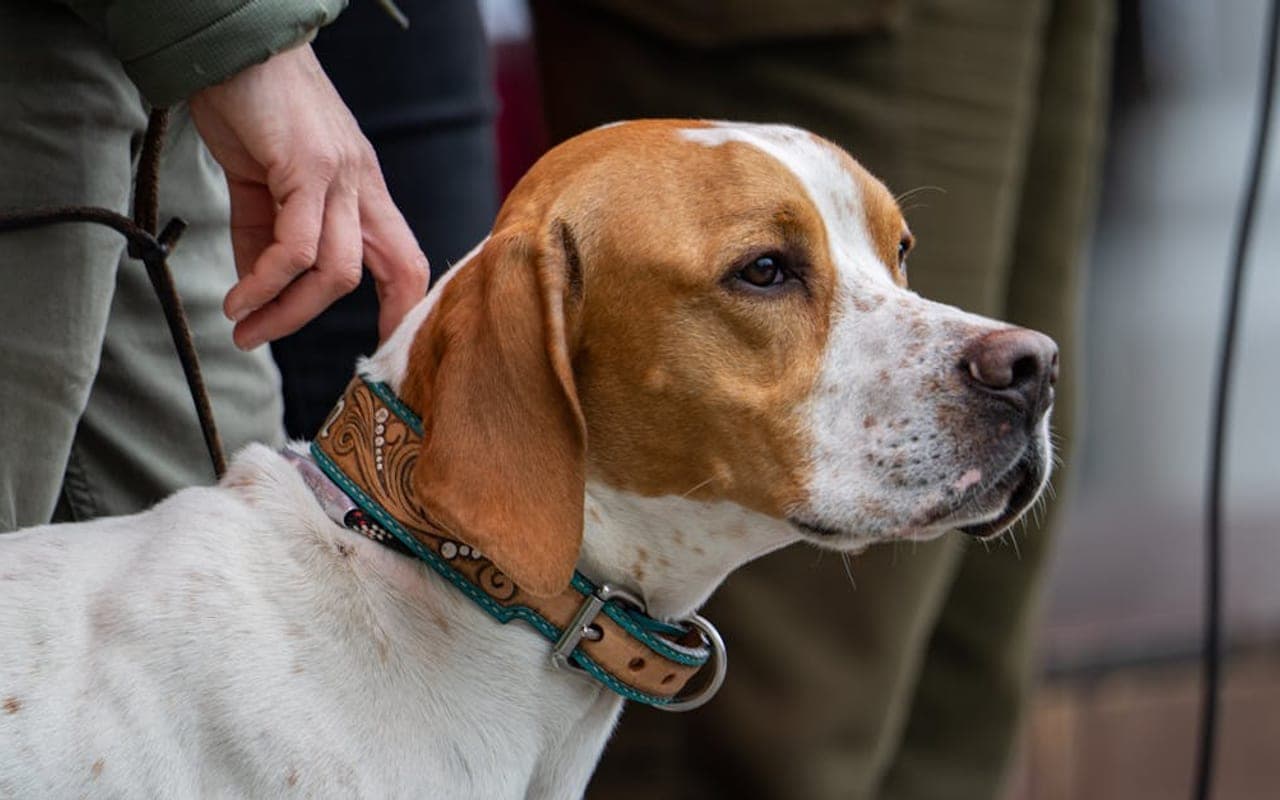
Portuguese Pointer
Also in the Foundation Stock Service group, with different care and temperament tradeoffs.
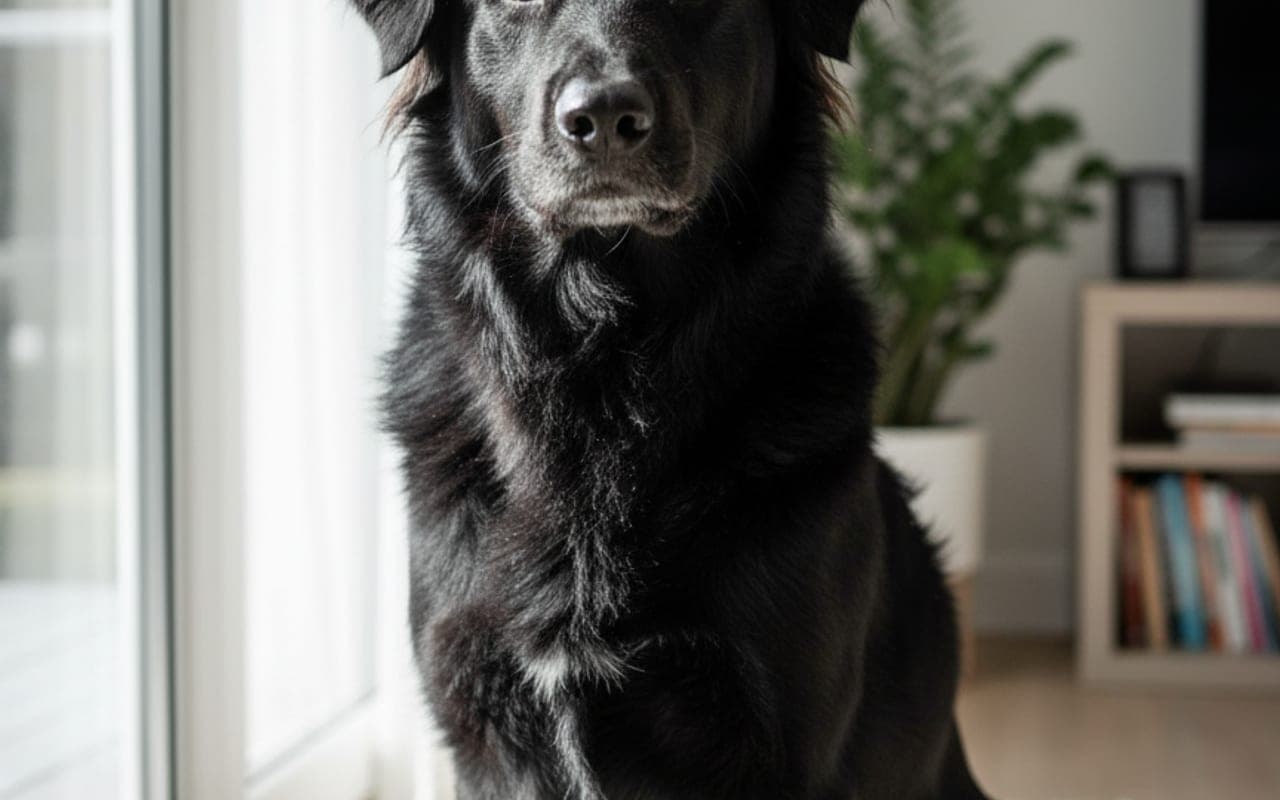
Romanian Carpathian Shepherd
Also in the Foundation Stock Service group, with different care and temperament tradeoffs.
Explore More About Kishu Ken
Dive deeper into everything Kishu Ken — costs, care, and expert insights.
Considering a cat instead?
Browse Cats