
Foundation Stock Service group
Kromfohrlander
The Kromfohrländer — 'Kromi' in North America — is a German companion breed engineered for one job: being a devoted, one-person family dog with almost no hunting drive despite terrier ancestry.
Size
20-35 lb
Lifespan
13-15 years
Exercise
30-60 minutes
Shedding
Moderate
Experience
Match to owner routine
Decision first
Is a Kromfohrlander right for you?
Start with fit before history or trivia. These are ownership signals, not guarantees about any individual dog.
Best suited for
- Households with children.
- Homes with other compatible pets.
- Apartment homes with a consistent routine.
- Owners seeking a manageable daily exercise routine.
Think carefully if
- You need a dog with almost no daily routine.
- You cannot keep up with grooming and preventive care.
- The dog will spend most days alone without support.
Conditional fit
Apartment fit depends on exercise, enrichment, noise management, and outdoor access.
Daily reality
Kromfohrlander commitment snapshot
Daily exercise
30-60 minutes
Match activity to age, health, weather, and training goals.
Coat care
Moderate
Grooming needs vary by coat, shedding, and lifestyle.
Time alone
Needs planning
Most dogs need gradual alone-time conditioning and support.
Structured facts
Kromfohrlander at a glance
The measurements and traits that most affect day-to-day life with this breed.
Group
Foundation Stock Service
Weight
20-35 lb
Height
15-18 in
Lifespan
13-15 years
Temperament
Intelligent | Active | Sensitive
View all characteristics and methodology
Lifestyle fit
- Apartment suitability
- Likely fit
- Child friendliness
- Often good, with socialisation and supervision
- Other-pet fit
- Often compatible with careful introductions
Owner commitment
- Exercise
- 30-60 minutes
- Grooming
- Moderate
- Shedding
- Moderate
- Training
- Moderate
Environment and health
- Health risk
- Needs planning
Ratings combine structured breed data, visible breed fields, and editorial context. They are planning aids, not predictions for an individual dog.
Daily life
Kromfohrlander temperament and behavior
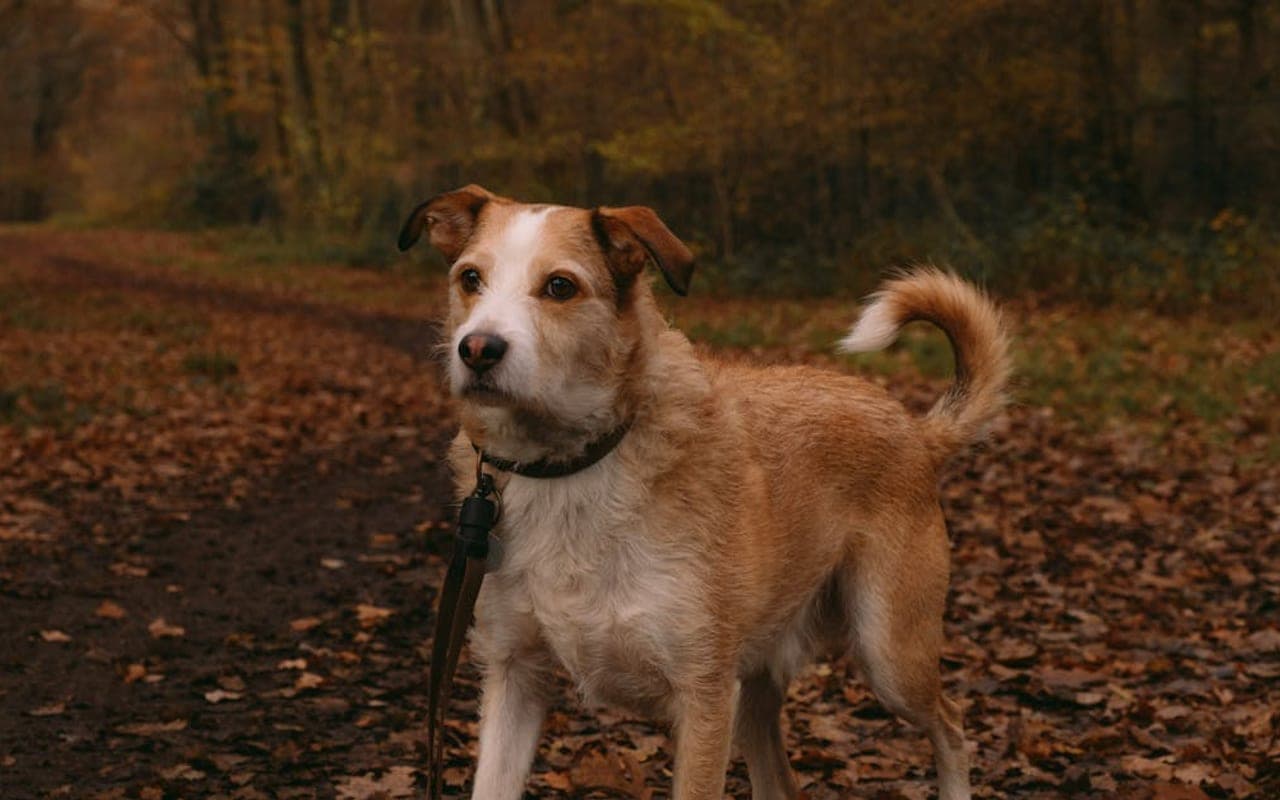
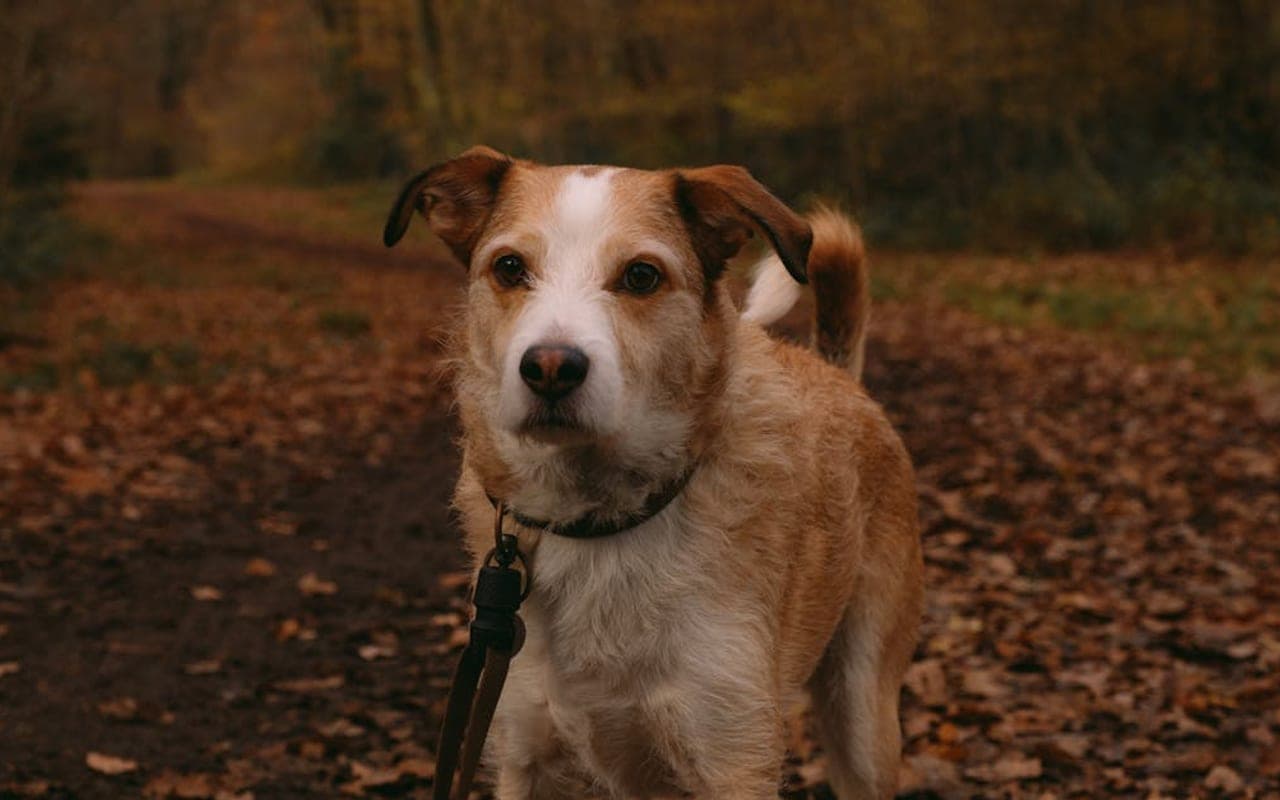
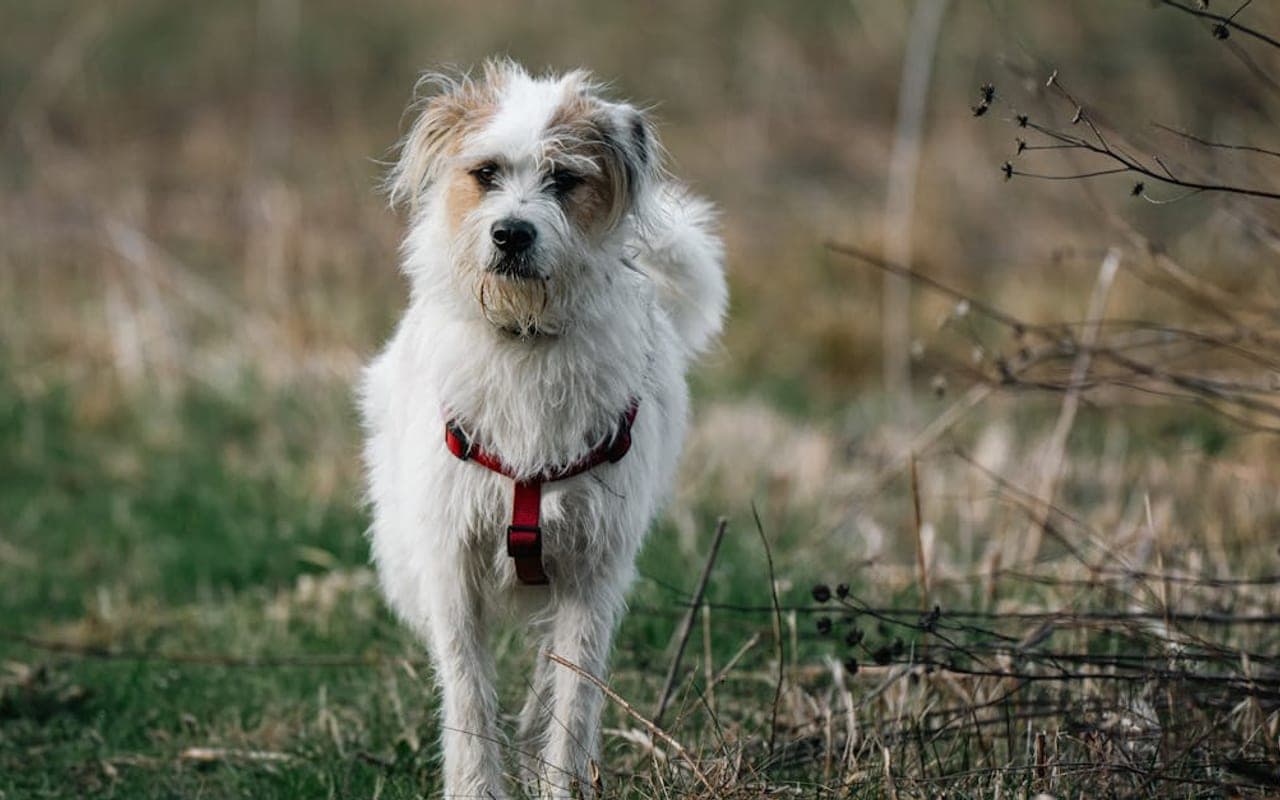
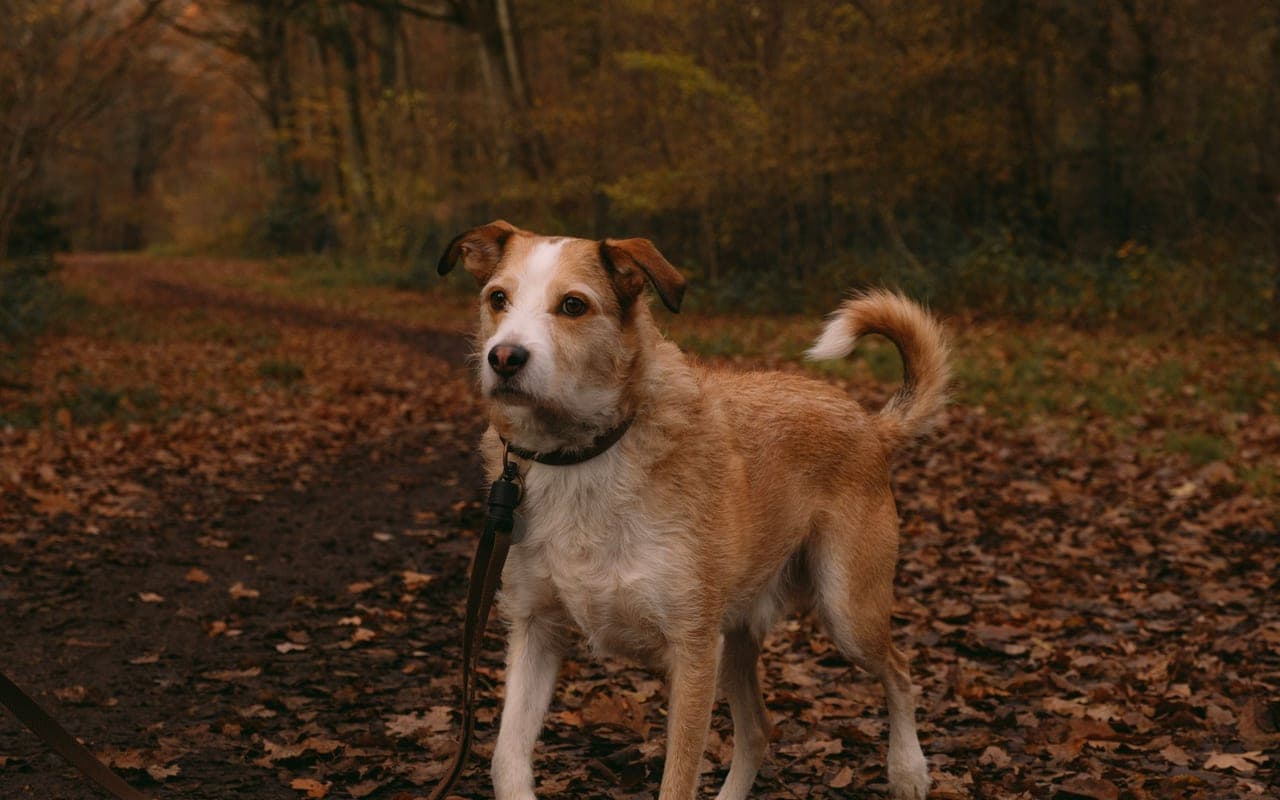
The Kromfohrländer — 'Kromi' in North America — is a German companion breed engineered for one job: being a devoted, one-person family dog with almost no hunting drive despite terrier ancestry. It is generally long-lived (commonly 13-15 years, with individuals reaching 17-18) and reasonably sound, but the honest version of this profile names the specific inherited screens that responsible buyers must demand, because a small, closely managed gene pool means health risk concentrates in a handful of testable conditions rather than spreading thin. Physically the Kromi is a small-to-medium dog of roughly 4-7 kg in the lighter prep range up to about 9-16 kg for the breed standard, 38-46 cm at the shoulder, with a distinctive 'smile' and the endearing habit of sneezing in greeting. It comes in two coats: wirehaired (with a beard) and smooth-haired (clean face, soft longer hair) — same dog, different grooming load. Temperament defines the breed. It is highly intelligent, agile, playful, sensitive, and intensely bonded — typically a one-person dog that wants constant proximity, alerts readily to strangers, retains very little prey drive, and is poorly suited to being left alone for long stretches. It can be food-fussy and is emotionally reactive to harsh handling. Who the Kromi is right for: a present, gentle owner or family who wants a velcro companion for agility, trick training, and daily life, and who will buy only from a breeder screening for the breed's known genetic conditions. Who it is wrong for: people away long hours, anyone wanting an independent low-attachment dog, or buyers who skip health-tested lines in a small gene pool — the highest-cost mistake in this breed.
Intelligent | Active | Sensitive
Intelligent
A common Kromfohrlander temperament descriptor that should be interpreted alongside training, exercise, and household fit.
Active
A common Kromfohrlander temperament descriptor that should be interpreted alongside training, exercise, and household fit.
Sensitive
A common Kromfohrlander temperament descriptor that should be interpreted alongside training, exercise, and household fit.
Owner note
Temperament labels are starting points, not guarantees. Meet the individual dog and ask about behavior history whenever possible.
Care essentials
How to care for a Kromfohrlander
What looking after one actually involves: exercise, grooming, food, training, and routine health.
ExerciseAs needed
- Moderately active breed needing 30-60 minutes of daily exercise through walks, play, and mental stimulation.
GroomingAs needed
- Regular grooming needed — brush 2-3 times per week and bathe monthly.
TrainingAs needed
- Moderately trainable — consistent, patient training with positive methods works best.
NutritionAs needed
- Feed a high-quality dog food appropriate for their age, size, and activity level. Monitor portions to prevent obesity.
Veterinary CareAs needed
- Annual wellness exams, core vaccinations, dental care, and parasite prevention. Breed-specific health screenings as recommended by your vet.
Health planning
Kromfohrlander health risks and screening
Every breed has individual health variation. Use this profile for planning and discuss medical decisions with a veterinarian.
Responsible ownership
Finding a Kromfohrlander responsibly
What to ask a breeder or rescue is the same conversation for every breed, so we keep it in one place and keep it current.
Health documentation, meeting the parents or foster, contracts and return support, and the warning signs worth walking away from.
Original purpose
Kromfohrlander history
History is useful when it explains today's behavior, coat, exercise needs, and training style.
Read the breed history
The Kromfohrländer is a young breed, created in Germany in the 1940s from a single founding stray ('Original Peter,' a terrier-griffon-type dog) bred with a Wirehaired Fox Terrier and a Grand Griffon Vendéen, then deliberately fixed as a pure companion breed. It was recognized by the FCI in 1955 and is recorded in North America under the AKC Foundation Stock Service. Unusually for a breed, hunting instinct was bred down rather than up — the goal was a smiling, devoted house companion, not a working dog. That origin is the practical key for owners in two ways. First, the intense one-person attachment and low prey drive are deliberate design features, which is why the breed's main welfare risk is loneliness, not roaming. Second, descent from a very small founding population concentrates genetic risk into a few specific, testable conditions — which is exactly why responsible breeding and DNA/health screening matter more in this breed than in a large open gene pool. The history explains both the temperament and the screening list.
Gallery
Kromfohrlander photos
Images are cropped consistently and loaded progressively to keep the page responsive.
Lower-page context
Kromfohrlanders in culture
Where the breed shows up in film, sport, work and folklore — the enjoyable part, once the practical questions are answered.
Fun facts
- The Kromfohrlander belongs to the Foundation Stock Service.
- With proper care, Kromfohrlander dogs can live up to 15 years or more.
- Kromfohrlander dogs are valued for their intelligent, active, sensitive nature.
Kromfohrlander FAQs
How long do Kromfohrländers live?
Long for a dog — commonly 13-15 years, with many individuals reaching 17-18. This is one of the genuinely long-lived companion breeds. The trade-off of that longevity is geriatric disease: expect to budget for senior-onset conditions like chronic kidney disease and Cushing's in the final years. Lifespan is driven mostly by weight control, gentle management of a sensitive temperament, and buying from a breeder who screens the breed's specific inherited conditions.
Is the Kromfohrländer a healthy breed?
Reasonably, and long-lived — but with a caveat unique to small-gene-pool breeds: risk concentrates into a few specific, testable conditions rather than spreading thin. The ones to demand screening for are hyperkeratosis and von Willebrand's disease (both DNA cheek-swab tested), plus patellar luxation, cystinuria, and epilepsy. 'Healthy breed' here is conditional on a screened breeder; in a founding population this small, skipping health-tested lines is the single most expensive mistake a buyer can make.
Can a Kromfohrländer be left alone during the workday?
Not comfortably. This is a deliberately bred one-person, velcro companion with strong attachment and a real tendency toward separation distress. It is poorly suited to a household empty for long stretches, and exercise does not substitute for presence. If your home is reliably empty 9-10 hours a day, this is the wrong breed — its defining trait, devotion, becomes a serious welfare problem when its need for companionship goes unmet.
What is the difference between the wirehaired and smooth-haired Kromfohrländer?
Same breed and temperament — the difference is coat and grooming load. The wirehaired Kromi has a beard and a rougher coat that needs weekly brushing plus periodic hand-stripping or trimming. The smooth-haired has a clean face and softer, longer hair needing a simple weekly brush. Neither sheds heavily. Choose based on the grooming time you'll realistically commit; the wire coat is the higher-maintenance of the two but neither is demanding.
Are Kromfohrländers easy to train and good with children?
Yes to both, with one rule: train gently. They are highly intelligent, agile, and excel at agility and trick work, and they are good with family children and devoted to their people. But they are emotionally sensitive and shut down under harsh correction. Use consistent, positive, reward-based methods, start early, and supervise interactions with very young children as with any dog. Handled kindly, the Kromi is one of the more rewarding companion breeds to train.
Why is the Kromfohrländer so rare and what does that mean for buyers?
It descends from a single 1940s founding dog and a tiny initial population, so numbers stay low and the gene pool is narrow. Practically, that means two things for a buyer: expect a waitlist and a higher price from a registered breeder, and insist on documented DNA/health screening (hyperkeratosis, von Willebrand's, patella, plus cystinuria and epilepsy history in the line). In a gene pool this small, the breeder's screening discipline is the most important factor in the dog you'll get.
Sources
These are the published sources this page draws on. Each opens in a new tab so you can check it yourself.
American Kennel Club
Kromfohrlander — breed standard and profile(opens in a new tab)Supports: Breed standard and recognition details.
Similar breeds to consider

Jagdterrier
Also in the Foundation Stock Service group, with different care and temperament tradeoffs.
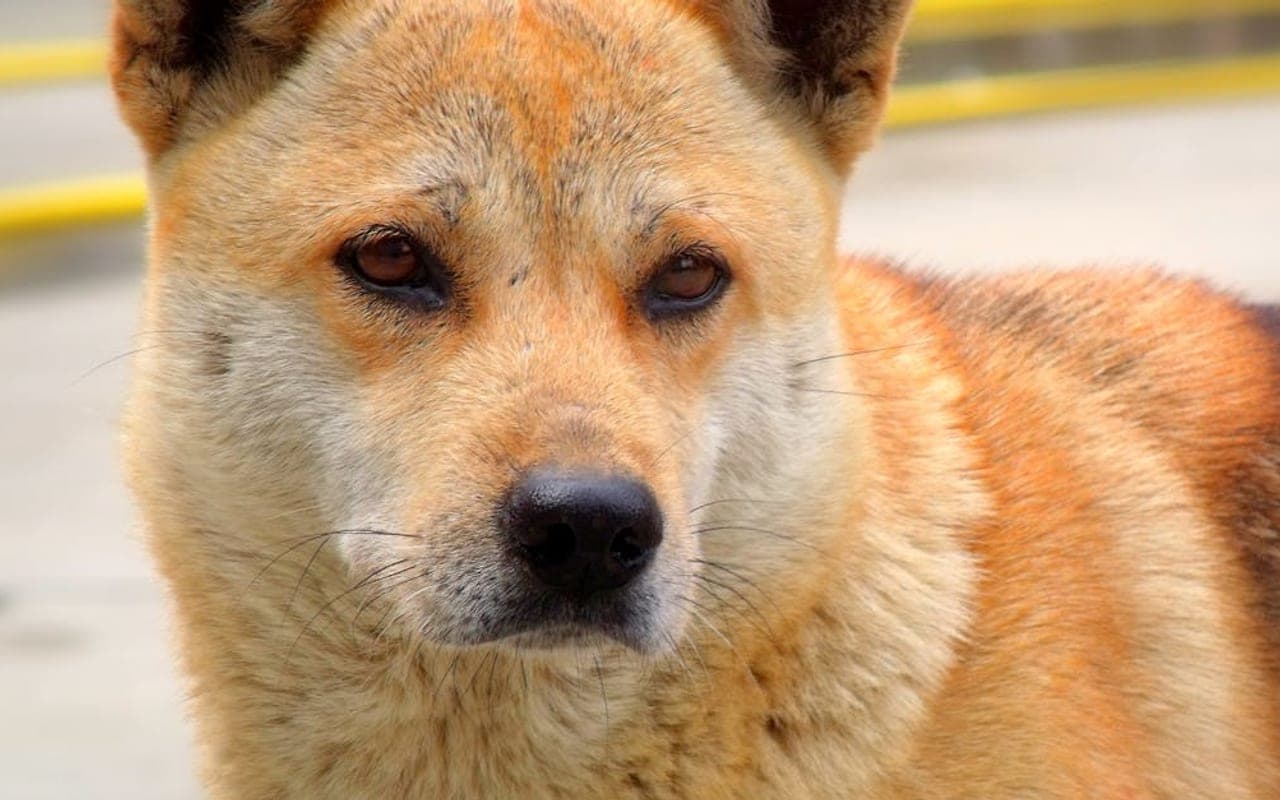
Jindo
Also in the Foundation Stock Service group, with different care and temperament tradeoffs.
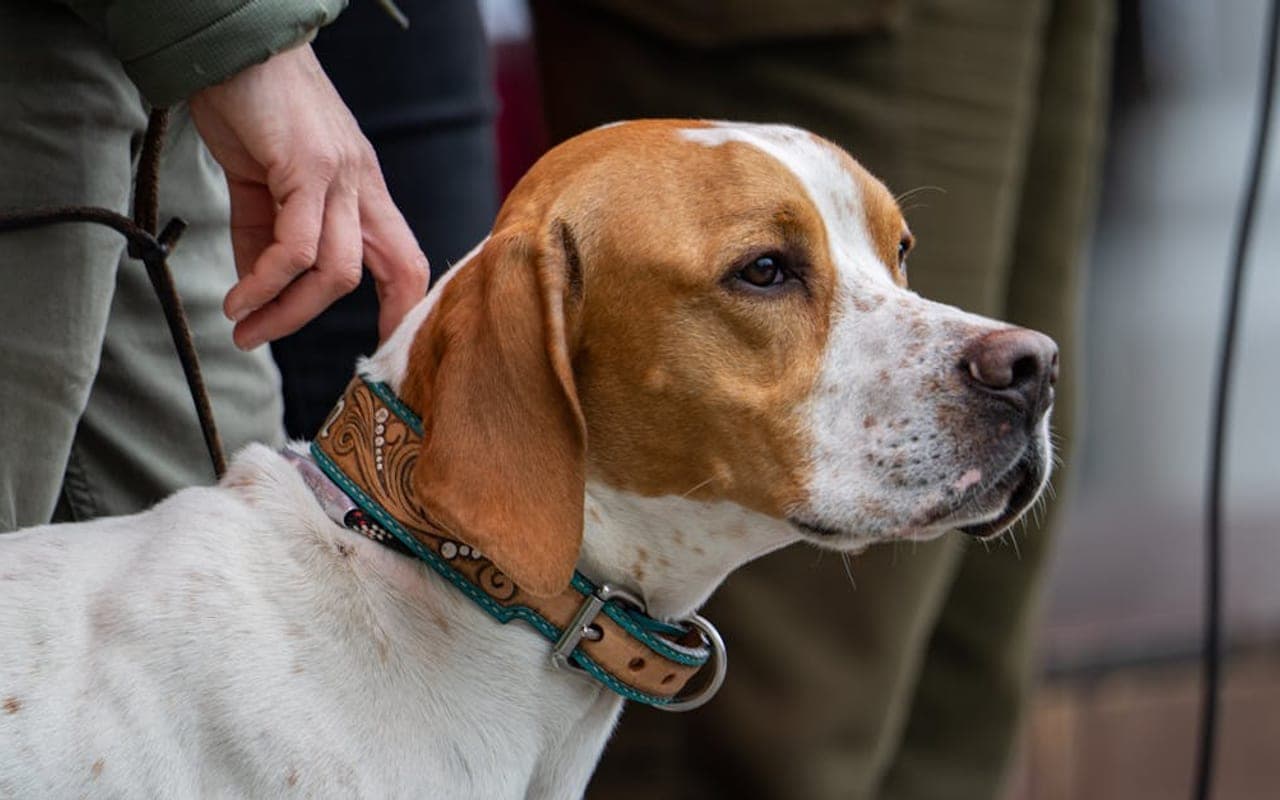
Portuguese Pointer
Also in the Foundation Stock Service group, with different care and temperament tradeoffs.
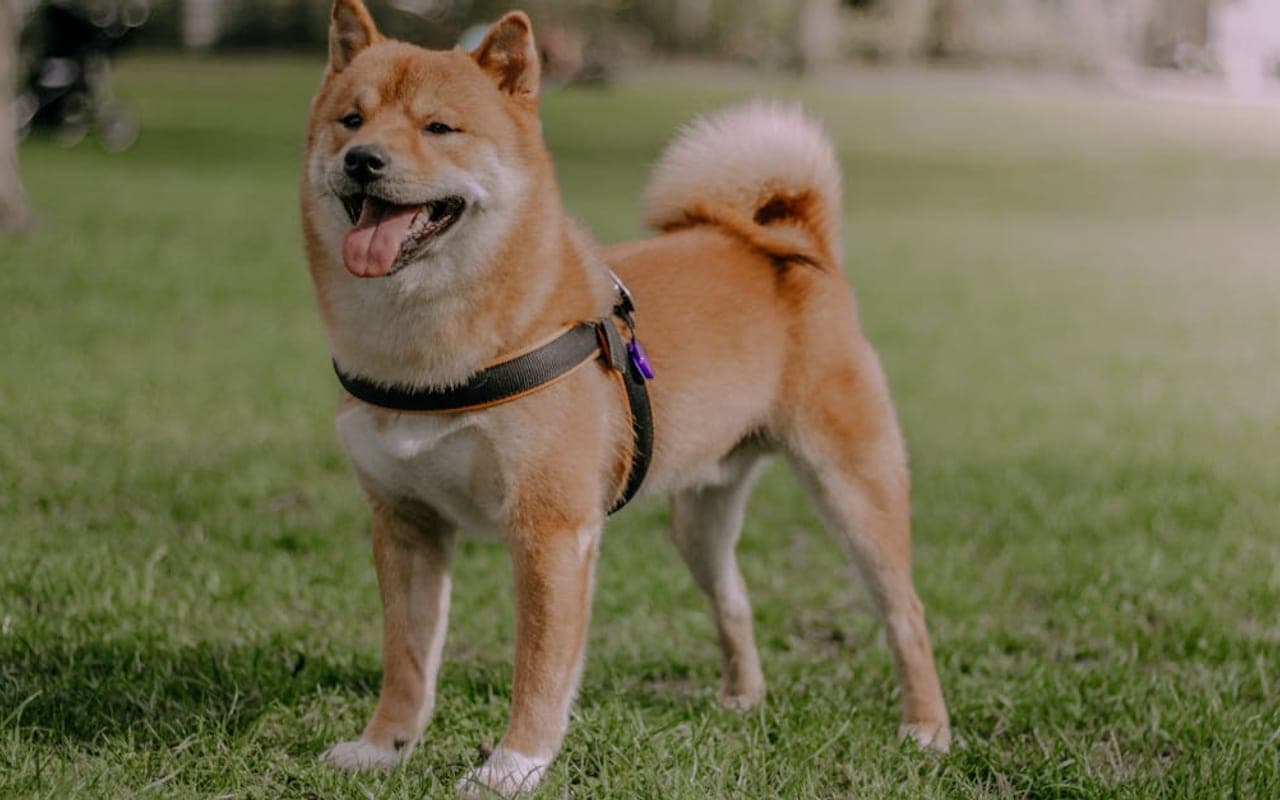
Kishu Ken
Also in the Foundation Stock Service group, with different care and temperament tradeoffs.
Explore More About Kromfohrlander
Dive deeper into everything Kromfohrlander — costs, care, and expert insights.
Considering a cat instead?
Browse Cats