
Sporting group
Lagotto Romagnolo
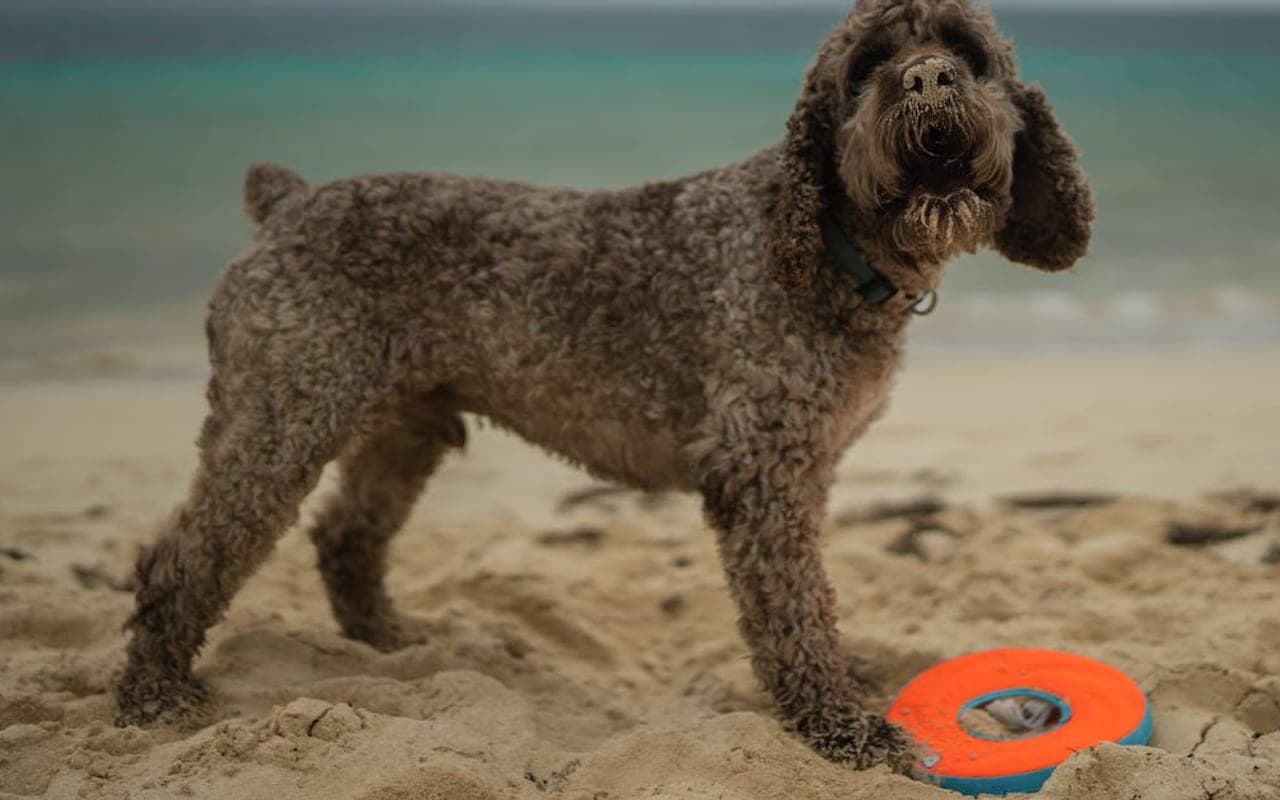
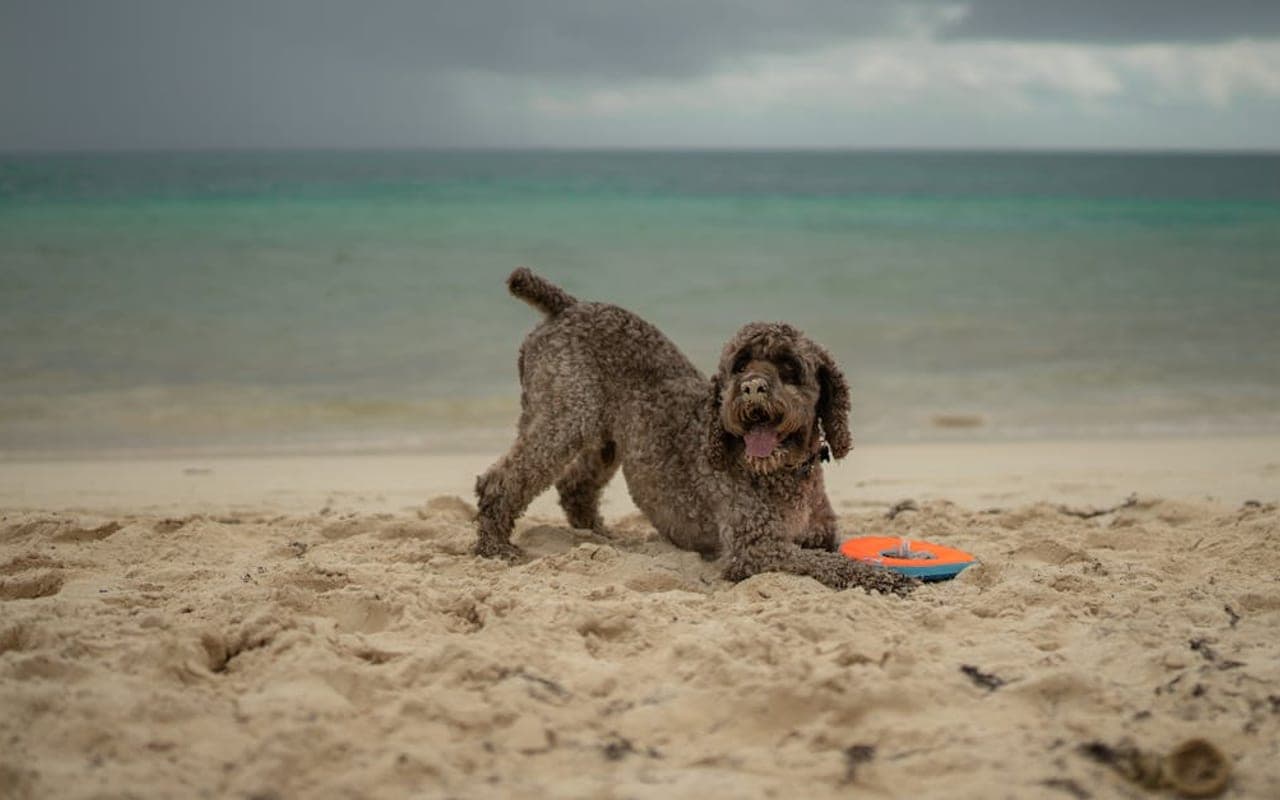
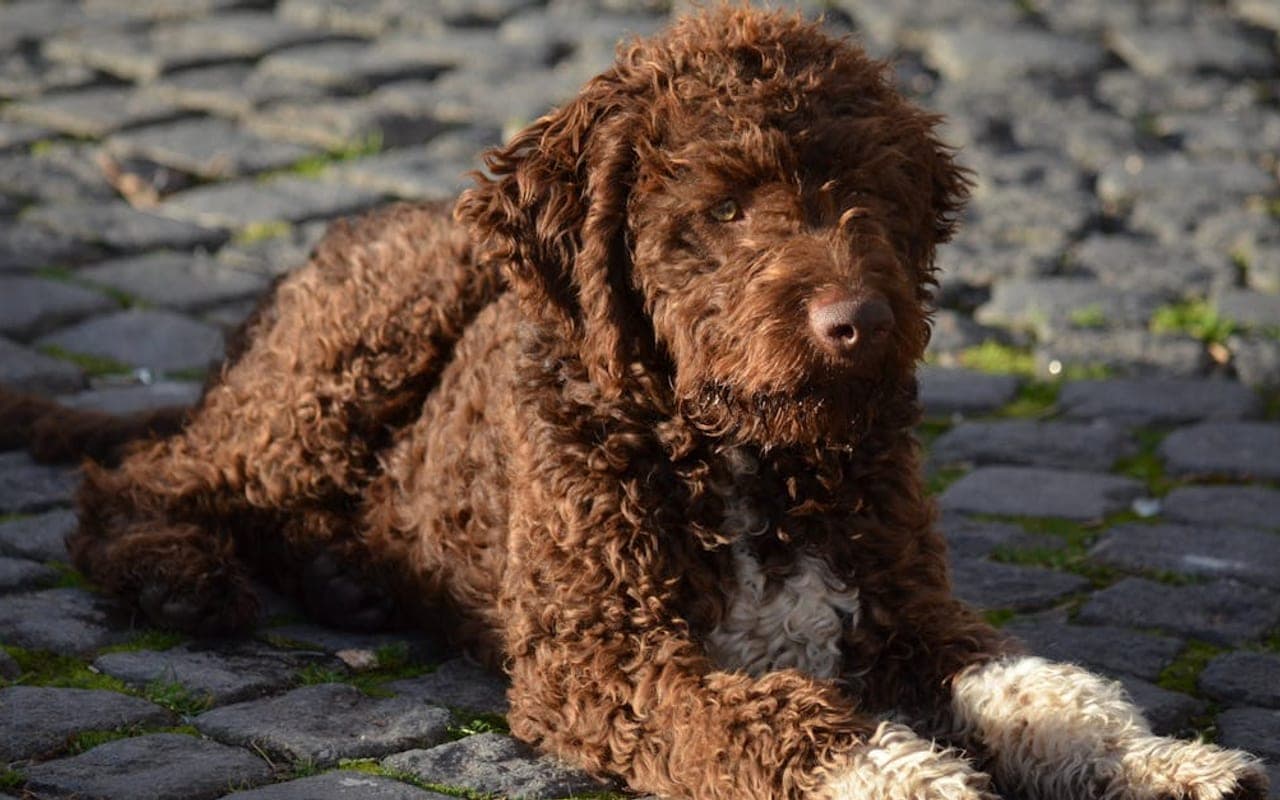
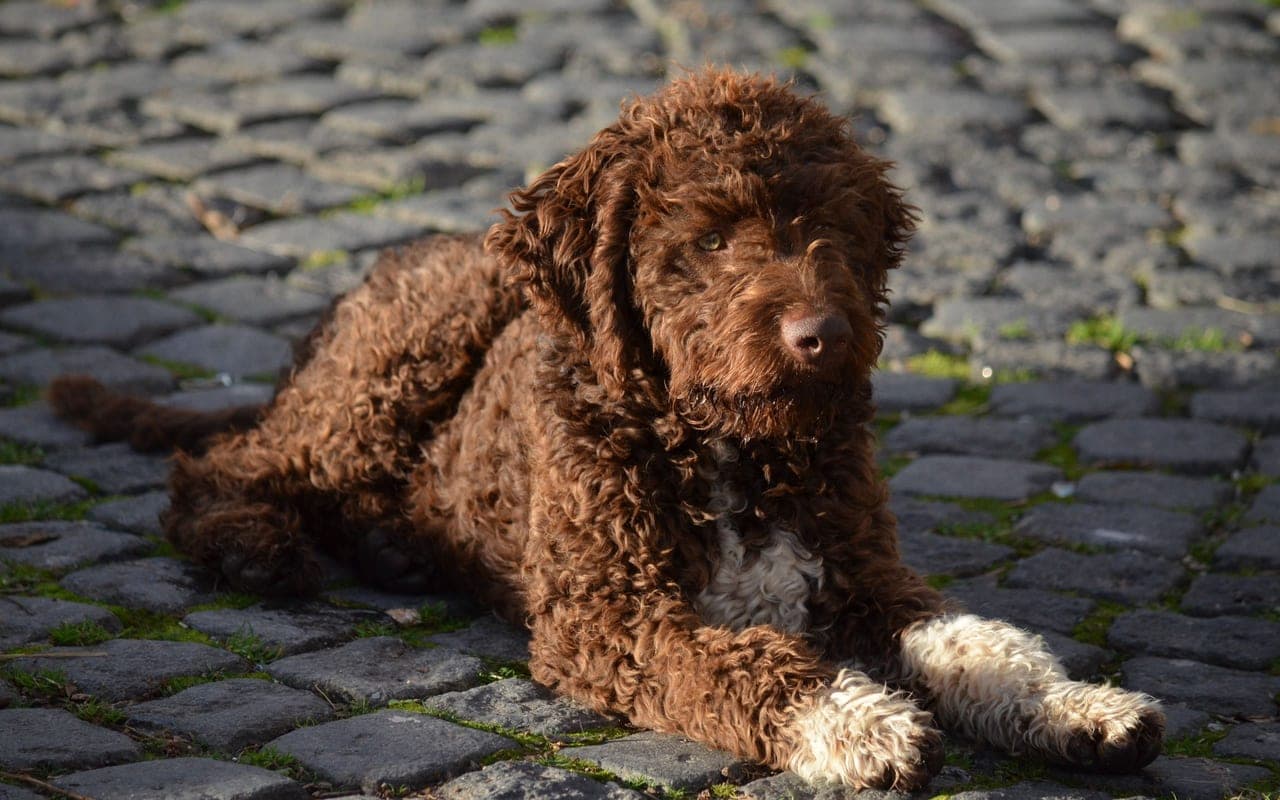
The Lagotto Romagnolo is a 24-to-35-pound curly-coated working dog from the marshes of Romagna in Italy, and the only purebred dog specialized as a truffle-hunting scent dog.
Size
24-35 lb
Lifespan
15-17 years
Exercise
30-60 minutes
Shedding
Moderate
Experience
Match to owner routine
Decision first
Is a Lagotto Romagnolo right for you?
Start with fit before history or trivia. These are ownership signals, not guarantees about any individual dog.
Best suited for
- Households with children.
- Homes with other compatible pets.
- Apartment homes with a consistent routine.
- Owners seeking a manageable daily exercise routine.
Think carefully if
- You need a dog with almost no daily routine.
- You cannot keep up with grooming and preventive care.
- The dog will spend most days alone without support.
Conditional fit
Apartment fit depends on exercise, enrichment, noise management, and outdoor access.
Daily reality
Lagotto Romagnolo commitment snapshot
Daily exercise
30-60 minutes
Match activity to age, health, weather, and training goals.
Coat care
Moderate
Grooming needs vary by coat, shedding, and lifestyle.
Time alone
Needs planning
Most dogs need gradual alone-time conditioning and support.
Structured facts
Lagotto Romagnolo at a glance
The measurements and traits that most affect day-to-day life with this breed.
Group
Sporting
Weight
24-35 lb
Height
16-19 in
Lifespan
15-17 years
Temperament
Affectionate | Keen | Undemanding
View all characteristics and methodology
Lifestyle fit
- Apartment suitability
- Likely fit
- Child friendliness
- Often good, with socialisation and supervision
- Other-pet fit
- Often compatible with careful introductions
Owner commitment
- Exercise
- 30-60 minutes
- Grooming
- Moderate
- Shedding
- Moderate
- Training
- Low
Environment and health
- Health risk
- Needs planning
Ratings combine structured breed data, visible breed fields, and editorial context. They are planning aids, not predictions for an individual dog.
Daily life
Lagotto Romagnolo temperament and behavior
The Lagotto Romagnolo is a 24-to-35-pound curly-coated working dog from the marshes of Romagna in Italy, and the only purebred dog specialized as a truffle-hunting scent dog. Buyers fall for the teddy-bear face — dense woolly curls, a thick beard, expressive eyebrows — but the coat and the brain underneath it are the two things that actually decide whether this breed fits your life. The Lagotto's nose and search drive are extreme. This is a dog bred for hours of methodical scent work, and without a job it will invent one: digging craters in the lawn, obsessive sniffing, and restless pacing are not misbehavior, they are an unemployed truffle dog. The coat is a true single curly coat that does not shed seasonally but never stops growing and mats fast. Owners who expected a low-maintenance dog because "it doesn't shed" are the ones who end up at the groomer paying to shave out a felted pelt. This is a clip-every-6-to-8-weeks breed for life. Temperament is affectionate, biddable, and bonded to family, but also keenly alert and sometimes wary of strangers without early socialization. They are sensitive workers — they respond beautifully to reward-based training and shut down under harshness. They are generally good with children and other dogs when raised with them, but the digging instinct and the need for daily nose-and-body work are non-negotiable. Who the Lagotto is right for: an active owner who will give 60-plus minutes of daily exercise plus scent or training games, commit to a real grooming budget, and buy only from a breeder who DNA-tests for the breed's storage disease and epilepsy. Who it is wrong for: anyone wanting a wash-and-wear, low-stimulation pet — that owner gets a frustrated dog and a wrecked garden.
Affectionate | Keen | Undemanding
Affectionate
A common Lagotto Romagnolo temperament descriptor that should be interpreted alongside training, exercise, and household fit.
Keen
A common Lagotto Romagnolo temperament descriptor that should be interpreted alongside training, exercise, and household fit.
Undemanding
A common Lagotto Romagnolo temperament descriptor that should be interpreted alongside training, exercise, and household fit.
Owner note
Temperament labels are starting points, not guarantees. Meet the individual dog and ask about behavior history whenever possible.
Care essentials
How to care for a Lagotto Romagnolo
What looking after one actually involves: exercise, grooming, food, training, and routine health.
ExerciseAs needed
- Moderately active breed needing 30-60 minutes of daily exercise through walks, play, and mental stimulation.
GroomingAs needed
- Regular grooming needed — brush 2-3 times per week and bathe monthly.
TrainingAs needed
- Independent-minded breed that may require extra patience in training. Short, engaging sessions recommended.
NutritionAs needed
- Feed a high-quality dog food appropriate for their age, size, and activity level. Monitor portions to prevent obesity.
Veterinary CareAs needed
- Annual wellness exams, core vaccinations, dental care, and parasite prevention. Breed-specific health screenings as recommended by your vet.
Health planning
Lagotto Romagnolo health risks and screening
Every breed has individual health variation. Use this profile for planning and discuss medical decisions with a veterinarian.
Responsible ownership
Finding a Lagotto Romagnolo responsibly
What to ask a breeder or rescue is the same conversation for every breed, so we keep it in one place and keep it current.
Health documentation, meeting the parents or foster, contracts and return support, and the warning signs worth walking away from.
Original purpose
Lagotto Romagnolo history
History is useful when it explains today's behavior, coat, exercise needs, and training style.
Read the breed history
The Lagotto Romagnolo is an ancient breed from the Romagna sub-region of Italy, with roots traced to the wetlands and lagoons of the Comacchio and Ravenna marshes — its name derives from the local dialect for "lake dog." For centuries it worked as a water retriever, fetching downed waterfowl for marsh hunters. When the great marshes were drained for farmland in the 19th and 20th centuries, the breed's retrieving job largely vanished, and Lagotto owners redirected the dog's extraordinary nose to a more lucrative quarry: truffles. The breed was deliberately selected away from the high prey drive of a gundog (which would chase game and ignore the truffle) and toward pure scent focus, making it the only dog breed in the world bred specifically for truffle hunting. Italy's national Lagotto club was formed in 1988, the breed was recognized by the FCI in 1995, and the AKC granted full recognition in 2015. The water-dog ancestry survives in the curly, water-resistant coat and the breed's love of swimming.
Gallery
Lagotto Romagnolo photos
Images are cropped consistently and loaded progressively to keep the page responsive.
Lower-page context
Lagotto Romagnolos in culture
Where the breed shows up in film, sport, work and folklore — the enjoyable part, once the practical questions are answered.
Fun facts
- The Lagotto Romagnolo belongs to the Sporting Group.
- With proper care, Lagotto Romagnolo dogs can live up to 17 years or more.
- Lagotto Romagnolo dogs are valued for their affectionate, keen, undemanding nature.
Lagotto Romagnolo FAQs
How long do Lagotto Romagnolos live?
The Lagotto Romagnolo is a notably long-lived breed, typically living 15 to 17 years — longer than most dogs of its size. That longevity is real but it raises the lifetime cost of the two things this breed always needs: professional grooming every 6 to 8 weeks and routine ear care, both of which compound over a long life. A Lagotto from a breeder who DNA-tests for the breed's storage disease and juvenile epilepsy and screens hips is the version most likely to actually reach the top of that range in good health.
Are Lagotto Romagnolos hypoallergenic and do they shed?
The Lagotto has a single curly coat that does not shed seasonally and is often described as low-dander, which is why it is marketed as allergy-friendly — but no dog is truly hypoallergenic, and individual reactions vary. The more important practical point is that not shedding does not mean low maintenance. The coat grows continuously and mats fast, so it must be combed weekly and professionally clipped every 6 to 8 weeks for life, at roughly $60 to $100 a visit. Owners who skip grooming because the dog "doesn't shed" end up paying for a full shave-down.
How much exercise and stimulation does a Lagotto Romagnolo need?
Plan on 60 to 90 minutes of activity daily, and the kind matters as much as the amount. This is a working scent breed, so a flat walk alone leaves it under-stimulated; pair physical exercise with nose work, scatter feeding, tracking, or trick training. An under-worked Lagotto channels its truffle-hunting drive into digging large holes, obsessive sniffing, and restlessness. If you can commit to daily mental work plus exercise the breed is calm and biddable indoors; if you cannot, expect a frustrated dog and a damaged garden.
What is Lagotto Storage Disease and can it be prevented?
Lagotto Storage Disease is an inherited lysosomal storage disorder largely specific to this breed that causes progressive neurological decline — wobbling, abnormal eye movements, and behavioral change, usually emerging in young adulthood. It is not curable, but it is preventable at the breeding level: a DNA test identifies carriers, and a breeder who tests and never pairs two carriers cannot produce an affected puppy. This is why buying from a breeder who shows you the parents' DNA results is the single most important health decision in this breed; if an adult Lagotto develops stumbling or behavioral change, seek a neurological workup promptly.
Are Lagotto Romagnolos good family dogs and good with children?
Yes, with the right household. The Lagotto is affectionate, bonded to its family, and generally good with children and other dogs when raised with them and socialized early. It is sensitive rather than rough, so it suits a calm family that uses reward-based handling. The caveats are practical, not temperamental: this breed needs daily mental work, can be reserved with strangers without early socialization, and digs when bored. A family that meets the exercise and grooming commitment gets a devoted companion; one that does not gets a stressed dog.
How much does a Lagotto Romagnolo cost to buy and own?
A puppy from a breeder who DNA-tests for Lagotto Storage Disease and benign familial juvenile epilepsy and OFA-screens hips and patellas typically runs $2,500 to $4,500. The larger number is ownership: professional grooming every 6 to 8 weeks at $60 to $100 adds up to roughly $6,000 to $12,000 over this breed's long 15-to-17-year life, before routine ear care and veterinary costs. The breed is not expensive to feed, but anyone budgeting only for the purchase price is underestimating the real cost by an order of magnitude.
Sources
These are the published sources this page draws on. Each opens in a new tab so you can check it yourself.
American Kennel Club
Lagotto Romagnolo — breed standard and profile(opens in a new tab)Supports: Breed standard and recognition details.
Similar breeds to consider
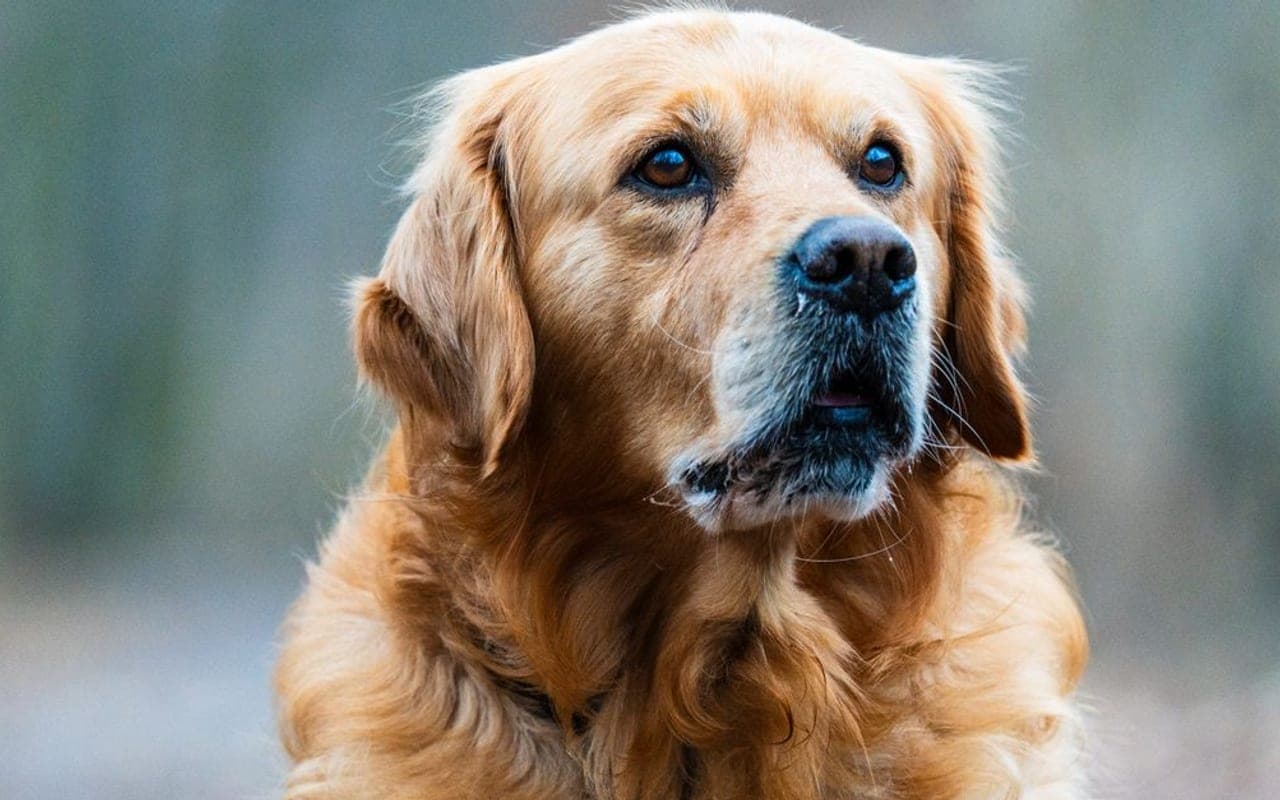
Golden Retriever
Also in the Sporting group, with different care and temperament tradeoffs.
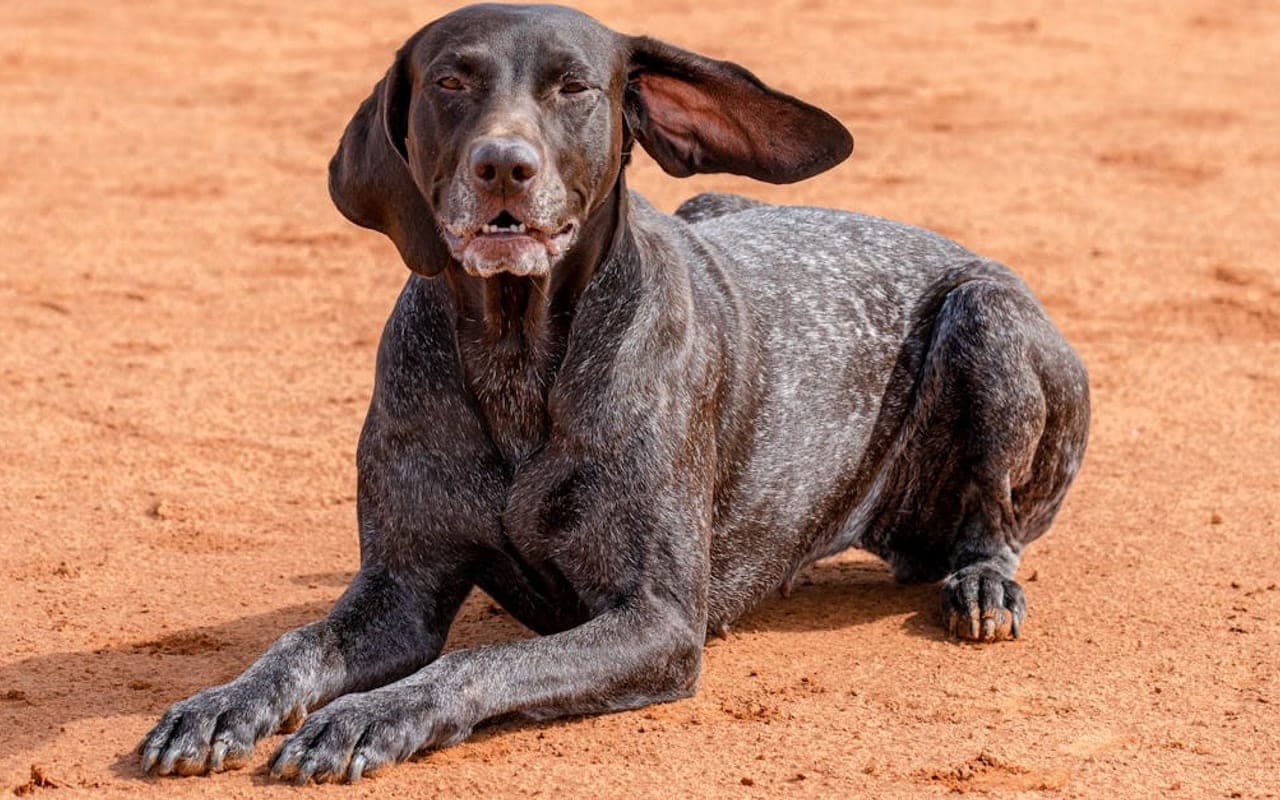
German Shorthaired Pointer
Also in the Sporting group, with different care and temperament tradeoffs.
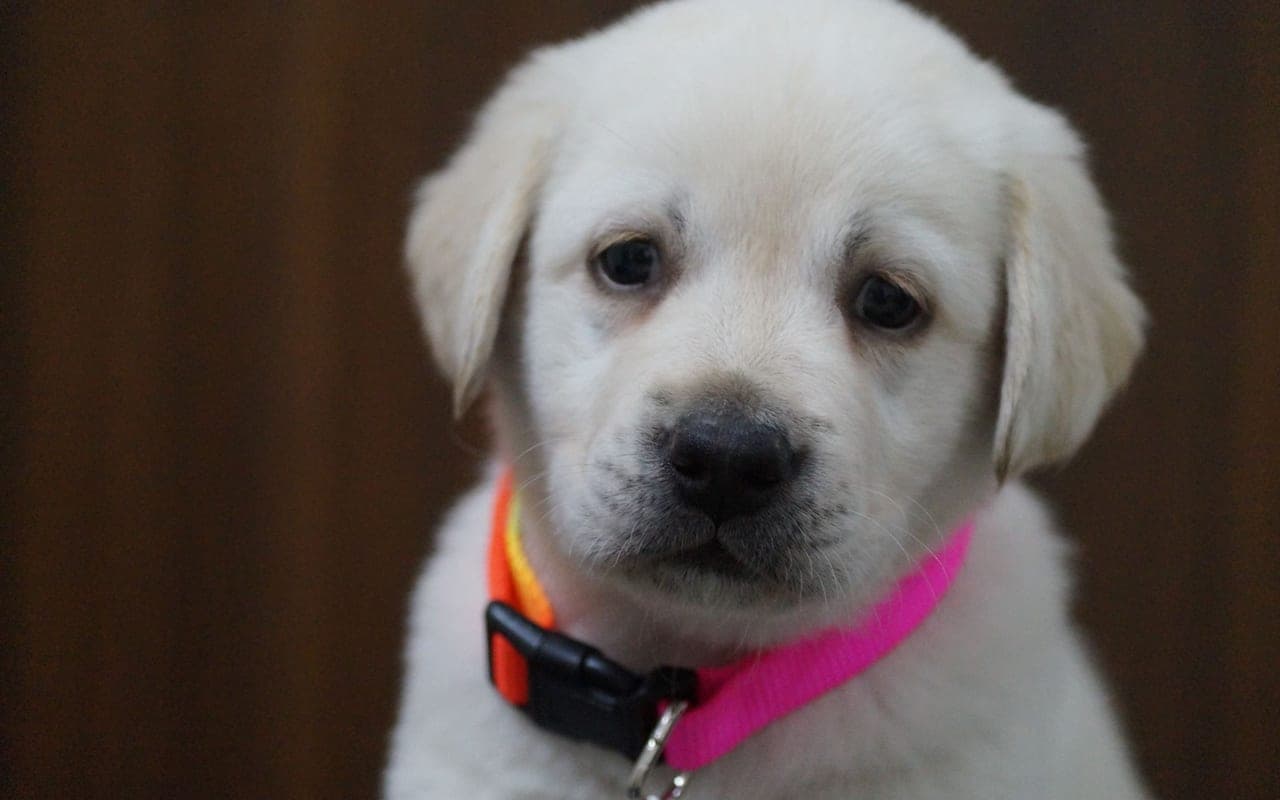
Labrador Retriever
Also in the Sporting group, with different care and temperament tradeoffs.

Vizsla
Also in the Sporting group, with different care and temperament tradeoffs.
Explore More About Lagotto Romagnolo
Dive deeper into everything Lagotto Romagnolo — costs, care, and expert insights.
Large Dog Care Guide: Everything Over 50 lbs
Owning a large or giant breed dog means accepting one of biology's...
Puppy Teething & Biting: Timeline and What Actually Works
A puppy has all 28 deciduous ("baby") teeth by roughly eight weeks of age, and...
Considering a cat instead?
Browse Cats