
Herding group
Lancashire Heeler
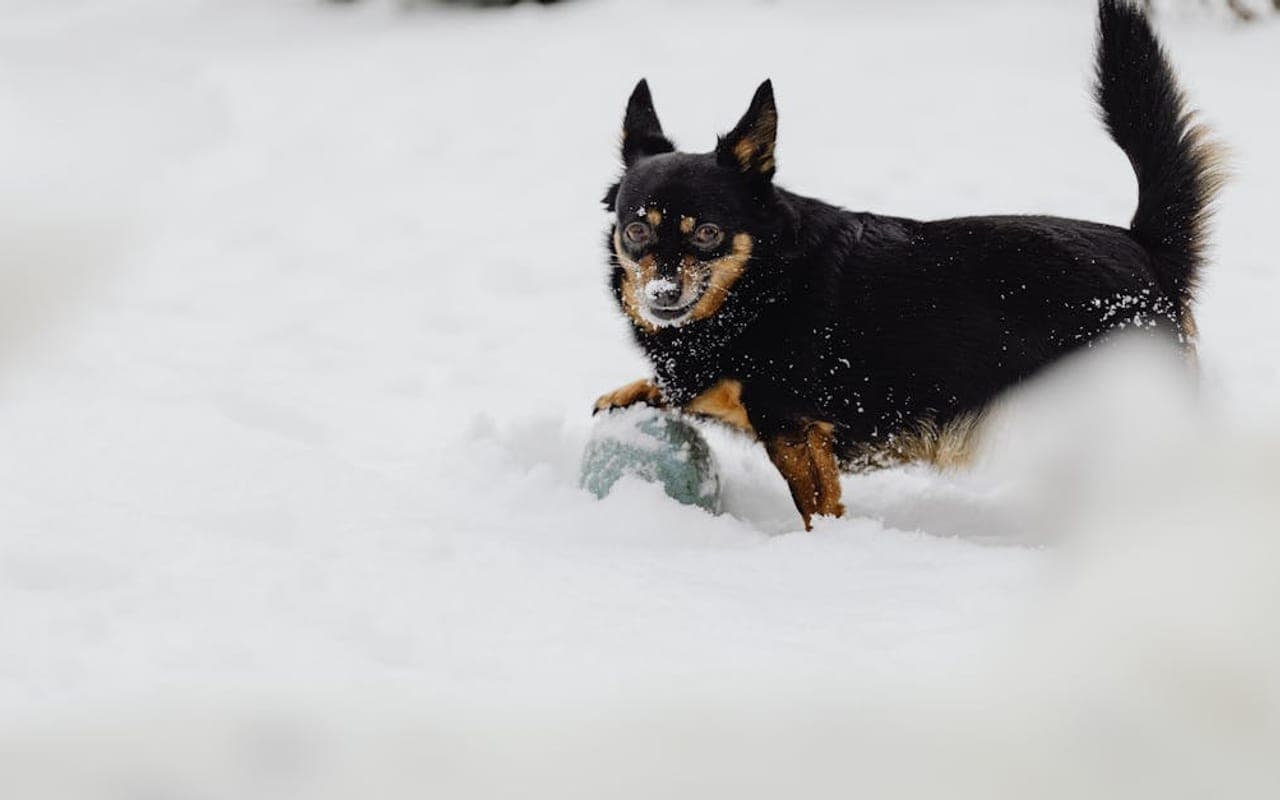
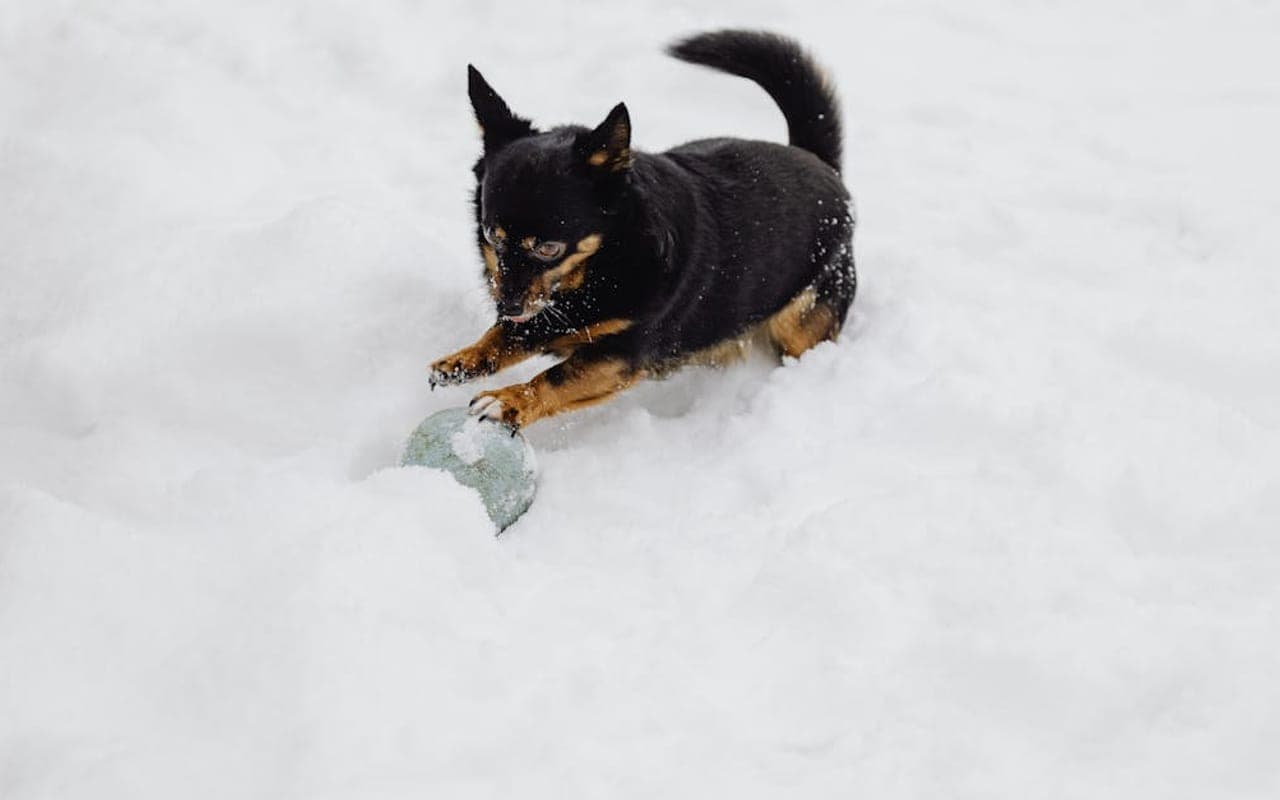
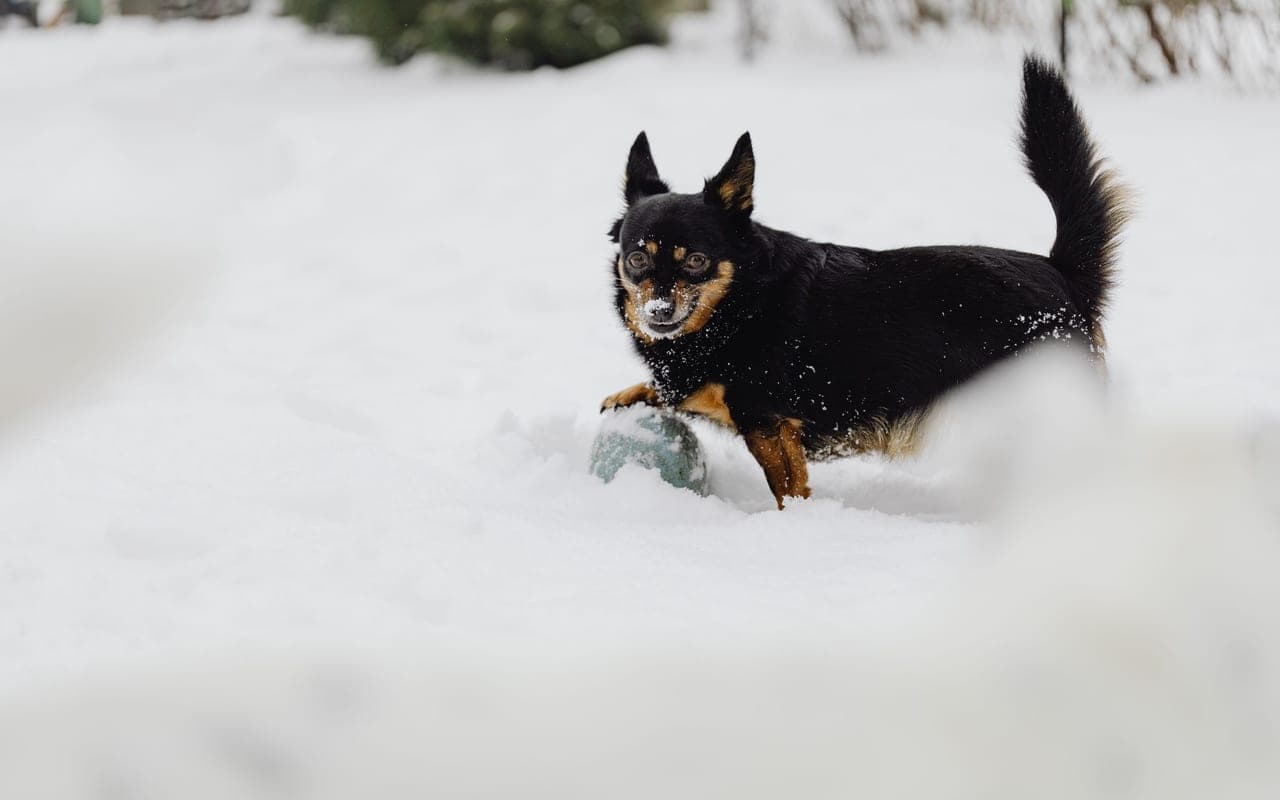
The Lancashire Heeler is a small drover's dog from north-west England — roughly 25-31 cm at the shoulder and 4-8 kg — built to nip the heels of cattle and bolt rats and rabbits with terrier-grade nerve.
Size
8-18 lb
Lifespan
12-15 years
Exercise
30-60 minutes
Shedding
Moderate
Experience
Match to owner routine
Decision first
Is a Lancashire Heeler right for you?
Start with fit before history or trivia. These are ownership signals, not guarantees about any individual dog.
Best suited for
- Households with children.
- Homes with other compatible pets.
- Apartment homes with a consistent routine.
- Owners seeking a manageable daily exercise routine.
Think carefully if
- You need a dog with almost no daily routine.
- You cannot keep up with grooming and preventive care.
- The dog will spend most days alone without support.
Conditional fit
Apartment fit depends on exercise, enrichment, noise management, and outdoor access.
Daily reality
Lancashire Heeler commitment snapshot
Daily exercise
30-60 minutes
Match activity to age, health, weather, and training goals.
Coat care
Moderate
Grooming needs vary by coat, shedding, and lifestyle.
Time alone
Needs planning
Most dogs need gradual alone-time conditioning and support.
Structured facts
Lancashire Heeler at a glance
The measurements and traits that most affect day-to-day life with this breed.
Group
Herding
Weight
8-18 lb
Height
10-12 in
Lifespan
12-15 years
Temperament
Affectionate | Versatile | Intelligent
View all characteristics and methodology
Lifestyle fit
- Apartment suitability
- Likely fit
- Child friendliness
- Often good, with socialisation and supervision
- Other-pet fit
- Often compatible with careful introductions
Owner commitment
- Exercise
- 30-60 minutes
- Grooming
- Moderate
- Shedding
- Moderate
- Training
- Moderate
Environment and health
- Health risk
- Needs planning
Ratings combine structured breed data, visible breed fields, and editorial context. They are planning aids, not predictions for an individual dog.
Daily life
Lancashire Heeler temperament and behavior
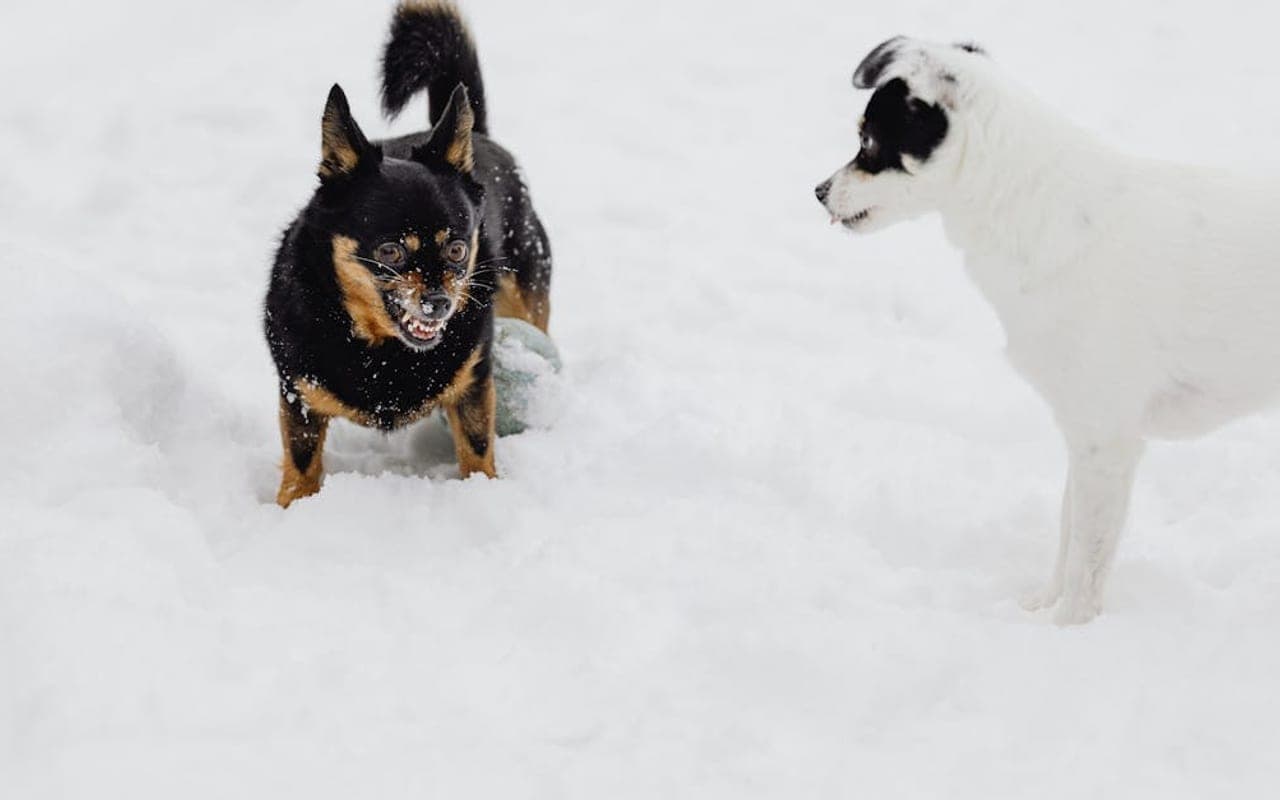
The Lancashire Heeler is a small drover's dog from north-west England — roughly 25-31 cm at the shoulder and 4-8 kg — built to nip the heels of cattle and bolt rats and rabbits with terrier-grade nerve. Picture a black-and-tan (or liver-and-tan) cattle dog compressed into a 10-inch frame: low, powerful, fast, and far more dog than the size suggests. The breed is genuinely rare. The UK Kennel Club placed it on its Vulnerable Native Breeds list because the gene pool is small, and that small gene pool is the single fact a prospective owner has to understand first, because it is the reason the health story below is not optional reading. Temperament is heeler-typical: alert, affectionate with its own people, quick to learn, vocal, and persistently busy. They are famous for the 'Heeler smile' — drawing the lips back in a genuine-looking grin when content. They bond hard to a family, do well with children they are raised with, and stay terrier-keen on small fast-moving animals their whole life, which matters if you keep cats or rabbits. They are not ornamental lap dogs; they want a job, a walk, and a person to follow room to room. Who the Lancashire Heeler is right for: an active owner who wants a clever, compact, interactive dog and who will buy ONLY from a breeder who can show DNA-test certificates for Primary Lens Luxation and Collie Eye Anomaly on both parents. Who it is wrong for: anyone who buys on price or cuteness from an untested litter. In this breed, the difference between a screened and an unscreened puppy is the difference between a normal dog and a dog that goes blind — decide accordingly.
Affectionate | Versatile | Intelligent
Affectionate
A common Lancashire Heeler temperament descriptor that should be interpreted alongside training, exercise, and household fit.
Versatile
A common Lancashire Heeler temperament descriptor that should be interpreted alongside training, exercise, and household fit.
Intelligent
A common Lancashire Heeler temperament descriptor that should be interpreted alongside training, exercise, and household fit.
Owner note
Temperament labels are starting points, not guarantees. Meet the individual dog and ask about behavior history whenever possible.
Care essentials
How to care for a Lancashire Heeler
What looking after one actually involves: exercise, grooming, food, training, and routine health.
ExerciseAs needed
- Moderately active breed needing 30-60 minutes of daily exercise through walks, play, and mental stimulation.
GroomingAs needed
- Regular grooming needed — brush 2-3 times per week and bathe monthly.
TrainingAs needed
- Moderately trainable — consistent, patient training with positive methods works best.
NutritionAs needed
- Feed a high-quality dog food appropriate for their age, size, and activity level. Monitor portions to prevent obesity.
Veterinary CareAs needed
- Annual wellness exams, core vaccinations, dental care, and parasite prevention. Breed-specific health screenings as recommended by your vet.
Health planning
Lancashire Heeler health risks and screening
Every breed has individual health variation. Use this profile for planning and discuss medical decisions with a veterinarian.
Responsible ownership
Finding a Lancashire Heeler responsibly
What to ask a breeder or rescue is the same conversation for every breed, so we keep it in one place and keep it current.
Health documentation, meeting the parents or foster, contracts and return support, and the warning signs worth walking away from.
Original purpose
Lancashire Heeler history
History is useful when it explains today's behavior, coat, exercise needs, and training style.
Read the breed history
The Lancashire Heeler descends from the cattle drovers' dogs of north-west England, where small heeling dogs moved stock to market by nipping at the cattle's heels and dropping flat to avoid the kick. The widely accepted account is a cross between the Welsh Corgi (moved north with Welsh cattle) and the Manchester Terrier, which gave the breed its black-and-tan colour, its ratting drive, and its terrier nerve. The type nearly vanished as droving died out, and by the mid-20th century numbers were perilously low. A deliberate revival from a tiny base re-established the breed, and the UK Kennel Club recognised it in 1981 — but that narrow founding population is exactly why inherited eye disease concentrated in the breed, and why it sits on the Kennel Club's Vulnerable Native Breeds list today. The breed gained American Kennel Club full recognition in 2024. History here is not trivia: the small gene pool directly explains the mandatory DNA testing.
Gallery
Lancashire Heeler photos
Images are cropped consistently and loaded progressively to keep the page responsive.
Lower-page context
Lancashire Heelers in culture
Where the breed shows up in film, sport, work and folklore — the enjoyable part, once the practical questions are answered.
Fun facts
- The Lancashire Heeler belongs to the Miscellaneous Class.
- With proper care, Lancashire Heeler dogs can live up to 15 years or more.
- Lancashire Heeler dogs are valued for their affectionate, versatile, intelligent nature.
Lancashire Heeler FAQs
How long do Lancashire Heelers live?
A healthy Lancashire Heeler from DNA-tested lines typically lives 12-15 years, which is good for any dog and excellent for a working breed. The number that actually varies the outcome is not age but eye health: a dog that loses sight to untreated lens luxation lives just as long but with a far harder life. Lifespan in this breed is largely a function of whether the breeder tested for PLL and CEA before the mating — which is why screening certificates matter more here than almost anything else you can ask about.
Why is DNA testing so important for the Lancashire Heeler specifically?
Because the breed nearly died out and was rebuilt from a very small number of dogs, inherited eye disease became concentrated in the gene pool — far more so than in common breeds. Primary Lens Luxation and Collie Eye Anomaly both have reliable DNA tests, so a responsible breeder can guarantee a puppy will not be affected by pairing tested dogs correctly. Buying a puppy whose parents were not DNA-tested for PLL and CEA is the single biggest avoidable mistake in this breed; ask to see the certificates, not just hear that the dogs 'are healthy'.
How much exercise does a Lancashire Heeler need?
Plan on 45-60 minutes of genuine activity a day, not just a stroll. This is a herding-terrier cross with real drive: a brisk walk plus a training game, scent work, fetch, or secure off-lead time. They are clever and learn fast, so 10-15 minutes of training counts as both exercise and enrichment. An under-exercised Heeler typically channels the surplus into barking, digging, and heel-nipping — which owners often misread as a behaviour problem when it is actually an unmet exercise need.
Are Lancashire Heelers good with children and other pets?
Yes with children they are raised with — they are sturdy, affectionate, and playful, though their instinct to nip heels can show up as herding behaviour around running kids and should be redirected early. With small fast pets the honest answer is caution: the breed retains a strong terrier prey drive for rats and rabbits, so cats and pocket pets should be introduced carefully and supervised. They generally coexist fine with other dogs when socialised young.
How much does a Lancashire Heeler puppy cost, and what are the hidden costs?
Expect roughly $1,000-$2,500 (UK £800-£1,500) for a well-bred, DNA-tested, registered puppy. The hidden cost is the one screening prevents: emergency surgery for a luxated lens runs $1,500-$3,000+ per eye, and a blind dog incurs lifelong management. The breed itself is cheap to groom and feed, so the smart money is spent upfront — paying more for a puppy from PLL- and CEA-tested parents is the cheapest insurance available in this breed.
What is the 'Heeler smile'?
It is a genuine breed trait: when relaxed and content, many Lancashire Heelers draw their lips back to expose the front teeth in what looks unmistakably like a human grin. It is not aggression and not a snarl — the body stays loose and the eyes soft. New owners sometimes misread it; the context (a relaxed, wiggly dog) is the tell. It is harmless and one of the breed's well-documented quirks, not a sign of dental pain or threat.
Sources
These are the published sources this page draws on. Each opens in a new tab so you can check it yourself.
American Kennel Club
Lancashire Heeler — breed standard and profile(opens in a new tab)Supports: Breed standard and recognition details.
Similar breeds to consider
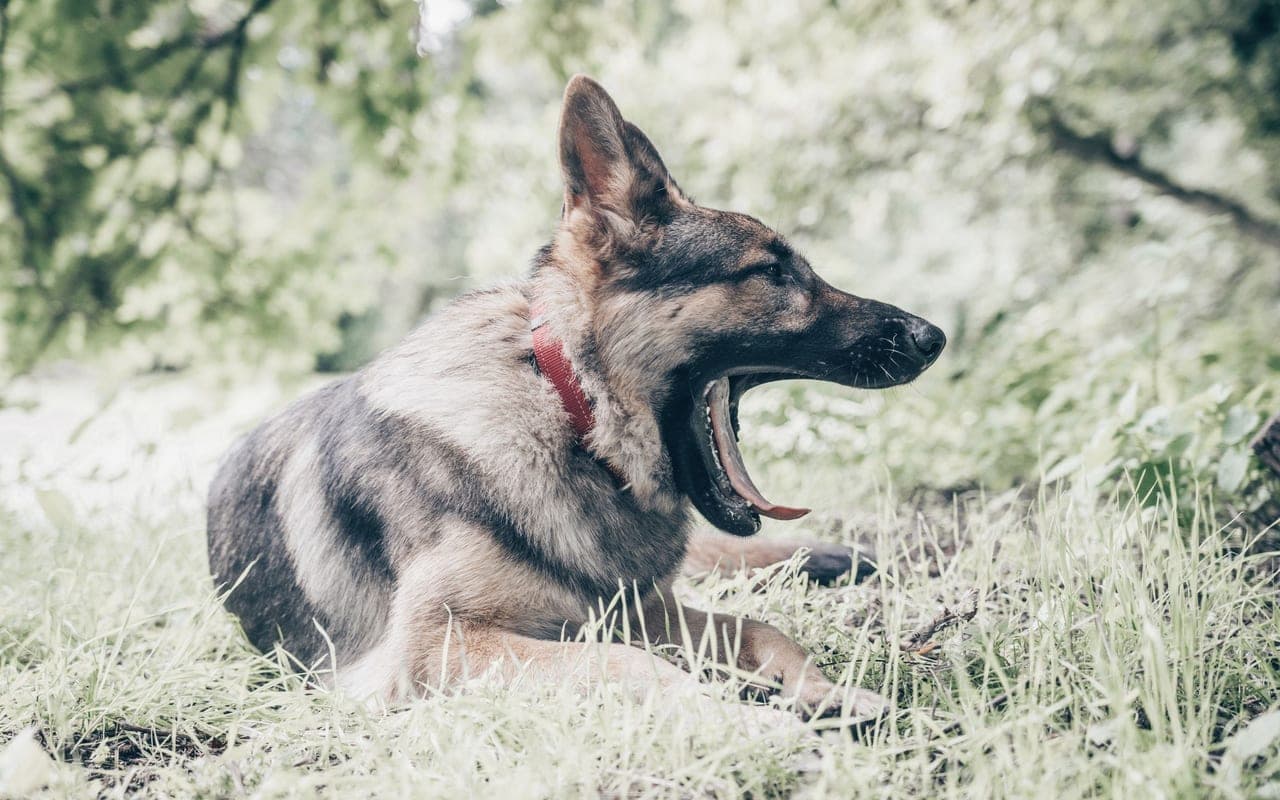
German Shepherd
Also in the Herding group, with different care and temperament tradeoffs.
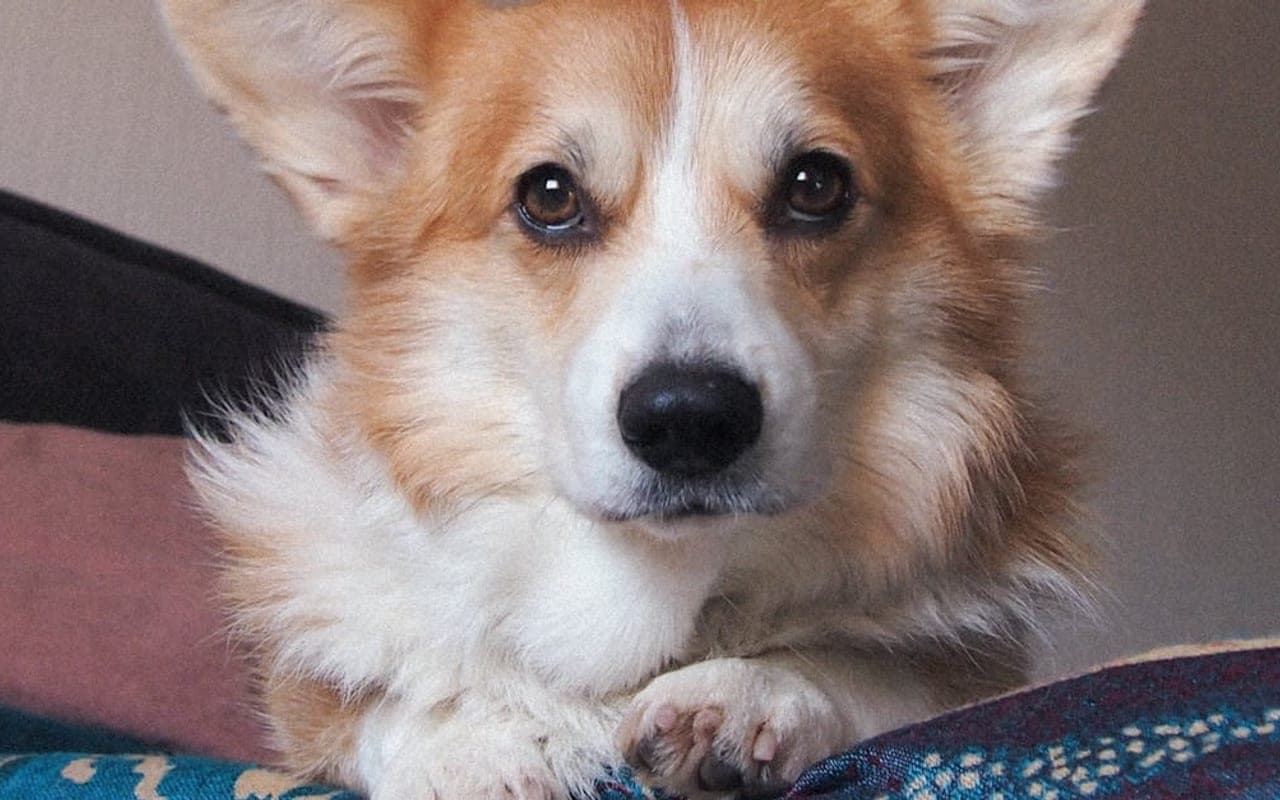
Pembroke Welsh Corgi
Also in the Herding group, with different care and temperament tradeoffs.
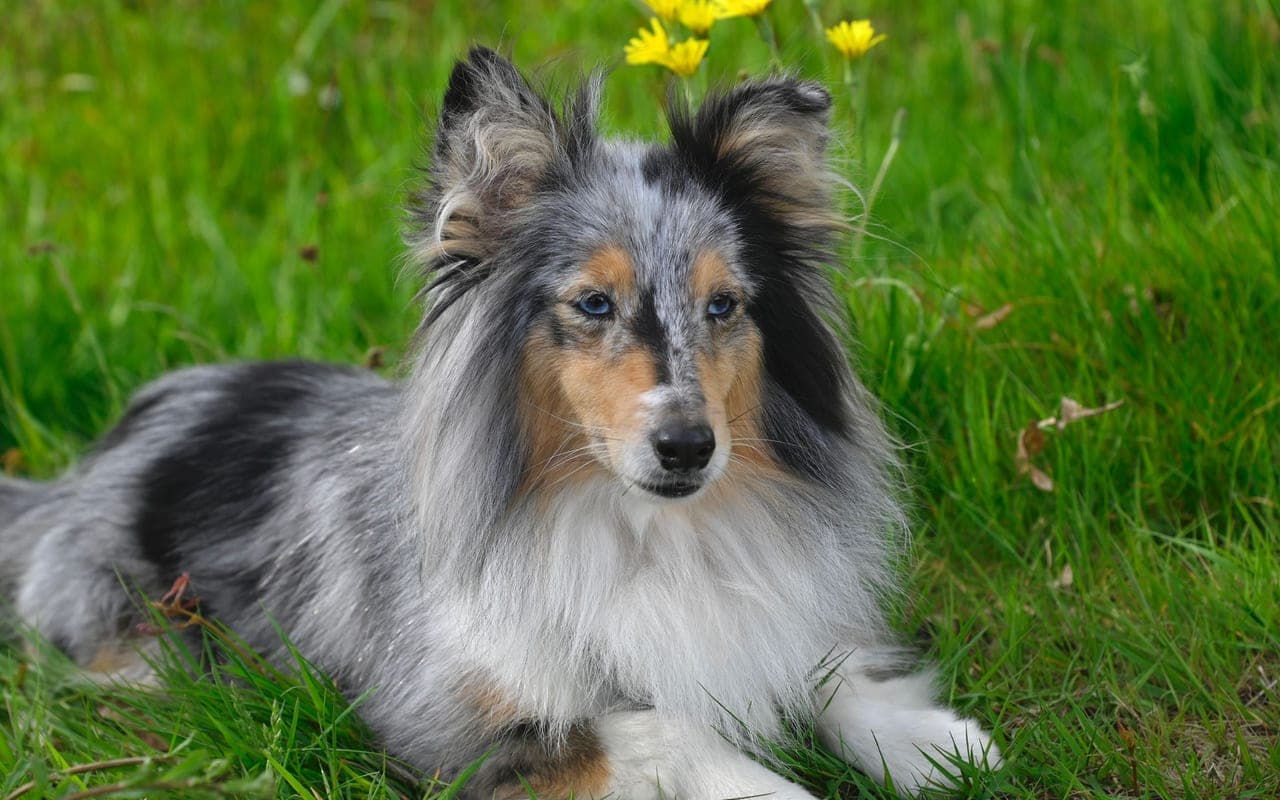
Shetland Sheepdog
Also in the Herding group, with different care and temperament tradeoffs.
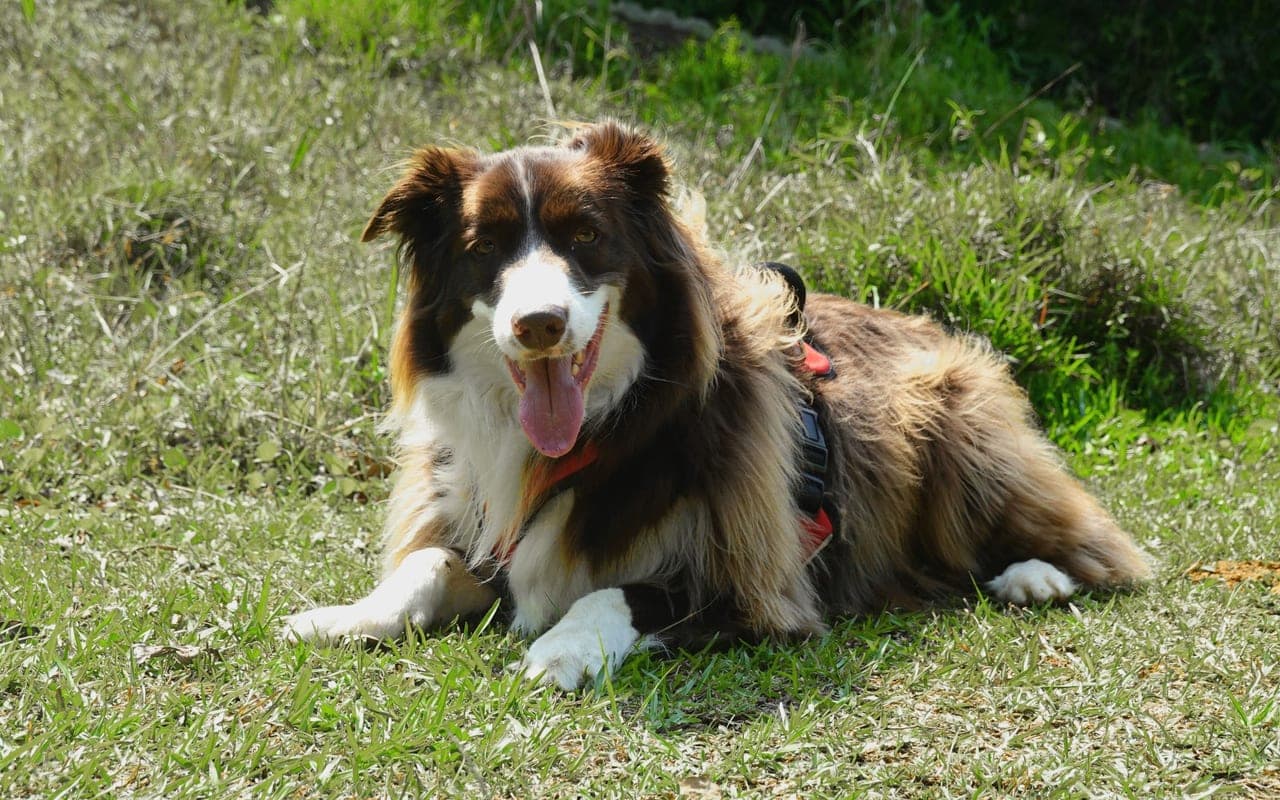
Border Collie
Also in the Herding group, with different care and temperament tradeoffs.
Explore More About Lancashire Heeler
Dive deeper into everything Lancashire Heeler — costs, care, and expert insights.
Large Dog Care Guide: Everything Over 50 lbs
Owning a large or giant breed dog means accepting one of biology's...
Puppy Teething & Biting: Timeline and What Actually Works
A puppy has all 28 deciduous ("baby") teeth by roughly eight weeks of age, and...
Considering a cat instead?
Browse Cats