
Non-Sporting group
Lhasa Apso
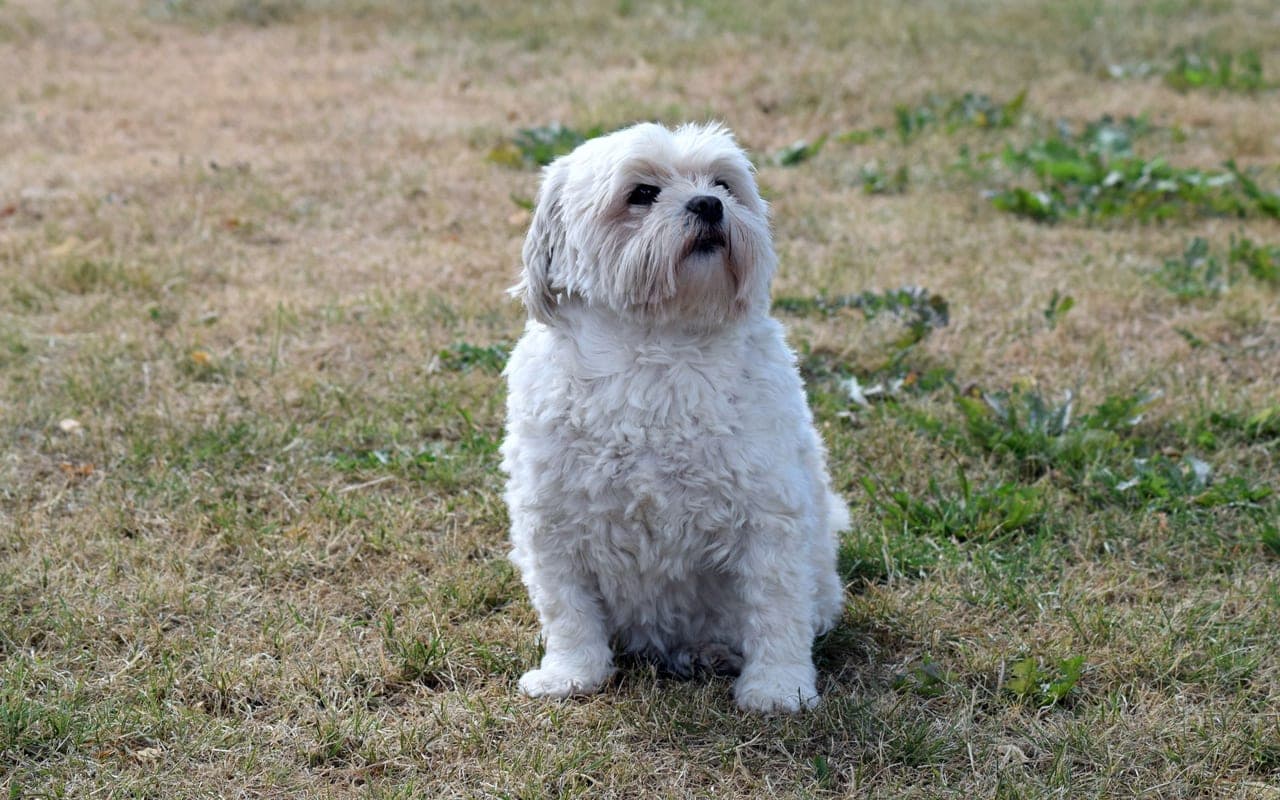
The Lhasa Apso is a small (10-11 inches, 12-18 pounds) Tibetan dog bred not as a lap pet but as an indoor sentinel — the watchful inside-the-monastery alarm dog that backed up the larger Tibetan Mastiffs at the gate.



Size
12-18 lb
Lifespan
12-15 years
Exercise
30-60 minutes
Shedding
Moderate
Experience
Match to owner routine
Decision first
Is a Lhasa Apso right for you?
Start with fit before history or trivia. These are ownership signals, not guarantees about any individual dog.
Best suited for
- Households with children.
- Homes with other compatible pets.
- Apartment homes with a consistent routine.
- Owners seeking a manageable daily exercise routine.
Think carefully if
- You need a dog with almost no daily routine.
- You cannot keep up with grooming and preventive care.
- The dog will spend most days alone without support.
Conditional fit
Apartment fit depends on exercise, enrichment, noise management, and outdoor access.
Daily reality
Lhasa Apso commitment snapshot
Daily exercise
30-60 minutes
Match activity to age, health, weather, and training goals.
Coat care
Moderate
Grooming needs vary by coat, shedding, and lifestyle.
Time alone
Needs planning
Most dogs need gradual alone-time conditioning and support.
Structured facts
Lhasa Apso at a glance
The measurements and traits that most affect day-to-day life with this breed.
Group
Non-Sporting
Weight
12-18 lb
Height
10-11 in
Lifespan
12-15 years
Temperament
Confident | Smart | Comical
View all characteristics and methodology
Lifestyle fit
- Apartment suitability
- Likely fit
- Child friendliness
- Often good, with socialisation and supervision
- Other-pet fit
- Often compatible with careful introductions
Owner commitment
- Exercise
- 30-60 minutes
- Grooming
- Moderate
- Shedding
- Moderate
- Training
- Moderate
Environment and health
- Health risk
- Needs planning
Ratings combine structured breed data, visible breed fields, and editorial context. They are planning aids, not predictions for an individual dog.
Daily life
Lhasa Apso temperament and behavior
The Lhasa Apso is a small (10-11 inches, 12-18 pounds) Tibetan dog bred not as a lap pet but as an indoor sentinel — the watchful inside-the-monastery alarm dog that backed up the larger Tibetan Mastiffs at the gate. That guardian heritage, not the show coat, is the key to the breed. Buyers expecting a soft, biddable companion frequently find an independent, suspicious-of-strangers, opinionated dog with a long memory and a strong sense of who belongs. Expect a confident, sometimes aloof dog that bonds deeply with its family, is wary or standoffish with strangers, and will alarm-bark at anything unfamiliar — exactly the trait it was bred for. Lhasas are intelligent but not eager-to-please in the retriever sense; training requires patience, consistency, and respect for an animal that genuinely thinks it knows better. Early, ongoing socialization is essential to prevent the natural wariness from sliding into reactivity. The defining practical reality is the coat. A full-length Lhasa coat is a daily commitment; most pet owners are far happier keeping a clipped "puppy cut" trimmed every 6-8 weeks. Either way, the coat and the long facial hair around the eyes require routine care that buyers consistently underestimate. Lhasas can be excellent with respectful older children and tolerable in apartments because their exercise needs are modest, but they are not naturally tolerant of grabbing toddlers and do not suffer being startled or handled roughly. Who the Lhasa is right for: an owner who wants a small, long-lived, characterful watchdog and will commit to coat care, early socialization, and patient training. Who it is wrong for: anyone wanting an instantly affectionate, off-switch-easy, low-grooming, toddler-proof dog, or a novice expecting effortless obedience.
Confident | Smart | Comical
Confident
A common Lhasa Apso temperament descriptor that should be interpreted alongside training, exercise, and household fit.
Smart
A common Lhasa Apso temperament descriptor that should be interpreted alongside training, exercise, and household fit.
Comical
A common Lhasa Apso temperament descriptor that should be interpreted alongside training, exercise, and household fit.
Owner note
Temperament labels are starting points, not guarantees. Meet the individual dog and ask about behavior history whenever possible.
Care essentials
How to care for a Lhasa Apso
What looking after one actually involves: exercise, grooming, food, training, and routine health.
ExerciseAs needed
- Moderately active breed needing 30-60 minutes of daily exercise through walks, play, and mental stimulation.
GroomingAs needed
- Regular grooming needed — brush 2-3 times per week and bathe monthly.
TrainingAs needed
- Moderately trainable — consistent, patient training with positive methods works best.
NutritionAs needed
- Feed a high-quality dog food appropriate for their age, size, and activity level. Monitor portions to prevent obesity.
Veterinary CareAs needed
- Annual wellness exams, core vaccinations, dental care, and parasite prevention. Breed-specific health screenings as recommended by your vet.
Health planning
Lhasa Apso health risks and screening
Every breed has individual health variation. Use this profile for planning and discuss medical decisions with a veterinarian.
Responsible ownership
Finding a Lhasa Apso responsibly
What to ask a breeder or rescue is the same conversation for every breed, so we keep it in one place and keep it current.
Health documentation, meeting the parents or foster, contracts and return support, and the warning signs worth walking away from.
Original purpose
Lhasa Apso history
History is useful when it explains today's behavior, coat, exercise needs, and training style.
Read the breed history
The Lhasa Apso comes from Tibet, where for over a thousand years it served as an indoor sentinel in Buddhist monasteries and the homes of nobility, particularly in and around the city of Lhasa. While Tibetan Mastiffs guarded the outer gates, the small, sharp-hearing Lhasa stayed inside as the last line of alarm, barking to warn of intruders. The breed was considered sacred; tradition held that the souls of lamas could be reborn in these dogs, and they were not sold but given as honored gifts — including to Chinese emperors and, in the early 20th century, to Western dignitaries, which is how the breed reached the United States and Britain. The American Kennel Club recognized the Lhasa Apso in 1935. This guardian-companion origin explains the modern dog precisely: the alertness, the stranger wariness, the strong-willed independence, and the alarm barking are the breed's working inheritance, not behavioral problems.
Gallery
Lhasa Apso photos
Images are cropped consistently and loaded progressively to keep the page responsive.
Lower-page context
Lhasa Apsos in culture
Where the breed shows up in film, sport, work and folklore — the enjoyable part, once the practical questions are answered.
Fun facts
- The Lhasa Apso belongs to the Non-Sporting Group.
- With proper care, Lhasa Apso dogs can live up to 15 years or more.
- Lhasa Apso dogs are valued for their confident, smart, comical nature.
Lhasa Apso FAQs
How long do Lhasa Apsos live?
The Lhasa Apso is one of the longer-lived dog breeds, typically reaching 12-15 years and not uncommonly older, with well-documented individuals living into their late teens. Longevity is mostly limited by inherited kidney disease (renal dysplasia) and the slow, cumulative damage of obesity, dental disease, and untreated eye conditions. Buying from a breeder who screens breeding stock for kidney and eye disease, keeping the dog measurably lean rather than eyeballing it under the coat, and staying ahead of dental and eye care are the practical levers that reliably get a Lhasa to the top of that range.
Are Lhasa Apsos good with children?
They do best with calm, respectful older children and are not a natural fit for homes with toddlers. The Lhasa is independent and does not tolerate being grabbed, startled, or handled roughly — it may snap if cornered, which is consistent with its guardian temperament rather than a flaw. Raised with considerate children and properly socialized, it can be a devoted family dog. Always supervise young children and teach them to leave the dog alone when it withdraws.
Is the Lhasa Apso coat really that much work?
A full show coat is genuinely high-maintenance — daily line-brushing to the skin to prevent painful mats, or it pelts within weeks. The honest answer most owners arrive at is to keep a clipped puppy cut, trimmed every 6-8 weeks at roughly $55-$90 per visit, with a brush 2-3 times weekly in between. That keeps grooming manageable. Whichever you choose, the hair around the eyes must be kept trimmed or tied back to protect the cornea.
Why is my Lhasa Apso so suspicious of strangers?
Because that is precisely what it was bred to be. For over a thousand years the Lhasa was the indoor alarm dog of Tibetan monasteries — its job was to be wary and to bark at the unfamiliar. The wariness is breed-typical, not a training failure. You manage it with early and ongoing positive socialization so the natural caution stays confident rather than tipping into fear or reactivity. You will not train it into an everybody's-friend dog, and that is normal.
Are Lhasa Apsos good apartment dogs?
Yes, with one caveat. Their exercise needs are modest (30-40 minutes daily), they are small, and they adapt well to indoor living, which suits apartments. The caveat is the alarm barking — a Lhasa was bred to announce intruders and will react to hallway and elevator noise. With early socialization and consistent quiet training this is manageable, but in a thin-walled building with no behavioral work it can become a real nuisance-barking problem.
Sources
These are the published sources this page draws on. Each opens in a new tab so you can check it yourself.
American Kennel Club
Lhasa Apso — breed standard and profile(opens in a new tab)Supports: Breed standard and recognition details.
Similar breeds to consider
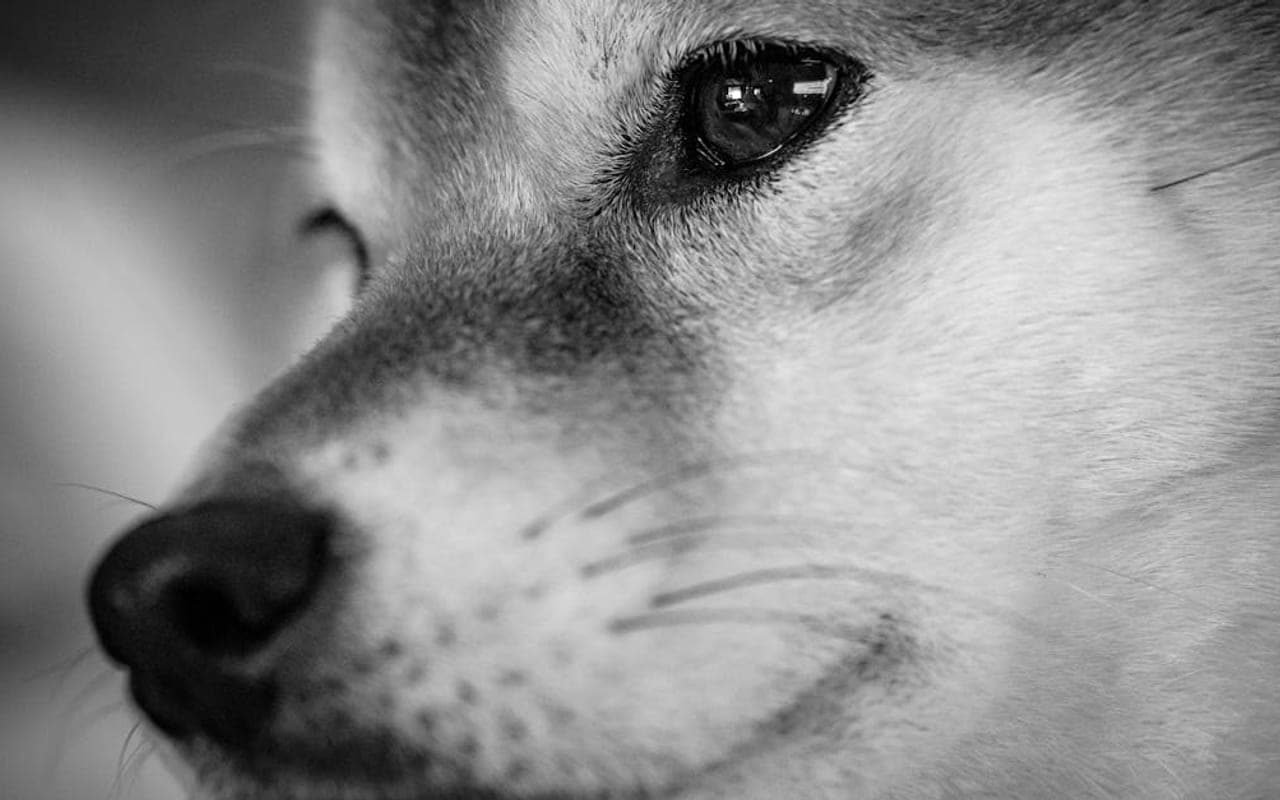
Shiba Inu
Also in the Non-Sporting group, with different care and temperament tradeoffs.
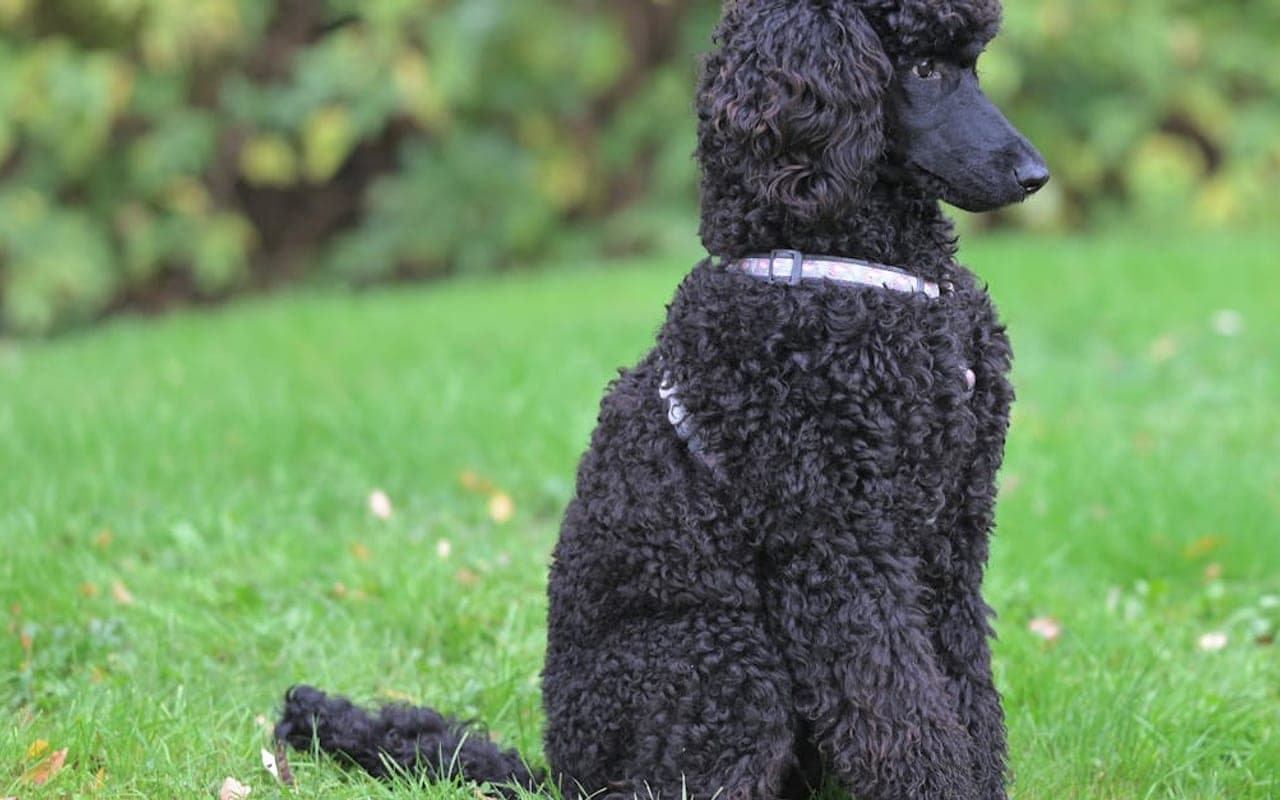
Poodle
Also in the Non-Sporting group, with different care and temperament tradeoffs.
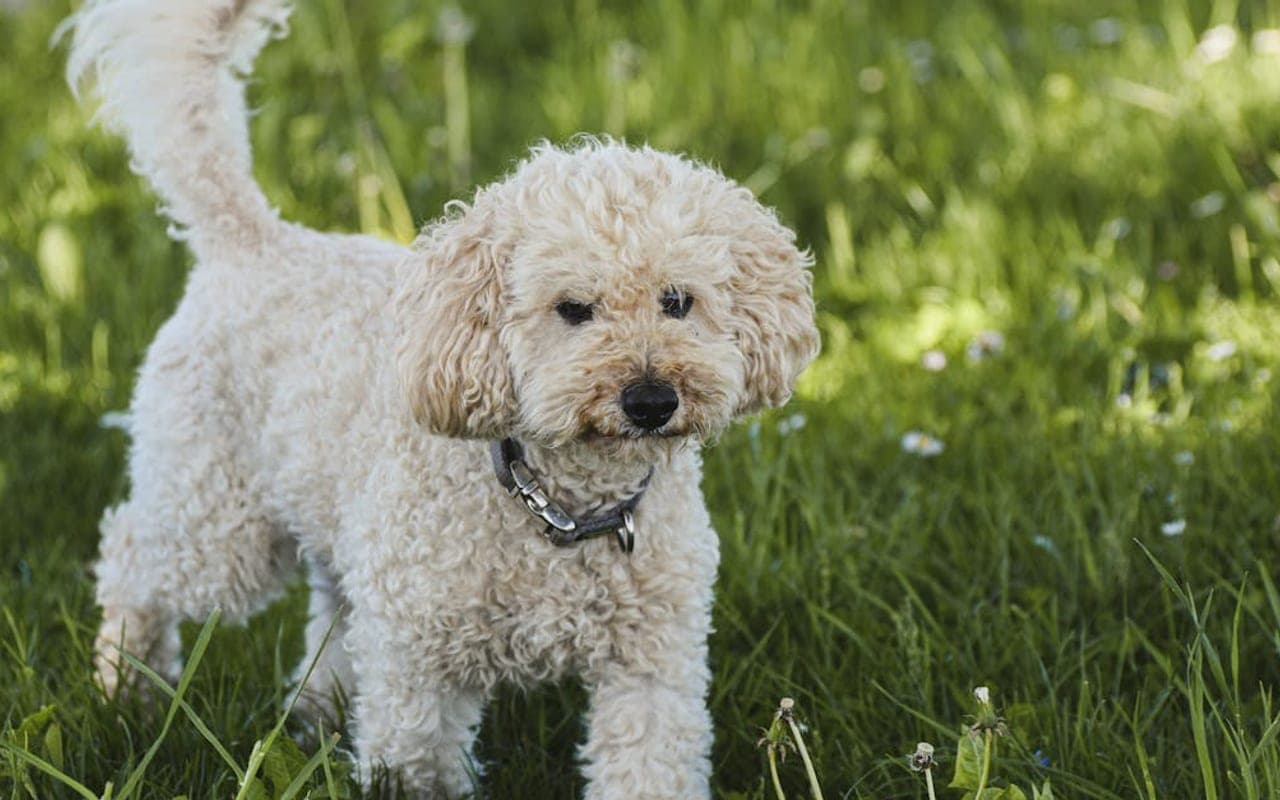
Poodle (Miniature)
Also in the Non-Sporting group, with different care and temperament tradeoffs.
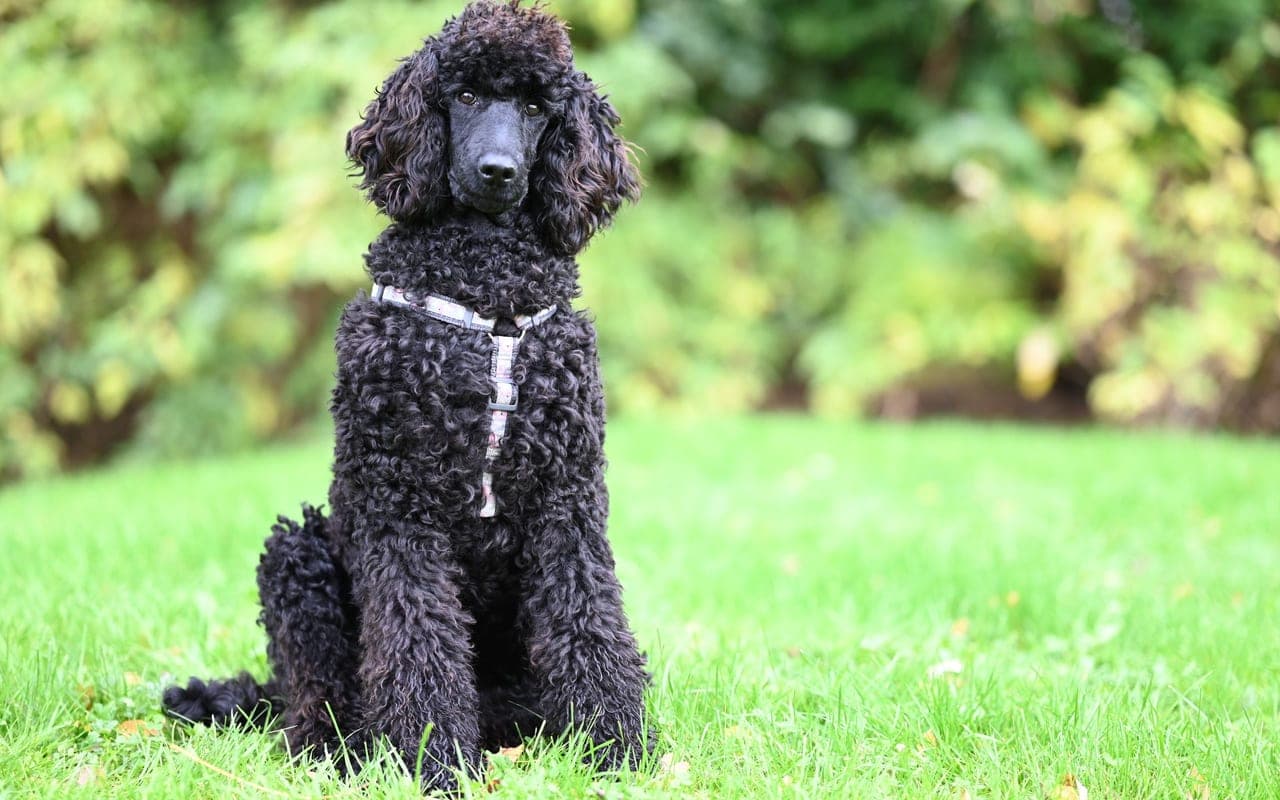
Poodle (Standard)
Also in the Non-Sporting group, with different care and temperament tradeoffs.
Explore More About Lhasa Apso
Dive deeper into everything Lhasa Apso — costs, care, and expert insights.
Large Dog Care Guide: Everything Over 50 lbs
Owning a large or giant breed dog means accepting one of biology's...
Puppy Teething & Biting: Timeline and What Actually Works
A puppy has all 28 deciduous ("baby") teeth by roughly eight weeks of age, and...
Considering a cat instead?
Browse Cats