
Non-Sporting group
Löwchen
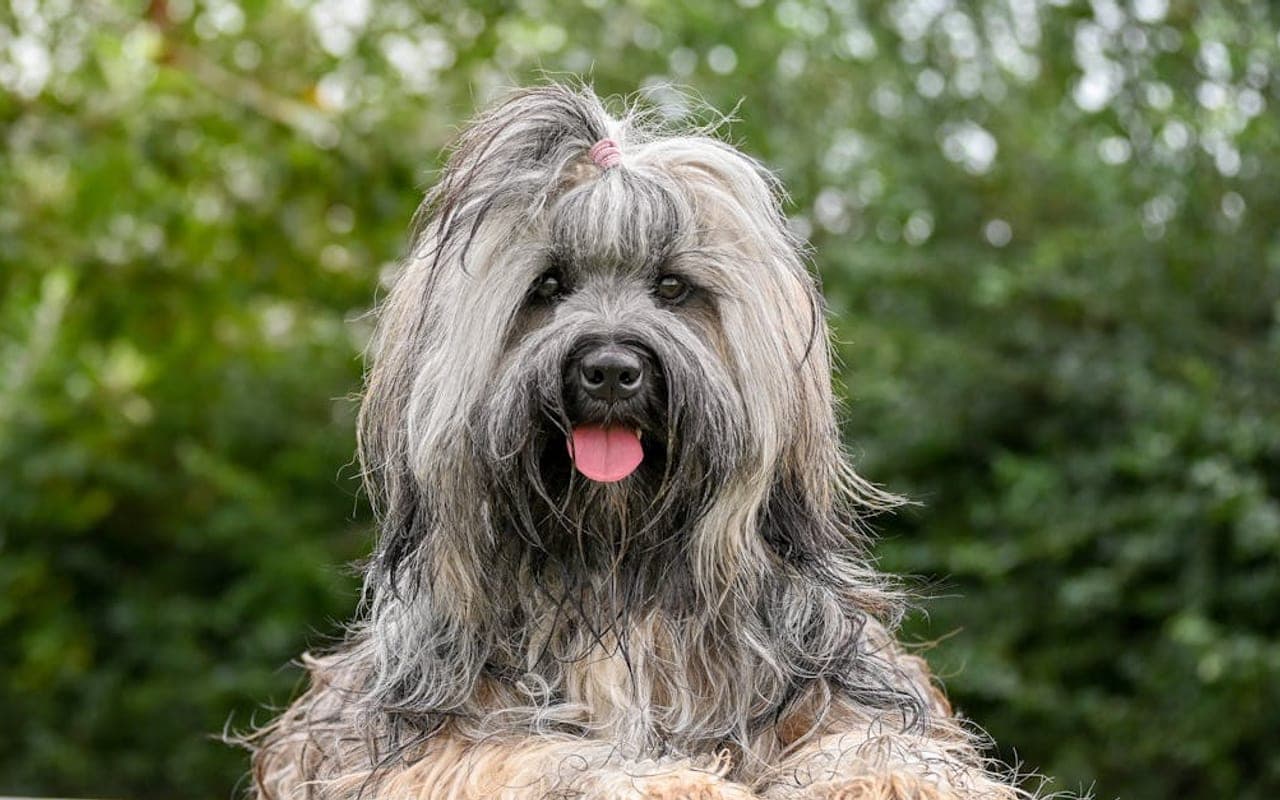
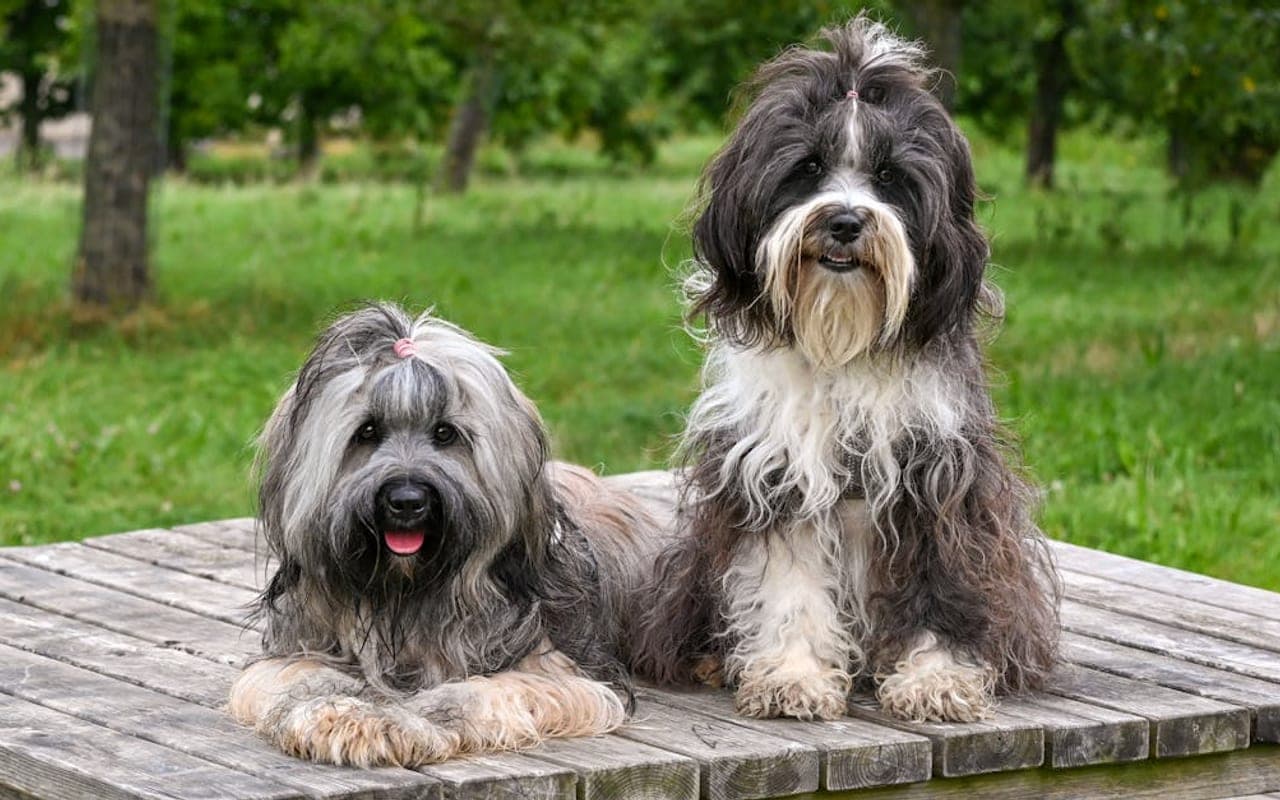
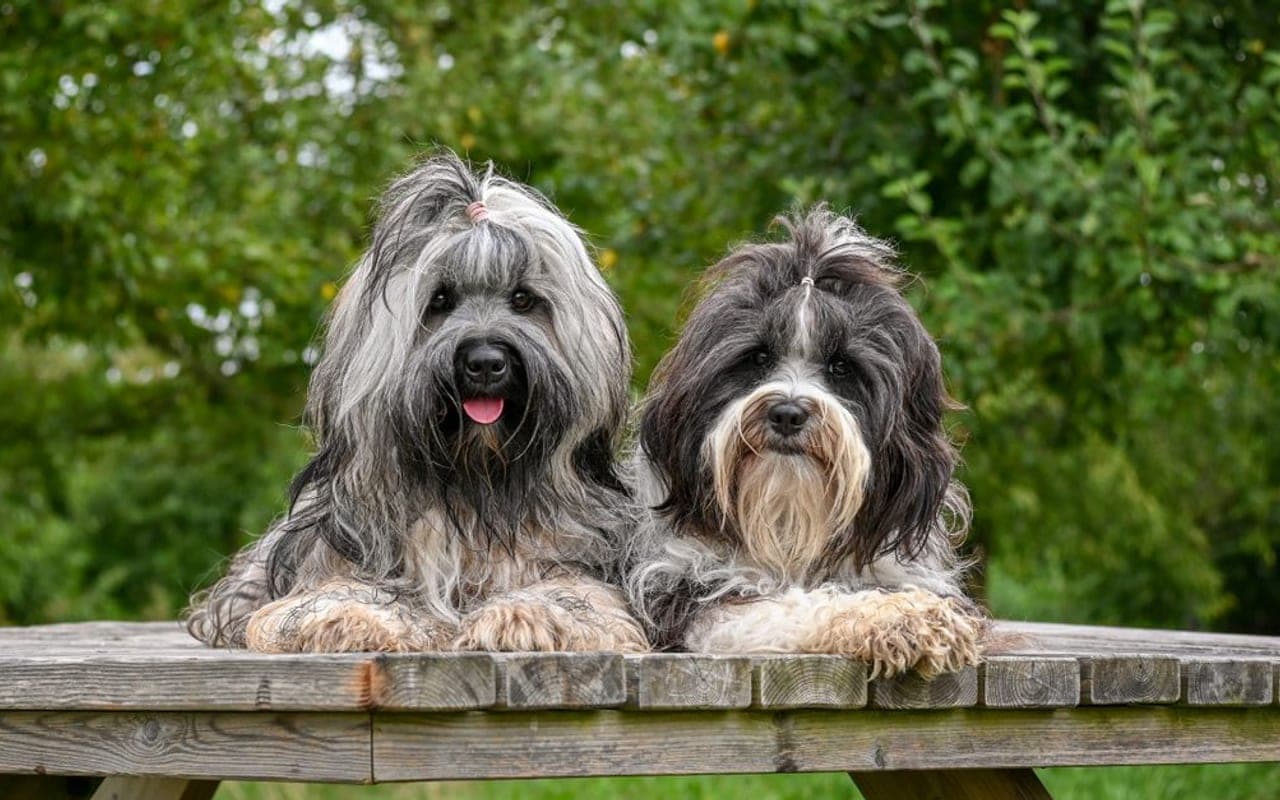
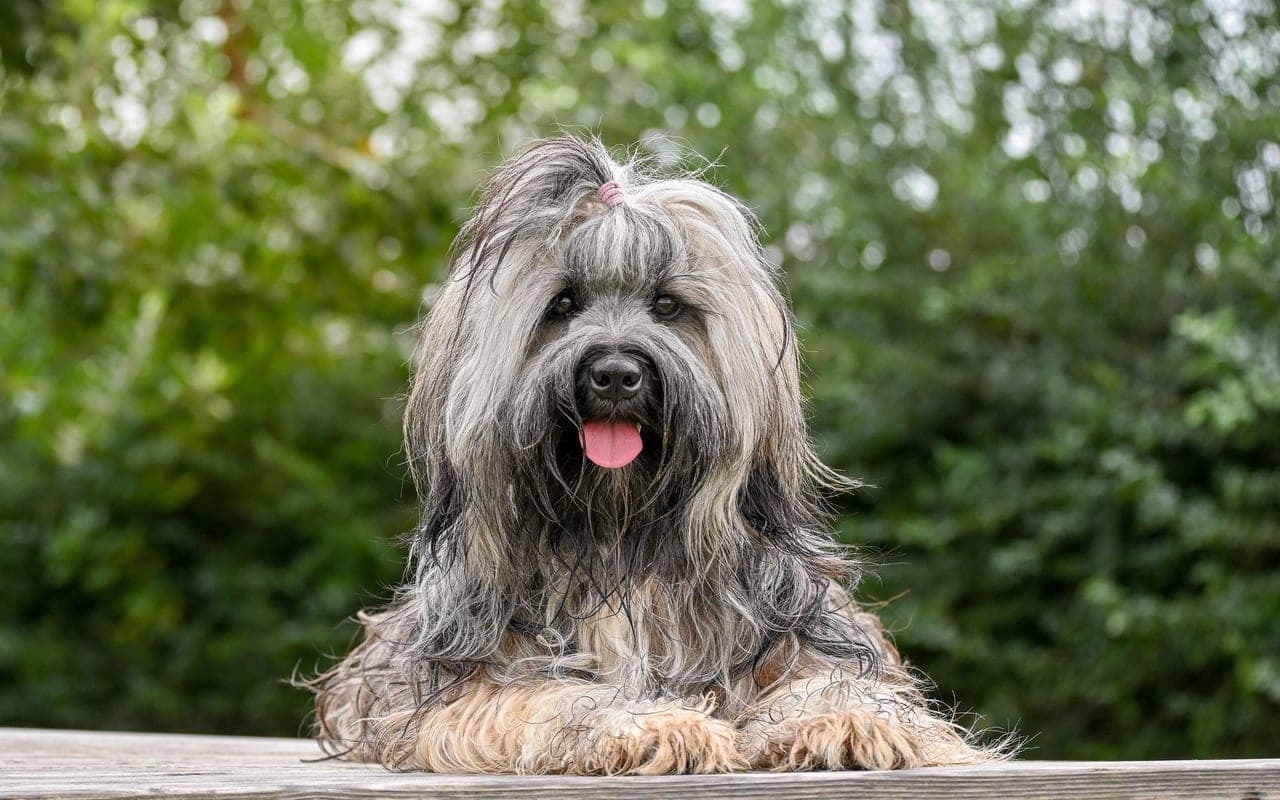
The Löwchen is a small companion dog — roughly 12 to 14 inches at the shoulder and 9 to 18 pounds — whose entire job, for more than 500 years, has been to be excellent company.
Size
9-18 lb
Lifespan
15 years
Exercise
30-60 minutes
Shedding
Moderate
Experience
Match to owner routine
Decision first
Is a Löwchen right for you?
Start with fit before history or trivia. These are ownership signals, not guarantees about any individual dog.
Best suited for
- Apartment homes with a consistent routine.
- Owners seeking a manageable daily exercise routine.
Think carefully if
- You need a dog with almost no daily routine.
- You cannot keep up with grooming and preventive care.
- The dog will spend most days alone without support.
Conditional fit
Apartment fit depends on exercise, enrichment, noise management, and outdoor access.
Daily reality
Löwchen commitment snapshot
Daily exercise
30-60 minutes
Match activity to age, health, weather, and training goals.
Coat care
Moderate
Grooming needs vary by coat, shedding, and lifestyle.
Time alone
Needs planning
Most dogs need gradual alone-time conditioning and support.
Structured facts
Löwchen at a glance
The measurements and traits that most affect day-to-day life with this breed.
Group
Non-Sporting
Weight
9-18 lb
Height
10-13 in
Lifespan
15 years
Temperament
Affectionate | Outgoing | Positive
View all characteristics and methodology
Lifestyle fit
- Apartment suitability
- Likely fit
Owner commitment
- Exercise
- 30-60 minutes
- Grooming
- Moderate
- Shedding
- Moderate
- Training
- Moderate
Environment and health
- Health risk
- Needs planning
Ratings combine structured breed data, visible breed fields, and editorial context. They are planning aids, not predictions for an individual dog.
Daily life
Löwchen temperament and behavior
The Löwchen is a small companion dog — roughly 12 to 14 inches at the shoulder and 9 to 18 pounds — whose entire job, for more than 500 years, has been to be excellent company. The name is German for "little lion," and the breed earns it through the traditional lion clip: the front half of the dog is left in full coat (mane, shoulders, front legs) while the hindquarters and most of the tail are clipped close, leaving a plume at the tip. That clip is a styling choice, not a requirement — a Löwchen in a natural coat is a normal small dog underneath. The single most important thing to understand before buying one: this is a rare breed with a small gene pool, and it is grooming-intensive whether or not you do the lion clip. The coat is long, wavy, single (no undercoat), and low-shedding — which most people read as "low maintenance." It is the opposite. A single low-shed coat mats instead of dropping; skip brushing for a week and you are paying a groomer to shave a pelted dog. Budget a full professional groom every 4 to 6 weeks (roughly $60 to $100 a visit) plus brushing twice a week at home, for the life of the dog. Temperament is the breed's strongest selling point. Löwchen are outgoing, affectionate, people-oriented, playful into old age, generally good with children and other dogs, and adaptable to apartments. They are sturdier than they look and not yappy or fragile like some toy breeds. They do not do well left alone all day — this is a Velcro companion bred for centuries to sit on laps, and separation distress is common in dogs left isolated. Who the Löwchen is right for: someone who wants a small, robust, affectionate companion, will be home most of the day, and accepts a real grooming budget. Who it is wrong for: anyone who hears "non-shedding" and assumes "low effort," anyone gone 10 hours a day, and anyone on a tight budget — purebred Löwchen routinely cost $2,500 to $5,000+ because litters are small and breeders are scarce.
Affectionate | Outgoing | Positive
Affectionate
A common Löwchen temperament descriptor that should be interpreted alongside training, exercise, and household fit.
Outgoing
A common Löwchen temperament descriptor that should be interpreted alongside training, exercise, and household fit.
Positive
A common Löwchen temperament descriptor that should be interpreted alongside training, exercise, and household fit.
Owner note
Temperament labels are starting points, not guarantees. Meet the individual dog and ask about behavior history whenever possible.
Care essentials
How to care for a Löwchen
What looking after one actually involves: exercise, grooming, food, training, and routine health.
ExerciseAs needed
- Moderately active breed needing 30-60 minutes of daily exercise through walks, play, and mental stimulation.
GroomingAs needed
- Regular grooming needed — brush 2-3 times per week and bathe monthly.
TrainingAs needed
- Moderately trainable — consistent, patient training with positive methods works best.
NutritionAs needed
- Feed a high-quality dog food appropriate for their age, size, and activity level. Monitor portions to prevent obesity.
Veterinary CareAs needed
- Annual wellness exams, core vaccinations, dental care, and parasite prevention. Breed-specific health screenings as recommended by your vet.
Health planning
Löwchen health risks and screening
Every breed has individual health variation. Use this profile for planning and discuss medical decisions with a veterinarian.
Responsible ownership
Finding a Löwchen responsibly
What to ask a breeder or rescue is the same conversation for every breed, so we keep it in one place and keep it current.
Health documentation, meeting the parents or foster, contracts and return support, and the warning signs worth walking away from.
Original purpose
Löwchen history
History is useful when it explains today's behavior, coat, exercise needs, and training style.
Read the breed history
The Löwchen is one of Europe's oldest companion breeds, depicted in art and tapestry across France, Germany, and Spain from the 1500s onward, where small lion-clipped dogs appear at the feet of nobility. The breed's exact origin is debated — it shares ancestry with the Bichon-type small dogs of the Mediterranean basin — but its function was never in doubt: it was bred purely as a lap and companion dog for the European aristocracy, with the dramatic lion trim a fashion of the period that became the breed's signature. By the mid-20th century the Löwchen had nearly vanished; for a stretch it was cited as one of the rarest dog breeds in the world, with only a handful of dogs left. Dedicated European breeders, notably in Belgium and Germany, rebuilt the breed from that tiny base. That near-extinction is why the modern gene pool remains small and why responsible health testing — eyes, knees, hips — matters disproportionately in this breed.
Gallery
Löwchen photos
Images are cropped consistently and loaded progressively to keep the page responsive.
Lower-page context
Löwchens in culture
Where the breed shows up in film, sport, work and folklore — the enjoyable part, once the practical questions are answered.
Fun facts
- The Löwchen belongs to the Non-Sporting Group.
- With proper care, Löwchen dogs can live up to 15 years or more.
- Löwchen dogs are valued for their affectionate, outgoing, positive nature.
Löwchen FAQs
How long do Löwchen dogs live?
A healthy Löwchen typically lives 13 to 15 years, and some reach 16 to 18. Longevity in this breed is helped by its small size and by the fact that its main hereditary risks (eye disease, patellar luxation, Legg-Calvé-Perthes) are screenable. The practical lever you control is weight and dental care: an overweight Löwchen with untreated periodontal disease loses years a lean, dentally maintained one keeps.
Are Löwchen dogs hypoallergenic and low-maintenance?
Löwchen are low-shedding and often called hypoallergenic, but no dog is truly allergen-free, and low-shedding is the opposite of low-maintenance. The single coat mats instead of dropping hair, so it needs brushing to the skin 2 to 3 times a week plus a professional groom every 4 to 6 weeks. Owners who buy this breed expecting a wash-and-go dog are the ones who end up with a shaved, pelted dog at the groomer.
How much grooming does a Löwchen really need?
Substantial. Plan 2 to 3 home brushing sessions a week of 10 to 15 minutes each, brushing all the way to the skin, plus a full professional groom every 4 to 6 weeks at roughly $60 to $100 per visit — about $700 to $1,200 a year. The traditional lion clip is optional; even a natural-coat Löwchen mats without this routine because the coat is single with no shedding undercoat.
Are Löwchen good with children and other pets?
Yes, generally. The Löwchen is sturdier than most toy breeds and is outgoing, playful, and tolerant, which makes it a good fit for families with school-age children who handle dogs gently. They also tend to get along with other dogs and cats. As with any small dog, supervise toddlers — the risk is the child injuring the dog by dropping or rough handling, not the dog being aggressive.
How much does a Löwchen cost to buy and own?
Purebred Löwchen typically cost $2,500 to $5,000 or more because the breed is rare and litters are small. The recurring cost most owners underestimate is grooming at $700 to $1,200 a year for life. Budget also for eye and knee screening if you breed, and routine dental care. The high purchase price reflects scarcity, not quality — verify the breeder health-tests eyes, knees, and hips regardless of price.
Can a Löwchen be left alone during a workday?
Not comfortably for a full 8 to 10 hours. This breed was selected for 500 years purely as a companion and forms intense attachments; chronic isolation commonly produces barking, destructive chewing, and genuine separation distress. If your household is empty all day, plan for a midday walker, daycare, or a different breed. A Löwchen suits someone home most of the day far better than a long-commute, empty-house schedule.
Sources
These are the published sources this page draws on. Each opens in a new tab so you can check it yourself.
American Kennel Club
Löwchen — breed standard and profile(opens in a new tab)Supports: Breed standard and recognition details.
Similar breeds to consider
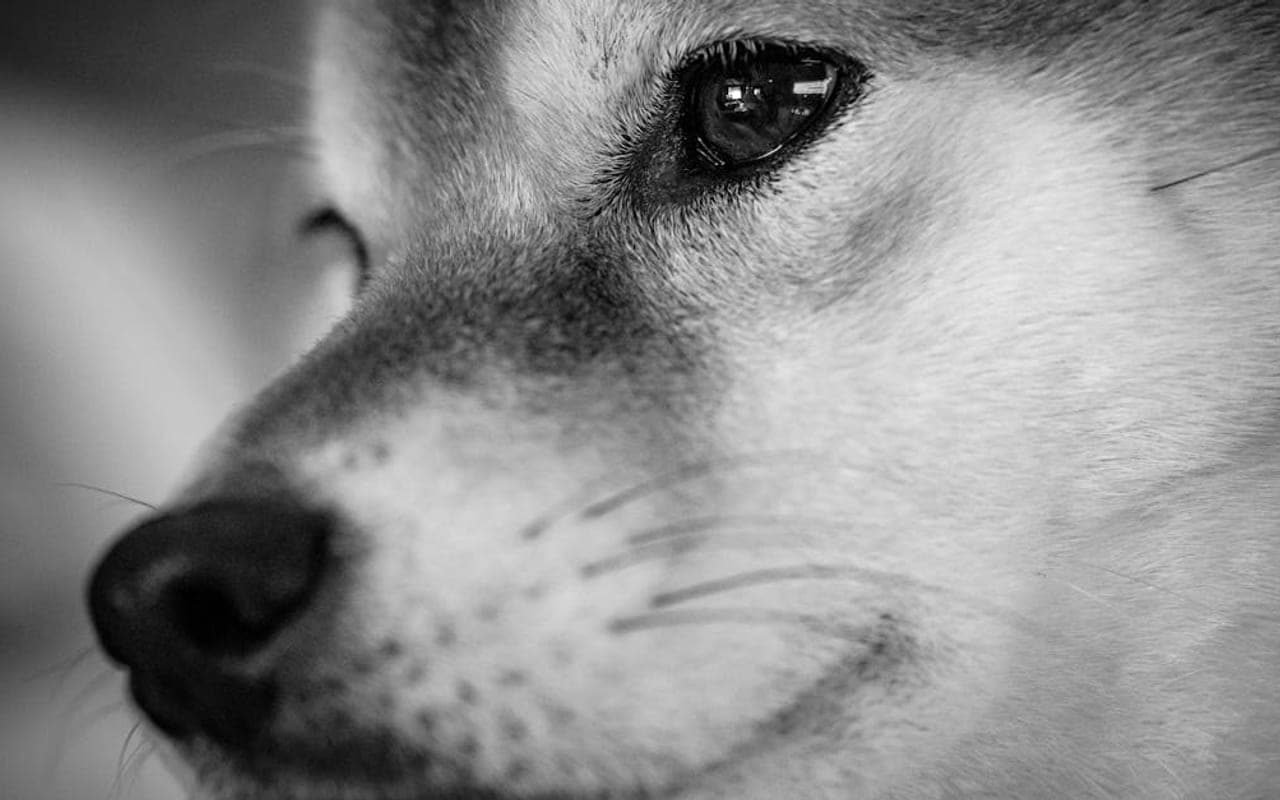
Shiba Inu
Also in the Non-Sporting group, with different care and temperament tradeoffs.
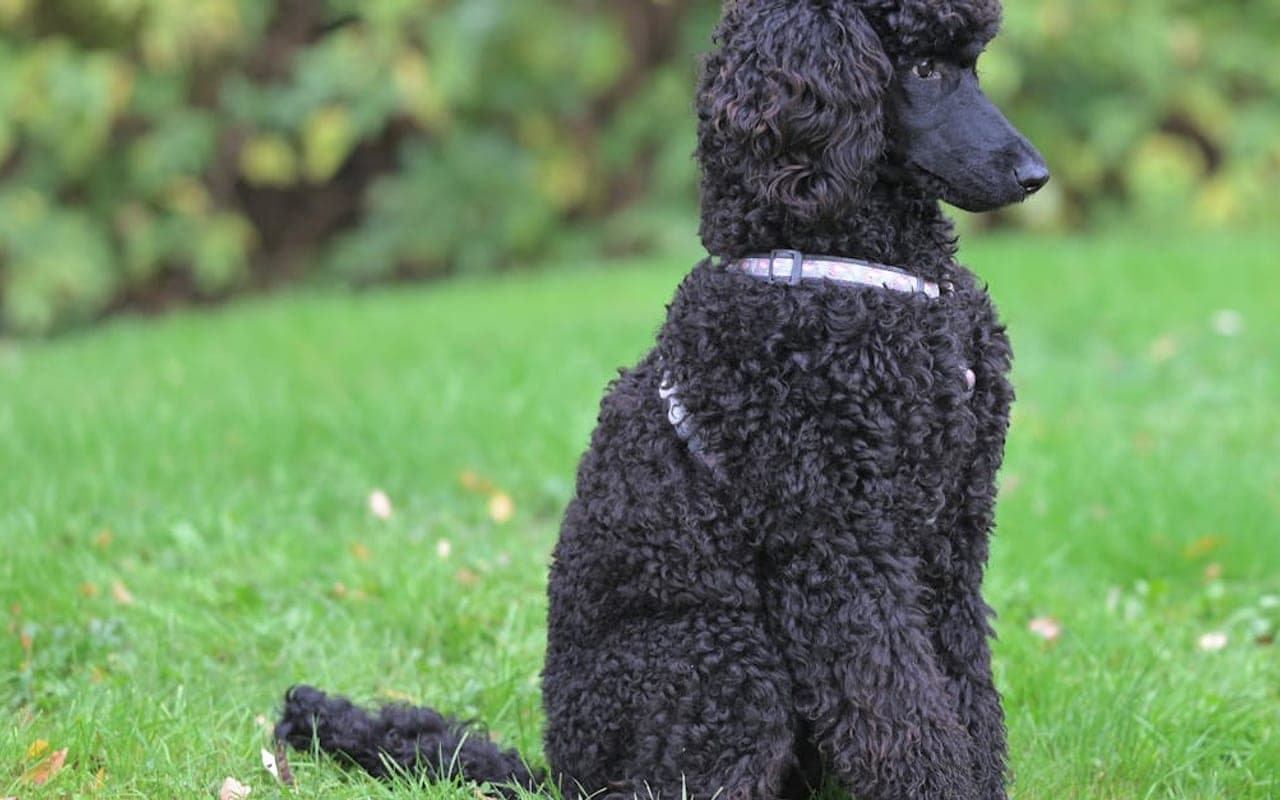
Poodle
Also in the Non-Sporting group, with different care and temperament tradeoffs.
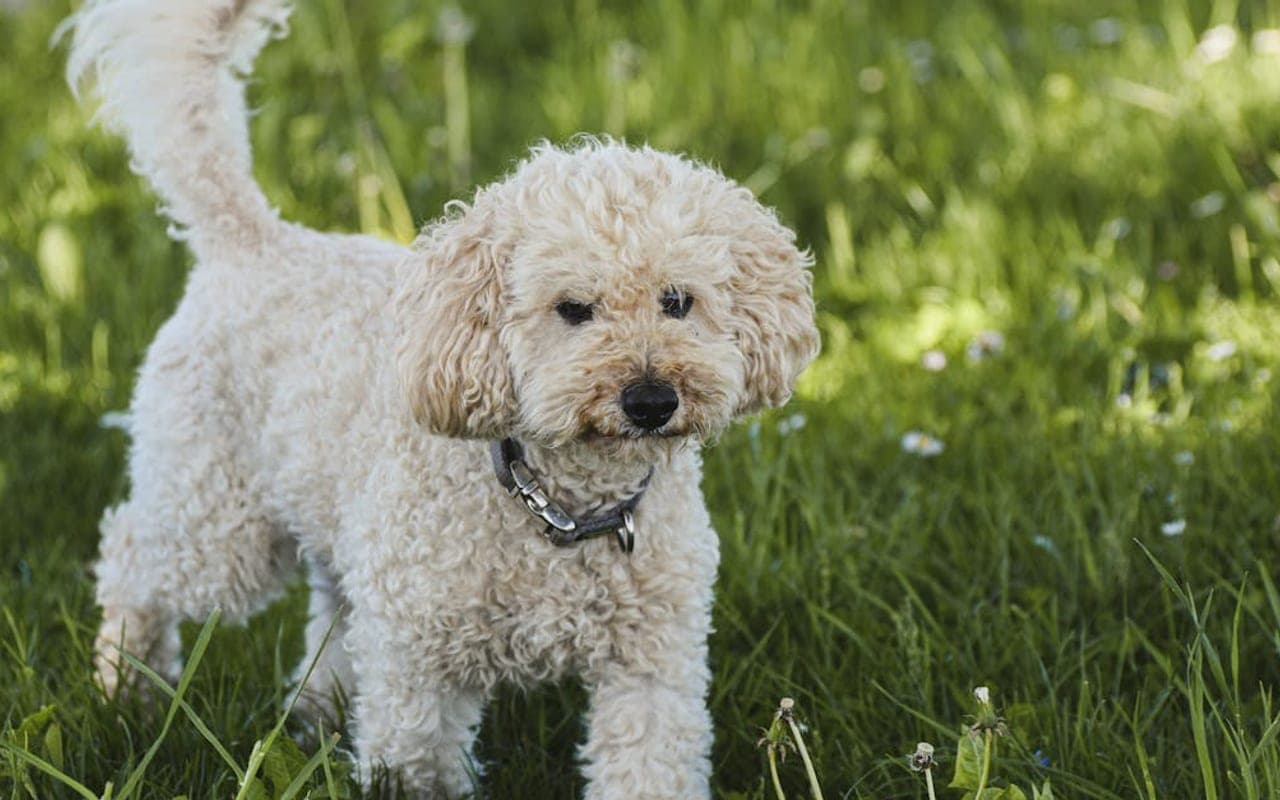
Poodle (Miniature)
Also in the Non-Sporting group, with different care and temperament tradeoffs.
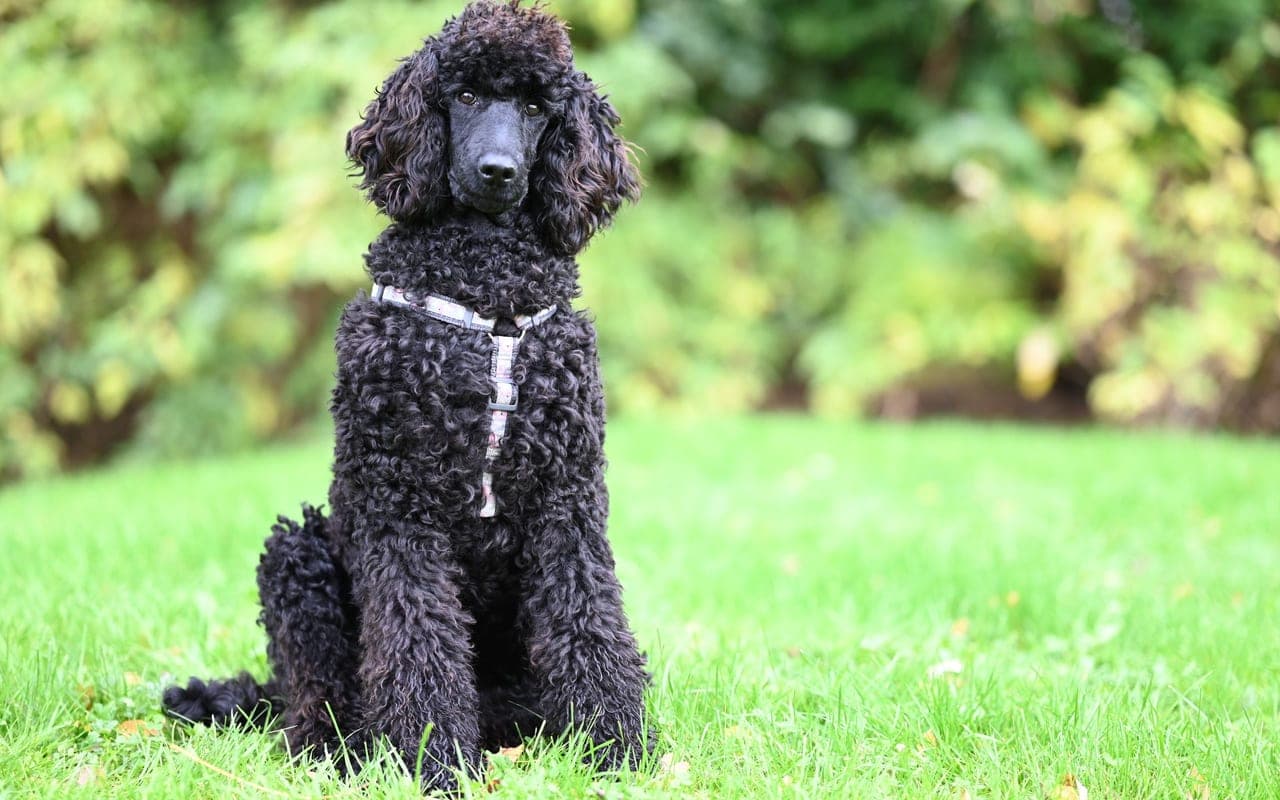
Poodle (Standard)
Also in the Non-Sporting group, with different care and temperament tradeoffs.
Explore More About Löwchen
Dive deeper into everything Löwchen — costs, care, and expert insights.
Large Dog Care Guide: Everything Over 50 lbs
Owning a large or giant breed dog means accepting one of biology's...
Puppy Teething & Biting: Timeline and What Actually Works
A puppy has all 28 deciduous ("baby") teeth by roughly eight weeks of age, and...
Considering a cat instead?
Browse Cats