
Working group
Mastiff
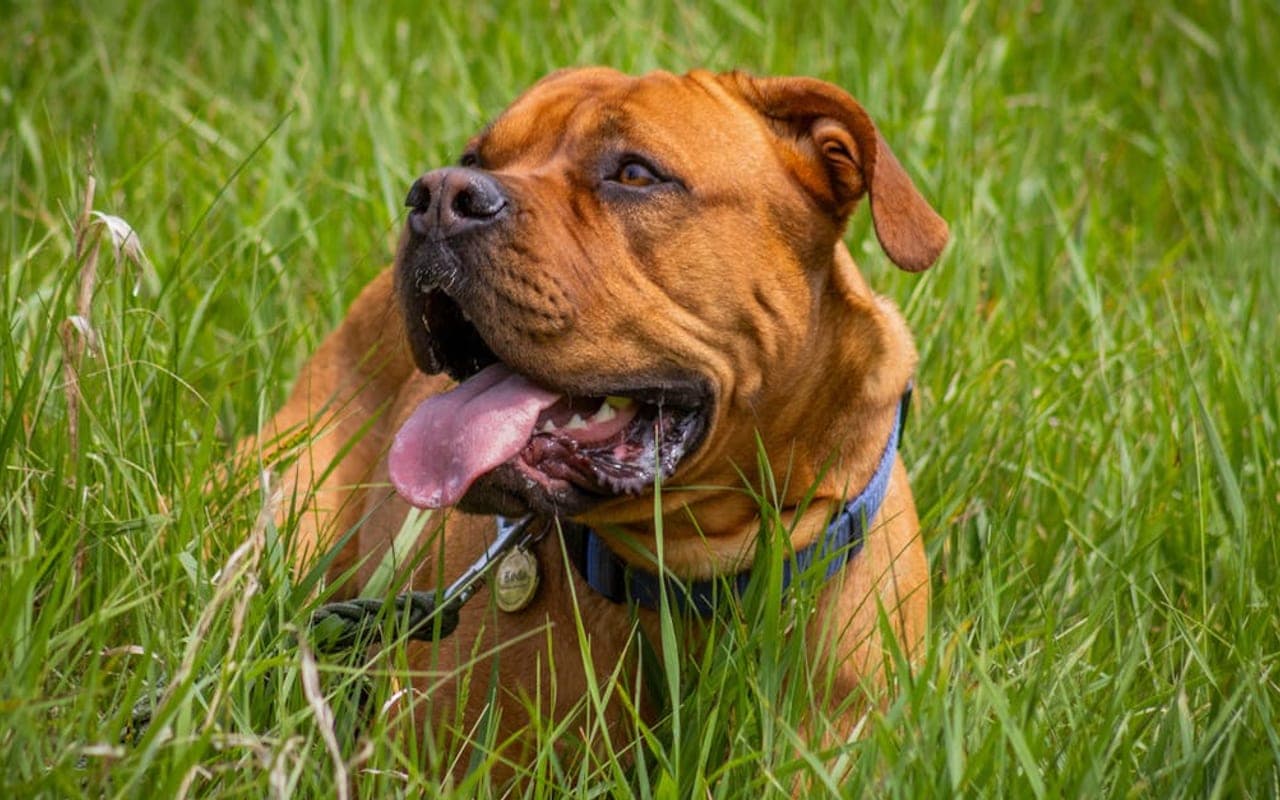
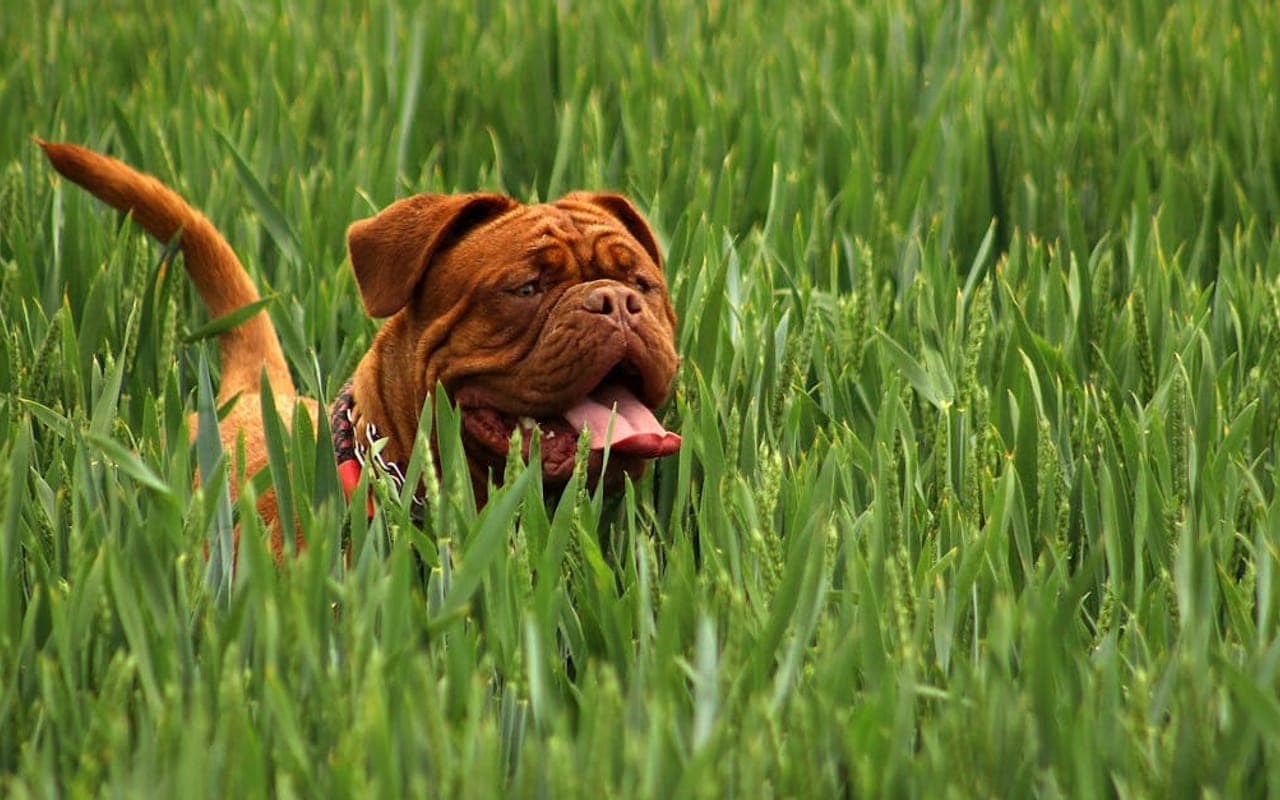
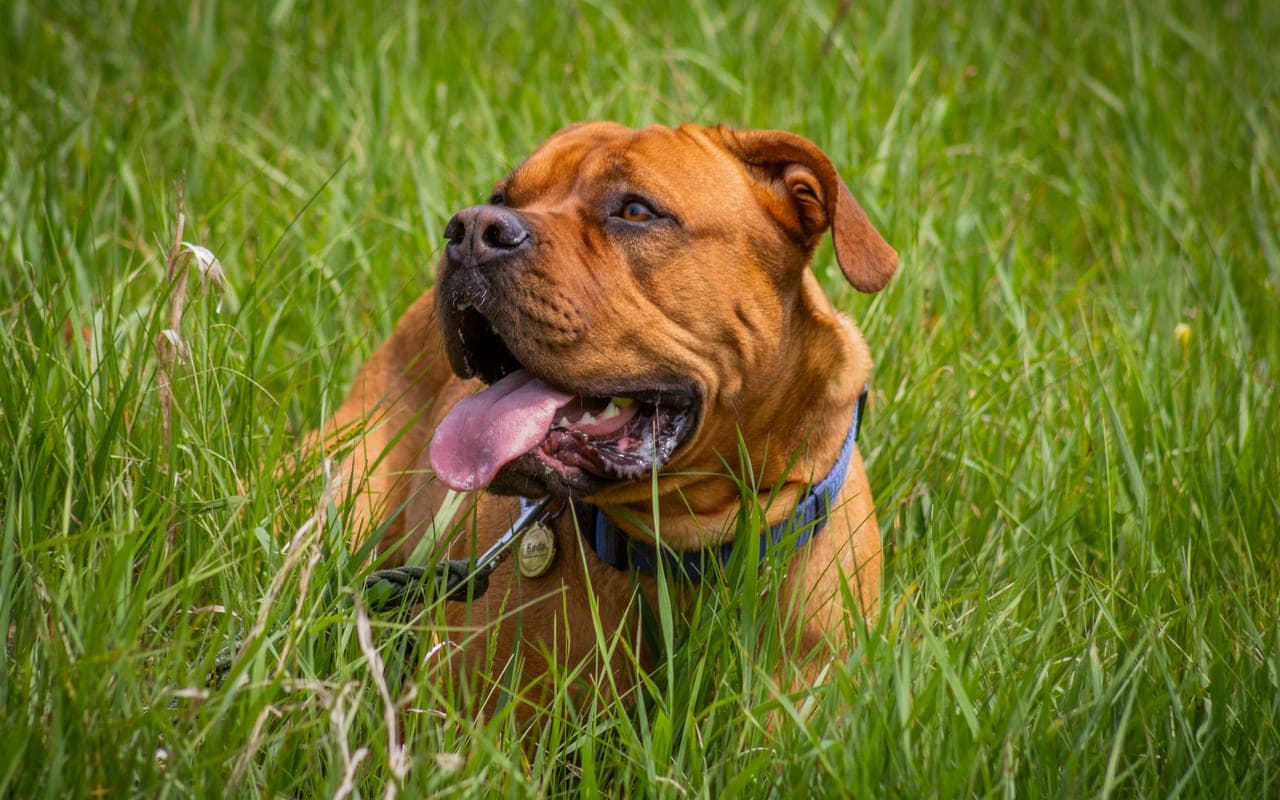
The Mastiff (the English Mastiff) is one of the largest dogs on the planet — adult males commonly reach 70-100 kg — and adopting one is a decision about scale, cost and grief as much as about temperament.

Size
120-230 lb
Lifespan
6-10 years
Exercise
30-60 minutes
Shedding
Moderate
Experience
Match to owner routine
Decision first
Is a Mastiff right for you?
Start with fit before history or trivia. These are ownership signals, not guarantees about any individual dog.
Best suited for
- Households with children.
- Homes with other compatible pets.
- Apartment homes with a consistent routine.
- Owners seeking a manageable daily exercise routine.
Think carefully if
- You need a dog with almost no daily routine.
- You cannot keep up with grooming and preventive care.
- The dog will spend most days alone without support.
Conditional fit
Apartment fit depends on exercise, enrichment, noise management, and outdoor access.
Daily reality
Mastiff commitment snapshot
Daily exercise
30-60 minutes
Match activity to age, health, weather, and training goals.
Coat care
Moderate
Grooming needs vary by coat, shedding, and lifestyle.
Time alone
Needs planning
Most dogs need gradual alone-time conditioning and support.
Structured facts
Mastiff at a glance
The measurements and traits that most affect day-to-day life with this breed.
Group
Working
Weight
120-230 lb
Height
28-36 in
Lifespan
6-10 years
Temperament
Courageous | Dignified | Good-Natured
View all characteristics and methodology
Lifestyle fit
- Apartment suitability
- Likely fit
- Child friendliness
- Often good, with socialisation and supervision
- Other-pet fit
- Often compatible with careful introductions
Owner commitment
- Exercise
- 30-60 minutes
- Grooming
- Moderate
- Shedding
- Moderate
- Training
- Moderate
Environment and health
- Health risk
- Needs planning
Ratings combine structured breed data, visible breed fields, and editorial context. They are planning aids, not predictions for an individual dog.
Daily life
Mastiff temperament and behavior
The Mastiff (the English Mastiff) is one of the largest dogs on the planet — adult males commonly reach 70-100 kg — and adopting one is a decision about scale, cost and grief as much as about temperament. The temperament itself is the breed's gift: a well-bred Mastiff is calm, dignified, deeply devoted, gentle with its family, naturally protective without being aggressive, and astonishingly low-energy for its size. This is a dog that wants to lean its enormous body against you and sleep. But every part of owning one is multiplied by the dog's mass: the food bill, the medication doses, the vet bills, the size of the car, the strength you need on the lead, and — most painfully — the lifespan. Prospective owners deserve blunt honesty on that last point: the Mastiff is a short-lived breed, roughly 6-10 years, and giant-breed health problems mean many do not reach the top of that range. You are signing up for an intense, loving, but brief relationship and an above-average likelihood of serious veterinary expense. This is not a reason not to get one; it is a reason to get one with your eyes open and a budget that matches. Physically the Mastiff is massive-boned, deep-chested, loose-jowled and short-coated, drools considerably, and is prone to obesity that its joints cannot afford. Puppies grow explosively and must not be over-exercised or over-fed during growth, or the joints pay for it for life. Temperament is famously good-natured but the sheer size means early socialization and basic training are not optional — an untrained 80 kg dog is a serious problem regardless of how sweet it is. The Mastiff is right for an owner with space, physical capability, a real vet budget, and emotional readiness for a short life with a gentle giant. It is wrong for small homes, tight budgets, first-time owners who underestimate scale, or anyone unprepared to lose a beloved dog young.
Courageous | Dignified | Good-Natured
Courageous
A common Mastiff temperament descriptor that should be interpreted alongside training, exercise, and household fit.
Dignified
A common Mastiff temperament descriptor that should be interpreted alongside training, exercise, and household fit.
Good-Natured
A common Mastiff temperament descriptor that should be interpreted alongside training, exercise, and household fit.
Owner note
Temperament labels are starting points, not guarantees. Meet the individual dog and ask about behavior history whenever possible.
Care essentials
How to care for a Mastiff
What looking after one actually involves: exercise, grooming, food, training, and routine health.
ExerciseAs needed
- Moderately active breed needing 30-60 minutes of daily exercise through walks, play, and mental stimulation.
GroomingAs needed
- Regular grooming needed — brush 2-3 times per week and bathe monthly.
TrainingAs needed
- Moderately trainable — consistent, patient training with positive methods works best.
NutritionAs needed
- Feed a high-quality dog food appropriate for their age, size, and activity level. Monitor portions to prevent obesity.
Veterinary CareAs needed
- Annual wellness exams, core vaccinations, dental care, and parasite prevention. Breed-specific health screenings as recommended by your vet.
Health planning
Mastiff health risks and screening
Every breed has individual health variation. Use this profile for planning and discuss medical decisions with a veterinarian.
Responsible ownership
Finding a Mastiff responsibly
What to ask a breeder or rescue is the same conversation for every breed, so we keep it in one place and keep it current.
Health documentation, meeting the parents or foster, contracts and return support, and the warning signs worth walking away from.
Original purpose
Mastiff history
History is useful when it explains today's behavior, coat, exercise needs, and training style.
Read the breed history
The Mastiff is among the most ancient of dog types — massive 'molosser' war and guardian dogs are recorded in the art and writing of antiquity, and the English Mastiff's direct ancestors were used in Britain for guarding, war and (historically) the blood sports of bull- and bear-baiting and as estate and livestock guardians. For centuries the breed's value was its size, courage and protective steadiness. The two World Wars devastated the breed in Britain — food rationing made keeping giant dogs nearly impossible — and the modern Mastiff was rebuilt in the mid-20th century from a small surviving pool, partly with imported stock, which is part of why genetic health management still matters so much today. The American Kennel Club recognized the Mastiff in 1885. The breed's history as a steady guardian rather than an attack dog is reflected in the calm, non-aggressive temperament responsible breeders still prioritize.
Gallery
Mastiff photos
Images are cropped consistently and loaded progressively to keep the page responsive.
Lower-page context
Mastiffs in culture
Where the breed shows up in film, sport, work and folklore — the enjoyable part, once the practical questions are answered.
Fun facts
- The Mastiff belongs to the Working Group.
- The average lifespan of a Mastiff is 6 to 10 years.
- Mastiff dogs are valued for their courageous, dignified, good-natured nature.
Mastiff FAQs
How long do Mastiffs live?
Honestly, not long — about 6-10 years, and giant-breed health problems mean many Mastiffs do not reach the top of that range. This is one of the shorter-lived dog breeds, a direct consequence of extreme size. It is the single most important fact to accept before buying one: you are choosing an intense, loving, but brief relationship and a meaningful likelihood of serious senior veterinary expense. That is a reason to plan, not a reason to avoid the breed.
Why is bloat such a serious risk for Mastiffs?
The Mastiff's deep, broad chest predisposes it to gastric dilatation-volvulus (GDV), where the stomach fills with gas and twists, cutting off blood supply — it can kill within hours. Reduce risk by feeding two or three smaller meals instead of one large one, avoiding vigorous activity around mealtimes, and discussing a prophylactic gastropexy (stomach-tack) with your vet, often done during spay/neuter. A distended hard belly with unproductive retching is a same-minute emergency.
How much exercise does a Mastiff need, and what about puppies?
Adults need only moderate exercise — roughly two 20-30 minute walks a day plus gentle activity; this is a low-energy giant, and overexertion, heat and stairs are harmful. Puppies are the critical case: their joints are growing for many months, and forced running, jumping, or repetitive high-impact exercise during growth causes lifelong hip and elbow damage. Controlled, limited puppy exercise on non-slip surfaces is one of the highest-value things an owner can do.
What does it really cost to own a Mastiff?
Everything scales with the dog's 70-100 kg mass. Food, medications (dosed by weight), beds, crates, boarding, and especially surgery all cost well above small-breed equivalents — a single bloat surgery, joint surgery or cancer workup can run into the thousands. Add the elevated likelihood of hip/elbow, cardiac and orthopaedic problems and a short lifespan, and a realistic owner budgets for significant veterinary spending as a near-certainty, not a risk.
Are Mastiffs good family dogs and are they aggressive?
Well-bred Mastiffs are famously gentle, calm, devoted and naturally protective without being aggressive — they are good with their families and often excellent with children, who they tend to tolerate with remarkable patience. The real caveat is size, not temperament: an unsocialized or untrained 80 kg dog is a serious management problem no matter how sweet, and even a friendly Mastiff can easily knock over a toddler or an adult unintentionally just by turning around or leaning. Early socialization, lead manners and basic obedience are essential, not optional, and should start in puppyhood while the dog is still physically manageable. A trained, well-bred Mastiff is one of the steadiest family guardians you can own.
Sources
These are the published sources this page draws on. Each opens in a new tab so you can check it yourself.
American Kennel Club
Mastiff — breed standard and profile(opens in a new tab)Supports: Breed standard and recognition details.
Similar breeds to consider
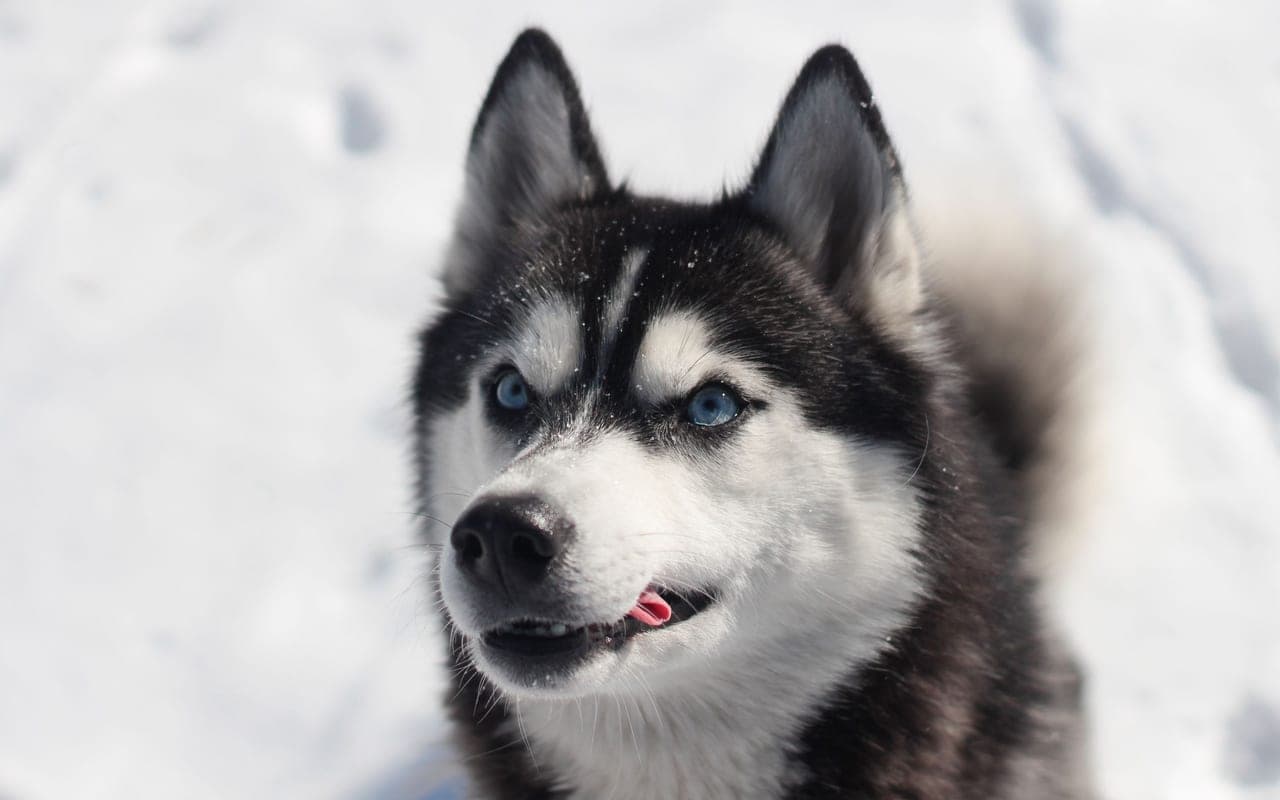
Siberian Husky
Also in the Working group, with different care and temperament tradeoffs.
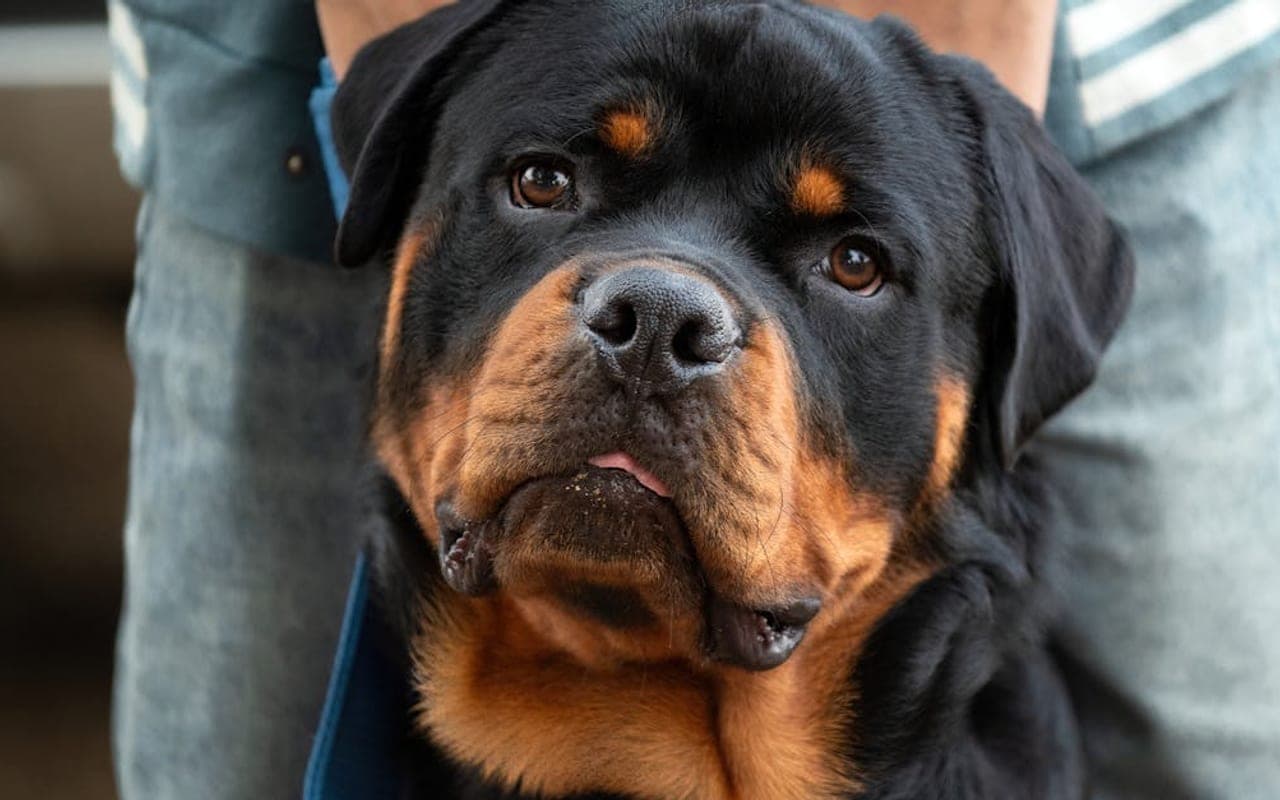
Rottweiler
Also in the Working group, with different care and temperament tradeoffs.

Boxer
Also in the Working group, with different care and temperament tradeoffs.
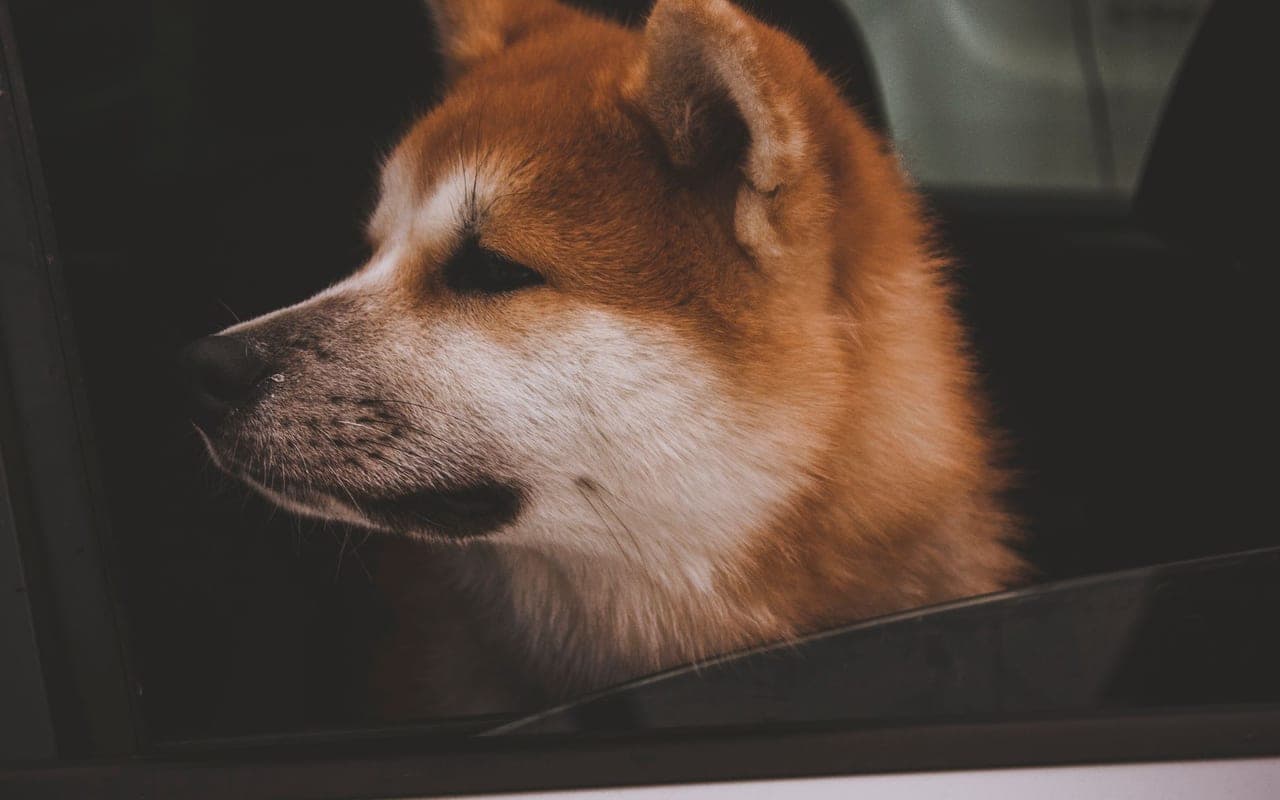
Akita
Also in the Working group, with different care and temperament tradeoffs.
Explore More About Mastiff
Dive deeper into everything Mastiff — costs, care, and expert insights.
Large Dog Care Guide: Everything Over 50 lbs
Owning a large or giant breed dog means accepting one of biology's...
Puppy Teething & Biting: Timeline and What Actually Works
A puppy has all 28 deciduous ("baby") teeth by roughly eight weeks of age, and...
Considering a cat instead?
Browse Cats