
Terrier group
Miniature Bull Terrier
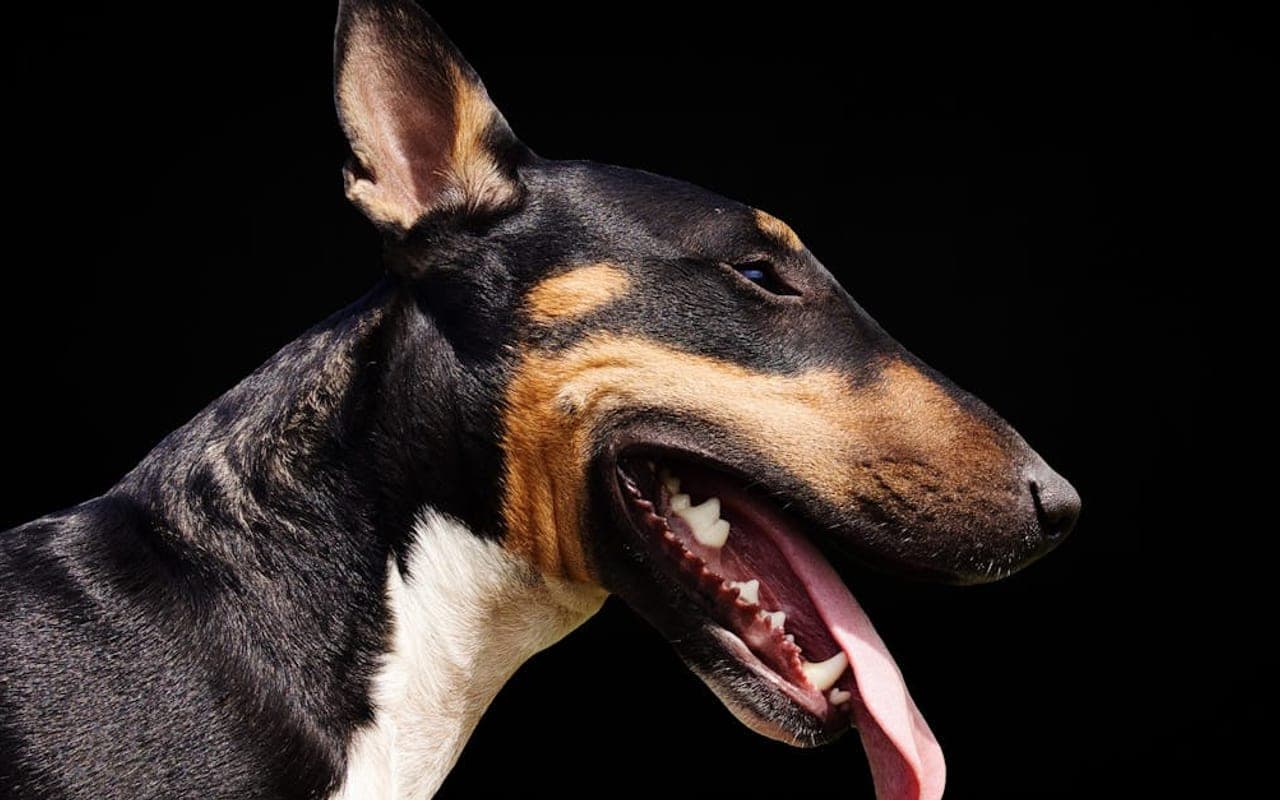
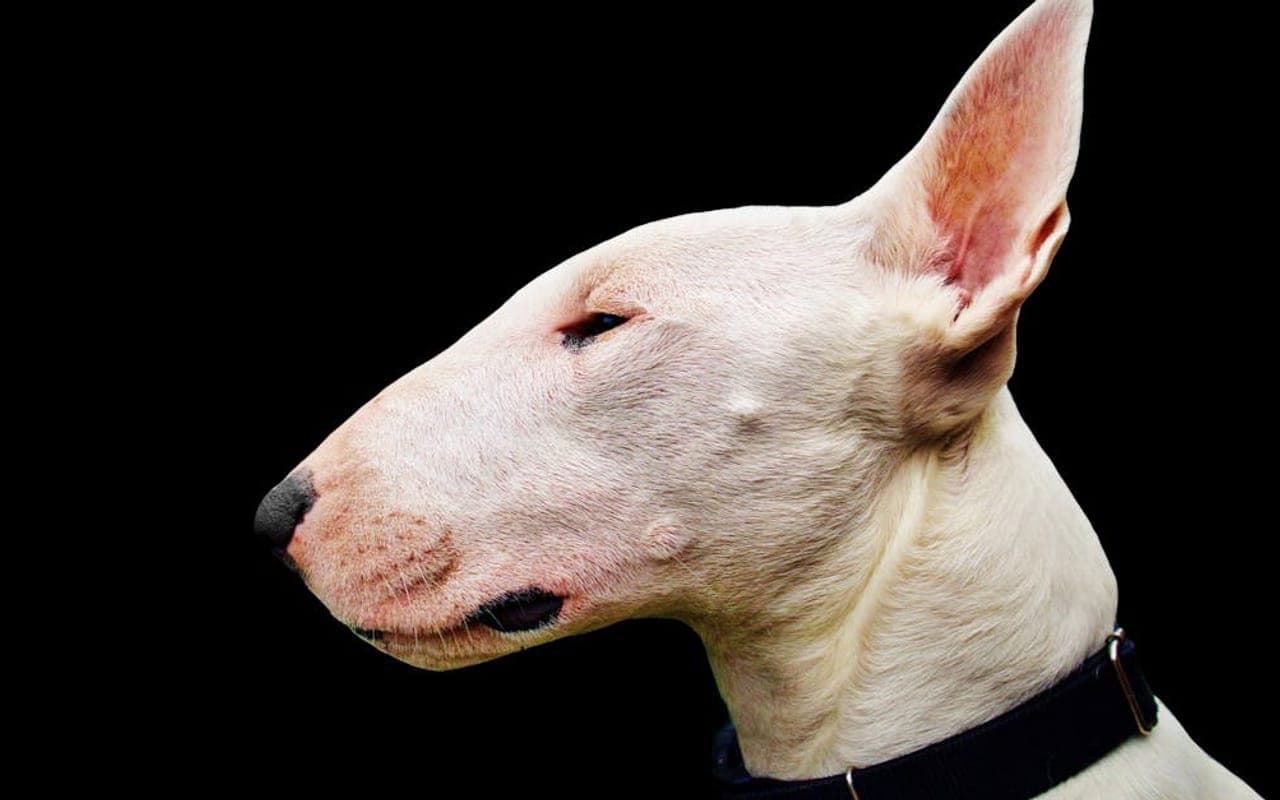
The Miniature Bull Terrier is, almost exactly, a Bull Terrier scaled down — same egg-shaped head, same triangular glinting eyes, same muscular square build, just packed into a 10-to-14-inch, roughly 18-35 pound frame.


Size
18-33 lb
Lifespan
11-13 years
Exercise
30-60 minutes
Shedding
Moderate
Experience
Match to owner routine
Decision first
Is a Miniature Bull Terrier right for you?
Start with fit before history or trivia. These are ownership signals, not guarantees about any individual dog.
Best suited for
- Households with children.
- Homes with other compatible pets.
- Apartment homes with a consistent routine.
- Owners seeking a manageable daily exercise routine.
Think carefully if
- You need a dog with almost no daily routine.
- You cannot keep up with grooming and preventive care.
- The dog will spend most days alone without support.
Conditional fit
Apartment fit depends on exercise, enrichment, noise management, and outdoor access.
Daily reality
Miniature Bull Terrier commitment snapshot
Daily exercise
30-60 minutes
Match activity to age, health, weather, and training goals.
Coat care
Moderate
Grooming needs vary by coat, shedding, and lifestyle.
Time alone
Needs planning
Most dogs need gradual alone-time conditioning and support.
Structured facts
Miniature Bull Terrier at a glance
The measurements and traits that most affect day-to-day life with this breed.
Group
Terrier
Weight
18-33 lb
Height
10-14 in
Lifespan
11-13 years
Temperament
Upbeat | Mischievous | Comical
View all characteristics and methodology
Lifestyle fit
- Apartment suitability
- Likely fit
- Child friendliness
- Often good, with socialisation and supervision
- Other-pet fit
- Often compatible with careful introductions
Owner commitment
- Exercise
- 30-60 minutes
- Grooming
- Moderate
- Shedding
- Moderate
- Training
- Moderate
Environment and health
- Health risk
- Needs planning
Ratings combine structured breed data, visible breed fields, and editorial context. They are planning aids, not predictions for an individual dog.
Daily life
Miniature Bull Terrier temperament and behavior
The Miniature Bull Terrier is, almost exactly, a Bull Terrier scaled down — same egg-shaped head, same triangular glinting eyes, same muscular square build, just packed into a 10-to-14-inch, roughly 18-35 pound frame. Until 1991 the AKC classified it as a variety of the Bull Terrier rather than a separate breed, and the temperament is identical: an upbeat, mischievous, fearless clown with serious terrier fire. People are charmed by the comedy and the cartoon face. What they take home is a powerful, strong-willed, prey-driven dog that needs firm, consistent, positive training and a great deal of company. Get the temperament expectation right and most problems are avoidable. The Mini Bull is intensely people-bonded, playful into old age, and genuinely funny — but it is also stubborn, easily bored, and prone to obsessive behaviors (tail-chasing, fixating) when under-stimulated or left alone too much. It is strong for its size, can be dog-reactive without good socialization, and has a real terrier prey drive toward small animals. This is not an apartment ornament; it is a high-engagement dog that needs 45-60 minutes of daily exercise plus training and play, and an owner who is around. Who the Mini Bull is right for: an experienced or committed owner who wants a comedic, affectionate, sturdy companion, will socialize and train consistently, will not leave the dog alone for long days, and — critically — buys from a breeder who runs the breed's full CHIC health panel. Who it is wrong for: people wanting a soft, biddable, low-effort dog, households with free-roaming small pets, owners gone all day, and anyone who skips the health testing. The health screening is not optional in this breed; several of its serious problems are silent until they are severe. Decide on the testing and the time commitment, not the funny head.
Upbeat | Mischievous | Comical
Upbeat
A common Miniature Bull Terrier temperament descriptor that should be interpreted alongside training, exercise, and household fit.
Mischievous
A common Miniature Bull Terrier temperament descriptor that should be interpreted alongside training, exercise, and household fit.
Comical
A common Miniature Bull Terrier temperament descriptor that should be interpreted alongside training, exercise, and household fit.
Owner note
Temperament labels are starting points, not guarantees. Meet the individual dog and ask about behavior history whenever possible.
Care essentials
How to care for a Miniature Bull Terrier
What looking after one actually involves: exercise, grooming, food, training, and routine health.
ExerciseAs needed
- Moderately active breed needing 30-60 minutes of daily exercise through walks, play, and mental stimulation.
GroomingAs needed
- Regular grooming needed — brush 2-3 times per week and bathe monthly.
TrainingAs needed
- Moderately trainable — consistent, patient training with positive methods works best.
NutritionAs needed
- Feed a high-quality dog food appropriate for their age, size, and activity level. Monitor portions to prevent obesity.
Veterinary CareAs needed
- Annual wellness exams, core vaccinations, dental care, and parasite prevention. Breed-specific health screenings as recommended by your vet.
Health planning
Miniature Bull Terrier health risks and screening
Every breed has individual health variation. Use this profile for planning and discuss medical decisions with a veterinarian.
Responsible ownership
Finding a Miniature Bull Terrier responsibly
What to ask a breeder or rescue is the same conversation for every breed, so we keep it in one place and keep it current.
Health documentation, meeting the parents or foster, contracts and return support, and the warning signs worth walking away from.
Original purpose
Miniature Bull Terrier history
History is useful when it explains today's behavior, coat, exercise needs, and training style.
Read the breed history
The Miniature Bull Terrier shares its origin with the standard Bull Terrier, developed in 19th-century England by crossing the now-extinct Old English Bulldog with terriers — originally for the blood sport of bull-baiting and dog-fighting, and later refined by James Hinks into the distinctive white, egg-headed show dog of the 1860s. Smaller specimens were bred down deliberately to retain the Bull Terrier type in a more manageable size. For much of its history the miniature was treated as simply a smaller variety rather than a distinct breed; the AKC recognized the Miniature Bull Terrier as a separate breed only in 1991. The Miniature Bull Terrier Club of America is the AKC parent club and runs the breed's CHIC health program, which is unusually consequential here because the breed carries several inherited conditions — primary lens luxation, polycystic kidney disease, deafness, and heart disease — that are best managed through tested breeding. The breed's modern character — bold, tenacious, comedic, strong, and prey-driven — is a direct inheritance of its bull-and-terrier fighting and ratting ancestry, softened by generations of companion breeding but not erased.
Gallery
Miniature Bull Terrier photos
Images are cropped consistently and loaded progressively to keep the page responsive.
Lower-page context
Miniature Bull Terriers in culture
Where the breed shows up in film, sport, work and folklore — the enjoyable part, once the practical questions are answered.
Fun facts
- The Miniature Bull Terrier belongs to the Terrier Group.
- The average lifespan of a Miniature Bull Terrier is 11 to 13 years.
- Miniature Bull Terrier dogs are valued for their upbeat, mischievous, comical nature.
Miniature Bull Terrier FAQs
What health tests should a Miniature Bull Terrier breeder have done?
This is the most important question for the breed. For CHIC certification a Mini Bull needs a DNA test for primary lens luxation, a kidney ultrasound for polycystic kidney disease, a BAER hearing test for deafness, a cardiac exam for heart-valve disease, and an eye exam. Several of these conditions (PKD, heart disease) are silent until severe, so the paperwork is the only protection a buyer has. A breeder who cannot show the full CHIC panel on both parents is one to walk away from, regardless of how appealing the puppy is.
Are Miniature Bull Terriers good apartment or family dogs?
They can be good family dogs for an experienced, present household with older children — they are affectionate, sturdy, and hilarious — but with real conditions. They need 45-60 minutes of daily exercise plus training, they must not be left alone for long days (they are prone to separation distress and obsessive behaviors), and they can be dog-reactive without heavy socialization. They are strong for their size, so an untrained adult is hard to manage. A good fit for committed owners, a poor fit for people gone all day.
Why does my Miniature Bull Terrier chase its tail or spin?
Tail-chasing and spinning are recognized compulsive behaviors in the Bull Terrier breeds, triggered or worsened by boredom, under-stimulation, stress, and isolation. The first response is enrichment and routine — 45-60 minutes of daily exercise, structured training, scent and tug games, and not leaving the dog alone for long stretches. If the behavior is frequent, intense, or self-injurious despite that, it is a veterinary behavior matter, not a quirk to ignore, because established compulsions are much harder to resolve than emerging ones.
How long do Miniature Bull Terriers live?
A healthy, well-bred Miniature Bull Terrier typically lives 11-13 years. The conditions most likely to shorten that are the silent ones — polycystic kidney disease and progressive heart-valve disease — which is exactly why CHIC screening of breeding stock and lifelong annual vet exams with cardiac listening matter so much. Longevity in this breed is heavily front-loaded into the breeder's testing choices and into catching the silent diseases before they become advanced.
Are Miniature Bull Terriers easy to train?
They are intelligent but strong-willed and easily bored, so 'easy' is the wrong word — they need firm, consistent, positive-reinforcement training from puppyhood, in short, varied sessions. Harsh methods backfire with this sensitive-but-stubborn breed. Realistic expectation: a clever dog that learns quickly but tests boundaries and needs an owner who is consistent and patient. Early socialization is as important as obedience, because the breed can be dog-reactive without it and is strong enough to be a handful untrained.
Do Miniature Bull Terriers get along with other pets?
Cautiously and with management. The breed retains a genuine terrier prey drive, so free-roaming small pets (rabbits, rodents, birds) are a poor match and never to be left unsupervised. Dog-to-dog, Mini Bulls can be dog-reactive, especially same-sex, without strong early and ongoing socialization. They can live successfully with other dogs and even cats when raised together and managed, but coexistence should be built deliberately, not assumed, and supervised until well established.
Sources
These are the published sources this page draws on. Each opens in a new tab so you can check it yourself.
American Kennel Club
Miniature Bull Terrier — breed standard and profile(opens in a new tab)Supports: Breed standard and recognition details.
Similar breeds to consider

Miniature Schnauzer
Also in the Terrier group, with different care and temperament tradeoffs.
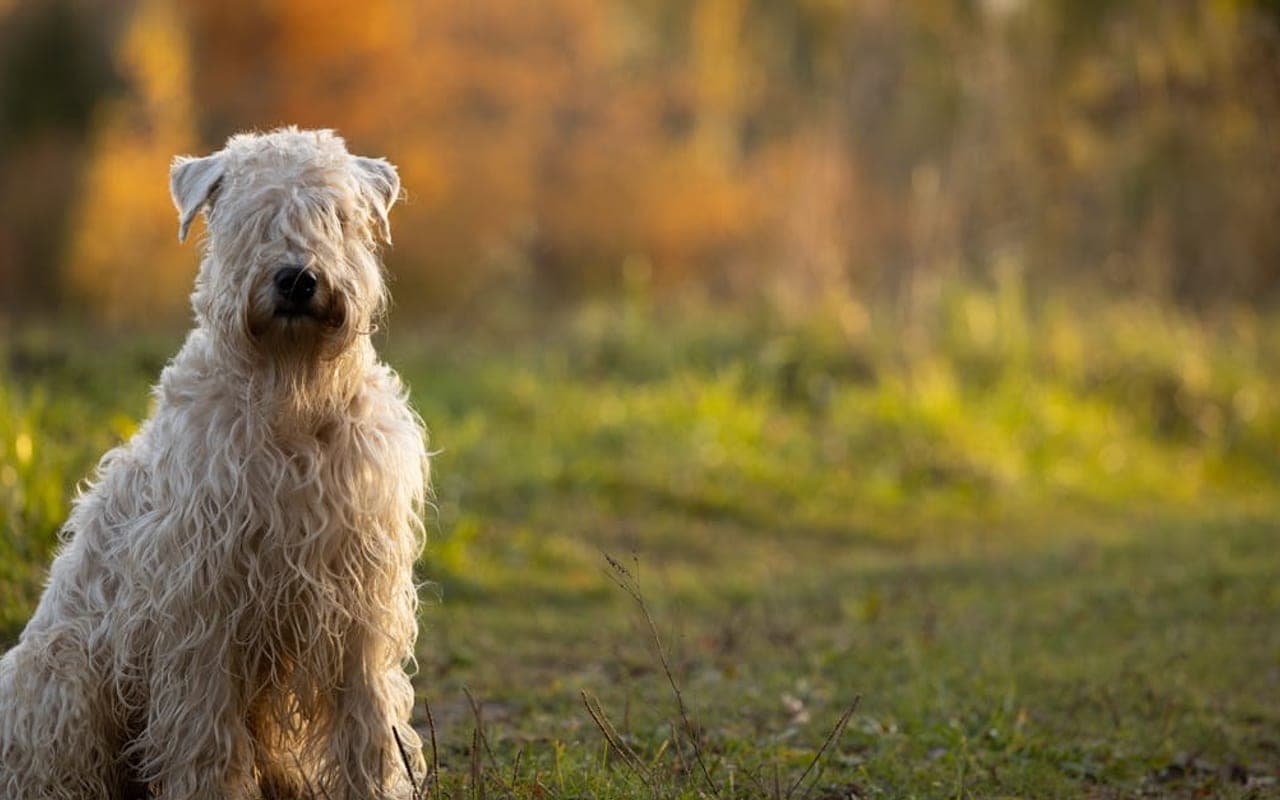
Soft Coated Wheaten Terrier
Also in the Terrier group, with different care and temperament tradeoffs.

Airedale Terrier
Also in the Terrier group, with different care and temperament tradeoffs.
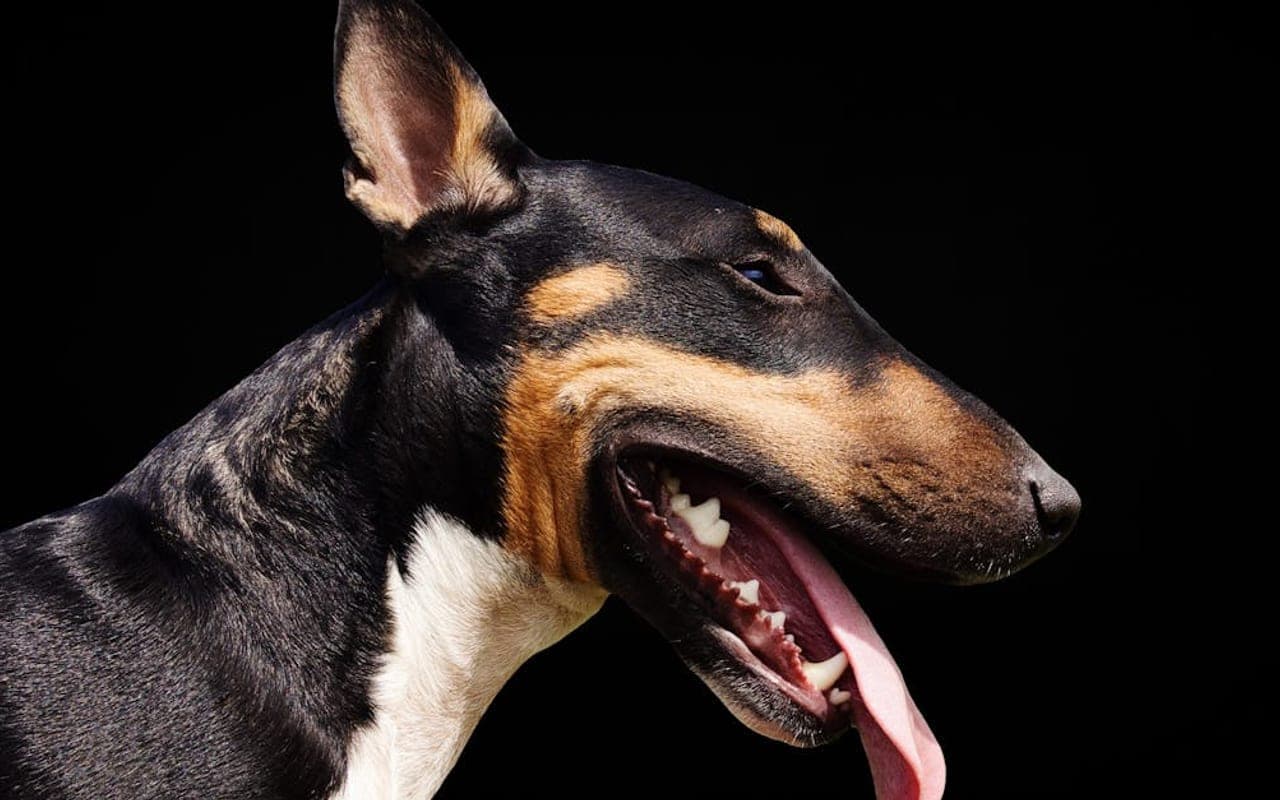
Bull Terrier
Also in the Terrier group, with different care and temperament tradeoffs.
Explore More About Miniature Bull Terrier
Dive deeper into everything Miniature Bull Terrier — costs, care, and expert insights.
Large Dog Care Guide: Everything Over 50 lbs
Owning a large or giant breed dog means accepting one of biology's...
Puppy Teething & Biting: Timeline and What Actually Works
A puppy has all 28 deciduous ("baby") teeth by roughly eight weeks of age, and...
Considering a cat instead?
Browse Cats