
Toy group
Miniature Pinscher
The Miniature Pinscher is a 10-12.
Size
8-11 lb
Lifespan
12-16 years
Exercise
30-60 minutes
Shedding
Moderate
Experience
Match to owner routine
Decision first
Is a Miniature Pinscher right for you?
Start with fit before history or trivia. These are ownership signals, not guarantees about any individual dog.
Best suited for
- Households with children.
- Homes with other compatible pets.
- Apartment homes with a consistent routine.
- Owners seeking a manageable daily exercise routine.
Think carefully if
- You need a dog with almost no daily routine.
- You cannot keep up with grooming and preventive care.
- The dog will spend most days alone without support.
Conditional fit
Apartment fit depends on exercise, enrichment, noise management, and outdoor access.
Daily reality
Miniature Pinscher commitment snapshot
Daily exercise
30-60 minutes
Match activity to age, health, weather, and training goals.
Coat care
Moderate
Grooming needs vary by coat, shedding, and lifestyle.
Time alone
Needs planning
Most dogs need gradual alone-time conditioning and support.
Structured facts
Miniature Pinscher at a glance
The measurements and traits that most affect day-to-day life with this breed.
Group
Toy
Weight
8-11 lb
Height
10-13 in
Lifespan
12-16 years
Temperament
Fearless | Fun-Loving | Proud
View all characteristics and methodology
Lifestyle fit
- Apartment suitability
- Likely fit
- Child friendliness
- Often good, with socialisation and supervision
- Other-pet fit
- Often compatible with careful introductions
Owner commitment
- Exercise
- 30-60 minutes
- Grooming
- Moderate
- Shedding
- Moderate
- Training
- Moderate
Environment and health
- Health risk
- Needs planning
Ratings combine structured breed data, visible breed fields, and editorial context. They are planning aids, not predictions for an individual dog.
Daily life
Miniature Pinscher temperament and behavior
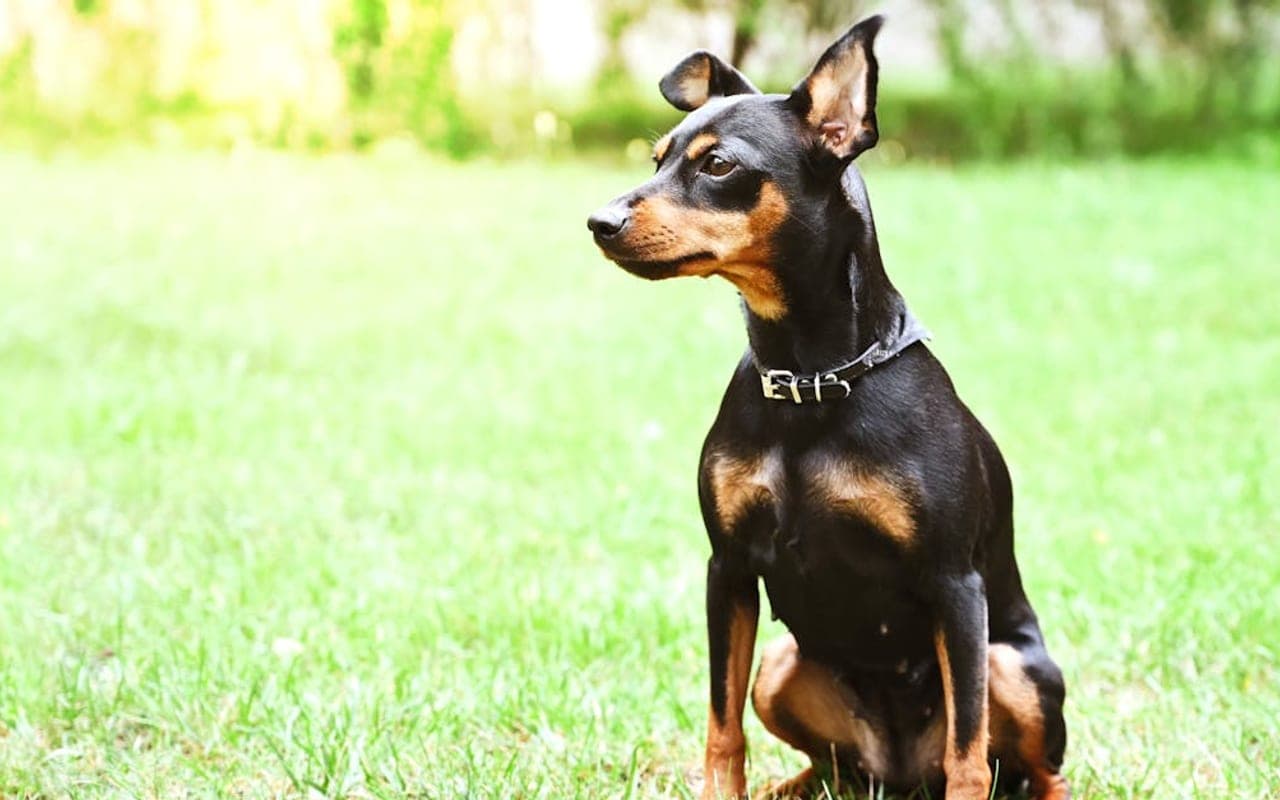
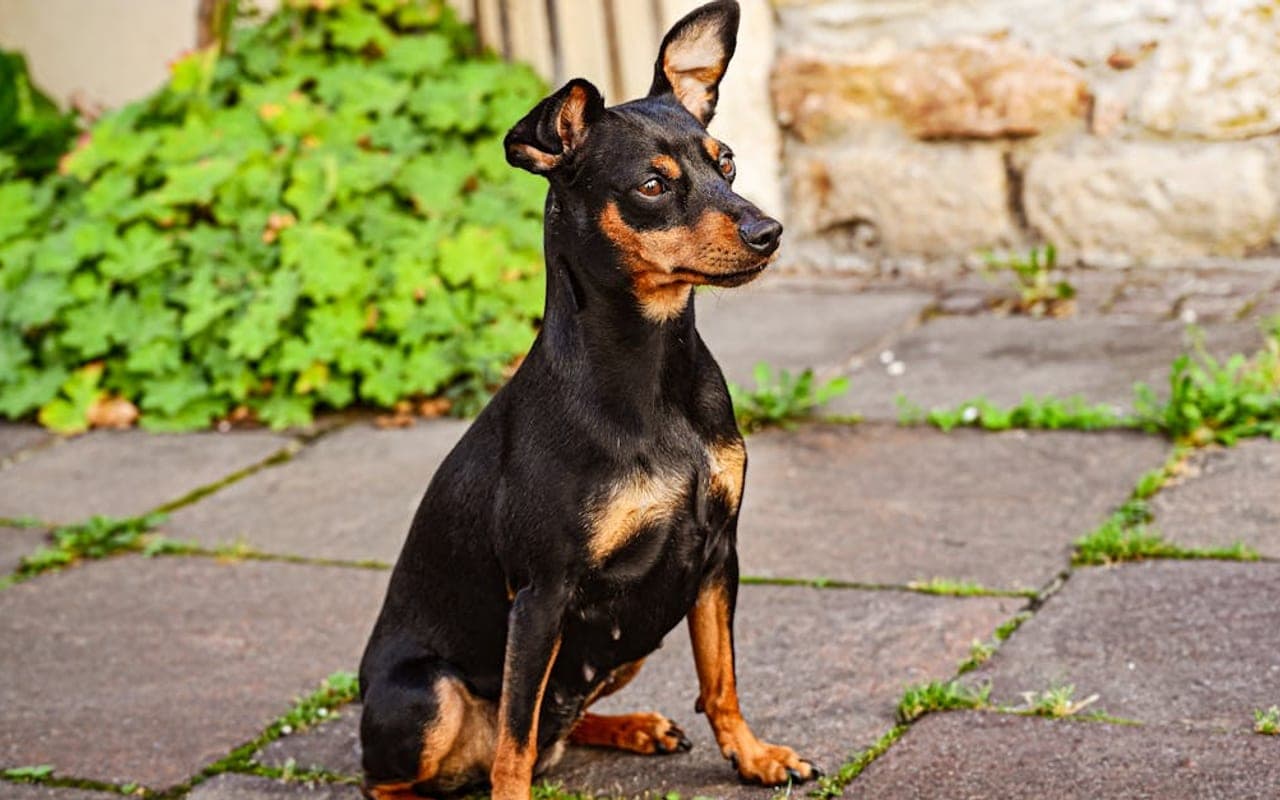
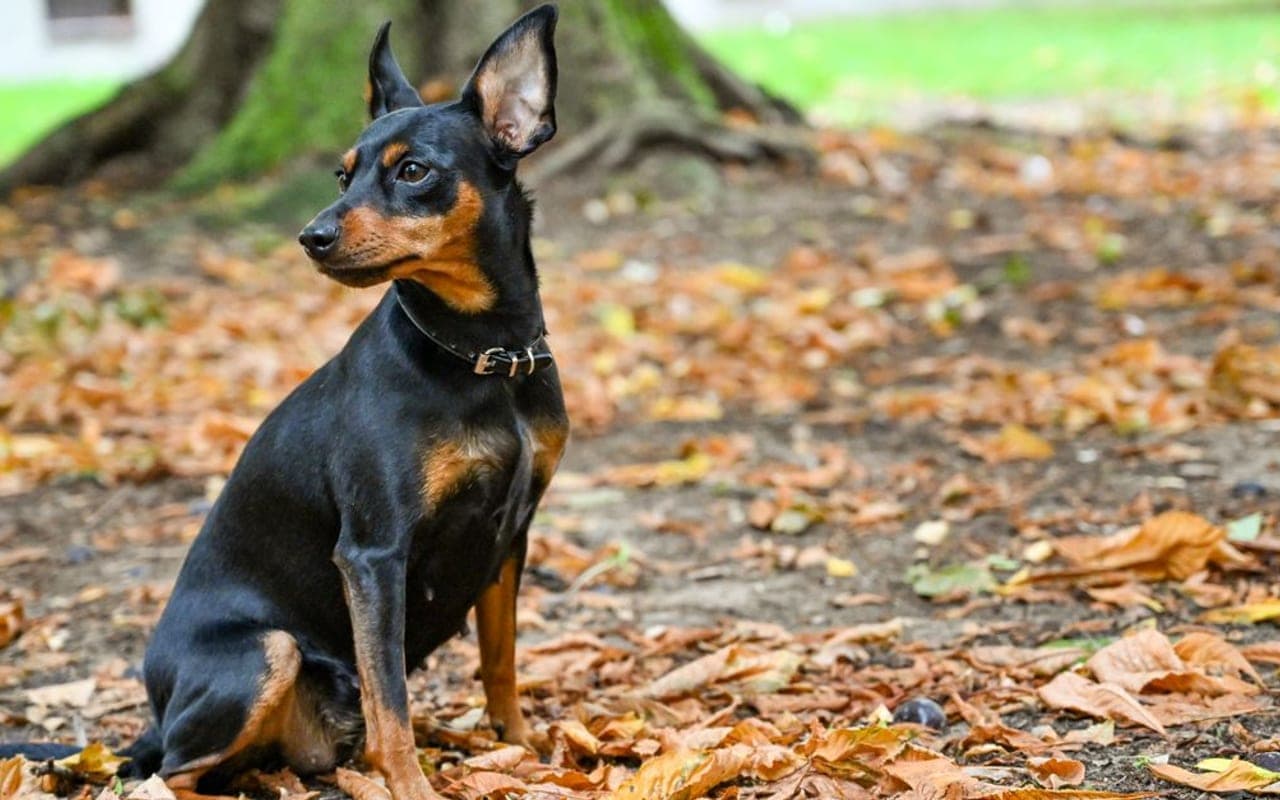
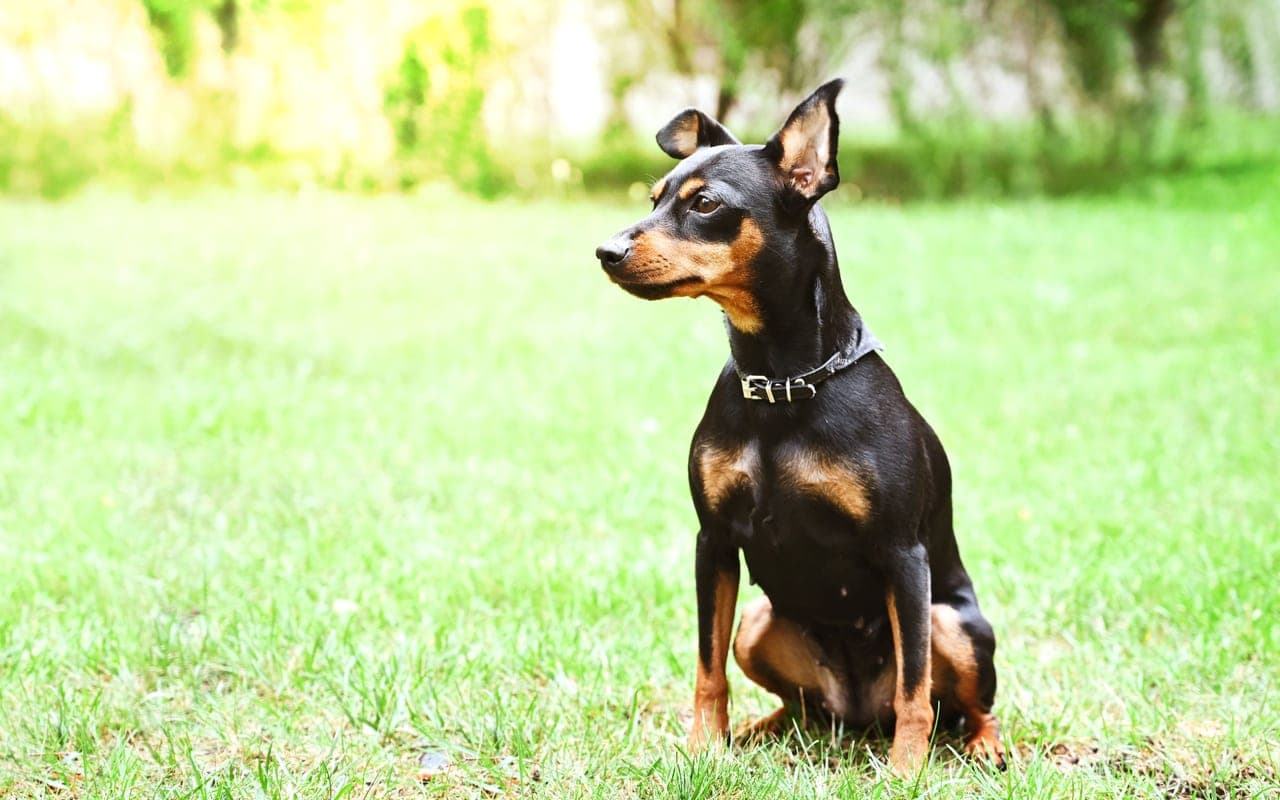
The Miniature Pinscher is a 10-12.5 inch, 8-12 pound toy dog with the temperament of a self-employed terrier, not a lap ornament. Despite the name and looks, it is not a miniature Doberman — it is an older German breed developed from terriers and small hounds to kill barn rats. Buyers who expect a delicate, cuddly toy dog are consistently surprised by a fearless, high-energy, escape-artist dynamo nicknamed the King of Toys for its outsized self-importance. Expect a fast, curious, fiercely confident dog that climbs, digs, squeezes through gaps, and treats a chain-link fence as a ladder. Min Pins are genuinely smart but independent and easily bored, which makes training a battle of consistency rather than intelligence. They are vocal alarm barkers — excellent watchdogs, poor choices for noise-sensitive neighbors. The smooth, short red or black-and-rust coat is near-zero grooming, but that same thin coat plus low body fat means a Min Pin is genuinely cold-intolerant and needs a coat in winter. This is not a good first dog for someone wanting an easygoing companion, and it is a poor match for homes with toddlers: the Min Pin is small enough to be injured by rough handling yet bold enough to provoke larger dogs and not back down. It bonds intensely with its people and can be a superb companion for an experienced, active owner who finds its swagger endearing. Who the Min Pin is right for: an active adult or older-child household that wants a small, bold, low-grooming dog and will commit to secure fencing, firm consistent training, and daily exercise. Who it is wrong for: families with small children, owners wanting an off-leash or low-energy dog, anyone unprepared for an escape artist and an alarm barker.
Fearless | Fun-Loving | Proud
Fearless
A common Miniature Pinscher temperament descriptor that should be interpreted alongside training, exercise, and household fit.
Fun-Loving
A common Miniature Pinscher temperament descriptor that should be interpreted alongside training, exercise, and household fit.
Proud
A common Miniature Pinscher temperament descriptor that should be interpreted alongside training, exercise, and household fit.
Owner note
Temperament labels are starting points, not guarantees. Meet the individual dog and ask about behavior history whenever possible.
Care essentials
How to care for a Miniature Pinscher
What looking after one actually involves: exercise, grooming, food, training, and routine health.
ExerciseAs needed
- Moderately active breed needing 30-60 minutes of daily exercise through walks, play, and mental stimulation.
GroomingAs needed
- Regular grooming needed — brush 2-3 times per week and bathe monthly.
TrainingAs needed
- Moderately trainable — consistent, patient training with positive methods works best.
NutritionAs needed
- Feed a high-quality dog food appropriate for their age, size, and activity level. Monitor portions to prevent obesity.
Veterinary CareAs needed
- Annual wellness exams, core vaccinations, dental care, and parasite prevention. Breed-specific health screenings as recommended by your vet.
Health planning
Miniature Pinscher health risks and screening
Every breed has individual health variation. Use this profile for planning and discuss medical decisions with a veterinarian.
Responsible ownership
Finding a Miniature Pinscher responsibly
What to ask a breeder or rescue is the same conversation for every breed, so we keep it in one place and keep it current.
Health documentation, meeting the parents or foster, contracts and return support, and the warning signs worth walking away from.
Original purpose
Miniature Pinscher history
History is useful when it explains today's behavior, coat, exercise needs, and training style.
Read the breed history
The Miniature Pinscher originated in Germany, where it is far older than the Doberman it is often mistaken for shrinking. The breed was developed over centuries to control rats and vermin in stables and homes, drawing on German Pinscher stock with likely contributions from the Italian Greyhound and Dachshund — which explains both its high-stepping hackney gait and its terrier-like rat-killing drive. It was bred for function: a fast, fearless, agile dog small enough to work tight spaces but bold enough to face cornered vermin. The breed was well established in Germany by the late 19th century, was recognized by the American Kennel Club in 1925, and the U.S. parent club later affirmed it is not a Doberman derivative. That ratting heritage is why the modern Min Pin is so driven, so prey-focused, and such an accomplished escape artist — these are working traits, not training failures.
Gallery
Miniature Pinscher photos
Images are cropped consistently and loaded progressively to keep the page responsive.
Lower-page context
Miniature Pinschers in culture
Where the breed shows up in film, sport, work and folklore — the enjoyable part, once the practical questions are answered.
Fun facts
- The Miniature Pinscher belongs to the Toy Group.
- The Miniature Pinscher is considered a hypoallergenic breed, making it a good choice for allergy sufferers.
- With proper care, Miniature Pinscher dogs can live up to 16 years or more.
Miniature Pinscher FAQs
Is a Miniature Pinscher just a small Doberman?
No — this is the single most common misconception. The Min Pin is an older, separate German breed developed from the German Pinscher with Italian Greyhound and Dachshund influence to kill stable rats; it predates the Doberman and is not a scaled-down version of it. The shared coloring and ear cropping created the visual confusion. Practically, this matters: you are getting a driven ratting terrier-type in a 10-pound package, not a calm guard dog in miniature.
How long do Miniature Pinschers live?
A healthy Min Pin typically lives 12-16 years, which is excellent and among the longer-lived breeds. The dog is generally robust, so longevity is mostly determined by weight management (lean dogs spare their vulnerable knees and hips), consistent dental care, and buying from a breeder who screens for the breed's inherited eye and storage diseases. The under-discussed factor is trauma: accidents from this breed's escape-artist and furniture-leaping behavior are a meaningful real-world cause of early death, so secure containment and discouraging high jumps genuinely extend lifespan here as much as any vet care does.
Are Miniature Pinschers good with children?
They are best with calm, older children (roughly 8+) and a poor match for homes with toddlers. The Min Pin is bold and will not tolerate rough handling, grabbing, or cornering, and it is small enough to be seriously injured by a fall or a clumsy step. It can be a wonderful family dog where children are old enough to respect it. Always supervise interactions and never leave a Min Pin loose with a small child.
Why does my Miniature Pinscher keep escaping the yard?
Because it was bred to be relentless and resourceful, and it is. Min Pins climb chain-link, squeeze through gaps a larger dog couldn't, dig under fences, and jump higher than their size suggests. This is normal breed behavior, not a training defect. The fix is environmental: a solid (not climbable) fence of at least 5-6 feet, no horizontal rails to use as a ladder, no gaps, gates latched, and supervision outdoors. Don't rely on training to override this drive.
Do Miniature Pinschers really need to wear coats?
Yes, in cold weather this is genuine welfare, not fashion. The Min Pin has a single thin coat and very low body fat, so it loses heat fast and is at real risk of hypothermia. Use a fitted coat below roughly 45F, keep outdoor time short in freezing conditions, and provide warm indoor bedding away from drafts. A shivering Min Pin is telling you it is cold — take it seriously.
Sources
These are the published sources this page draws on. Each opens in a new tab so you can check it yourself.
American Kennel Club
Miniature Pinscher — breed standard and profile(opens in a new tab)Supports: Breed standard and recognition details.
Similar breeds to consider
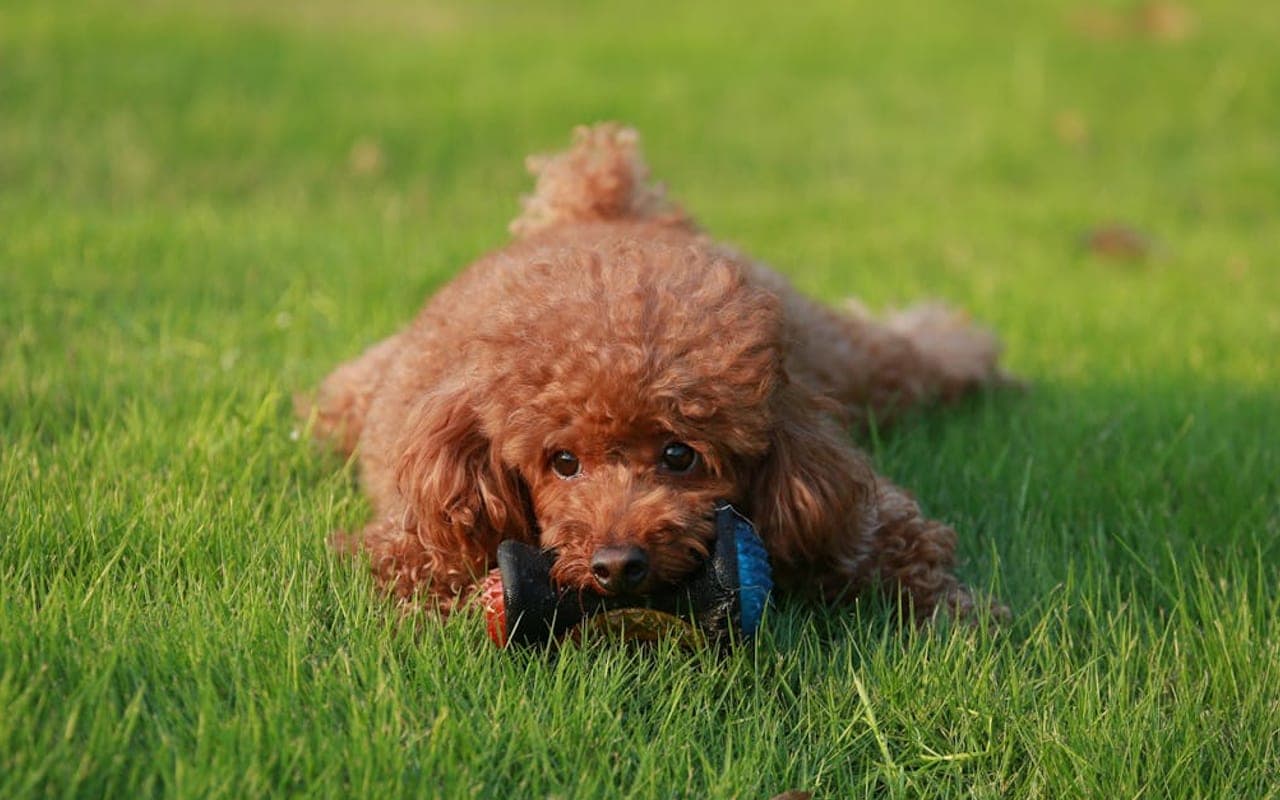
Poodle (Toy)
Also in the Toy group, with different care and temperament tradeoffs.
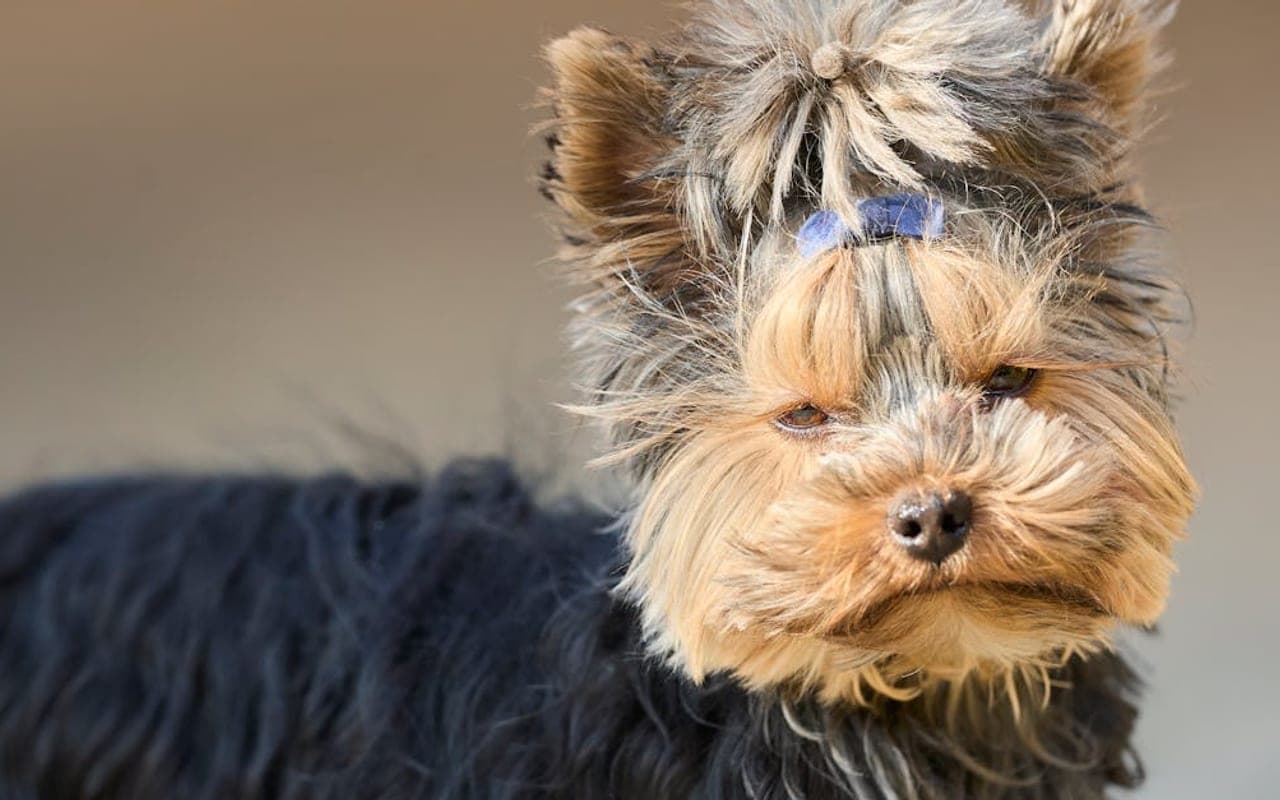
Yorkshire Terrier
Also in the Toy group, with different care and temperament tradeoffs.
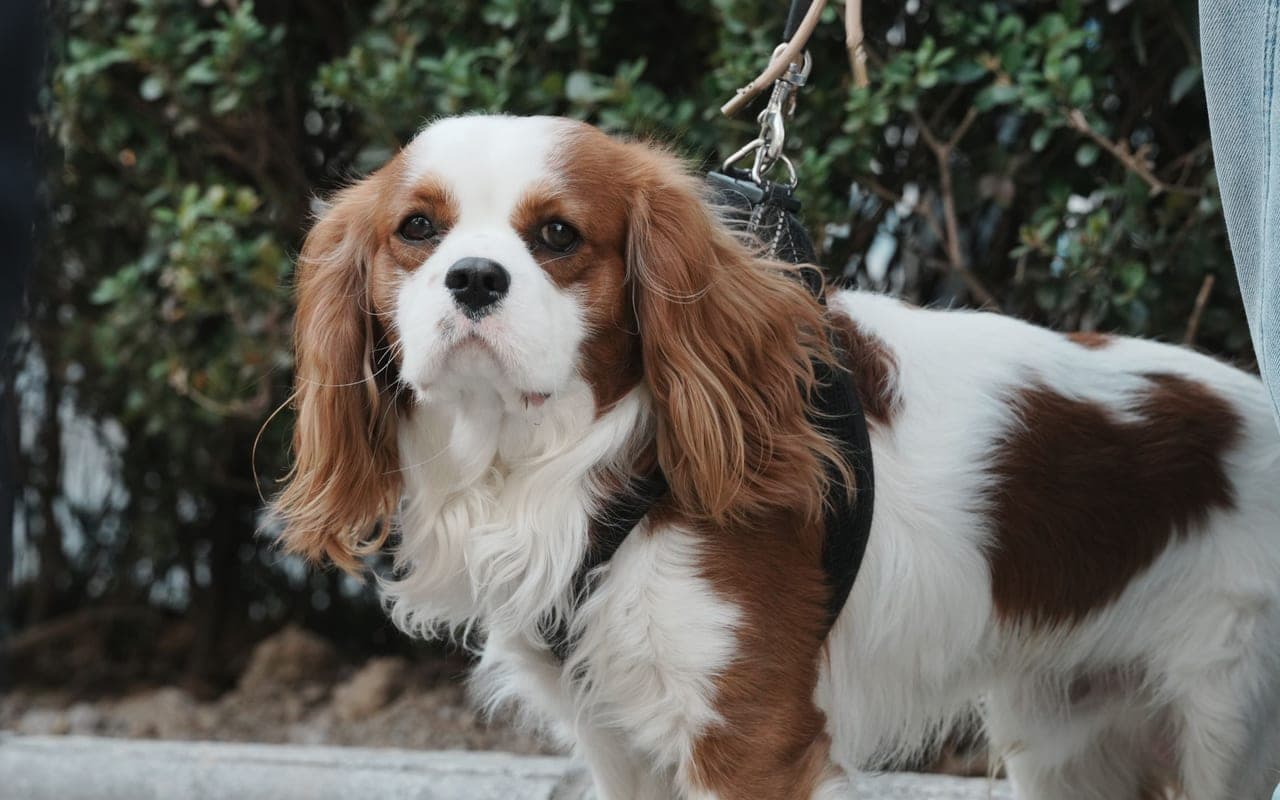
Cavalier King Charles Spaniel
Also in the Toy group, with different care and temperament tradeoffs.
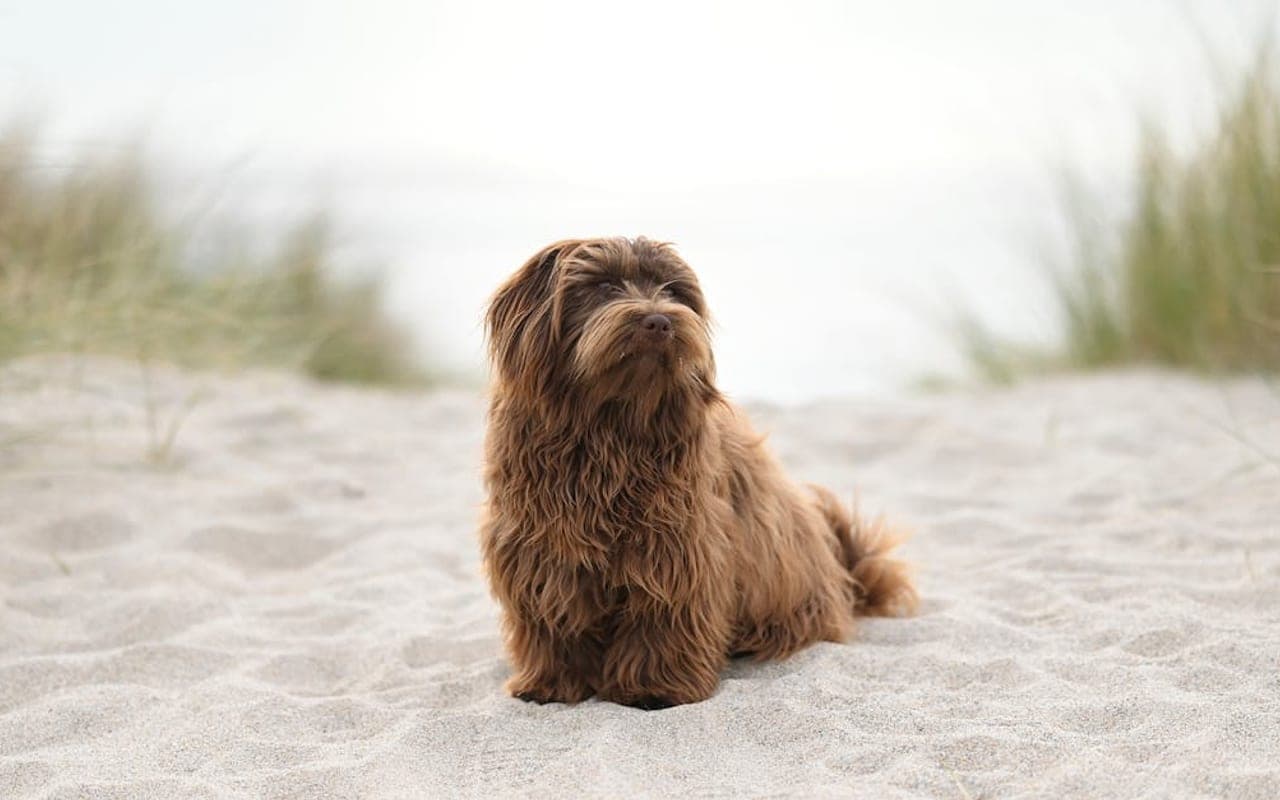
Havanese
Also in the Toy group, with different care and temperament tradeoffs.
Explore More About Miniature Pinscher
Dive deeper into everything Miniature Pinscher — costs, care, and expert insights.
Large Dog Care Guide: Everything Over 50 lbs
Owning a large or giant breed dog means accepting one of biology's...
Puppy Teething & Biting: Timeline and What Actually Works
A puppy has all 28 deciduous ("baby") teeth by roughly eight weeks of age, and...
Considering a cat instead?
Browse Cats