
Terrier group
Miniature Schnauzer
The Miniature Schnauzer is a 30-36 cm, roughly 5.
Size
11-20 lb
Lifespan
12-15 years
Exercise
30-60 minutes
Shedding
Moderate
Experience
Match to owner routine
Decision first
Is a Miniature Schnauzer right for you?
Start with fit before history or trivia. These are ownership signals, not guarantees about any individual dog.
Best suited for
- Households with children.
- Homes with other compatible pets.
- Apartment homes with a consistent routine.
- Owners seeking a manageable daily exercise routine.
Think carefully if
- You need a dog with almost no daily routine.
- You cannot keep up with grooming and preventive care.
- The dog will spend most days alone without support.
Conditional fit
Apartment fit depends on exercise, enrichment, noise management, and outdoor access.
Daily reality
Miniature Schnauzer commitment snapshot
Daily exercise
30-60 minutes
Match activity to age, health, weather, and training goals.
Coat care
Low
Grooming needs vary by coat, shedding, and lifestyle.
Time alone
Needs planning
Most dogs need gradual alone-time conditioning and support.
Structured facts
Miniature Schnauzer at a glance
The measurements and traits that most affect day-to-day life with this breed.
Group
Terrier
Weight
11-20 lb
Height
12-14 in
Lifespan
12-15 years
Temperament
Friendly | Smart | Obedient
View all characteristics and methodology
Lifestyle fit
- Apartment suitability
- Likely fit
- Child friendliness
- Often good, with socialisation and supervision
- Other-pet fit
- Often compatible with careful introductions
Owner commitment
- Exercise
- 30-60 minutes
- Grooming
- Low
- Shedding
- Moderate
- Training
- Low
Environment and health
- Health risk
- Needs planning
Ratings combine structured breed data, visible breed fields, and editorial context. They are planning aids, not predictions for an individual dog.
Daily life
Miniature Schnauzer temperament and behavior
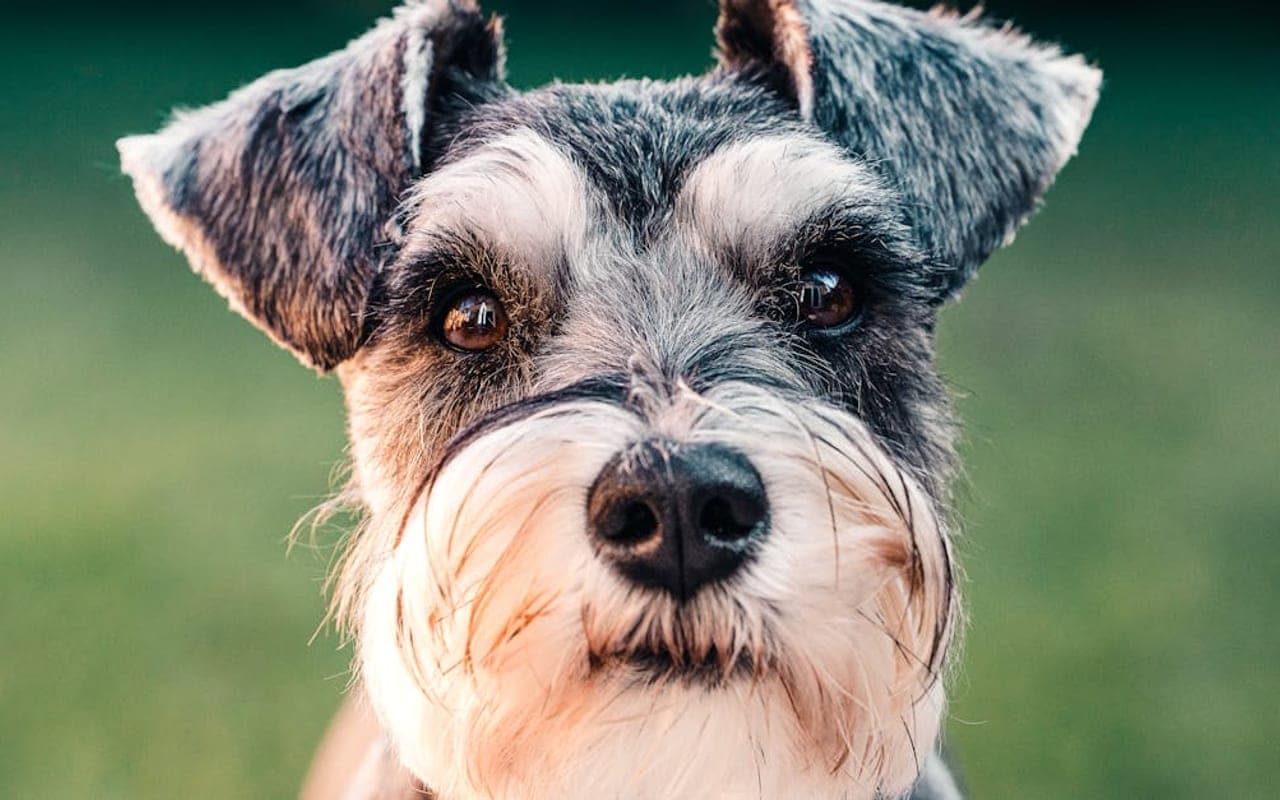
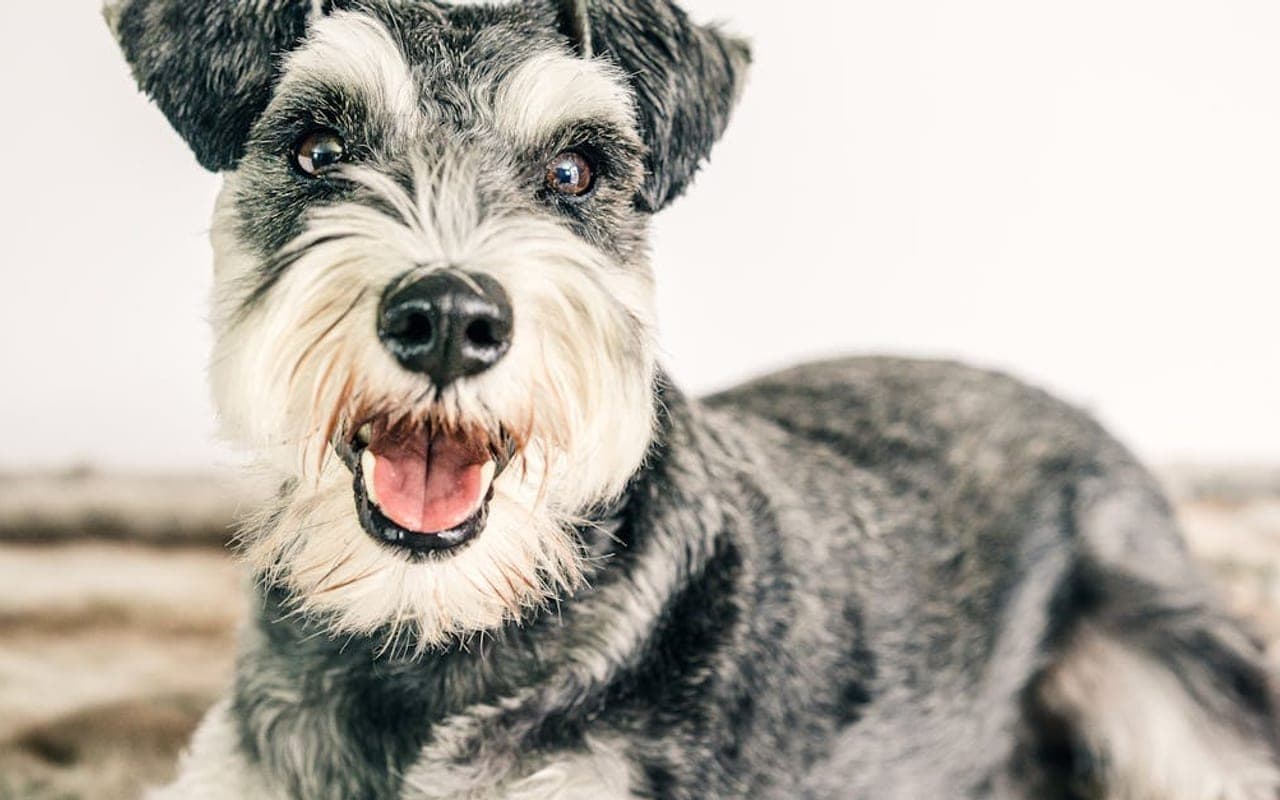
The Miniature Schnauzer is a 30-36 cm, roughly 5.4-9 kg German terrier — a small, sturdy, bearded ratter with a confident personality far larger than its frame. It was bred down from the Standard Schnauzer to control vermin on farms, and that working terrier wiring still shows: alert, smart, bold, busy, and notably vocal. People adopt the breed for the cute beard and the low-shed coat; the two things they most often underestimate are how much this dog barks and how seriously its diet must be managed for the metabolic conditions it is prone to. Be honest about the bark first. The Mini Schnauzer is a born watchdog — it announces visitors, sounds, and squirrels with conviction. This is trainable down to a reasonable level with consistent work, but it is never a naturally quiet breed, and that matters in apartments and shared walls. Be honest about the diet second: this breed is genuinely predisposed to pancreatitis and hyperlipidemia, meaning high-fat foods, fatty table scraps, and dietary indiscretion are not just 'bad habits' here — they are direct triggers for a painful, sometimes hospitalization-level illness. Feeding discipline is medical management in this breed, not pickiness. Temperament otherwise is excellent for the right owner: affectionate and devoted to family, playful well into old age, highly intelligent and trainable, and generally robust. They tend to be reserved with strangers and can be scrappy toward unfamiliar dogs or small animals (the prey drive is real — small pets and off-lead recall need management). The coat is the practical trade-off. The wiry double coat sheds very little, which is the breed's headline appeal, but it is not maintenance-free: it needs professional grooming roughly every 5-8 weeks plus regular home brushing. Low-shed does not mean low-effort — it means you pay in grooming bills instead of vacuuming. Who the Miniature Schnauzer is right for: an owner who wants a smart, low-shed, devoted small dog and will commit to bark training, a strict low-fat diet, and ongoing grooming costs. Who it is wrong for: anyone wanting a quiet dog, a free-feeding 'table scraps' household, or a no-grooming-budget home.
Friendly | Smart | Obedient
Friendly
A common Miniature Schnauzer temperament descriptor that should be interpreted alongside training, exercise, and household fit.
Smart
A common Miniature Schnauzer temperament descriptor that should be interpreted alongside training, exercise, and household fit.
Obedient
A common Miniature Schnauzer temperament descriptor that should be interpreted alongside training, exercise, and household fit.
Owner note
Temperament labels are starting points, not guarantees. Meet the individual dog and ask about behavior history whenever possible.
Care essentials
How to care for a Miniature Schnauzer
What looking after one actually involves: exercise, grooming, food, training, and routine health.
ExerciseAs needed
- Moderately active breed needing 30-60 minutes of daily exercise.
GroomingAs needed
- Weekly brushing is sufficient.
TrainingAs needed
- Consistent, patient training works best.
NutritionAs needed
- Feed high-quality dog food appropriate for age, size, and activity level.
Veterinary CareAs needed
- Annual wellness exams, vaccinations, dental care, and parasite prevention.
Health planning
Miniature Schnauzer health risks and screening
Every breed has individual health variation. Use this profile for planning and discuss medical decisions with a veterinarian.
Responsible ownership
Finding a Miniature Schnauzer responsibly
What to ask a breeder or rescue is the same conversation for every breed, so we keep it in one place and keep it current.
Health documentation, meeting the parents or foster, contracts and return support, and the warning signs worth walking away from.
Original purpose
Miniature Schnauzer history
History is useful when it explains today's behavior, coat, exercise needs, and training style.
Read the breed history
The Miniature Schnauzer was developed in Germany in the late 19th century by breeding the Standard Schnauzer down in size — likely with crosses to small breeds such as the Affenpinscher and Poodle — to create a compact, hardy farm dog suited to controlling rats and other vermin around the homestead. Unlike most small companion breeds, it descends from working stock rather than lapdog lines, which is why its terrier traits — alertness, prey drive, boldness, and a strong watchdog voice — remain pronounced today. It was recognized as a distinct breed in Germany at the turn of the 20th century and classified in the terrier group in the English-speaking world. Its combination of a low-shedding wiry coat, manageable size, sharp intelligence, and devoted family temperament drove it to become one of the most popular small breeds globally, a popularity that also widened the gene pool's exposure to the metabolic and eye conditions documented in the breed.
Gallery
Miniature Schnauzer photos
Images are cropped consistently and loaded progressively to keep the page responsive.
Lower-page context
Miniature Schnauzers in culture
Where the breed shows up in film, sport, work and folklore — the enjoyable part, once the practical questions are answered.
Fun facts
- The Miniature Schnauzer belongs to the Terrier Group.
- The average lifespan of a Miniature Schnauzer is 12 to 15 years.
- Miniature Schnauzer dogs are valued for their friendly, smart, obedient nature.
Miniature Schnauzer FAQs
Do Miniature Schnauzers bark a lot?
Yes — this is one of the most common surprises for new owners. The breed was developed as a farm ratter and watchdog, and alert-barking at people, sounds, and movement is part of the wiring, not a fixable defect. Consistent training, daily exercise, and mental work bring it down to a livable level, but a Miniature Schnauzer will never be a naturally quiet dog. In an apartment or shared-wall home, plan for this before you commit, not after.
Why do Miniature Schnauzers need a low-fat diet?
Because the breed is genuinely predisposed to pancreatitis and hyperlipidemia (high blood fats). In a Miniature Schnauzer, fatty table scraps, rich treats, and dietary indiscretion are not minor habits — they are direct triggers for a painful, sometimes hospitalization-level illness. Feed a consistent moderate- or low-fat complete diet, skip the fatty 'just this once,' and ask your vet about periodic blood lipid checks from middle age. Diet discipline here is medical management.
Do Miniature Schnauzers shed, and how much grooming do they need?
They shed very little, which is a major part of their appeal, but low-shed does not mean low-maintenance. The wiry double coat needs professional grooming (clipping or hand-stripping) roughly every 5-8 weeks plus home brushing 2-3 times a week to prevent mats in the leg furnishings and beard. The beard also needs near-daily wiping because it traps food and water. Budget grooming as a fixed recurring cost, not an occasional one.
Are Miniature Schnauzers good with children and other pets?
They are typically affectionate, playful, and sturdy with children in their own family, and well-socialized individuals do well in busy households. Caution applies to small animals and unfamiliar dogs: this is a terrier with real prey drive, so cats it wasn't raised with, pet rodents, and off-lead recall around wildlife need active management. Early socialization and reliable recall training matter more here than the small size might suggest.
How long do Miniature Schnauzers live and how much exercise do they need?
They are a relatively long-lived breed, typically around 12-15 years, and stay playful well into old age. They need about 45-60 minutes of activity daily split between walks and mental work — this is a clever terrier, and puzzle feeders, training games, and scent work prevent the boredom barking and digging the breed is prone to. Lifespan is strongly helped by keeping the dog lean and managing the diet for its metabolic risks.
Sources
These are the published sources this page draws on. Each opens in a new tab so you can check it yourself.
American Kennel Club
Miniature Schnauzer — breed standard and profile(opens in a new tab)Supports: Breed standard and recognition details.
Similar breeds to consider
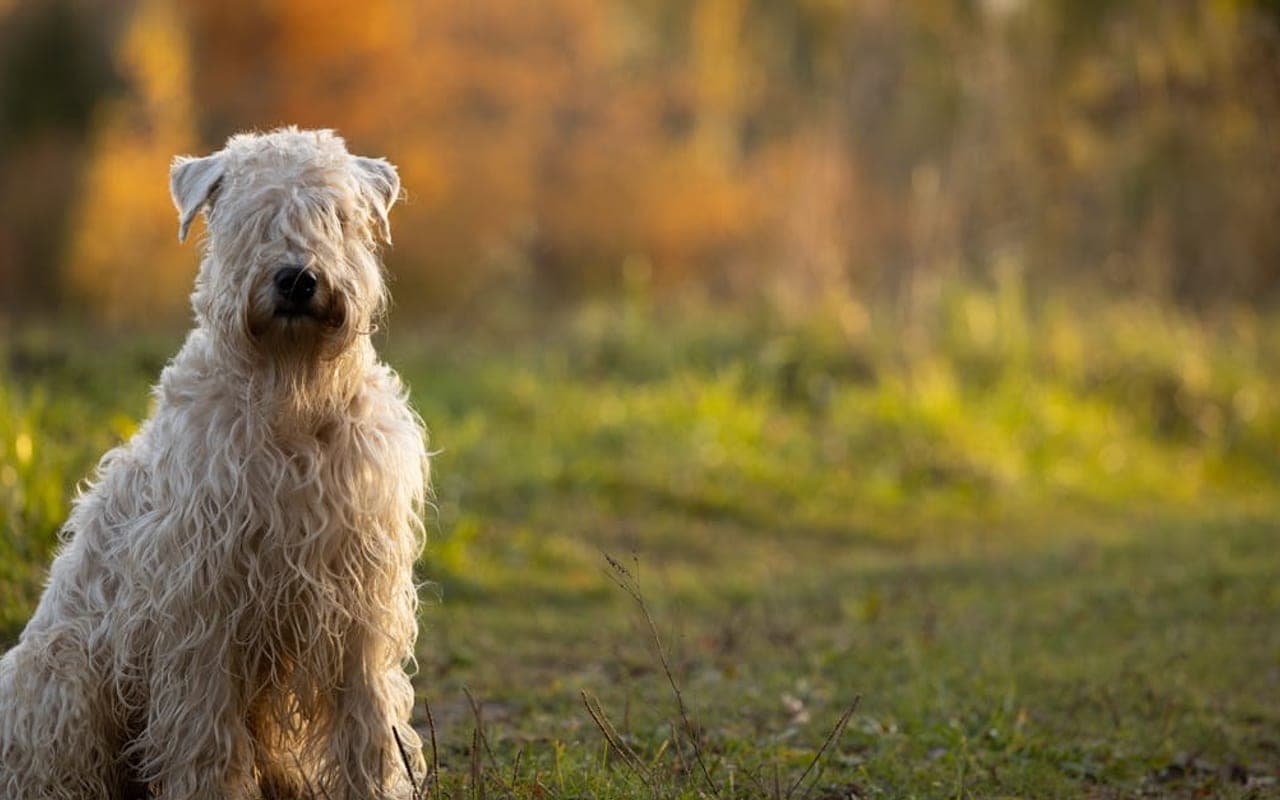
Soft Coated Wheaten Terrier
Also in the Terrier group, with different care and temperament tradeoffs.
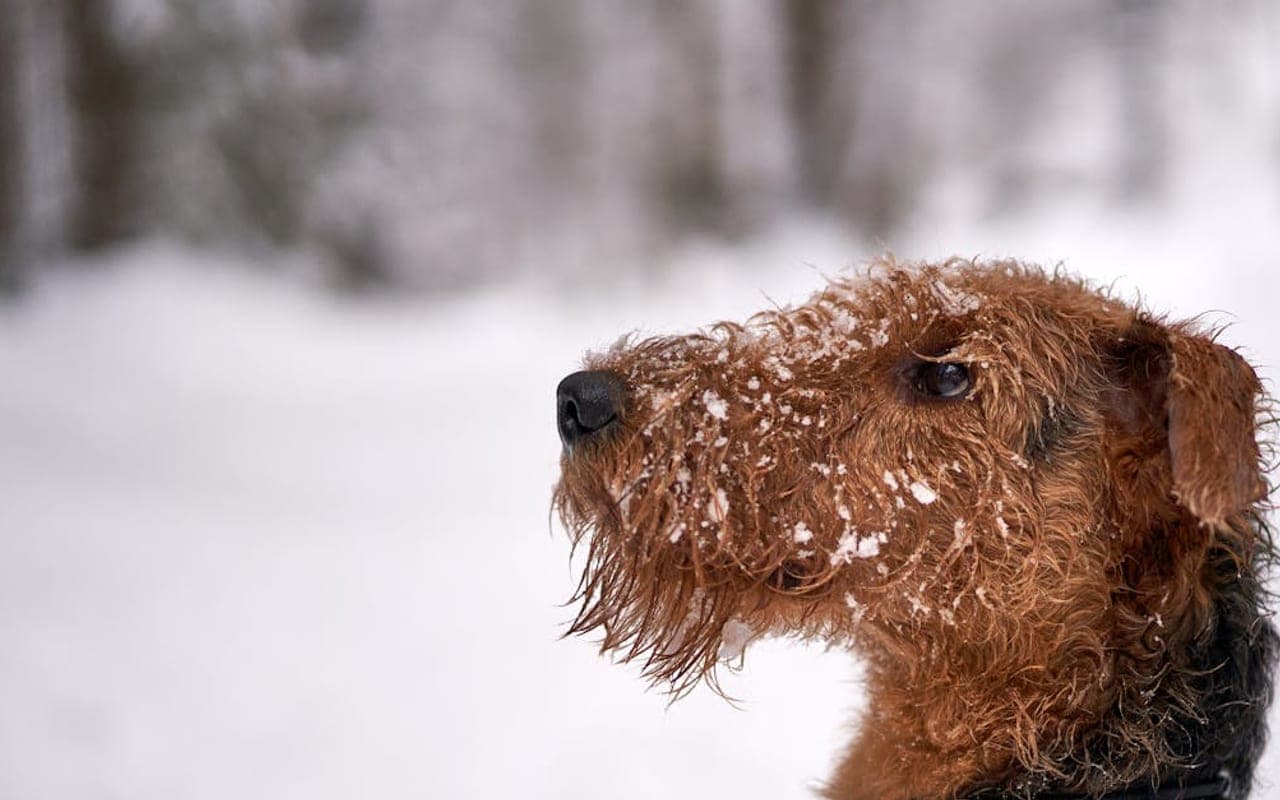
Airedale Terrier
Also in the Terrier group, with different care and temperament tradeoffs.
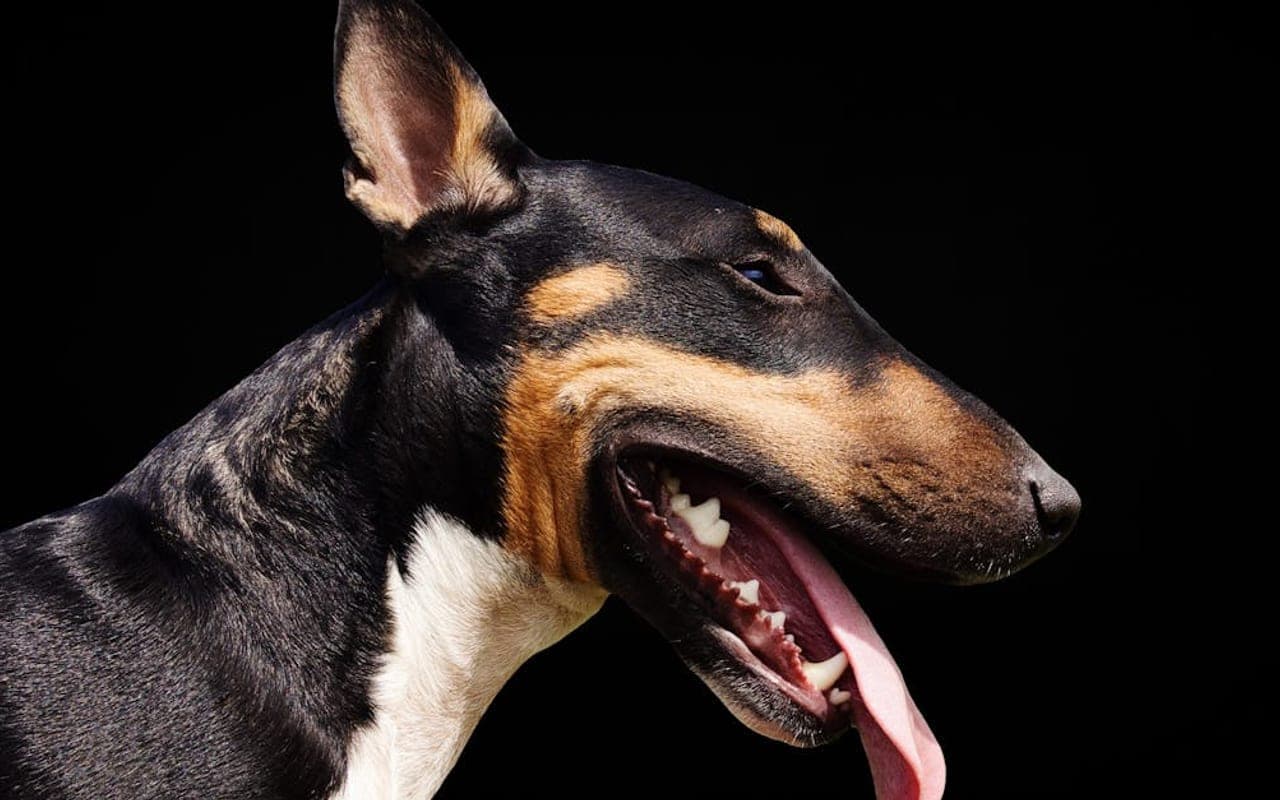
Bull Terrier
Also in the Terrier group, with different care and temperament tradeoffs.
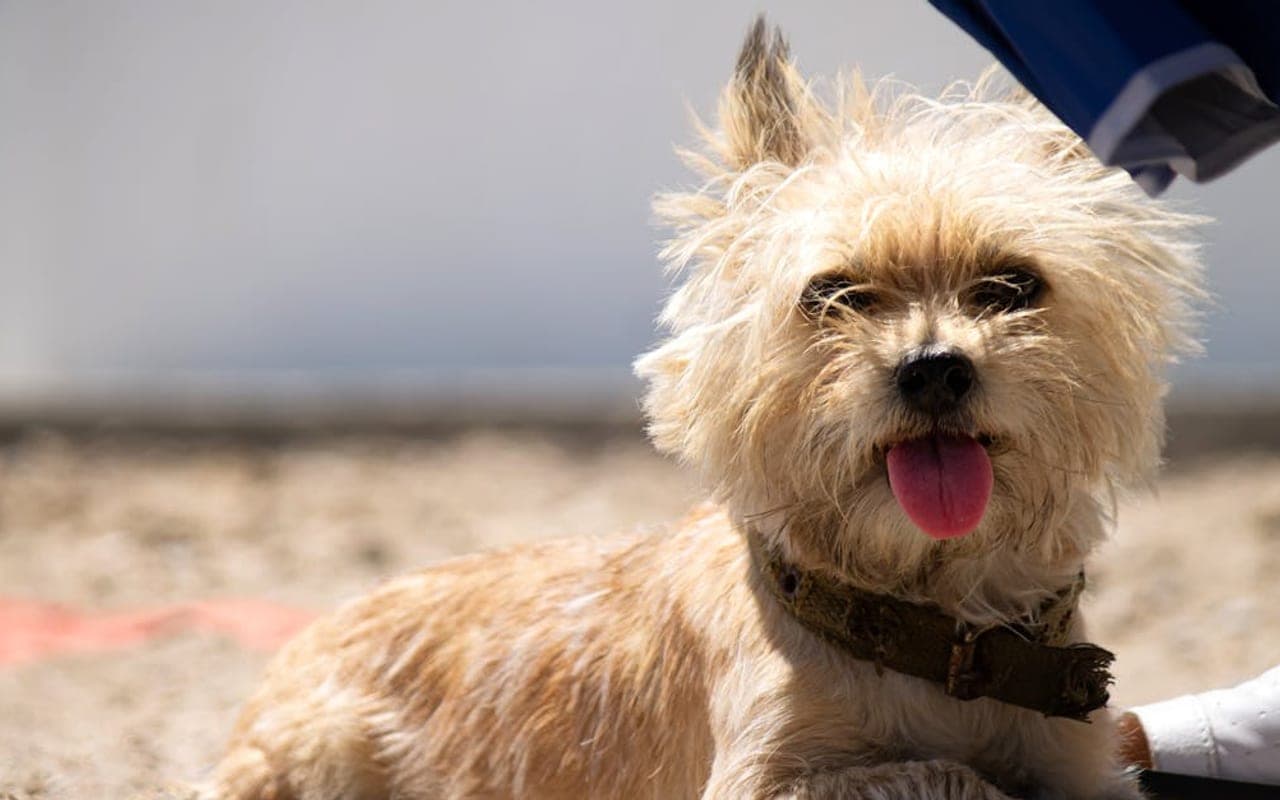
Cairn Terrier
Also in the Terrier group, with different care and temperament tradeoffs.
Explore More About Miniature Schnauzer
Dive deeper into everything Miniature Schnauzer — costs, care, and expert insights.
Large Dog Care Guide: Everything Over 50 lbs
Owning a large or giant breed dog means accepting one of biology's...
Puppy Teething & Biting: Timeline and What Actually Works
A puppy has all 28 deciduous ("baby") teeth by roughly eight weeks of age, and...
Pancreatitis in Dogs: Causes, Diet, and Recovery
Pancreatitis strikes suddenly and can be life-threatening. Learn the warning signs, what causes it,...
Considering a cat instead?
Browse Cats